I get it. You're on your bike, stuck in slow-moving traffic, and you're wondering, is lane splitting legal in Georgia?
It's a fair question. And I've spent time looking into the exact laws so you don't have to.
Here's the short answer: lane splitting is not legal in Georgia. But there's more to it than just a yes or no.
In this blog, I'll cover the specific Georgia laws around lane splitting, the penalties you could face, and what riding practices are actually allowed.
I've broken it all down in simple, clear terms so you walk away knowing exactly where you stand.
What Is Lane Splitting?
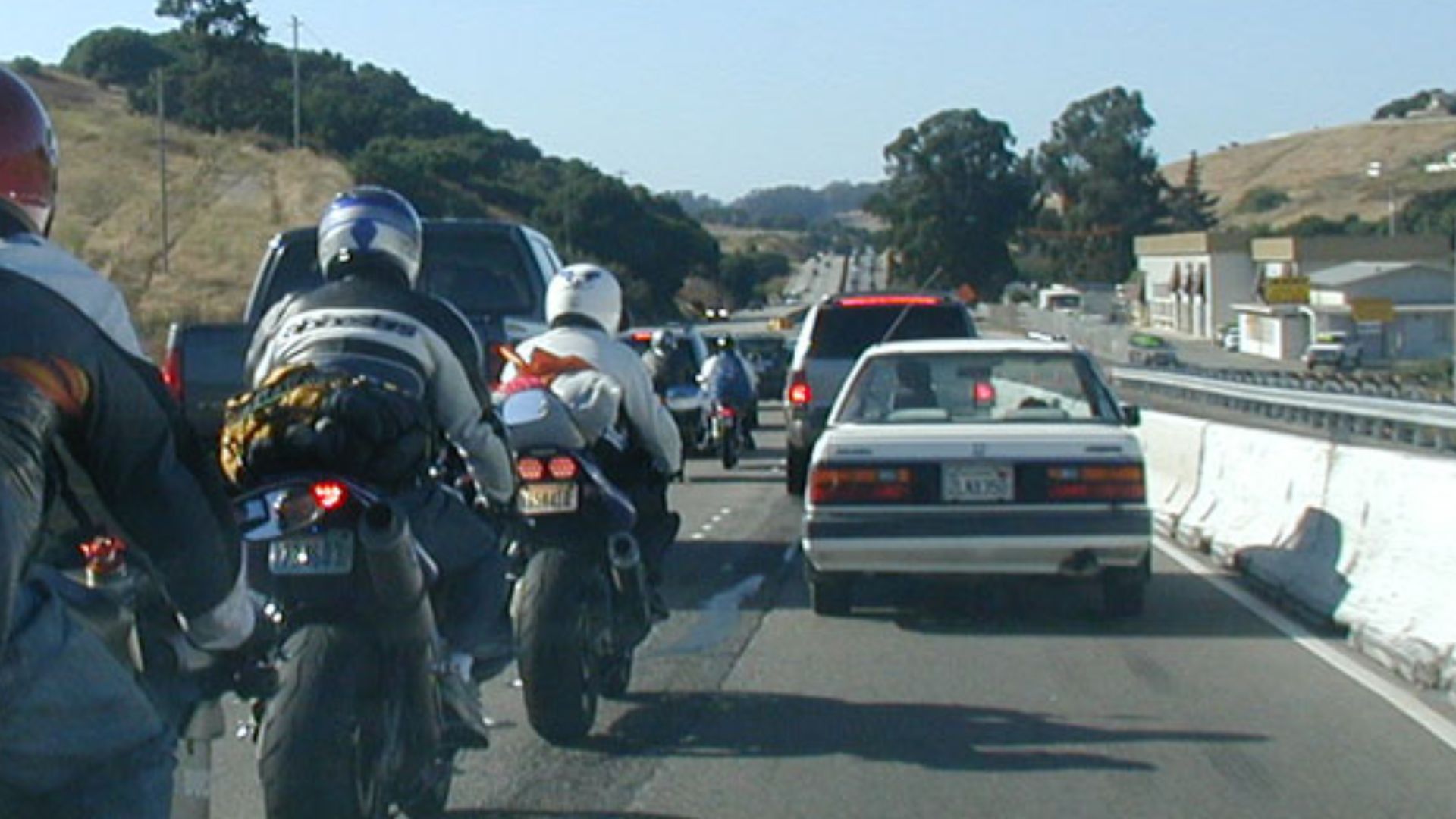
Lane splitting is when a motorcyclist rides between two lanes of slow-moving or stopped traffic to get ahead of the line.
Think of it this way. Cars are barely moving on a highway. A motorcycle rides along the lane divider between two rows of vehicles. That's lane splitting.
Some riders do it to save time. Others argue it actually reduces the risk of rear-end collisions from distracted drivers.
Lane filtering is when a rider moves to the front of stopped traffic at a red light.
Lane sharing is when two motorcycles ride side by side in the same lane. All three are different things with different rules.
Knowing the difference matters a lot. Because when you ask, is lane splitting legal in Georgia, you need to be specific about what practice you mean. The law does not treat them all the same way.
Lane Splitting vs. Lane Filtering vs. Lane Sharing
Many riders use these three terms like they mean the same thing. They don't. Georgia law treats these differently. And getting them mixed up can cost you.
Here's a quick breakdown:
| Feature | Lane Splitting | Lane Filtering | Lane Sharing |
| Definition | Riding between moving lanes of traffic | Moving between stopped or slow vehicles | Two riders side by side in one lane |
| Traffic Condition | Moving traffic | Stopped or near-stopped traffic | Any condition |
| Legal in Georgia? | No | No | Yes, with two riders max |
| Common Risk | High speed collision | Driver door opening suddenly | Loss of lane space |
| Used By | Solo riders | Solo riders | Riding partners |
| Why Riders Do It | Beat traffic faster | Skip long red lights | Ride together comfortably |
Lane sharing is the only one Georgia allows. The other two can get you a ticket.
Georgia Motorcycle Laws Related to Lane Splitting
Georgia has clear rules for how motorcycles must operate on the road. Knowing these laws can keep you safe and fine-free.
- In Georgia, every vehicle, including motorcycles, must stay within a single lane at all times. Lane splitting is not allowed under any condition.
- Motorcycles are permitted to share a lane with one other motorcycle, but no more than two bikes can ride side by side in the same lane.
- All motorcycle riders must hold a valid Class M license or a Class M endorsement on their regular driver's license.
- Riders under 21 must wear a helmet. Riders 21 and older must also wear one if they do not carry at least $10,000 in medical insurance.
- Motorcycles must follow the same traffic signals and speed limits as cars. Riders cannot use the road shoulder as a travel lane.
- Running a red light, even when a sensor fails to detect the bike, can still result in a fine unless the rider correctly follows Georgia's "dead red" law.
What Happens if You Lane Split in Georgia?

Lane splitting in Georgia is not just frowned upon. It is against the law. If you do it, you are putting yourself at risk of citations, fines, and a marked driving record.
Here is what you need to know.
Possible Traffic Citations
If a Georgia officer catches you lane splitting, you will likely get a traffic citation on the spot.
Georgia law requires motorcycles to stay within a single lane and not pass between lanes of moving or stopped traffic.
So even if traffic is at a standstill, splitting lanes is still a violation. Officers treat it as a moving traffic offense, and there is no gray area here.
Fines and Penalties
The fines for lane splitting in Georgia can vary. A basic traffic citation can cost you anywhere from $100 to $500 depending on the county and the judge.
If the officer determines it was reckless driving, the fine goes up significantly. You could also face court fees on top of the base fine. It adds up fast.
Impact on Driving Records
A lane splitting citation does not just cost you money. It puts points on your driving record.
In Georgia, moving violations add points, and too many points can lead to a suspended license.
Insurance companies also pull your driving record, so this kind of violation can push your premiums higher. One bad decision on the road can follow you for years.
How Lane Splitting Can Affect Motorcycle Accidents
If you were lane splitting when a crash happened, it changes everything. From who is at fault to what your insurance covers, the legal side gets complicated fast.
Determining Fault After a Crash
In Georgia, fault matters a lot. The state follows a modified comparative negligence rule.
This means if you were lane splitting at the time of the crash, you could be found partially or fully at fault.
Even if the other driver made a mistake too, your illegal riding behavior can shift a big chunk of the blame onto you. That directly affects how much compensation you can recover.
Insurance Company Considerations
Insurance companies look at every detail after a crash. If they find out you were lane splitting, they will use that against you.
It gives them a reason to reduce your payout or deny your claim completely.
Since lane splitting is illegal in Georgia, insurers see it as a clear sign of negligent riding. Do not expect them to overlook it.
Liability Issues for Riders
Liability gets tricky when illegal behavior is involved. If you were lane splitting and someone got hurt, you could be held personally liable for their injuries and damages.
This goes beyond just your own losses. You could face a civil lawsuit from the other party.
The fact that you were breaking the law at the time of the accident makes it very hard to defend your position in court.
Why Georgia Does Not Allow Lane Splitting
The state follows strict traffic laws that require motorcycles to stay within a single lane, just like any other vehicle.
Understanding why this rule exists helps riders make safer, smarter decisions on the road.
Safety Concerns
Drivers rarely expect a motorcycle to pass between lanes, which raises the risk of sudden side collisions.
- Lane splitting at higher speeds gives drivers very little time to react
- Blind spots in cars and trucks make it hard to spot a splitting motorcycle
- Wet roads and tight lane gaps increase the chance of a rider losing control
- Most Georgia roads were not designed with lane splitting in mind
Law Enforcement Perspective
Georgia traffic officers treat lane splitting as a moving violation. Under Georgia Code, motorcycles must follow the same lane rules as cars.
Officers have zero tolerance for this practice because it creates unpredictable situations for everyone on the road.
If a rider is caught lane splitting, it is treated the same as any improper lane change. That means fines, points on your license, and potential insurance rate increases.
Law enforcement also points out that many lane splitting incidents happen in heavy traffic, where speeds and distances change quickly. That makes the situation even harder to control.
Has Georgia Considered Changing Its Lane Splitting Laws?
Georgia has not legalized lane splitting, but the conversation is not completely closed. A few lawmakers and riding groups have raised the topic over the years.
Here is what that discussion looks like so far.
Past Legislative Discussions
Georgia has seen a small number of proposals related to motorcycle lane filtering, which is a more controlled version of lane splitting. These proposals have come up in state legislature talks but have not moved forward into law.
In some sessions, riders and advocacy groups pushed for lane filtering bills that would allow motorcycles to move through stopped traffic at very low speeds. None of these passed.
The main pushback has come from road safety concerns and the fact that Georgia's traffic patterns, especially in Atlanta, are seen as too unpredictable for such a rule change.
Factors That Could Influence Future Changes
Several shifts in policy, data, and public opinion could push Georgia to reconsider its stance down the road.
- More states legalizing lane filtering could put pressure on Georgia to review its own laws
- Strong motorcycle rider advocacy and lobbying at the state level
- New road safety data showing reduced rear-end collisions where filtering is allowed
- Growing traffic congestion in metro areas like Atlanta
- Rider education programs that show responsible filtering practices
What Riders Should Watch For
Keep an eye on Georgia's legislative sessions each year.
Motorcycle advocacy groups like the Georgia Riders and American Motorcyclist Association often push for policy updates. Following their updates is one of the best ways to stay informed.
If a lane filtering bill is introduced again, riders can participate in public comment periods or contact their local representatives to share their input.
States Where Lane Splitting Is Legal
Georgia is not alone in banning lane splitting, but several states have taken a different path.
Knowing where lane splitting or filtering is allowed gives you a broader view of how the law works across the country.
States With Lane Filtering Laws
California is the only U.S. state where full lane splitting is explicitly legal.
A few other states have passed lane filtering laws, which are more limited:
- Utah allows lane filtering at speeds under 45 mph when traffic is stopped
- Montana passed a lane filtering law for roads with speed limits of 50 mph or less
- Arizona allows filtering at very low speeds when traffic is at a standstill
- Hawaii has passed a lane filtering law for limited conditions
Filtering usually means moving through stopped traffic only, while splitting involves moving between lanes in flowing traffic.
How Georgia Compares
Georgia sits firmly on the side of states that do not allow lane splitting or filtering in any form.
Compared to states like California or Utah, Georgia's laws offer no exceptions for motorcycles when it comes to lane use.
This puts Georgia riders at a disadvantage during heavy stop-and-go traffic. But it also keeps liability and enforcement simple. There is no gray area here.
If you ride in Georgia, the rule is straightforward:stay in your lane, follow the same traffic laws as cars, and avoid moving between lanes no matter how slow traffic gets.
Conclusion
So now you know the answer. Is lane splitting legal in Georgia? No, it's not.Honestly, I was surprised when I first looked into this. Many riders assume it's a gray area. It's not.
Georgia law is clear, and the penalties are real. Knowing this could save you a fine or worse.Stay safe, ride smart, and stay on the right side of the law.
Found this helpful? Share it with a fellow rider or drop a comment below.
Frequently Asked Questions
Is lane filtering legal in Georgia?
No. Georgia does not allow lane filtering. Motorcyclists must remain within their designated lane and cannot move between lines of traffic, even when vehicles are stopped.
Can motorcycles ride between stopped vehicles?
No. Riding between stopped vehicles is considered lane splitting or lane filtering, both of which are prohibited under Georgia law.
Can two motorcycles ride side by side in one lane?
Yes. Georgia permits two motorcycles to ride side by side in a single lane. More than two motorcycles cannot share the same lane at the same time.
Can lane splitting affect an accident claim?
Yes. If you are involved in a crash while lane splitting, it may affect fault determinations and could reduce the compensation you are eligible to receive.
Are Georgia lane splitting laws likely to change?
While lane filtering proposals have been discussed in the past, Georgia currently has no laws allowing lane splitting or lane filtering. Any future changes would require legislative approval.