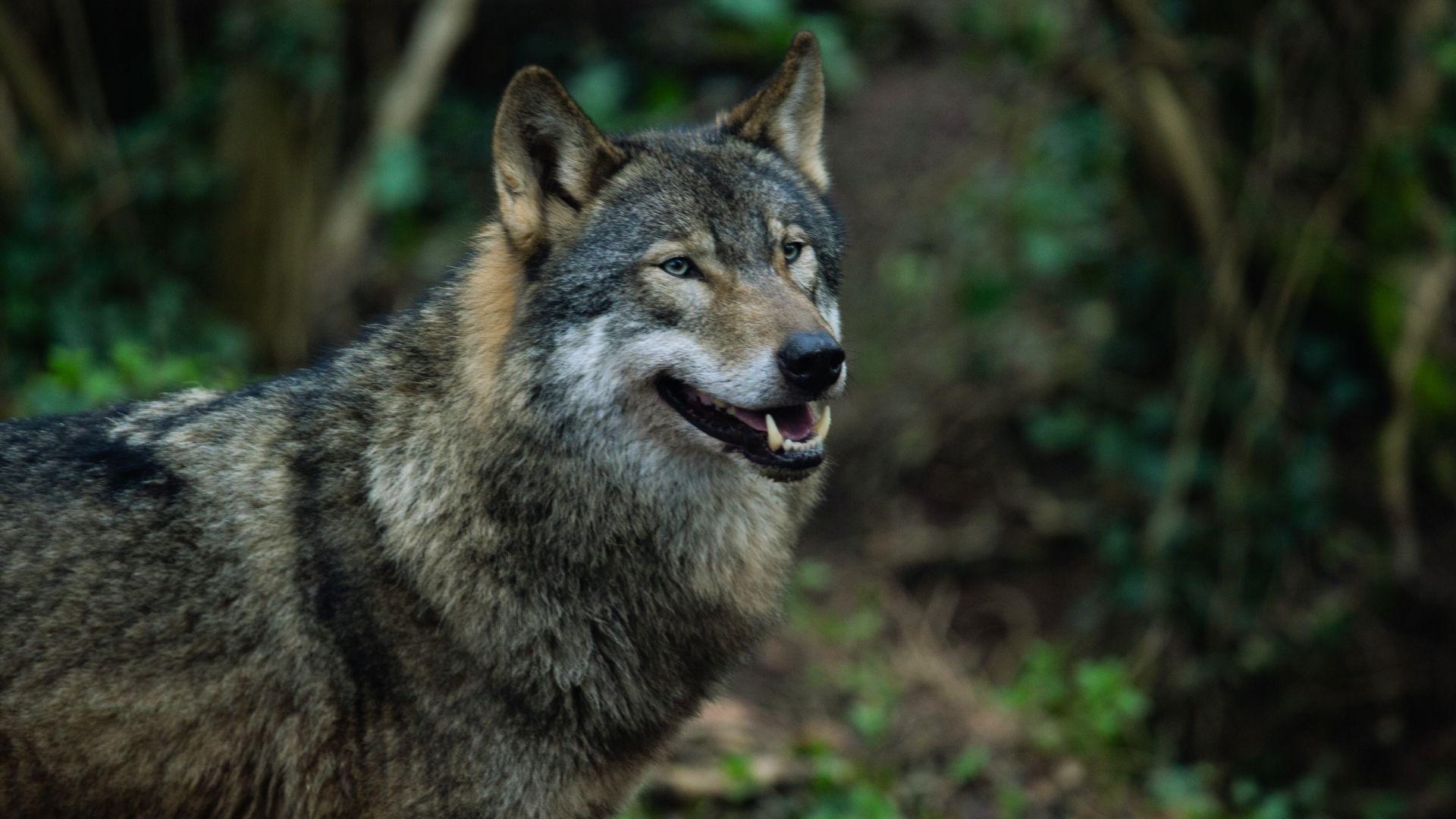
Are there wolves in Georgia? No, Georgia does not currently have a wild, self-sustaining wolf population.
The animals most often mistaken for wolves are coyotes, which are smaller and well adapted to forests, farms, suburbs, and other developed areas.
Georgia has a historical connection to red wolves, which once ranged across parts of the Southeast but no longer have a wild population in the state.
Wolf-like sightings can still cause confusion, especially when animals are seen from a distance or in low light.
This guide covers Georgia's wolf history, the status of red wolves, key differences between wolves and coyotes, and practical steps to take if you encounter a wolf-like animal.
Are There Wild Wolves in Georgia Today?
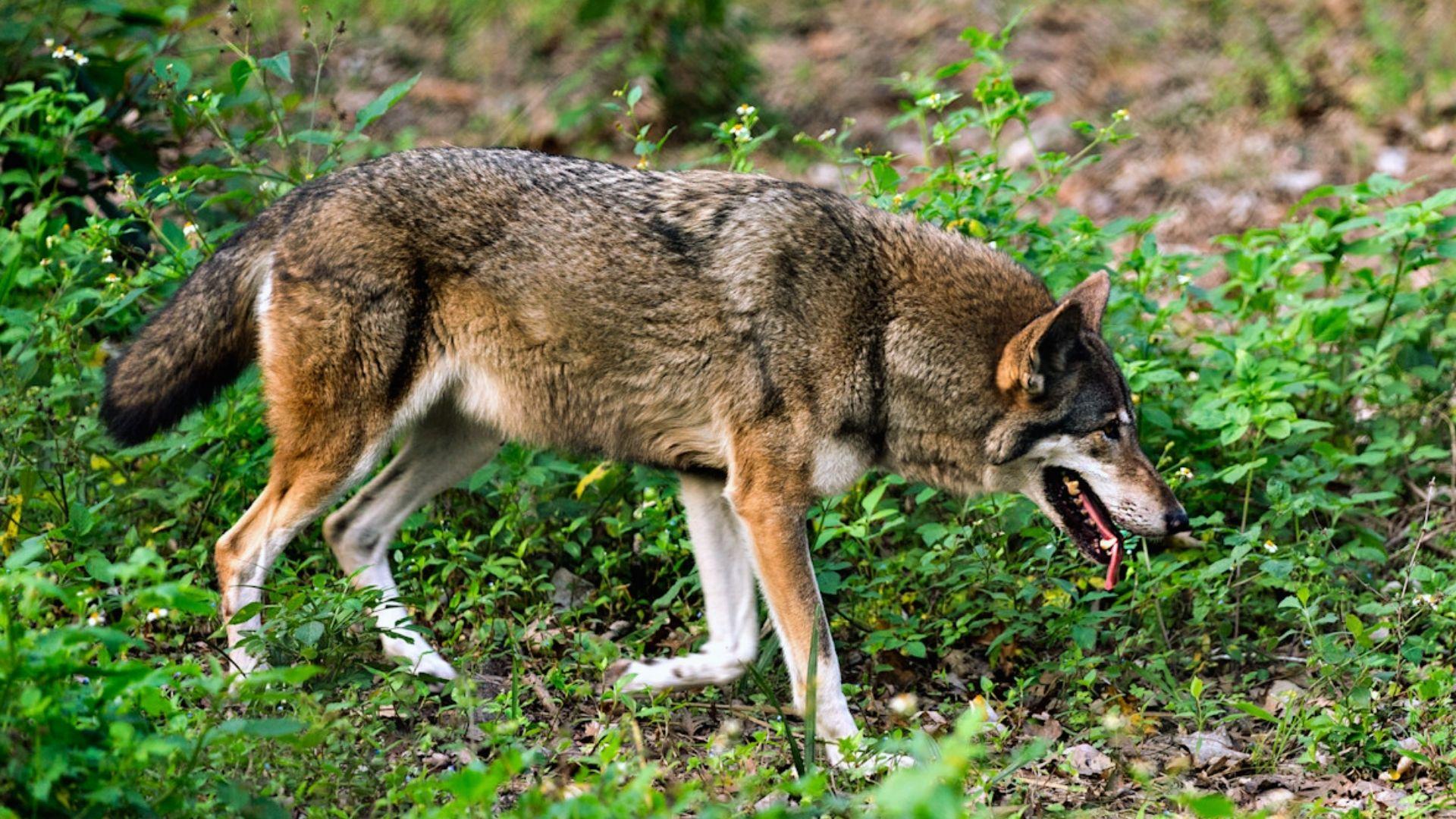
There are no known wild wolf populations established in Georgia today. Wolves were historically present in parts of the Southeast, but hunting, habitat changes, and population decline eliminated them from most of their former range.
Today, Georgia residents are much more likely to encounter coyotes than wolves. A wolf-like animal seen in Georgia should not automatically be identified as a wolf. Coyotes can appear larger than expected, especially at a distance or in low light.
Photographs, video, location, size, body shape, and behavior can help wildlife officials determine what species was actually observed.
Georgia's current wildlife landscape includes several native and established wild canids, but a confirmed wild wolf population is not part of the state's present-day wildlife.
Reports of unusual animals should therefore be verified through reliable wildlife authorities rather than treated as proof of wolves living in the state.
Which Wolf Species Are Linked to Georgia?
Georgia's wolf history is mainly associated with the red wolf, while gray wolves have a much more limited connection to the Southeast.
Understanding these species helps explain why reports of wolves in Georgia can be confusing.
Red Wolves and Their Southeastern History
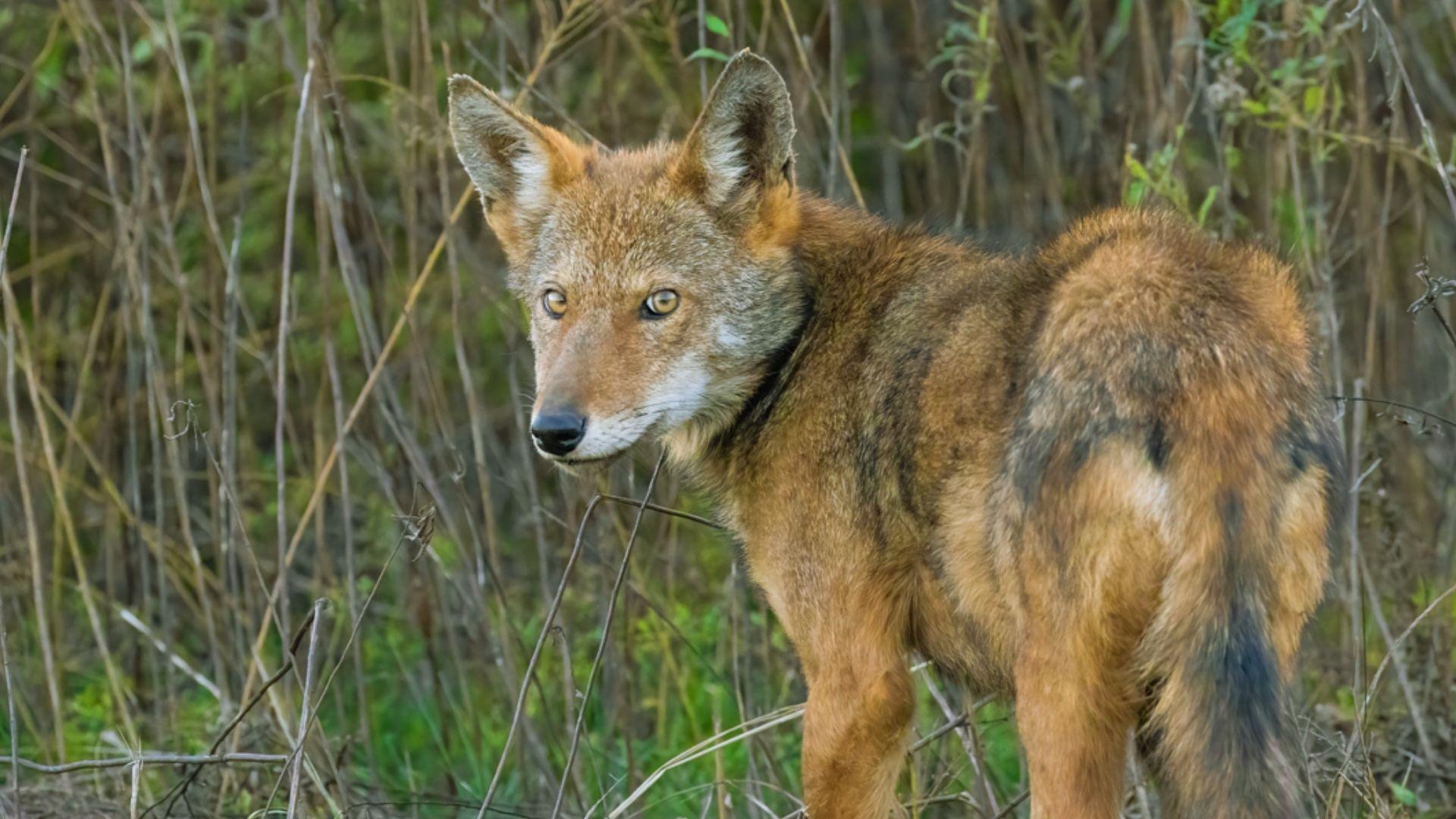
Red wolves historically occupied parts of the southeastern United States, including areas of Georgia. They were smaller than gray wolves and had a reddish or tawny appearance, although coat color could vary.
Population declines caused by hunting, habitat loss, and other pressures eventually pushed red wolves out of most of their former range.
The red wolf became one of the most endangered canids in North America. Conservation programs later focused on captive breeding and carefully managed recovery efforts.
However, Georgia does not currently have an established wild red wolf population.
Gray Wolves and Georgia
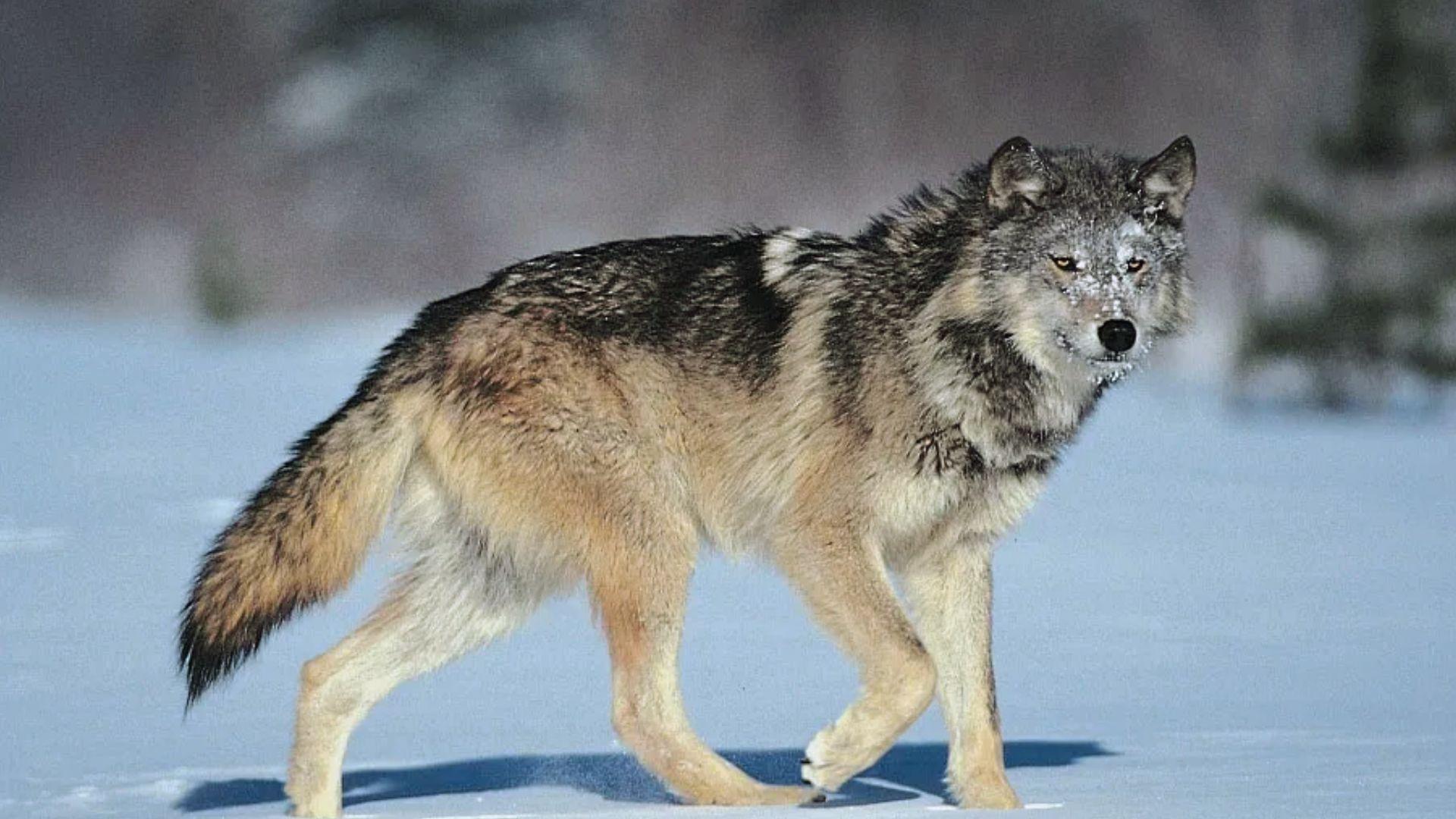
Gray wolves are much more strongly associated with northern and western North America than with Georgia. Their historical range included large parts of the continent, but their distribution across the southeastern United States was limited compared with that of red wolves.
For Georgia readers, the red wolf is therefore more important when discussing the state's historical connection to wolves.
A large canid spotted in Georgia today should not be identified as a gray wolf simply because of its size or wolf-like appearance.
Wolf-Dog Hybrids Are Different
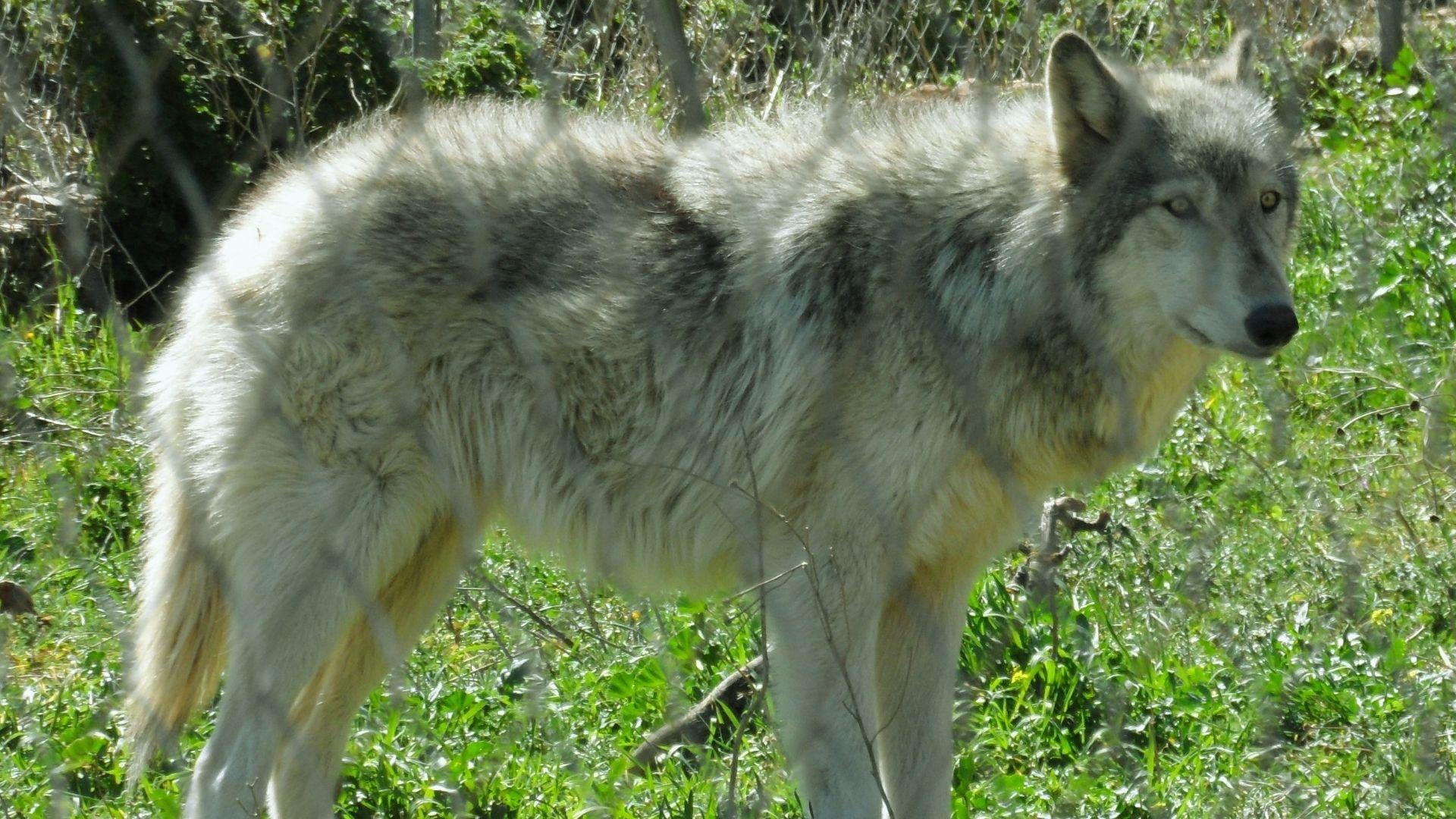
Wolf-dog hybrids are domestic dogs bred with wolves and are different from wild wolf populations. Some captive animals may have physical features that resemble wolves, making identification difficult from a distance.
An escaped or privately kept hybrid would not establish a wild wolf population in Georgia.
If a wolf-like animal behaves unusually around people or appears to be associated with a property, residents should avoid approaching it and allow qualified authorities to determine what it is.
Did Wolves Historically Live in Georgia?
Yes, wolves historically occurred in the Southeast, and red wolves have a documented connection to Georgia's past.
Their former range was much broader than their current distribution, which makes historical records important when discussing why wolves are no longer part of Georgia's established wild fauna.
Historical Evidence of Wolves in Georgia
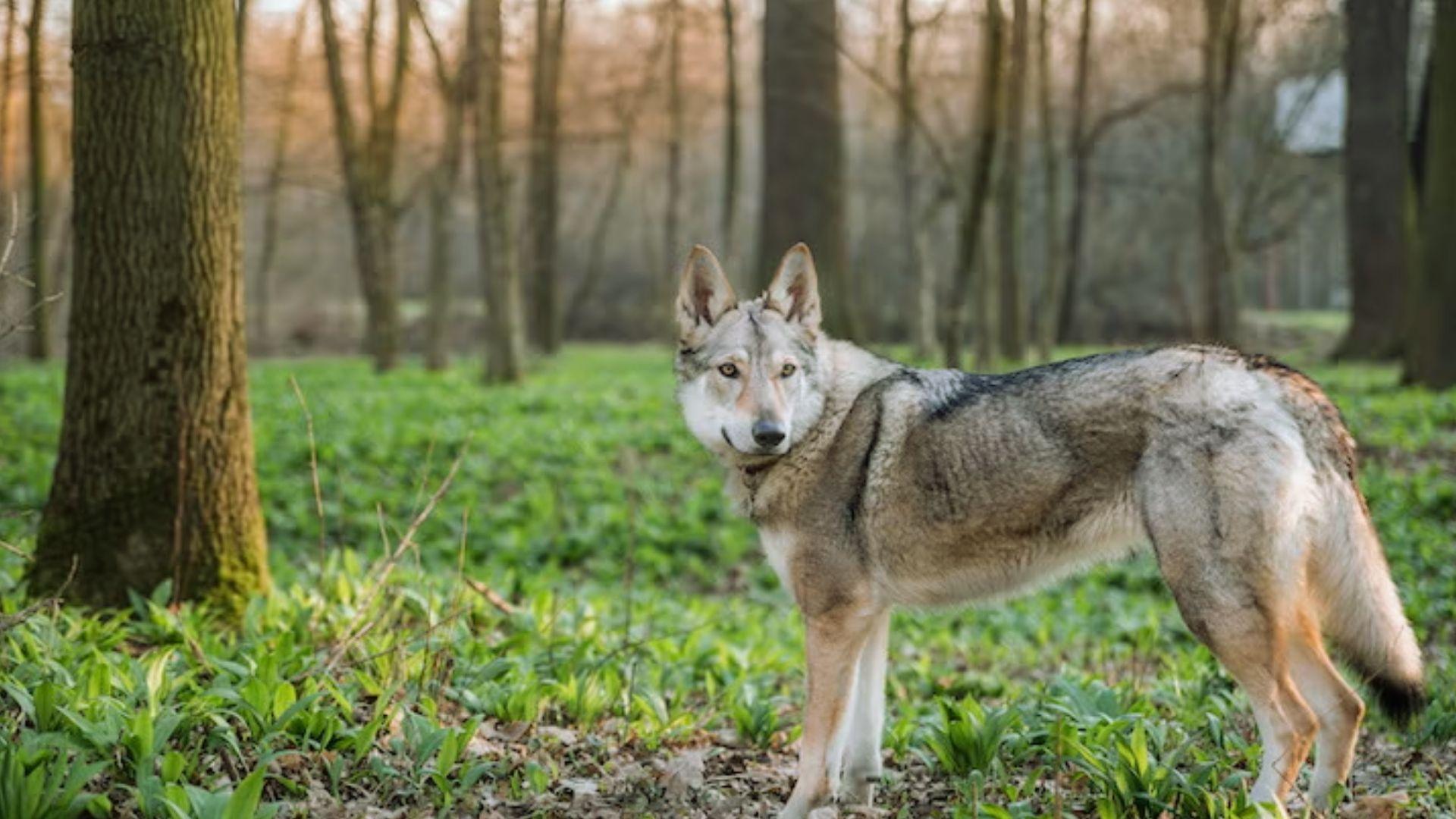
Historical accounts from the Southeast describe wolves and wolf-like canids before modern wildlife management changed the region.
Red wolves are particularly relevant to Georgia because their historical range extended across portions of the southeastern United States.
However, historical descriptions do not always provide the same level of species identification used by modern wildlife researchers.
Older references to “wolves” should therefore be interpreted carefully rather than assuming every historical record refers to the same species.
How Wolf Populations Declined
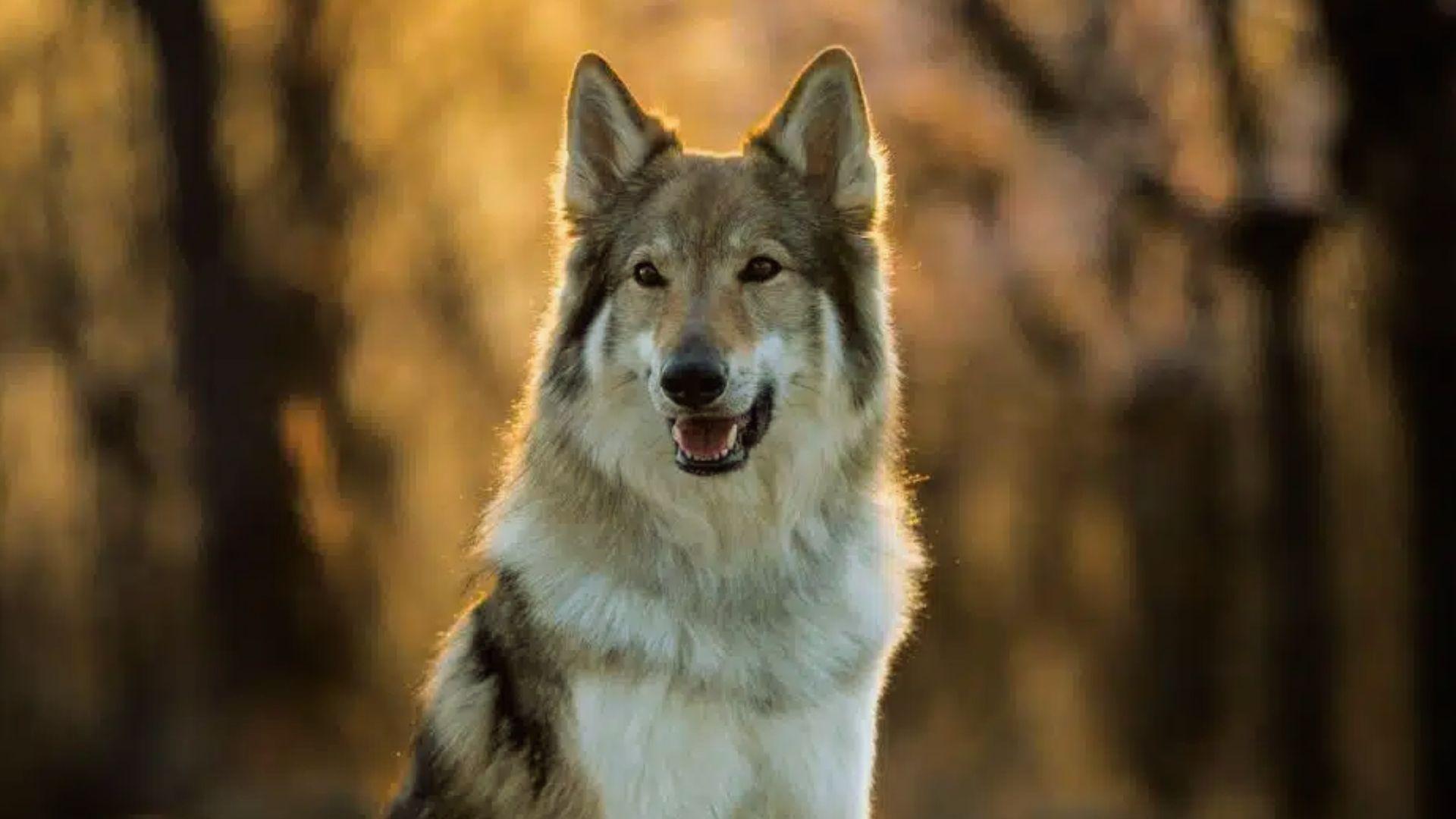
Wolf populations across the Southeast declined as people settled and converted natural areas for agriculture and other uses. Hunting and deliberate removal also placed pressure on remaining populations.
As forests and wildlife communities changed, wolves lost parts of their former range. These pressures, combined with other population declines, contributed to the disappearance of wild red wolves from much of the Southeast, including Georgia.
What Habitat Would Wolves Need in Georgia?
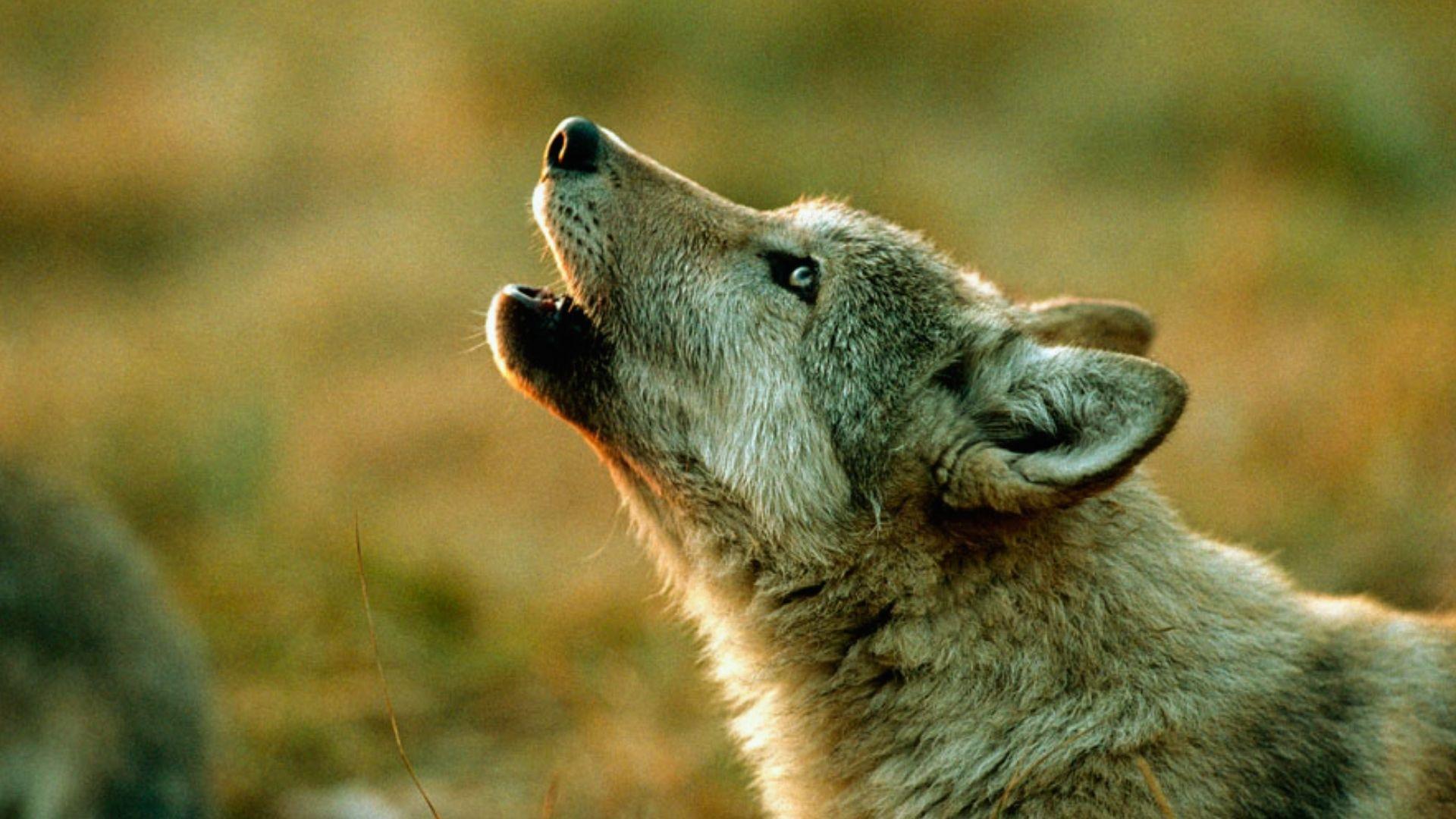
If wolves ever established a population in Georgia, they would need large areas of connected habitat, reliable prey, denning sites, and enough space to avoid frequent contact with people.
Forests, wetlands, and other less-developed landscapes could provide some of these conditions, but suitable habitat alone would not guarantee successful recovery.
Georgia has extensive natural areas, including forests and wetlands, but much of the state is also divided by roads, farms, suburbs, and other development. These fragmented landscapes can make it difficult for large predators to move safely between suitable areas.
Human activity and potential conflicts with livestock would also need to be considered in any future wolf recovery effort.
Are Red Wolves Found in Georgia Today?
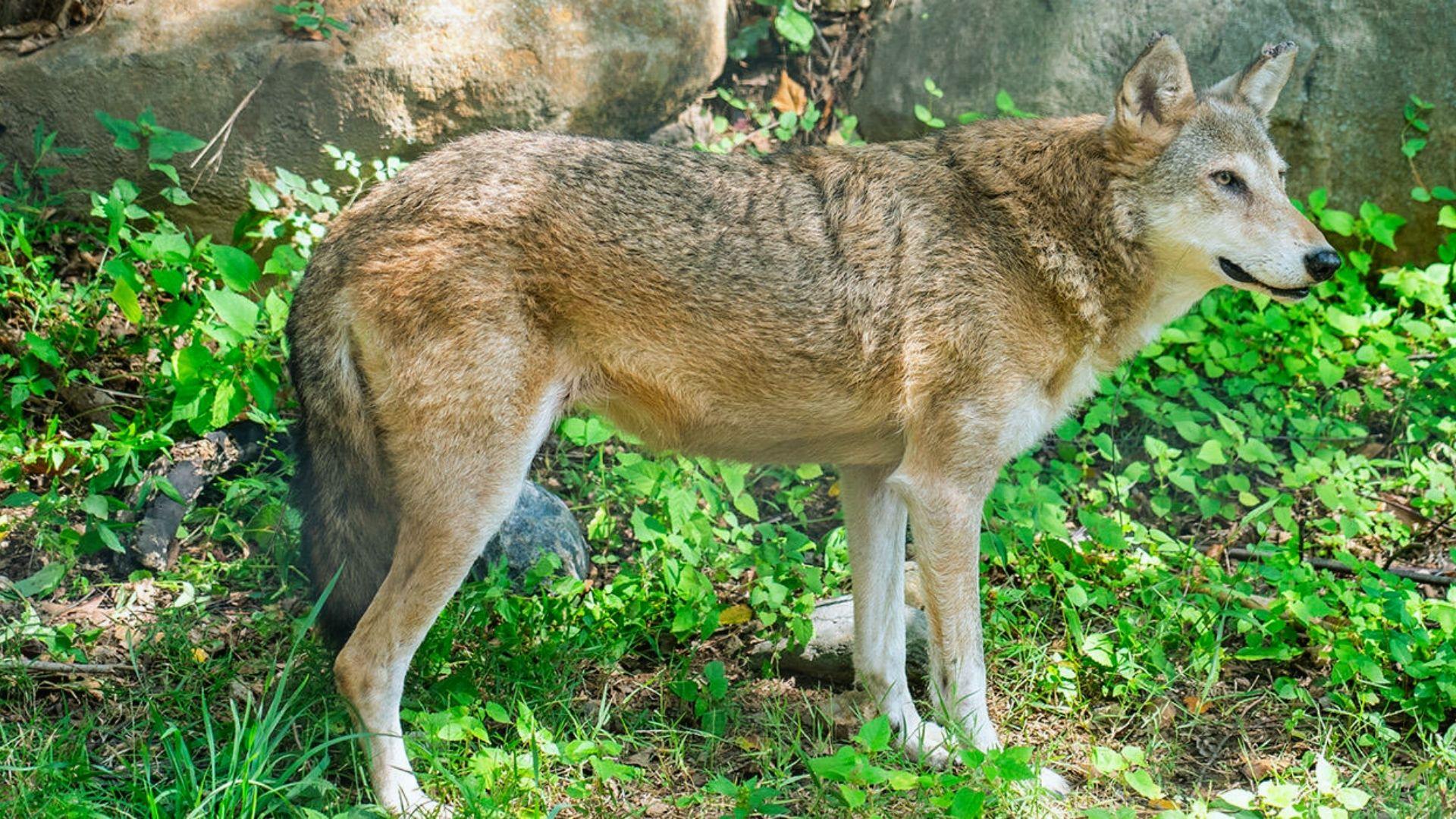
No. Red wolves do not currently have an established wild population in Georgia. Their present-day recovery efforts are focused mainly in eastern North Carolina, where the U.S. Fish and Wildlife Service and conservation partners manage wild and captive populations.
Recovery programs use captive breeding, genetic management, monitoring, habitat protection, and community cooperation to support the species. Red wolves also face challenges involving coyotes, habitat availability, disease, and population management.
Although Georgia contains areas that may appear suitable for some wildlife species, there is no current red wolf reintroduction program establishing a wild population in Georgia.
Any future return would require scientific research, suitable habitat, agency planning, and public support before a formal reintroduction could occur.
Wolf vs. Coyote Size and Behavior
Wolves are larger and heavier than coyotes, with broader heads and thicker legs. Coyotes are smaller, slimmer, and more common across Georgia.
| Feature | Wolf | Coyote |
| Overall build | Large and heavy | Smaller and more slender |
| Head | Broad with a large muzzle | Narrower with a pointed muzzle |
| Legs | Thick and powerful | Slimmer |
| Ears | Relatively smaller compared with the head | Relatively larger |
| Typical social behavior | Often lives in family groups or packs | May travel alone, in pairs, or in family groups |
| Georgia status | No established wild population | Established and widespread |
Size is useful but should not be the only identification clue. A coyote photographed close to a camera can appear much larger than it really is, while distance can make a large animal look smaller.
Why Coyotes Are Common in Georgia
Coyotes are highly adaptable and can use many landscapes that have been altered by people. They may live near farms, forests, wetlands, suburbs, and other areas where food and shelter are available.
Their flexible diet also helps them survive in changing environments. Coyotes may eat small mammals, birds, insects, fruits, carrion, and other available foods.
This adaptability helps explain why Georgia residents can encounter coyotes in places where they would not expect to see a wild predator.
Are Wolves Dangerous to People in Georgia?
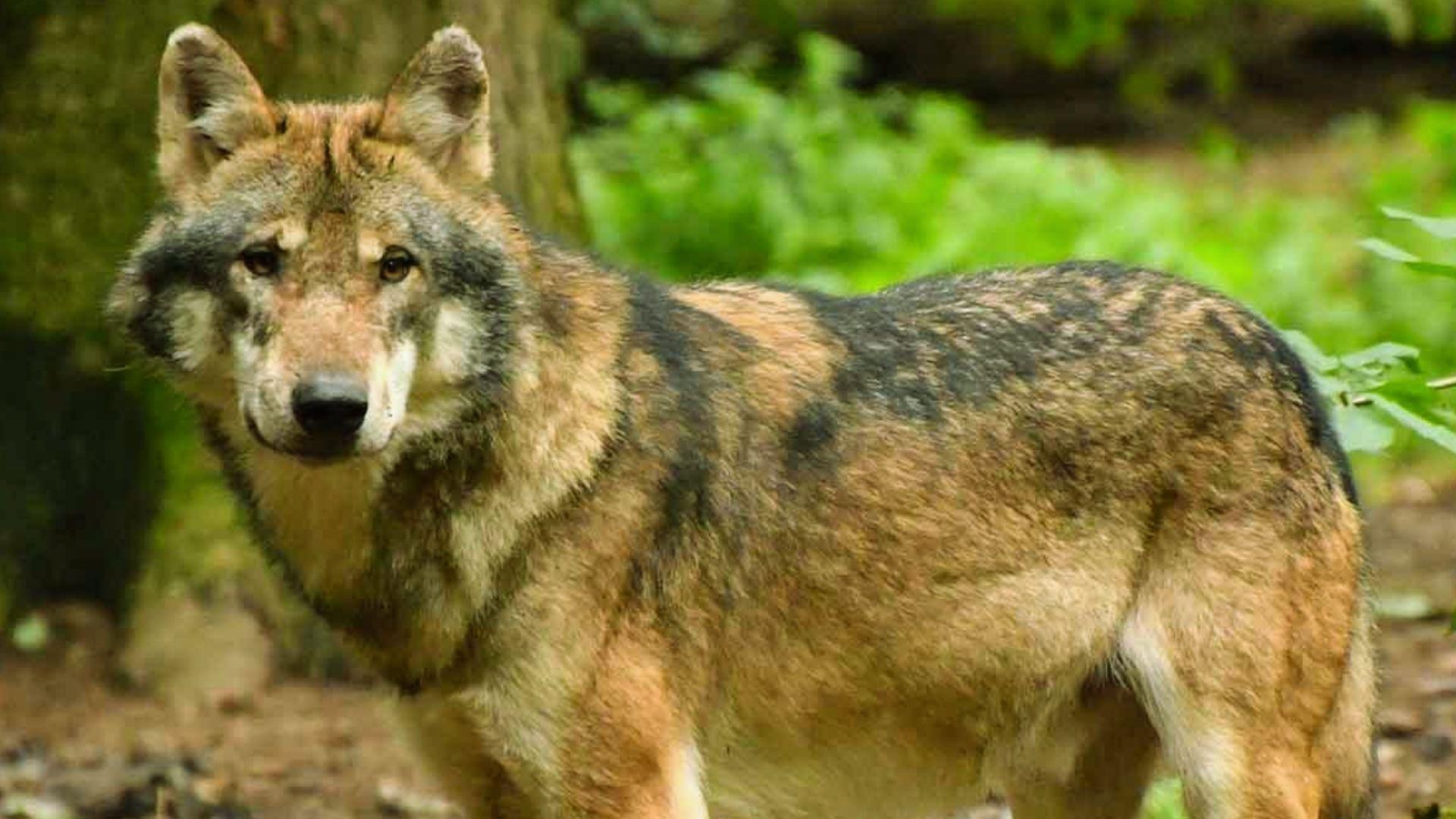
Because Georgia has no established wild wolf population, the more relevant concern for residents is how to respond to coyotes or other wild canids.
Coyotes generally avoid people, but an animal that has become accustomed to human food may behave differently.
Residents should never approach, corner, chase, or feed a wild canid. Keep children and pets at a safe distance, secure outdoor food sources, and bring pet food inside.
If an animal shows repeated aggression, appears sick, or behaves unusually around people, contact the appropriate local wildlife or animal-control authority.
What Should You Do After a Wolf-Like Sighting?
If you see a wolf-like animal in Georgia, treat it as a wild animal until its identity is confirmed. Keep your distance and avoid actions that could cause the animal to approach or feel threatened.
- Stay away from the animal and do not approach, corner, chase, or attempt to touch it.
- Do not feed the animal, as access to human food can make wild animals less cautious around people.
- If it is safe, note its approximate size, color, body shape, location, and behavior for identification.
- Take a clear photo or video from a safe distance if possible, without moving closer to the animal.
- Bring dogs and cats indoors or keep them closely supervised while the animal remains nearby.
- Contact the appropriate Georgia wildlife or animal-control authority if the animal appears aggressive, injured, sick, or unusually comfortable around people.
- Avoid identifying the animal as a wolf based only on a distant sighting, blurry image, or nighttime footage.
What Mistakes Cause Wolf Misidentification?
Misidentifying coyotes or other canids as wolves is easy when visibility is poor or the animal is observed briefly. Looking at several characteristics together is more reliable than relying on one feature.
Relying only on size: Distance and camera perspective can make a coyote appear much larger than it is.
Judging from color alone: Gray, brown, reddish, or mixed coats occur in several canid species.
Using behavior as proof: An animal acting boldly around people does not automatically mean it is a wolf.
Trusting unclear footage: Grainy nighttime images often hide the features needed for reliable identification.
Sharing an unconfirmed report: A social media post does not establish that a wolf is living in the area.
Conclusion
So, are there wolves in Georgia? No established wild wolf population currently lives in the state. Georgia's history is connected to red wolves, but the species no longer has a wild population there.
Coyotes are far more likely to explain a wolf-like animal seen in forests, farmland, suburbs, or other parts of the state.
If you see a large canid, avoid approaching it and do not rely on size alone for identification. Record useful details from a safe distance and report unusual behavior or a potentially significant sighting to the appropriate wildlife authority.
Understanding the difference between wolves and coyotes helps Georgia residents respond safely while avoiding unnecessary alarm.
Frequently Asked Questions
Are wolves currently living wild in Georgia?
No. Georgia does not have a known established wild wolf population. Coyotes are the wild canid most commonly mistaken for wolves in the state.
Are red wolves found in Georgia?
No. Red wolves do not currently have an established wild population in Georgia. Modern red wolf recovery efforts are focused elsewhere, including conservation work in eastern North Carolina.
Could a wolf or wolf-like animal appear in Georgia?
An individual captive animal, escaped animal, or other unusual canid could potentially be encountered. However, a single sighting would not establish a wild wolf population.
How can I tell whether a large canid is a wolf or coyote?
Look at several features together, including body size, head shape, muzzle, ears, legs, and overall build. A clear photograph with an object for scale can make identification easier.
What should I do if I think I saw a wolf?
Keep your distance and do not approach or feed the animal. Record details or take a photograph from a safe location, then contact the appropriate wildlife authority if the sighting appears unusual or the animal poses a safety concern.