Driving the Charleston to Savannah route is one of the South's most rewarding road trips, and one of the most misunderstood. Yes, it's 107–108 miles. Yes, it takes about two hours.
But whether you blast down I-95 or meander through Lowcountry marshes on US-17, this drive can feel like two entirely different experiences depending on how you approach it.
In this blog, I’ll break down the real distance, best travel options, and planning tips without guesswork.
It is based on verified distances and real travel planning, so you can move forward with confidence.
Let’s start with the real distance and what that drive truly looks like.
Charleston, SC to Savannah, GA At a Glance
The most important numbers before you plan anything else.
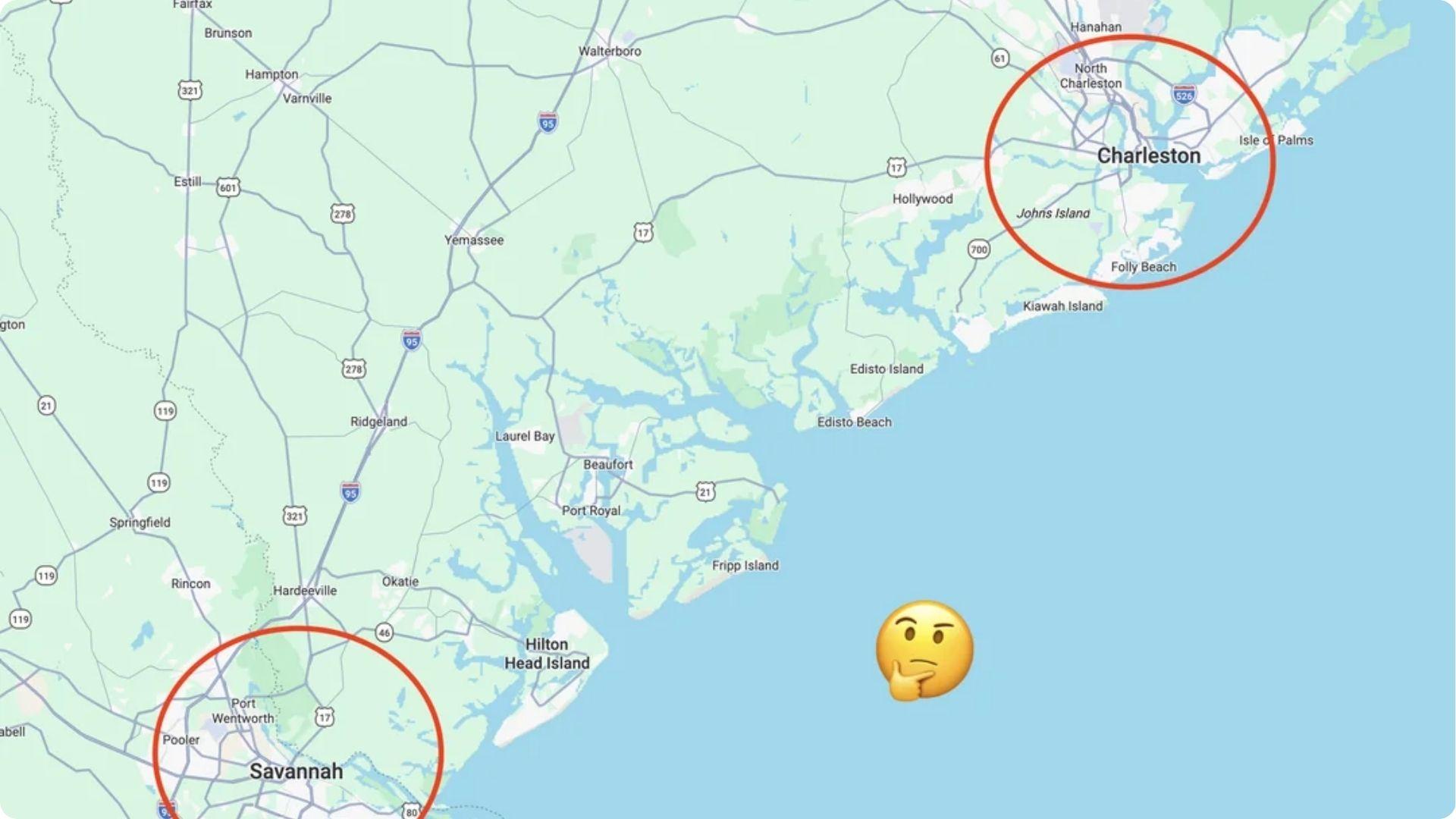
Charleston and Savannah sit roughly 107–108 miles apart by road.
The straight-line distance is about 83 miles, but highways curve around rivers, tidal creeks, and coastal marshland, hence the added distance.
In light traffic, the drive runs about 2 hours.
Add Friday afternoon, a summer weekend, or a holiday, and that can stretch to 2.5–3 hours, particularly around the I-26/I-95 interchange near Charleston and the streets of Savannah's Historic District at the end.
Charleston lies north of Savannah along the Atlantic coast, which makes this a straightforward north-to-south run with no complicated navigation.
Charleston to Savannah Distances From Popular Starting Points
Not everyone starts from downtown Charleston, here's the actual driving distance to Savannah from the most common departure points.
| Starting Point | Driving Distance to Savannah | Approx. Drive Time |
| Charleston Historic District | ~107–108 miles | 2 hrs – 2 hrs 15 min |
| Charleston International Airport (CHS) | ~107 miles | 2 hrs – 2 hrs 10 min |
| North Charleston | ~107 miles | 1 hr 54 min |
| Mount Pleasant | ~115 miles | 2 hrs 15 min – 2 hrs 35 min |
| Folly Beach | ~114 miles | 2 hrs 6 min – 2 hrs 16 min |
| Isle of Palms | ~123 miles | 2 hrs 30 min – 2 hrs 52 min |
If you're flying into Charleston and planning to drive straight to Savannah, CHS puts you on essentially the same timeline as downtown.
If you're staying on the barrier islands, Isle of Palms, Folly Beach, add 20–45 minutes depending on bridge and highway traffic.
Is the Drive Worth It?
A direct answer for anyone wondering whether to bother.
Short answer: yes, especially if you approach it with a bit of intention.
Charleston and Savannah are often called sister cities, and visiting one while skipping the other genuinely leaves a gap.
Charleston feels polished and vertical, narrow streets, pastel-colored houses, harbor views.
Savannah feels more sprawling and atmospheric, wide boulevards, moss-draped squares, a certain Gothic ease that invites you to slow down.
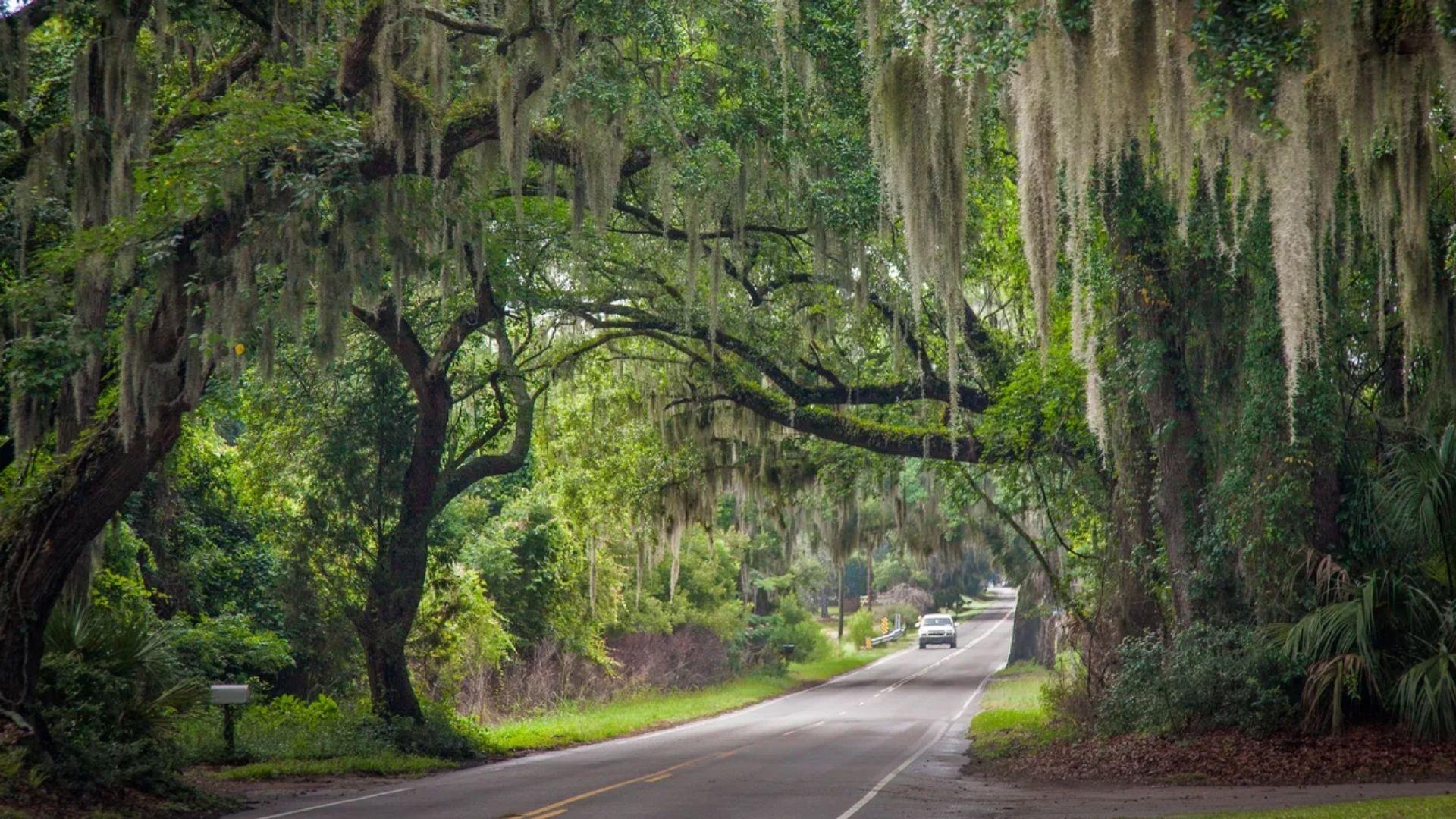
The drive through the Lowcountry between the two cities earns its place on its own terms.
Spanish moss hanging from live oaks, tidal marshes stretching to the horizon, rivers crossing under two-lane bridges, it's not filler, it's scenery.
On US-17 especially, the landscape between towns is the whole point.
Historically, this corridor is packed. The stops along the way, Old Sheldon Church, the ACE Basin, Beaufort, are not detours. They're destinations in their own right.
Both cities also have restaurant scenes that punch well above their size, with shrimp and grits, fresh seafood, and Southern BBQ done properly on both ends of the drive.
I-95 vs US-17: A Real Comparison
Both routes are mentioned everywhere, but few guides tell you what you actually need to know.
| Feature | I-95 South | US-17 South |
| Distance (door to door) | ~107 miles | ~108–115 miles |
| Drive time (no traffic) | ~1 hr 45 min – 2 hrs | ~2 hrs – 2 hrs 30 min |
| Scenic rating | Low, standard interstate | High, marshes, oaks, small towns |
| Gas stations | Frequent, clustered at exits | Spread out, fill up before leaving |
| Restaurants | Chain options at exits | Local diners, fewer choices |
| Traffic | Can slow at I-26 junction near Charleston and around Savannah | Slower through small towns, traffic lights |
| Cell service | Reliable throughout | Occasionally weak near ACE Basin |
| Speed enforcement | Ridgeland, SC stretch of I-95 has active speed cameras, stay within the limit | Small town speed limits on US-17 |
| Best for | Tight schedules, families, return trips | Scenic drives, photography, first-time road trippers |
The most practical approach is the hybrid: take US-17 south from Charleston for the scenery and stops, then pick up I-95 near Hardeeville to arrive in Savannah efficiently.
That combination gives you the Lowcountry experience without sacrificing too much time in the city.
One personal recommendation: if you only have one chance to drive this route, go south on US-17 for the scenery and return north via I-95.
That way you experience the Lowcountry properly without the drive back eating into your day.
Who Should Choose Which Route?
The right route depends entirely on what kind of trip you're taking.
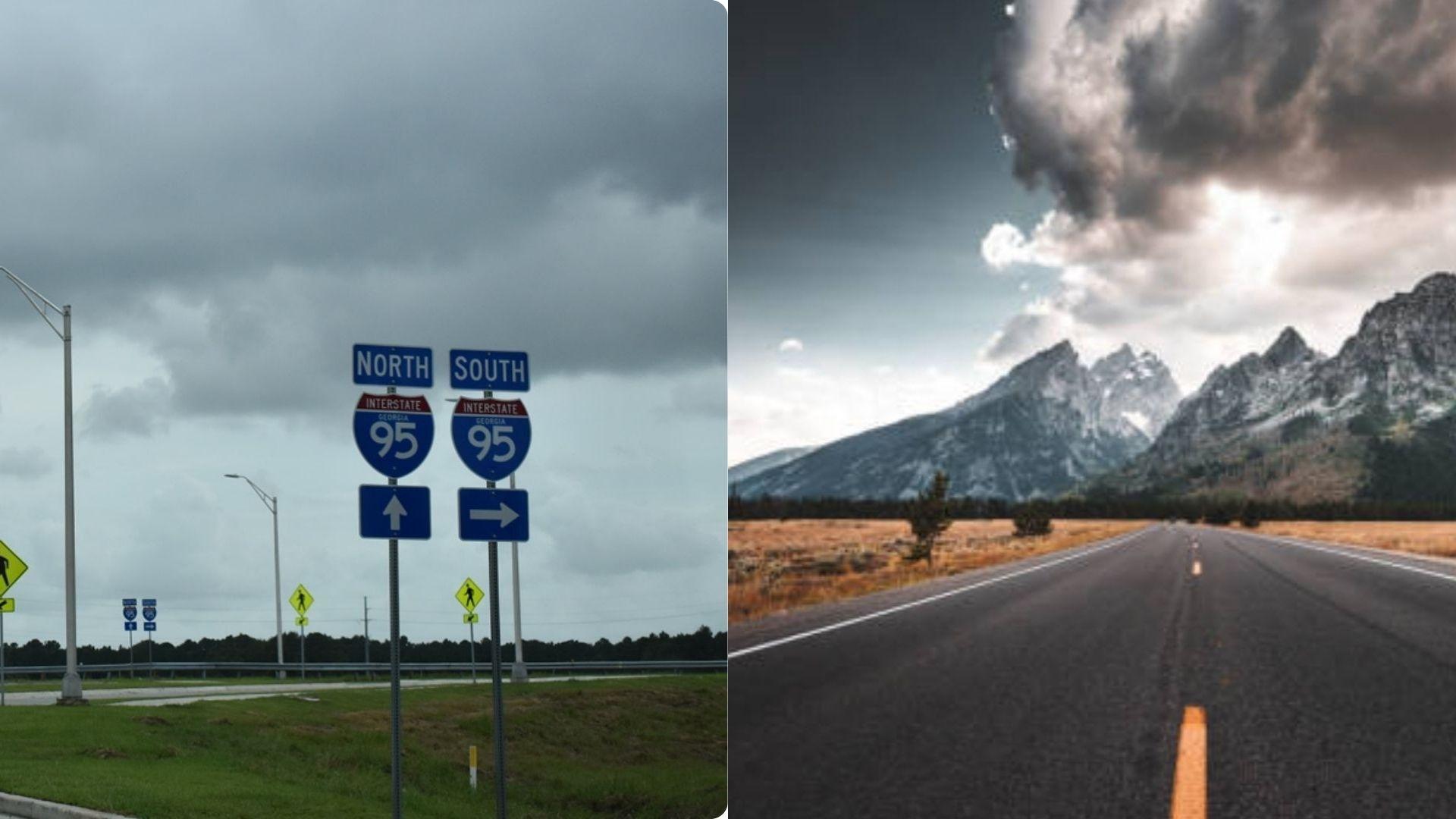
Choose I-95 if you're traveling with young children and need predictable rest stops and services, you're on a business or time-sensitive trip, you're picking up or dropping off at Charleston Airport, you've driven the corridor before and just want to get there, or you're making a fast day trip and want maximum time in Savannah rather than on the road.
Choose US-17 if you're a photographer or want the landscape to be part of the trip, you're traveling as a couple or with friends who appreciate a slower pace, you're visiting the Lowcountry for the first time and want the full experience, you plan to stop at Old Sheldon Church, the ACE Basin, or Walterboro, or you simply enjoy driving with scenery over efficiency.
Best Stops Between Charleston and Savannah
The corridor has genuine stops worth building time around, not just gas stations.
Walterboro, SC, About 50 miles from Charleston, just off I-95 at Exit 53. Allow 45–90 minutes.
Walterboro calls itself the "Front Porch of the Lowcountry," and it earns it.
The Walterboro Wildlife Sanctuary is the main draw, a 600-acre preserve with boardwalk trails through braided creek swamps, live oaks heavy with Spanish moss, and alligators in the shallows. It's free, takes 45–60 minutes, and genuinely delivers.
The South Carolina Artisans Center in historic downtown offers local crafts and a pleasant browse.
For food, Dukes Barbecue (949 Robertson Blvd) is a Lowcountry institution, a buffet-style Southern BBQ spot serving pulled pork with mustard-based sauce, fried chicken, hash and rice, and banana pudding.
It's open Wednesday through Saturday, lines form during lunch peak. Parking is free and easy throughout downtown.
Old Sheldon Church Ruins, near Yemassee, About 65 miles from Charleston, just off US-17 near Garden's Corner. Allow 30–45 minutes.
One of the most striking stops on any Lowcountry road trip.
The ruins of Prince William's Parish Church, built between 1745 and 1753, burned by the British in 1779, rebuilt in 1826, and destroyed again during the Civil War in 1865, stand among towering live oaks draped in Spanish moss. The remaining stone columns are atmospheric and genuinely photogenic.
It's free and open during daylight. Park in the lot across the road from the entrance, it's easy to miss on the first approach, so slow down.
The access road has potholes, drive carefully. Bring bug spray in summer. Do not climb on the ruins or grave markers. Visitor detail here.
ACE Basin and Donnelley Wildlife Management Area, On US-17 near Green Pond, about 70–75 miles from Charleston. Allow 1–2 hours.
The ACE Basin is one of the largest undeveloped estuaries on the East Coast, roughly 350,000 acres spanning the Ashepoo, Combahee, and Edisto rivers.
Donnelley WMA sits directly on US-17 in Green Pond and is the most accessible public entry point. It covers 8,048 acres and offers a free 11-mile self-guided driving tour.
Designated an Important Bird Area by the National Audubon Society, it hosts bald eagles, painted buntings, wood storks, roseate spoonbills, and herons.
At Marker 9 on the driving tour, alligators are visible in the rice field channels. The 2.2-mile Boynton Nature Trail provides a deeper walk through the old rice field complex.
Open dawn to dusk, check the SC DNR website before visiting as the WMA closes during certain hunting seasons. Parking is free at the main entrance off US-17.
Beaufort, SC (Detour via US-21), A 20–30 minute detour off US-17 each way.
Beaufort is not directly on US-17, it requires a detour via US-21, so present it as an optional stop rather than a pass-through. Worth it if you have time.
The antebellum architecture along the waterfront is genuinely beautiful, and the town square has good lunch options.
The Penn Center on St. Helena Island, a short drive from Beaufort via US-21, was founded in 1862 as one of the first schools for formerly enslaved people in the South and later served as a retreat for Dr. Martin Luther King Jr. and the Southern Christian Leadership Conference during the civil rights movement.
It's one of the most historically significant sites in the Lowcountry and deeply undervisited. Best added to a full-day or weekend itinerary, skip it on a tight schedule.
Point South, SC, Just off I-95 at Exit 33, about 85 miles from Charleston.
A practical waypoint rather than a destination, reliable fuel options, food, and clean restrooms. Good for a quick stretch before crossing into Georgia.
Charleston to Savannah Road Trip Itinerary
Three realistic options depending on how much time you have.
Half-Day: Direct Drive + Savannah Highlights
Best departure: 7:30–8:00 AM from Charleston.
Take I-95 south directly to Savannah. Arrive around 10:00 AM. Park at the MLK Savannah Visitor Center lot (301 Martin Luther King Jr. Blvd, first hour free, then $1/hour).
Walk to Forsyth Park. Lunch on Broughton Street. Afternoon on River Street. Depart by 2:30–3:00 PM via I-95 north. Back in Charleston by 5:00–5:30 PM.
Best for: day trippers who want Savannah, not the drive.
Full-Day: Scenic Route with Stops
Best departure: 7:00 AM from Charleston.
Take US-17 south. Stop at Old Sheldon Church Ruins (~1 hour 10 min from Charleston), allow 30–45 minutes. Continue south on US-17 through the ACE Basin.
Stop at Donnelley WMA for the self-guided driving tour, allow 45–60 minutes. Continue to Savannah, arriving around noon.
Lunch at Mrs. Wilkes' Dining Room on weekdays (arrive before 11:00 AM as lines form early and it's only open weekdays 11 AM–3 PM) or at Zunzi's or The Olde Pink House.
Afternoon at Forsyth Park and River Street. Depart by 6:30–7:00 PM via I-95. Back in Charleston by 9:00 PM.
Best for: travelers who want both the Lowcountry experience and real time in Savannah.
Weekend: Two Cities, Two Days
Day 1: Drive Charleston to Savannah via US-17. Stop at Old Sheldon Church and the ACE Basin. Optional detour into Beaufort for lunch. Arrive in Savannah by late afternoon. Check into the Historic District. Dinner on River Street or Broughton Street. Evening walk through the squares.
Day 2: Morning at Forsyth Park. Cathedral of St. John the Baptist, Chippewa Square, City Market. Lunch in the Historic District. Afternoon at Wormsloe Historic Site or Bonaventure Cemetery. Return to Charleston via I-95 in the early evening.
Best for: first-time visitors who want more than a quick snapshot of either city.
Can You Do Charleston to Savannah as a Day Trip?
Yes, and it works well, provided you leave early and plan your Savannah time efficiently.
Leave Charleston by 7:30 AM to clear any congestion near the I-26/I-95 interchange. Arrive in Savannah by 10:00–10:30 AM and park at the Visitor Center lot on MLK Blvd before it fills.
Savannah is one of the most walkable cities in the country, the Historic District is compact and flat, so you can cover a lot of ground on foot without moving the car.
A workable day trip schedule: depart Charleston at 7:30 AM, arrive Savannah around 10:00 AM, walk to Forsyth Park by 10:15 AM, lunch on Broughton Street at noon, River Street and waterfront from 1:00–2:30 PM, City Market and a square or two from 2:30–4:00 PM, depart via I-95 by 4:30 PM, back in Charleston by 7:00 PM.
If you're going on a Saturday, the Forsyth Park farmers market runs in the morning and is worth timing around.
Parking competition is toughest between 11:00 AM and 3:00 PM on weekends, arrive early or use the Visitor Center lot.
Best Things to Do After Driving to Savannah
Once you've parked, here's where to spend your time.
Forsyth Park is the right first stop, a 30-acre park in the heart of the Historic District with an iconic Beaux-Arts fountain, sprawling live oaks, a fragrant garden for the visually impaired, a children's play area, and a Saturday morning farmers market.
It's one of the most relaxed and photogenic green spaces in any American city.
River Street runs along the Savannah River on historic cobblestones and offers shops, restaurants, river views, and boat tour departures. It gets crowded on weekend afternoons, morning visits are calmer. River Street visitor information here.
Cathedral of St. John the Baptist(222 E Harris St) is one of the most photographed landmarks in Savannah, a towering Gothic structure with detailed stained glass and an intricate interior that justified the nickname "Sistine of the South."
City Market (between Ellis and Franklin Squares) is a lively four-block complex of galleries, restaurants, and live music, walkable from most of the Historic District's squares.
Wormsloe Historic Site (7601 Skidaway Rd) is a Georgia State Park about 10 miles from downtown featuring a famous tree-lined avenue of live oaks and 18th-century tabby ruins of an early colonial plantation. Worth a half-day if you have it.
Bonaventure Cemetery is a 100-acre Victorian cemetery along the Wilmington River bluff, dating to 1846. The moss-draped oaks, elaborate monuments, and famous graves, including songwriter Johnny Mercer, make it one of the most visually striking spots in the city.
A guided tour is strongly recommended, the grounds are large and lack explanatory signage for self-guided visits.
Ghost tours are a Savannah staple and genuinely well-produced. Evening walking tours through the Historic District are popular and available year-round, Savannah's official tourism site lists licensed operators.
Leopold's Ice Cream (212 E Broughton St) has been in operation since 1919 and is one of the most beloved stops in the city. Expect a line. The flavors change seasonally and the ice cream is genuinely excellent, budget 20–30 minutes.
Can You Travel Without a Car?
Options for getting between the two cities without driving yourself.
Amtrak operates the Silver Service line between Charleston and Savannah.
Travel time runs approximately 1.5–2 hours, fares start around $30–60 one way, and booking in advance usually gets better prices.
The limitation is scheduling, departures are limited and may not align with a typical day trip window. You'll also need ground transport on both ends, which adds time and cost.
Best suited for travelers without a car or those who genuinely prefer trains and have flexible timing.
Greyhound and FlixBus serve this corridor with bus service running approximately 2.5–3 hours depending on the route and stops.
Budget-friendly and bookable online, flexibility is limited. Check Greyhound and FlixBus for current schedules and pricing.
Uber and Lyft are theoretically possible but run $120–180+ one way for this distance, making them impractical for most travelers.
Worth knowing for emergencies or last-mile connections rather than a primary option.
One-way car rentals from Charleston to Savannah are widely available through all major rental companies. One-way fees vary, compare before booking. Kayak or Rentalcars.com makes this easy to search.
The honest summary: for a day trip, driving is the most practical option by a significant margin. For a one-way transfer without a vehicle, Amtrak or a bus are the sensible choices.
Gas and Sample Travel Budgets
Making the cost concrete so you can plan properly.
Fuel estimates (one way, ~107 miles):
- Sedan (~30 mpg): $14–18 depending on gas price
- SUV (~20 mpg): $20–28
- Pickup truck (~15 mpg): $27–37
- EV: The I-95 corridor has reliable charging near Walterboro and close to the Georgia border. US-17 has very few charging options, plan with PlugShare before taking the scenic route.
There are no toll roads on either I-95 or US-17 between Charleston and Savannah.
Budget Day Trip (one person, round trip driving):
| Item | Estimate |
| Fuel (round trip, sedan) | $28–36 |
| Parking in Savannah | $10–15 |
| Lunch (counter service, Broughton St) | $15–18 |
| Coffee and Leopold's Ice Cream | $10–14 |
| Total | $63–83 |
Comfort Day Trip (one person, round trip):
| Item | Estimate |
| Fuel (round trip, SUV) | $40–56 |
| Parking (city garage, full day) | $16–20 |
| Lunch (The Olde Pink House or similar) | $35–50 |
| Ghost tour or Wormsloe entry | $25–35 |
| Total | $116–161 |
Weekend Getaway (per person, includes overnight):
| Item | Estimate |
| Hotel in Savannah Historic District (1 night) | $120–250 |
| Fuel (one round trip) | $28–56 |
| Meals (2 days) | $80–120 |
| Parking (1–2 days) | $15–30 |
| Activities | $30–60 |
| Total | $273–516 |
Splitting fuel costs with a travel partner cuts the driving line items in half, which meaningfully improves all three budgets.
Local Food Worth Stopping For
Where to actually eat between Charleston and Savannah.
In Walterboro, Dukes Barbecue is the answer. It's a buffet-style institution with slow-smoked pulled pork, fried chicken, hash and rice, and the Lowcountry's classic mustard-based BBQ sauce. Open Wednesday through Saturday, lines build at lunch on weekends. Save room for banana pudding.
In Beaufort (if you're doing the detour), the waterfront has several good seafood options and local lunch spots. The town is small enough that you can walk from wherever you park to most restaurants.
In Savannah, three places consistently earn their reputation.
Mrs. Wilkes' Dining Room has been a Savannah institution since 1943, family-style communal tables piled with fried chicken, cornbread, okra gumbo, black-eyed peas, and rotating sides.
The Olde Pink House is a more formal option in an 18th-century mansion, Southern cuisine with proper service and excellent cocktails.
Leopold's Ice Cream has been scooping since 1919 and belongs on any Savannah itinerary regardless of the season.
Best Time of Day to Drive
Departure time is as important as route choice.
Morning before 8:00 AM is the best window.
You clear Charleston before the I-26/I-95 interchange slows, you arrive in Savannah before parking gets competitive, and the light on US-17 through the marshes is genuinely beautiful in the early hours.
Weekday afternoons (noon to 3:00 PM) are generally fine.
Friday afternoons are the one window to genuinely avoid if you can, commuter traffic and leisure traffic compound each other, and the Savannah approach especially can clog. If Friday is unavoidable, leave by noon or after 7:00 PM.
Weekend mornings see Charleston departures building by 8:00–9:00 AM.
Leave by 7:30 AM or be prepared for slower going on both ends. Sunday afternoon return traffic on I-95 between Savannah and the Georgia-South Carolina border can also back up.
Holiday weekends add 30–60 minutes minimum. Check SCDOT's real-time traffic map before departure for construction near the I-26/I-95 interchange, which has been an ongoing project.
Note that Ridgeland, SC has active speed cameras along its stretch of I-95, maintain speed within the limit through this section.
Seasonal Driving Advice
Each season has real trade-offs worth knowing before you plan.
| Season | Crowds | Weather | Best Route | Notes |
| Spring (Mar–May) | Moderate | Mild, pleasant | Either, conditions ideal | Azaleas bloom March–April, Savannah Music Festival late March |
| Summer (Jun–Aug) | High | Hot, humid, storms | I-95 for speed | Start early, bug spray essential at stops, hurricane season Jun–Nov |
| Fall (Sep–Nov) | Low–Moderate | Pleasant, less humid | US-17 for scenery | Best birding at Donnelley WMA, golden marsh grass, quieter crowds |
| Winter (Dec–Feb) | Low | Cooler, mostly dry | Either | Cheapest rates, waterfowl at rice field impoundments, Mrs. Wilkes closes for winter break |
Spring and fall are the best overall windows for the full Lowcountry experience.
Summer works if you depart early and have air conditioning in your car, the heat along US-17 and at open-air stops builds fast by midday.
Winter is underrated, the drive is pleasant on clear days and Savannah's squares have a quiet quality that peak season crowds obscure.
Common Mistakes First-Time Travelers Make
Easy wins for anyone doing this trip for the first time.
Leaving on a Friday afternoon is the most common mistake, this is the worst possible window for traffic on both ends of the drive.
Skipping gas before taking US-17 catches travelers off guard. The stretch through the ACE Basin area is scenic but sparse for services. Fill up before leaving Charleston.
Parking on River Street without a plan leads to frustration on weekend afternoons. The Visitor Center lot on MLK Blvd or the Bryan Street Garage are better anchors, park once and walk everywhere.
Trying to squeeze Beaufort into a tight schedule turns it into a rushed experience that doesn't do the town justice. Either give it proper time as a half-day detour or save it for a dedicated trip.
Not checking whether Mrs. Wilkes is open before arriving is a common disappointment, it's weekdays only, no weekends, and closed for several weeks in winter.
Showing up at Old Sheldon Church in summer without bug spray is a small but memorable mistake. The mosquitoes near the ruins are serious from May through September.
Ignoring the weather before a US-17 drive in hurricane season (June–November) can complicate a trip.
Afternoon thunderstorms are common in summer and can turn the two-lane road through the marshes into a slow, tense drive.
Parking in Savannah
Know where to park before you arrive, weekends fill faster than most visitors expect.
Savannah has five city-owned parking garages: the Bryan Street Parking Garage, Liberty Street Parking Garage, Robinson Parking Garage, State Street Parking Garage, and Whitaker Street Parking Garage. Rates in city garages run $1–2 per hour with daily maximums.
The Whitaker Street Garage (closest to City Market, Ellis Square, and River Street) charges $2/hour with a $16 daily cap.
The MLK Savannah Visitor Center Lot (301 Martin Luther King Jr. Blvd) is the best starting point for day trippers, 298 spaces, first hour free, then $1/hour, no overnight parking. It's a flat walk or short free shuttle ride to most of the Historic District.
River Street has three city lots at the Barnard, Abercorn, and Lincoln ramps. Metered parking on River Street runs around $2.50/hour with 1–2 hour limits on the busiest blocks.
A Visitor Day Pass (VDP), $15 for 24 hours, allows parking at meters city-wide and is purchasable at Mobility and Parking Services (100 E Bryan St), weekdays only.
Enforcement applies Monday through Saturday, 8 AM to 8 PM north of Liberty Street. Parking is free on Sundays and government holidays, if you're doing a Sunday day trip, this materially simplifies your planning.
On major event weekends (St. Patrick's Day, Savannah Music Festival), the Convention Center lot on Hutchinson Island ($5/day) with a free ferry to River Street is a reliable alternative. For current rates and garage locations, visitsavannah.com's parking page has the most up-to-date information.
How to Travel Between Charleston and Savannah (All Options)
A full comparison of every way to make this trip.
| Method | Time | Approx. Cost (one way) | Flexibility | Best For |
| Driving (I-95) | 2–2.25 hours | $14–37 fuel | Full | Most travelers, families, day trips |
| Driving (US-17) | 2–2.5 hours | $14–37 fuel | Full | Scenic road trips, photographers |
| Train (Amtrak) | ~1.5–2 hours | $30–60+ | Limited, check schedules | Budget travelers without tight timing |
| Bus (Greyhound/FlixBus) | 2.5–3 hours | $20–45 | Low | Budget, no-car travelers |
| Rideshare (Uber/Lyft) | ~2 hours | $120–180+ | High | Emergency/last resort |
| One-way car rental | ~2 hours | Fuel + rental fee | Full | Travelers flying one way |
| Flight | 40 min flight + airport time | $150–300+ total | Low | Not practical, no direct commercial service |
| Boat (Intracoastal) | Full day+ | Variable | Very low | Experienced boaters only |
On flights: there are no practical nonstop commercial flights between Charleston and Savannah.
Any option involves connections and total airport-to-airport travel time that exceeds driving. Flying only makes sense if you're already routing through a connecting city for another reason.
Charleston vs Bluffton: Which Is Closer to Savannah?
A comparison that comes up often in trip planning.
| Location | Driving Distance to Savannah | Drive Time | Best Route |
| Charleston, SC | 107–108 miles | 2–2.25 hours | I-95 or US-17 |
| Bluffton, SC | 25–30 miles | 30–40 minutes | US-278 / US-17 / I-95 |
Bluffton and neighboring Hilton Head Island are dramatically closer to Savannah, Savannah is essentially a suburb-level drive from there.
If you're based in Hilton Head or Bluffton, Savannah is an easy half-day trip. If you're in Charleston, plan on a full day and use the time well.
Frequently Asked Questions
Is Savannah worth visiting from Charleston?
Yes. The two cities feel meaningfully different in layout, pace, and atmosphere. Savannah's Historic District is compact enough to cover the main highlights in a single day, and the Lowcountry drive itself adds to the experience rather than just being transit time.
How far apart are the historic districts?
Charleston's Historic District to Savannah's Historic District is approximately 107–108 miles by road, about 2 to 2.25 hours in normal traffic.
Are there toll roads on the route?
No. Both I-95 and US-17 between Charleston and Savannah are toll-free.
What's the best route for a first-time driver on this corridor?
I-95 is cleaner for first-timers, better signage, frequent services, and fewer decisions. Take the US-17 scenic route on a return trip once you know the corridor.
Can I do this trip without a car?
Yes, via Amtrak or bus, though both have limited schedules and require ground transport on each end. Driving remains the most practical option for most travelers.