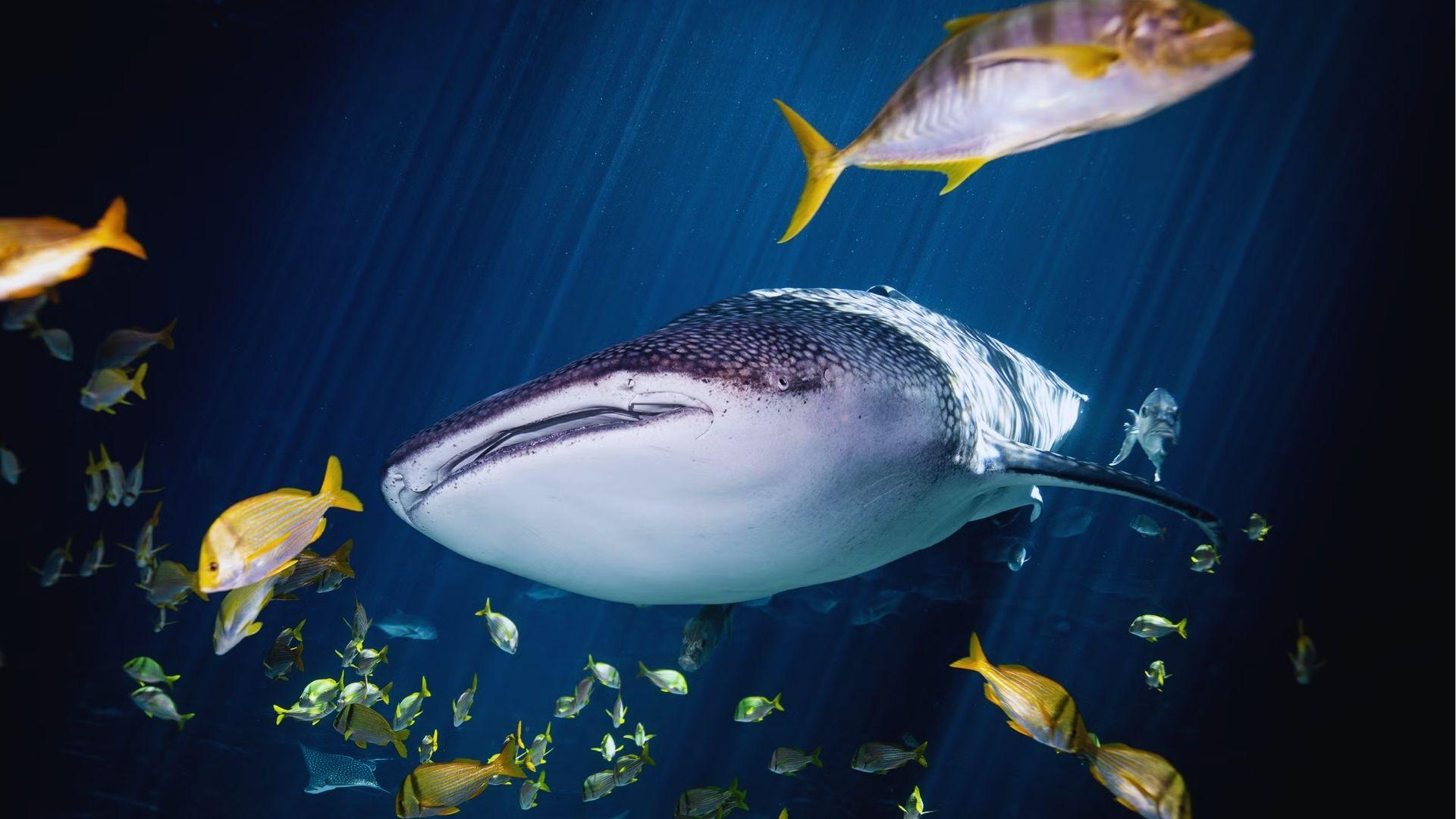
Planning to see whale sharks at Georgia Aquarium? You're not alone. Many visitors aren't sure what to expect, how close they can get, where to stand, or how long to stay.
This guide covers everything you need to know before your visit. You'll learn where the whale sharks are, what the exhibit looks like, and how to get the best view possible.
You'll also find practical tips for avoiding crowds, choosing the right viewing spots, and making the most of your time there. From feeding times to the best viewing areas, this guide helps you plan your visit with confidence.
Whale sharks at Georgia Aquarium offer one of the most memorable animal experiences in Atlanta, and this guide will help you make the most of your visit.
What to Know Before Seeing Whale Sharks
A little prep before your visit helps you get the most out of the experience.
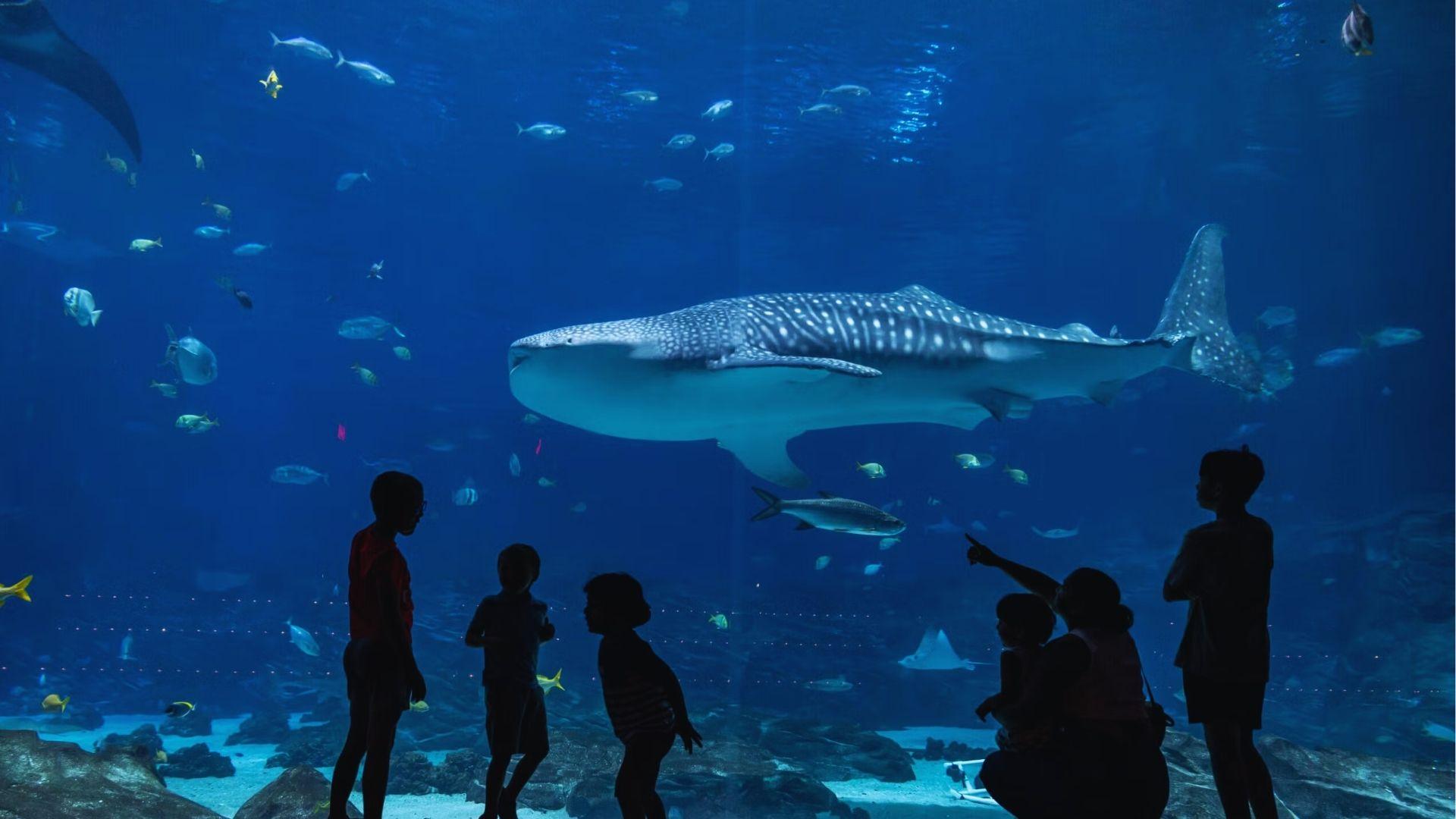
Georgia Aquarium is one of the very few places in the world where you can see whale sharks in person, housed inside the massive Ocean Voyager exhibit.
The exhibit sits on the main floor of the aquarium, in the heart of downtown Atlanta near Centennial Olympic Park, and is easy to find once you're inside.
Follow the signs, walk through the tunnel, and you'll arrive at a large viewing hall with floor-to-ceiling windows.
Inside, the whale sharks share the tank with manta rays, goliath grouper, and thousands of other fish in 6.3 million gallons of water.
They move slowly and steadily, which makes the whole experience feel calm and unhurried. Most visitors find it far more peaceful than they expected.
One more thing worth doing before you arrive:buy timed-entry tickets online. The aquarium uses a reservation system, and tickets often sell out on busy days.
Meet the Whale Sharks at Georgia Aquarium
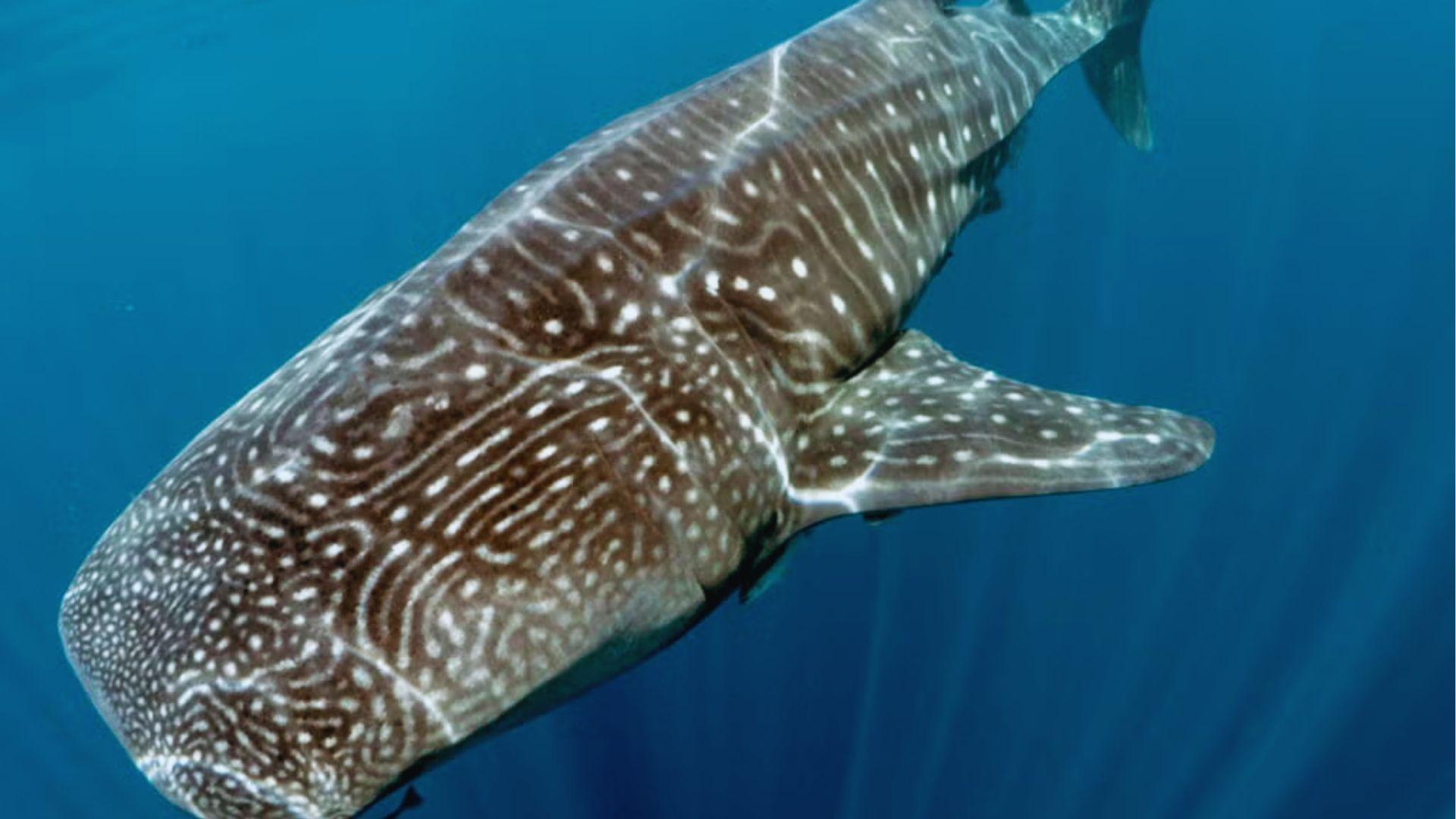
The whale sharks at Georgia Aquarium, known scientifically as Rhincodon typus, can reach 20 to 30 feet in length, roughly the size of a school bus, yet they move through the water with surprising grace and calm.
They don't react to crowds or chase anything. Instead, they swim in wide, slow loops throughout the tank, occasionally drifting close enough to the viewing glass that you can see every spot on their skin.
Those spot patterns are as individual as fingerprints, and researchers actually use them to identify and track animals in the wild.
That predictable, unhurried behavior is what makes them so easy to watch for long stretches. As filter feeders, they survive on tiny organisms like krill, plankton, and small fish.
Whale sharks are listed as endangered, and the research conducted at Georgia Aquarium helps scientists better understand and protect wild populations around the world.
Aquarium staff feed them regularly using techniques that closely mimic natural feeding, and those sessions are worth watching.
Check the feeding schedule when you arrive, or pull it up on the Georgia Aquarium app before you head in, since it's one of the best parts of the exhibit.
Visit the Ocean Voyager Exhibit
It holds 6.3 million gallons of saltwater, making it the largest indoor aquatic habitat in the world.
A 100-foot walking tunnel runs right through the tank, placing you directly beneath the animals. You can walk at your own pace or ride the slow-moving conveyor belt while fish pass overhead.
A large viewing gallery at the end gives you a wider, full-body perspective of everything swimming past.
The lighting is soft and blue throughout, which keeps the atmosphere calm and focused.
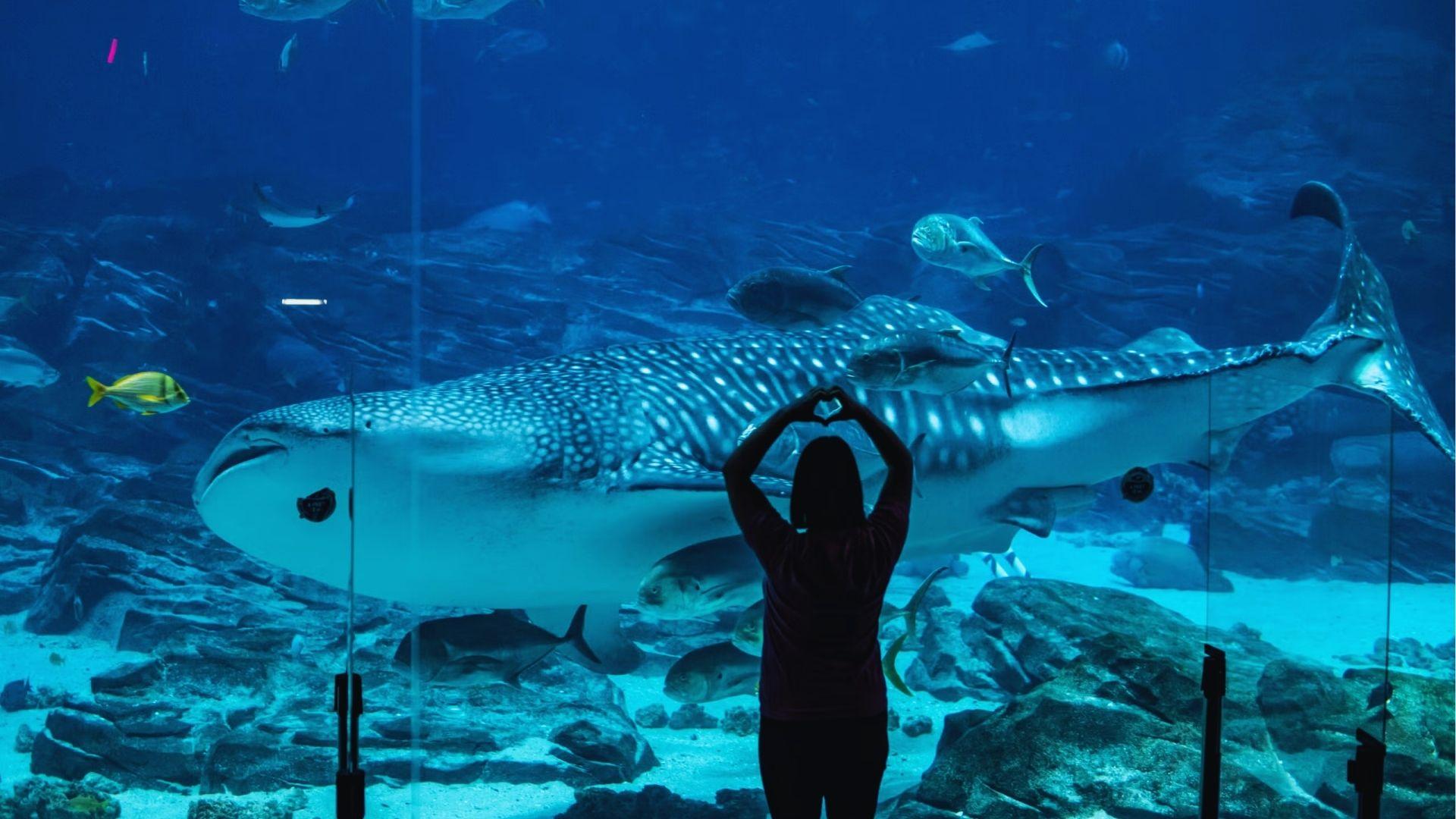
When a whale shark swims toward the acrylic viewing panels, it can fill your entire field of vision since the glass puts you just inches from the water.
Most visitors spend 20 to 40 minutes here without even realizing it, partly because the exhibit offers far more than whale sharks alone.
Manta rays, goliath grouper, several shark species, and thousands of smaller fish share the tank, so there is always something moving through the water even between whale shark sightings.
Plan Your Whale Shark Visit

Plan for about 30 to 45 minutes inside Ocean Voyager, or closer to an hour if you want to watch a feeding session or wait for the whale sharks to approach the viewing glass.
Their movements near the windows are unpredictable, so giving yourself extra time improves your chances of seeing them up close.
Weekday mornings are the best time to visit since the aquarium opens at 9 a.m. and the crowds haven't built up yet. Another solid option is arriving after 4 p.m. on a weekday, when families begin to leave and the galleries thin out.
Weekend afternoons and school holiday periods get noticeably busier, especially near the gallery.
Before you go, buy tickets online through the timed-entry system to skip the entrance line, pack a light layer since the building runs cool, and leave large bags in the lockers near the entrance.
Photography is welcome throughout the exhibit as long as you skip the flash, which also happens to produce better photos anyway.
Get the Best View of the Whale Sharks
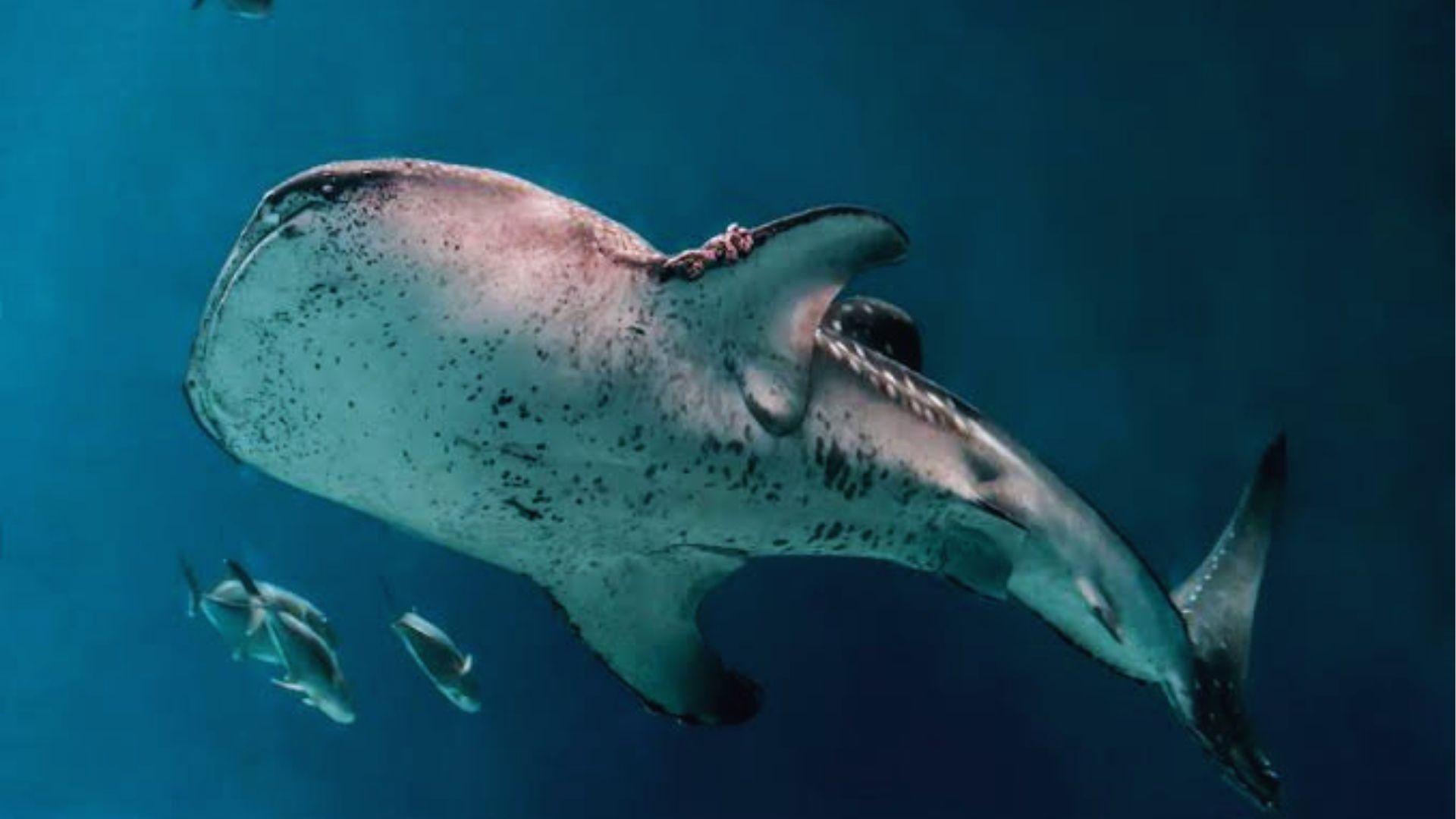
The large gallery window at the end of Ocean Voyager is the best overall spot, giving you enough space to watch multiple whale sharks at once and follow their full swimming pattern.
At 23 feet tall and 61 feet wide, it is one of the largest exhibit viewing windows in the world.
The tunnel section works well for close-up views as the animals pass directly overhead. For photos, stick to the gallery window since the lighting there is more consistent and you have more room to position yourself.
To avoid the crowds, head straight to Ocean Voyager when the aquarium opens before doing anything else.
Most visitors explore other exhibits first, which means the gallery stays quieter for the first 30 to 60 minutes after opening.
If it does fill up, move toward the tunnel section since it tends to clear out faster. It's also worth timing your visit around a feeding session.
During feedings, the whale sharks become more active and swim closer to the surface and the viewing windows, making it one of the most engaging times to be inside the exhibit.
Feeding times vary by season, so check the daily schedule at the information desk, on the Georgia Aquarium app, or on the aquarium's website before you head in.
Whale Shark Experience vs Other Aquarium Highlights
Georgia Aquarium has a lot to offer, but the whale sharks stand out for good reason.
| Aquarium Experience | What You'll See | Best For | Why Visit |
| Whale Sharks | Whale sharks and other marine life in Ocean Voyager | First-time visitors and marine-life fans | A rare opportunity to see these enormous animals up close |
| Beluga Whales | Beluga whales in their habitat | Families and children | Offers an engaging look at these social marine mammals |
| Dolphin Shows | Bottlenose dolphins and live presentations | Families and younger visitors | Adds an entertaining scheduled experience |
| Shark Gallery | Several shark species | Shark enthusiasts | Lets you observe different shark species from close viewing areas |
| Cold Water Quest | Marine animals from colder environments | Visitors seeking variety | Highlights species adapted to cold-water habitats |
| Tropical Diver | Tropical fish and reef species | Reef and aquarium fans | Showcases colorful tropical marine ecosystems |
Tips for Seeing Whale Sharks Up Close
Small habits during your visit make a big difference in what you walk away with.
- If you only have one day in Atlanta, visit Ocean Voyager when the aquarium opens and spend 30 to 45 minutes there before exploring the other exhibits. If you have more time, return later for another look during a feeding session or a quieter period.
- Stay at the window for at least 10 to 15 minutes. Whale sharks swim in slow loops and will pass by multiple times if you give it enough time.
- Turn off your flash before taking photos. It disturbs the animals and produces worse results anyway since ambient aquarium lighting works better for these shots.
- Stay behind the railings and keep noise reasonable, especially inside the tunnel section where sound carries more and the animals swim closest to visitors.
- Ask the aquarium staff if you have questions. They are usually near the exhibit, know the whale sharks well, and can tell you when the next feeding is scheduled.
- For an even closer look, the Journey with Gentle Giants program lets you snorkel or dive in the Ocean Voyager tank. The Behind the Seas Tour takes you to the top of the habitat. Both book up fast, so reserve in advance.
Conclusion
Seeing whale sharks at Georgia Aquarium is a memorable experience, especially when you know where to go and when to visit.
The Ocean Voyager exhibit gives you an impressive view of these massive animals as they move through the water.
Arriving early, giving yourself time to watch, and choosing the right viewing spot can make a real difference.
Whale sharks at Georgia Aquarium are well worth adding to your Atlanta itinerary when planning your visit.
Frequently Asked Questions
Are whale sharks dangerous to humans?
No. Whale sharks are gentle filter feeders and pose no threat to humans. They do not bite or attack and are generally indifferent to human presence.
How many whale sharks does Georgia Aquarium currently have?
The number can change over time. Check the Georgia Aquarium's official website for the most current information on their whale shark population.
Can you swim with whale sharks at Georgia Aquarium?
Yes, through a special paid program called "Journey with Gentle Giants." It allows guests to snorkel or dive in the Ocean Voyager tank.
Is Georgia Aquarium the only place in the US with whale sharks?
Yes. Georgia Aquarium is currently the only aquarium in the United States and the Western Hemisphere that houses whale sharks.
What is the best age for children to visit the whale shark exhibit?
Children of all ages can enjoy the exhibit. Kids old enough to stand at the viewing window and follow basic aquarium rules tend to get the most from the experience.