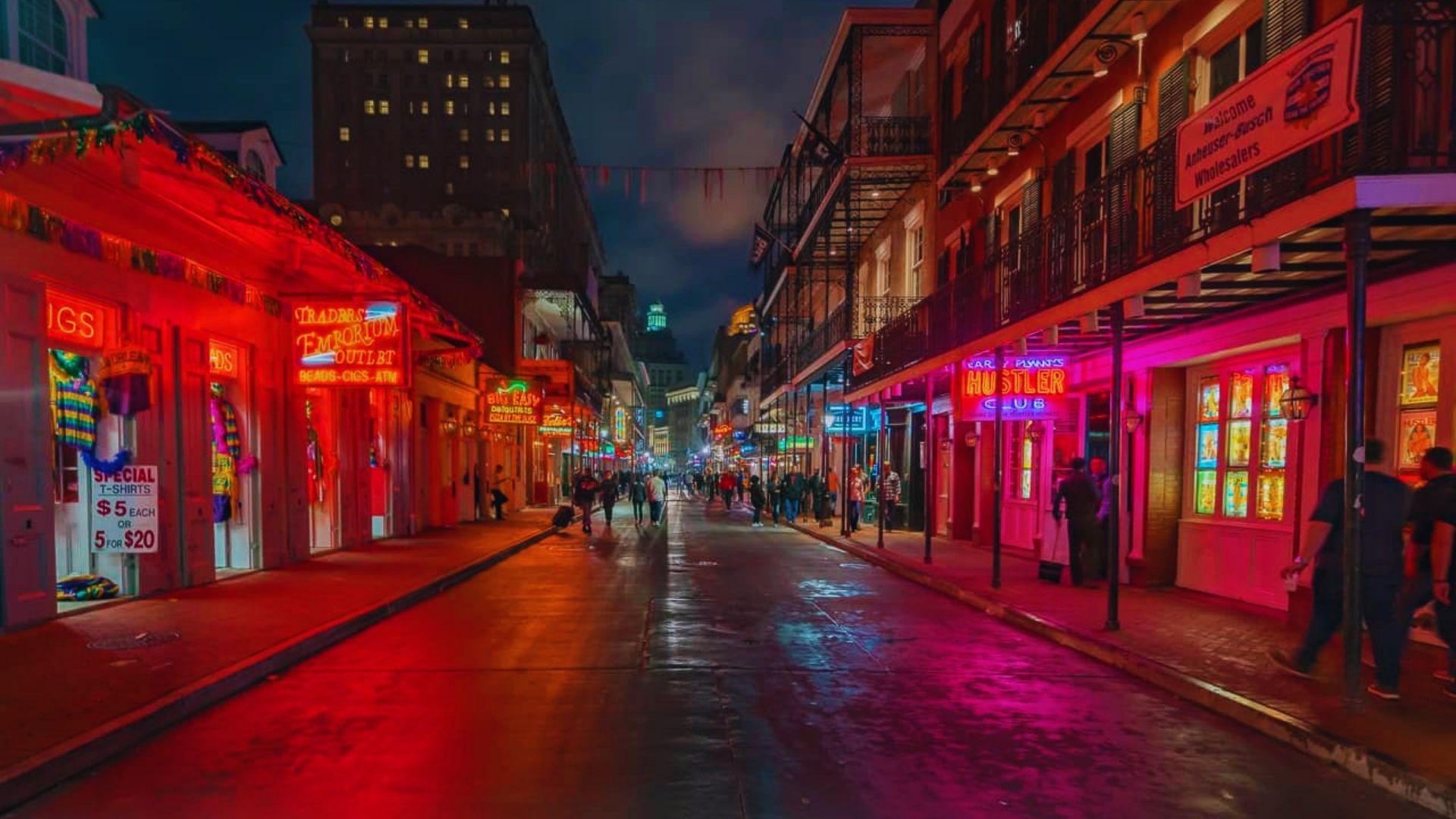
New Orleans is not like other cities. The history here is heavy, and it shows up everywhere.
People have been calling it haunted for over a century. But the real story goes much deeper than ghost tours and spooky legends.
I have looked into the history behind the stories, and what I found was fascinating. Yellow fever, slavery, war, public executions. All of it happened right here, on the same streets people walk today.
In this blog, you will find out why New Orleans carries this reputation, what the history actually says, and which places still hold the most weight.
Why Is New Orleans So Haunted?
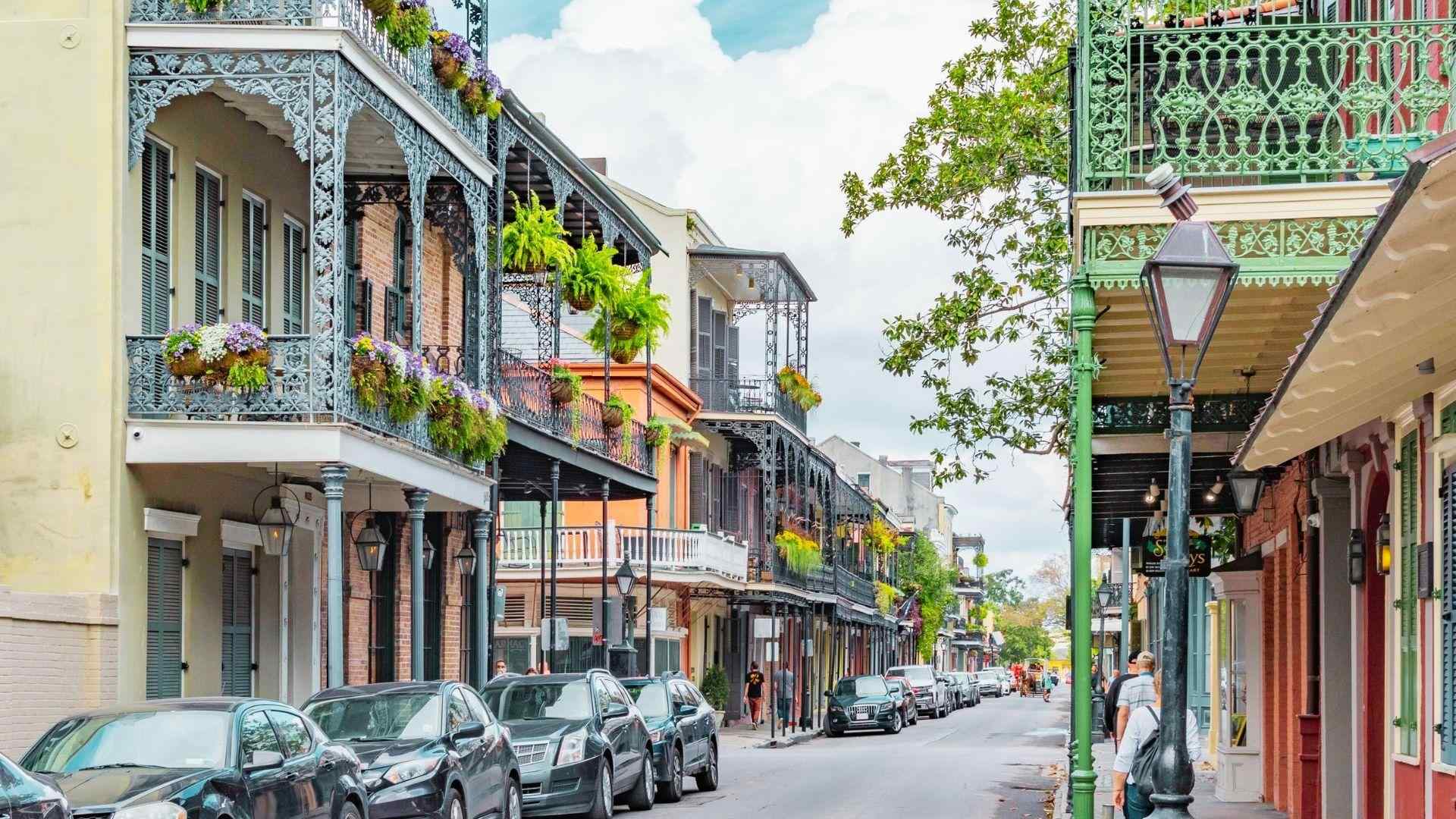
New Orleans is one of the most talked-about cities in the United States. But it is not just the food or the music that keeps people coming back. It is history. And a lot of that history is dark.
The city has seen mass death, slavery, war, and violence all within the same streets people walk today.
These are not just ghost stories passed around for fun. Most of them are tied to real events that shaped the city over hundreds of years.
This blog looks at why New Orleans carries such a heavy past and why that past still feels so present today.
How Yellow Fever Made New Orleans a City of Death
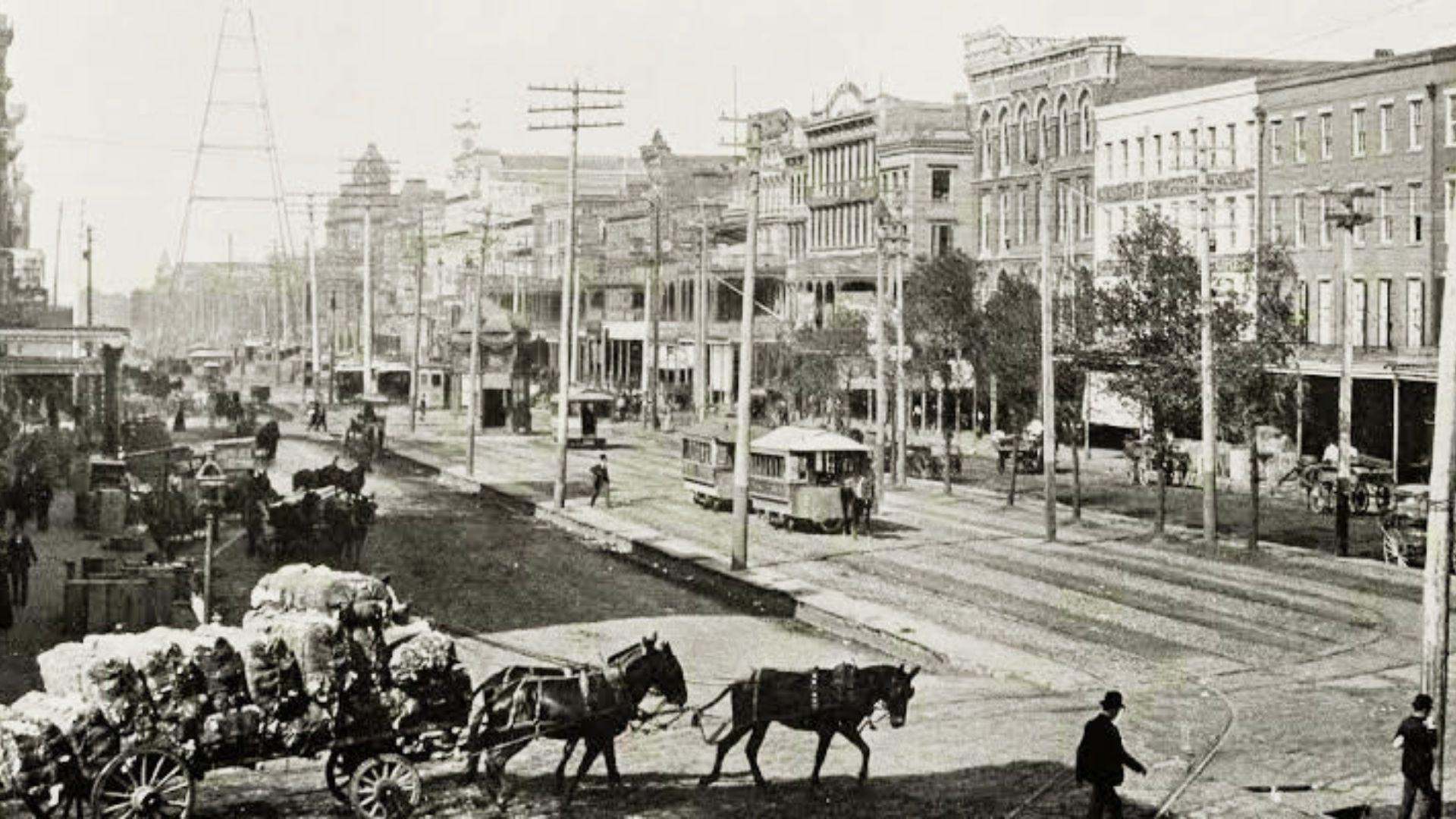
Yellow fever turned New Orleans into one of the deadliest cities in American history during the 1800s.
The Deadly 1853 Yellow Fever Epidemic
The summer of 1853 was brutal. Yellow fever spread through the city fast, and most people had no idea how it traveled. At the time, doctors did not know mosquitoes were carrying the disease.
In just a few months, over 7,000 people died. Some estimates put the number even higher. Whole neighborhoods were wiped out.
Bodies piled up faster than they could be buried. Each day, corpse wagons circled the neighborhoods with drivers calling out "Bring out your dead." Mass graves lined the edges of the city. The smell in the streets was overwhelming.
Many victims were recent immigrants who had just arrived in the city. They had no immunity to the disease and no money to leave. They were among the first to die.
The Lasting Impact of Yellow Fever
Yellow fever kept coming back to New Orleans throughout the 1800s. The city dealt with outbreaks in 1867, 1878, and beyond. Each one left behind more death. All told, yellow fever claimed more than 41,000 lives in New Orleans across the 19th and early 20th century.
By the time scientists figured out that mosquitoes spread the virus, New Orleans had already lost tens of thousands of people. That level of mass death leaves a mark on a place.
Streets, buildings, and cemeteries all carry that history. It is hard to walk through the older parts of the city without standing on ground where someone died from the fever.
How Slavery Shaped New Orleans' Haunted History
Slavery left deep wounds in New Orleans that show up in its stories, its buildings, and its haunted reputation.
The LaLaurie Mansion and Its Dark History
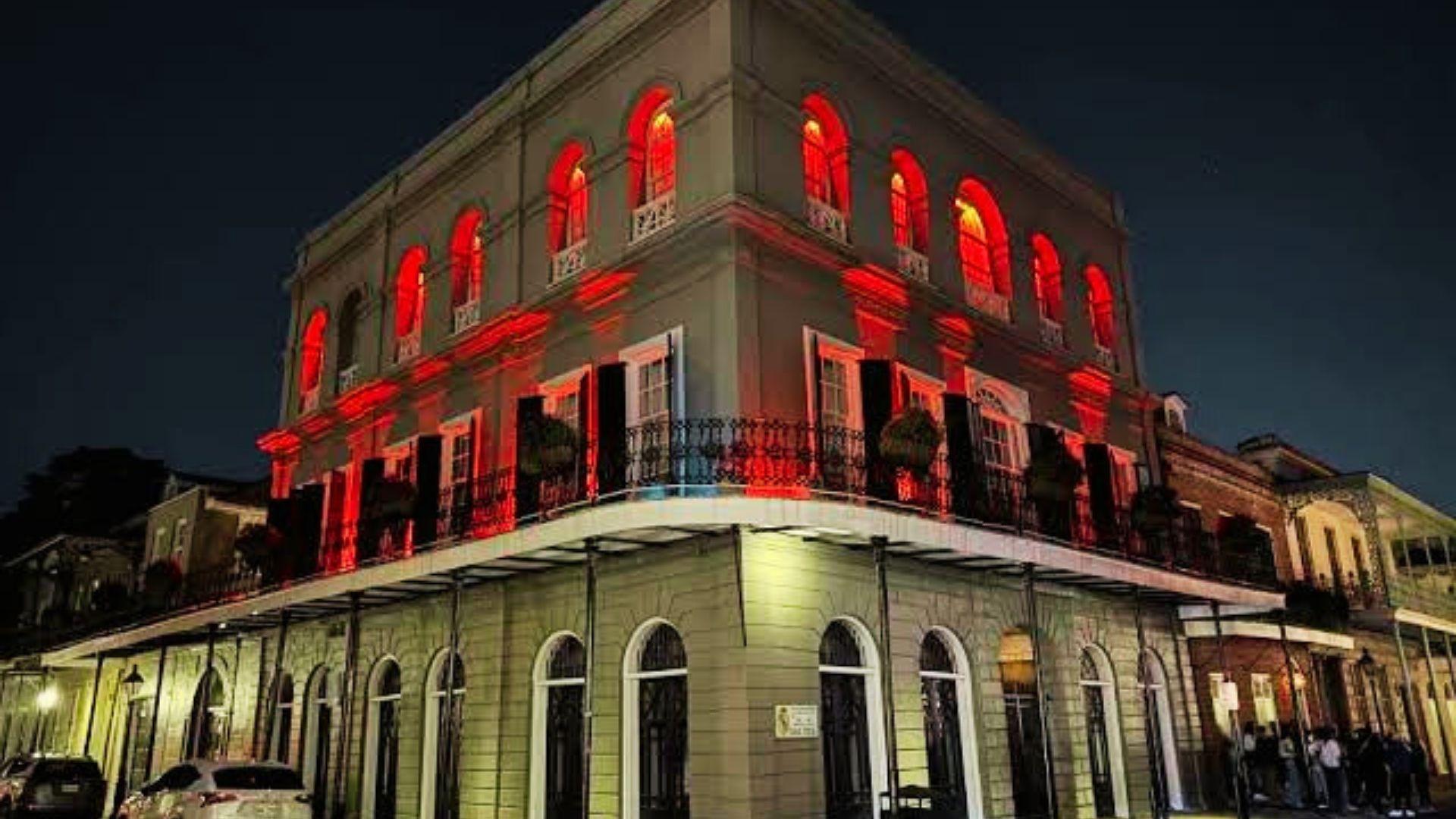
The LaLaurie Mansion on Royal Street is one of the most talked-about buildings in the city. In the 1830s, socialite Madame Delphine LaLaurie lived there. On the surface, she hosted fancy parties and was well known in New Orleans society.
But in 1834, a fire broke out in the mansion. When firefighters entered the house, they found enslaved people chained in the attic. They had been kept there and subjected to severe abuse.
The story shocked even people who were used to the cruelties of the era. The New Orleans Bee newspaper reported on the discovery that same year, making it one of the earliest documented accounts of the atrocities inside.
LaLaurie fled to France and was never brought back to face consequences. The mansion still stands today at 1140 Royal Street.
It has been a private home and, at one point, was owned by Nicolas Cage. Ghost tours stop there regularly.
Slave Markets and the Streets That Hosted Them
New Orleans was home to some of the largest slave markets in the entire country. At its peak, the city was the biggest slave-trading hub in North America. People were bought and sold in public spaces that still exist today.
The St. Louis Hotel, which once stood at 160 St. Louis Street in the French Quarter, housed one of the most notorious auction sites in the country. Its rotunda was used for public slave auctions throughout the antebellum period.
The hotel is gone now, but the street is not. The area around what is now Exchange Place was also heavily used for this trade. Between 1820 and 1860, an estimated 135,000 enslaved people passed through New Orleans markets.
Walking through those streets now, it is easy to forget what happened there. But the history is there. Many local historians and tour guides work hard to make sure it is not ignored or softened.
These places hold a heavy weight. That weight is part of why the city feels different from other American cities.
How War and Violence Added to New Orleans' Haunted Reputation
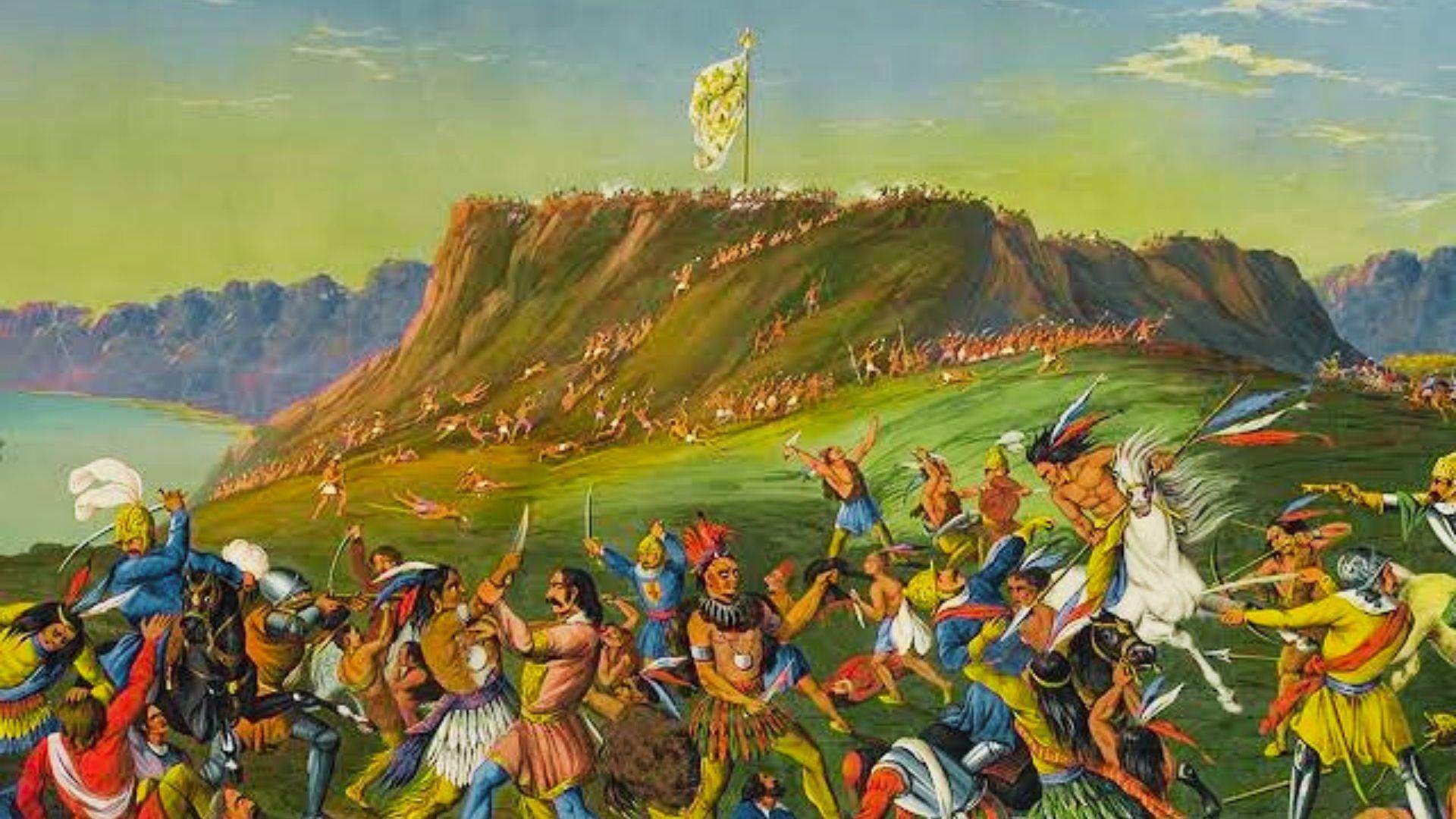
The city has seen conflict and public violence throughout its history, and those events left a lasting mark.
Colonial Conflict and Public Executions
New Orleans changed hands several times in its early years. It was controlled by France, then Spain, then France again before becoming part of the United States in 1803. Each period of colonial rule came with its own violence.
Public executions were common. Pirates were hanged. Political prisoners were shot. These events happened in open squares where people gathered to watch.
Jackson Square was the site of executions all the way through 1860. In the 1730s, members of the Natchez tribe were burned alive there in retaliation for the Fort Rosalie Massacre of 1729.
Other public spaces in the French Quarter were used for these purposes as well.
That history sits underneath the surface of the city. The buildings and streets are old enough to have absorbed a lot of it.
The Civil War, Reconstruction, and What Came After
New Orleans fell to Union forces early in the Civil War, in 1862. The city was occupied for years. This was a time of tension, division, and violence across Louisiana.
Many families lost people they knew. The city changed dramatically during and after the war. Reconstruction brought conflict that turned openly violent. In July 1866, a political meeting at the Mechanics Institute on Dryades Street turned into a massacre.
White rioters, many of them former Confederate soldiers, attacked Black delegates and their supporters. At least 34 Black men and 3 white allies were killed.
Dozens more were wounded. The event made national headlines and shaped the course of Reconstruction-era politics across the country.
The years that followed were hard for many residents, especially formerly enslaved people who faced new forms of violence and oppression at nearly every turn.
That period left a deep mark on the city's character and its stories. Hurricane Katrina in 2005 added a newer layer of mass trauma. Katrina stories have since become part of the folklore and memory of the city in the same way older tragedies did.
Why Are Graves Above Ground in New Orleans?
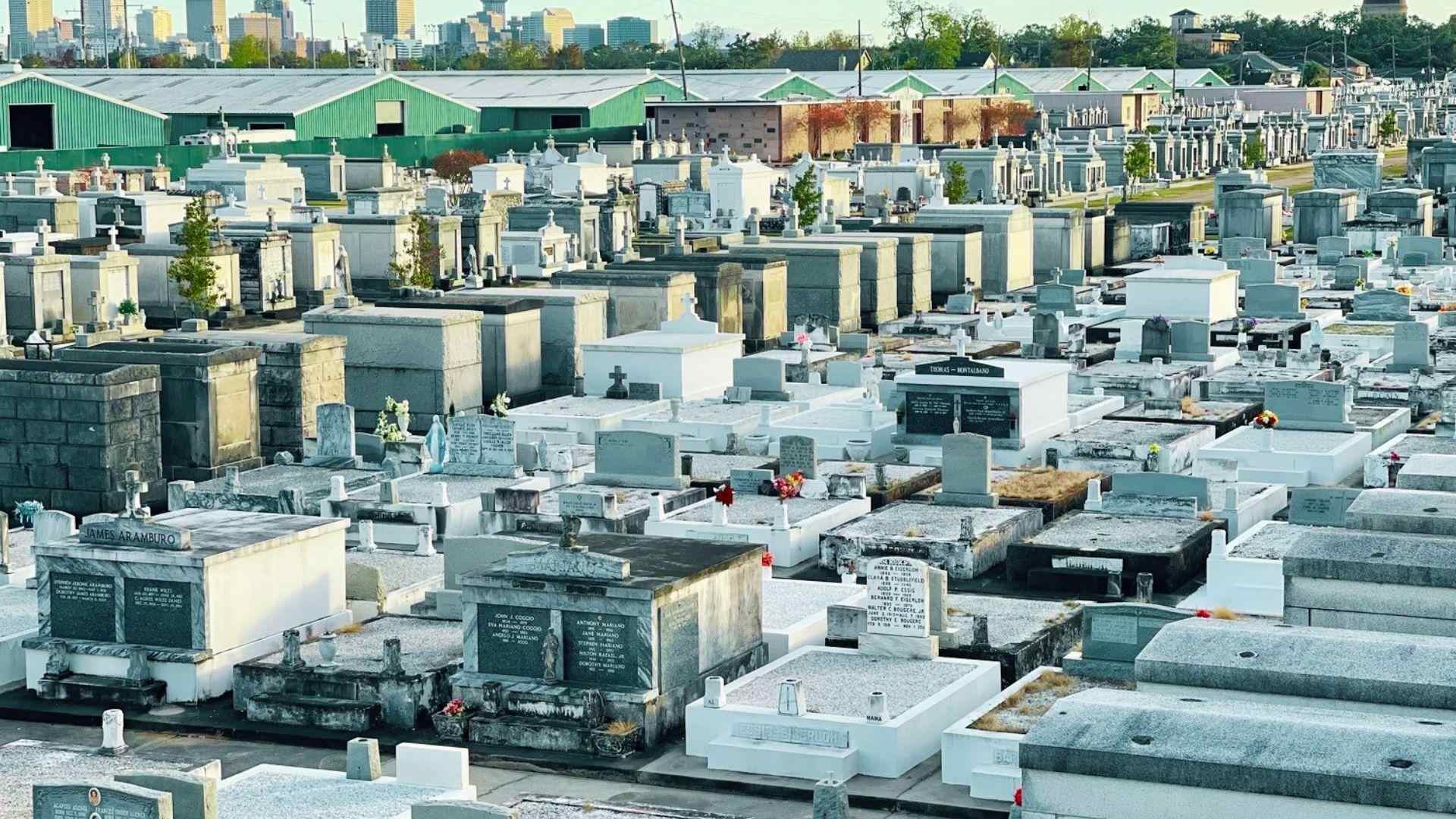
New Orleans is famous for its above-ground tombs, especially in historic cemeteries.
How New Orleans Above-Ground Tombs Work
The reason is simple: water. New Orleans sits below sea level in many areas. When early settlers tried to bury people underground, the coffins floated back up during heavy rains or floods. It was a real and serious problem.
To solve this, above-ground tombs became the standard. Families would build brick or marble structures that held the remains of multiple generations.
The heat inside these sealed tombs is so intense during summer that a body can break down in about a year. After that, the remains were pushed to the back or into a lower chamber, making room for the next family member.
Why the Cemeteries Feel So Haunted
St. Louis Cemetery No. 1 is the oldest in the city, dating back to 1789. Walking through it feels like walking through a small city of the dead. The tombs are tall.
The paths are narrow. The names on the walls go back hundreds of years.
It is not a place that feels peaceful. It feels crowded with history. Tour groups visit regularly. Some tombs have been vandalized over the years, which has led to stricter access rules.
The cemeteries are real historical records. They show who lived in New Orleans, when they died, and often how they died.
How Voodoo Shaped New Orleans' Spiritual Culture
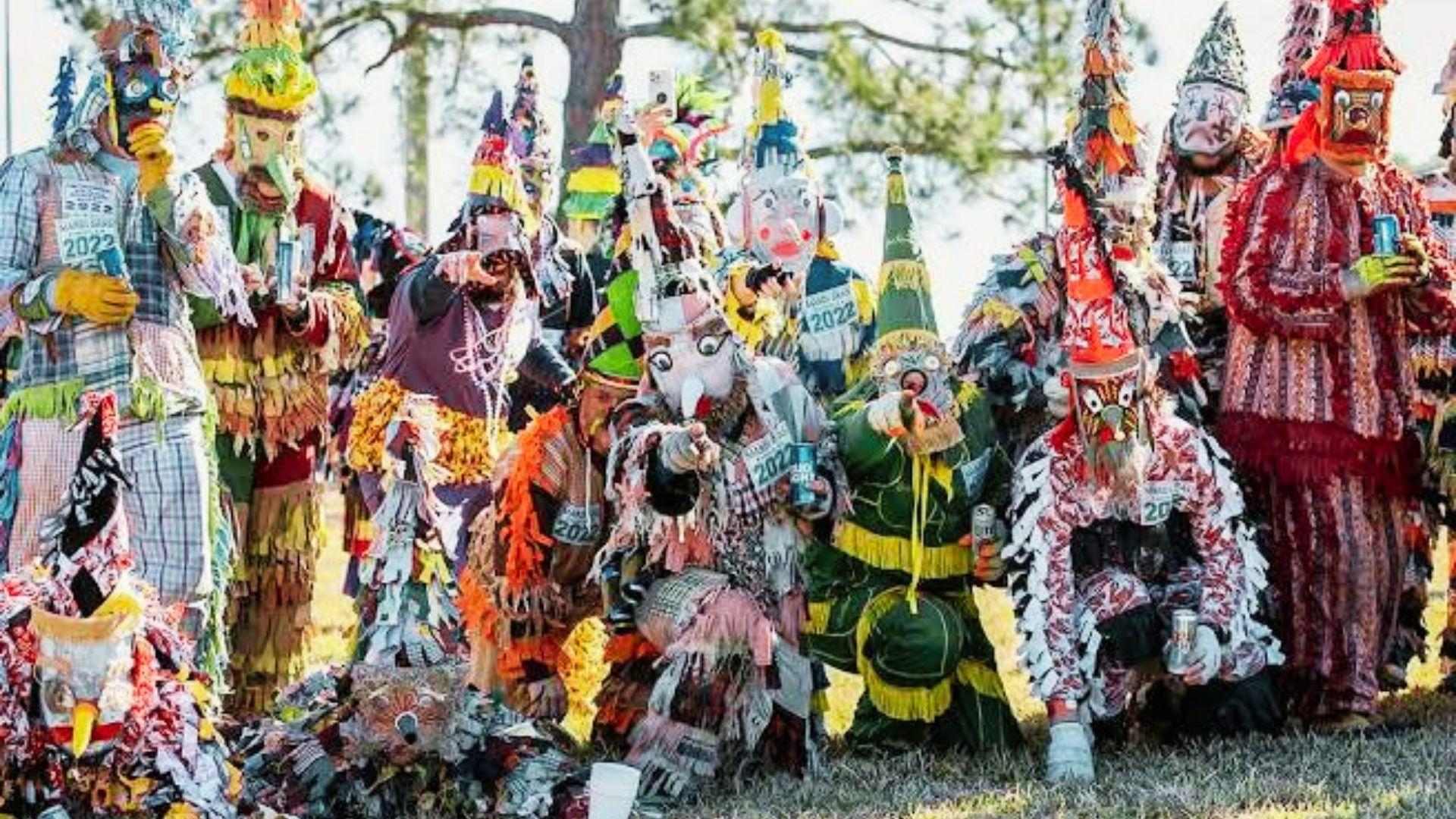
Voodoo is a real religion with deep roots in New Orleans, and it has influenced how the city thinks about the spirit world.
Marie Laveau and New Orleans Voodoo
Marie Laveau became one of the most influential and famous Voodoo figures in New Orleans history. She was active in the 1800s and held enormous influence in the city.
People from all walks of life, rich and poor, came to her for help. When she died in 1881, her obituary ran in the New York Times, which gives you a sense of how far her reputation reached.
She was a free woman of color at a time when that status was complicated and often dangerous. Her power came from her knowledge, her connections, and her reputation.
She blended Catholic traditions with African spiritual practices in ways that were very specific to New Orleans.
She is buried in St. Louis Cemetery No. 1. Her tomb is one of the most visited in the city. People still leave offerings and draw X marks on the tomb, though the Archdiocese of New Orleans has asked people to stop damaging it.
Voodoo vs. Hollywood Myths
Most people's idea of Voodoo comes from horror movies. That image is almost entirely wrong.
Real Voodoo is a spiritual practice focused on ancestors, healing, and community. It does not involve creating zombies or sticking pins in dolls to hurt people.
Those ideas come from outside the tradition and have been used to make Voodoo seem scary and sinister.
In New Orleans, Voodoo is a living practice. There are practitioners who take it seriously as a religion. Museums and shops in the French Quarter offer some education on the real history, though the tourist side of things can lean into the spooky angle.
Why Does the French Quarter Feel So Haunted?

The French Quarter is old, dense with history, and built on ground that has seen centuries of dramatic events.
Centuries-Old Buildings and Hidden Histories
Many buildings in the French Quarter date back to the late 1700s and early 1800s. Some have had dozens of owners. Some were homes. Some were businesses. Some held enslaved people. Some have burned down and been rebuilt.
When you walk through the Quarter, you are walking past buildings that have seen enormous amounts of human experience. Birth, death, joy, suffering. All of it happened inside those walls.
The narrow streets and old brick buildings create an atmosphere that is easy to read as spooky. But most of what makes the French Quarter feel heavy is simply the age and the history pressed into every block.
Why New Orleans' Historic Architecture Matters
The architecture of the French Quarter is not just pretty to look at. It is a record of the city's past.
The ironwork balconies, the courtyards, the thick walls. These were built by enslaved people and immigrant laborers.
The styles reflect Spanish and French colonial influence. Many buildings were reconstructed after fires in 1788 and 1794 that destroyed much of the original French colony.
Preserving these buildings means preserving the evidence of what happened here. That is why local organizations fight hard against demolition and neglect.
What Are the Most Haunted Places in New Orleans?
Several locations come up again and again in ghost tours and local history, and each has a documented backstory.
LaLaurie Mansion
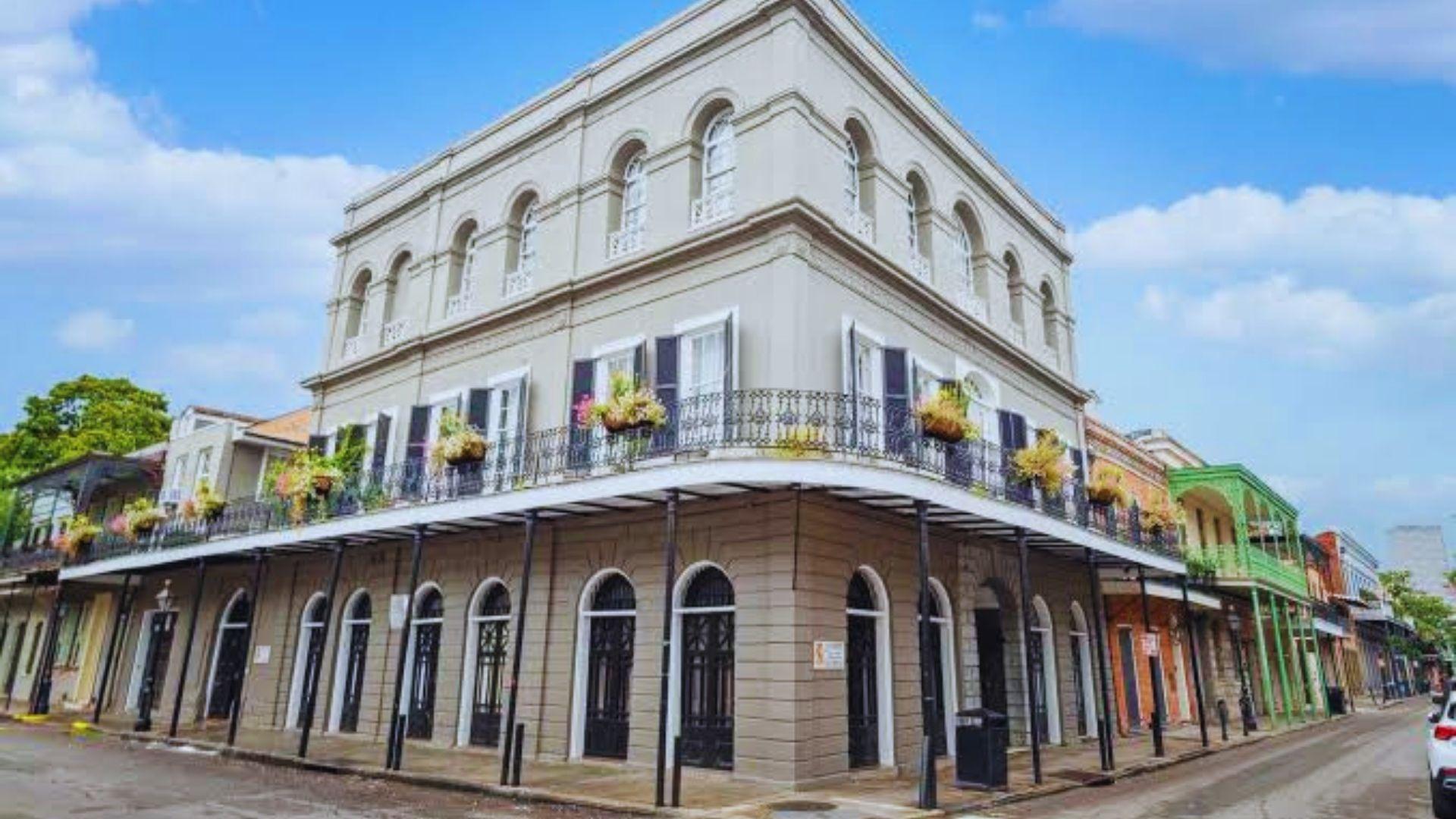
The LaLaurie Mansion at 1140 Royal Street has one of the darkest documented histories in the city. The abuse that happened there was reported in newspapers at the time. It is not just a legend.
The building is privately owned. You cannot go inside. But it sits in the middle of a busy street, and its history is hard to ignore.
St. Louis Cemetery No. 1
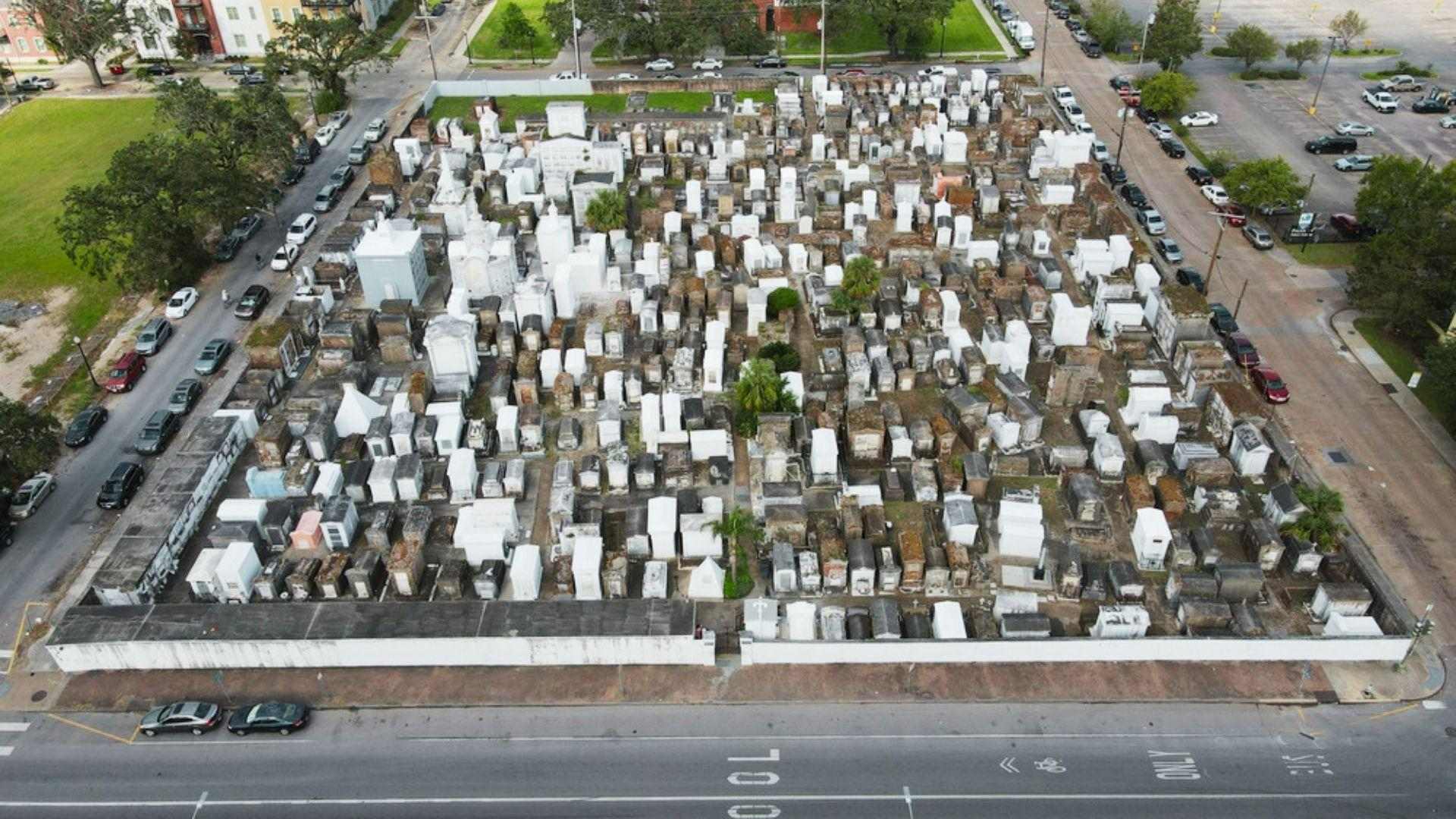
This is the oldest cemetery in New Orleans and holds the remains of many notable figures, including Marie Laveau. It is a small cemetery by most standards but incredibly dense with history.
Guided tours are now required for most visitors after years of vandalism damaged several tombs. The Archdiocese controls access and works to protect the site.
The Old Ursuline Convent
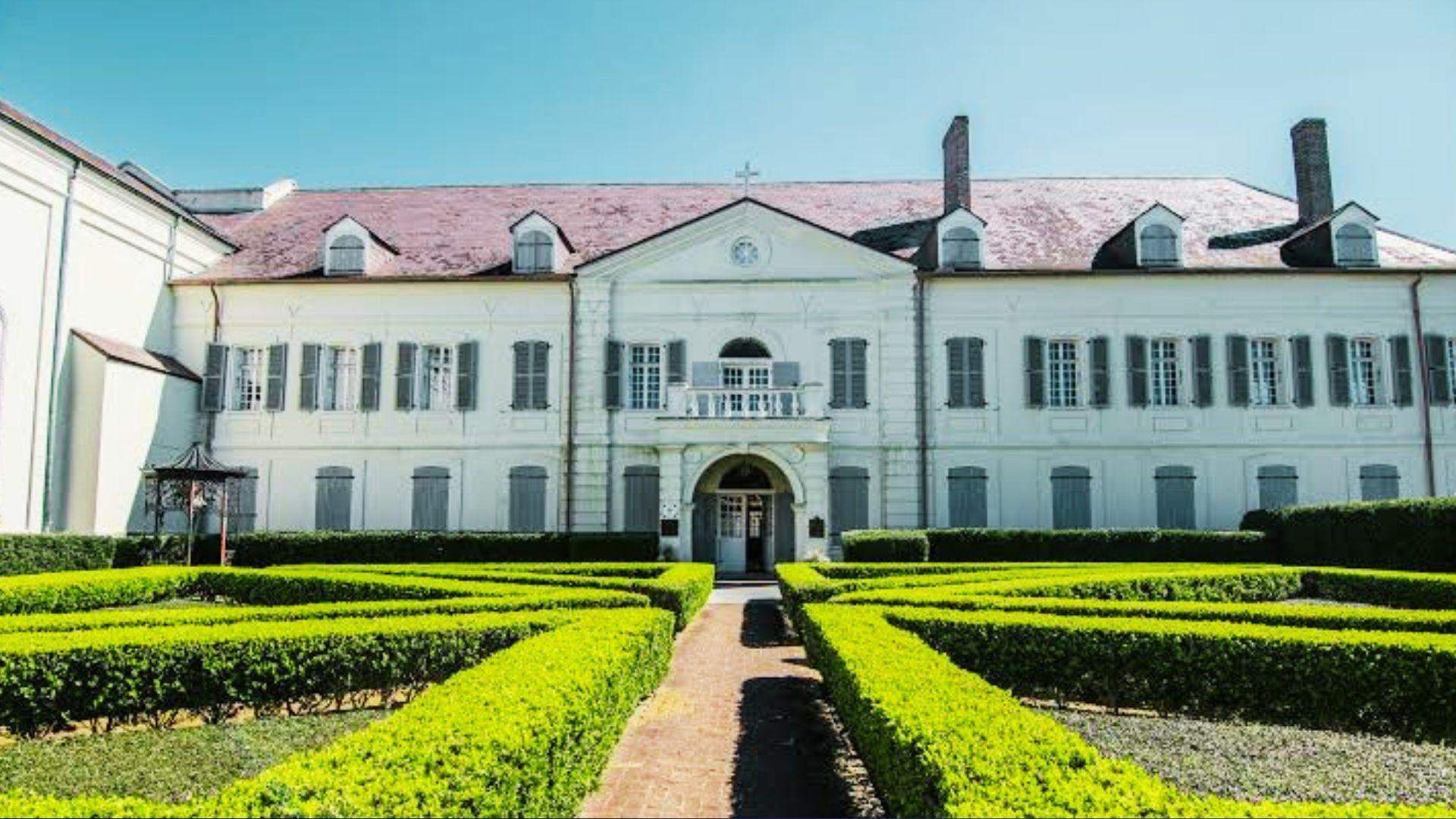
Built in 1752, the Old Ursuline Convent at 1100 Chartres Street is the oldest surviving building in the Mississippi River Valley and one of the oldest in the entire country. It is also one of the most frequently mentioned haunted locations in New Orleans.
The most well-known legend tied to the building involves the "casket girls," a group of young French women who arrived in the early 1700s carrying small wooden chests.
The chests were meant to hold their belongings, but local stories claimed they held something else entirely.
The legend grew darker over the years, and the convent's shuttered top-floor windows became part of the folklore. Whether or not the stories hold up, the building itself is a documented piece of colonial history that most ghost tours treat as a centerpiece stop.
Muriel's Jackson Square

Muriel's restaurant at 801 Chartres Street carries one of the French Quarter's more persistent ghost stories.
A former owner named Pierre Antoine Lepardi Jourdan reportedly lost the property in a card game in the early 1800s and later took his own life on the premises before he could be removed from the building.
Staff and guests have reported objects moving, cold spots, and strange activity in the area known as the Seance Lounge. A table on the second floor is reportedly kept set for Jourdan to this day.
Pirates Alley
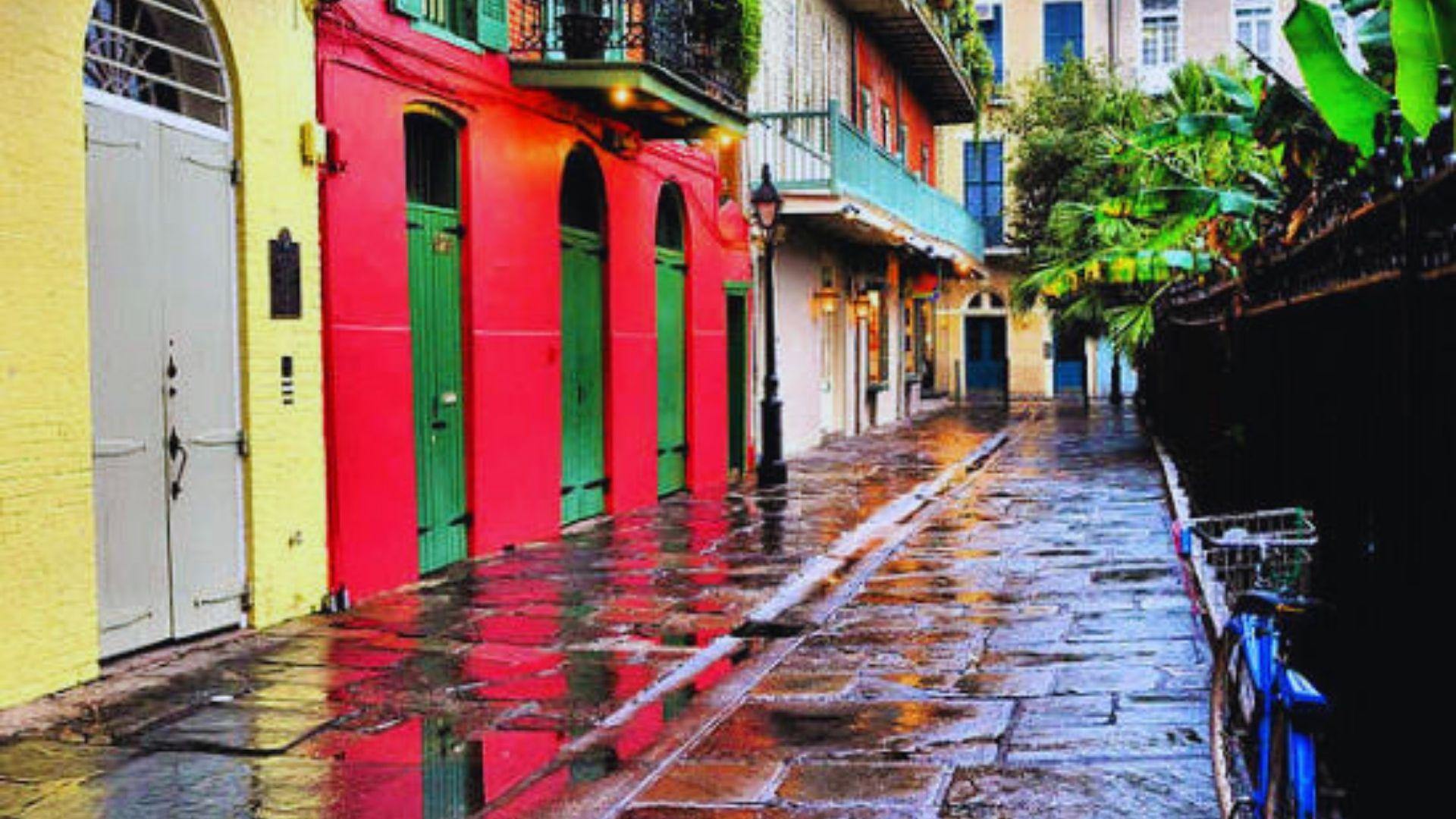
Pirates Alley runs alongside St. Louis Cathedral between Jackson Square and the Cabildo. It dates to the French colonial period and was once used as an open-air market and a path where authorities held prisoners.
The alley sits directly adjacent to two of the oldest and most historically loaded buildings in the city, and that proximity gives it weight that goes beyond atmosphere.
Visitors frequently report a shift in the air there, a quiet that does not match the surrounding streets. Whether that is history or something else is up to you.
Lafitte's Blacksmith Shop

Lafitte's Blacksmith Shop at 941 Bourbon Street is one of the oldest buildings in the United States still operating as a bar.
It dates to the early 1700s and is named after the famous pirate Jean Lafitte, who is said to have used it as a cover for smuggling operations during the early 1800s.
The building is dark inside, lit mainly by candles. It feels old because it is old. Whether or not anything supernatural happens there, it holds real history from the colonial era of the city.
Andrew Jackson Hotel
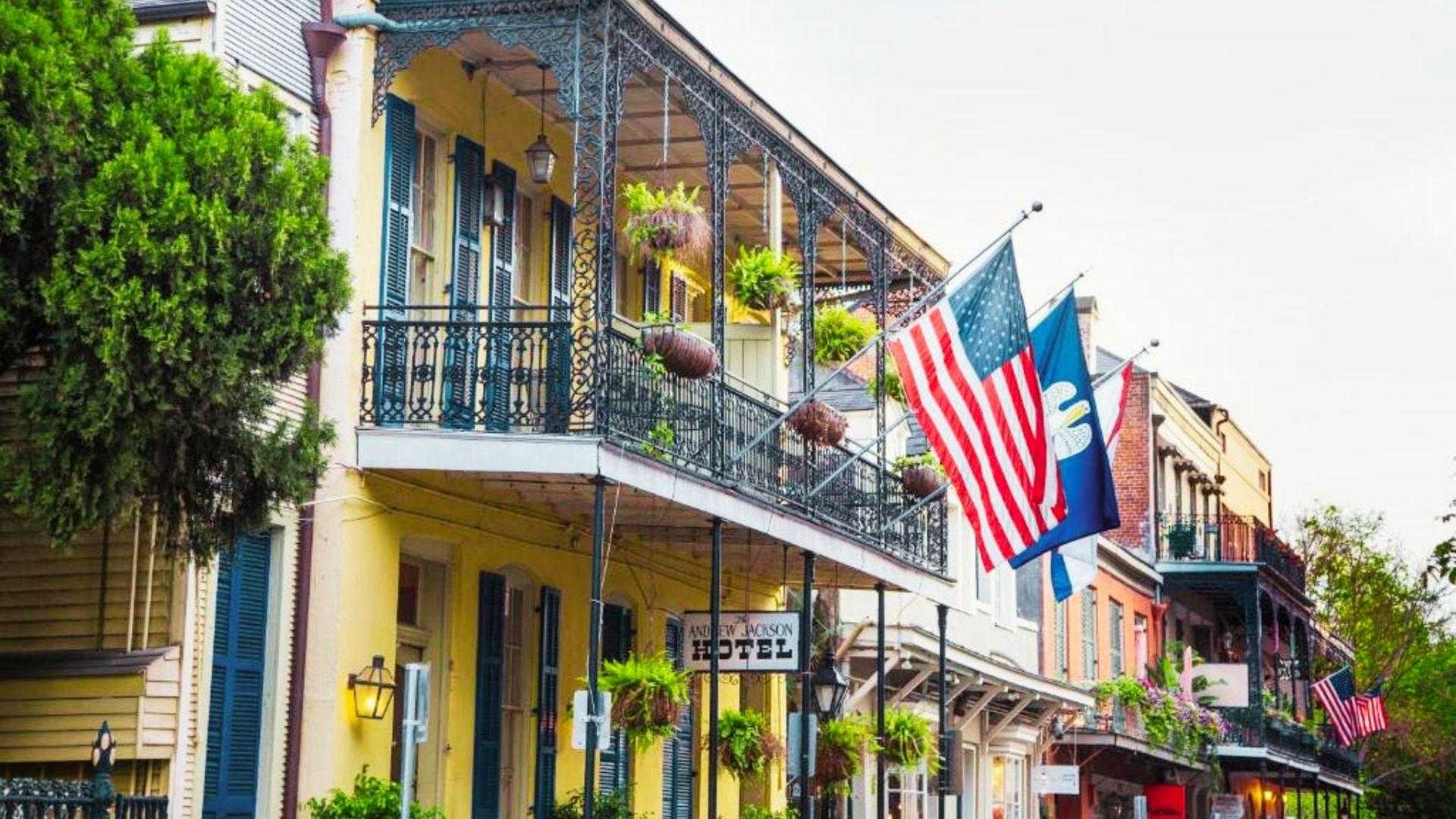
The Andrew Jackson Hotel at 919 Royal Street sits on a site with a dark origin. Before the current building was constructed, a fire destroyed a school that stood on this land in the early 1800s, and several children and staff died in the blaze.
Guests over the years have described hearing laughter in empty hallways and seeing figures in spaces where no one should be.
Unlike the LaLaurie Mansion, the haunting claims here are harder to verify against newspaper records, so it is worth holding them with some skepticism. But the fire itself is part of the documented history of the site.
Is New Orleans Really the Most Haunted City in America?

Other cities have strong claims too. Savannah, Georgia is well known for its ghost stories. Salem, Massachusetts is famous for the witch trials.
Gettysburg, Pennsylvania carries the weight of one of the Civil War's bloodiest battles. Each of these places has documented history tied to mass death and tragedy. But New Orleans has several things happening at once that the others do not.
Yellow fever killed tens of thousands here. New Orleans has a particularly concentrated history of slavery, disease, violence, and cultural traditions within a relatively small historic core.
Voodoo is a living spiritual tradition, not just a tourist angle. And the architecture is centuries old and still in daily use. All of that is packed into a relatively small area. That density of history is what sets New Orleans apart.
Are New Orleans Ghost Stories Based on Real History?
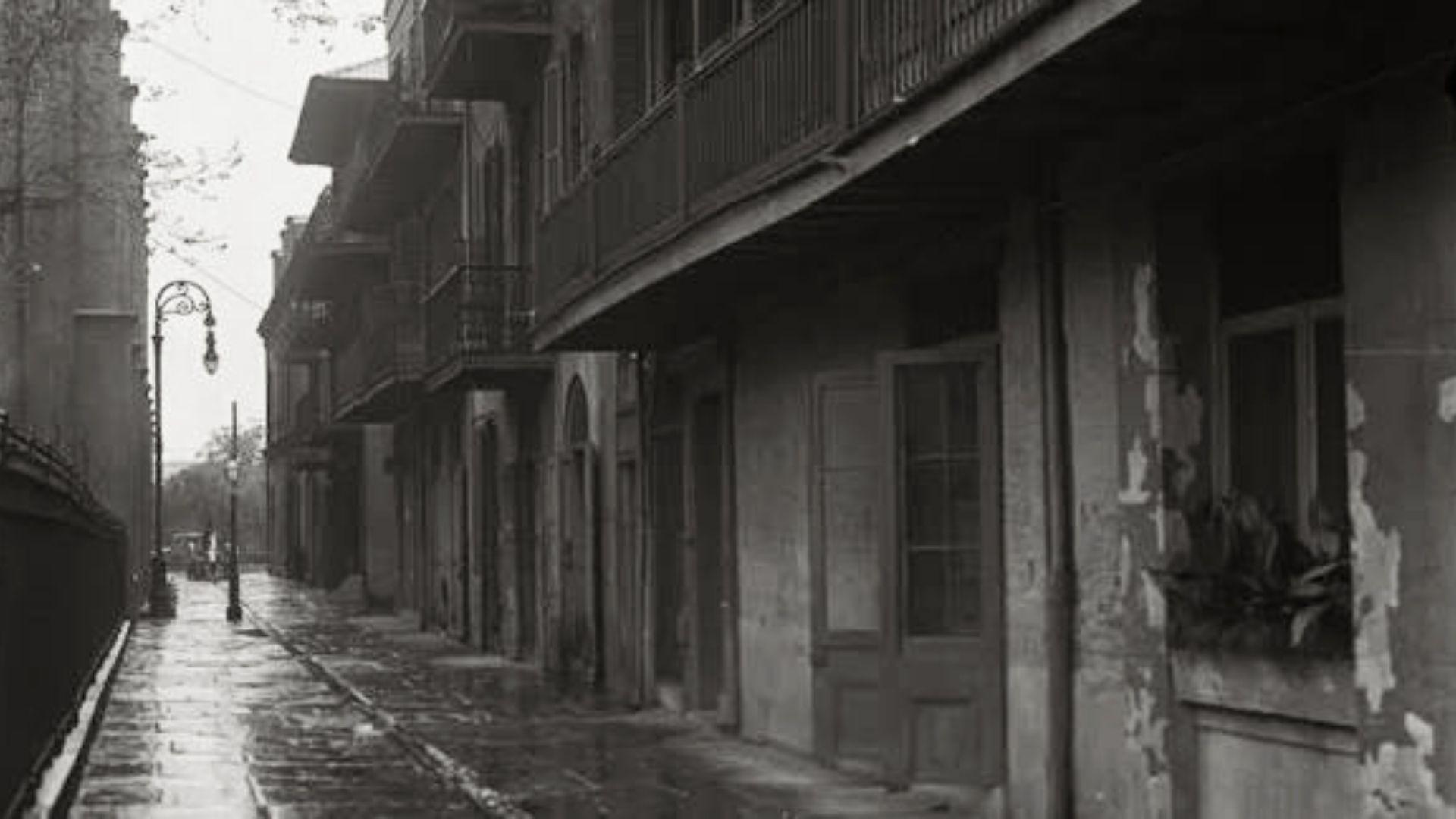
Some are well-documented. Others have been stretched over time.
What Is Historically Documented?
The yellow fever deaths are well-documented in historical records. The abuse at the LaLaurie Mansion was reported in New Orleans newspapers in 1834.
The slave markets that operated in the city are recorded in property records and historical accounts. The 1866 Mechanics Institute Massacre was covered in newspapers across the country.
Marie Laveau's life and influence are documented through newspapers and public records from her time.
These are not myths. They are history.
What Is Legend?
The ghost stories themselves, the specific sightings and encounters, those are harder to verify.
Researchers have noted that some reported paranormal experiences in old buildings can be explained by things like infrasound, which is low-frequency sound produced by old ventilation systems or structural settling that can cause unease, even feelings of dread, without people realizing where the sensation is coming from.
Poor air quality and carbon monoxide leaks in older buildings have also been documented as causes of strange sensory experiences. That does not explain everything people report, but it is worth knowing.
Over time, stories also grow. Details get added. Some ghost tour companies lean into the dramatic angle more than others.
A good guide will tell you the difference between what is documented and what is local legend. The best tours treat the history seriously instead of just trying to scare people.
Tips for Exploring Haunted New Orleans
Make the most of your visit by keeping these practical tips in mind.
- Ghost tours in the French Quarter run about two hours and cost between $25 and $35. Look for guides with a real background in local history. Reputable options include Free Tours by Foot, French Quarter Phantoms, and Haunted History Tours.
- St. Louis Cemetery No. 1 requires a guided tour booked through the Archdiocese of New Orleans or an approved operator. Tours cost around $20 and last about an hour.
- Do not touch, mark, or leave items on tombs. It causes damage and is illegal.
- Follow your tour guide's instructions. These rules exist to protect sites that cannot be restored once damaged.
- Read about the real history before you visit. It will make everything you see on the ground feel much more meaningful.
Conclusion
New Orleans does not just tell its history. It wears it. Every street, tomb, and old building holds something worth knowing.
I think what makes this city hit differently is that many of the stories grew from real events, while the paranormal claims remain part of local legend. That makes them worth taking seriously.
If you ever get the chance to visit, go with curiosity. Learn before you look.
Have you been to New Orleans? Drop your experience in the comments. I would love to hear what you felt walking those streets.
Frequently Asked Questions
Did Real People Die in the LaLaurie Mansion?
Yes. Enslaved people were found severely harmed inside the mansion in 1834. The event was reported in local newspapers and is part of documented New Orleans history.
Is Voodoo Still Practiced in New Orleans Today?
Yes, Voodoo is a living spiritual practice in New Orleans. Some practitioners take it seriously as a religion and are not connected to the tourist version of it.
Are New Orleans Cemeteries Safe to Visit Alone?
Most cemeteries now require guided tours for entry. Going alone is discouraged, and some areas around them can feel unsafe, so sticking with a group is the smarter choice.
How Long Has New Orleans Been Known as a Haunted City?
The city's reputation for hauntings grew through the 1800s as yellow fever deaths, slavery, and public violence piled up. By the early 1900s, the ghost stories were already well established.
What Caused the 1866 New Orleans Massacre?
A political meeting supporting Black voting rights was attacked by white rioters and former Confederate soldiers outside the Mechanics Institute on Dryades Street. At least 34 Black men and 3 white allies were killed. The event was widely reported and directly influenced national Reconstruction policy.