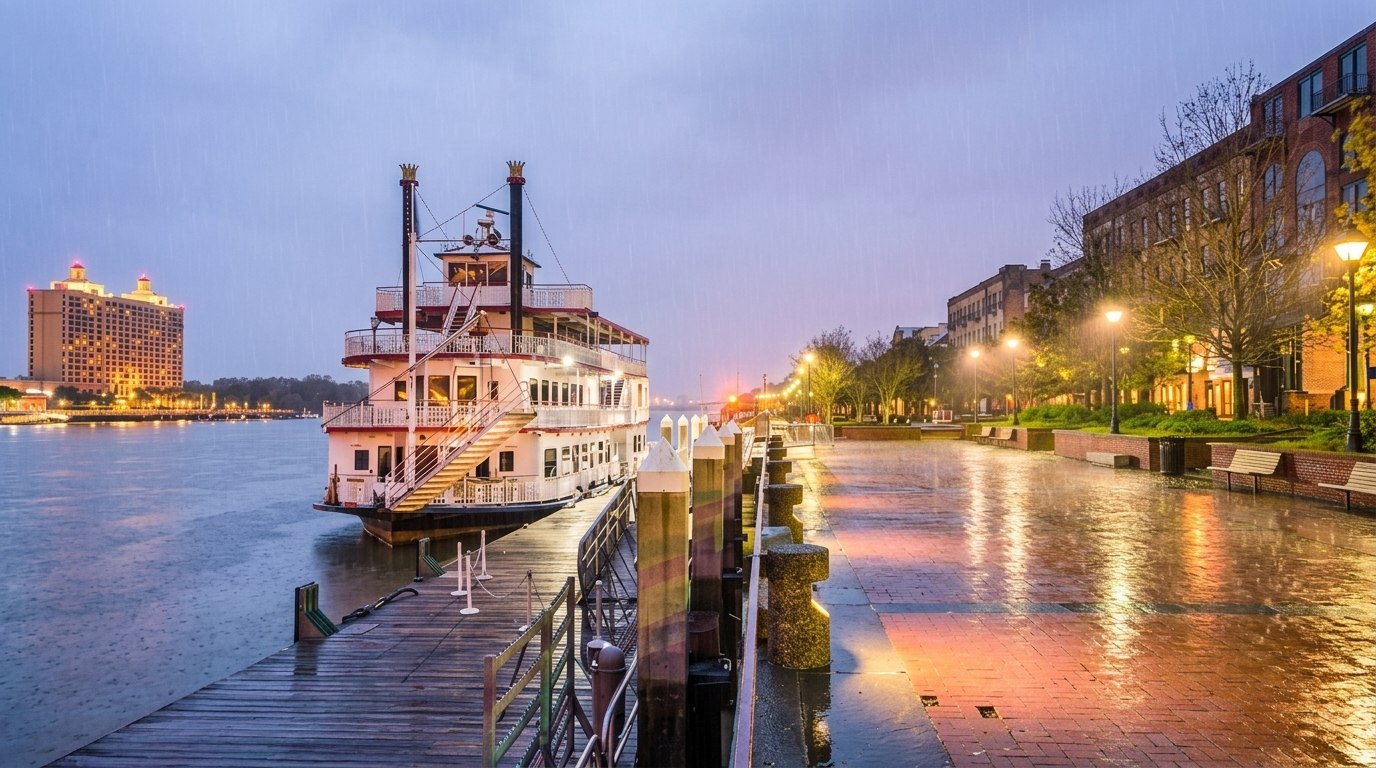
Three days in Savannah is enough for a first visit if you group nearby sights together.
Spend the first day walking through the Historic District, the second on food, museums, and historic homes, and the third outside downtown.
This guide includes approximate walking times, driving times, meal stops, family tips, and options for couples. It also gives you a choice between Tybee Island and Wormsloe for the final day.
3-Day Savannah Itinerary at a Glance

Here's a simple three day plan that breaks Savannah into walkable downtown days with one day for stops outside the historic core:
| Day | Main area | Key stops | Best way to get around |
| Day 1 | Historic District | Forsyth Park, squares, Jones Street, River Street, City Market | Walk |
| Day 2 | Downtown | Mrs. Wilkes, historic home, Telfair Museums, dinner | Walk and short rides |
| Day 3 | Outside downtown | Bonaventure, Fort Pulaski, Tybee Island | Car or rideshare |
Is 3 Days Enough Time in Savannah?

Three days gives most first-time visitors enough time to see Savannah's main historic areas without rushing every stop.
The Historic District is compact, and many squares, restaurants, museums, and historic homes sit within walking distance of one another.
Savannah has 22 historic squares today, with Forsyth Park adding a large green space at the southern end of the downtown area.
You can spend one full day on foot, another day mixing food and indoor attractions, and the final day visiting the coast or nearby historic sites.
- Spring and fall are often comfortable for long walks, while summer brings higher heat, humidity, and afternoon storms.
- If you visit in summer, start outdoor activities early and leave the hottest part of the day for lunch, museums, or a hotel break.
Where to Stay for Easy Savannah Sightseeing
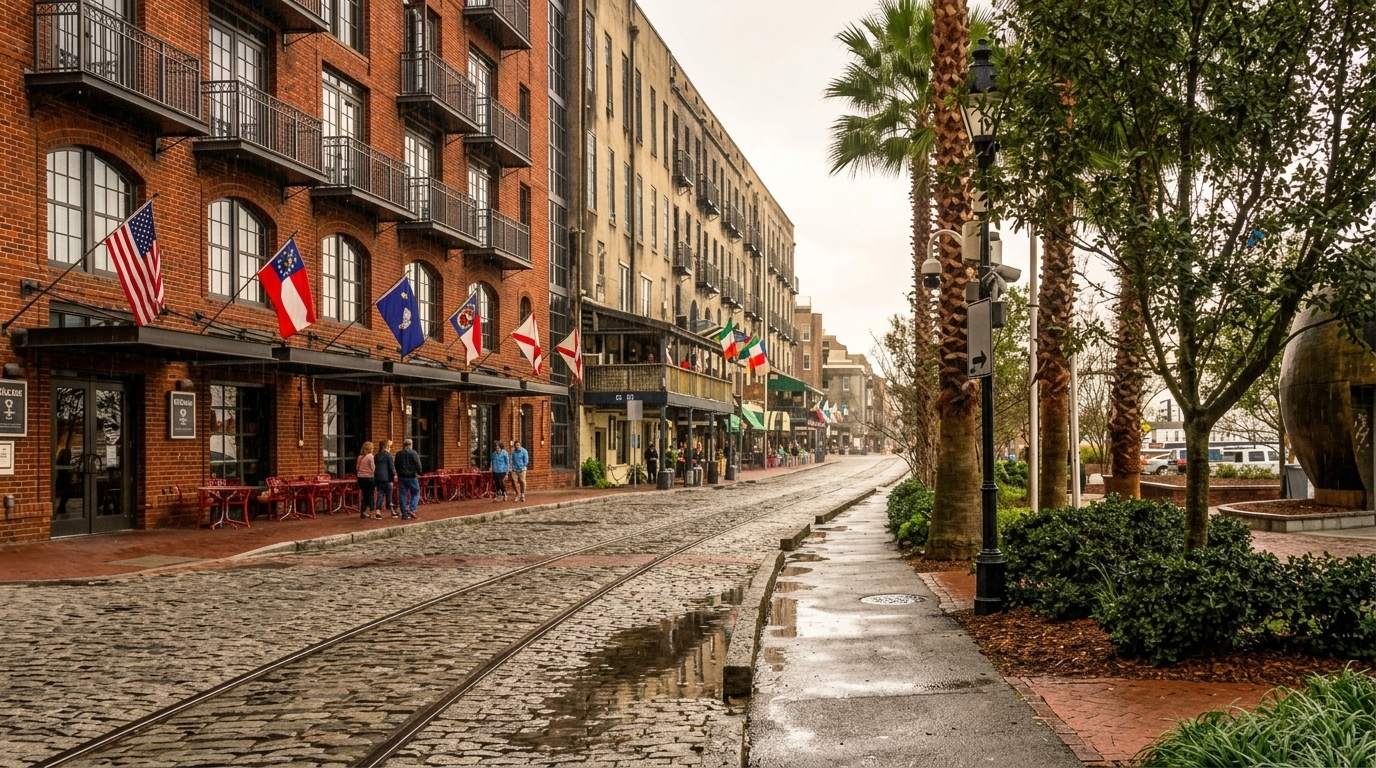
Where you stay in Savannah shapes how much walking or driving you'll do each day.
Here are the main options to think about:
- Forsyth Park area: Good for quieter streets with quick access to the park, while staying close enough to walk into the rest of downtown.
- Northern Historic District: Puts you near Broughton Street, City Market, River Street, and many restaurants, making it easy to walk everywhere on your first two days.
- Plant Riverside area: Sits close to River Street and the Savannah River. Staying here also puts you near the Savannah Belles Ferry, which is currently free to ride and runs seven days a week to Hutchinson Island and the Westin area.
- Tybee Island: A better fit if beach time matters more to you than downtown walking. It sits about 20 minutes from Savannah, but you'll need to drive into the city for most of your first two days.
Day 1: Explore Savannah's Historic District
Your first day focuses on Savannah's squares, parks, historic streets, River Street, and City Market. Plan for about 3 to 4 miles of walking if you follow the full route.
Start early, carry water, and wear comfortable shoes. The route works well because each stop leads naturally toward the next part of downtown.
Morning: Coffee and Historic Squares
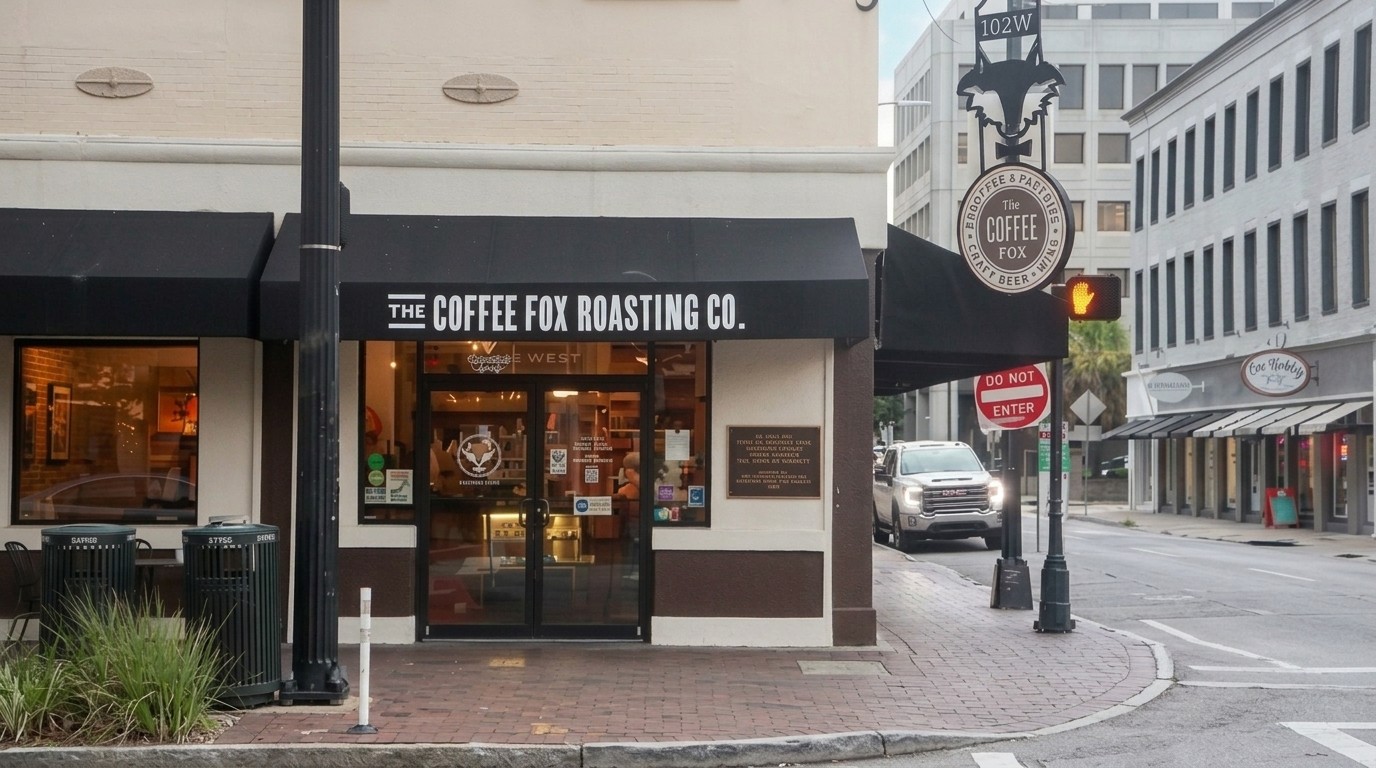
Start with coffee at The Coffee Fox or Gallery Espresso, then begin a walking route through the central squares. A practical route is Forsyth Park, Monterey Square, Madison Square, and Chippewa Square.
Allow about two hours for this section if you stop for photos and read the historical markers. Savannah's squares were part of the city's original plan, and 22 remain today.
Chippewa Square is linked to the film Forrest Gump. The bench used in the movie is now at the Savannah History Museum rather than on the square.
Midday: Forsyth Park and Jones Street
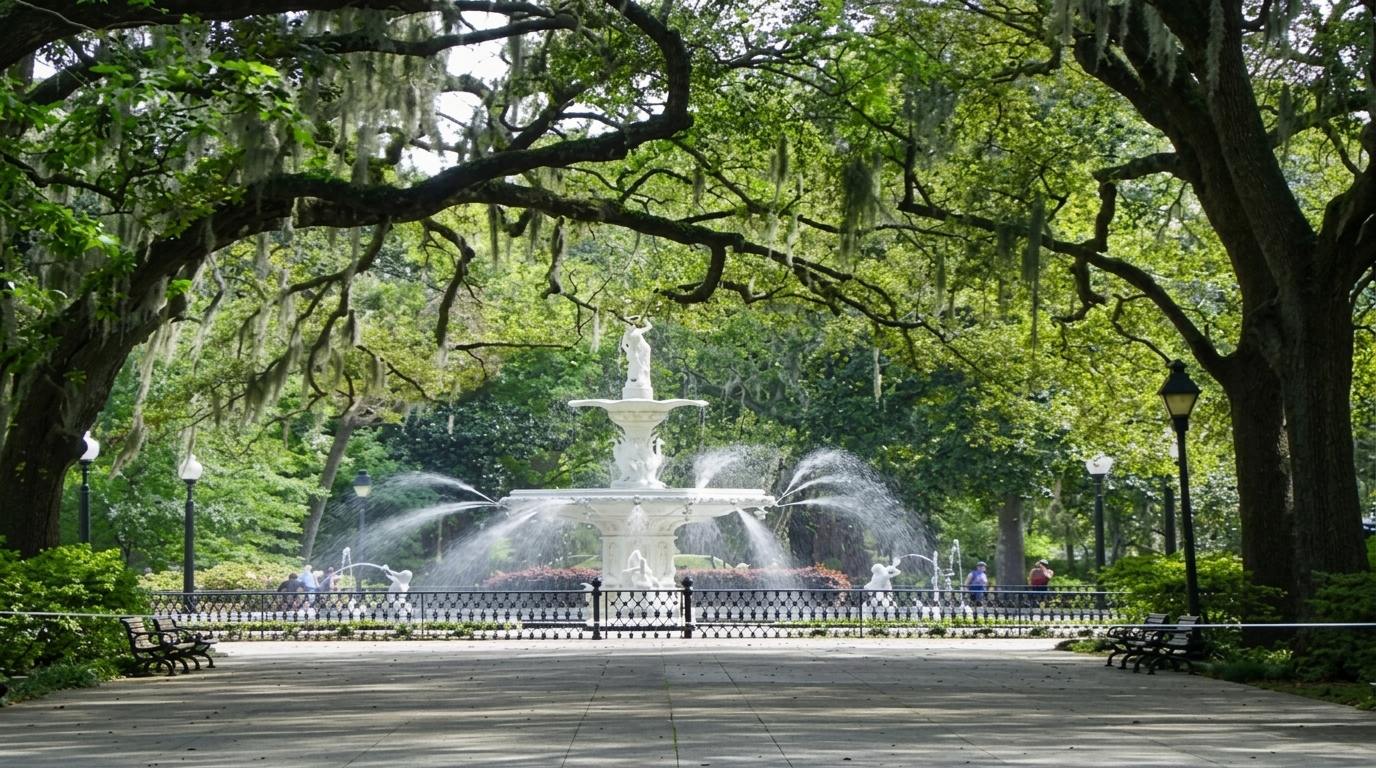
Forsyth Park covers about 30 acres and is home to its well-known fountain, which dates to 1858.Spend 30 to 45 minutes around the fountain and nearby paths before heading north toward Jones Street.
The walk from Forsyth Park toward Jones Street takes about 10 minutes depending on your starting point.Jones Street is lined with historic homes and oak trees, making it a good place for a slower walk before lunch.
Afternoon: River Street and City Market
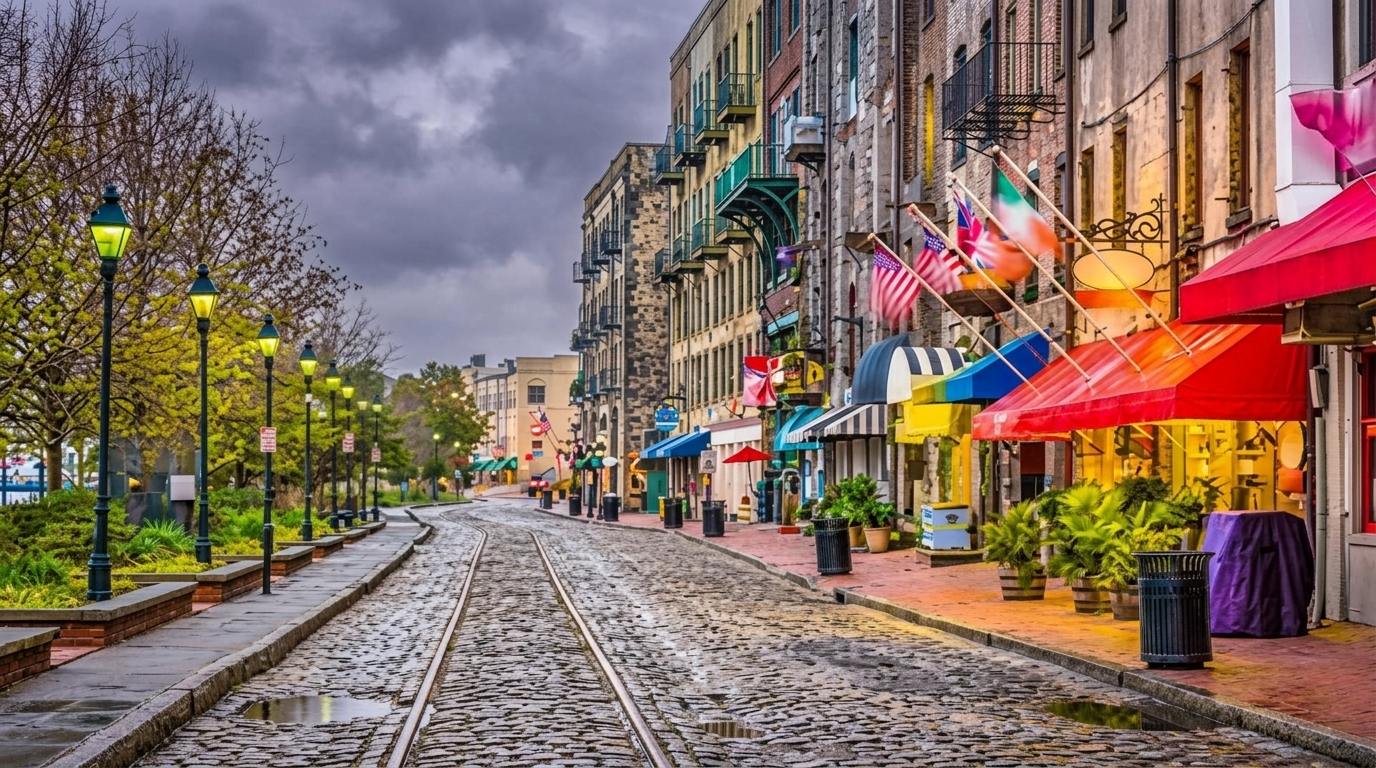
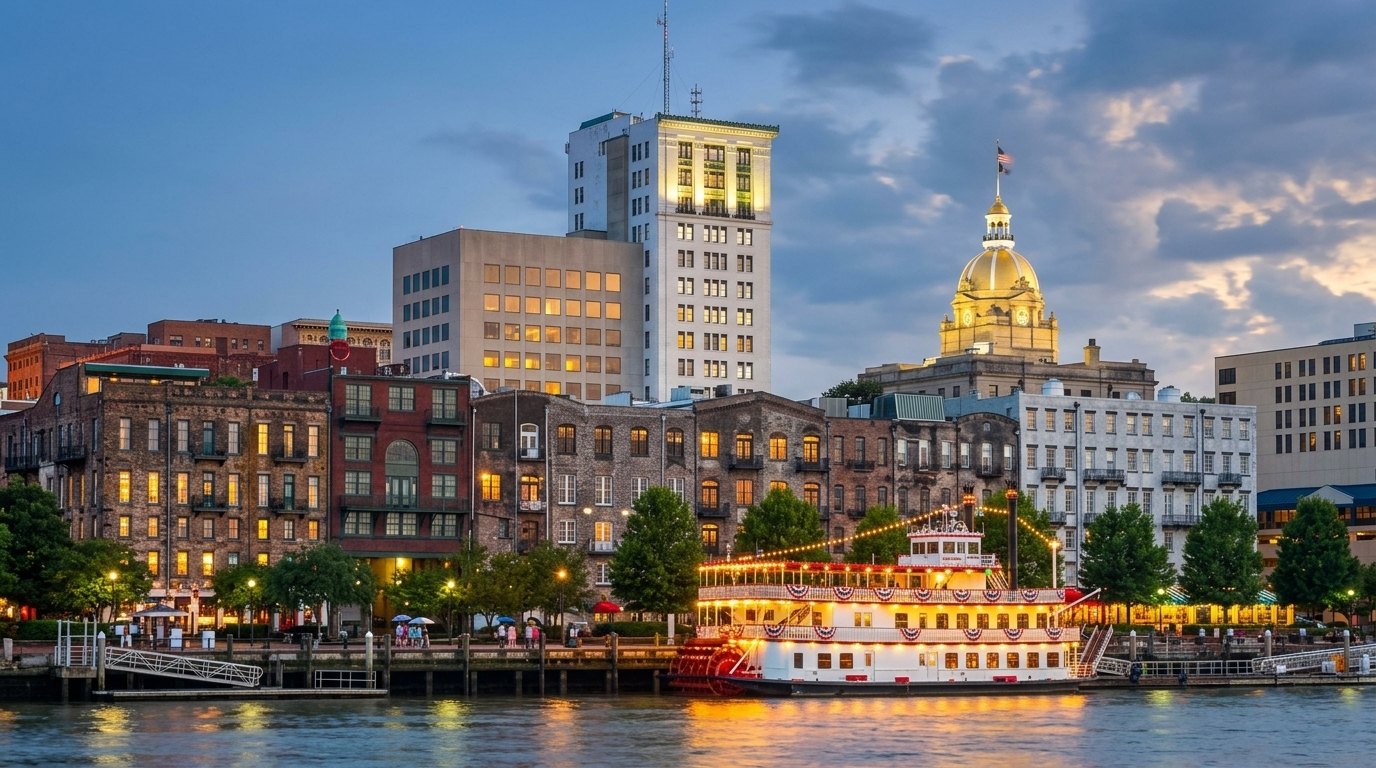
From Jones Street, walk toward River Street in about 15 to 20 minutes. River Street follows the Savannah River and has shops, restaurants, historic buildings, and places to watch ships move along the water.
Continue inland to City Market, which sits only a few blocks away. Allow about 90 minutes for River Street and City Market combined, with extra time if you stop for shopping or ice cream.
If you want to cross the river, the Savannah Belles Ferry provides free service between River Street and Hutchinson Island. The city currently lists the ferry as operating seven days a week.
Evening: Dinner and a Ghost Tour
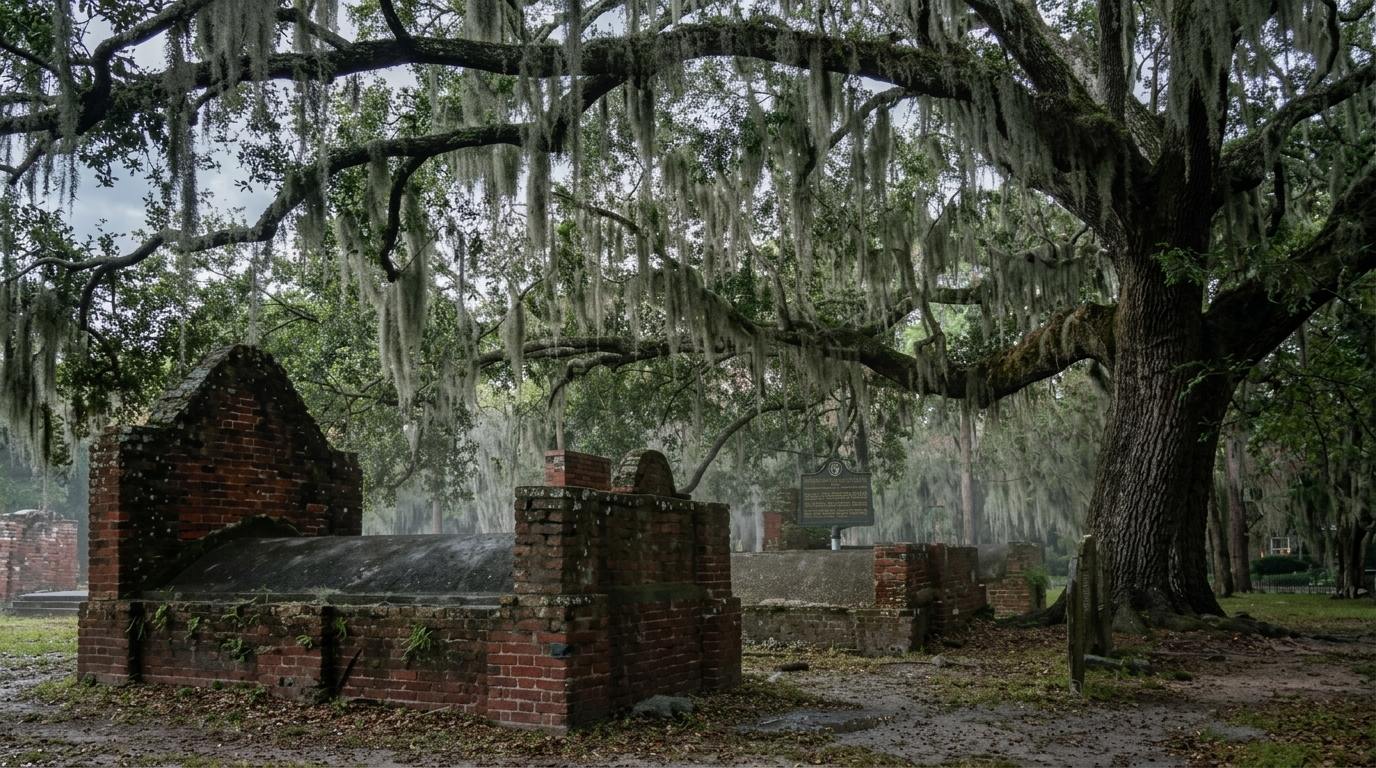
Have dinner downtown before joining an evening ghost tour. Savannah has a long tradition of ghost stories connected to its old homes, cemeteries, churches, and historic streets.
Choose a walking tour if you want more history and less driving. Sixth Sense Savannah and Blue Orb Tours are two local operatorsto compare, but check the current departure times before booking.
Allow about 90 minutes to two hours for the tour. A later tour works well after dinner, while an earlier start is better for families with younger children.
Day 2: Southern Food, Museums, and Historic Homes
Use the second day for Savannah's food and history. The main stops are close enough that you can walk between several of them.
Keep the morning flexible because popular restaurants can have lines. Make reservations for dinner and any timed museum or house tours before your trip.
Morning: Eat at Mrs. Wilkes Dining Room
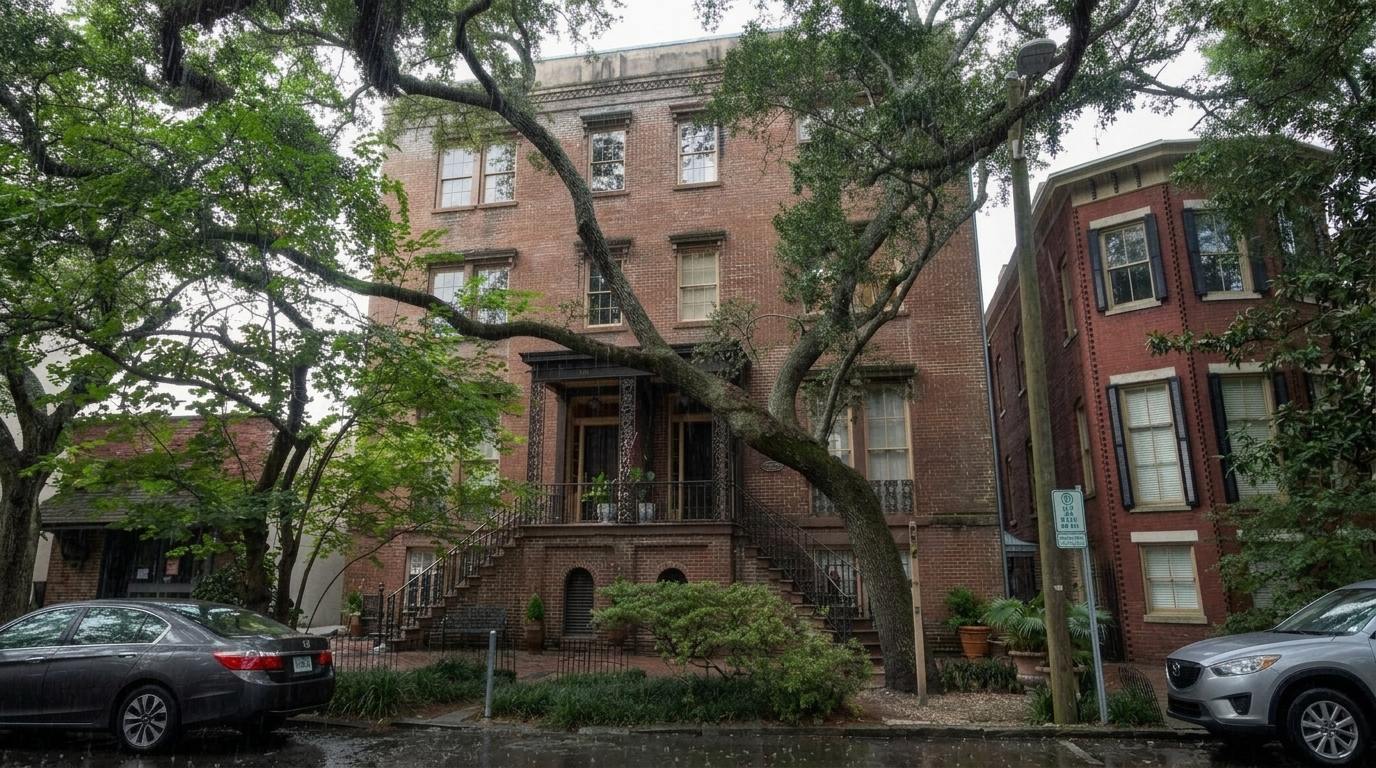
Mrs. Wilkes Dining Room serves Southern food family-style at shared tables.The restaurant opens for lunch at 11 a.m., and its official site currently lists a price of $35 for guests age 13 and older and $17.50 for children age 12 and under. Cash or check is required.
A line forms before opening, so arriving before 11 a.m. gives you a better chance of getting seated earlier. The restaurant is at 107 West Jones Street, which also puts you close to the historic streets around the park.
If the wait does not fit your schedule,B. Matthews Eatery is a practical alternative on East Bay Street. It serves breakfast, brunch, lunch, and dinner, and its official site provides a reservation option.
Afternoon: Historic Homes and Telfair Museums
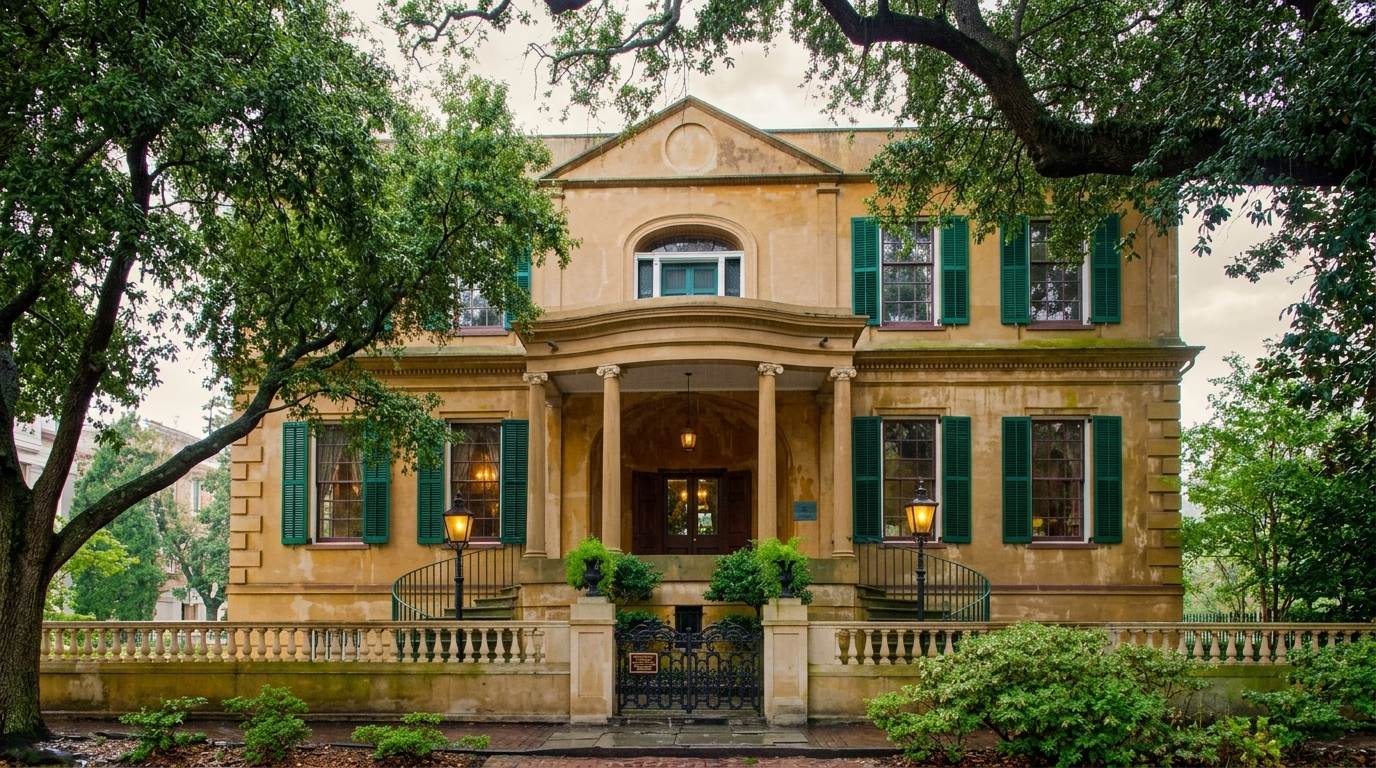
Spend the first part of the afternoon at a historic house such as the Owens-Thomas House & Slave Quarters or the Mercer Williams House.Choose one rather than trying to fit several house tours into the same afternoon.
For an art-focused visit Telfair Museums which has three sites: the Jepson Center, Telfair Academy, and Owens-Thomas House & Slave Quarters. The Jepson Center also houses the Telfair Children's Art Museum, which can work well for families.
Allow two to three hours for one museum site or a historic house plus nearby sightseeing. Check current hours and admission before leaving your hotel because schedules and ticket prices can change.
Evening: Dinner in the Historic District
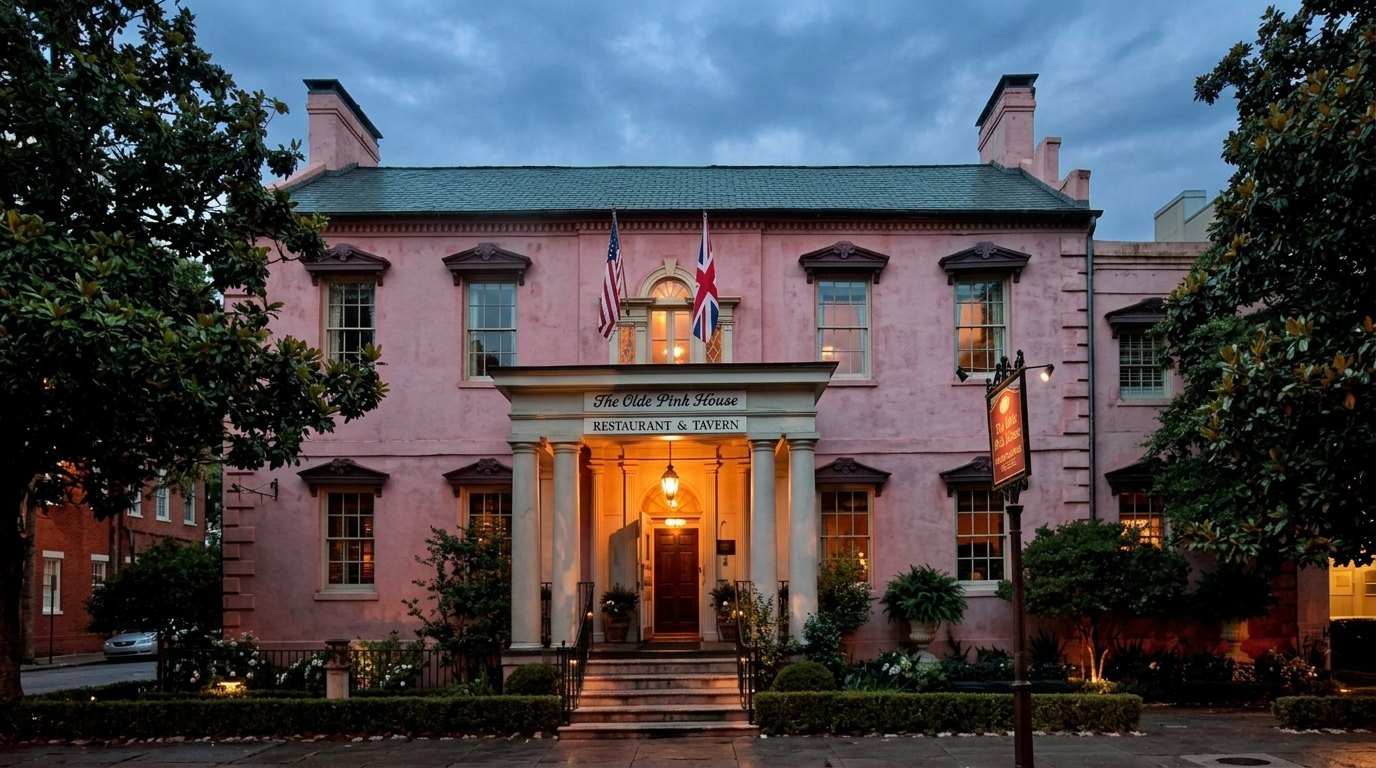
For a special dinner, consider The Olde Pink House or Husk. The Olde Pink House is housed in an 18th-century building and is known for Southern dishes, while Husk focuses on Southern ingredients and regional cooking.
Weekend dinner tables can fill quickly, so book ahead when possible. If your first choice is full, check other downtown restaurants instead of building the evening around one reservation.
For another option, Alligator Soul provides a more intimate dinner setting below street level. Check its current menu, hours, and reservation availability before your visit.
Day 3: Bonaventure Cemetery and Tybee Island
Use the third day for places outside the main walking area. A car gives you the most control, but rideshare can work if you plan only a few stops.
The recommended route is Bonaventure Cemetery, Fort Pulaski, Tybee Island Lighthouse, and Tybee Beach. Start early so you have enough time for the coast.
Morning: Bonaventure Cemetery
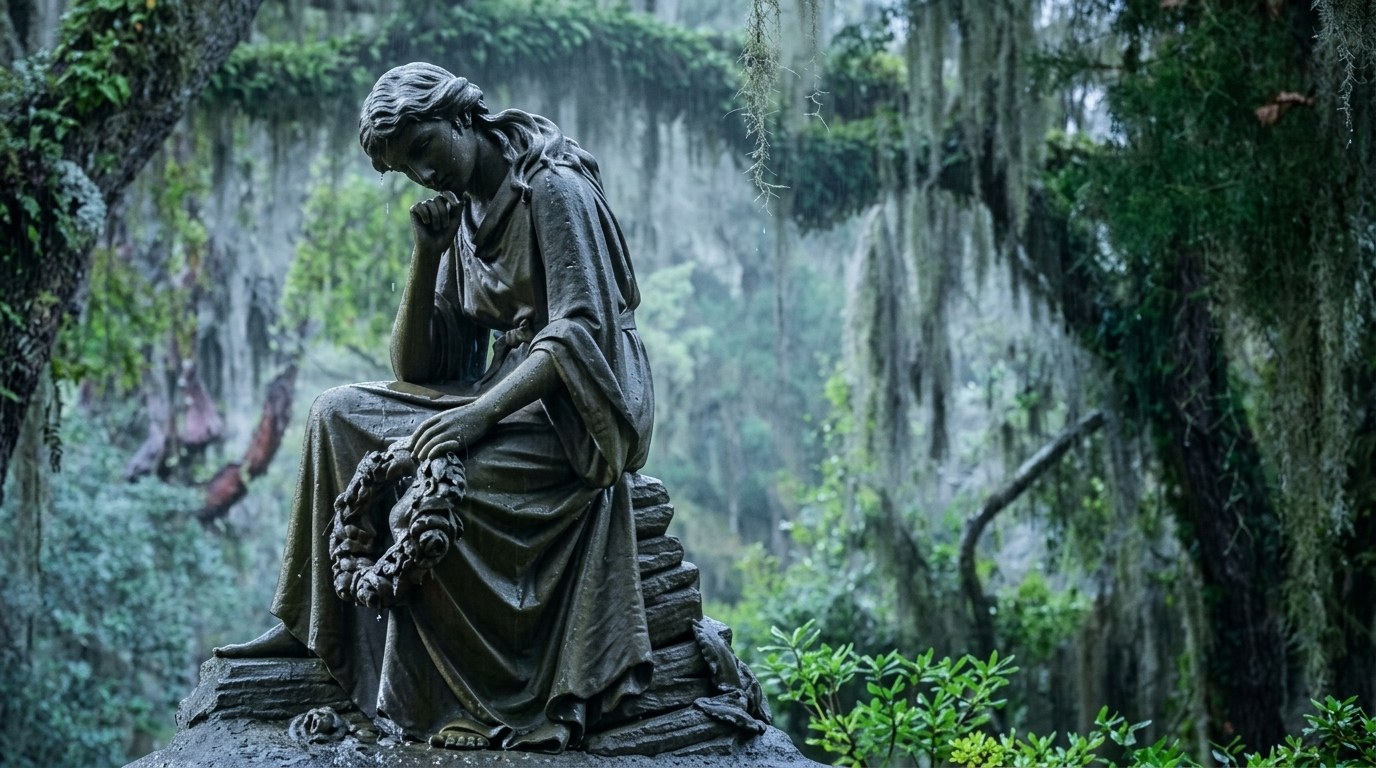
Bonaventure Cemetery is about a 15-minute drive from downtown in normal traffic. It became widely known after appearing in Midnight in the Garden of Good and Evil and remains one of Savannah's best-known historic cemeteries.
Plan about 60 to 90 minutes here. You can walk through the grounds, see historic graves, and visit the area connected to Johnny Mercer and Conrad Aiken.
The original Bird Girl statue is no longer at the cemetery. It is displayed at the Telfair Academy, so visitors interested in the statue can combine both stops across the first two days.
Late Morning: Fort Pulaski National Monument
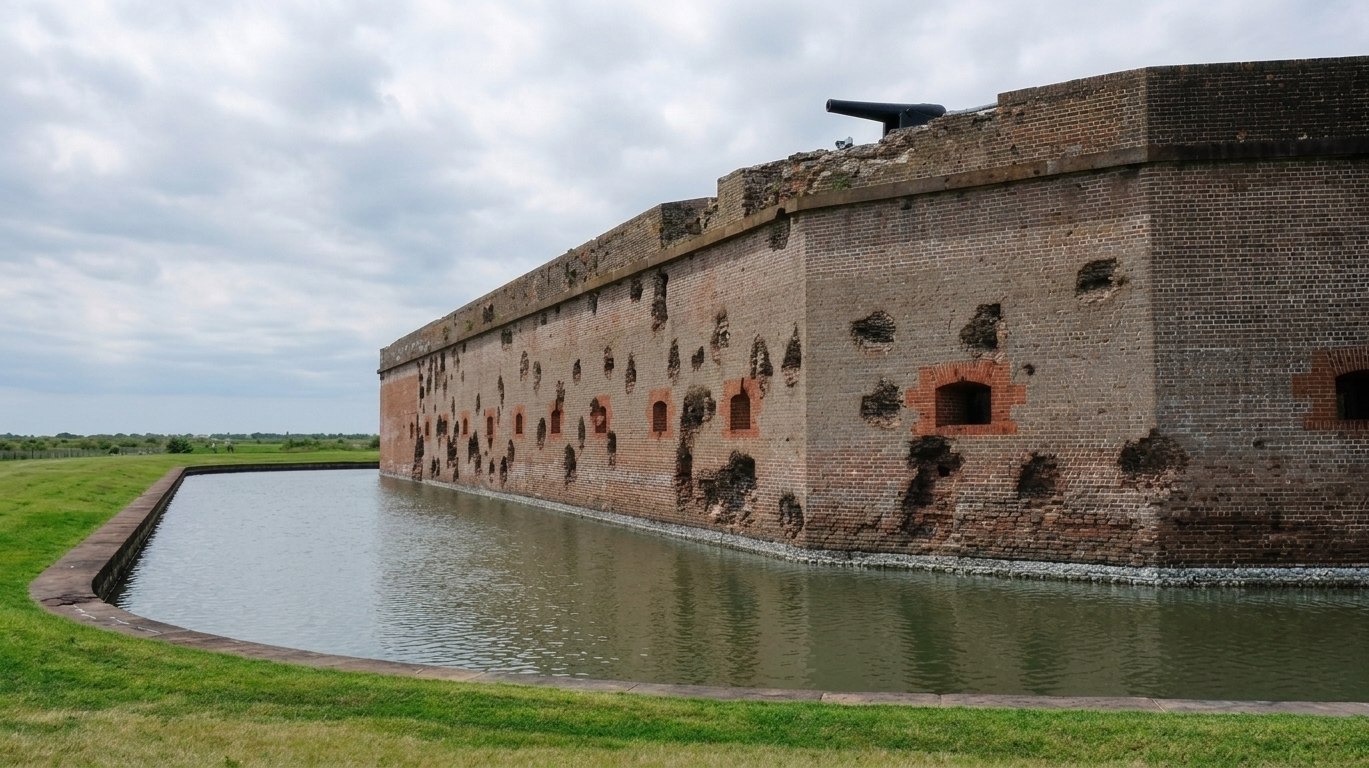
Drive from Bonaventure Cemetery toward Fort Pulaski National Monument. The fort was completed in 1847 and later played a role in the Civil War.
The National Park Service currently lists standard admission at $10 per person for visitors over age 16. The pass remains valid for seven consecutive days. Children under 16 do not need an entrance pass.
Allow about 90 minutes for the fort and visitor areas. Check the current schedule before visiting because park hours and special programs can change.
Afternoon: Tybee Lighthouse and Beach
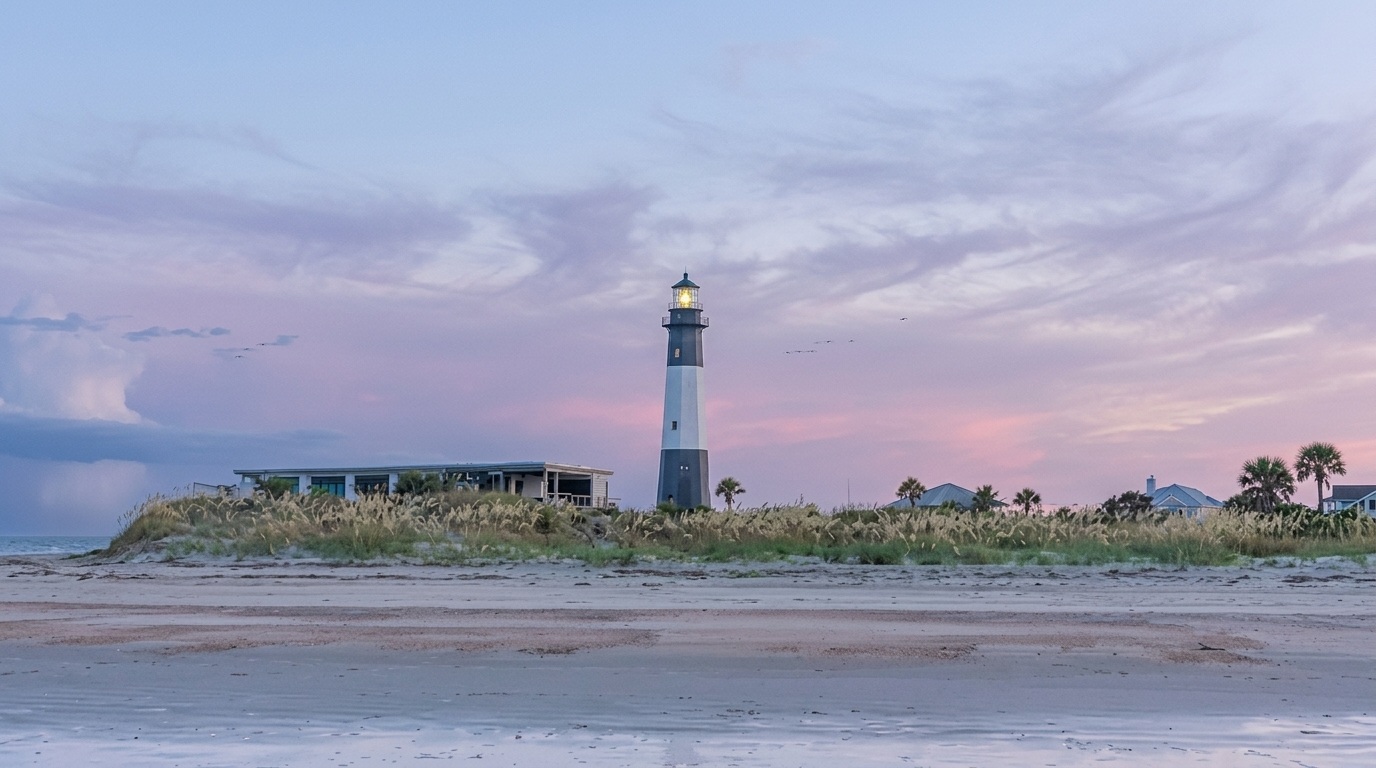
Continue to Tybee Island after Fort Pulaski. The island is about 20 minutes from downtown Savannah and has more than three miles of public beaches.
The Tybee Island Light Station is a good first stop if you arrive before the afternoon gets late. The official site currently lists adult admission at $14 and child admission at $12 for ages 6 to 17, with children age 5 and under admitted free. The lighthouse is closed on Tuesdays.
After the lighthouse, spend two to three hours at the beach. South Beach is near the pier and has many food options, making it convenient for a first visit.
Evening: Return to Savannah for Dinner
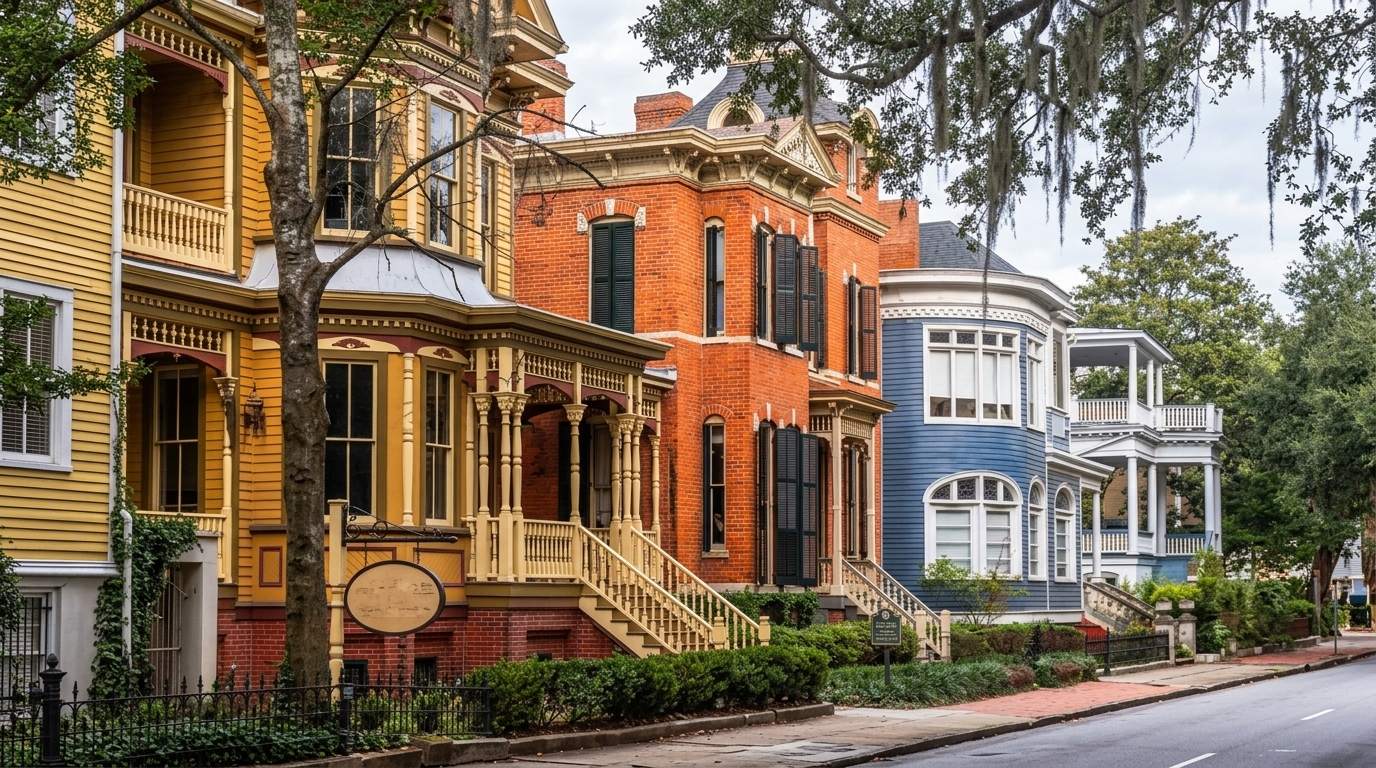
Leave Tybee with enough time to return to Savannah before dinner. The drive is about 20 minutes in normal conditions, but allows more time during busy beach periods.
For your final dinner, choose a restaurant in the Historic District so you can end the trip with a short walk.
If you prefer a relaxed evening, walk along the riverfront after dinner instead of adding another long activity. This keeps the final night simple after a full day outside downtown.
What If You Prefer Wormsloe to the Beach?
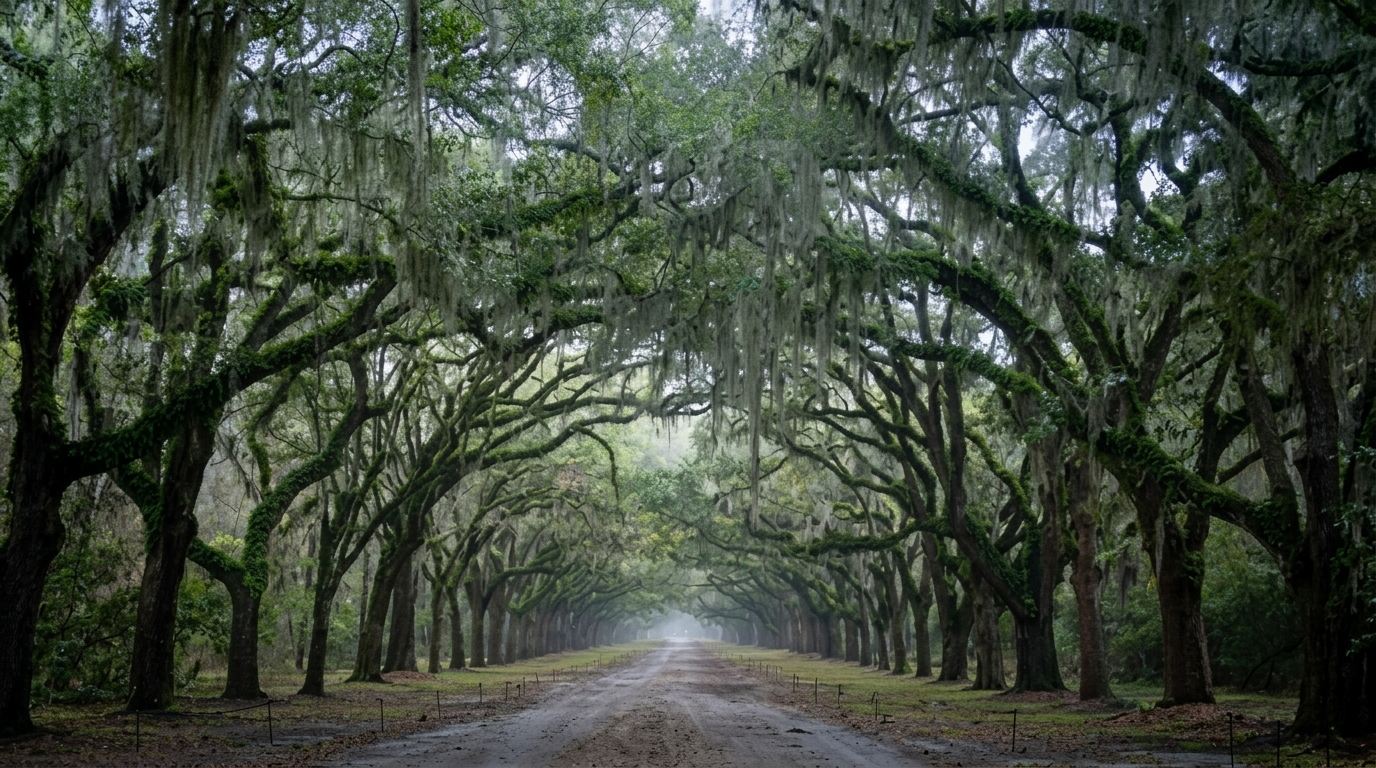
Wormsloe Historic Site is a better choice if you care more about historic scenery than spending an afternoon at the beach. Its oak-lined avenue leads toward the remains of the former Wormsloe plantation site.
The drive from downtown is short enough to combine with Bonaventure Cemetery. Allow about 1.5 to 2 hours for the site, depending on how much time you spend along the oak avenue and historic area.
Choose Wormsloe when you want a quieter day focused on Savannah's coastal history. Choose Tybee when you want swimming, beach time, seafood, and a change from downtown sightseeing.
Which Savannah Squares Should You See?
Here is a quick look at some of the best squares to add to your route, along with what makes each one worth the stop:
| Square or park | Why visit |
| Forsyth Park | Fountain, open space, playground |
| Monterey Square | Mercer Williams House and historic homes |
| Madison Square | Historic buildings and central location |
| Chippewa Square | Forrest Gump filming location |
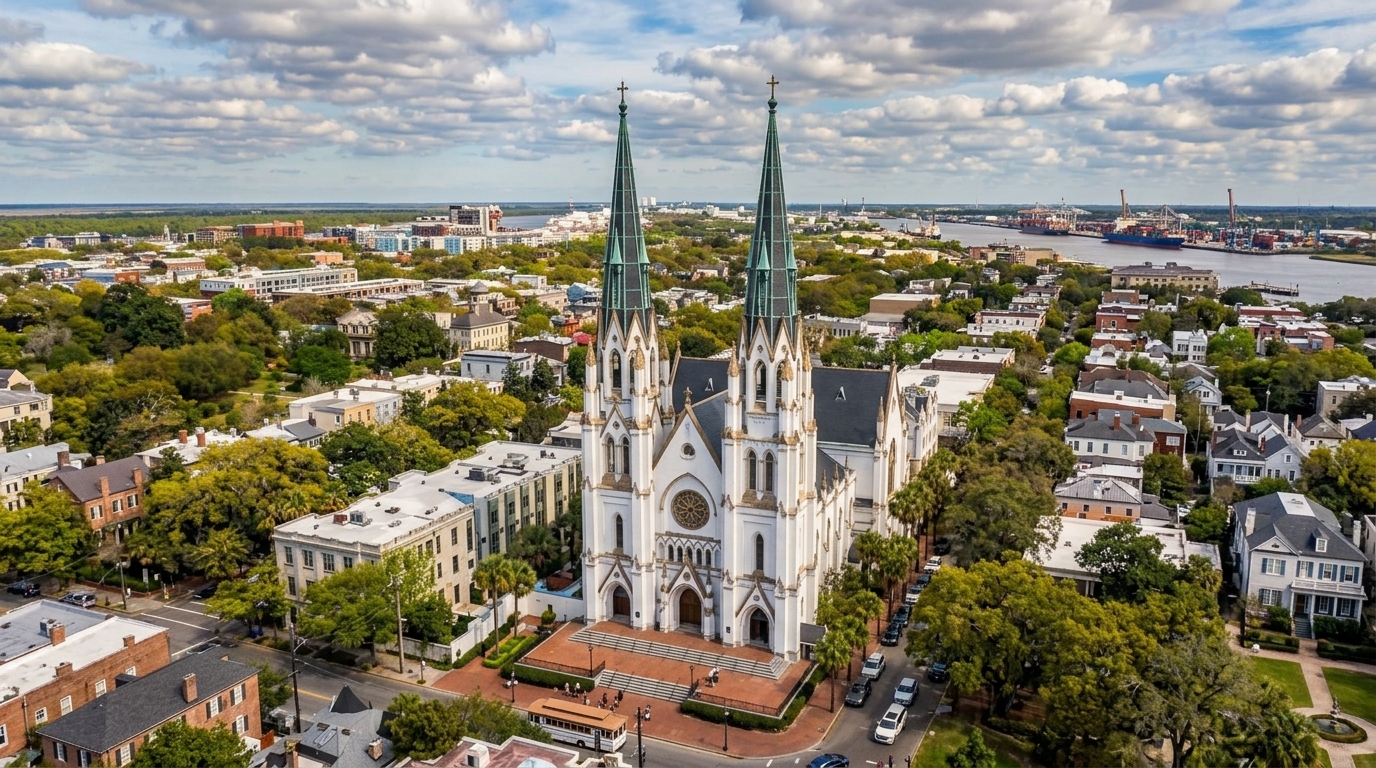
| Lafayette Square | Cathedral Basilica and historic homes |
| Johnson Square | Oldest square in Savannah's original plan |
You can see four or five of these without spending the whole day walking. Add more only if you enjoy slow walks and have time between meals and tours.
Where Should You Eat in Savannah?
Here is a breakdown of picks based on what kind of meal you are after:
| Restaurant | Best for | Planning tip |
| Mrs. Wilkes Dining Room | Southern lunch | Arrive before opening |
| B. Matthews Eatery | Brunch or casual dinner | Reservations available |
| The Olde Pink House | Special dinner | Book ahead |
| Husk | Southern dinner | Check current availability |
| Collins Quarter | Brunch | Arrive early on busy days |
| Crystal Beer Parlor | Casual lunch or dinner | Good for a relaxed meal |
| Alligator Soul | Intimate dinner | Check reservations |
How Should You Get Around Savannah?
The city's DOT Shuttle and River Street Streetcar are currently listed as out of service.
Here are a few good ways to get around instead:
- Walk: Most squares, shops, and restaurants sit close together, so walking covers a lot in a short time.
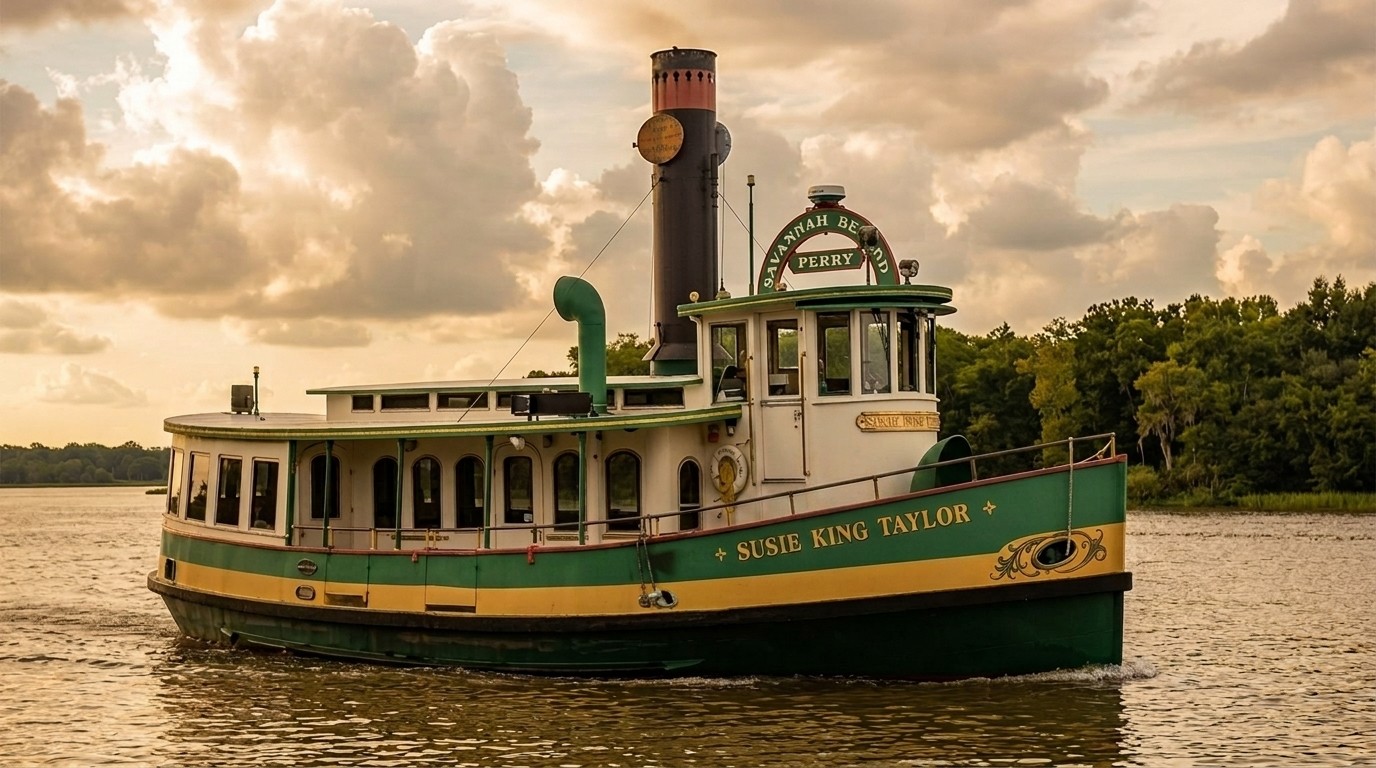
- Savannah Belles Ferry:This ferry still runs and is free to ride. It connects River Street with Hutchinson Island.
- Rideshare:Use this for spots outside downtown, like Bonaventure Cemetery and Tybee Island.
- Rent a car: This helps if you plan to visit Fort Pulaski, Wormsloe, and Tybee Island all in one day.
For downtown parking, compare hotel parking, public garages, and street parking before your trip. Leaving the car parked and walking is often simpler than moving it between nearby attractions.
What Should Couples Do in Savannah?
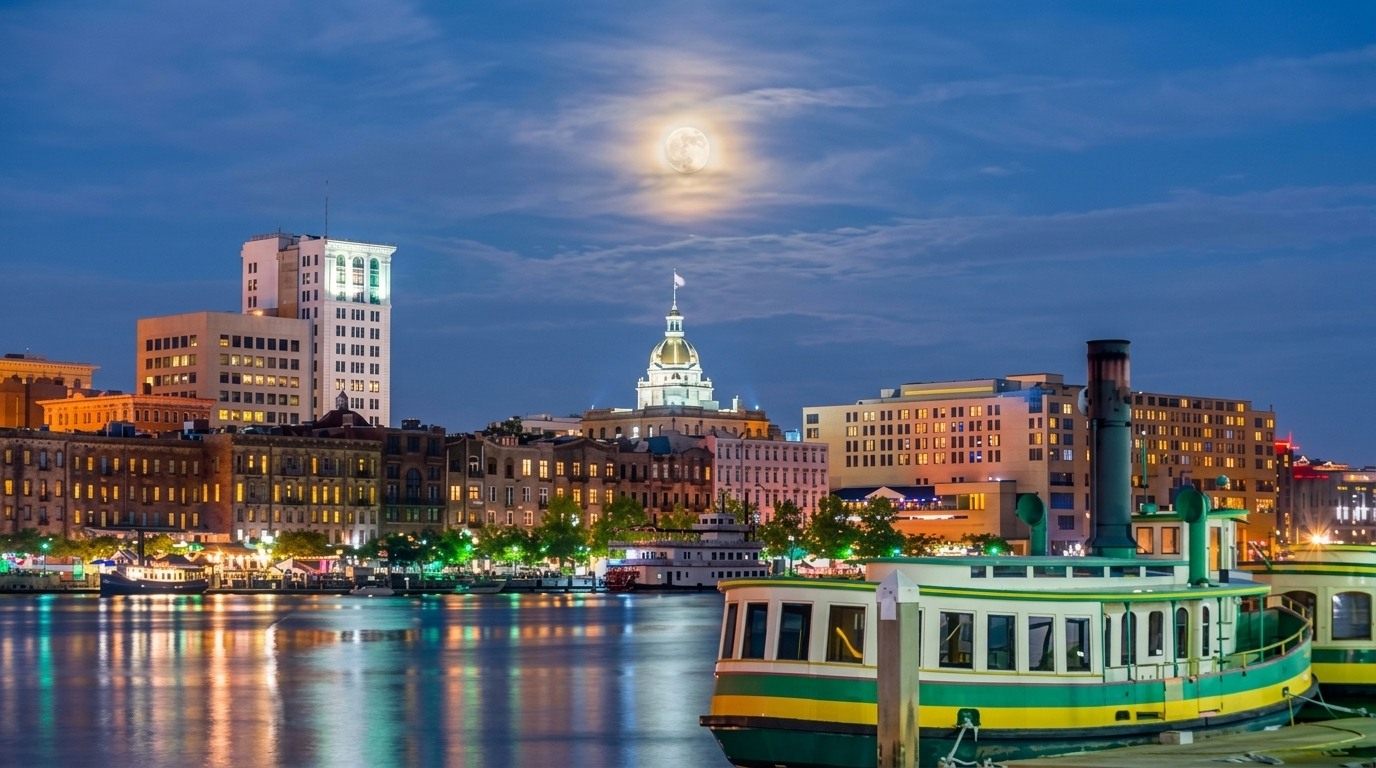
Couples can keep the evening simple with a walk through Forsyth Park or along River Street. The Historic District also works well for a slow dinner followed by a ghost tour.
A riverfront evening is another easy option. Walk near the water after dinner, then take the Savannah Belles Ferry if its operating schedule fits your plans. The ferry is fare-free and connects River Street with Hutchinson Island.
For a more structured evening, book a dinner cruise or a ghost tour. Pick one main activity rather than filling the night with several stops.
Tips for Visiting Savannah With Kids

Savannah works well for a family trip if you plan around the heat and pick a few kid-friendly stops.
Here are some tips to help your visit go smoothly:
- Time your day around the heat: Start outdoor activities in the morning when temperatures are lower, then save museums, lunch, and indoor stops for the hottest part of the day, especially from late spring through summer.
- Visit Forsyth Park: It gives families room to walk and includes a playground near the fountain.
- Check out the Jepson Center: It includes the Telfair Children's Art Museum, which offers family-focused programs and activities.
- Plan for strollers: A stroller works on most downtown sidewalks, but some paths around the squares can be uneven.
- Keep walks shorter for young kids: Use rideshare when moving between distant parts of the city.
- Consider Tybee Island: The beach gives children a long block of open outdoor time.
- Pack for the day: Bring water, sun protection, and a change of clothes for the return drive.
What Should You Reserve Before Your Trip?
The following is the list of items you should reserve in advance to avoid any unpredictable delays that pops up abruptly:
- Reserve weekend dinners in advance.
- Check museum hours before choosing an afternoon.
- Confirm historic house tour times.
- Check ghost tour departure times.
- Check Tybee Lighthouse hours before driving there.
- Check Fort Pulaski hours and current admission.
- Confirm your hotel parking cost before booking.
- Book a rental car early if visiting during a busy weekend.
Conclusion
Three days gives you enough time to see Savannah's historic center, eat well, visit a museum or historic home, and spend a day outside downtown. The key is to group nearby attractions together instead of crossing the city several times.
Use Day 1 for walking, Day 2 for food and history, and Day 3 for Bonaventure and Tybee Island or Wormsloe. Reserve popular meals ahead, check attraction hours before leaving, and keep the schedule flexible enough for weather and long restaurant waits. Save this plan for your trip.
Have you been to Savannah? Tell us your favorite spot in the comments below, or share this post with someone who needs a good plan.
Frequently Asked Questions
How Much Does 3 Days in Savannah Cost?
A three-day Savannah trip can fit several budgets, but hotel rates create the biggest difference. A practical planning range is about $150 to $250 per person for three days if you share a room, eat a mix of casual and sit-down meals, and limit paid attractions.
A mid-range trip can reach about $350 to $600 per person before flights when two people share a hotel room. This can include a nicer hotel, several restaurant meals, rideshare trips, a museum or house tour, and the Tybee day trip.
Luxury hotels and high-end dining can push the total much higher. Savannah hotel rates also vary sharply by dates, events, weekends, and season, so use these figures as planning ranges rather than fixed prices.
What Should You Pack for Savannah?
Pack for long walks, warm weather, and possible rain. Comfortable walking shoes should be at the top of your list because the first two days involve several miles on foot.
Bring light clothing during warm months, a small umbrella or rain jacket, sunscreen, sunglasses, and a refillable water bottle. A light layer can help inside restaurants and museums with strong air conditioning.
For Tybee Island, add swimwear, beach footwear, and a change of clothes. If you plan to visit the lighthouse, wear shoes suitable for stairs and check the weather before leaving Savannah.
How Far Is Savannah From the Airport and Atlanta?
Savannah/Hilton Head International Airport is about 8 miles from the Savannah Civic Center in the Historic District. The city also describes Atlanta as about four hours away by road.
For an airport transfer, allow roughly 15 to 20 minutes by car in normal traffic. Build in extra time during busy periods or major events.
Atlanta is roughly 250 miles from Savannah. A road trip from Atlanta takes about four hours under normal conditions, so it is practical as an arrival or departure drive but not as a same-day sightseeing trip.
Is Savannah Safe for First-Time Visitors?
Savannah is a major tourist city, but visitors should still use normal city safety habits. Stay on active streets after dark, keep valuables secure, and use a rideshare for longer trips late at night.
The city advises pedestrians to use marked crosswalks and stay alert while crossing downtown streets. This matters because Savannah's walkable layout can make visitors focus on buildings instead of traffic.
For a first visit, staying in a central area also makes evening plans easier. You can walk between many restaurants and attractions instead of driving after dinner.
Can You Drink Alcohol on the Street in Savannah?
Yes, Savannah allows alcoholic drinks in a designated downtown area under specific rules. The city limits the drink to one per person and 16 ounces, and the drink must be in an approved container rather than a glass bottle or can.
The rule does not apply everywhere in Savannah. Stay within the designated area and follow posted restrictions, especially around events and other controlled spaces.
The city currently lists a $121 fine for several violations, including exceeding the one-drink limit, using a prohibited container, or exceeding the 16-ounce size limit.