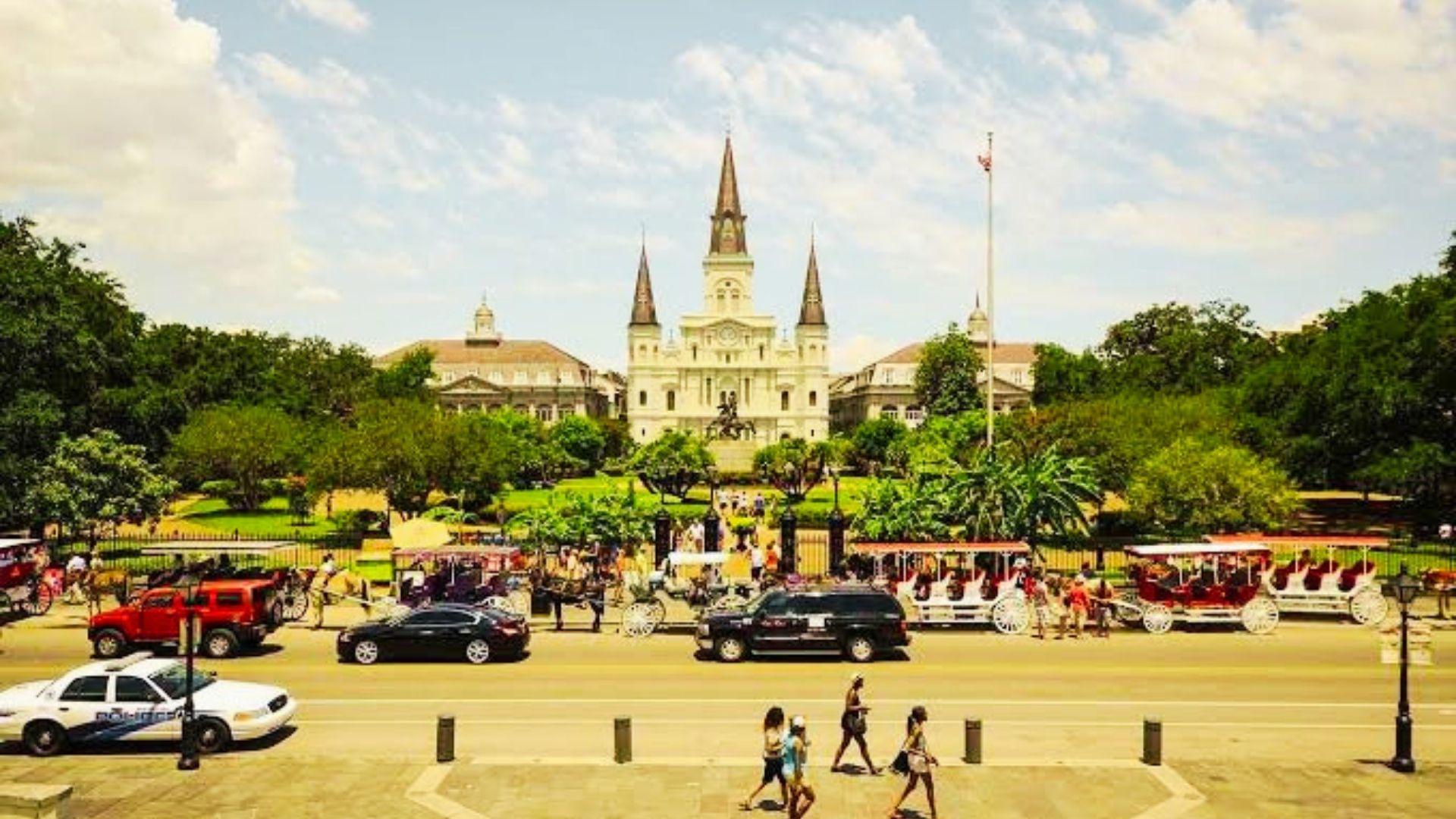
You have probably seen the word NOLA somewhere and wondered what it means. Maybe on a food show. Maybe on social media.
Maybe on a friend's T-shirt. I have been writing about American cities and culture for years. This one comes up a lot.
In this blog, you will learn what NOLA stands for, where it came from, and how locals actually feel about it. We also compare it to other popular New Orleans nicknames so you leave with a full picture.
Why Is New Orleans Called NOLA?

New Orleans goes by many names, but NOLA might be the most widely used. The acronym breaks down simply: "NO" comes from "New Orleans" and "LA" is the standard two-letter postal abbreviation for Louisiana.
The name is not as new as people think. NOLA Records, a music label out of New Orleans, was using the term by the early 1960s, and celebrity chef Emeril Lagasse put it on the national map when he opened his French Quarter restaurant simply called NOLA in 1992.
The acronym gained a major digital presence when nolalive.com launched in 1998 and was renamed NOLA.com in 2001.
By the early 2010s, Instagram had turned NOLA into one of the most tagged American city hashtags, driven largely by Jazz Fest coverage, Mardi Gras posts, and everyday street scenes from the French Quarter.
Still, the word has stuck, and it is easy to see why. Four letters carry the full weight of a city that gave the world jazz, Creole cuisine, and second-line parades, which are the community brass band processions that have rolled through New Orleans neighborhoods for over a century.
That kind of cultural shorthand does not come from marketing. It earns itself.
What Does NOLA Stand For?
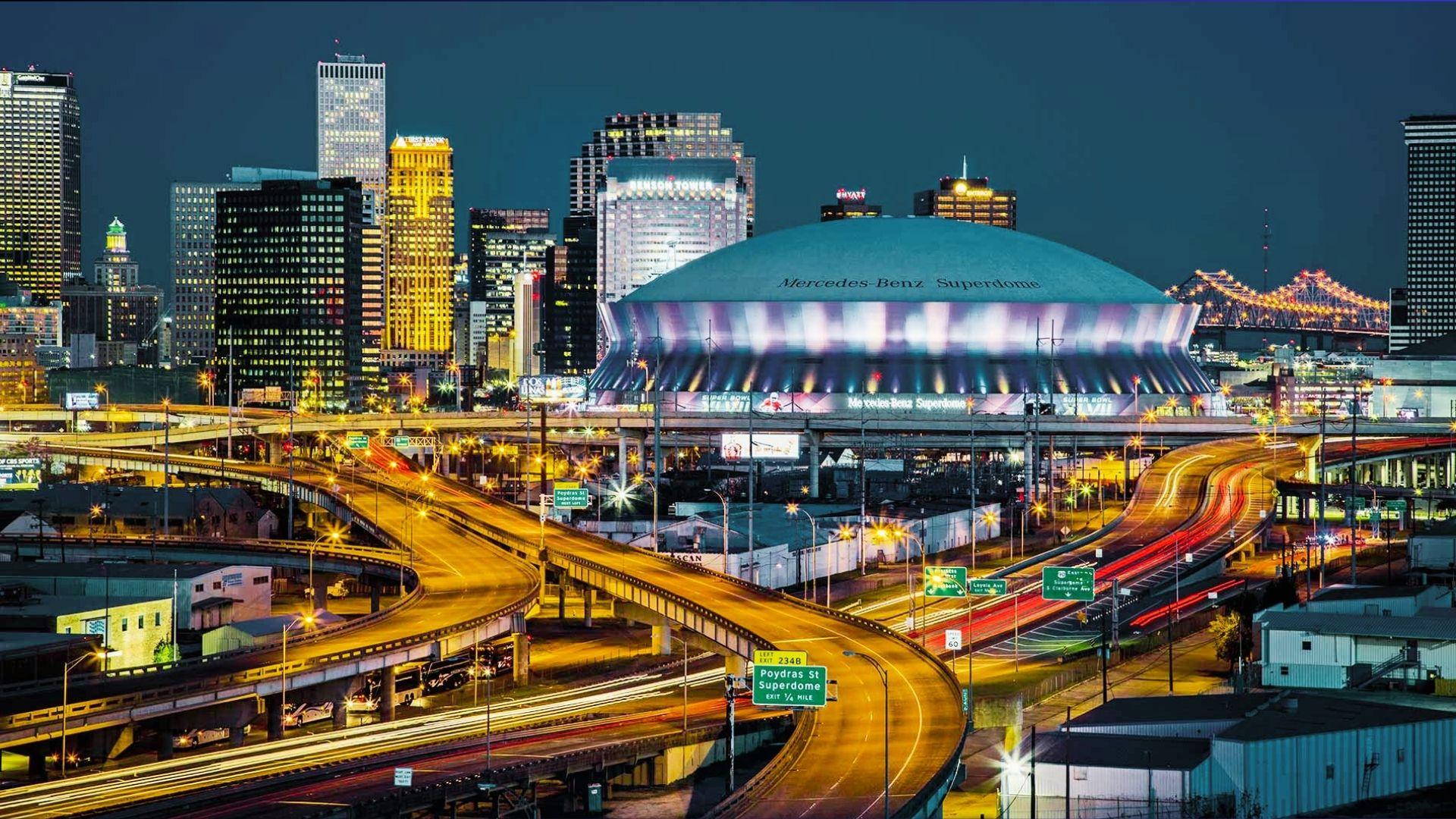
NOLA stands for New Orleans, Louisiana. "NO" represents New Orleans and "LA" is the standard two-letter postal abbreviation for the state of Louisiana.
Put together, you get a four-letter acronym that is short, punchy, and easy to remember.
What Does NOLA Mean?
NOLA simply means New Orleans. It is used as a short, catchy way to refer to the city. You will see it on T-shirts, restaurant signs, social media posts, and news articles. It captures the spirit of the city in just four letters.
Beyond being a nickname, NOLA has taken on a cultural meaning over time. It represents the food, music, and festivals that make New Orleans unlike anywhere else in the country.
Think of the Jazz Fest crowds, the beignets at Cafe Du Monde, and the brass bands playing in the street. When someone says NOLA, they are not just talking about a place. They are often talking about a whole way of life.
Is NOLA a Nickname for New Orleans?
Yes, NOLA is absolutely a nickname for New Orleans. It works the same way that "LA" is used for Los Angeles or "NYC" is used for New York City. Acronym-based nicknames like this are common for American cities, and NOLA fits right in.
It is informal and friendly. It feels casual in a way that matches the laid-back, fun personality that New Orleans is known for.
When Did New Orleans Start Being Called NOLA?
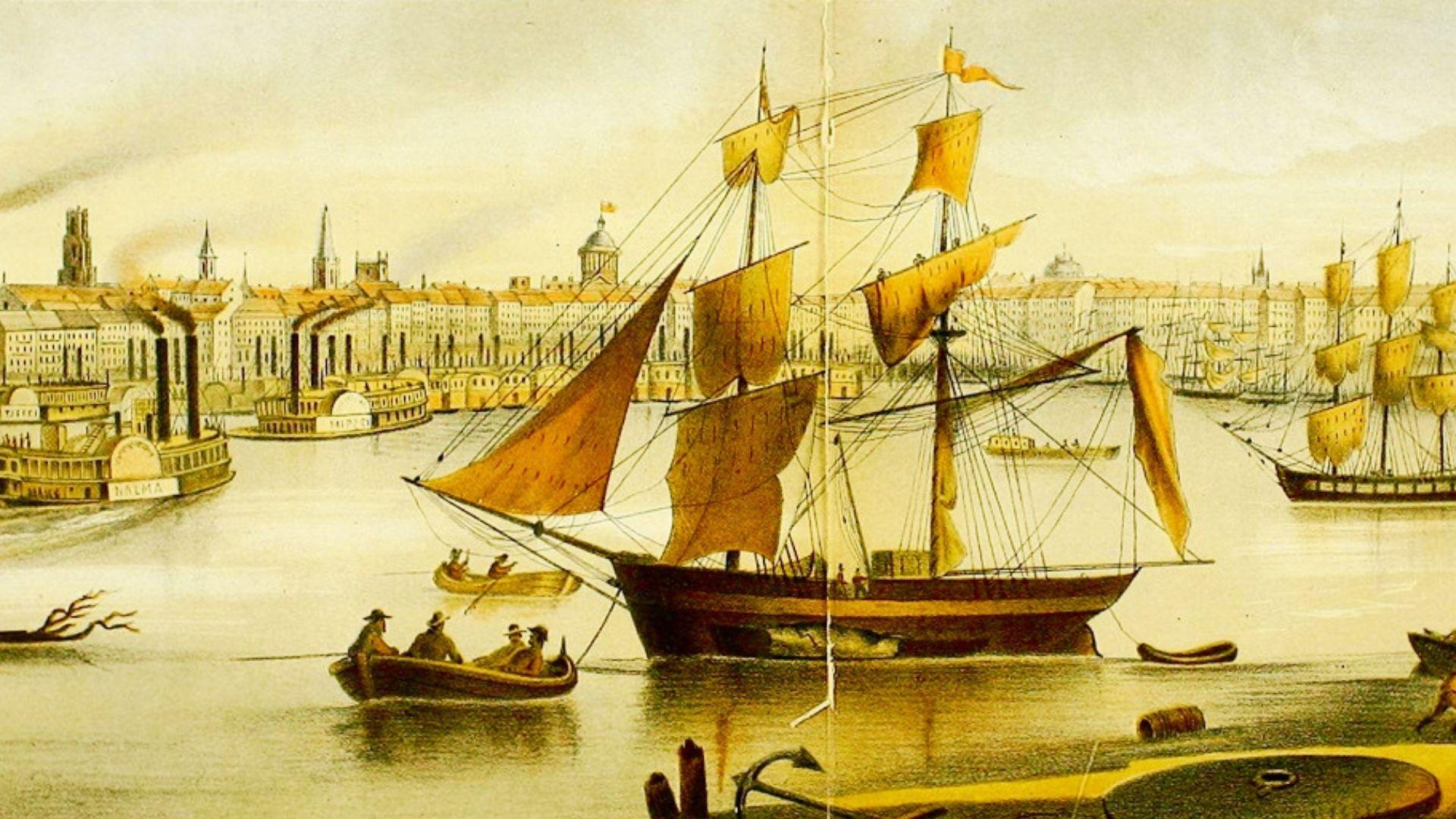
The earliest documented use of NOLA as a shorthand for New Orleans dates to 1958, when it appeared in local print. From there, the term grew slowly and steadily over the following decades rather than catching on overnight.
Before NOLA became widely known, the city already had several other nicknames. People called it the Crescent City, the Big Easy, and N'awlins. NOLA was just another addition to that list, but it ended up becoming one of the most recognized.
Early Uses of the NOLA Acronym
Some of the earliest known uses of NOLA as an acronym appeared in local newspapers and regional publications. The Times-Picayune, which is the city's major newspaper, played a role in spreading the term. Sports coverage, event listings, and local stories used NOLA as a quick shorthand.
One of the more notable early uses was NOLA Records, a music label founded around 1963. Celebrity chef Emeril Lagasse also opened his French Quarter restaurant simply called NOLA in 1992, putting the acronym in front of a national food audience.
Then in 1998, nolalive.com launched as an early digital home for the acronym. The site was renamed NOLA.com in 2001 and became the web presence for The Times-Picayune, cementing the term's place in the city's online identity.
The internet also helped. As websites, blogs, and forums started discussing New Orleans culture and tourism in the early 2000s, NOLA spread faster than ever. People started using it in URLs, usernames, and hashtags.
How NOLA Became Popular
NOLA became popular through a mix of media, music, food coverage, and tourism. Food television brought New Orleans kitchens into living rooms across the country, and NOLA came along for the ride.
Travel publications like Conde Nast Traveler and food outlets like Eater picked up the term regularly in their coverage of the city. Music writing about the jazz and brass band scenes gave it even more reach.
Social media made it even bigger. Short names work well in captions, hashtags, and bios. Typing "NOLA" instead of "New Orleans" is faster, and it still carries the full meaning. That made it a natural fit for the digital age.
Why Did NOLA Become More Popular After Hurricane Katrina?

Hurricane Katrina in 2005 was one of the most devastating natural disasters in American history. New Orleans suffered terrible flooding and loss. In the weeks and months that followed, the world was watching the city closely.
Media outlets, aid organizations, and volunteers all needed a quick way to refer to the city in headlines, donation drives, and reports. NOLA became that shorthand. It appeared in news stories, fundraising campaigns, and recovery efforts across the country.
After the storm, the term also took on an emotional weight. It became a symbol of resilience. People wore NOLA hats and shirts to show support. The acronym became more than just a name. It represented a city fighting to come back.
Do Locals Call New Orleans NOLA?
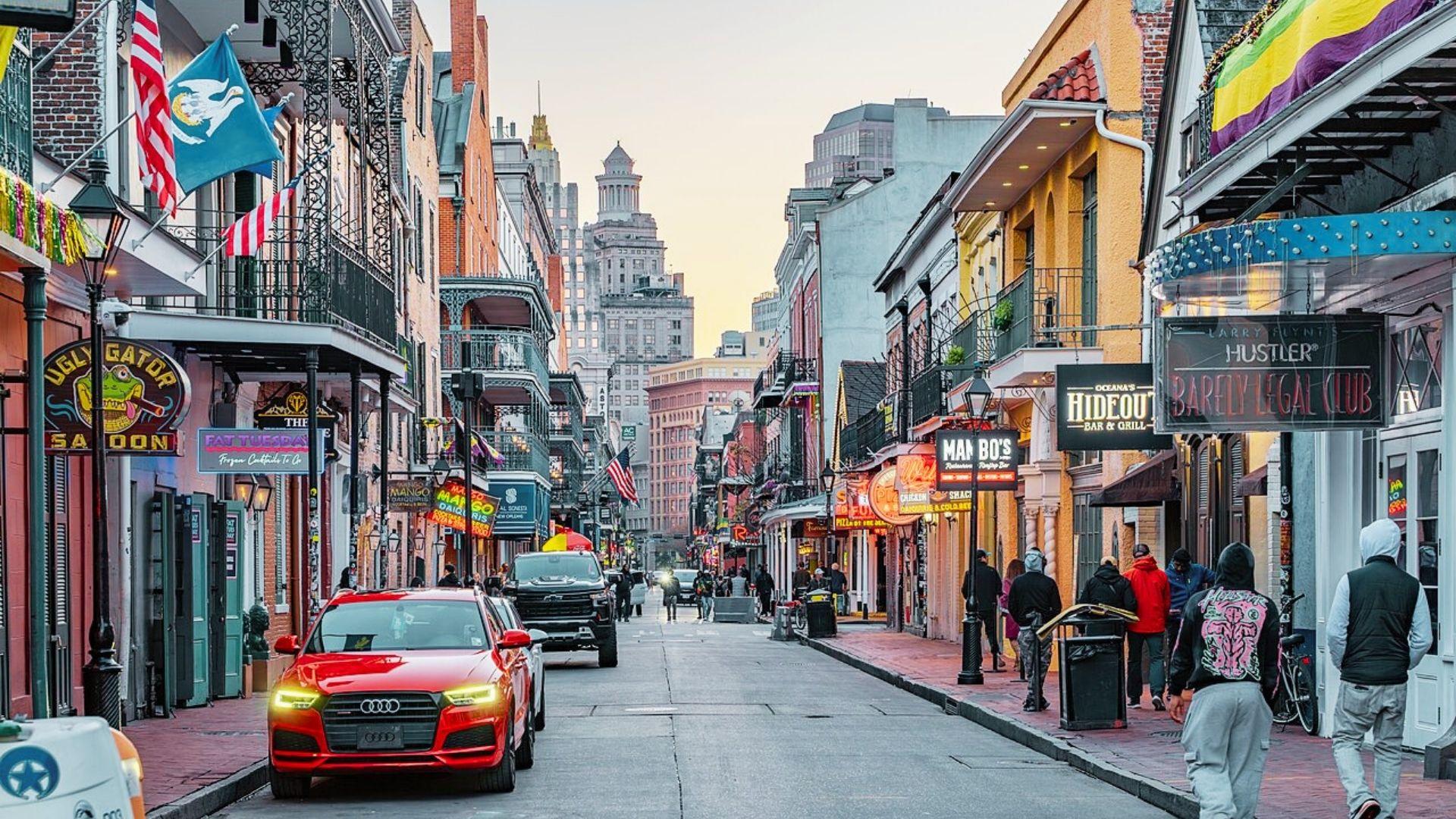
This is where things get interesting. Many locals do use NOLA, especially in written form. You will see it on local business signs, T-shirts sold in the French Quarter, and social media accounts run by New Orleans residents.
However, in everyday spoken conversation, many people from the city just say "New Orleans." They might also say "the city" or use one of the other local nicknames. NOLA is more widely used in writing than in speech.
Why Do Some Locals Prefer "New Orleans"?
Some long-time residents feel a strong attachment to saying the full name. They grew up saying "New Orleans" and it feels more personal to them. Using the full name can feel like a sign of respect for the city's deep history.
There is also a practical side. New Orleans has a strong local identity, and some residents feel that shortened versions can make the city feel like just another tourist brand rather than a real place with real people.
Is NOLA Offensive to New Orleans Locals?
For most locals, NOLA is not offensive at all. It is widely accepted and commonly used by people who love the city.
Some older or deeply rooted residents may see it as a term associated more with visitors and tourism, but it is not a slur or anything close to it.
Using NOLA is generally fine in any context. In casual local conversation, you may simply hear "New Orleans" more often than NOLA.
NOLA vs. Other Names for New Orleans
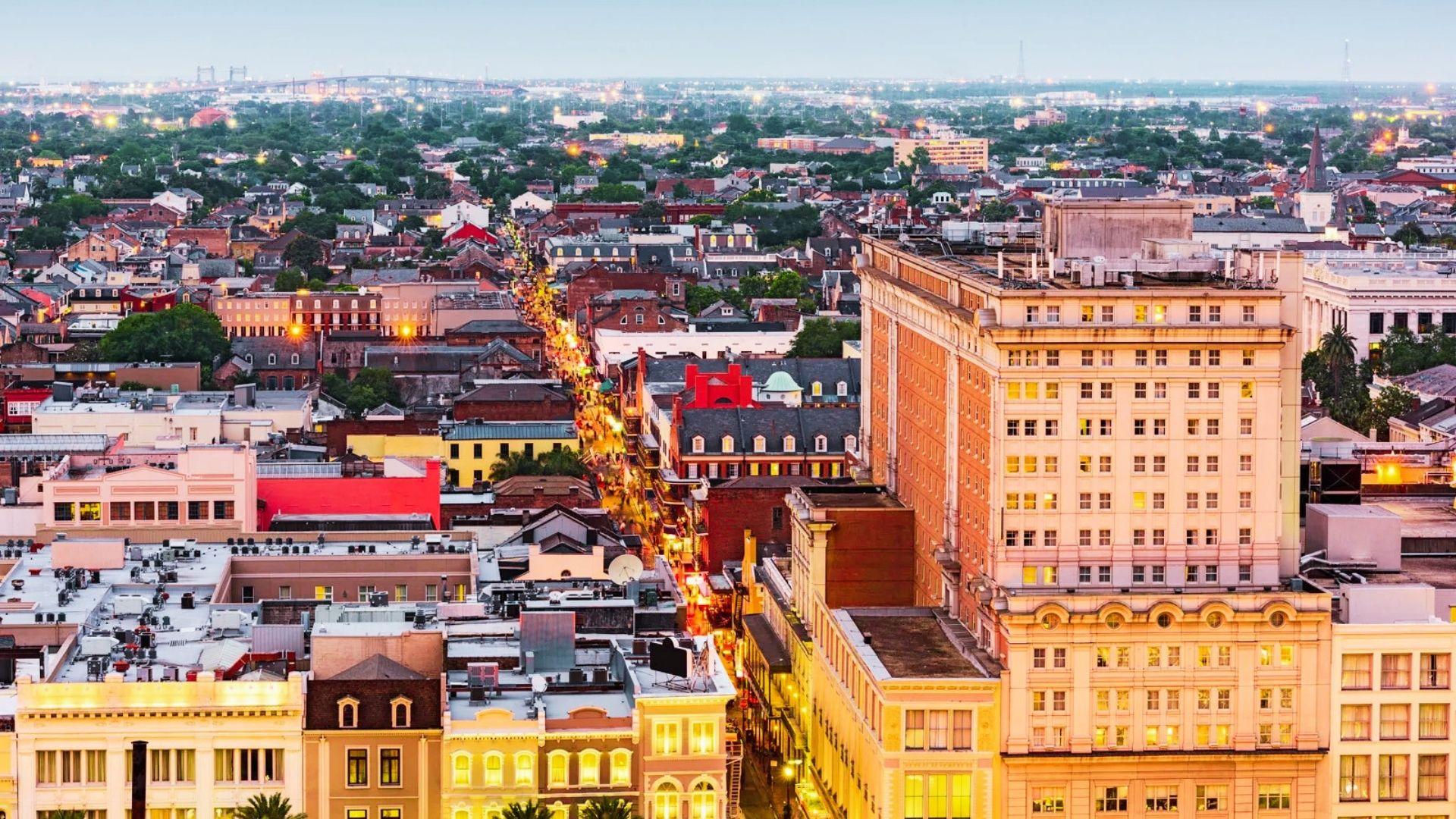
New Orleans has collected many nicknames over the years. Each one comes from a different part of the city's history and character.
| Feature | NOLA | The Big Easy | Crescent City | N'awlins |
| Type | Acronym | Attitude-based nickname | Geographic nickname | Phonetic pronunciation |
| Origin | Short form of New Orleans, Louisiana | Refers to the relaxed city vibe and ease of finding music work | Based on the crescent-shaped bend of the Mississippi River | How locals and Southerners actually say "New Orleans" fast |
| Tone | Casual and modern | Poetic and old-school | Formal and classic | Fun, expressive, and very local |
| Common Use | Writing, social media, hashtags, headlines | Storytelling, tourism, media | History books, civic writing, formal speeches | Spoken conversation among locals |
| Used by Tourists | Yes, widely accepted | Yes, very common | Sometimes | Risky, can feel like mocking the accent |
| Used by Locals | Yes, mostly in writing | Yes, in casual speech | Yes, in older and formal contexts | Yes, naturally in everyday speech |
| Time Period Feel | Modern | Mid-20th century and beyond | 18th and 19th century roots | Timeless, tied to local dialect |
| Best For | Short-form content and quick reference | Capturing the city's laid-back spirit | Describing the city's geography and history | Showing deep local familiarity |
Two other nicknames worth knowing. The city is called the Birthplace of Jazz, a title that goes back to 1919 and honors legends like Louis Armstrong who came from these streets.
It is also sometimes called the Paris of the South, a nod to the French founding of the city in 1718 and the architecture still standing in the French Quarter today.
Each name tells a different story about New Orleans. NOLA is the go-to for modern writing. The Big Easy captures the city's mood. Crescent City speaks to its geography. And N'awlins is how the city sounds when locals say it out loud.
Why Does New Orleans Have So Many Names?
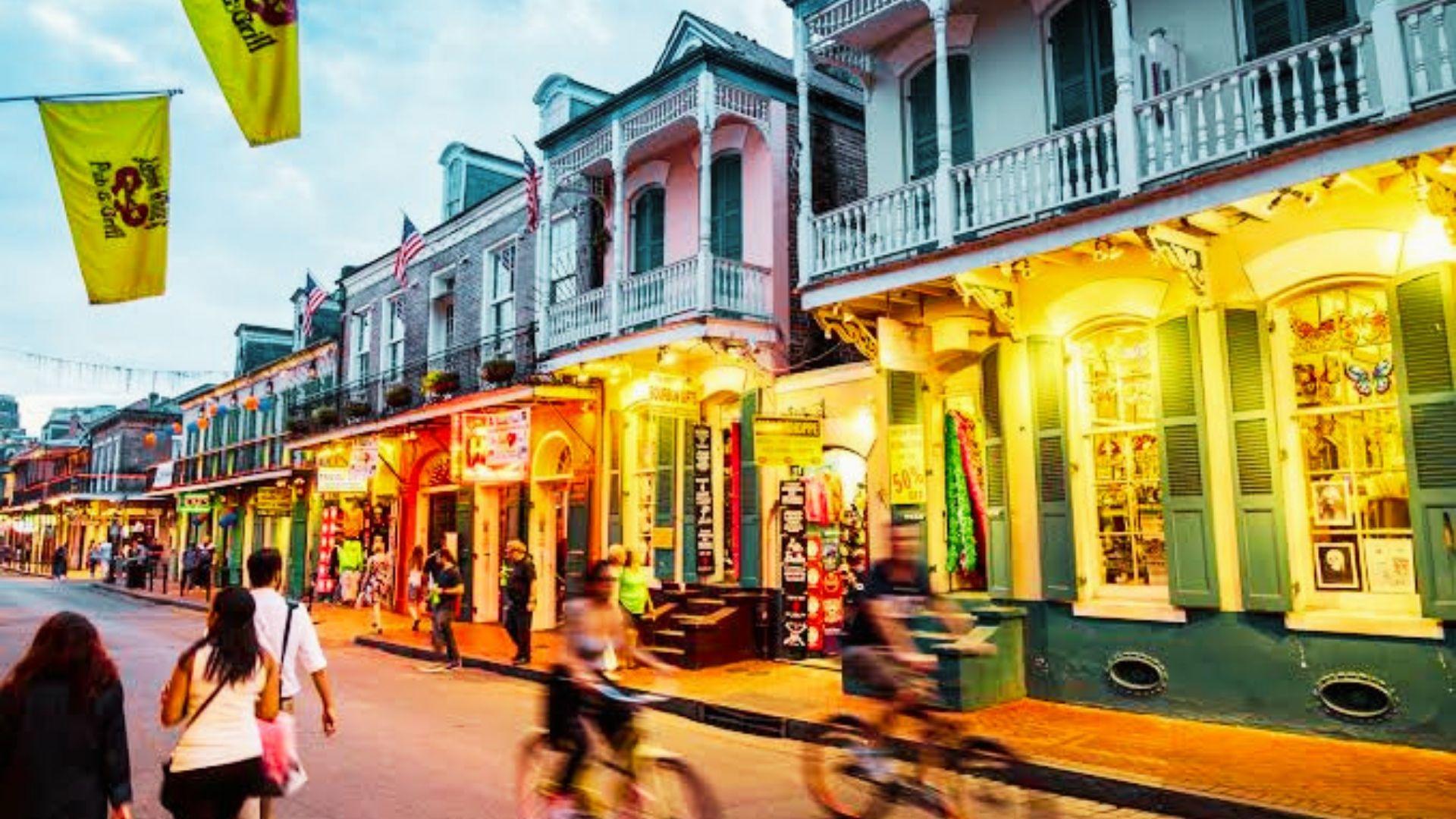
New Orleans has been around for a long time. French colonists founded it in 1718 and named it after Philippe II, the Duke of Orleans.
From that single origin point, the city was shaped by wave after wave of new influences. Spanish colonial rule left its mark on the architecture.
African and Caribbean cultures brought the music, food traditions, and community rituals that still define the city today. American settlers added yet another layer after the Louisiana Purchase in 1803.
That kind of rich, layered history produces a city with many faces and many stories. Each nickname reflects a different part of what the city is. The Crescent City is about geography. The Big Easy is about attitude.
N'awlins is about how locals actually speak. NOLA is about modern convenience and digital communication. Together, all these names show just how much history and culture New Orleans holds.
Tips for Using "NOLA" in New Orleans
If you are visiting or writing about New Orleans, using NOLA is totally acceptable. Here are a few simple tips to keep in mind.
- Use NOLA freely in writing, captions, and hashtags. It is widely recognized and fits well in short-form content.
- In spoken conversation with locals, just say "New Orleans." It is always a safe and respectful choice. Most locals pronounce it NEW OR-lins, not New Or-LEENS. Getting that right goes a long way.
- Avoid using N'awlins as a tourist trying to sound local. The phrase was actually coined by local TV and radio personality Frank Davis, who signed off his stories with "Naturally N'awlins." Borrowing it as an outsider can come across as mocking the accent without meaning to.
- If you are writing a blog or article about the city, NOLA works well in headlines and subheadings. It is punchy and clear.
- Most of all, show respect for the city itself. No matter what you call it, New Orleans is a place with deep roots, amazing food, and one of the most expressive cultures in the world. Calling it by the right name is just one small way to honor that.
Conclusion
New Orleans is one of those cities that stays with you long after you leave. I remember the first time I saw "NOLA" on a sign and had no idea what it meant. Now it feels like second nature.
Whatever you call it, NOLA, the Big Easy, or Crescent City, this city deserves to be talked about. Have you ever visited New Orleans or used the term NOLA?
Drop a comment below and share your experience. And if this helped you, share it with a friend who loves travel and culture.
Frequently Asked Questions
Is NOLA used outside the United States?
Yes, NOLA is recognized internationally, especially in travel, food, and music circles. It appears in global media coverage and tourism content about New Orleans regularly.
Does NOLA appear on official government or city documents?
No, official city documents use the full name "New Orleans." NOLA remains informal and is not part of any legal or governmental branding.
Are there other American cities with similar shorthand nicknames like NOLA?
Yes. Cities like Chicago go by "Chi-Town" and Los Angeles by "LA." True city acronyms are actually rare. NOLA stands out because it functions both as an acronym and as a word you can say out loud, which is part of why it caught on so widely.
Is NOLA used as a name for people or businesses?
Yes. Many local businesses, restaurants, and even people use NOLA as a name or brand. It carries strong identity value in and around New Orleans.