Growing a healthy lawn in Georgia starts with one simple step. You need to plant grass seed at the right time.
If you plant too early or too late, the seeds may not grow well, even with good care.
The best planting time depends on your location, the weather, and the type of grass you choose.
This guide explains the best months to plant, the right grass seed for different parts of Georgia, and the soil conditions that help new grass grow.
You will also learn simple planting steps, common mistakes to avoid, and answers to questions many homeowners ask.
Read on to give your lawn the best chance for healthy growth from the very beginning.
What is Grass Seed?

Spring and fall both work well, but the better season depends on the grass you want to grow.
Spring gives warm season grass a long growing period before winter arrives.
Fall offers cooler air and steady soil warmth, which helps cool season grass grow strong roots. Fall also has fewer weeds than spring in many parts of Georgia.
Avoid planting just before hard frost or during long periods of high summer heat.
Soil and Weather Conditions That Help Grass Seed Grow

Healthy grass starts with the right growing conditions.
Loose, well drained soil allows roots to spread and take in water. A soil pH between 6.0 and 7.0 works well for many lawn grasses in Georgia.
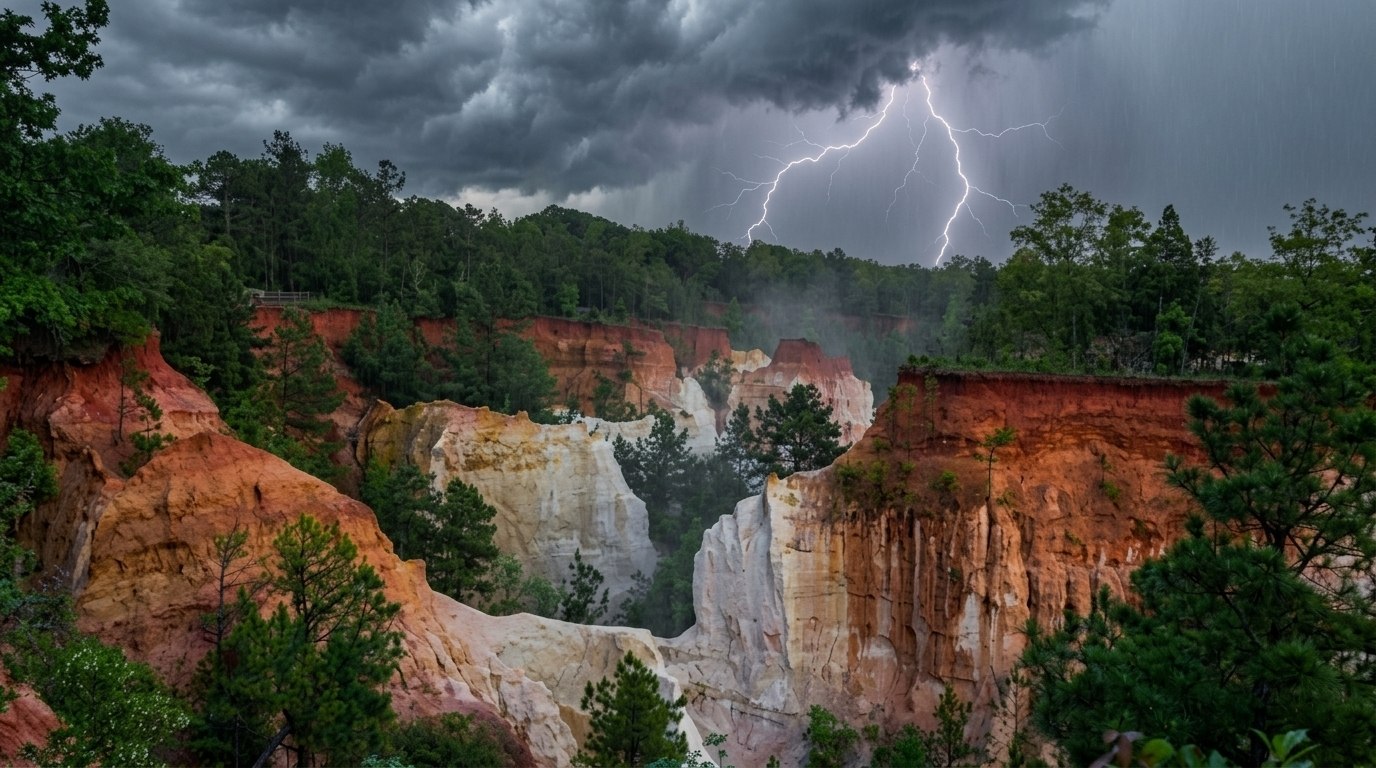
Keep the soil evenly moist during germination, but do not leave it soggy. Light rainfall is helpful, while heavy storms can wash seeds away.
Good sunlight also supports steady early growth.
Choose the Right Grass Seed for Your Georgia Lawn

Picking the right grass seed helps your lawn grow well and last longer. Your local climate, sunlight, soil, and lawn use all affect which grass will give the best results.
Bermuda Grass
Bermudagrass grows fast and handles heat very well.
It likes full sun and stands up to heavy foot traffic, making it a common choice for home lawns, sports fields, and large open spaces. Plant it in late spring after the soil becomes warm.
Zoysiagrass
Zoysiagrass forms a thick lawn that helps reduce weeds.
It grows well in full sun and light shade and needs less mowing than many other warm season grasses. Plant it during late spring or early summer for steady growth.
Centipedegrass
Centipedegrass grows slowly and needs less care once established.
It does well in acidic soil and full sun with some light shade. Many homeowners choose it because it requires less fertilizer than several other warm season grasses.
Tall Fescue
Tall fescue is the main cool season grass grown in North Georgia.
It grows well in cooler weather and handles partial shade better than most warm season grasses. Fall planting gives it the best chance to grow deep roots.
Bahia Grass
Bahia grass grows well in sandy soil and handles dry weather better than many lawn grasses.
It has deep roots and needs less watering after it becomes established. It is often used on large properties and roadsides.
Kentucky Bluegrass
Kentucky bluegrass grows into a thick lawn in cool weather.
It performs best in North Georgia when mixed with tall fescue. It needs more water and care than many other grass types to stay green.
Perennial Ryegrass
Perennial ryegrass sprouts quickly and is often used for fall and winter overseeding.
It adds green color to warm season lawns during cooler months. It is not usually planted as a permanent lawn across most of Georgia.
Fine Fescue
Fine fescue grows well in shady areas with cooler temperatures.
It is often mixed with tall fescue to improve lawns that receive limited sunlight. It does not perform well in long periods of summer heat.
Carpetgrass
Carpetgrass grows in wet and low fertility soil where other grasses may struggle.
It forms a simple lawn with moderate care. It is more common in parts of South Georgia with moist conditions.
Buffalograss
Buffalograss needs little water after it becomes established.
It grows best in full sun and works well for low care lawns. It is less common in Georgia because it prefers drier conditions than much of the state provides.
Seashore Paspalum
Seashore paspalum grows well near the Georgia coast because it handles salty soil and water.
It performs best in full sun and warm weather. It is often used on coastal lawns and golf courses.
Which Grass Fits Your Yard and Climate?
Warm season grasses are the better choice for most of Georgia.
Tall fescue works best in the cooler northern part of the state. Think about sun, shade, soil type, watering needs, and lawn use before buying seed.
How to Plant Grass Seed the Right Way?
Good planting starts with healthy soil and steady care. Small steps at the beginning help grass grow thicker and last longer.
Step 1: Test and Prepare the Soil

Remove weeds, rocks, and old grass before planting.
Test the soil to check its pH and nutrient levels, then add compost or other soil amendments if needed. Loosen the top few inches so new roots can grow without trouble.
Step 2: Spread the Seed Evenly

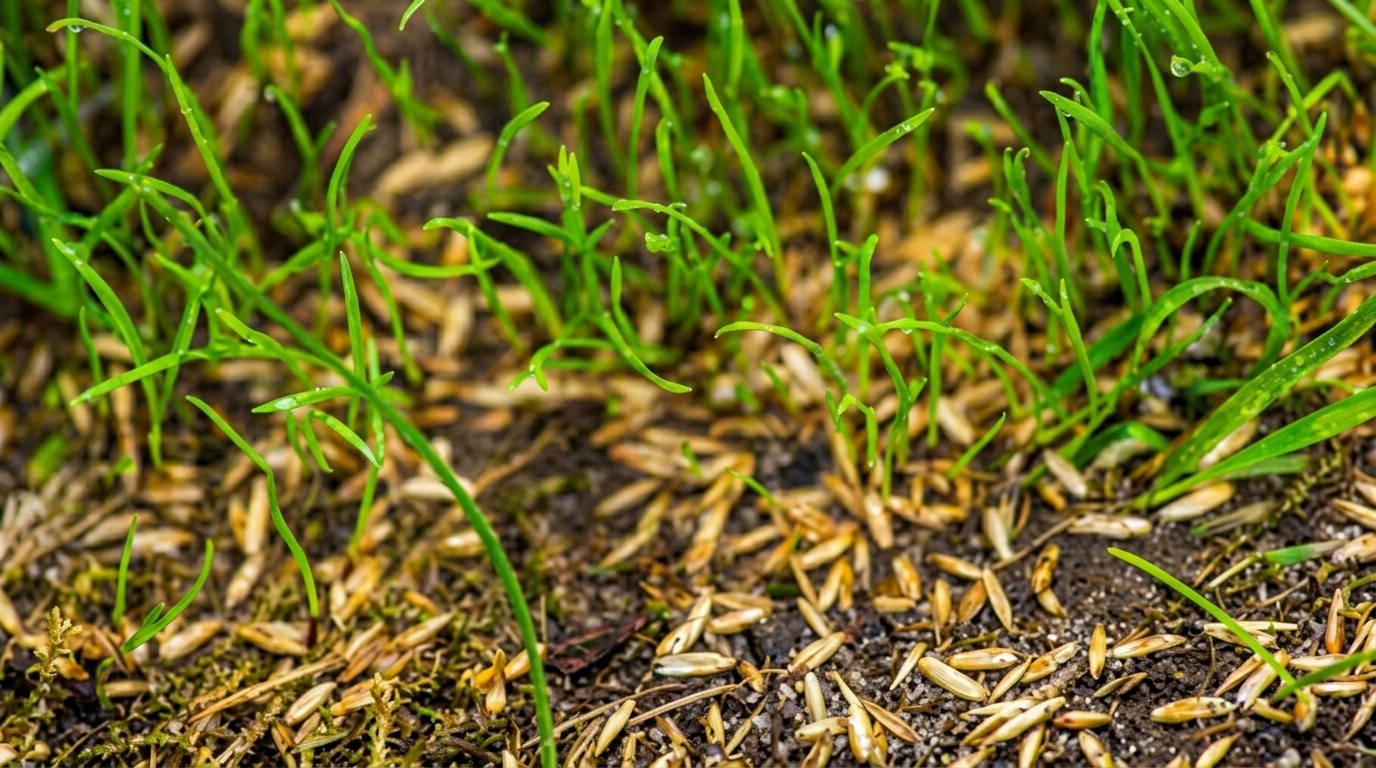
Use a broadcast or drop spreader to place seed across the lawn. Follow the seed label for the correct rate.
Spreading too much seed causes plants to compete, while too little leaves thin spots.
Step 3: Cover the Seed Lightly

Rake the soil gently so the seed has light contact with the ground. Do not bury it too deep because many grass seeds need light to sprout.
A thin layer of clean straw can help keep moisture in place.
Step 4: Water After Planting

Water lightly once or twice each day until the seeds sprout. Keep the top layer of soil moist but not soaked.
After the grass begins growing, water less often and allow moisture to reach deeper roots.
Step 5: First Mowing Tips

Wait until the new grass reaches the recommended mowing height for its type.
Use a sharp mower blade to avoid pulling young plants from the soil. Never remove more than one third of the grass height in one cut.
Common Mistakes that Can Keep Grass Seed from Growing
- Planting into hard or compacted soil limits root growth. Loosen the soil before spreading seed.
- Leaving seeds uncovered lets birds eat them or wind moves them away. Lightly rake the seed into the soil.
- Using old or expired grass seed can lower germination. Buy fresh seed from a trusted seller.
- Letting the soil dry during germination can stop early growth. Check moisture often during the first few weeks.
- Applying too much fertilizer can damage young seedlings. Use only the amount listed on the product label.
- Walking on newly seeded areas presses the soil and harms young plants. Keep people and pets away until the grass becomes established.
- Ignoring shade and sunlight needs can lead to weak growth. Pick a grass type that matches the light your yard receives.
- Planting before heavy rain can wash seed into low spots. Wait for calmer weather if strong storms are expected.
- Leaving a thick layer of fallen leaves blocks light and air. Clear the area before planting to help seeds sprout.
- Skipping weed control before planting allows weeds to compete with young grass. Start with a clean planting area for better results.
Conclusion
Planting grass seed at the right time gives your lawn the best chance to grow thick and healthy.
One thing to always remember is that even the best seed cannot do well if it is planted in the wrong season.
A little planning saves time and effort later.
If this guide helped you, please share it with others or leave a comment below with your question or experience.
Frequently Asked Questions
How much grass seed do I need for my lawn?
The amount depends on your lawn size and grass type. Check the seed label and measure your yard before buying.
Can I plant grass seed before a light rain?
Yes, a light rain can help keep the soil moist. Avoid planting before heavy rain because seeds may wash away.
Should I use straw after planting grass seed?
A thin layer of clean straw helps hold moisture and reduces soil movement. Do not spread it too thick because it can block sunlight.
Can birds eat all of my grass seed?
Birds may eat some seed, but they rarely remove all of it. Lightly covering the seed with soil helps reduce this problem.
When can I let pets or children use a newly seeded lawn?
Wait until the grass is well rooted and has been mowed at least two or three times. This helps prevent damage to young plants.