New Orleans has a food culture unlike anywhere else in the country, and if you're visiting for the first time, knowing what to eat in New Orleans can feel overwhelming.
The city's menu runs deep, from smoky stews passed down through generations to sweet street snacks that stop you mid-step.
This guide covers 17 foods you genuinely cannot skip, along with tips on how to order like a local and mistakes to avoid.
Having helped countless travelers plan their food stops in NOLA, I can tell you one thing: eating here is never a guessing game once you know where to start.
How Can You Eat Like a Local in New Orleans?
Eating like a local in New Orleans is less about finding fancy spots and more about knowing the rules of the table.
Locals eat at odd hours. Lunch spots often sell out by 1 PM, and some beloved po' boy shops close early.
Go before noon if you want the good stuff. Skip the tourist-packed streets for your everyday meals.
Frenchmen Street, the Marigny neighborhood, and Mid-City have spots where real New Orleanians eat without the tourist markup.
Also, don't rush. Food here is a ritual. A bowl of gumbo is meant to be eaten slowly with a piece of French bread on the side.
Ask your server what's fresh that day. Most cooks rotate ingredients based on what came in from the docks or the farm. That question alone tells the kitchen you mean business.
Portion sizes in New Orleans are large. Share plates when you can so you get to try more dishes without hitting a wall after two stops.
17 Must-Try Foods in New Orleans
These are the dishes that define the city's food identity. Each one has a story, a tradition, and a version that will stick with you long after you leave.
1. Gumbo
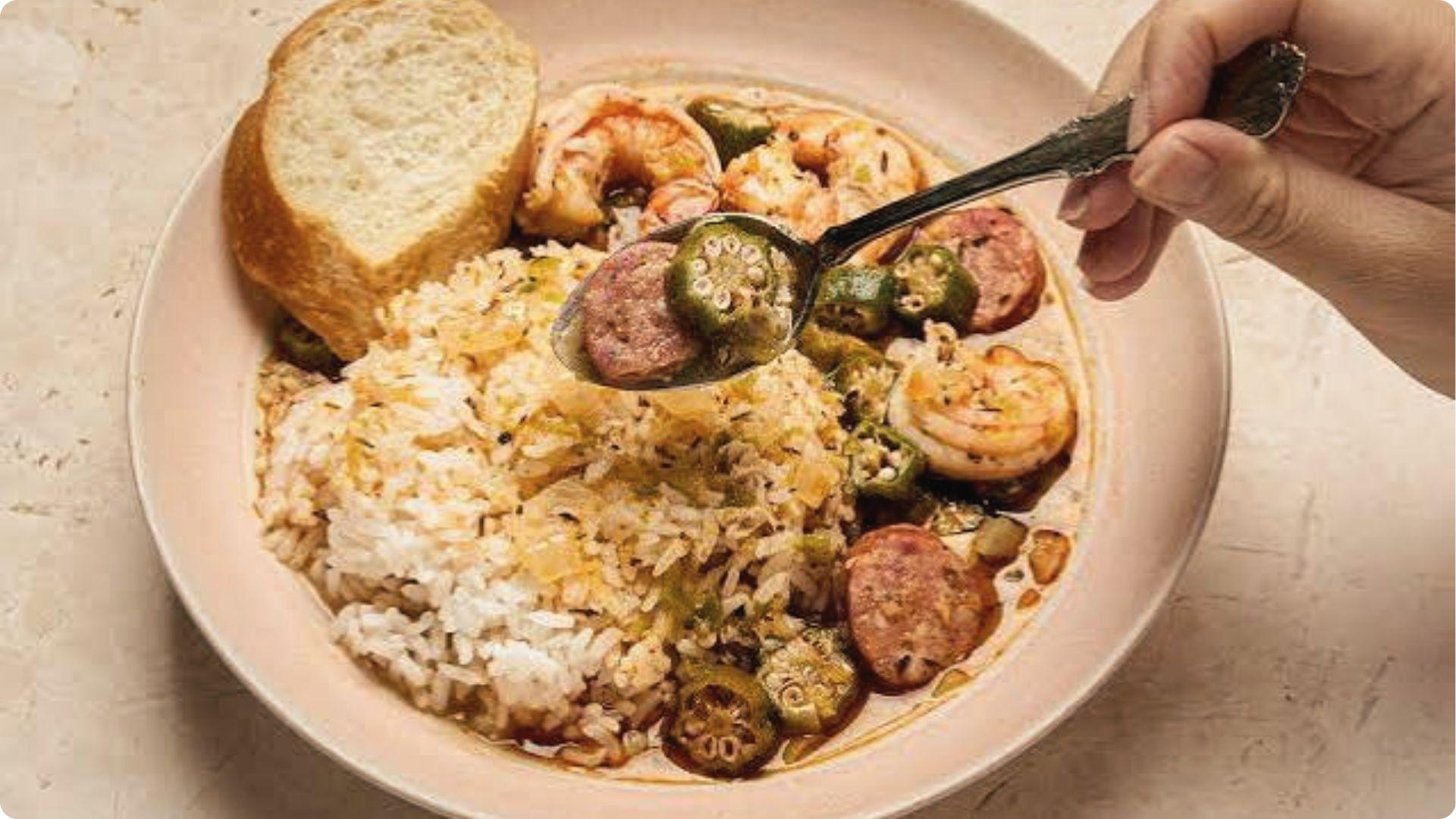
Gumbo is the dish that started it all and still holds the top spot in New Orleans food culture.
It's a thick, slow-cooked stew built on a dark roux and the "holy trinity" of onion, celery, and bell pepper.
From there, versions split into two camps: seafood gumbo with shrimp, crab, and okra, or chicken and andouille gumbo packed with smoked sausage. Both are served over white rice in a deep bowl.
The roux is everything here. A good roux takes up to 45 minutes of constant stirring over heat, and getting it dark without burning it separates average gumbo from great gumbo.
Look for a deep brown or near-black color in the base. That's where the flavor lives.
Many cooks finish the pot with a pinch of filé powder, a seasoning made from ground sassafras leaves that adds a faint earthy flavor and thickens the broth slightly.
Where to try it: Dooky Chase's in the Treme neighborhood, Willie Mae's Scotch House, Mother's Restaurant in the French Quarter, or The Gumbo Shop on St. Peter Street.
2. Jambalaya
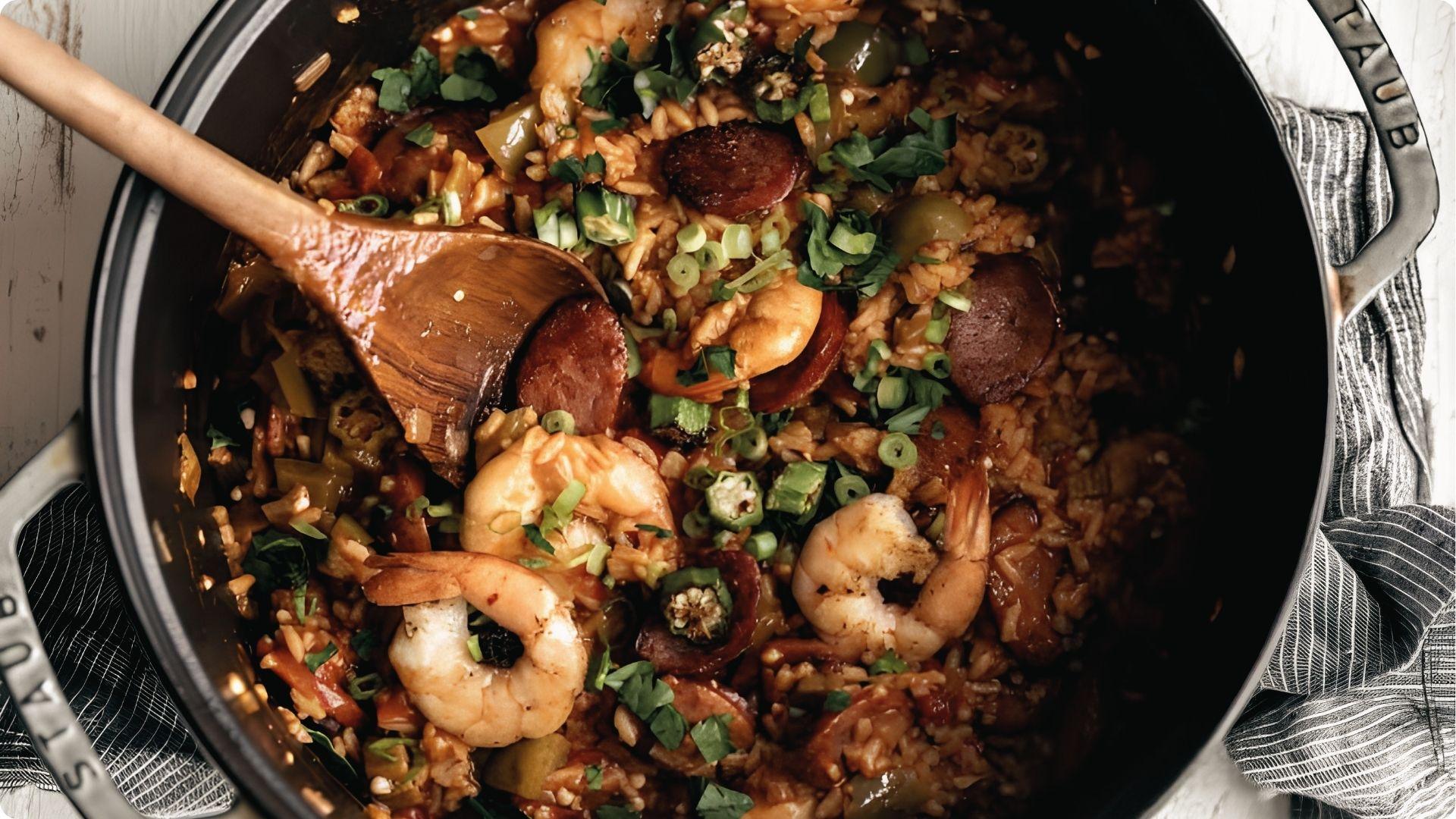
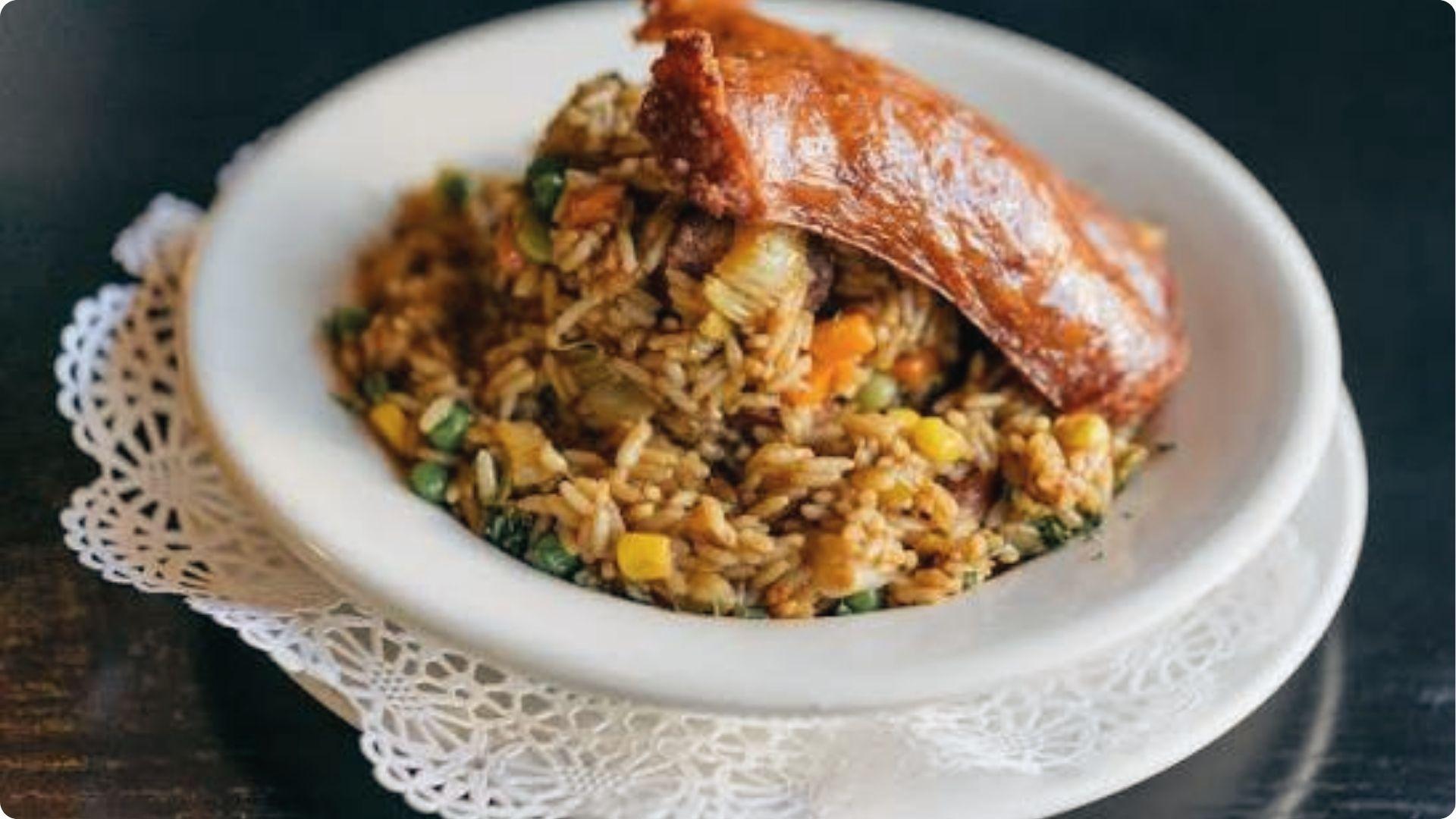
Jambalaya is the one-pot answer to New Orleans comfort food, and it packs flavor into every single bite.
Rice, meat, vegetables, and spices all cook together until the rice absorbs every bit of the broth.
There are two styles:Creole jambalaya, which includes tomatoes and turns the dish red, and Cajun jambalaya, which skips the tomatoes and goes darker and smokier.
Both use some combination of chicken, shrimp, andouille sausage, and the same holy trinity base as gumbo.
It's a filling dish and usually comes in generous portions. This is something you'll find everywhere in New Orleans, from sit-down restaurants to food stalls at the French Market.
Where to try it: Dooky Chase's Restaurant, The Ruby Slipper Café, Café Maspero in the French Quarter, or Oceana Grill on Conti Street.
3. Po' Boys
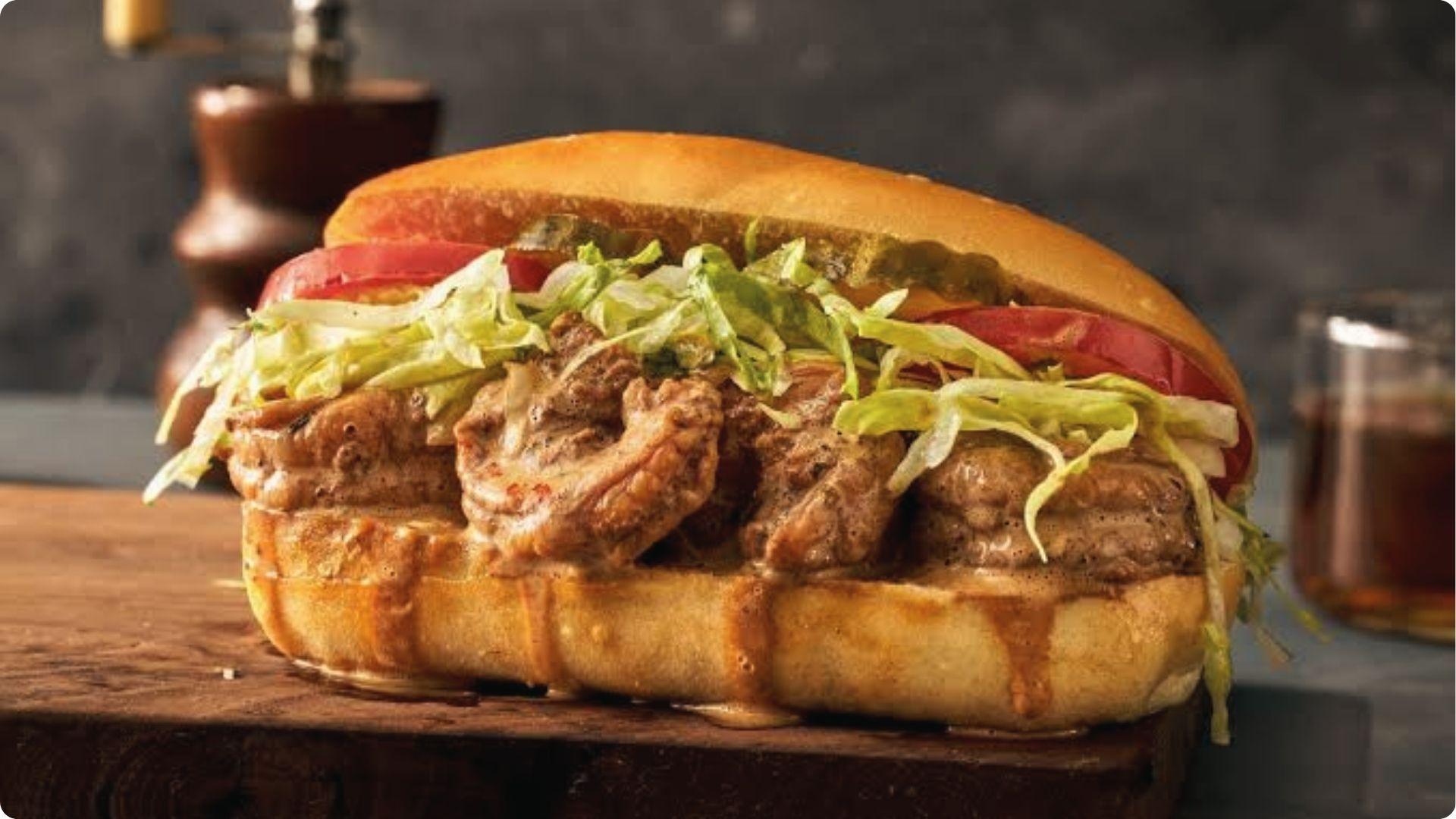
The po' boy is New Orleans street food at its finest, and no visit is complete without one.
A po' boy is a sandwich built on local French bread that's crispy on the outside and soft on the inside.
Fillings range from fried shrimp and oysters to roast beef with debris gravy. "Dressed" means it comes with lettuce, tomato, pickles, and mayonnaise. If you don't say dressed, it comes plain.
The bread is the star here. New Orleans French bread has a specific texture that's tied to the local humidity and the bakeries that have been supplying it for decades.
You can't fully replicate it anywhere else. The sandwich got its name in the 1920s when two former streetcar workers opened a shop and fed striking "poor boys" for free.
Where to try it: Domilise's Po-Boy & Bar on Annunciation Street, Parkway Bakery & Tavern on Hagan Avenue, Guy's Po-Boys on Magazine Street, or R&O's Restaurant in Metairie.
4. Beignets
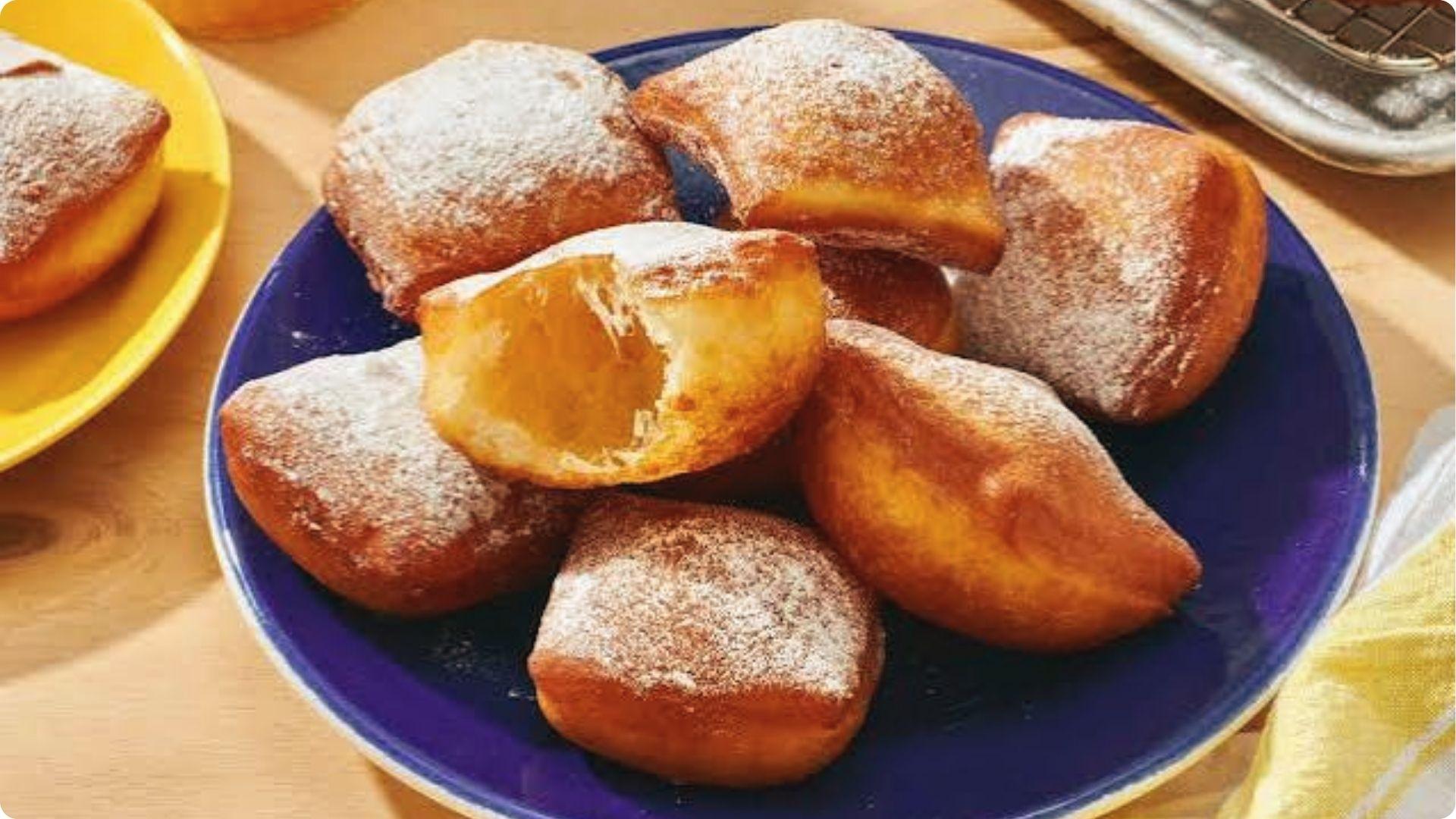
Beignets are deep-fried dough squares covered in powdered sugar, and they're best eaten hot and fresh.
Café Du Monde near Jackson Square is the most famous spot, open 24 hours and always busy.
The beignets come three to an order, dusted so heavily in powdered sugar that wearing dark clothing is considered a rookie mistake.
They pair perfectly with a café au lait, which is strong coffee mixed with hot chicory milk.
Beignets have French and Spanish roots but are now deeply tied to New Orleans identity.
They're light, airy inside, and slightly crispy on the outside. The contrast between the warm dough and the cool powdered sugar dissolving on top is something you have to experience once.
Where to try it: Café Du Monde near Jackson Square, Café Beignet on Bourbon Street, or Morning Call Coffee Stand in City Park.
5. Crawfish Boil
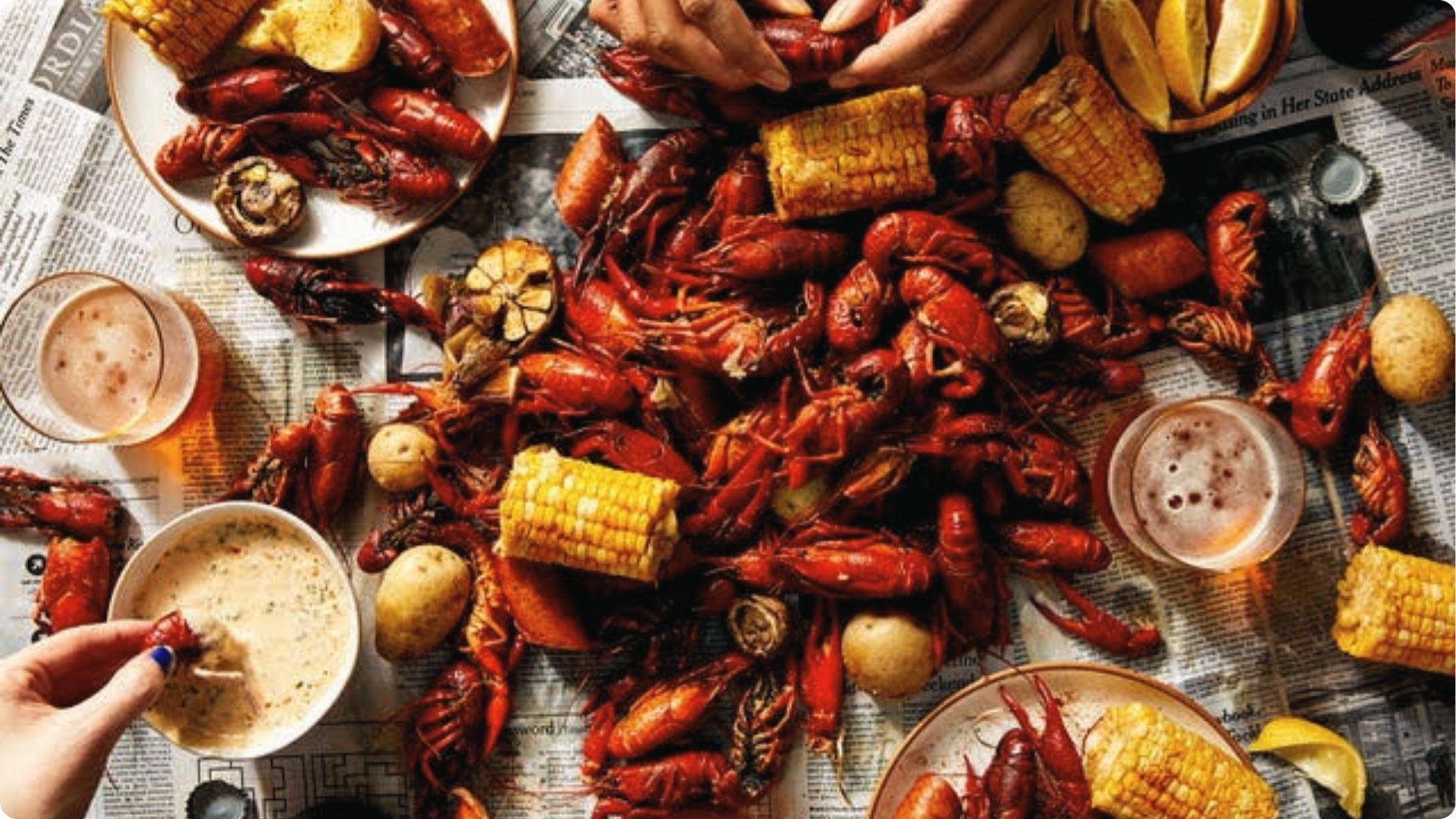
A crawfish boil is less of a meal and more of a shared event that happens to involve food.
Fresh crawfish are boiled in a seasoned pot with corn, potatoes, mushrooms, and sausage. The whole thing gets poured onto a table covered in newspaper, and you eat with your hands.
The process of peeling and sucking the heads is part of the tradition and something locals take seriously.
Crawfish boil culture traces back to the Atchafalaya Basin, where mudbugs have been a Louisiana staple for generations.
Crawfish season runs from January through June, with the peak hitting in March and April. Outside of that window, you may find frozen crawfish, but locals will tell you it's not the same.
Peche Seafood Grill in the Warehouse District is a well-regarded city spot to try them during season.
Where to try it: Café Du Monde near Jackson Square, Café Beignet on Bourbon Street, or Morning Call Coffee Stand in City Park.
6. Red Beans and Rice

Red beans and rice is New Orleans comfort food with a built-in schedule.
Monday is red bean day in New Orleans, and this has been true since the 1800s. The tradition started because Monday was laundry day, and a pot of beans could cook all day on low heat without much attention.
The dish uses slow-cooked kidney beans with onions, celery, bell pepper, and andouille sausage or pickled pork, all served over white rice.
It's simple, filling, and deeply satisfying. Most restaurants keep it on the menu all week, but Monday is still the day you'll find it made freshest.
Where to try it: Dooky Chase's Restaurant, Café Reconcile on Oretha Castle Haley Boulevard, or Lil' Dizzy's Café in the Treme neighborhood.
7. Muffuletta
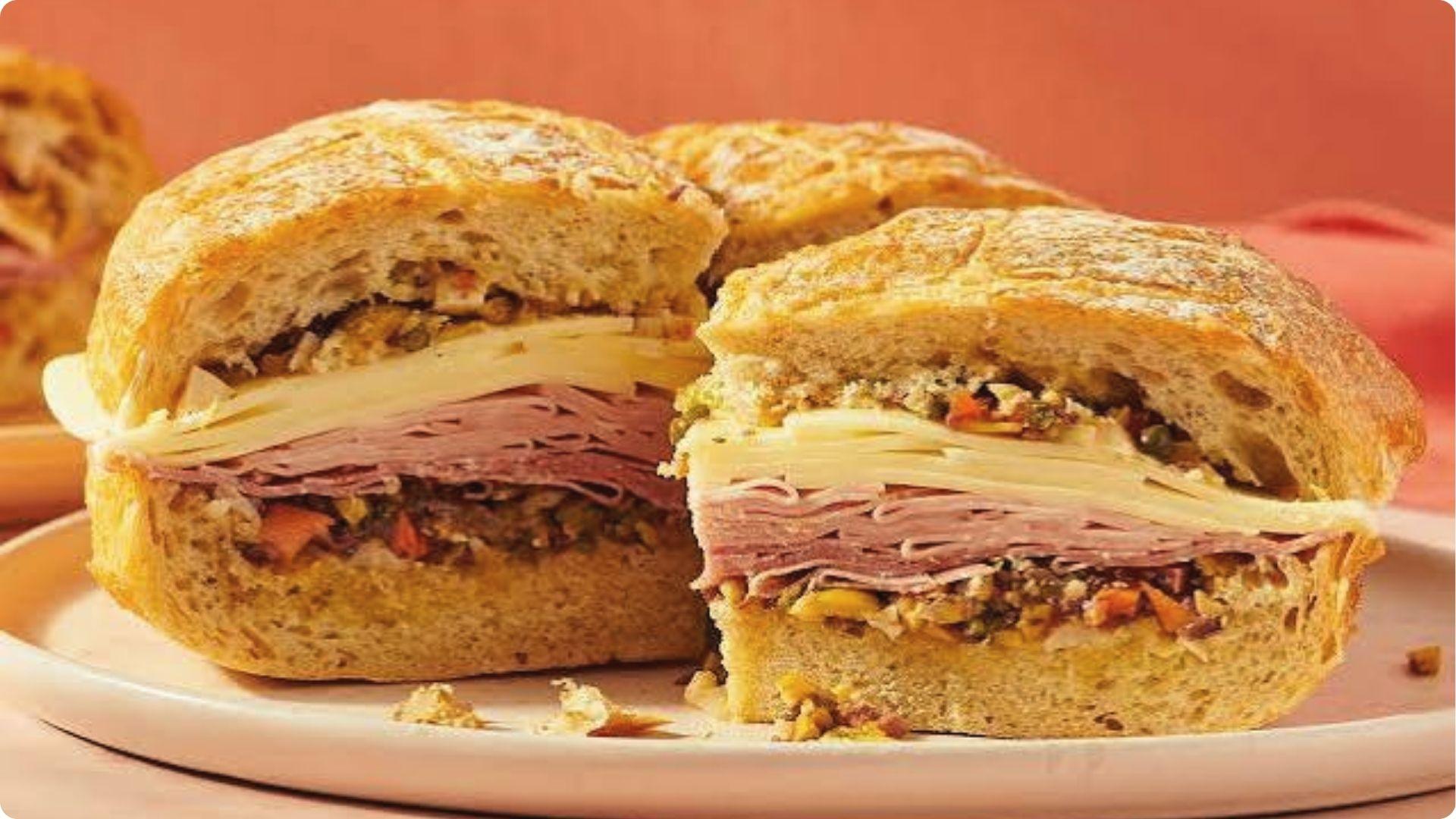
The muffuletta is a New Orleans sandwich that holds its own against anything in the country.
It's built on a large, round Sicilian sesame seed roll and filled with layers of Italian meats like salami, ham, and mortadella, plus provolone cheese and a generous spread of olive salad.
The olive salad is the defining ingredient, a marinated mix of olives, pickled vegetables, garlic, and herbs that soaks into the bread over time.
Central Grocery on Decatur Street invented the muffuletta in 1906 and still makes it the way it was meant to be eaten:cold, stacked high, and split into quarters because one person cannot finish a whole one alone.
The sandwich became a staple largely because of New Orleans' large Italian immigrant population, who recognized the Sicilian-style bread and built a culture around it.
Cochon Butcher in the Warehouse District also does a well-regarded version if Central Grocery has a long wait.
Where to try it: Central Grocery on Decatur Street, Cochon Butcher in the Warehouse District, or Napoleon House on Chartres Street.
8. Pralines
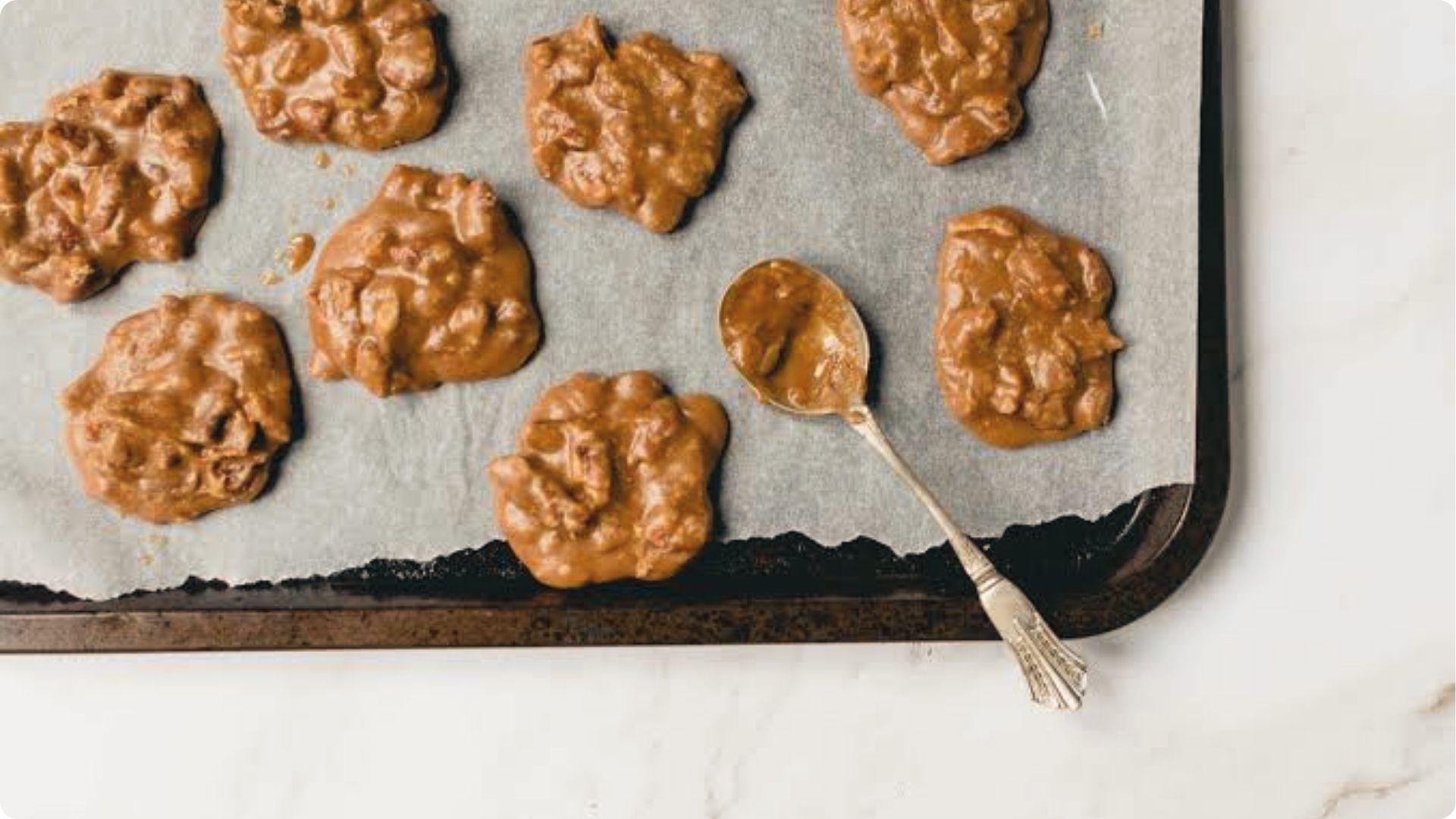
New Orleans pralines are nothing like the French originals, and that's exactly the point.
The local version is made with pecans, sugar, cream, and butter, cooked together and poured into flat rounds that harden as they cool.
The recipe evolved when African cooks in Louisiana swapped almonds for local pecans, creating something entirely their own.
The texture is creamy, grainy, and rich all at once, somewhere between fudge and a soft candy.
Street vendors and candy shops throughout the French Quarter sell them fresh, and the smell alone will pull you in.
They make good travel snacks and even better souvenirs, since they hold up well over a few days.
Where to try it: Aunt Sally's Pralines on Decatur Street, Southern Candymakers in the French Quarter, or Loretta's Authentic Pralines on N. Rampart Street.
9. Andouille Sausage

Andouille is the backbone of New Orleans cooking, even when you don't notice it's there.
This smoked pork sausage is Cajun in origin and carries a deep, garlicky, smoky flavor that anchors dishes like gumbo, jambalaya, and red beans.
It's made from coarsely ground pork seasoned with garlic, pepper, and paprika, then slow-smoked over pecan wood.
The result is a firm sausage with an intense flavor that holds up to long cooking times without falling apart.
You can eat it on its own too, sliced and grilled as a starter or part of a charcuterie spread at a local bar.
Where to try it: Jacques-Imo's Café on Oak Street, Cochon Restaurant in the Warehouse District, or Coop's Place on Decatur Street.
10. Oysters Rockefeller

Oysters Rockefeller is the kind of dish that was invented for a reason and hasn't needed to change since.
Created at Antoine's Restaurant in 1899, this dish features Gulf Coast oysters baked on the half shell under a rich topping of butter, herbs, and breadcrumbs, sometimes with spinach or watercress.
The name came from John D. Rockefeller because the dish was described as being as rich as the man himself.
Antoine's still serves the original, and the recipe remains a closely guarded secret. The result is a warm, buttery, savory bite that pairs perfectly with a cold white wine or a cold beer.
Where to try it: Antoine's Restaurant on St. Louis Street (the original), Acme Oyster House on Iberville Street, or Drago's Seafood Restaurant for a chargrilled variation.
11. King Cake

King cake is tied to Mardi Gras season and is one of those foods that makes more sense once you understand the tradition.
It's a ring-shaped sweet bread or brioche topped with icing and colored sugar in purple, gold, and green, the official colors of Mardi Gras.
Hidden inside is a small plastic baby figurine. Whoever finds the baby in their slice is expected to buy the next king cake for the group.
Season runs from January 6 (Epiphany) through Fat Tuesday. During this window, bakeries in New Orleans churn out thousands of king cakes per week.
Filled versions with cream cheese or praline are popular, but traditionalists prefer the plain version.
Where to try it: Gambino's Bakery, Randazzo's Camellia City Bakery in Metairie, or Dong Phuong Bakery in New Orleans East, which many locals swear by.
12. Shrimp Creole
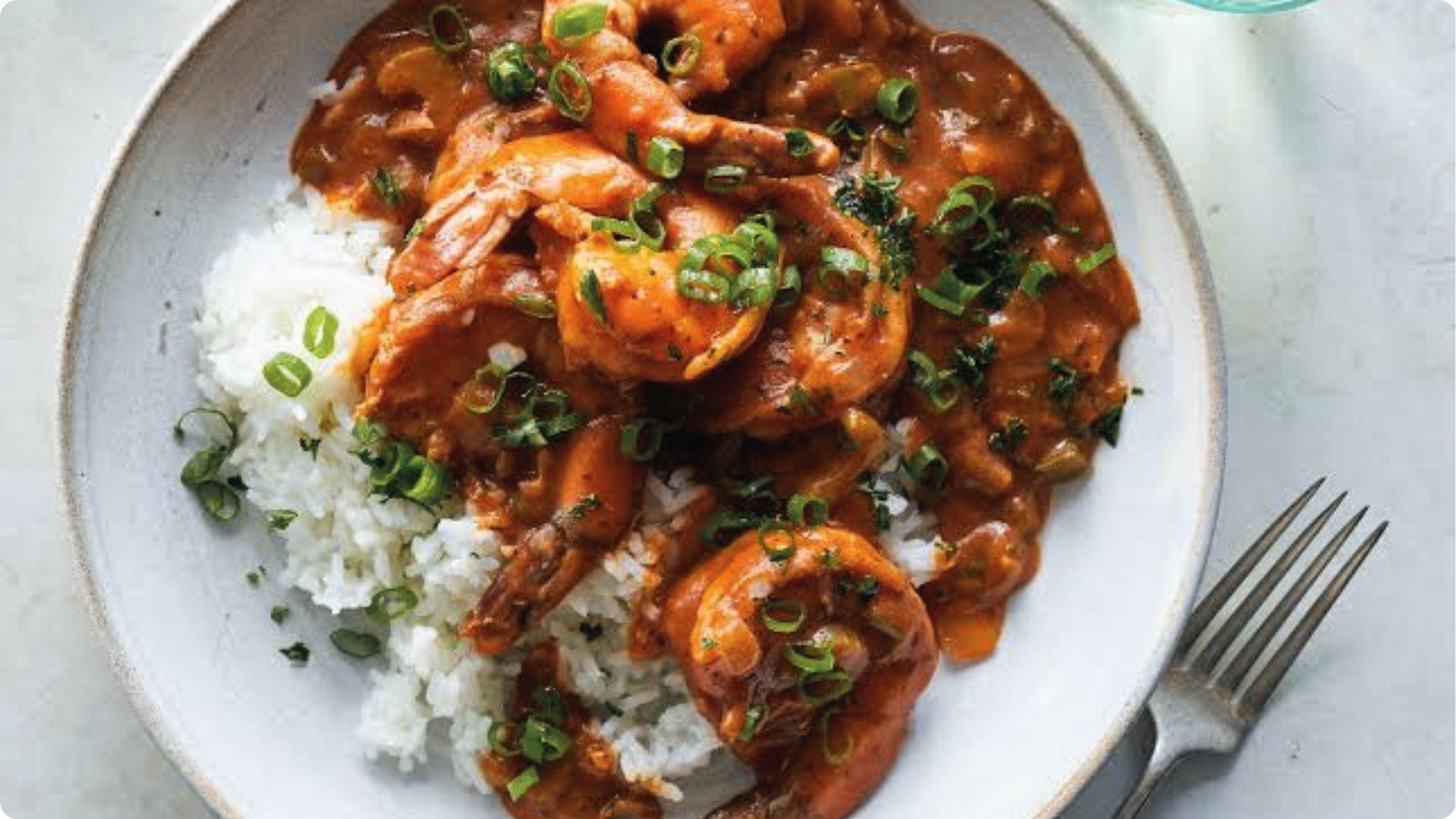
Shrimp Creole is New Orleans home cooking that you'll find everywhere from diners to upscale restaurants.
It's made with plump Gulf shrimp cooked in a tomato-based sauce with onions, bell pepper, celery, garlic, and Creole spices.
The sauce is thick and bold, and it's served over white rice to soak everything up. Unlike étouffée, which is richer and butter-forward, shrimp Creole is lighter and more acidic from the tomatoes.
It's a dish that shows how Creole cooking blends Spanish, French, African, and Native American influences into something that doesn't belong to any one tradition alone.
Where to try it: Dooky Chase's Restaurant, Tujague's on Decatur Street, or Mandina's Restaurant on Canal Street.
13. Étouffée
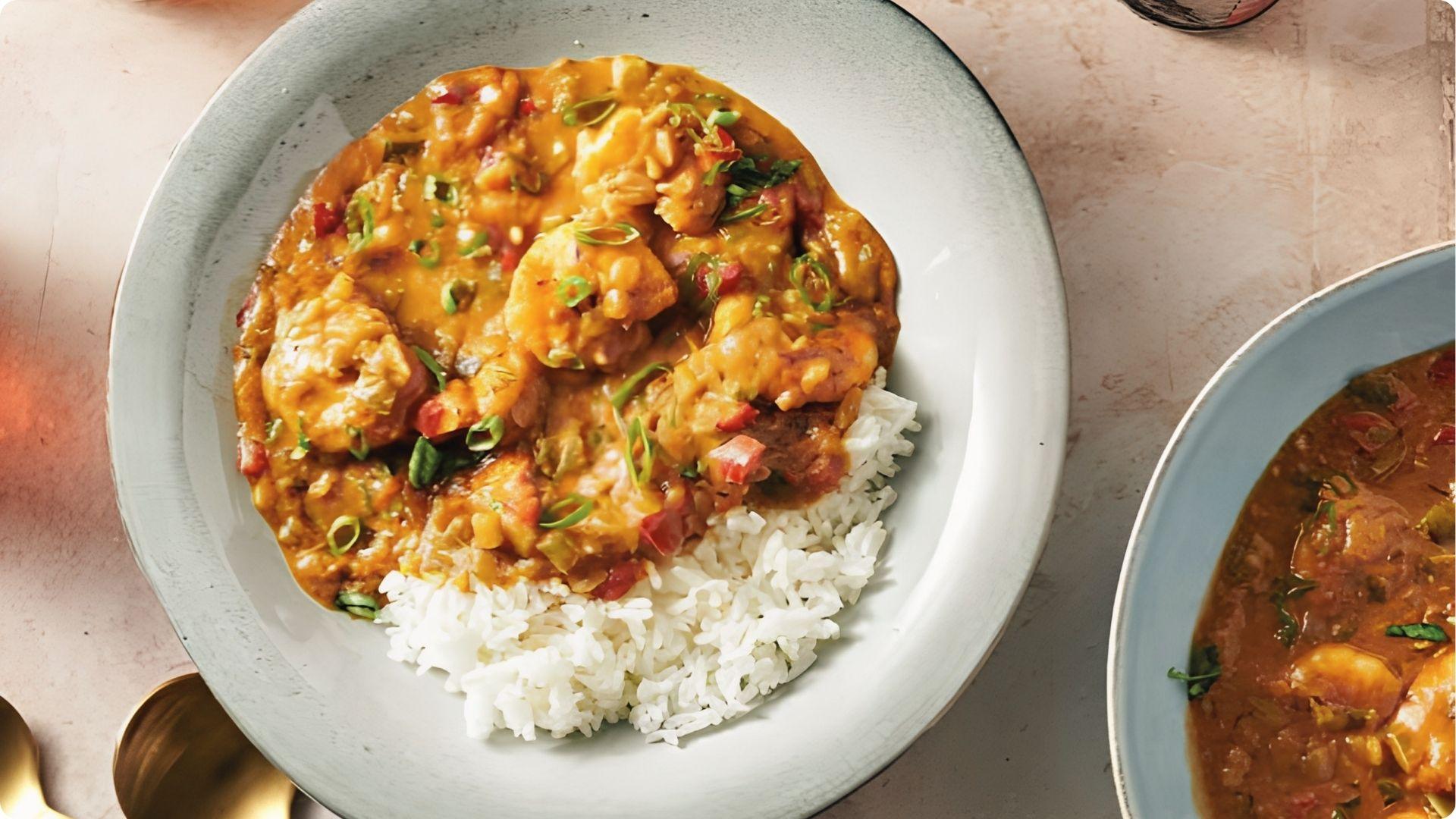
Étouffée means "smothered" in French, and that's exactly what this dish does to whatever is under it.
The most common version uses crawfish or shrimp smothered in a thick, buttery sauce made from the holy trinity base and plenty of Cajun seasoning.
It's served over white rice and eaten with a spoon. The sauce is not tomato-based like shrimp Creole but relies on a blonde or light roux and butter for its richness.
Crawfish étouffée is the most traditional version and one of the most requested dishes by first-time visitors. If crawfish is in season, ordering it then gives you the best result.
Where to try it: Dooky Chase's Restaurant, Bon Ton Café on Magazine Street, or Bourbon House on Bourbon Street.
14. Bananas Foster

Bananas Foster was invented in New Orleans in 1951 and has been impressing people ever since.
Brennan's Restaurant created the dish, and it was named after Richard Foster, a friend of the restaurant's owner and a regular at the table.
It's made with bananas cooked in butter, brown sugar, cinnamon, and banana liqueur, then flambéed tableside with rum.
The fire is part of the show, and watching a server ignite the pan at your table is part of why people keep ordering it.
It's served over vanilla ice cream, and the warm caramel sauce melts into the cold cream in a way that's hard to describe without just eating it.
Where to try it: Brennan's Restaurant on Royal Street (where it was invented), Commander's Palace in the Garden District, or Café Pontalba on St. Ann Street.
15. Frozen Daiquiri
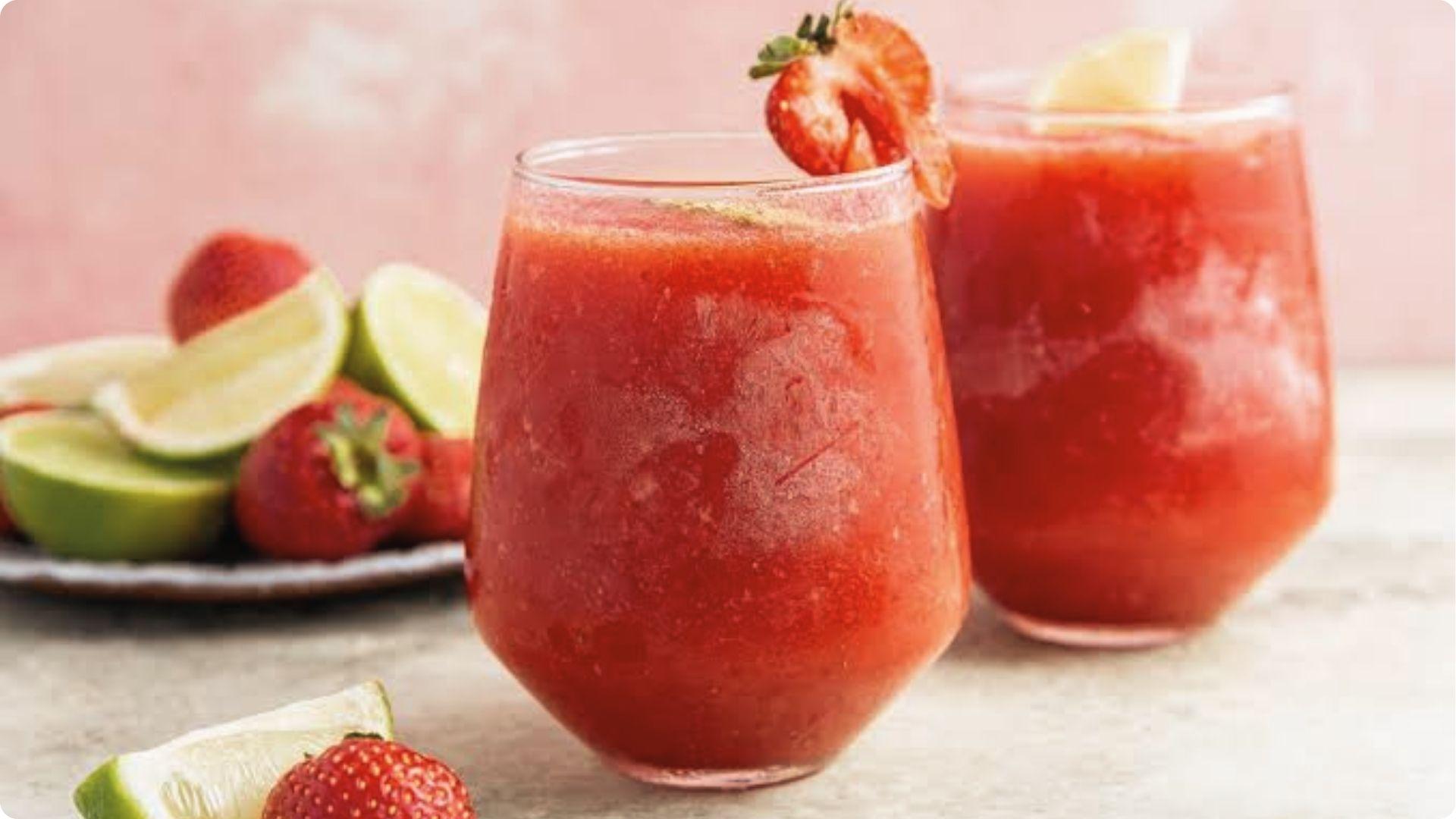
New Orleans takes the frozen daiquiri seriously, and the city's open-container laws make it even more of an experience.
You can legally walk the streets of the French Quarter with a drink in hand as long as it's in a plastic cup.
Daiquiri shops, sometimes called "to-go cup bars," serve them in massive styrofoam cups in dozens of flavors.
The drinks are sweet, cold, and strong, with flavors ranging from strawberry and mango to more unusual options like wedding cake or lemon drop.
190 Octane is one of the most potent flavors and a rite of passage for first-timers who don't ask too many questions.
Where to try it: Lafitte's Blacksmith Shop Bar on Bourbon Street, Fat Tuesday on Bourbon Street, or New Orleans Daiquiris & Grill near the French Quarter.
16. Boudin
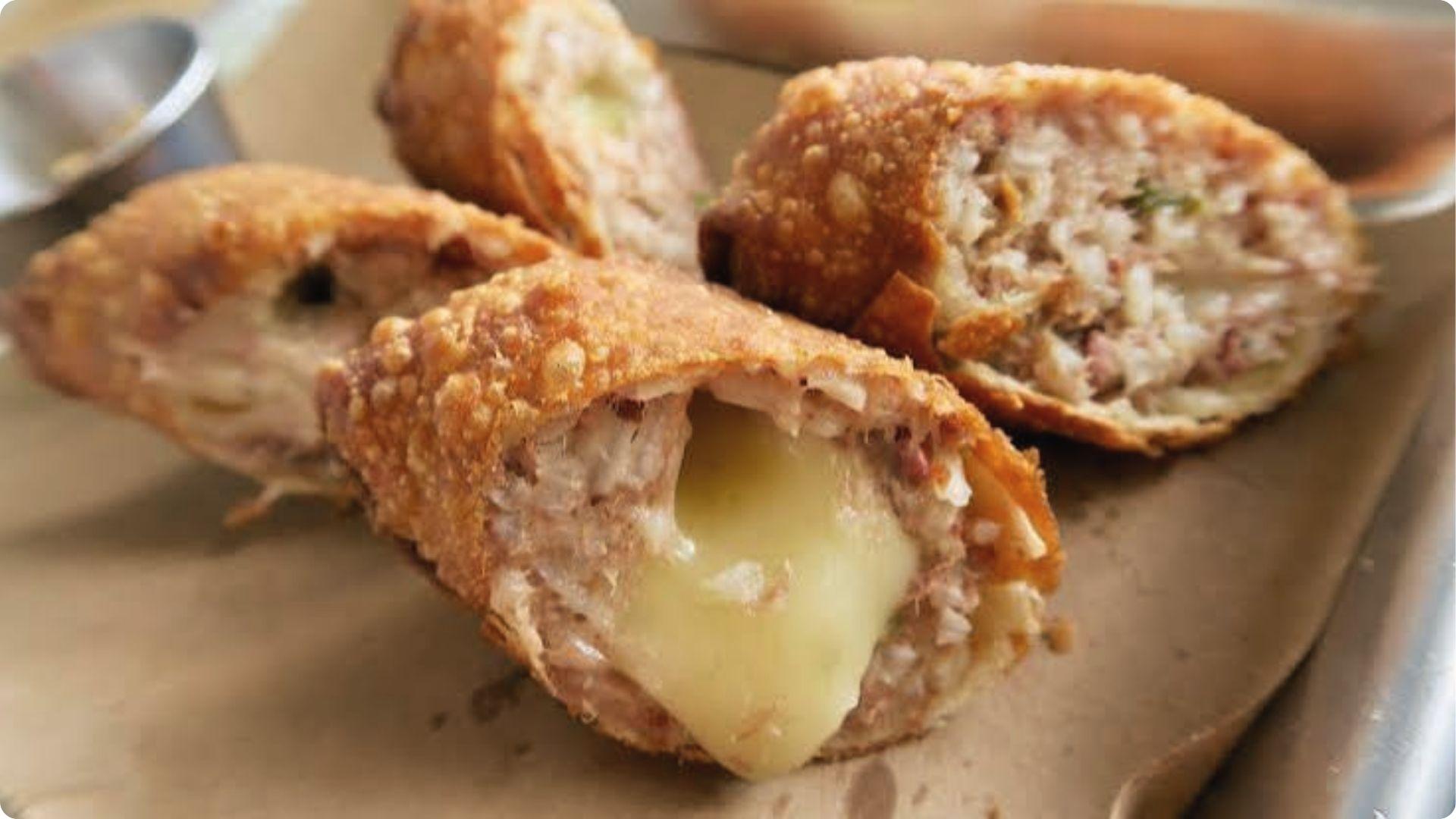
Boudin is Cajun, not Creole, and that small distinction matters in New Orleans food culture.
It's a sausage made with pork, rice, onions, and spices stuffed into a casing and steamed or smoked.
The texture is soft and almost spreadable, unlike andouille. You eat boudin by squeezing the filling out of the casing or biting into it whole.
Boudin balls, which are fried versions of the filling rolled into balls, are increasingly popular in New Orleans as a bar snack or starter.
Cochon Butcher in the Warehouse District is widely considered one of the best spots in the city to try boudin.
You won't find it on every menu, but it shows up regularly at Cajun-focused spots and butcher shops.
Where to try it: Cochon Butcher in the Warehouse District, The Butcher on Magazine Street, or any Cajun-focused market during your visit.
17. Spinach Artichoke Casserole
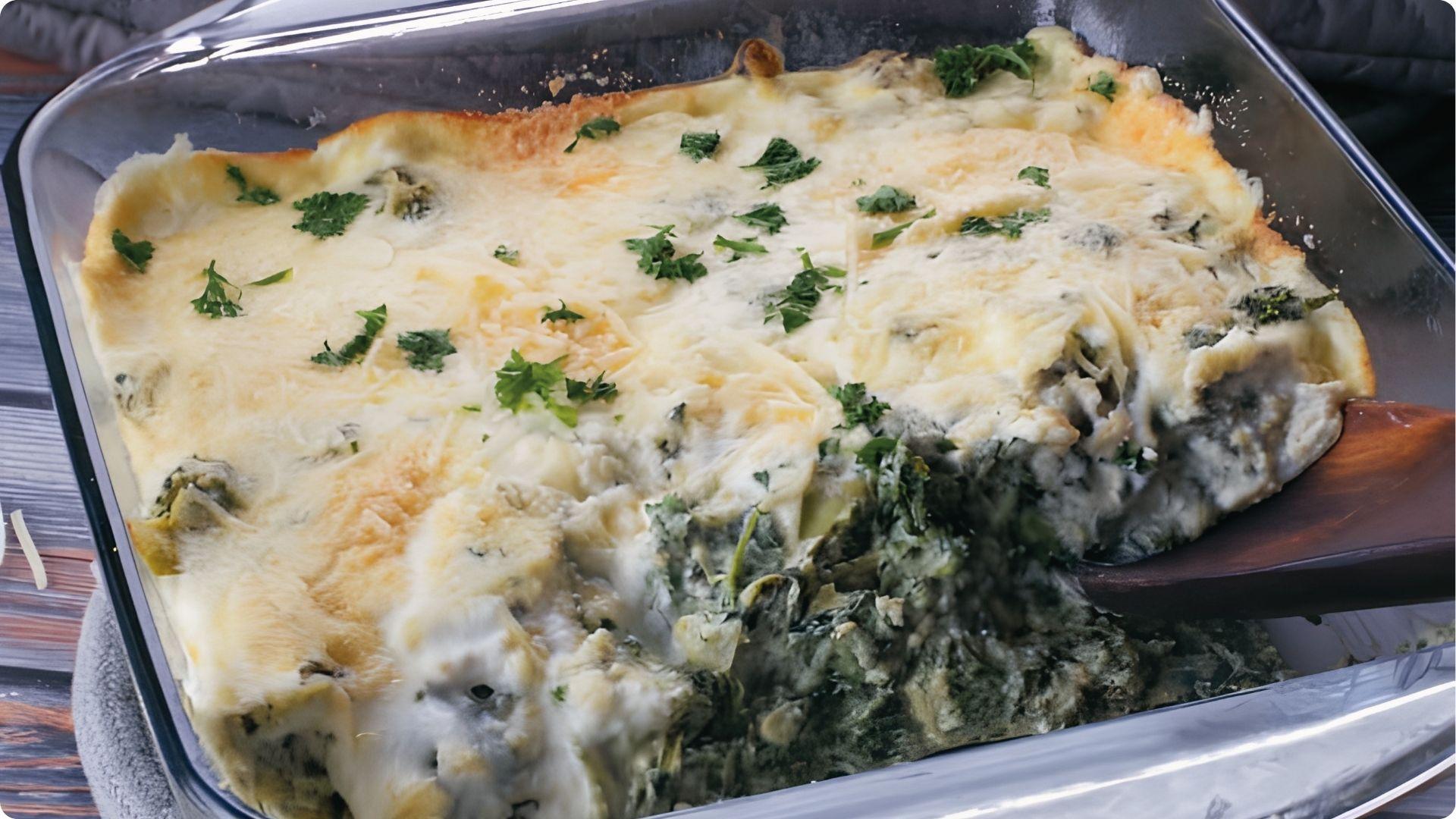
Spinach artichoke casserole might not be the first thing you think of in New Orleans, but locals treat it as a staple side dish.
Unlike the creamy dip you might find at a chain restaurant, the New Orleans version is a baked casserole made with spinach, artichoke hearts, butter, cream cheese, and a crispy breadcrumb topping.
It shows up as a side at holiday tables and in classic Creole restaurants that still follow old-school menus.
Antoine's, Commander's Palace, and Galatoire's Restaurant in the French Quarter all serve well-regarded versions of this dish. It pairs particularly well with roasted meats or fried seafood.
Where to try it: Antoine's Restaurant on St. Louis Street, Commander's Palace in the Garden District, or Galatoire's Restaurant on Bourbon Street.
Common Mistakes to Avoid When Ordering New Orleans Food
Food in New Orleans is generous, specific, and easy to get wrong if you don't know the patterns.
- Ordering food on Bourbon Street for every meal is the most common mistake. The restaurants there exist for foot traffic, not repeat customers. The food is often overpriced and underwhelming compared to what's available two blocks away.
- Eating crawfish outside of season is a letdown. The texture and flavor of frozen crawfish don't come close to fresh. If you're visiting in summer or fall, skip the crawfish boil and order Gulf shrimp instead.
- Skipping the bread. New Orleans French bread is part of every meal in ways that matter. Po' boys, gumbo, and red beans all have bread as a pairing. Don't wave it away.
- Ordering too much at once. Portions are large, and the food is rich. It's easy to overorder and miss dishes you wanted to try later in the day.
- Ignoring weekday specials. Monday red beans, Friday fried fish, and similar traditions are still followed at many classic restaurants. Asking what day-specific specials are available often gets you the freshest, most carefully made food on the menu.
Conclusion
Knowing what to eat in New Orleans makes the whole trip better.
This city's food isn't just about eating well, it's about eating with purpose and understanding why each dish ended up on the table in the first place.
Start with gumbo, get a po' boy dressed, eat beignets at 2 AM, and don't skip the crawfish if the season is right.
If you've tried any of these dishes or have a favorite spot worth sharing, drop it in the comments below.
And if this guide helped you plan your meals, share it with someone heading to New Orleans soon. Every recommendation helps another traveler eat better.
Frequently Asked Questions
What is the best time of year to eat in New Orleans?
Spring, especially March through May, offers the best crawfish season and mild weather, making outdoor food events and boils widely available across the city.
Are there vegetarian options in traditional New Orleans cuisine?
Yes, red beans and rice can be made without meat, and many restaurants offer vegetable-based gumbo or meatless jambalaya on request.
Is New Orleans food very spicy?
Traditional Creole cooking is flavorful but not always hot. Cajun dishes tend to run spicier. Most restaurants adjust heat levels if you ask.
Can you find good New Orleans food outside the French Quarter?
Absolutely. Mid-City, the Garden District, and Frenchmen Street often have better food at lower prices than the French Quarter tourist corridor.
What should you drink with New Orleans food?
Café au lait pairs with beignets, cold beer works with crawfish, and a Sazerac cocktail is the city's official drink and goes well with most Creole dishes.