New Orleans has some of the best food in the country. But knowing what to order can feel overwhelming, especially on a first visit.
The city's food scene runs deep, shaped by French, African, Spanish, and Creole influences that have been building for centuries.
Every neighborhood has its own go-to spots, and every local has a strong opinion about where to eat.
This guide makes it simple. It covers 17 must-try dishes, the best spots to eat them, the right time to visit for specific foods, and practical tips to get the most out of every meal. Read on and find your next favorite dish.
What Food Is New Orleans Known For?

New Orleans has one of the most respected food cultures in the United States. The city sits near the Gulf of Mexico, which means fresh seafood has always played a big role in local cooking. Shrimp, crawfish, oysters, and catfish show up in dishes across every neighborhood.
The food here is shaped by French, Spanish, African, and Southern influences that have been mixing together for hundreds of years. West African culinary traditions in particular left a deep mark on this city.
Ingredients like okra and filé powder, made from ground sassafras leaves, were introduced through the African slave trade and became central to dishes that define New Orleans today.
Red beans and rice, fried chicken, and gumbo all carry that West African fingerprint.
Cajun food is bold, spicy, and rustic. Creole food is more refined, drawing heavily from French and Spanish roots. Both styles are very much alive in the city and worth exploring while you are here.
Rice is a staple in most meals, and recipes are often passed down through generations. In New Orleans, food is tied to tradition, community, and the city's calendar.
Certain dishes only show up during crawfish season or Mardi Gras, which makes eating here feel tied to something bigger than just a meal.
17 Must-Try Foods New Orleans Is Known For
New Orleans has some of the most talked-about food in the country. Here are 17 dishes you really should not leave the city without trying.
1. Gumbo

Gumbo is the dish most people think of first when they hear New Orleans. It is a thick, rich stew made with a dark roux as the base. From there, cooks add seafood, chicken, andouille sausage, or a mix of all three.
Andouille is a smoked pork sausage seasoned with Cajun spices, and it brings a deep, smoky flavor that sets gumbo apart from any other stew. Okra or filé powder is used to thicken it further. It is always served over white rice. Every family and every restaurant has their own version, and debates about whose is best never end.
Try it at: Dooky Chase's Restaurant on Orleans Avenue. It has been serving gumbo for decades and is one of the most storied Creole kitchens in the city. Budget-friendly to mid-range.
2. Jambalaya

Jambalaya is a one-pot rice dish cooked with meat, seafood, and vegetables. Food historians trace it back to the 18th century, when Spanish settlers tried to recreate paella using local Louisiana ingredients.
Over time, French and African cooking techniques folded in, and the dish became something entirely its own.
The rice absorbs all the flavors of the broth and spices as it cooks. Creole jambalaya uses tomatoes and tends to be redder in color. The Cajun version skips the tomatoes and gets a browner, smokier flavor from the meat. Both are filling and packed with bold seasoning.
Try it at: Mother's Restaurant on Poydras Street. It is a no-frills spot that has been feeding locals and visitors since 1938. Budget-friendly.
3. Po' Boys

The po' boy is the sandwich New Orleans is most famous for. The story behind it goes back to 1929, when two brothers and former streetcar workers, Benny and Clovis Martin, opened a sandwich shop and started feeding striking streetcar workers for free.
Every time a striker came in, the brothers would call out "here comes another poor boy." The name stuck, and so did the sandwich.
It is made on crispy French bread that is soft on the inside. Common fillings include fried shrimp, oysters, catfish, roast beef, or fried chicken.
When you order it dressed, you get lettuce, tomato, pickles, and mayo on top. The roast beef version is often served with gravy soaked into the bread, which makes it incredibly rich and satisfying.
Try it at: Domilise's Po-Boys and Bar on Annunciation Street in Uptown. It has been a neighborhood institution for over 80 years. Budget-friendly.
4. Beignets
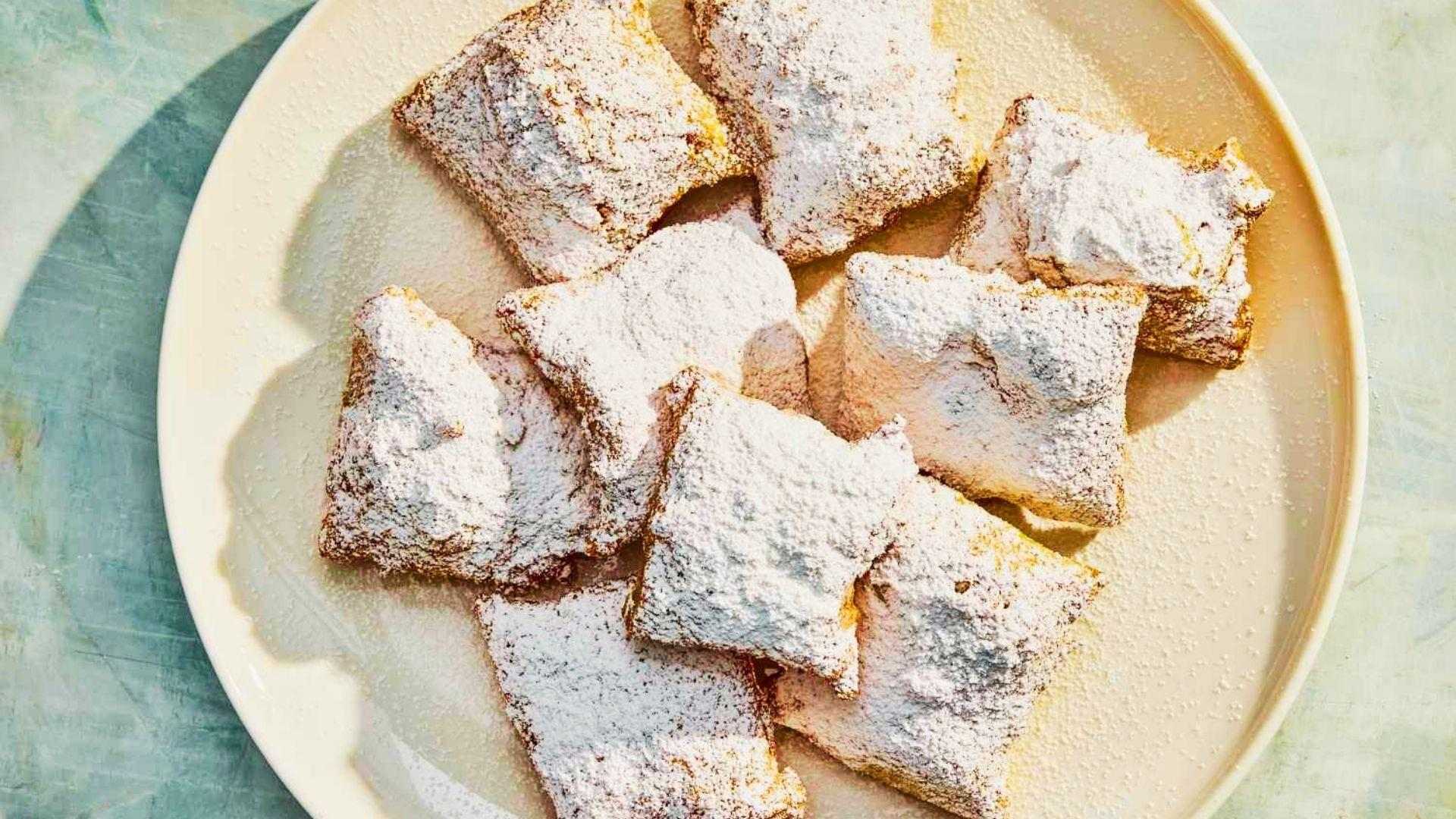
Beignets are square pieces of fried dough covered generously in powdered sugar. They come out hot and fresh and are best eaten right away.
Cafe Du Monde in the French Quarter is the most famous place to get them and has been serving them since 1862.
They are traditionally paired with chicory coffee or a cafe au lait. Be warned, the powdered sugar goes everywhere, so wear something you do not mind getting messy.
Try it at: Cafe Du Monde, 800 Decatur Street. Cash only, open nearly 24 hours. Budget-friendly.
5. Crawfish Boil

A crawfish boil is as much a social event as it is a meal. The tradition has roots in the Atchafalaya Basin region of Louisiana, where crawfish have been a local staple for generations.
Crawfish are boiled in a giant pot with corn, potatoes, mushrooms, and heavy Cajun seasoning. Once cooked, everything is dumped onto a table covered in newspaper and people gather around to eat with their hands.
The key is in the seasoning, and every cook has their own spice blend they swear by.
Crawfish season typically runs from late January through June, though timing can shift depending on the year's weather and harvest conditions. Outside that window, crawfish will still appear on menus but are often frozen and the flavor is not the same.
Try it at: Peche Seafood Grill in the Warehouse District. It is one of the most well-regarded seafood spots in the city. Mid-range.
6. Muffuletta
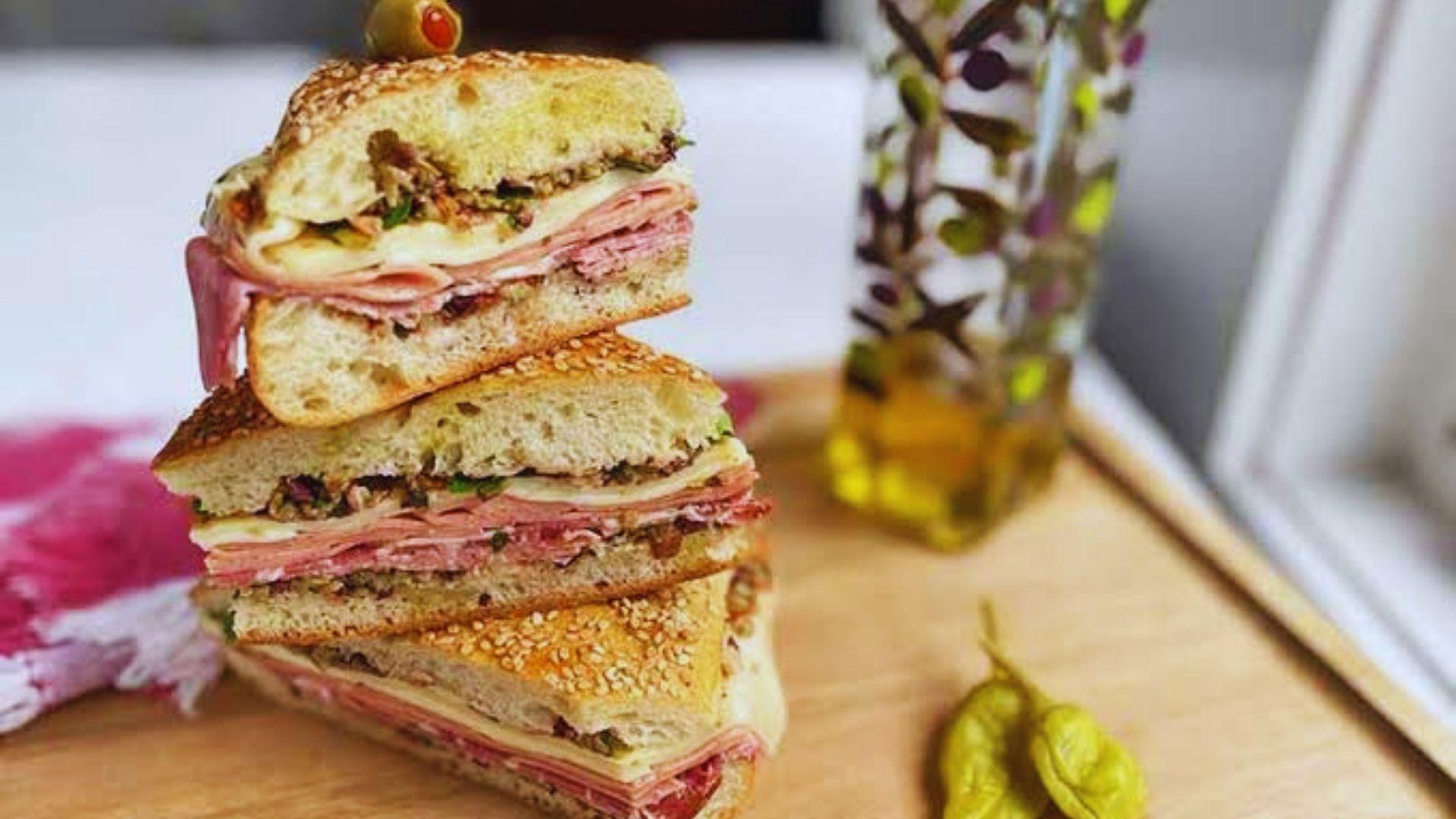
The muffuletta was created in New Orleans in the early 1900s by Italian immigrants. It is a large, round sandwich made on a sesame seed roll.
The fillings include layers of Italian deli meats like salami and ham, along with provolone cheese. What makes it stand out is the olive salad spread, a mix of olives, pickled vegetables, and herbs.
Central Grocery in the French Quarter is widely credited as the original home of this sandwich and has been family-owned since 1906.
Try it at: Central Grocery and Deli, 923 Decatur Street. They slice the meat in-house and bake the bread by hand. Budget-friendly.
7. Red Beans and Rice

Red beans and rice have been a Monday staple in New Orleans for generations. The tradition started because Monday was laundry day and people needed a meal that could cook slowly on its own.
West African cooking traditions are stamped all over this dish. Slow-cooked red beans with aromatics and smoked meat reflect techniques brought over from the Senegambia and Benin regions of Africa.
Kidney beans simmer for hours with smoked sausage, onions, celery, and bell pepper. The result is a creamy, deeply seasoned pot of beans served over white rice. It is one of the most affordable and satisfying meals you can find in the city.
Try it at: Willie Mae's Scotch House on St. Ann Street in Tremé. Order it as a side with their fried chicken. Budget-friendly.
8. Crawfish Etouffee
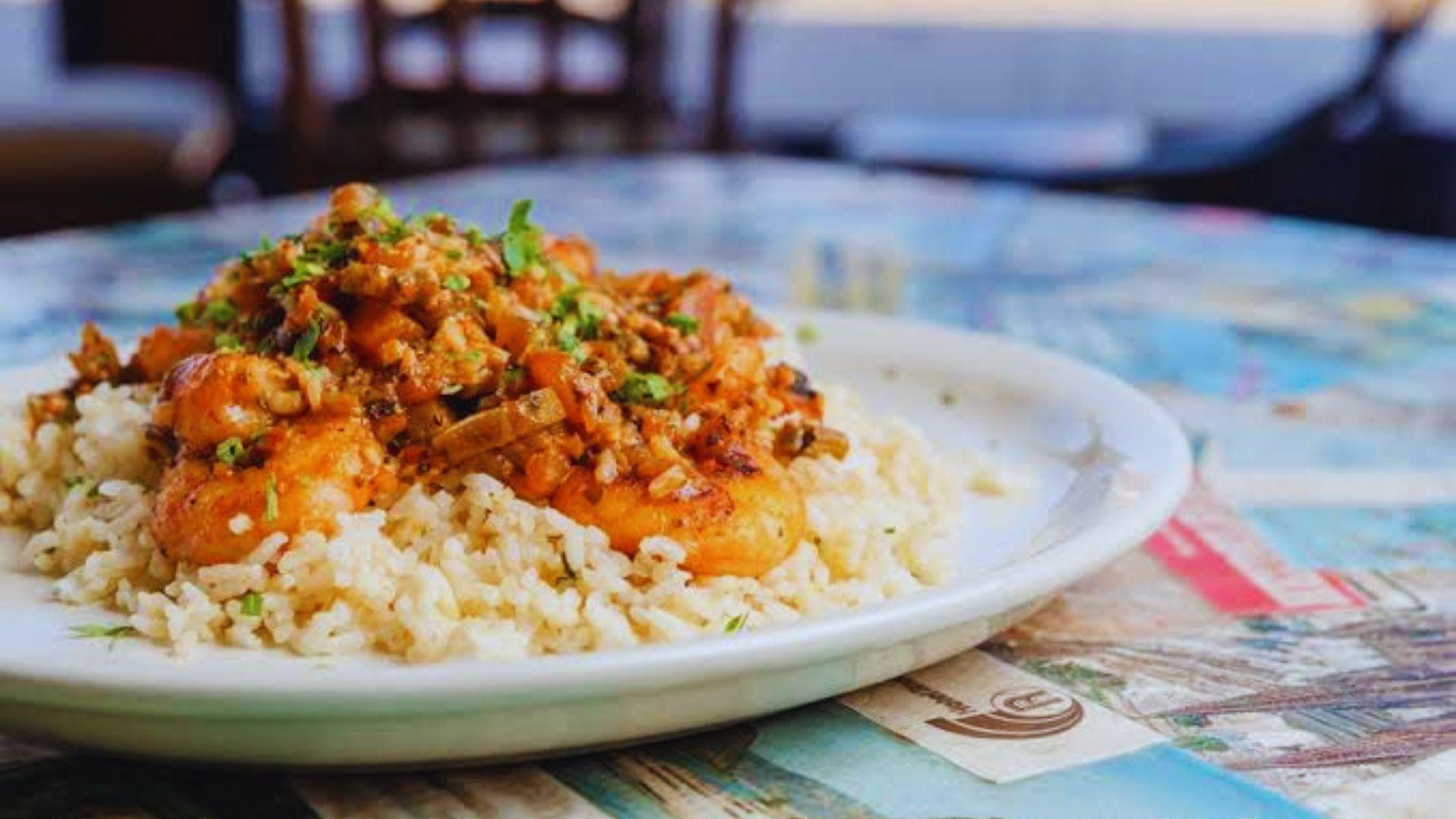
spooned over white rice.
Etouffee means smothered in French, which describes exactly how this dish is made. Crawfish tails are cooked in a thick, buttery sauce built on onions, celery, and bell pepper, plus garlic and Cajun spices.
The sauce is rich and coats every piece of crawfish. It is spooned over a bed of white rice and often garnished with green onions.
It is one of those dishes that tastes like it took all day to make even when it comes together quickly.
Try it at: Dooky Chase's Restaurant on Orleans Avenue. Locals consistently praise their version as one of the best in the city. Mid-range.
9. Shrimp Creole
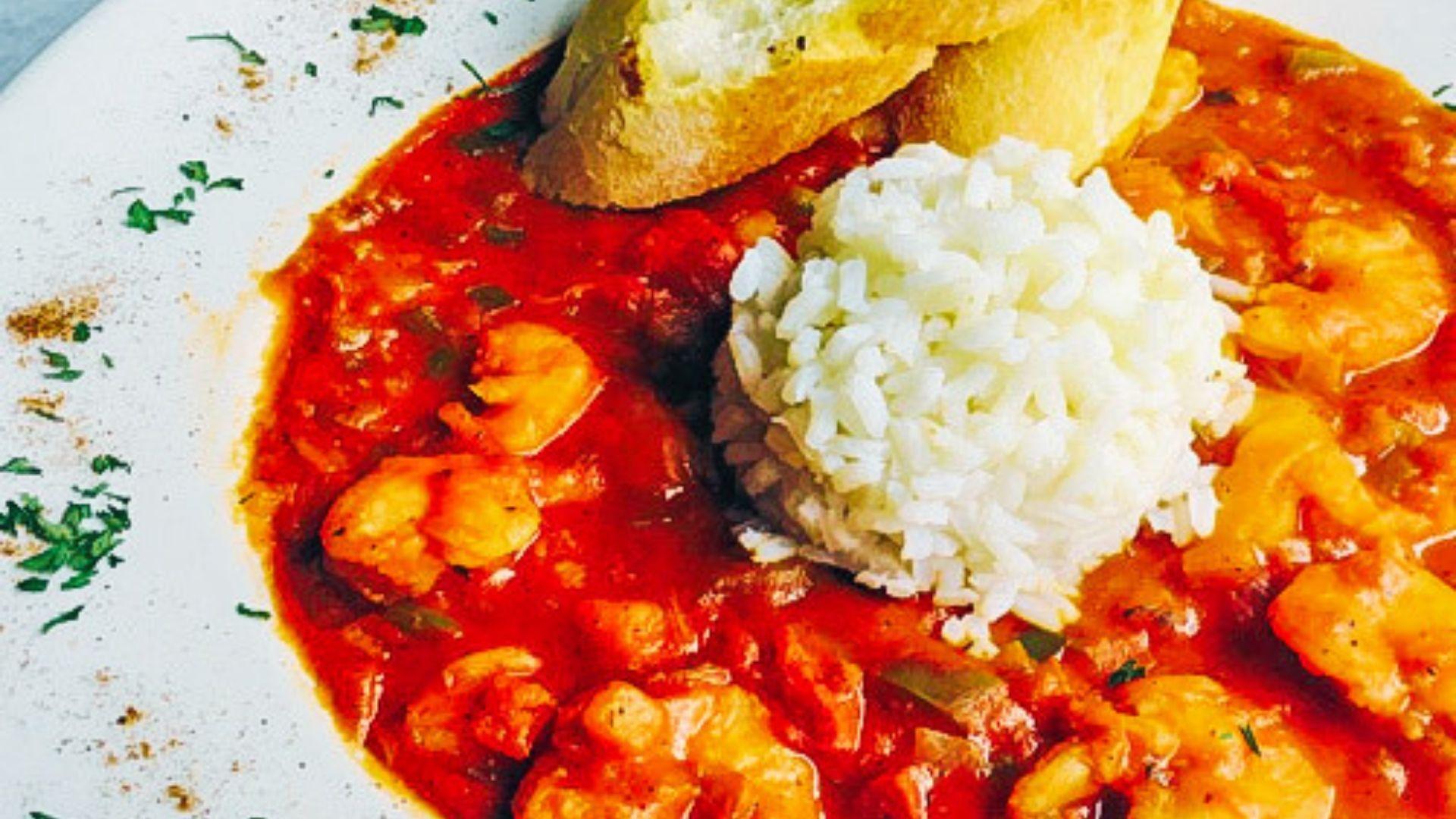
Shrimp Creole reflects the French and Spanish influences in New Orleans cooking. Large shrimp are cooked in a sauce made from tomatoes, onions, celery, bell pepper, and a mix of herbs and spices.
The sauce is bold and slightly spicy. It is served over white rice and often finished with a squeeze of lemon.
Also worth ordering if you spot it on the menu: shrimp and grits. It is a bowl of creamy stone-ground grits topped with seasoned shrimp in a rich Creole sauce.
It is not as widely known as shrimp Creole but it belongs in the same conversation.
Try it at: Trenasse on St. Charles Avenue. They are known for shrimp dishes and a strong Creole menu overall. Mid-range.
10. Oysters Rockefeller

Oysters Rockefeller was created at Antoine's Restaurant in New Orleans in 1899. Oysters are placed on the half shell and topped with a mix of butter, herbs, breadcrumbs, and sometimes spinach or other greens.
They are then baked or broiled until golden on top. The dish was named after John D. Rockefeller because it was considered so rich. Antoine's still serves the original recipe today and keeps the exact ingredients a secret.
For a different take on oysters, look for charbroiled oysters around town. They are broiled over an open flame and finished with a buttery garlic sauce that is hard to forget. Even people who do not usually like oysters tend to come back for seconds.
Try it at: Antoine's Restaurant on St. Louis Street for Oysters Rockefeller. Pascal's Manale on Napoleon Avenue for charbroiled oysters and a classic oyster bar experience. Mid-range to splurge.
11. New Orleans Barbecue Shrimp
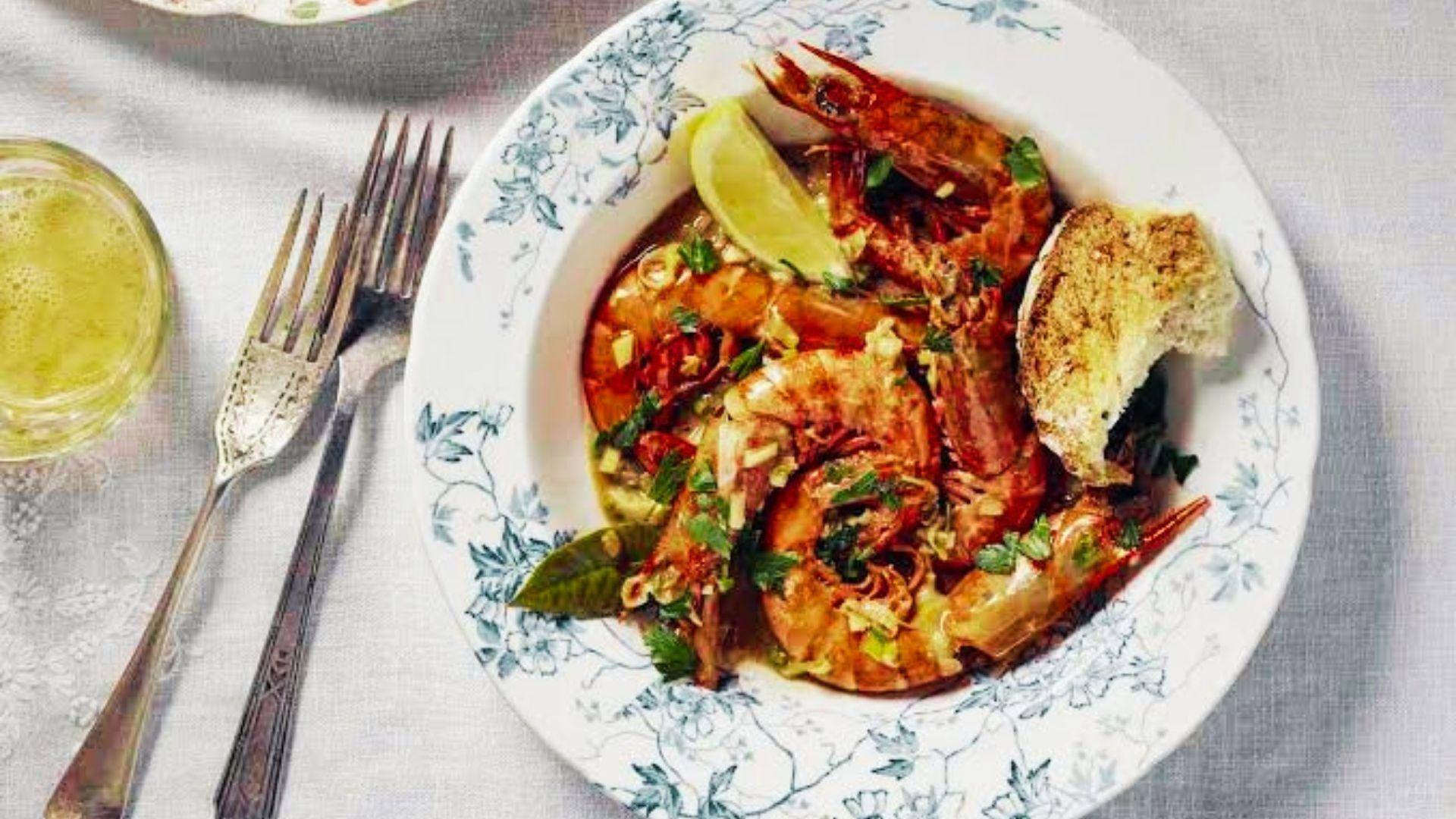
Despite the name, there is no grill involved in this dish. New Orleans barbecue shrimp are cooked in a skillet with a generous amount of butter, Worcestershire sauce, black pepper, garlic, and Creole spices.
The sauce is bold, peppery, and very rich. The shrimp are usually served in the shell so the flavor stays locked in. A thick slice of French bread comes on the side for soaking up every last drop of that sauce.
Try it at: Pascal's Manale on Napoleon Avenue. The restaurant is widely credited as the place where this dish was invented in the 1950s. Mid-range.
12. Pralines
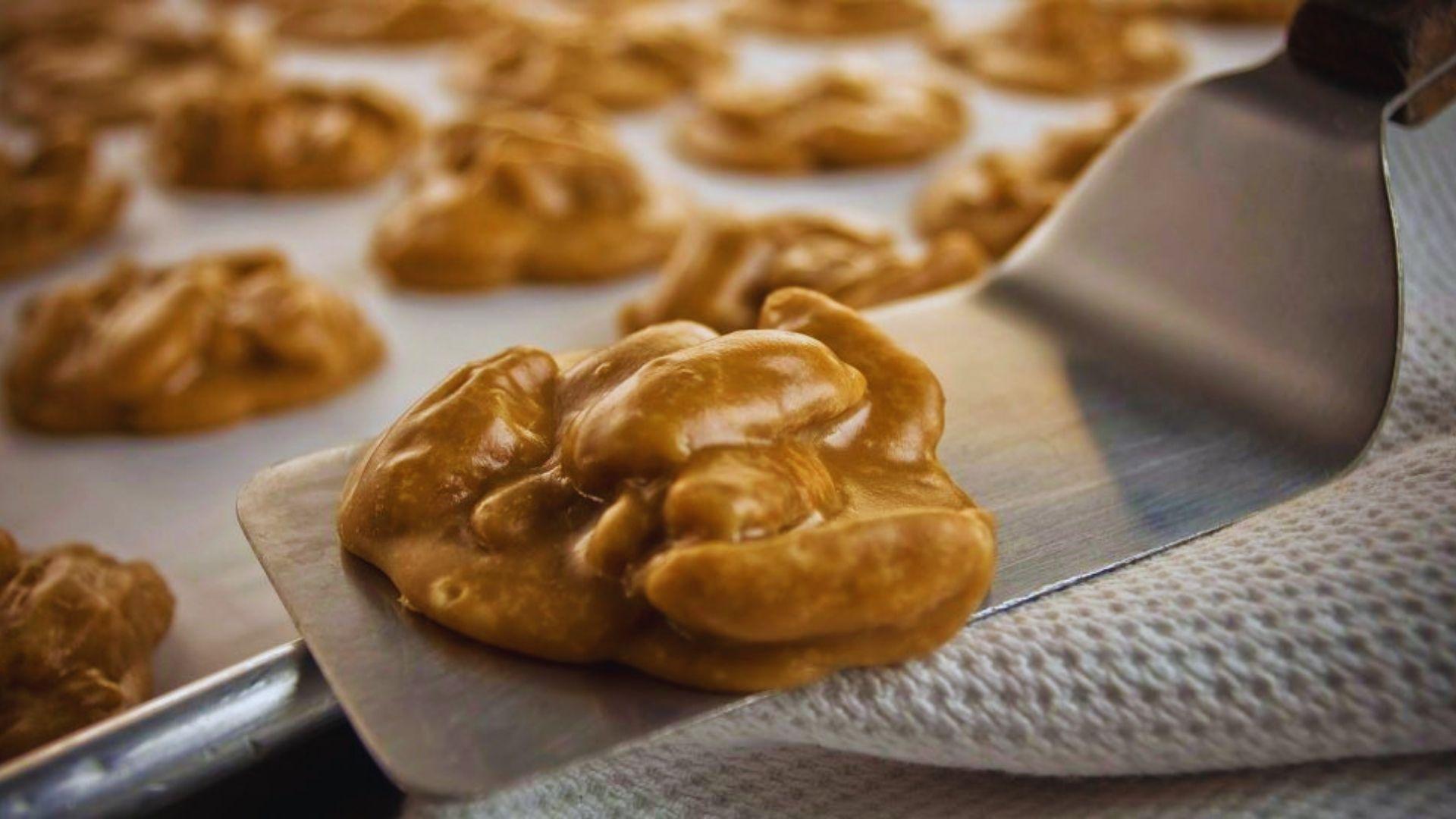
Pralines are one of the most loved sweets to come out of New Orleans. French immigrants brought the original recipe to Louisiana in the 18th century, but it was African cooks who shaped it into what it is today.
They swapped out the almonds used in the French version for local pecans and added cream to soften the texture. That adaptation is the praline New Orleans is known for.
They are made by cooking sugar, cream, and butter together until it reaches a soft candy stage, then pecans are stirred in and the mixture is dropped onto parchment to harden.
The result is a round, flat candy that is sweet, creamy, and full of toasted pecan flavor. Candy shops throughout the French Quarter sell them fresh daily. They also travel well, making them a popular treat to bring home.
Try it at: Southern Candymakers on Decatur Street. They make pralines fresh in the shop and you can watch them do it. Budget-friendly.
13. King Cake
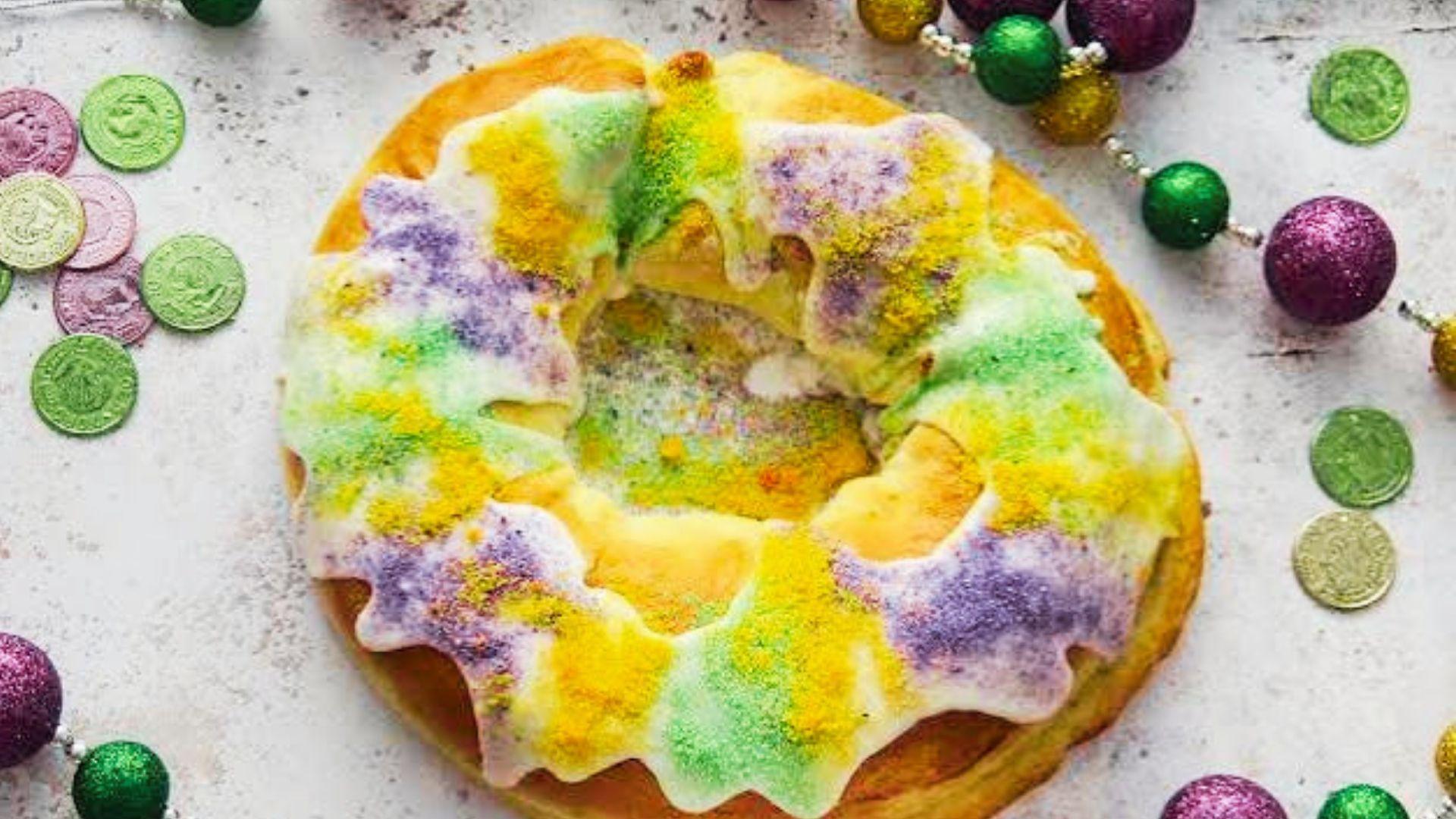
King cake is a festive dessert tied directly to the Mardi Gras season. It is a ring-shaped cake made from sweet dough, similar to a brioche, and topped with purple, gold, and green icing and sugar.
Each color carries a meaning. Purple stands for justice, gold stands for power, and green stands for faith.
A small plastic baby figurine is baked or placed inside the cake. Whoever finds it in their slice is said to have good luck, but they also have to buy the next king cake.
Try it at: Most bakeries and grocery stores carry king cake from January through Fat Tuesday. Dong Phuong Bakery in New Orleans East is a local favorite and often cited as one of the best in the city. Budget-friendly.
14. Bananas Foster

Bananas Foster was created at Brennan's Restaurant in New Orleans in 1951. Chef Paul Blangé developed the recipe at the request of owner Owen Brennan, who wanted to feature bananas arriving in large quantities through the port of New Orleans.
The dish was named after Richard Foster, a friend of the restaurant and chair of the New Orleans Crime Commission at the time.
Sliced bananas are cooked in a pan with butter, brown sugar, cinnamon, and rum. The pan is then flamed, creating a dramatic flame at the table.
The warm banana mixture is spooned over vanilla ice cream and served immediately. Today it remains one of the most recognized desserts the city has to offer.
Try it at: Brennan's Restaurant on Royal Street. They still flambe it tableside and it is worth every penny. Splurge.
15. Fried Chicken

Fried chicken in New Orleans is not the same as what you find in most other places. The chicken is marinated and seasoned with Cajun spices before it is fried, giving it a deeper and spicier flavor.
The crust tends to be thick and very crispy. Many restaurants in the city have been perfecting their own recipes for generations.
Try it at: Willie Mae's Scotch House on St. Ann Street in Tremé. The restaurant has been open since 1957 and is still run by the founder's great-granddaughter.
It won a James Beard America's Classic award and is widely considered one of the best fried chicken spots in the country. Budget-friendly.
16. Sno-Balls

A New Orleans sno-ball is not a snow cone. Do not make that mistake with a local. The ice is shaved so finely it becomes soft and fluffy, almost like fresh powder snow.
The syrup soaks all the way through instead of sitting on top, which gives every bite full flavor from the first scoop to the last.
Sno-ball stands have been part of the city's culture since the 1930s, when locals began using the first ice-shaving machines.
Flavors range from classic strawberry and cream of nectar to creative options like bananas foster or cheesecake-stuffed. Many stands make their syrups from scratch.
They pop up all over the city from spring through the end of summer, in neighborhoods far from the tourist strips where prices are lower and the lines are just as worth it.
Try it at: Hansen's Sno-Bliz on Tchoupitoulas Street in Uptown. It has been family-run since 1939 and is widely considered the gold standard in the city. Budget-friendly.
17. Boudin

Boudin is a Cajun sausage with a long history in Louisiana, tracing back to French Canadian settlers in the 1700s who brought their recipes south and adapted them with local ingredients and spices.
The traditional version is a pork and rice mixture seasoned with onions, garlic, and Cajun spices, all packed into a natural casing. It is usually steamed or boiled, and locals often squeeze the filling straight from the casing to eat it.
In New Orleans, boudin also shows up breaded and fried into balls, which adds a crispy outside to the soft, savory filling inside. You can find it on restaurant menus, at butcher shops, and occasionally at neighborhood spots that serve it as a bar snack alongside Creole mustard.
Try it at: Cochon Butcher on Andrew Higgins Drive in the Warehouse District. They sell traditional links and smoked boudin made in-house. Budget-friendly.
Where Can You Try Famous New Orleans Foods?
New Orleans has great food in almost every corner of the city. Knowing where to look makes the experience even better.
The French Quarter is the most visited area. Cafe Du Monde, Central Grocery, and Antoine's have been serving classic dishes for decades and are worth a visit at least once.
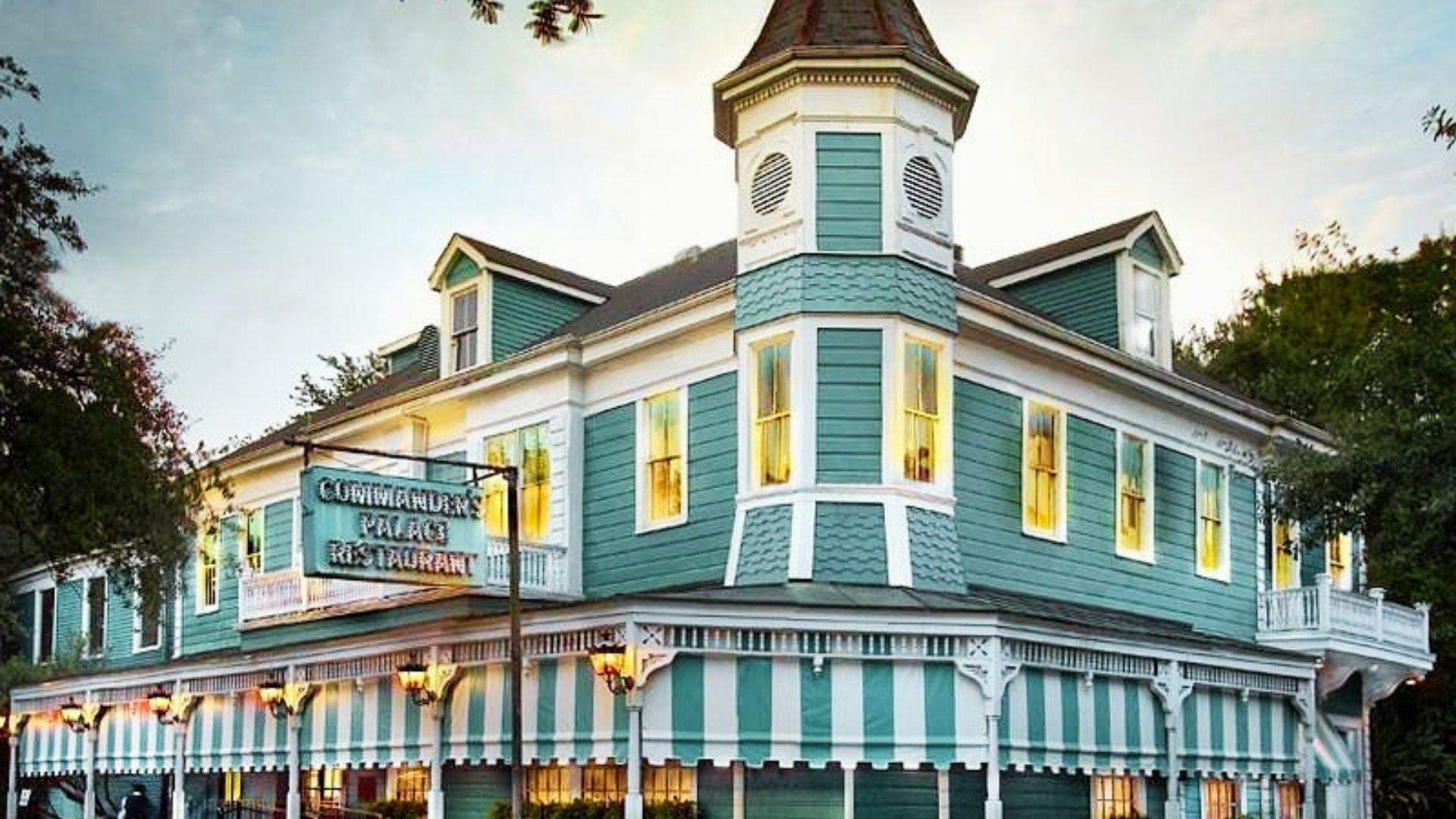
Commander's Palace sits in the Garden District, about a 10-minute drive from the French Quarter. It has a dress code and books up fast, so plan ahead.
Magazine Street runs through several neighborhoods and has a good mix of casual spots and sit-down restaurants. You can find everything from po' boys to fresh seafood along this stretch.
If you want to eat like a local, head to Mid-City or Tremé. These areas are further from the tourist crowds but the food is often better and more affordable. Willie Mae's Scotch House, Dooky Chase, and some of the most respected soul food kitchens in the city are found here.
No matter where you end up, every block seems to have at least one spot that locals swear by.
When Is the Best Time to Try New Orleans Food?
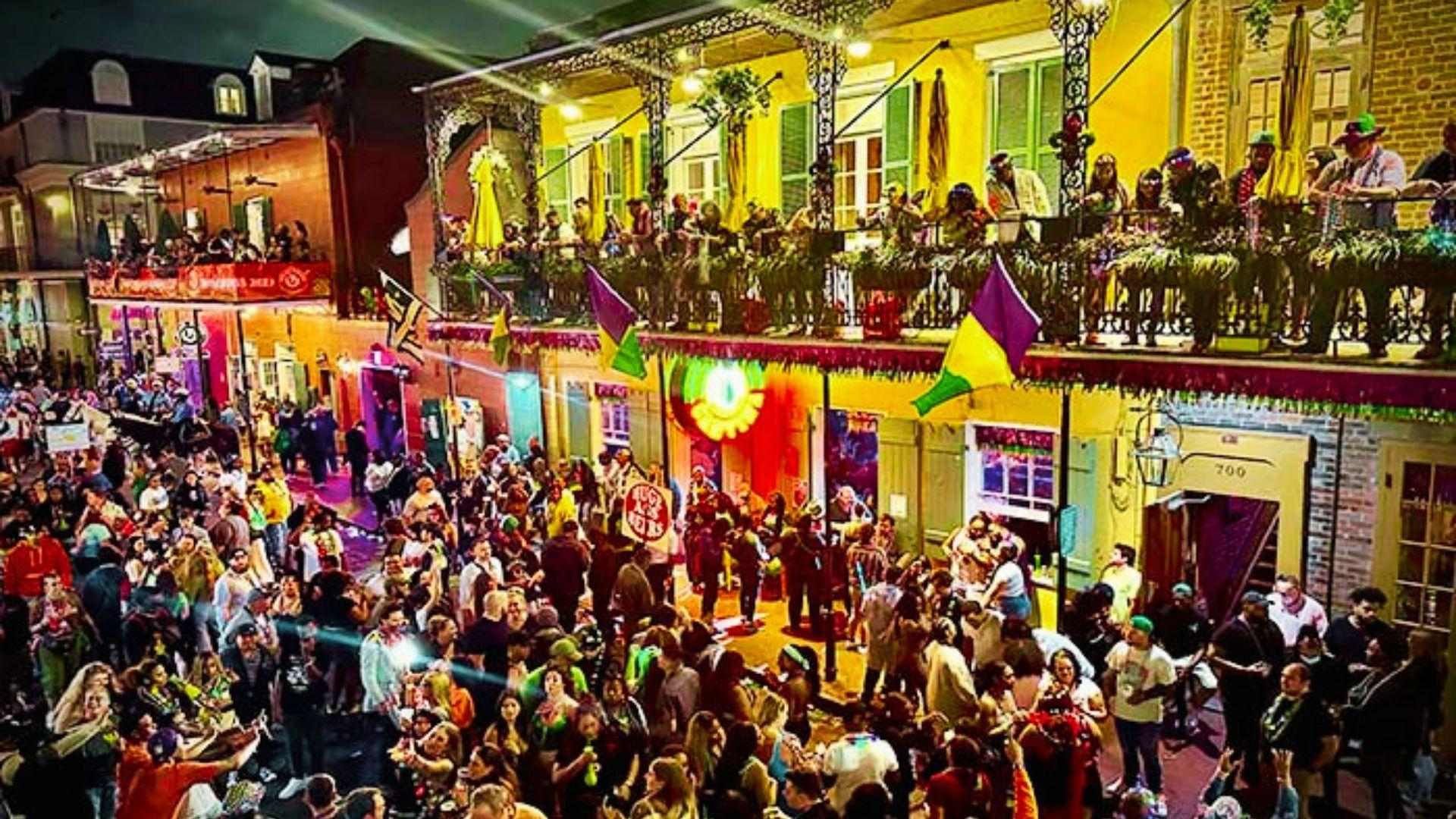
New Orleans food tastes even better when you visit at the right time. The city has specific seasons and events that bring certain dishes and drinks to life.
Crawfish Season
Crawfish are generally best from late January through June, when they tend to be fresh, plentiful, and affordable.
Many restaurants run crawfish specials during this window, and the flavor is noticeably better than what you get outside it.
Mardi Gras Season
Mardi Gras runs from early January through Fat Tuesday, which falls in February or March. This is when king cake is everywhere and street food is at its best.
Restaurants get very busy during this period, so book tables well in advance.
Summer Food and Drinks
Summer in New Orleans is hot and humid. Sno-balls and cold seafood dishes become the go-to during the hottest months.
Look for sno-ball stands in neighborhoods rather than tourist strips for better flavors and lower prices. Many restaurants run summer specials to keep things fresh.
Tips for Trying New Orleans Food
New Orleans food culture runs deep. Here are five simple tips to help you get the most out of eating in this city.
- Start with gumbo, po' boys, and beignets. These three dishes give you a strong first look at what New Orleans cooking is really about.
- Try both Cajun and Creole food. Cajun is bold and spicy while Creole is smoother and often tomato-based. They are different, and both are worth your time.
- Do not skip dessert. Bananas Foster and beignets are a big part of the experience. Always save room at the end of your meal for something sweet.
- Book your table in advance. Popular spots like Commander's Palace, Brennan's, and Dooky Chase fill up fast, especially on weekends and during festival season.
- Eat where the locals eat. Step away from the busiest tourist streets and you will often find better food at lower prices in neighborhoods like Mid-City and Tremé.
Conclusion
New Orleans sits in a category of its own when it comes to food. The dishes here cover a lot of ground, from the deep, smoky richness of gumbo and boudin to the light, syrup-soaked simplicity of a sno-ball on a hot afternoon.
Whether you are visiting for Mardi Gras king cake or crawfish season, the city gives food-focused travelers a strong reason to plan around its calendar.
Every neighborhood has its own spots worth seeking out, and the further you get from the main tourist strips, the more you tend to find.
If you are searching for the best New Orleans food experiences, you now know what to order, where to go, and when to show up. Start with the classics, eat where locals eat, and leave room for dessert.
Frequently Asked Questions
Is New Orleans food very spicy?
It can be, but not always. Many dishes are seasoned heavily without being hot. You can usually ask for a milder version at most restaurants.
Can vegetarians find good food in New Orleans?
Yes. Red beans and rice, beignets, pralines, and many sides are naturally meat-free. The city has also seen more vegetarian-friendly restaurants open in recent years.
How expensive is eating out in New Orleans?
It depends on where you go. Street food and neighborhood spots like Domilise's and Willie Mae's are very affordable. Mid-range restaurants will run you around 20 to 40 dollars a person. A sit-down meal at Brennan's or Commander's Palace can cost significantly more.
Is New Orleans food similar to Southern food?
They share some overlap but are quite different. New Orleans cooking has stronger French, Spanish, and African influences that set it apart from traditional Southern cuisine.