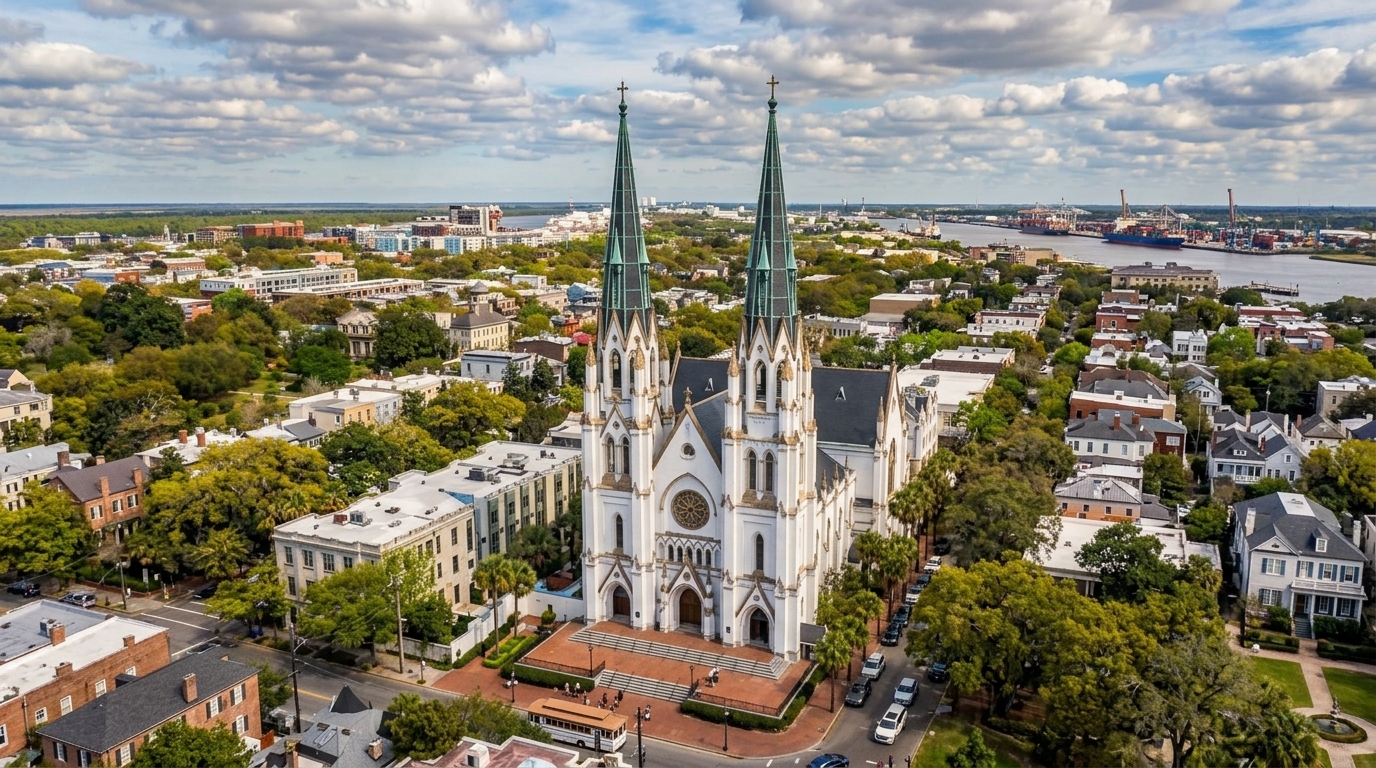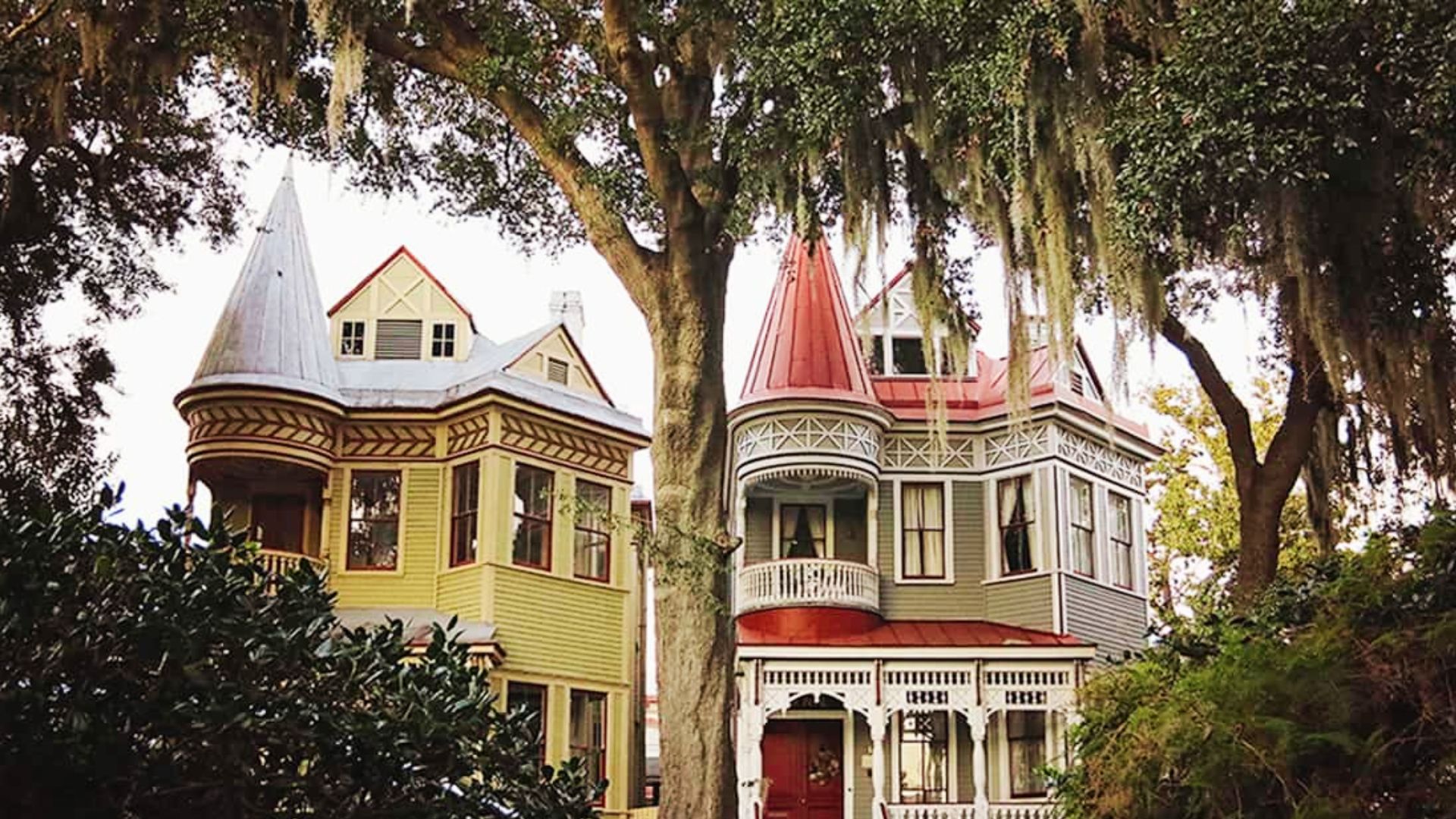
I've walked through a lot of Savannah neighborhoods. But the Victorian District stopped me in my tracks.
The houses here look like something out of an old painting. Tall windows. Bright paint. Porches that wrap around corners.
This part of town grew up after the Civil War. Savannah needed new homes fast, and builders turned to Victorian style. That choice shaped the whole area for good.
In this post, I'll walk you through what makes this district special. I'll cover its boundaries, its architecture, and the history behind it. I'll also tell you why people still visit today.
By the end, you'll know exactly what to look for when you walk these streets yourself.
Victorian District Savannah at a Glance

The Victorian District Savannah is one of the city's most historically rich neighborhoods.
Often called Savannah's first suburb, it developed just outside the original city plan after the Civil War.
The district is listed on the National Register of Historic Places, a recognition that reflects its well-preserved 19th-century character.
Its rows of Victorian-style homes, tree-lined streets, and tight-knit residential feel set it apart from Savannah's more tourist-heavy areas.
It earned its historic district status because of its architectural integrity and the story it tells about how Savannah grew beyond its colonial-era squares.
History of the Victorian District Savannah
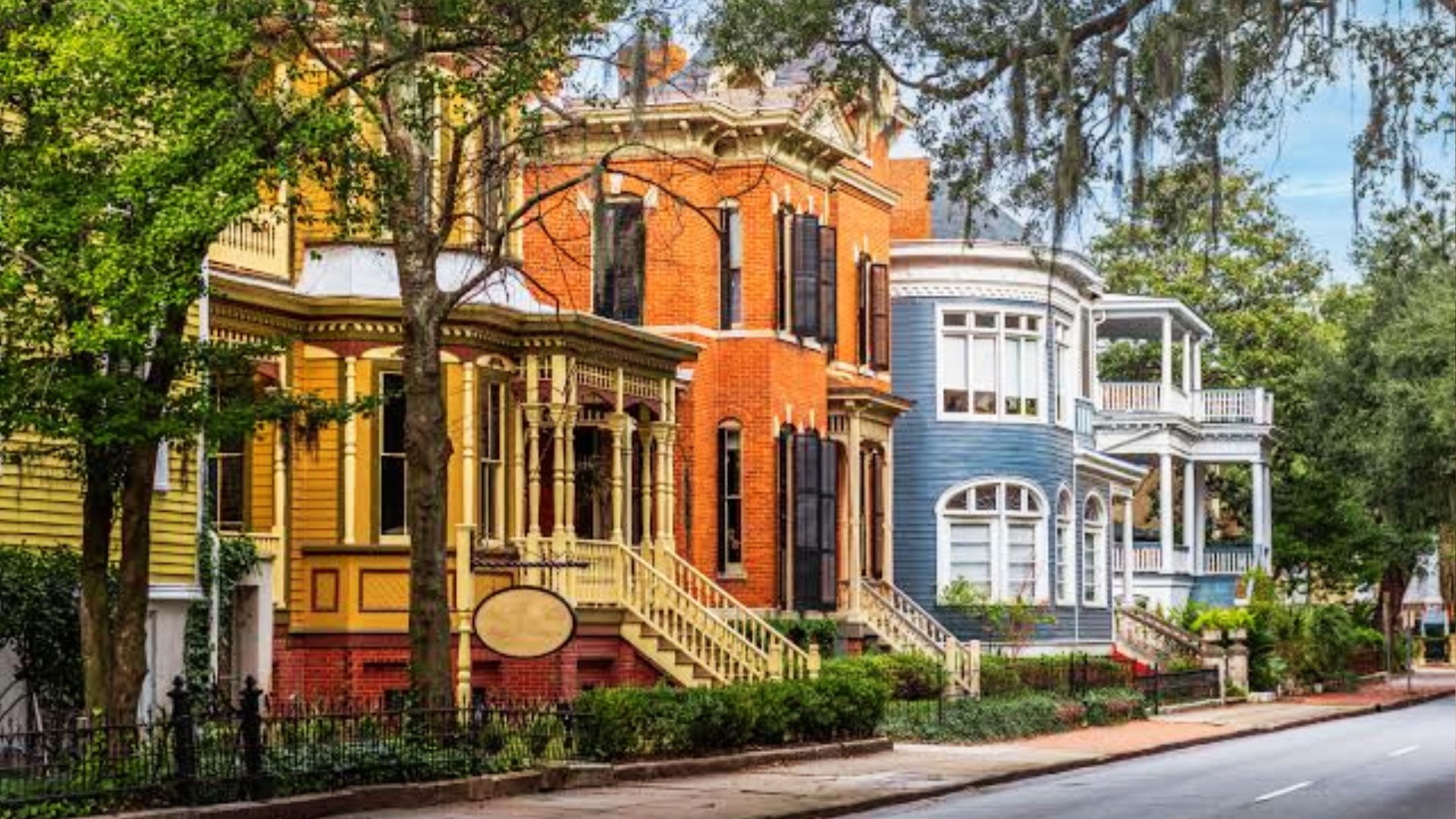
From post-war growth to preservation, here's how this neighborhood came to be.
Post-Civil War Development
After the Civil War, Savannah needed room to grow. The Victorian District was established to house a rising population that could no longer fit within the original city grid.
The introduction of the streetcar system in 1869 was a turning point. It made this area accessible and affordable.
Between 1870 and 1910, the neighborhood saw rapid residential growth, with working- and middle-class families building homes that reflected the Victorian style popular at the time.
Decline and Preservation
As cars became common, the Victorian District lost some of its appeal. Residents moved outward, and parts of the neighborhood fell into neglect.
But the story didn't end there. Historic preservation efforts stepped in, led in large part by the Historic Savannah Foundation.
Their work helped stabilize and restore the district, protecting its architectural character from further loss. Today, that effort is visible in every block of well-kept Victorian homes that still line the streets.
Victorian District Savannah Boundaries
Knowing where the district begins and ends helps you plan your visit better.
- The Victorian District sits south of Gaston Street and north of Anderson Street
- It runs from Martin Luther King Jr. Boulevard on the west to East Broad Street on the east
- Forsyth Park sits just to the north and serves as a well-known nearby landmark
- The street layout follows a grid pattern, which differs from the square-based design of Savannah's original planned wards
- These boundaries make it easy to walk through the district and get a clear sense of its size and scope
Why the Victorian District Savannah Is Significant

The Victorian District Savannah played a key role in how the city expanded beyond its original design.
As Savannah grew after the Civil War, this neighborhood became the first real residential area built outside the colonial grid. That makes it important in terms of urban development.
Architecturally, it holds one of the largest collections of Victorian-style homes in the Southeast.
Culturally, it reflects the lives of working- and middle-class families who shaped Savannah's identity.
Its historic district recognition is not just a title. It is proof that this neighborhood survived, adapted, and continues to matter.
Neighborhood Overview of the Victorian District Savannah

The Victorian District is one of Savannah's most residential and well-preserved historic neighborhoods.
The homes here are classic Victorian style, with decorative woodwork, front porches, pitched roofs, and ornate detailing repeated block after block.
Unlike the rest of Savannah, the district uses a straightforward grid layout, which gives it a different rhythm. It feels like a real neighborhood, not a tourist showcase.
Homes have been carefully restored over the decades, and the community has a calm, grounded atmosphere. Residents take preservation seriously, and that shows.
For visitors, it offers a quieter, more personal side of Savannah that goes beyond the usual stops.
Conclusion
The Victorian District Savannah is one of those places that stays with you. I still think about the quiet streets and the front porches that look like they have stories to tell.
If you're planning a visit to Savannah, make time for this neighborhood. It's not the loudest part of the city. But it might be the most honest.
Have you visited the Victorian District before? Drop a comment below and tell me what you thought.
And if this post helped, share it with someone planning a Savannah trip.
Frequently Asked Questions
What is the Victorian District Savannah known for?
It is known for its well-preserved Victorian-style homes and its place on the National Register of Historic Places.
Where exactly is the Victorian District located in Savannah?
It sits south of Gaston Street, bordered by MLK Jr. Boulevard to the west and East Broad Street to the east.
Is the Victorian District a good area to visit in Savannah?
Yes, it offers a quiet, residential side of Savannah with a strong historic character and walkable streets.
How old are the homes in the Victorian District Savannah?
Most homes were built between 1870 and 1910, during the neighborhood's main period of residential growth.
What is the Historic Savannah Foundation's role in the Victorian District?
The Foundation played a major role in preservation efforts that helped restore and protect the district's historic homes.