Planning a trip to Wilmington, NC, but not sure where to start? You're not alone. Many visitors feel overwhelmed trying to figure out which spots are worth their time and which ones to skip.
This guide covers the best things to do in Wilmington NC, from historic landmarks and beaches to local dining and art museums.
You'll get practical tips, honest advice, and enough detail to plan a trip that actually works for you.
Having researched coastal Carolina destinations extensively, this list focuses on what real travelers enjoy most.
By the end, you'll know exactly where to go, what to skip, and how to make the most of every day you spend in this coastal city.
What Makes Wilmington NC Worth Visiting
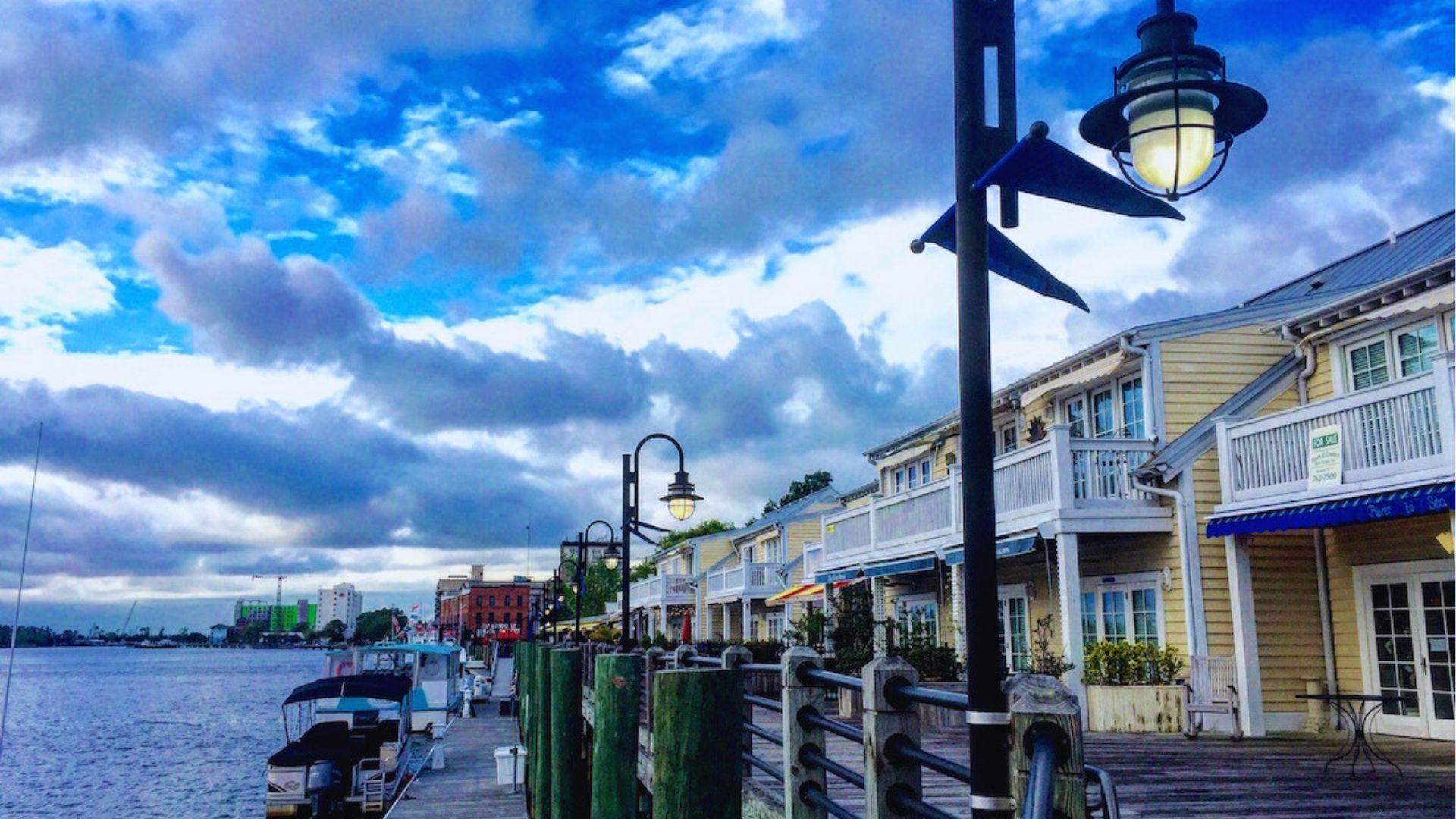
Wilmington, NC delivers history, beaches, and coastal culture all in one place.
Sitting where the Cape Fear River meets the Atlantic coast, it offers a mix that few Southern cities can match.
You can walk a riverfront boardwalk in the morning, tour a World War II battleship in the afternoon, and eat fresh seafood at sunset.
The city has a well-preserved historic district listed on the National Register of Historic Places, several state parks, and easy access to barrier island beaches.
A growing food and craft beer scene adds another reason to stick around longer.
Film fans will recognize it as the home of EUE/Screen Gems Studios, one of the largest production facilities outside Hollywood.
Families, couples, solo travelers, and history buffs all find something worth their time here, with enough variety to fill several days without repeating yourself.
15 Best Things to Do in Wilmington NC
Wilmington has no shortage of great spots, and these 15 picks cover the best the city has to offer across history, nature, beaches, and local culture.
1. Walk Along the Wilmington Riverwalk
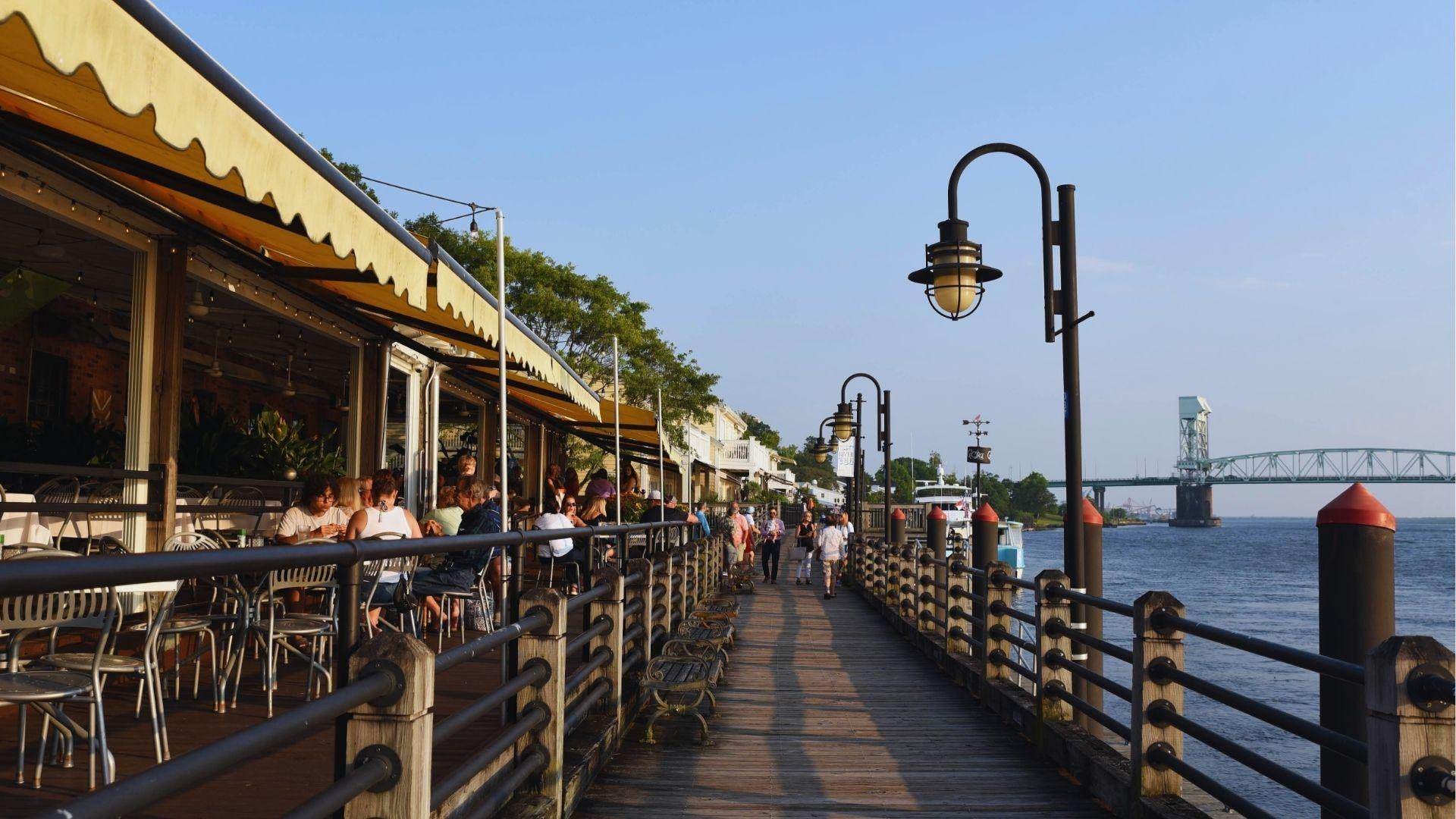
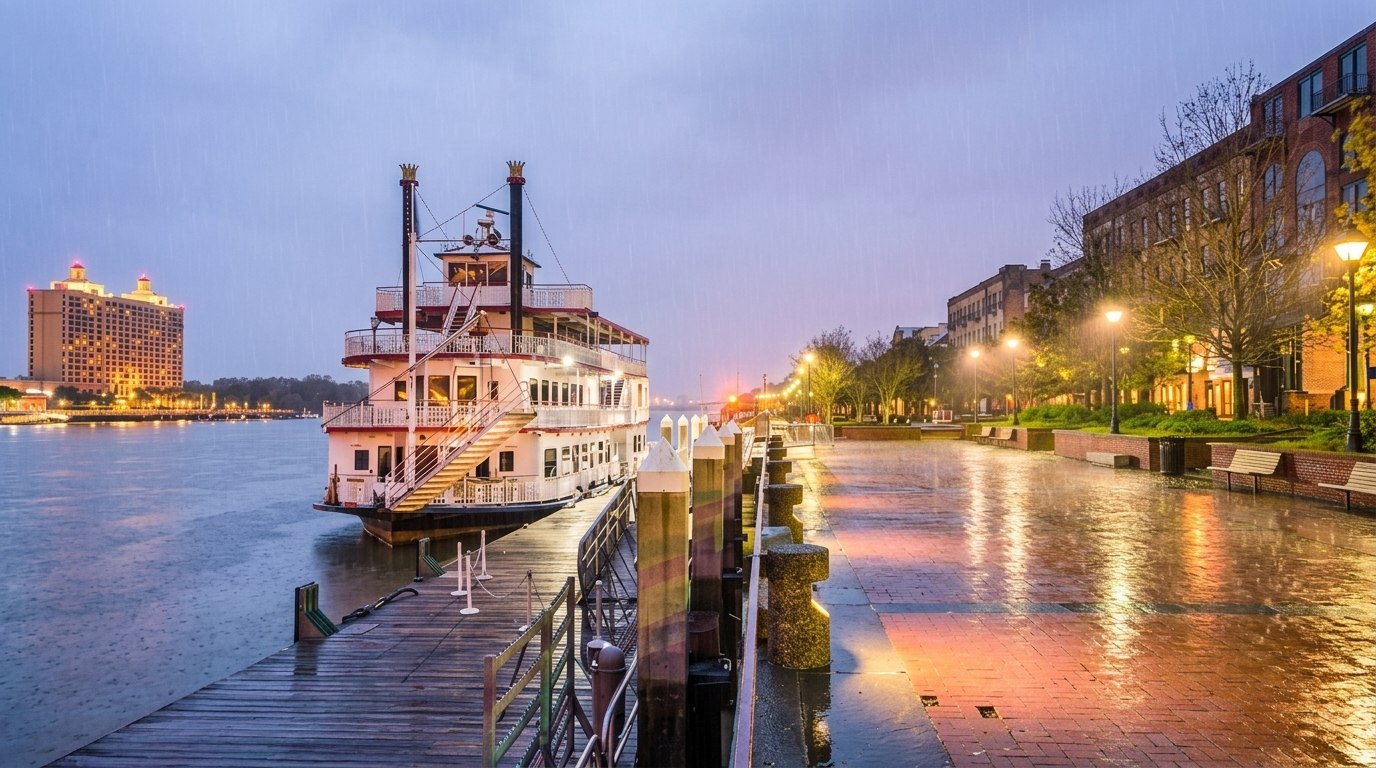
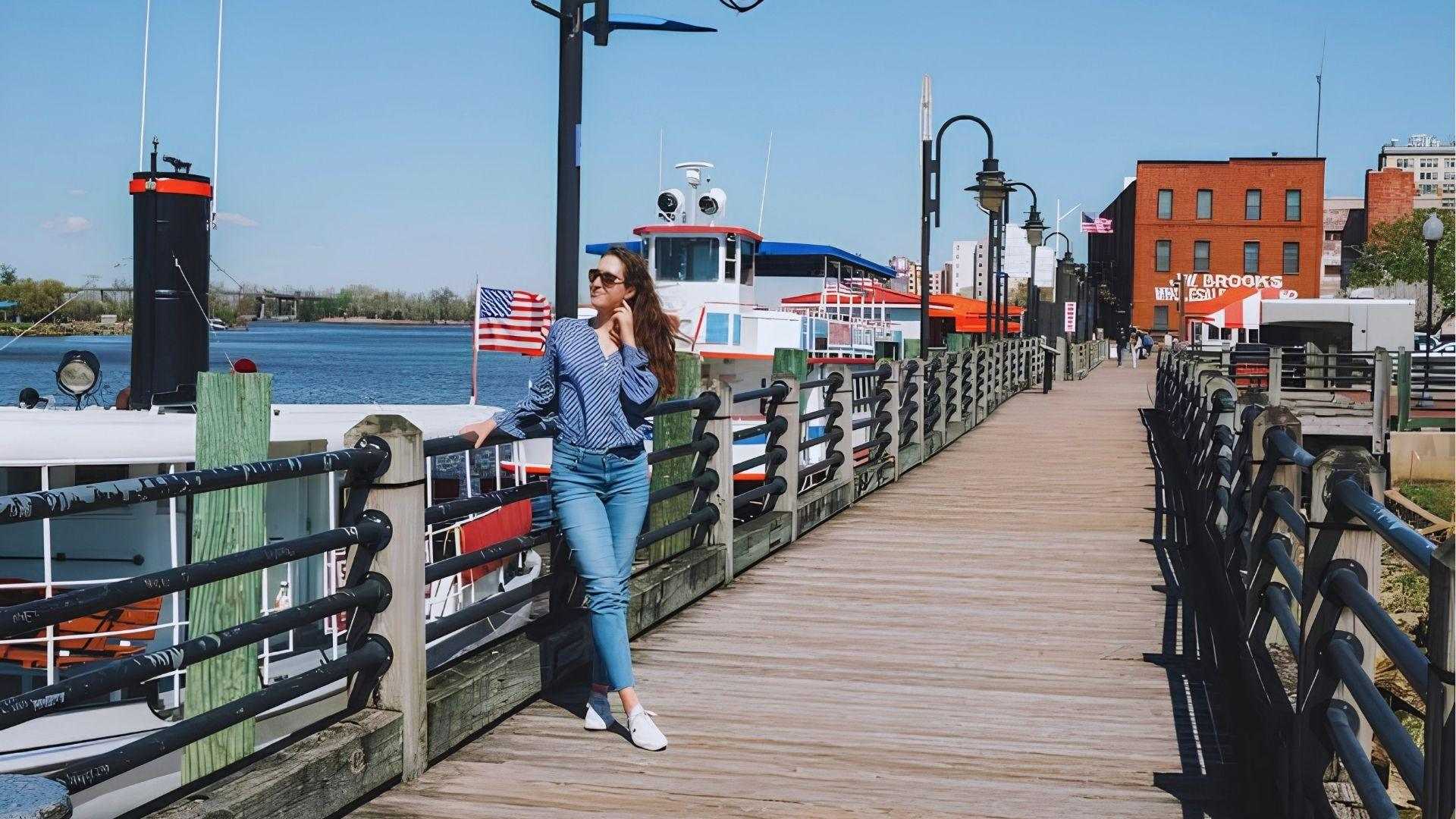
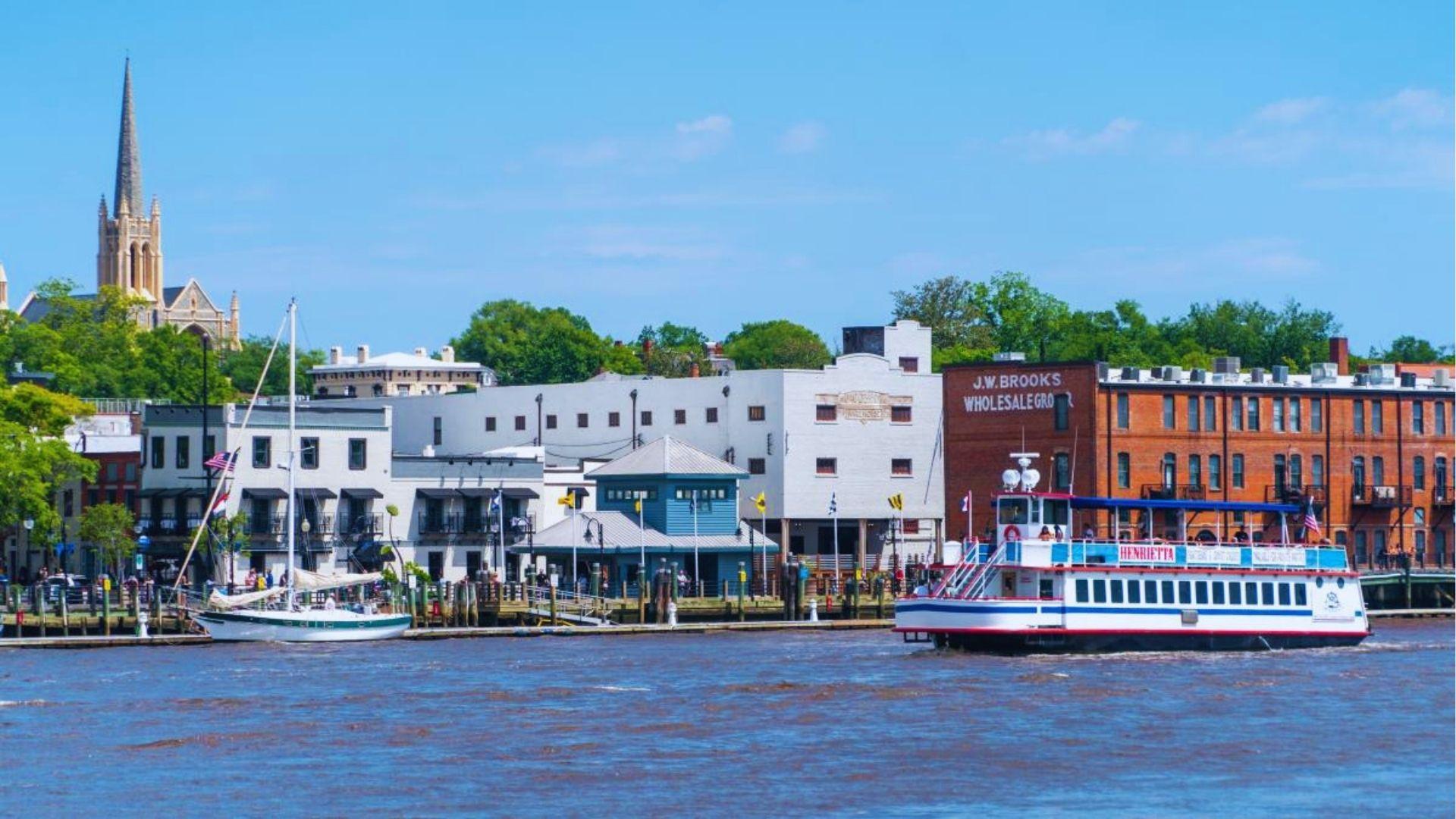
The Wilmington Riverwalk stretches about 1.75 miles along the Cape Fear River through the heart of downtown. It's flat, well-maintained, and open to walkers, joggers, and cyclists.
Along the way, you'll find restaurants, benches, public art, and scenic views of the river and the Battleship North Carolina across the water.
The riverwalk connects many of the city's top dining and shopping spots, making it a natural starting point for any visit.
Go in the early morning to beat the crowds. Evenings are great too, especially on weekends when street performers and food vendors often set up near the main drag.
A water taxi also runs from the riverwalk to the Battleship North Carolina, which saves the drive and gives you a quick look at the city from the water. Parking is available in several nearby lots and garages.
2. Visit Historic Downtown Wilmington
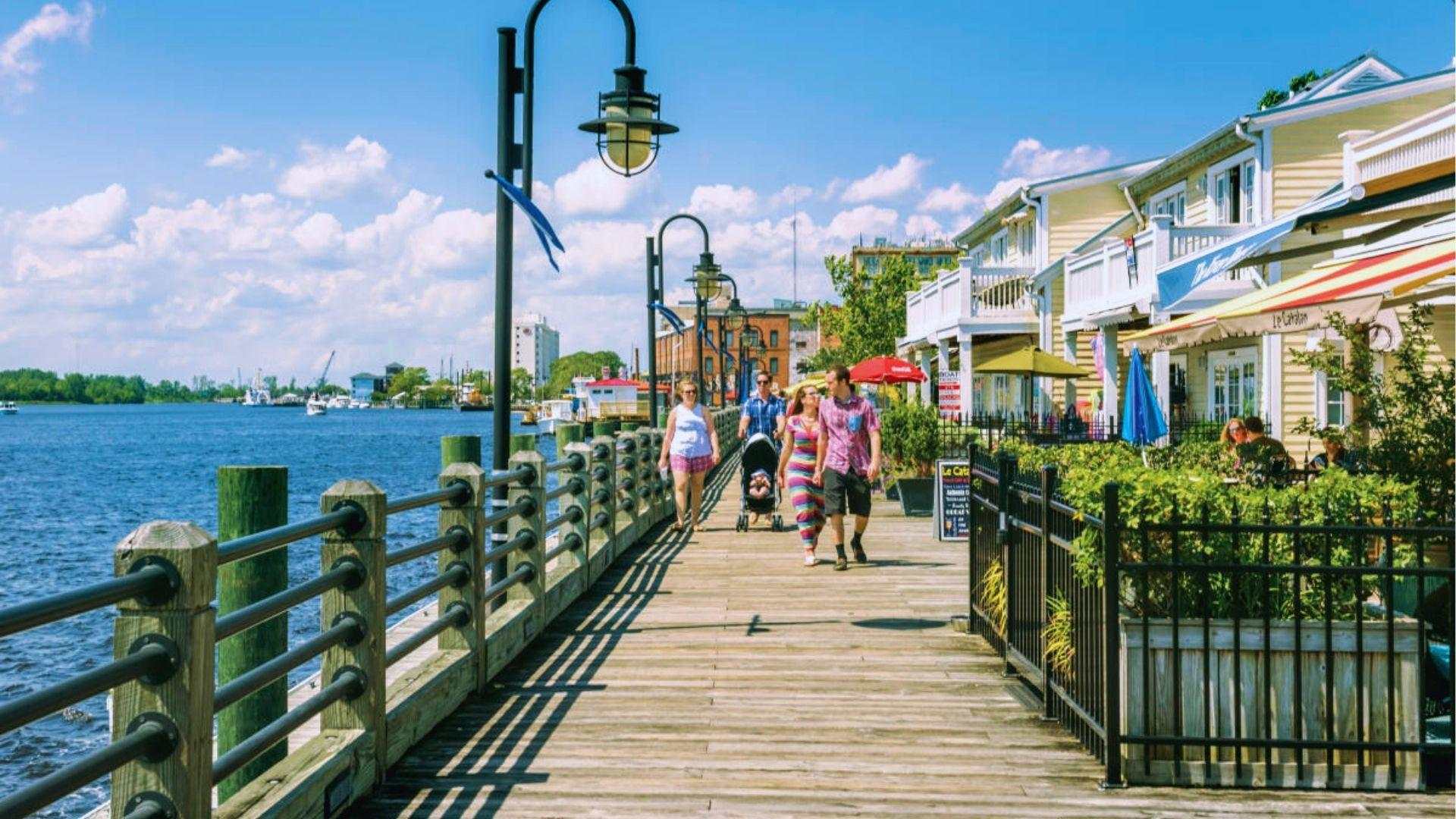
Downtown Wilmington is one of the best-preserved historic districts in North Carolina. Spanning more than 230 blocks, it is listed on the National Register of Historic Places.
Blocks of 19th-century architecture line the streets, filled with local shops, restaurants, bars, and galleries.
Start at the Cotton Exchange, a restored 1800s cotton warehouse turned shopping and dining complex. From there, walk along Front Street and Water Street, where you'll find a mix of old homes, boutique stores, and restaurants.
The area is very walkable. Most major attractions in the downtown core are within a 10 to 15-minute walk of each other.
If you enjoy architecture, keep an eye out for the Italianate and Greek Revival buildings that appear throughout the district.
Companies like Wilmington Trolley Company and Haunted Wilmington also run guided tours if you'd rather let someone else lead the way.
3. Tour the Bellamy Mansion Museum

The Bellamy Mansion is one of the most impressive antebellum homes in the American South. Built between 1859 and 1861, this 22-room estate gives visitors a look into life before and after the Civil War.
Guided tours are available and go into detail about the history of the house, the Bellamy family, and the enslaved people who built and maintained the property.
The museum doesn't shy away from difficult history, which makes it more educational than most historic home tours.
The mansion is open Tuesday through Sunday. Admission is affordable, and the tours last about an hour. It's worth booking in advance during peak season.
4. Stroll Through Airlie Gardens
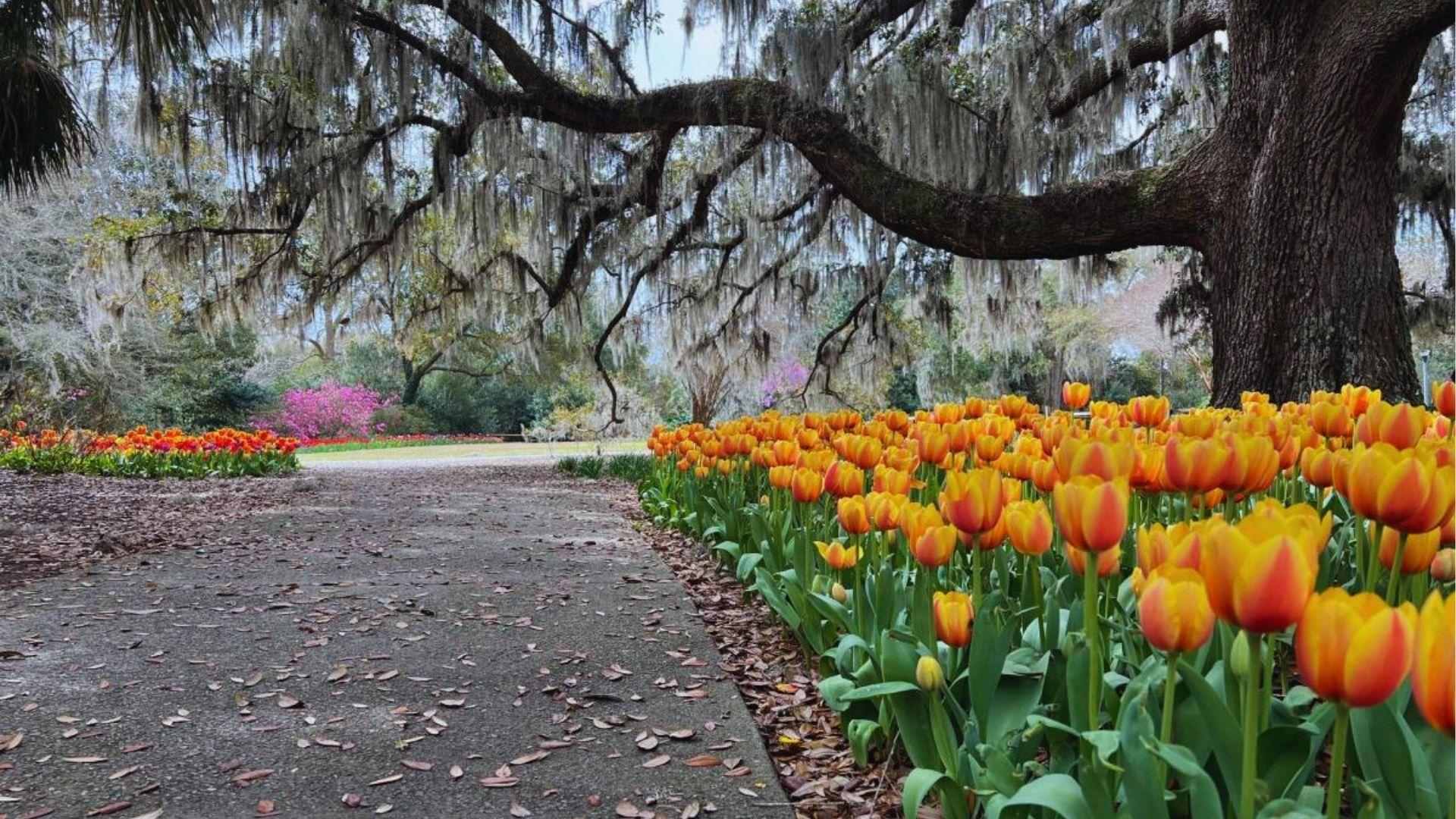
Airlie Gardens is a 67-acre coastal garden with centuries-old live oak trees, freshwater lakes, and seasonal floral displays. It's one of the most photographed spots in the Wilmington area.
The most famous feature is the Airlie Oak, believed to be over 500 years old. The garden also has sculptures, a butterfly house (open seasonally), and a memorial garden.
Paths wind through the property at an easy pace, making it accessible for most visitors. Spring is the most colorful time to visit, when azaleas bloom across the grounds.
If you time your trip for April, the North Carolina Azalea Festival brings concerts, a parade, and events throughout the city alongside those blooms.
Admission fees apply, and the garden hosts seasonal events throughout the year.
5. Visit Battleship North Carolina
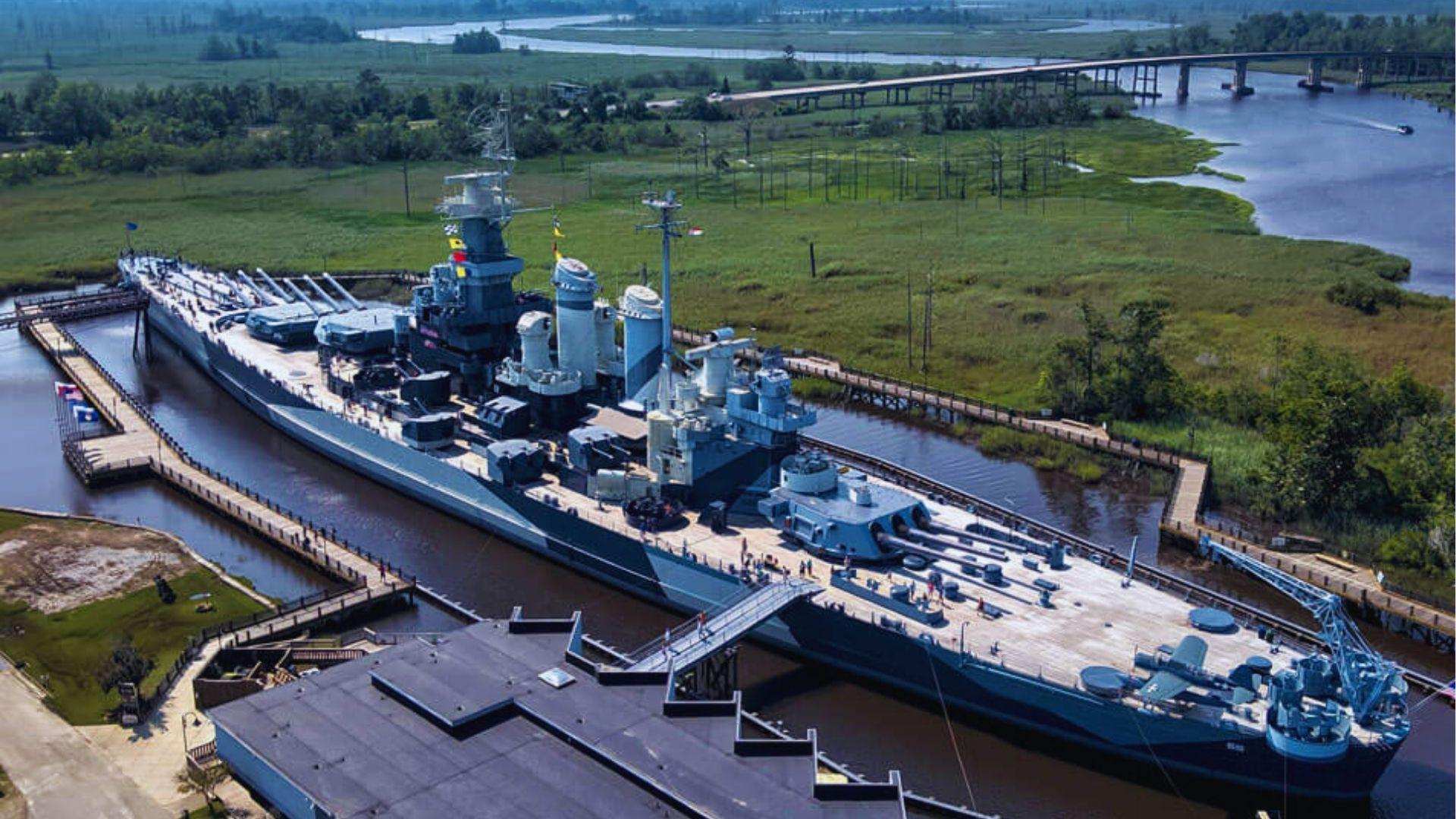
The USS North Carolina is a decommissioned World War II battleship moored across the Cape Fear River from downtown Wilmington.
It earned 15 battle stars during Pacific operations and is now a state historic site and museum.
You can explore nine decks of the ship, including the engine room, gun turrets, crew quarters, and the bridge. Audio guides and exhibits explain the ship's history and the role it played in major Pacific battles.
Allow at least two hours to see the ship properly. Wear comfortable shoes since there are steep ladders and tight spaces throughout. The site is open daily and offers waterfront views that are hard to beat.
6. Spend the Day at Wrightsville Beach
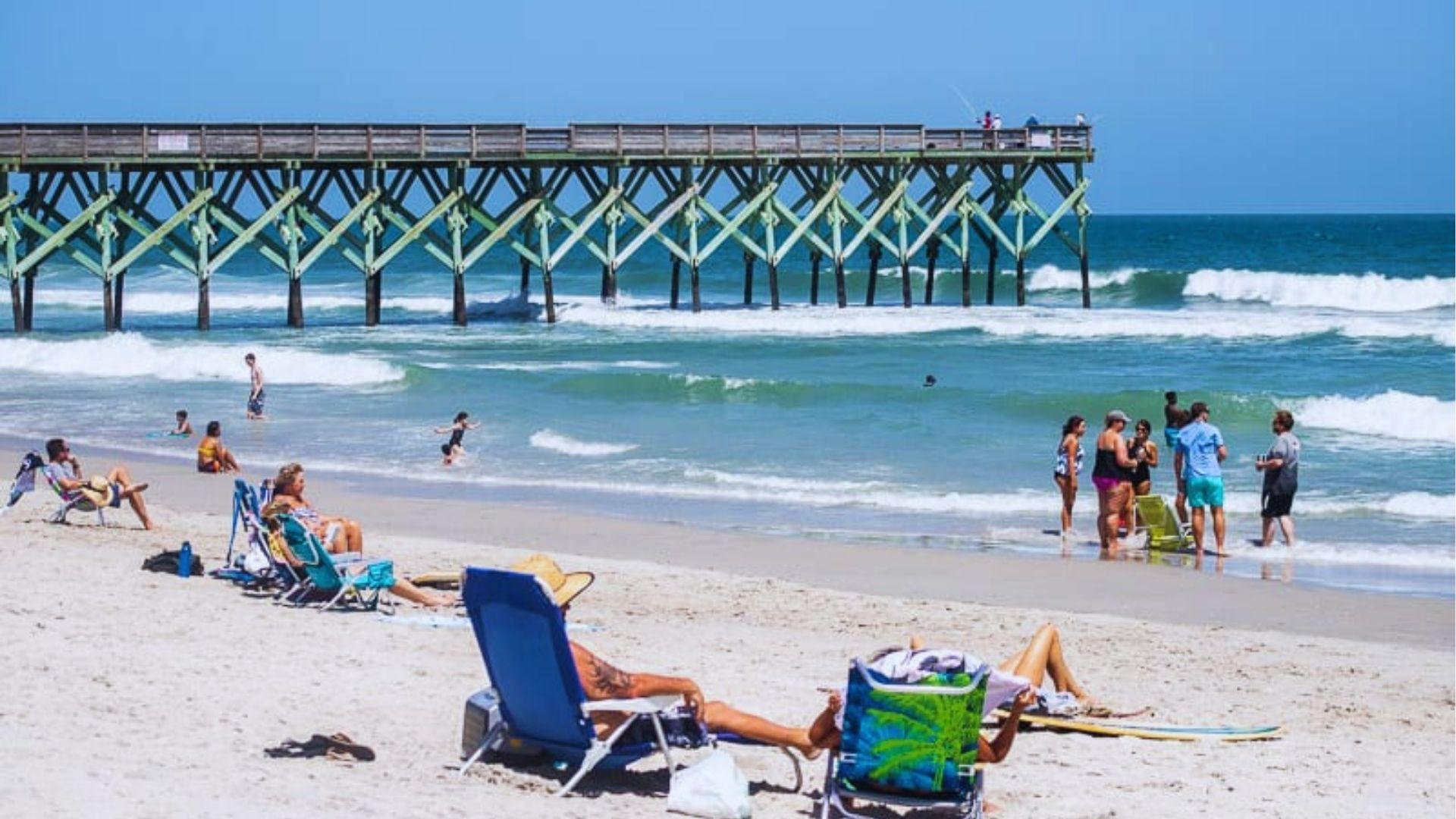
Wrightsville Beach is about 10 miles east of downtown Wilmington and is one of the most popular beaches on the North Carolina coast.
The beach is clean, the water is relatively calm, and the town has a laid-back, local feel.
It's a great spot for swimming, paddleboarding, kayaking, and surfing. The Intracoastal Waterway runs behind the island and is especially good for flat-water paddling if the ocean feels too rough.
Several outfitters near the beach rent equipment by the hour or the day. If you'd rather relax, there's plenty of space to set up a chair and umbrella.
The town of Wrightsville Beach has restaurants and shops within walking distance of the public beach access points. Parking can be tricky in summer, so arriving early or using a rideshare is a smart move.
7. Relax at Carolina Beach
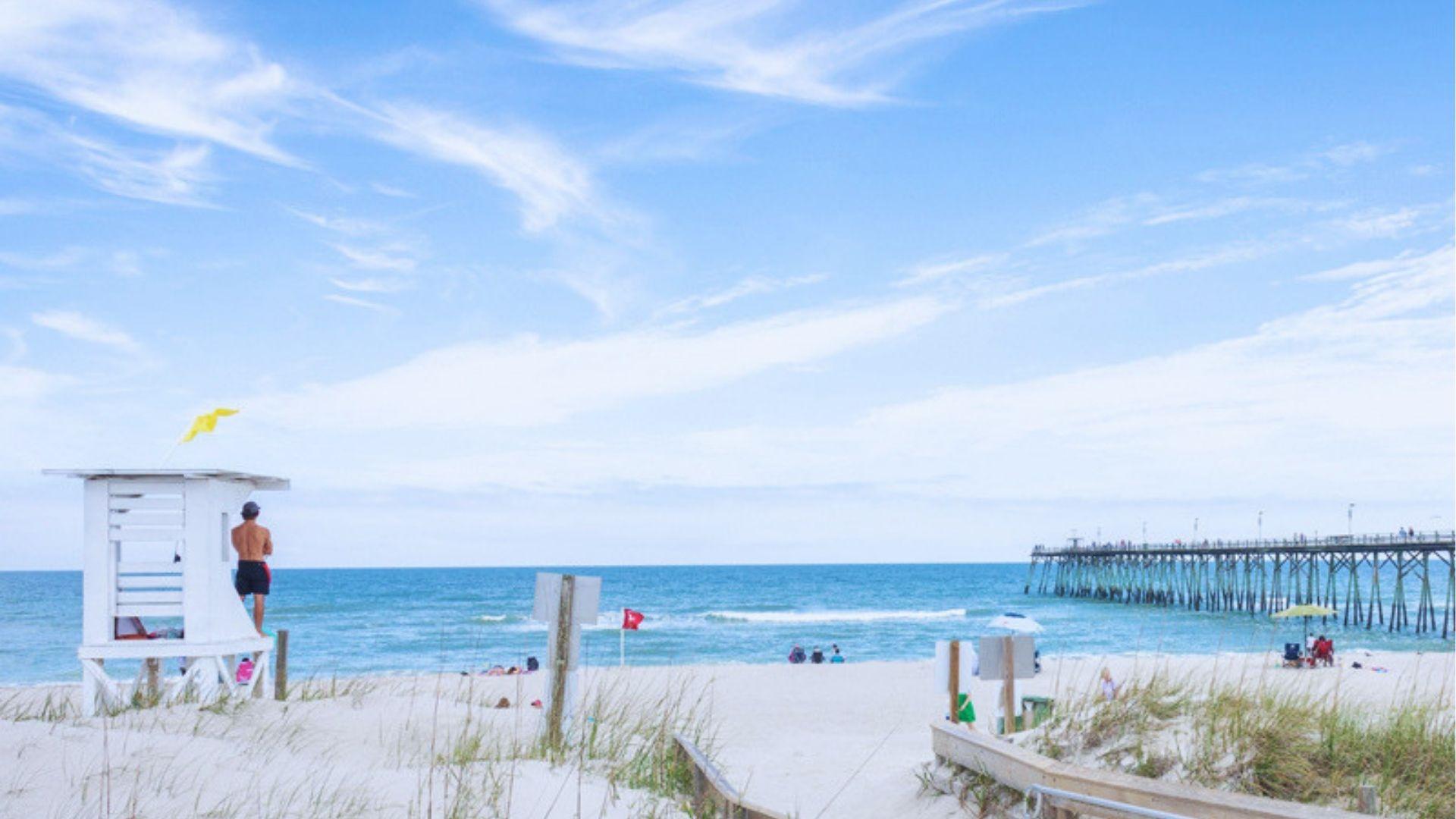
Carolina Beach sits on Pleasure Island, about 20 miles south of Wilmington. It has a more classic, boardwalk-style beach town feel compared to Wrightsville.
You'll find arcade games, ice cream shops, small restaurants, and a lively summer atmosphere along the boardwalk.
The beach itself is wide and well-maintained. It's a good option for families because of the range of activities nearby.
Carolina Beach State Park, just a short drive away, has hiking trails, camping, and the rare Venus flytrap growing wild in its natural habitat.
8. Visit Fort Fisher State Historic Site
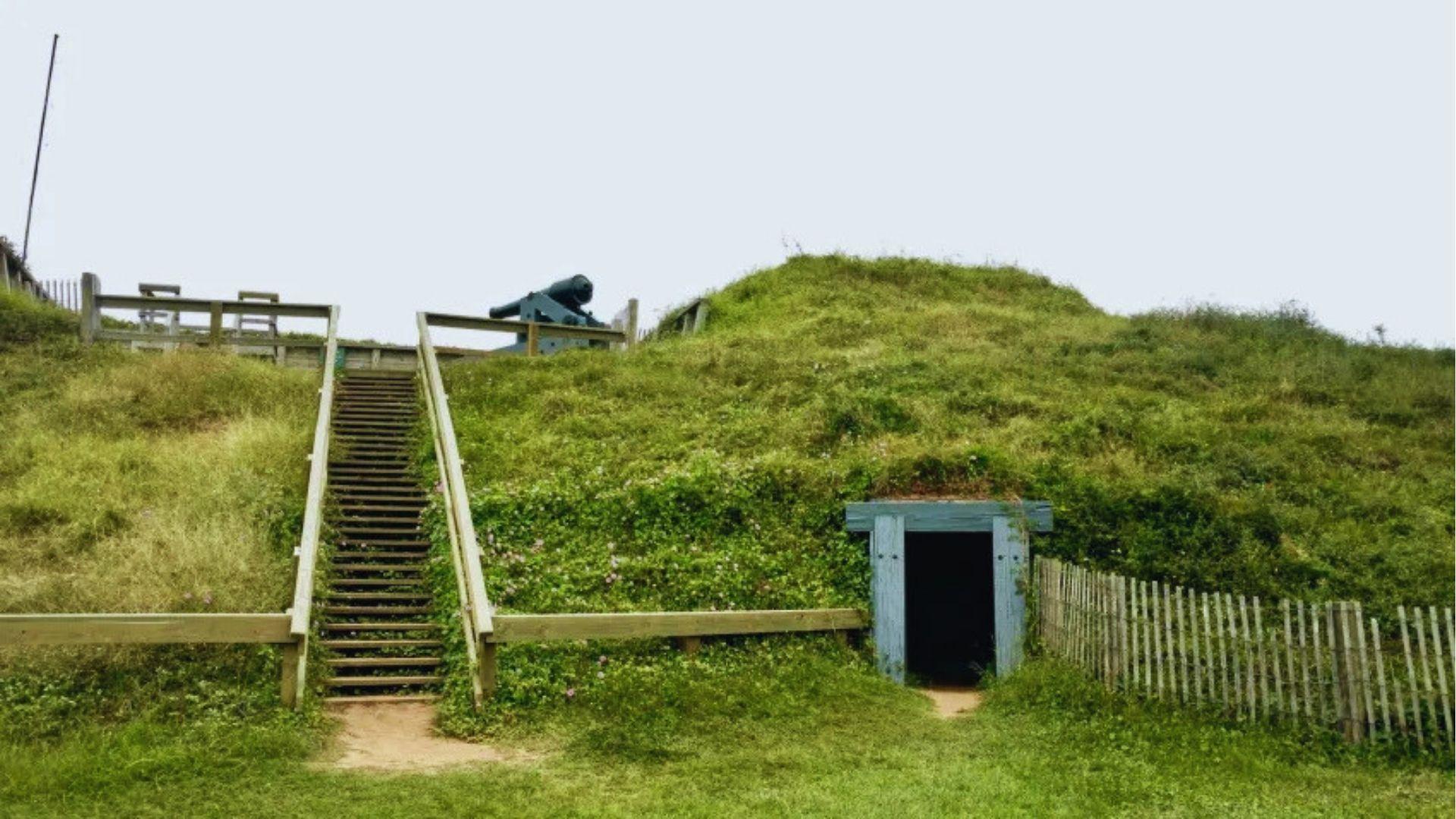
Fort Fisher is a Civil War earthwork fortification at the southern tip of Pleasure Island. It was one of the last Confederate strongholds to fall in the war, and the site has an excellent museum explaining its significance.
Outdoor walking trails let you see the remaining earthworks up close. The museum inside has artifacts, exhibits, and a detailed timeline of the battle.
There's no admission fee for the museum, which makes it a great value stop.
After visiting the fort, many travelers take the nearby Fort Fisher-Southport Ferry, a scenic 30-minute ride across the Cape Fear River. It's a relaxing break and offers good views of the coastline.
9. Visit the North Carolina Aquarium

The North Carolina Aquarium at Fort Fisher is one of three state aquariums in North Carolina and one of the best.
It features exhibits on the state's coastal ecosystems, including sharks, sea turtles, river otters, and a massive freshwater tank.
The aquarium is well-designed with enough interactive displays to keep kids engaged and enough scientific depth to interest adults.
The shark tank is the centerpiece, with multiple species swimming in a large open exhibit.
Plan for about two to three hours. The aquarium is located near Fort Fisher, so it's easy to combine both stops in one trip south of Wilmington.
10. Enjoy Greenfield Lake Park
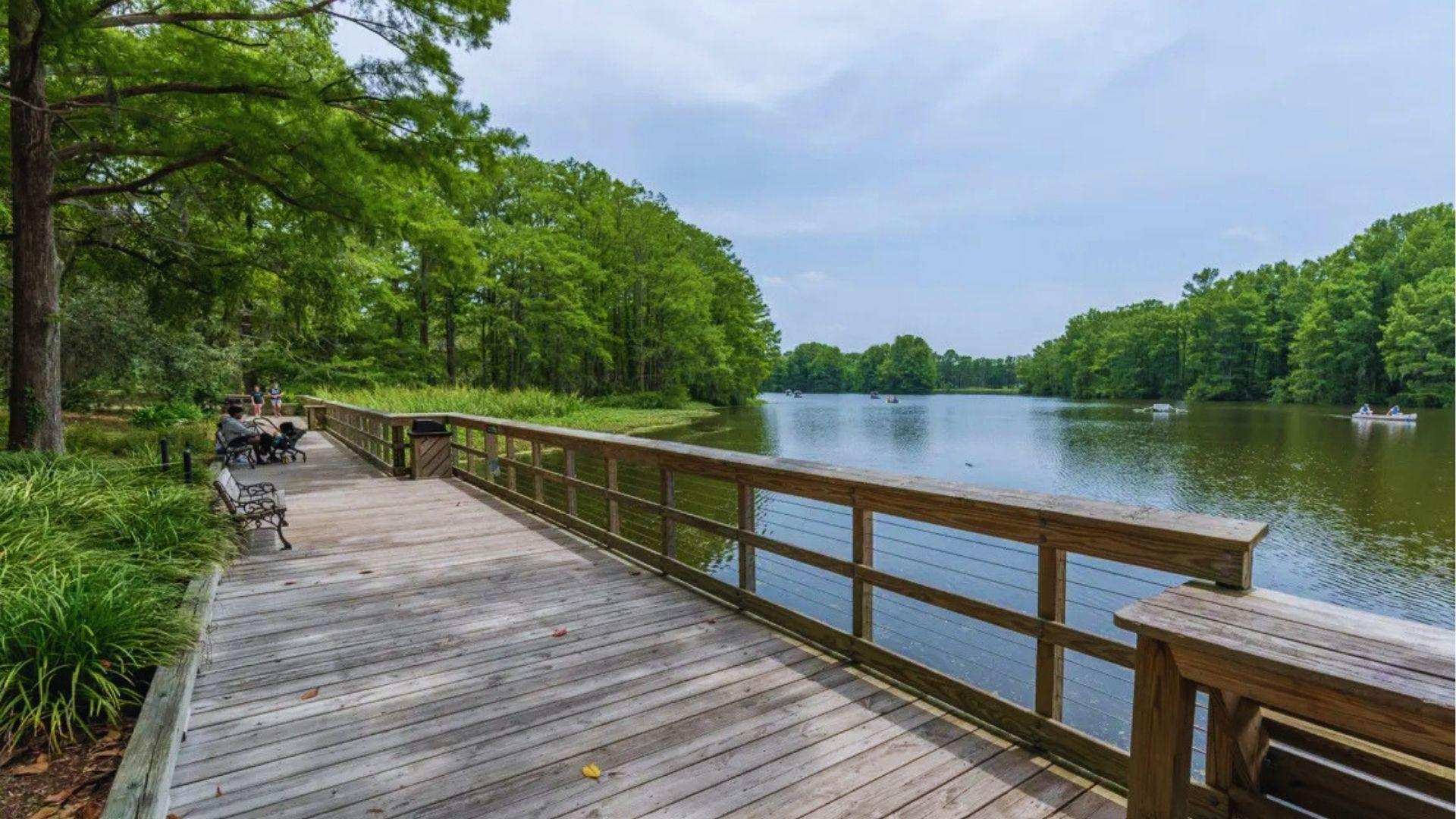
Greenfield Lake is a 150-acre urban park in Wilmington that often gets overlooked by tourists. The lake is bordered by cypress trees draped in Spanish moss, giving it a very distinct look.
You can rent paddleboats and kayaks on the lake, walk or bike the 5-mile trail that circles it, or just sit and enjoy the scenery.
The park has picnic areas, a small amphitheater, and a rose garden. In spring, the azaleas around the lake are impressive.
It's a quieter alternative to the more tourist-heavy spots, and locals tend to love it for that reason. Admission is free, and parking is available near the lake.
11. Visit Cameron Art Museum

The Cameron Art Museum is Wilmington's main fine arts institution. It focuses on North Carolina and American art, with a permanent collection that includes works by Mary Cassatt, along with rotating temporary exhibitions.
The museum also has an outdoor sculpture garden, a cafe, and regular events including films, lectures, and art classes.
It's a good option on a rainy day or for travelers who want something beyond the beach and history sites.
Admission is reasonably priced. The building itself is well-designed and easy to spend a couple of hours in without feeling rushed.
12. Visit Kure Beach
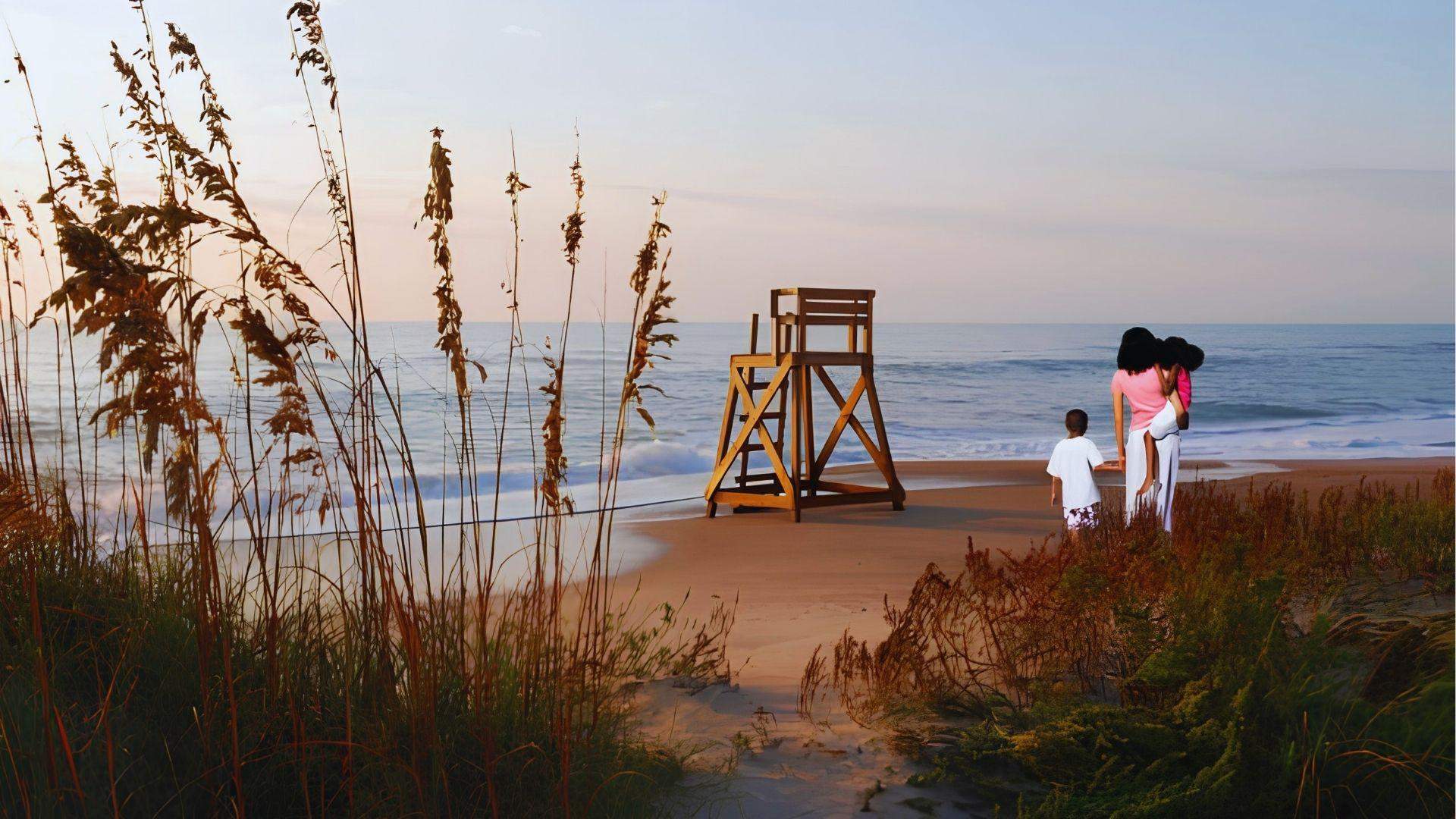
Kure Beach is a small, quiet beach town just south of Carolina Beach and north of Fort Fisher. It's less commercialized than nearby beaches, which makes it a good choice if you want a slower pace.
The Kure Beach Pier is a classic spot for fishing or just watching the ocean. The town has a few local restaurants and a relaxed neighborhood feel. Because it's less visited than Wrightsville Beach, parking and crowds are generally less of an issue.
It pairs well with a visit to Fort Fisher and the aquarium since all three are within a few miles of each other on Pleasure Island.
13. Visit Wilmington's Famous Film Locations

Wilmington has been called "Hollywood East" for good reason. EUE/Screen Gems Studios is one of the largest production facilities in the country outside of Los Angeles, and dozens of major films and TV shows have been shot in the area.
Tours of the studio are occasionally available, but much of the fun is in spotting locations from popular shows like "One Tree Hill" and "Dawson's Creek," or films shot in the region.
Several tour companies offer guided film location tours around the city.
Even without a tour, you can walk through downtown and recognize locations from productions filmed here over the past few decades.
14. Try Local Seafood and Waterfront Dining

Wilmington's food scene is built around fresh seafood, and the waterfront dining options are some of the best in the state.
Spots along the Cape Fear River and near the beaches serve shrimp, oysters, flounder, and crab caught locally.
For a classic waterfront meal, try restaurants along Water Street downtown or near Wrightsville Beach. Many places offer outdoor seating with river or ocean views.
If you want a more casual bite, seafood shacks near Carolina Beach and Kure Beach serve fried seafood baskets that are hard to beat.
The craft beer scene in Wilmington is also worth exploring. Front Street Brewery, open since 1995, is Wilmington's oldest operating brewery and a reliable stop in the heart of downtown.
Several other local breweries are clustered in the downtown area and in the Brooklyn Arts District nearby.
15. Enjoy Wilmington's Local Shopping Scene

Wilmington has a good mix of local boutiques, antique shops, and specialty stores. The Cotton Exchange in downtown is a good starting point, with several small shops in a historic building.
Antique hunters should check out the stores along Castle Street, which has become a hub for vintage furniture, art, and collectibles.
For outdoor gear, there are shops near Wrightsville Beach catering to surfers and water sports enthusiasts.
The local shopping scene here feels different from a typical mall experience. Most stores are independently owned, which means you're more likely to find something you can't get anywhere else.
Know When and How to Visit Wilmington
Spring and fall are the best seasons to visit Wilmington, with mild weather, smaller crowds, and full access to attractions.
March through May and September through November offer the most comfortable conditions for sightseeing and beach visits.
Summer brings heat, humidity, and heavy crowds at the beaches, so if you go in July or August, plan outdoor activities early in the morning and save indoor spots for the afternoon.
Winter is quieter, prices drop, and the city takes on a more local feel, though hurricane season runs June through November with the highest risk in August and September.
Getting around is easiest with a car since attractions are spread out, though rideshare apps work well for beach days when parking gets tight.
The Wave Transit bus system covers some areas but misses several tourist spots.
For where to stay, downtown puts you closest to the riverwalk and historic district, Wrightsville Beach works best if beach access is your priority, and budget-friendly options can be found near the UNC Wilmington campus area.
Tips for a Better Wilmington NC Trip
A few simple planning moves can save you time, money, and frustration before and during your Wilmington trip.
- Spread your visit across two to three days so you are not cramming beaches, historic sites, and downtown attractions into one rushed trip.
- Avoid planning your visit during the July 4th week unless heavy crowds, packed beaches, and higher prices at most places don't bother you.
- Buy tickets for popular spots like Battleship North Carolina and Airlie Gardens online in advance to save time and occasionally get a small discount.
- Group nearby attractions like Fort Fisher, the North Carolina Aquarium, and Kure Beach into a single day since all three sit close together on Pleasure Island.
- Consider adding the Cape Fear Museum of History and Science to a downtown half-day. It covers regional history, natural history, and hands-on science exhibits and works well for both kids and adults.
- Take full advantage of free spots like the riverwalk, Greenfield Lake, and the Fort Fisher museum to keep your overall trip costs reasonable without missing anything worthwhile. The Stanley Rehder Carnivorous Plant Garden near Piney Ridge is another free stop that very few tourists know about, worth 30 minutes if you enjoy nature.
Conclusion
Wilmington, NC has a lot to offer, from Civil War history and barrier island beaches to local seafood and film locations.
The best things to do in Wilmington NC depend on what you enjoy most, but there's genuinely something here for every type of traveler.
Start with the riverwalk, work your way south to the beaches, and leave time for the unexpected finds in between.
If this guide helped you plan your trip, share it with someone else heading to the coast, and feel free to drop a comment with your favorite Wilmington spot.
Frequently Asked Questions
Is Wilmington NC a Good Place for a Family Trip?
Yes, Wilmington works well for families. The aquarium, beaches, Greenfield Lake, and Battleship North Carolina all appeal to kids and adults equally.
How Many Days Do You Need in Wilmington NC?
Two to three days is enough to cover the main highlights without feeling rushed, including downtown and the beaches.
Is Wilmington NC Safe for Tourists?
Generally yes. Downtown and beach areas are safe for visitors. Like any city, staying aware of your surroundings in unfamiliar neighborhoods is advisable.
Can You Visit Wilmington NC on a Budget?
Yes. Several top attractions are free, including the riverwalk, Greenfield Lake, and Fort Fisher museum. Beach access is also free at public entry points.
What Is Wilmington NC Most Known For?
Wilmington is known for its historic riverfront, barrier island beaches, Civil War sites, and its long history as a major film and television production location.