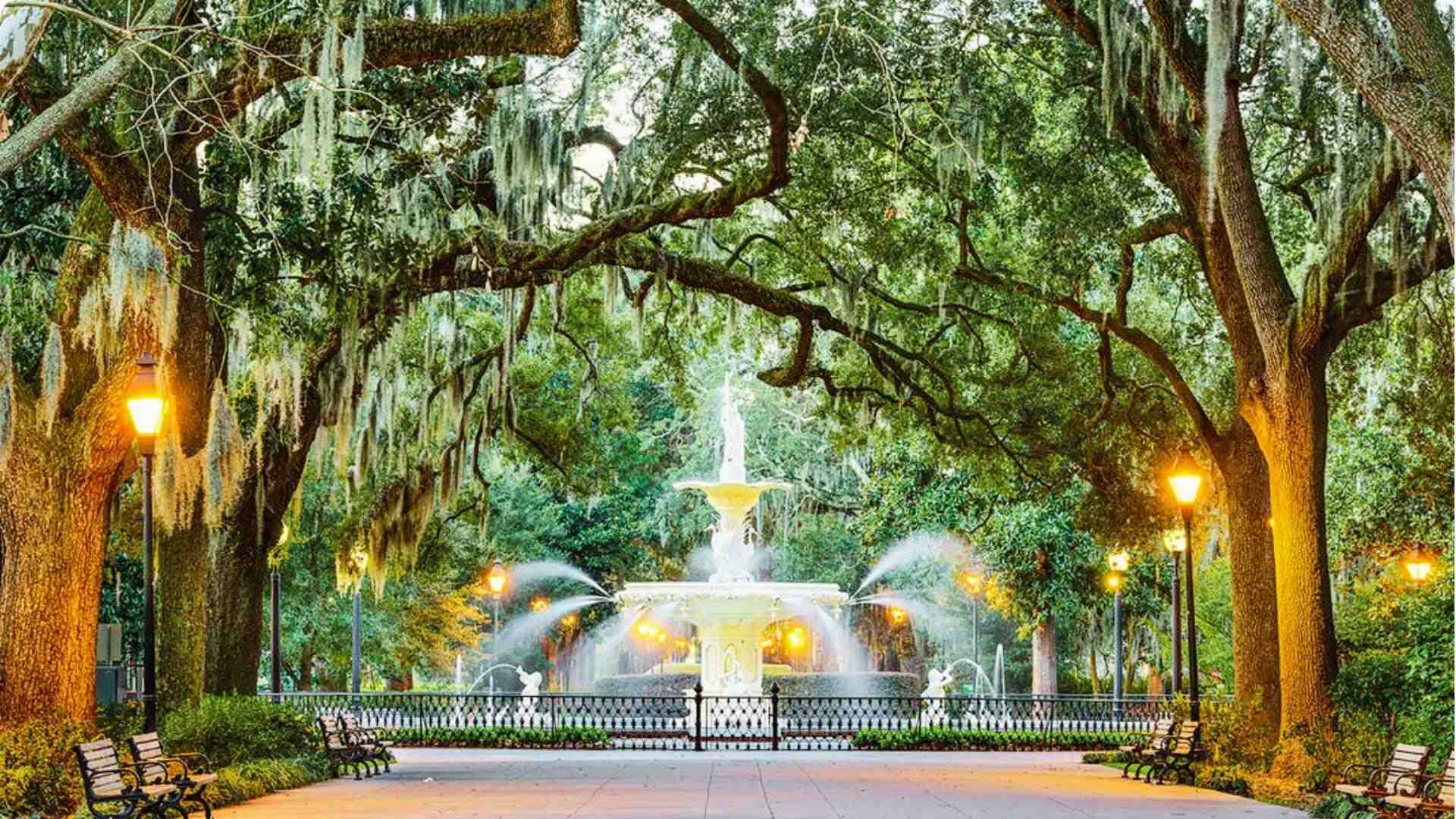
If you're planning a trip and looking for the best Savannah Georgia landmarks, choosing which places to visit can feel confusing.
This guide will help you plan your sightseeing with 11 must-visit landmarks in Savannah, including historic buildings, scenic parks, museums, and cultural sites.
You'll learn what makes each landmark special, what to expect during your visit, and helpful tips to make your trip easier.
I've researched Savannah's most popular attractions and historic sites to provide reliable travel guidance.
If it's your first visit or a return trip, this list will help you try the city's history and charm.
Why Savannah Is Famous for Its Landmarks
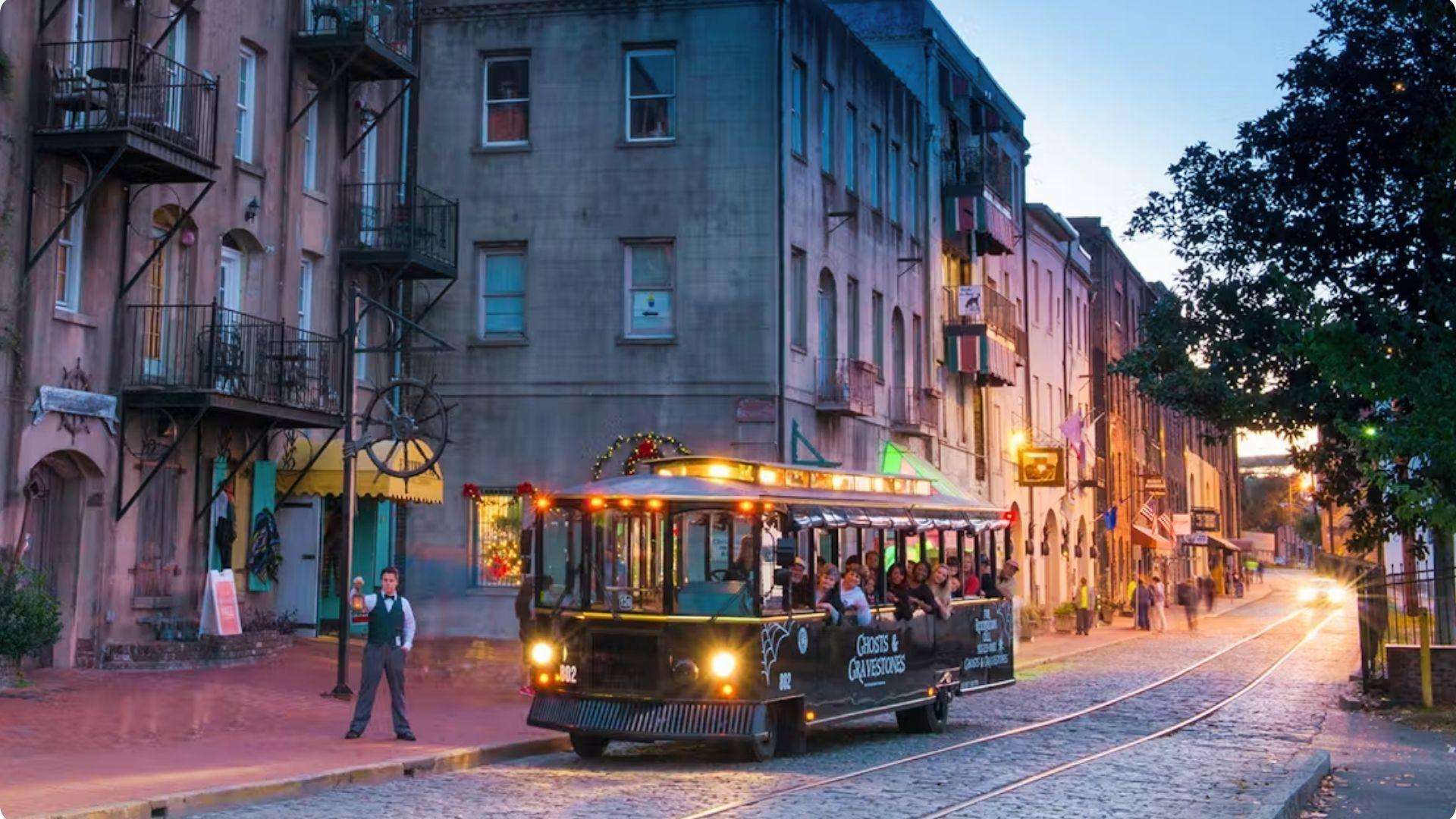
Savannah is famous for its landmarks because the city preserves its rich history, beautiful architecture, and Southern charm.
Founded in 1733 by James Oglethorpe, Savannah is one of Georgia's oldest cities and is home to the largest National Historic Landmark District in the United States.
The city is filled with historic buildings, peaceful squares draped in Spanish moss, and cultural sites that tell the stories of the people and events that shaped it.
Visitors can try everything from old churches and museums to waterfront areas and scenic parks. One of the best parts of visiting Savannah is that many attractions are close together, making it easy to walk around and experience the city's history at your own pace.
11 Must-Visit Savannah Georgia Landmarks
Savannah is filled with historic sites, scenic spaces, and cultural attractions that showcase the city's past and charm.
These 11 Savannah Georgia landmarks are some of the best places to add to your itinerary when visiting this beautiful city.
1. Forsyth Park
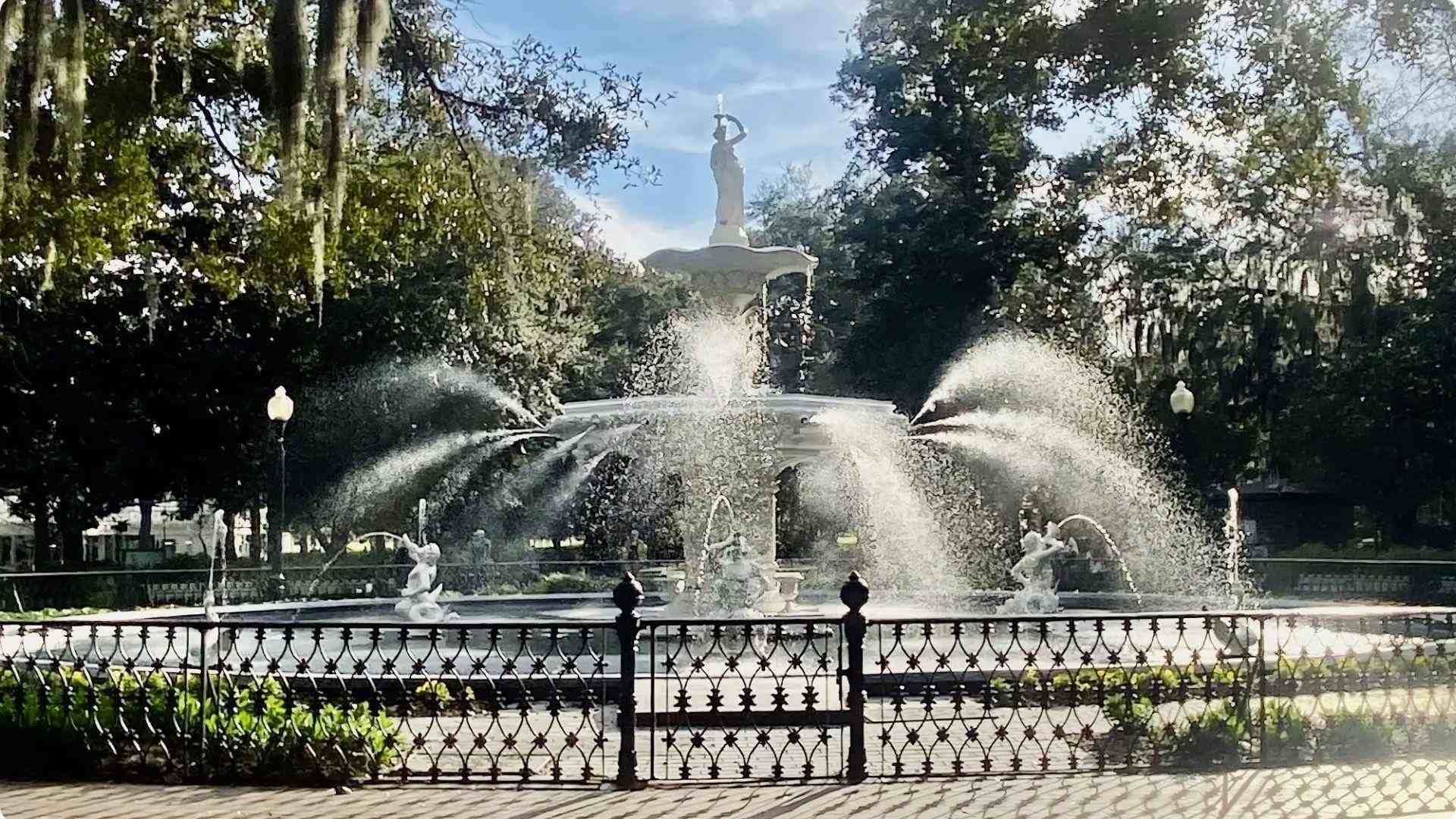
Forsyth Park is one of Savannah's most recognized landmarks and a favorite gathering place for both locals and visitors.
The park covers 30 acres and is known for its famous Forsyth Fountain, large green spaces, walking paths, and shaded areas lined with live oak trees draped in Spanish moss. It is a great place to take a relaxing walk, enjoy a picnic, or capture photos of Savannah's scenery.
Visitors can also try nearby restaurants, historic streets, and attractions after spending time in the park. Whether you visit in the morning or during the evening, Forsyth Park offers a peaceful way to experience Savannah's outdoor beauty.
2. Cathedral Basilica of St. John the Baptist

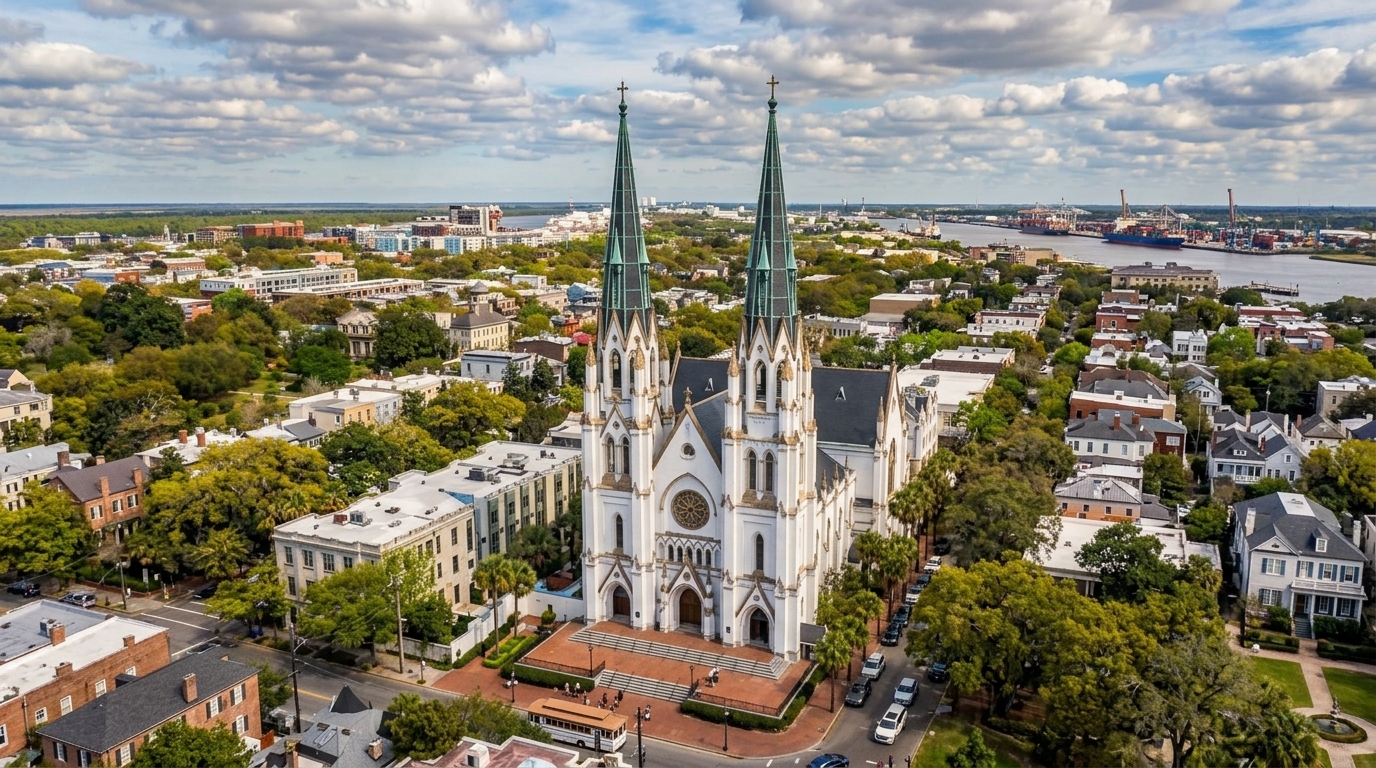
The Cathedral Basilica of St. John the Baptist is one of Savannah's most impressive historic landmarks.
Built in the French Gothic style with twin spires you can see from several blocks away, the cathedral is known for its beautiful pointed arches, Italian marble, Austrian stained-glass windows, and peaceful interior.
Visitors can take a self-guided tour to admire the craftsmanship and learn about its importance to Savannah's history. Located near the Historic District, it is easy to include on a walking tour of the city.
If you appreciate history, architecture, or religious sites, this landmark offers a memorable stop while visiting Savannah.
3. Historic Savannah Squares
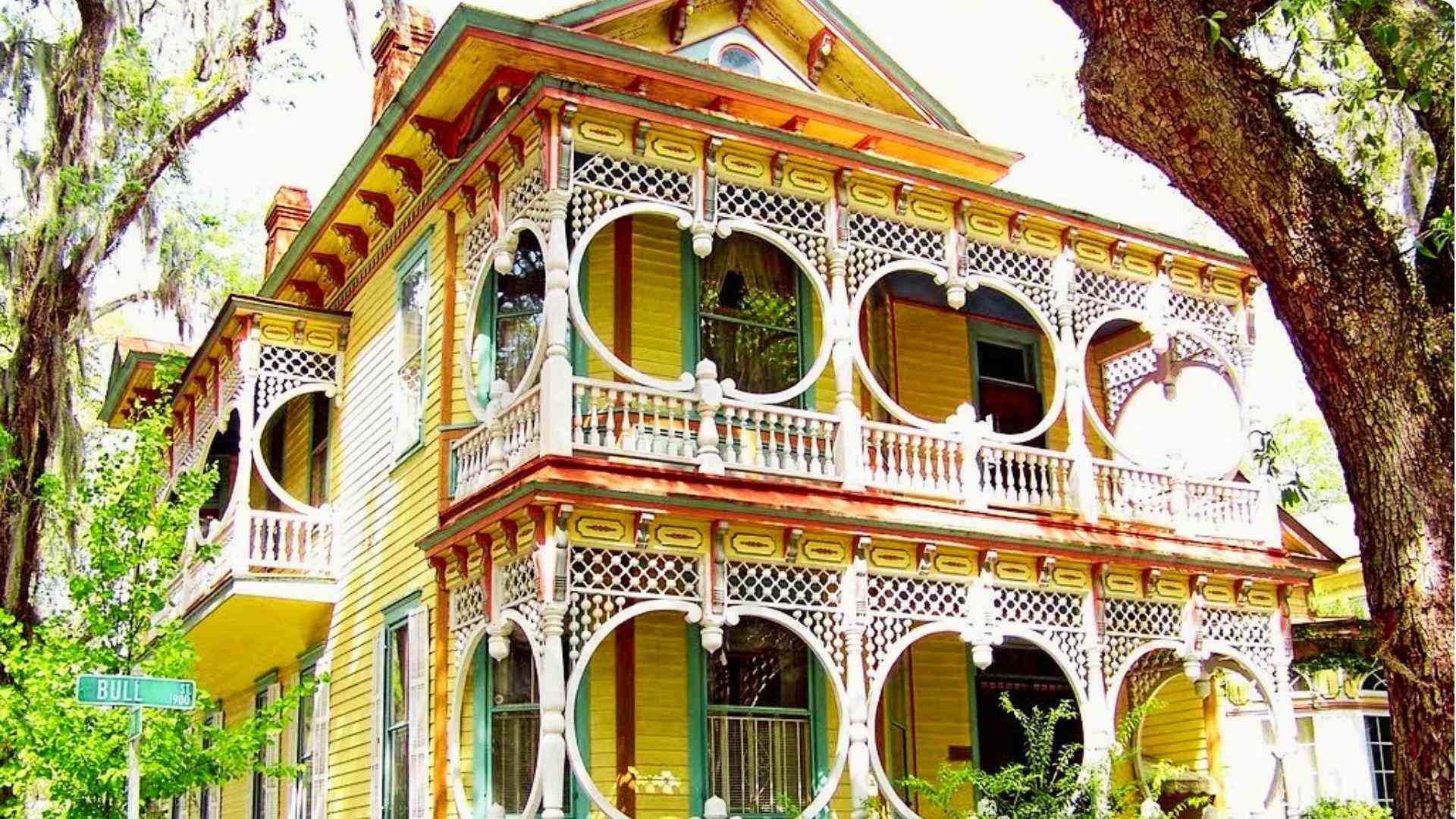
Savannah's historic squares are a major part of the city's identity and design. The city is home to 22 surviving public squares filled with gardens, statues, live oak trees, and historic surroundings that make up the largest National Historic Landmark District in the country.
Popular squares like Chippewa Square, which features a statue of city founder James Oglethorpe, along with Monterey Square and Johnson Square, offer beautiful places to walk, relax, and learn about Savannah's past.
Each square has its own history and character, making them enjoyable stops throughout the city. Visiting the squares on foot is one of the best ways to experience Savannah's historic district and discover hidden details along the way.
4. Bonaventure Cemetery
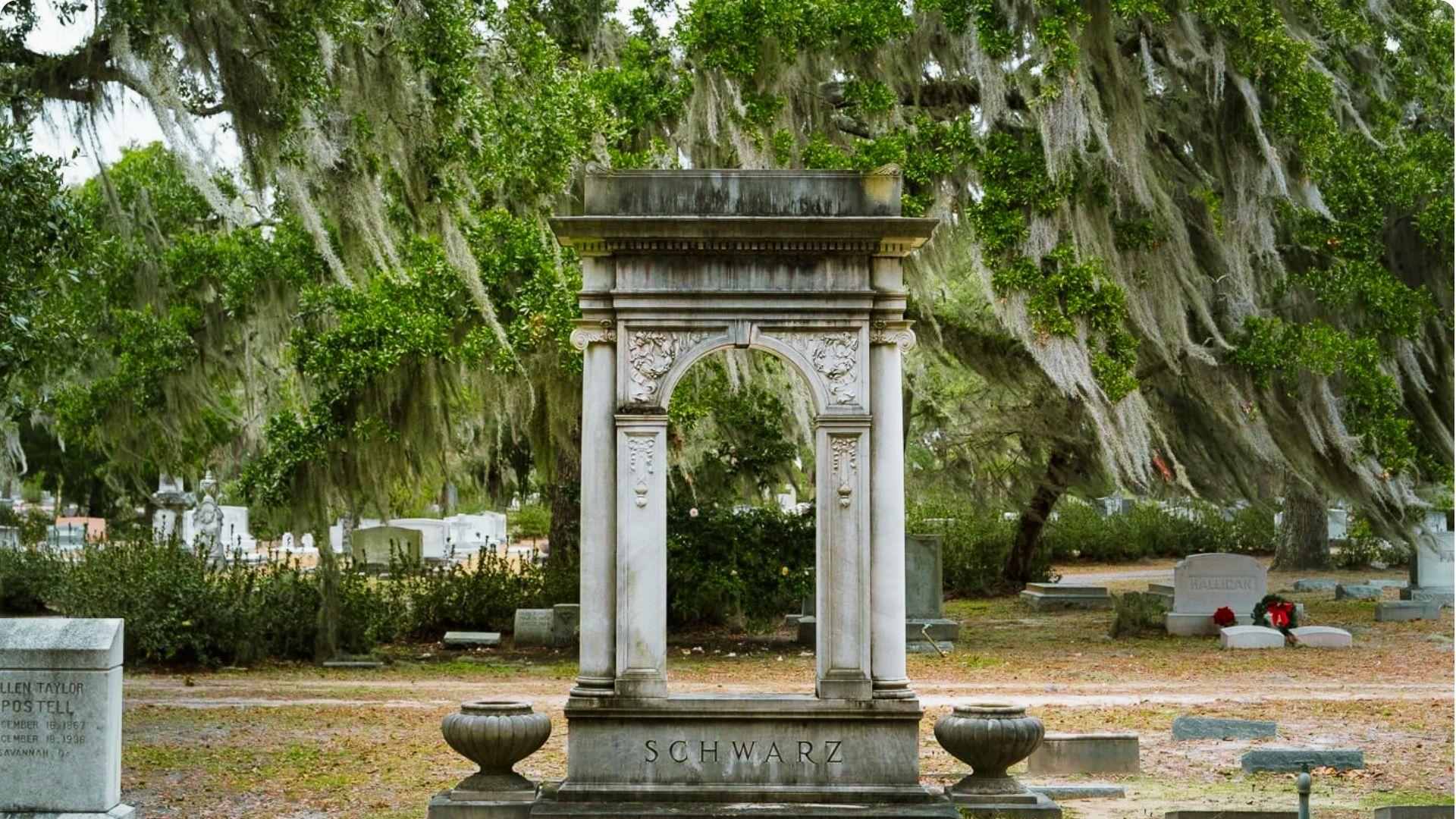
Bonaventure Cemetery is a historic site known for its beautiful landscapes, old live oak trees draped in Spanish moss, and detailed monuments.
Located along the Wilmington River, the cemetery has become one of Savannah's most visited landmarks because of its peaceful setting and connection to local history. Visitors can see historic graves, sculptures, and memorials while learning about figures from Savannah's past.
The large grounds are ideal for a quiet walk and offer a different view of the city's history. Guided tours are also available for those who want to learn more about the stories behind the cemetery.
5. River Street

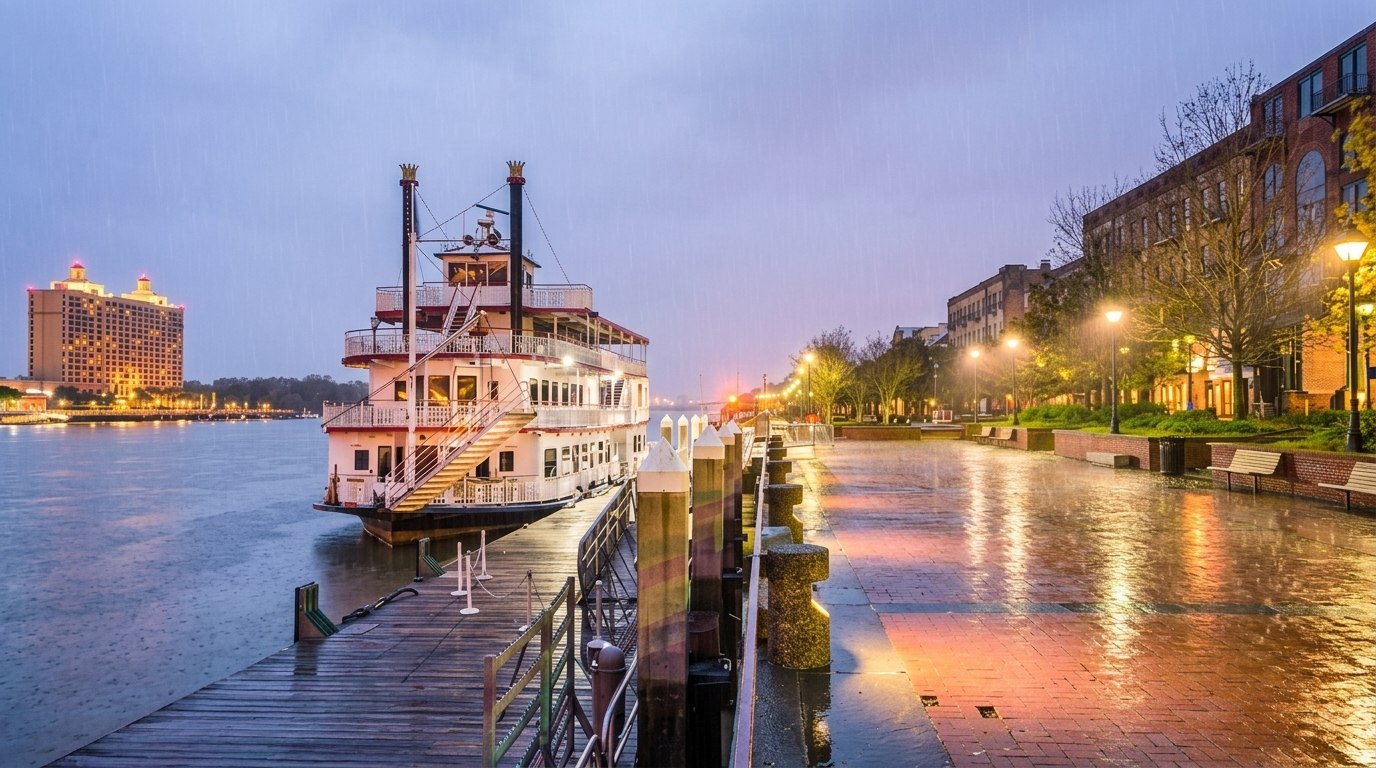
River Street is one of Savannah's most popular waterfront landmarks, offering views of the Savannah River, historic buildings, shops, and restaurants.
Once a busy area for shipping and trade, the cobblestone streets and old cotton warehouses now welcome visitors looking for food, shopping, and scenic walks along the Riverwalk.
The historic feel of the area reflects Savannah's past as one of the South's most important port cities. Visitors can enjoy river views, try local stores, or relax at a nearby café.
River Street is especially enjoyable in the evening when the area comes alive with lights, music, and a lively atmosphere.
6. The Olde Pink House
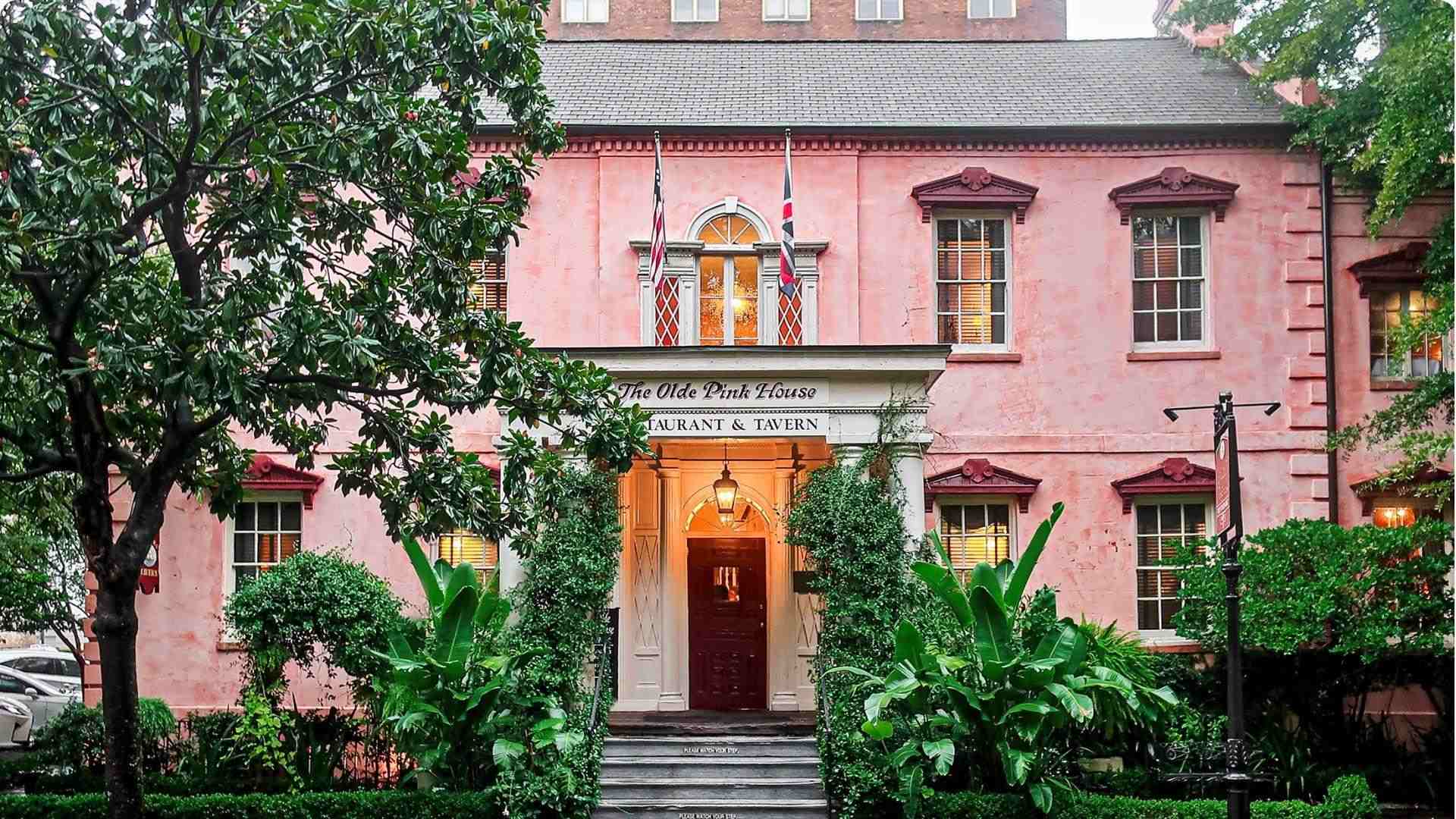
The Olde Pink House is a historic Savannah mansion that has become one of the city's most recognized landmarks. Built in the 1700s, the building is known for its pink exterior, Georgian architecture, and connection to Savannah's history.
Today, it is also a popular restaurant where visitors can enjoy traditional Southern dishes in a historic setting.
Even those who do not dine there often stop to admire the building's design and charm. It is a great landmark to visit for travelers interested in history, architecture, and experiencing a classic part of Savannah's culture.
7. Mercer Williams House Museum
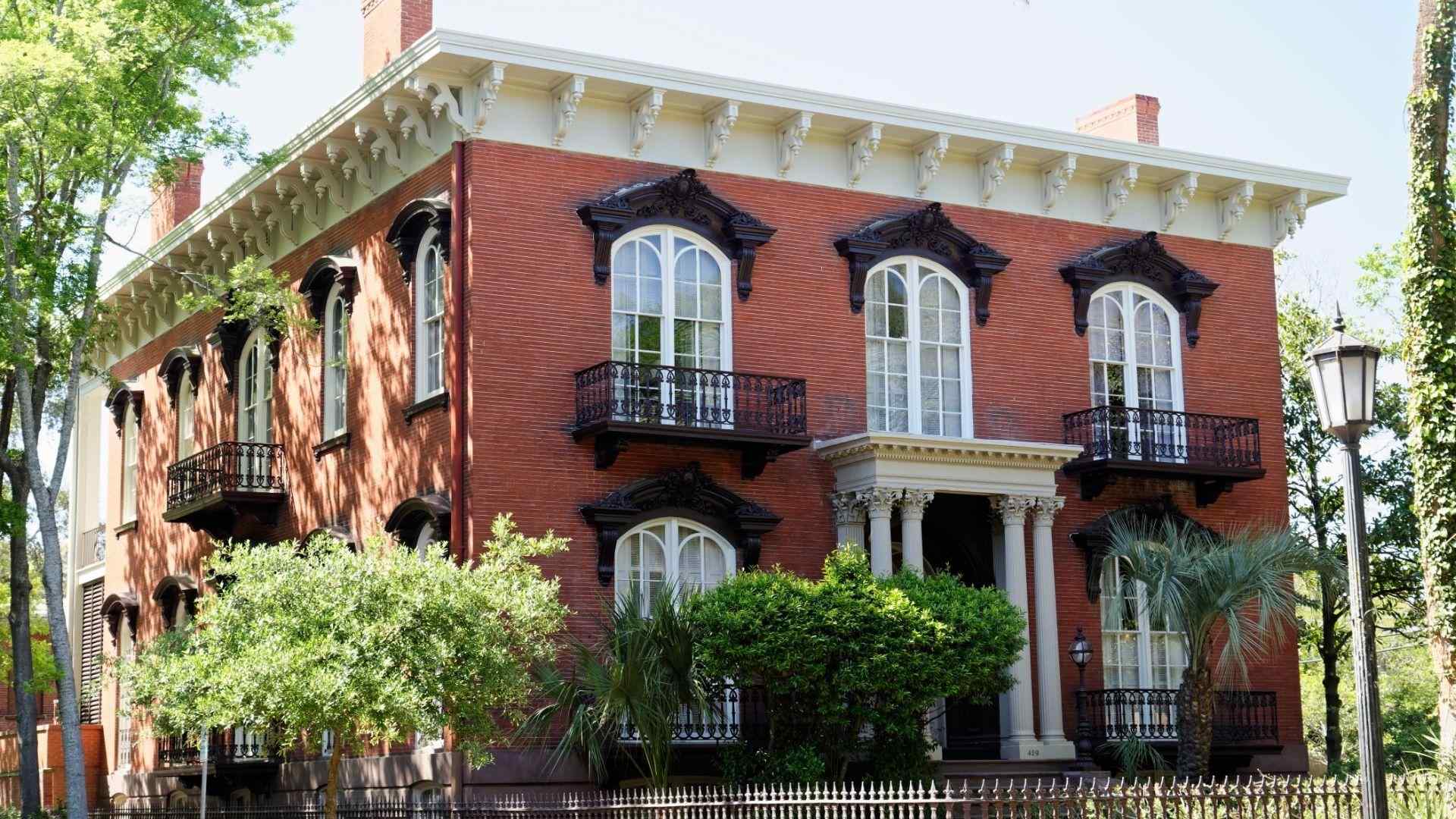
The Mercer Williams House Museum is a famous historic home located in Savannah's Victorian District. Built in the 1800s, the house is known for its Italian-style architecture, beautiful interiors, and 18th and 19th century furniture and art from the collection of preservationist Jim Williams.
The house gained extra attention after being featured in the book and film Midnight in the Garden of Good and Evil.
Visitors can tour the home and view the historic spaces on the ground floor. For travelers interested in Savannah's homes, stories, and architecture, this museum offers a closer look at the city's past.
8. Owens-Thomas House & Slave Quarters
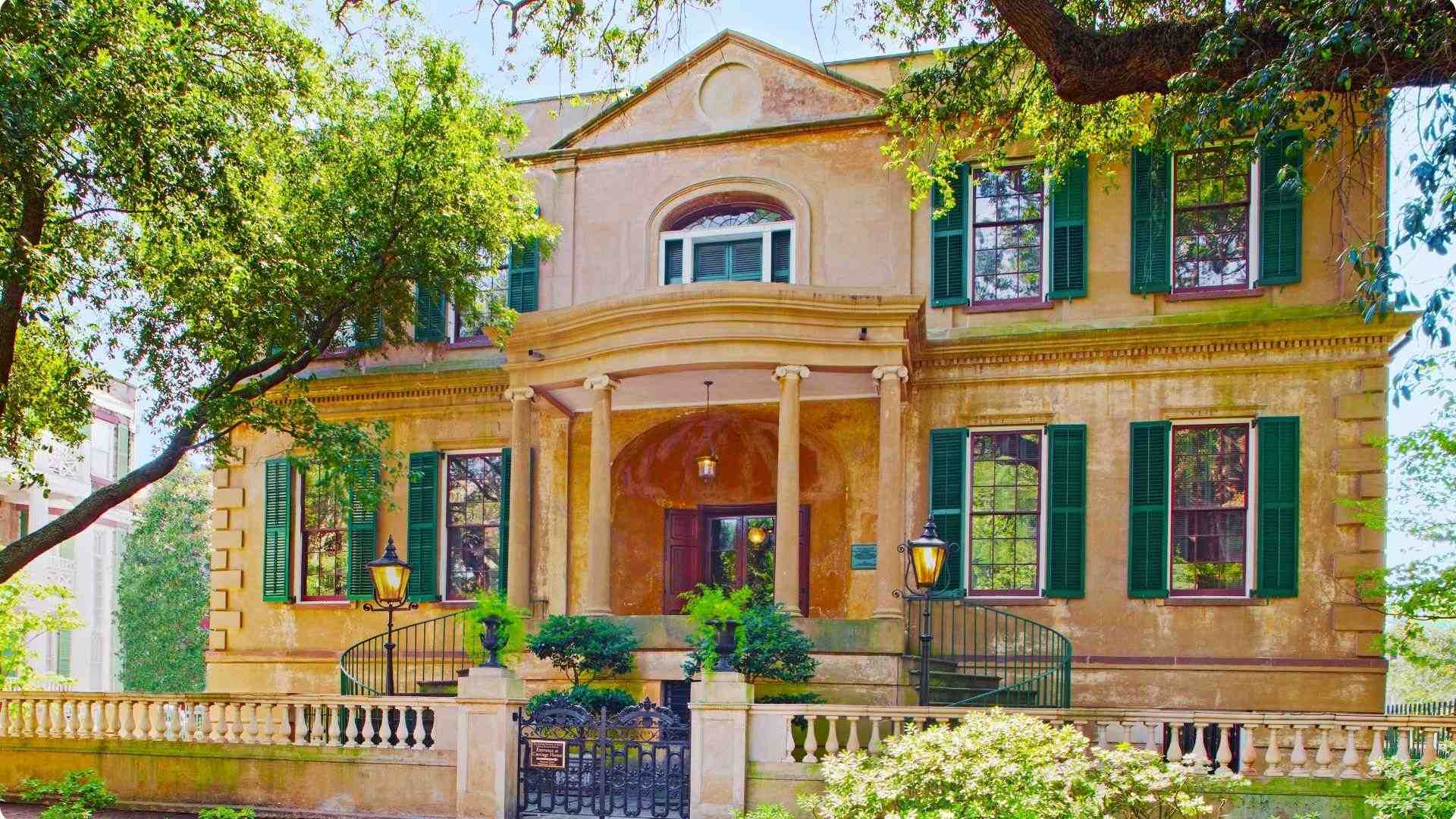
The Owens-Thomas House & Slave Quarters is an important historic landmark that trys Savannah's history through architecture and personal stories.
Built in the early 1800s by architect William Jay, the home is known for its Regency-style design with curved doors, ornate plaster details, and preserved spaces that show the lives of both wealthy residents and enslaved people who lived there.
Visitors can take guided tours to learn about the people connected to the house and understand different parts of Savannah's past. It is a meaningful stop for those who want to learn more about the city's history and the experiences that shaped it.
9. City Market
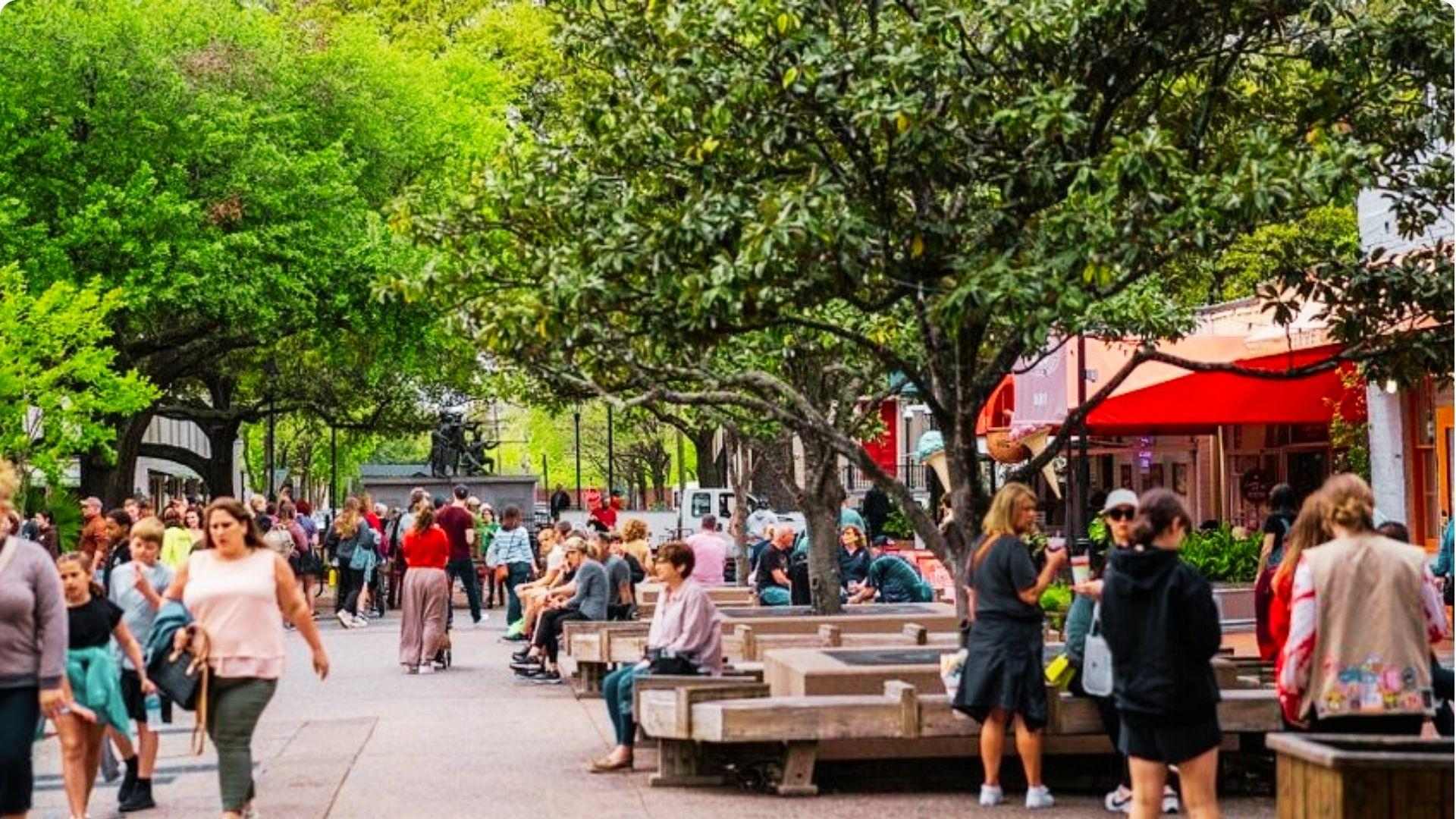
City Market is a historic area in downtown Savannah that has served as a gathering place for more than two centuries. Today, it is a lively destination filled with restaurants, art galleries, shops, and entertainment.
Visitors can walk through the market, try local artwork, enjoy a meal, or find souvenirs to remember their trip. The area combines Savannah's history with a relaxed atmosphere, making it a popular stop for travelers.
Its central location also makes it easy to visit while visiting nearby landmarks in the Historic District.
10. Juliette Gordon Low Birthplace

The Juliette Gordon Low Birthplace is a historic home and museum dedicated to the founder of the Girl Scouts of America.
Located in downtown Savannah and recognized as the city's first National Historic Landmark, the house shares the story of Juliette Gordon Low's life, family, and contributions. Visitors can try the restored rooms, historic collections, and exhibits that highlight her work and legacy.
The landmark is especially popular among families, history lovers, and those interested in learning about influential figures from Savannah. Its beautiful architecture and meaningful history make it a worthwhile stop during a city visit.
11. Wormsloe Historic Site
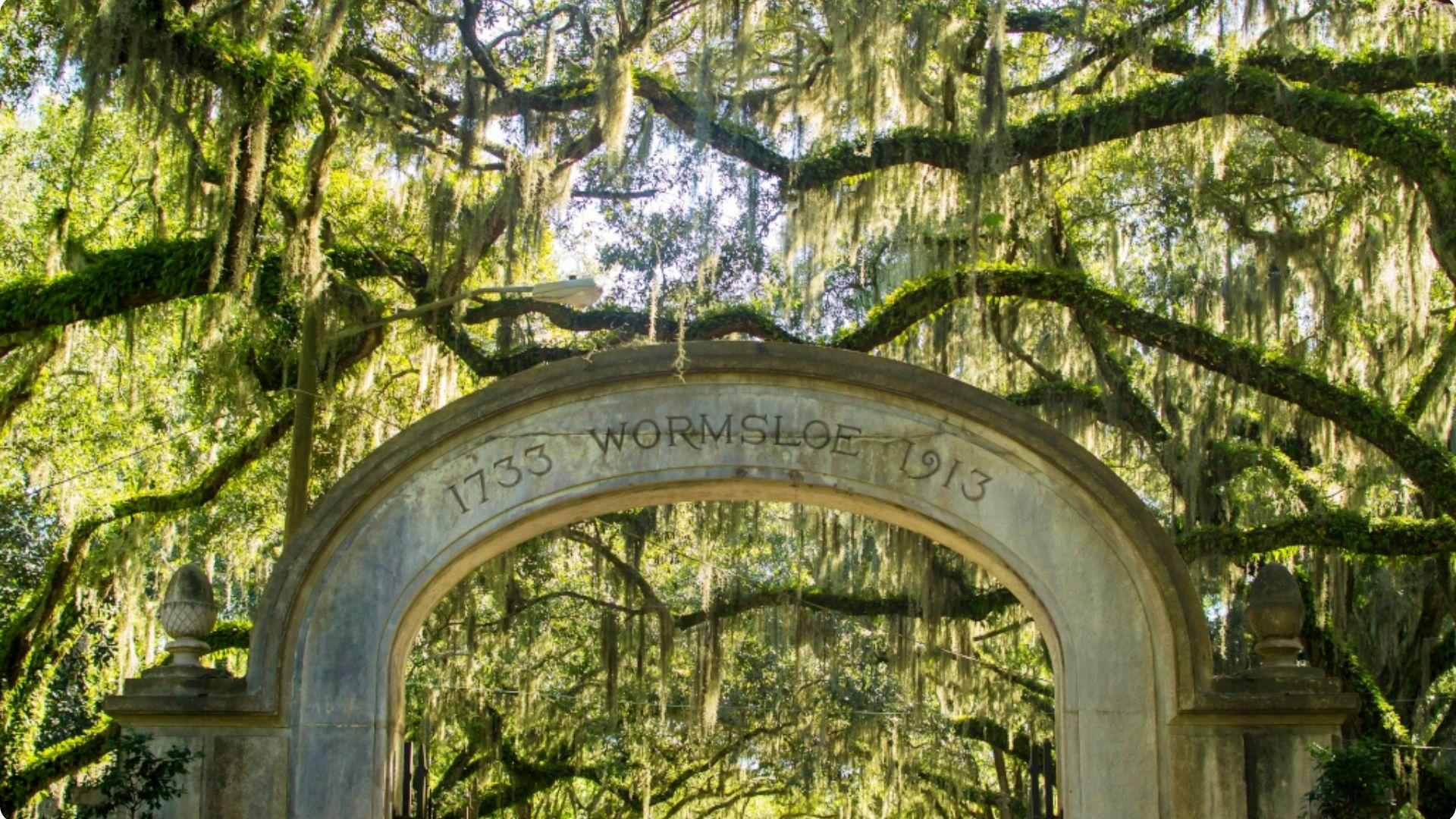
Wormsloe Historic Site is known for its famous avenue of live oak trees, historic ruins, and peaceful natural setting.
Located just outside downtown Savannah, the site was once the colonial estate of Noble Jones, one of Georgia's early settlers. Visitors can walk along scenic trails, try the historic grounds, and learn about the area's colonial history.
The long canopy of Spanish moss-draped oaks is one of Savannah's most photographed views. Wormsloe is a great choice for travelers who want to enjoy history, nature, and a quieter attraction away from the busy downtown streets.
Best Time to Visit Savannah Landmarks
The best time to try Savannah Georgia landmarks is during spring and fall when the weather is comfortable for walking and outdoor activities.
From March to May, visitors can enjoy pleasant temperatures, blooming gardens, and fewer crowds compared to the busy summer months. Fall, especially from September to November, also offers cooler days and a relaxed atmosphere.
Summer can be hot and humid, so early morning or evening visits are often more enjoyable. Winter brings cooler weather and fewer visitors, making it a good option for those who prefer a quieter trip.
Planning your visits around the weather can help you enjoy Savannah's historic sites at a comfortable pace.
Tips for visiting Savannah Georgia Landmarks
A little planning can help you enjoy more of Savannah's historic sites while making your sightseeing days comfortable and easy.
- Wear comfortable walking shoes:Many Savannah landmarks are best tryd on foot, especially in the Historic District with its cobblestone streets and walking paths.
- Consider a trolley tour:A hop-on hop-off trolley tour is one of the easiest ways to cover multiple landmarks in a single day, and guides share stories you may not find on your own.
- Plan landmarks by location: Group nearby attractions together to save time and make the most of your day while visiting different parts of the city.
- Take walking tours for more history: Guided tours can help you learn interesting stories, facts, and details about the city's squares, historic homes, and cultural sites that you might otherwise miss.
- Check opening hours before visiting:Some museums, historic homes, and attractions have specific schedules, so checking ahead can help avoid delays.
- Allow time to enjoy parks and squares: Savannah's squares and outdoor spaces are part of the city's charm, so take breaks to relax and enjoy the surroundings.
- Bring water during warmer months:Savannah can get hot and humid, especially in summer, so staying hydrated makes outdoor sightseeing more comfortable.
Conclusion
Visiting the Savannah Georgia landmarks is a great way to understand the city's history, stories, and charm.
I enjoy visiting places where you can slow down, look around, and feel connected to the area's past. From peaceful parks to historic buildings and cultural sites, each stop offers something different.
I hope this guide helps you plan a trip filled with meaningful experiences and memorable moments.
Take your time, try at your own pace, and enjoy Savannah's beauty. Share your favorite landmark in the comments, or share this guide with someone planning a visit.
Frequently Asked Questions
How many days do you need to see Savannah landmarks?
A two to three-day trip is often enough to visit many of Savannah's main landmarks. A longer stay allows more time to try museums, parks, and the 22 historic squares.
Are Savannah landmarks walkable?
Many Savannah landmarks are located close together in the Historic District, which is the largest National Historic Landmark District in the United States. Walking is one of the best ways to enjoy the city's cobblestone streets and squares.
What is the oldest landmark in Savannah?
Several sites have deep historic roots, including the First African Baptist Church, organized in 1773, and Wormsloe Historic Site, one of Georgia's oldest colonial estates. These places share stories from Savannah's earliest years.
What are the best free landmarks to visit in Savannah?
Forsyth Park, the historic squares, River Street, and Colonial Park Cemetery are popular free attractions. They allow visitors to enjoy Savannah's scenery and history without an entry fee.