Those big ears and spotted coats can make choosing between these cats confusing.
But while a Savannah cat and a Serval may look similar, their behavior, care needs, and suitability as pets are very different.
If you're comparing a Savannah cat vs Serval, the problem is knowing which one can realistically fit your home, experience, and lifestyle.
A Serval is a wild African cat with strong natural instincts, while a Savannah cat combines Serval ancestry with domestic-cat traits.
This guide solves that confusion by comparing their size, behavior, generations, care requirements, legal considerations, costs, and suitability as pets.
By the end, you'll have a clearer idea of which cat, if either, is a realistic choice for your home.
What is a Serval?
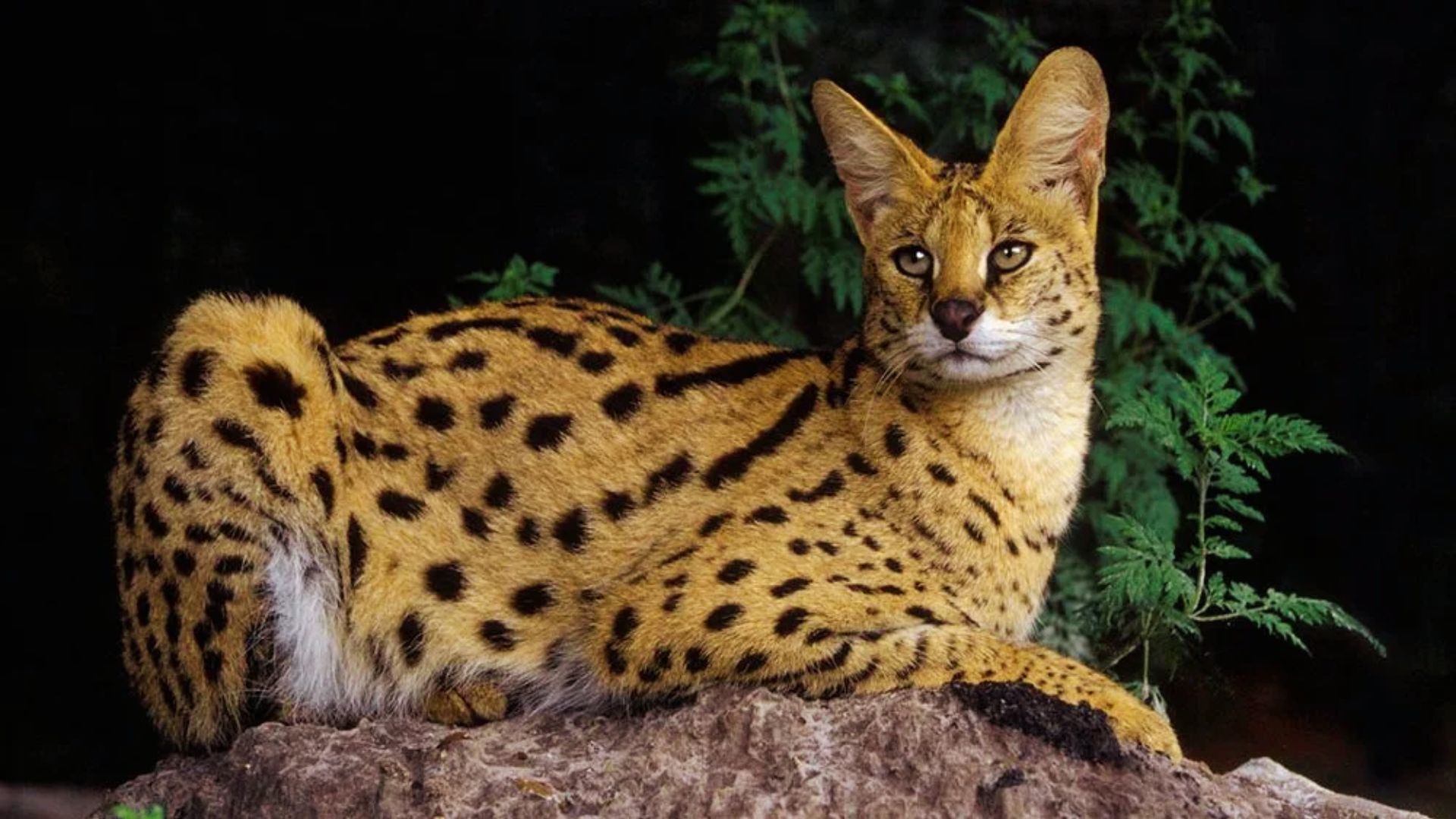
A Serval is a wild African cat, not a pet breed. Even hand raised from birth, it keeps its wild instincts for life. It cannot be trained out of them.
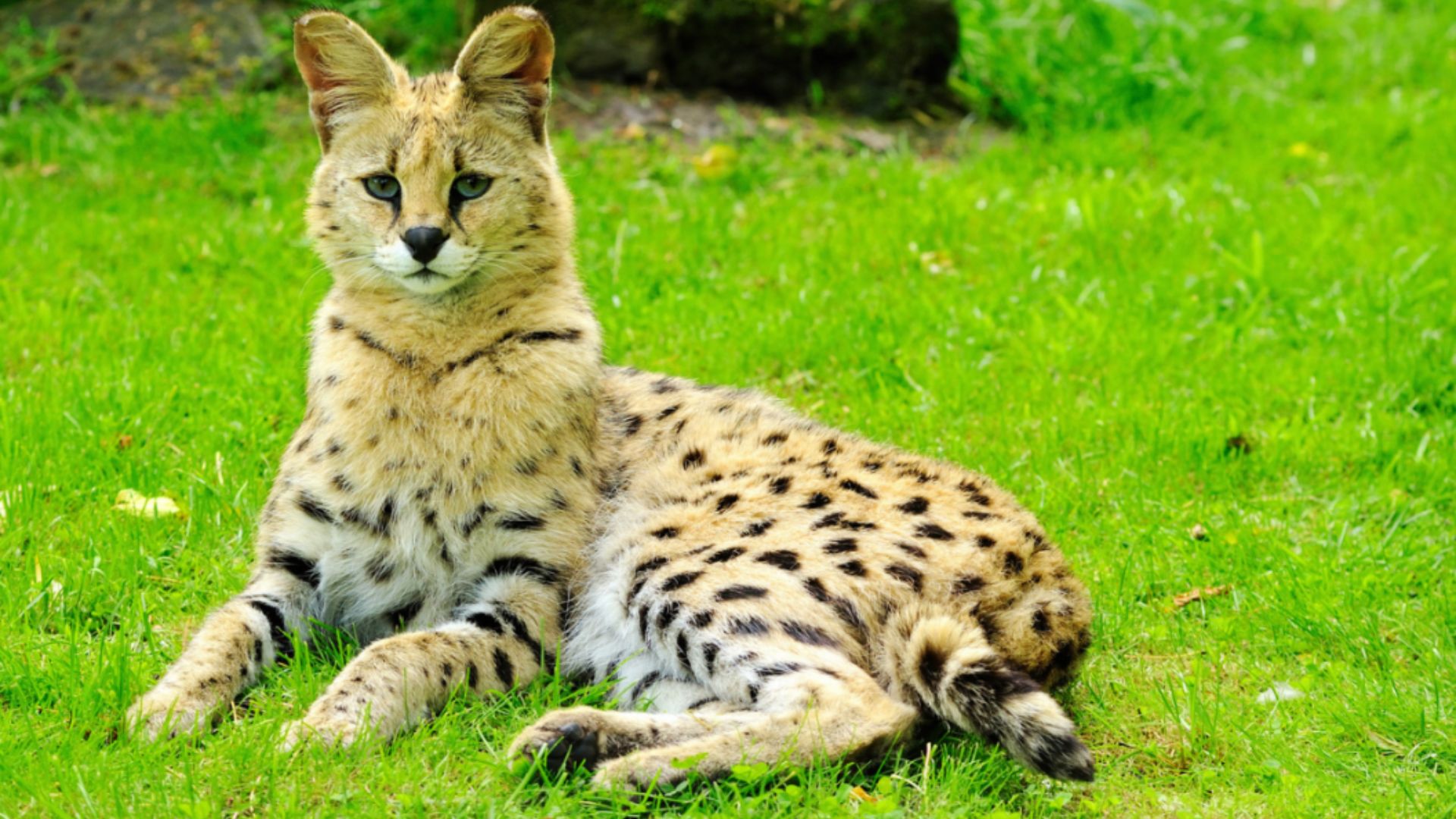
Servals come from the grasslands and wetlands of sub-Saharan Africa. They stand tall with long legs, large ears, and a spotted golden coat built for hunting in tall grass.
Their bodies are made for jumping and pouncing on prey. In the wild, Servals live mostly solitary lives outside of breeding season, and that independent streak follows them into a home.
Hand-raising can make a Serval more familiar with people, but it does not remove its natural hunting, territorial, and defensive behaviors. A Serval raised around humans can still display behaviors that differ significantly from those of a domestic cat.
Serval Characteristics
Servals stand out with a build made for speed and precision.
- Tall, slender legs built for high jumps and quick pounces
- Large, rounded ears that pick up faint sounds in tall grass
- Golden coat covered in bold black spots and stripes
- Weight varies by sex and individual, with adult Servals generally weighing more than most domestic cats
- Lifespan varies between individuals and living conditions, so published estimates should be treated as approximate
Is a Serval Suitable as a Pet?
Servals are not suitable for most homes because their wild instincts create care and housing challenges that go beyond those of a domestic cat.
They need secure, spacious housing, appropriate nutrition, daily exercise, mental enrichment, and access to veterinary care from professionals familiar with exotic animals. Their strong prey drive and territorial behavior can also make life with children or smaller pets more complicated.
Before considering a Serval, owners should confirm that private ownership is legal in their area and understand any permit or enclosure requirements. They should also have enough time, space, and financial resources to meet the animal's long-term needs.
For most people looking for a companion animal, a Serval is better appreciated as a wild species than kept as a household pet.
Serval Behavior
A Serval's behavior stays close to its wild roots, even in captivity.
- Territorial marking through spraying, common in both males and females
- Strong prey drive that triggers chasing small pets or fast movement
- Vocal communication using chirps, hisses, and high-pitched calls
- Independent nature that resists typical training methods, though many can learn harness and leash walking with patience
- Mostly active at night, often hiding through the day before becoming alert after dark
What is a Savannah Cat?
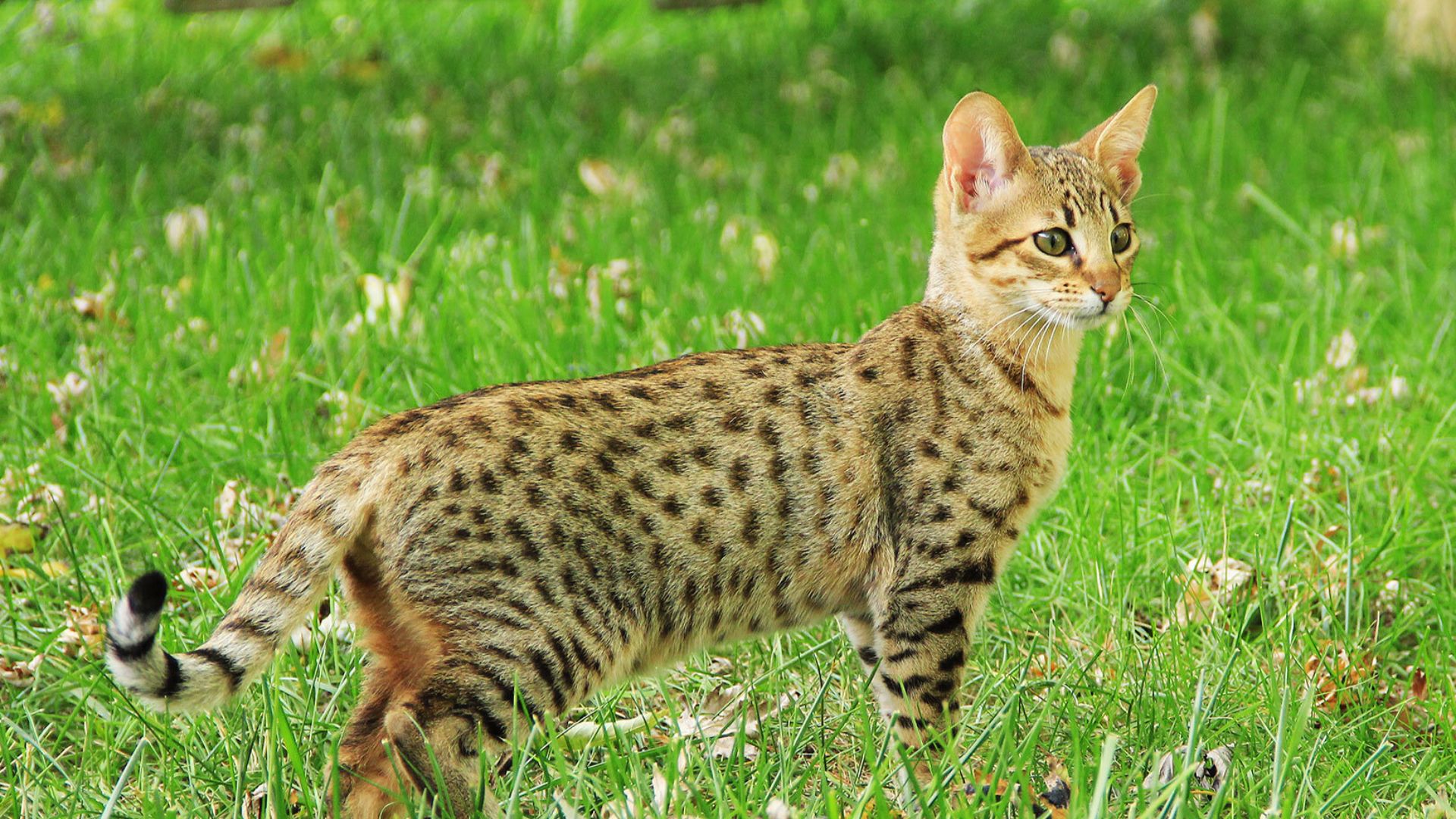
A Savannah cat is a hybrid between a domestic cat and a Serval, combining an exotic appearance with traits from domestic cats.
Savannahs are commonly identified by filial generations such as F1, F2, F3, F4, and F5. These generations indicate how many generations separate the cat from its Serval ancestor.
Earlier generations generally have more Serval ancestry and may display stronger wild traits, while later generations generally have more domestic-cat ancestry. However, generation alone does not determine temperament.
Individual personality, socialization, activity level, and upbringing also influence how a Savannah behaves.
If you're considering one as a pet, look beyond appearance and consider the cat's generation, care requirements, behavior, and the ownership laws that apply where you live.
Savannah Cat Characteristics
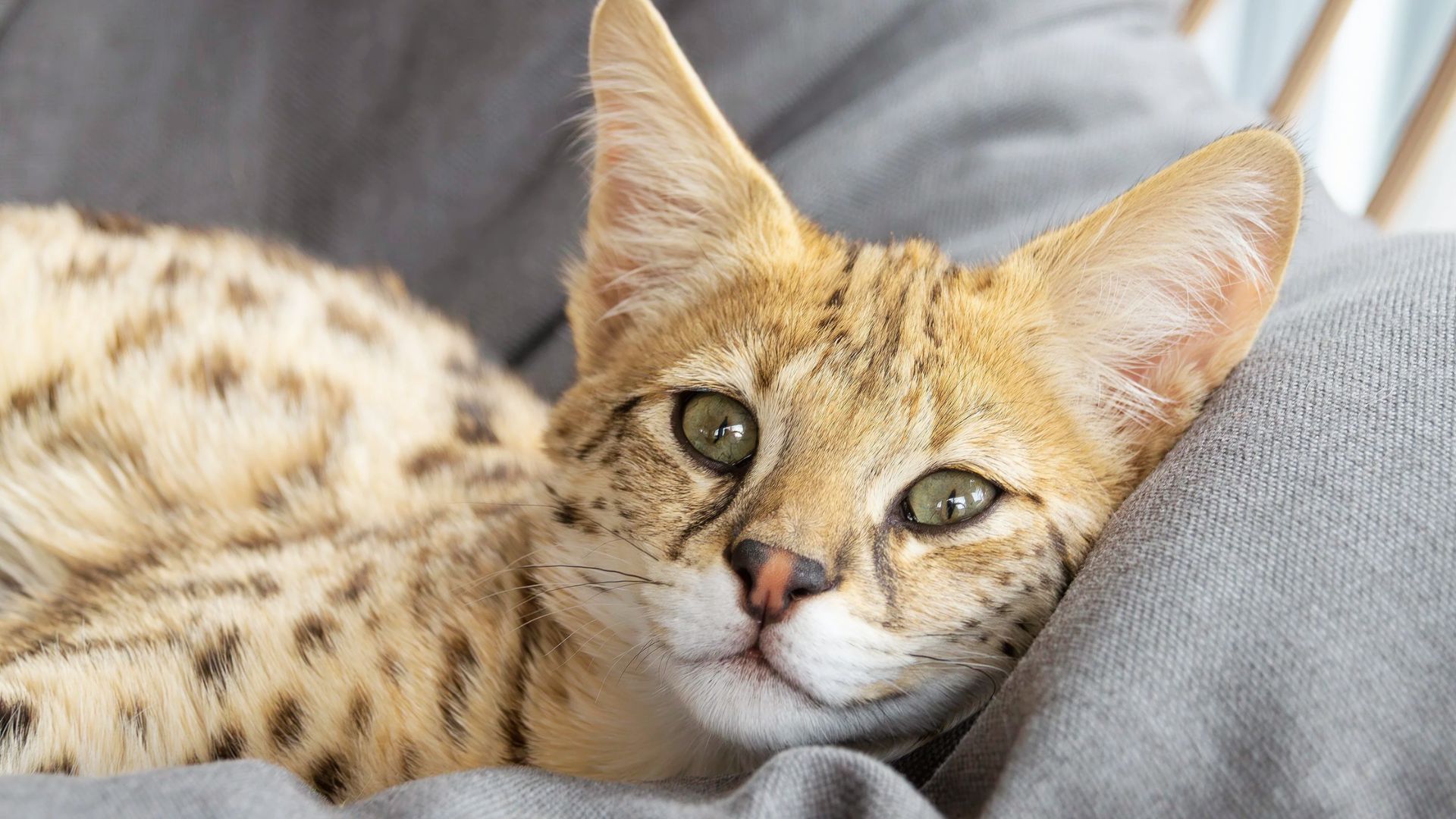
Savannah cats carry a wild look with a more livable temperament.
- Spotted coat in shades of brown, gold, silver, or black
- Long legs and a lean, athletic build similar to a small wild cat
- Weight between 12 and 25 pounds depending on generation
- Lifespan of 12 to 20 years with good care
- Large, upright ears that give them an alert expression
Is a Savannah Cat Suitable as a Pet?
Later-generation Savannah cats, especially F4 and F5, make solid pets for active households. They bond closely with their owners and often follow them room to room.
They're smart, curious, and can learn tricks, harness walking, or even feline agility competitions with patience.
Early generations, F1 to F3, need more space, structure, and experience due to stronger wild instincts. All Savannahs need mental stimulation and physical activity to stay happy indoors.
With the right generation and preparation, a Savannah cat can live comfortably as a house pet, offering an exotic look without the extreme care demands of a true wild animal.
Savannah Cat Behavior
Savannah cats act more like an energetic dog than a typical house cat.
- Strong bonding with one or two family members
- High energy that needs daily play and enrichment
- Curious nature that leads to jumping, climbing, and exploring furniture
- Some individuals enjoy water and may join you in the shower
- Vocal habits that include chirping sounds instead of typical meows
Savannah Cat vs Serval: Key Differences
The table below highlights the biggest differences between Savannah cats and Servals to help you quickly compare their traits and ownership requirements.
| Feature | Savannah Cat | Serval |
| Wild ancestry | Hybrid with domestic-cat ancestry | Wild African cat |
| Generation | F1–F5+ generations vary in ancestry and traits | Not applicable |
| Housing | Requires enrichment and adequate space | Requires much more specialized, secure housing |
| Diet | Complete commercial cat food or appropriately formulated diet | Specialized diet requiring careful nutritional planning |
| Territorial behavior | Can occur, especially in some individuals | Strong territorial behavior |
| Other pets | Compatibility varies by individual | Strong prey drive can create significant risks |
| Training | Often responsive to harness and enrichment training | More challenging than domestic-cat training |
| Best suited for | Experienced, active households | Experienced exotic-animal keepers |
While both animals share impressive intelligence and athleticism, a Savannah cat is generally better suited to life as a companion animal.
Are Savannah Cats and Servals Legal to Own?
Legality depends entirely on where you live. Servals are banned or heavily restricted in most US states. Savannah cats face lighter restrictions, especially in later generations.
Laws vary because states classify these animals differently. Some treat Servals as wild or exotic animals requiring special permits, sometimes on top of federal wildlife rules.
Others ban private ownership completely. Savannah cat laws often depend on generation. Many states restrict F1 through F3 Savannahs while allowing F4 and F5 without a permit, since they carry less wild genetic material.
Some jurisdictions impose especially strict restrictions on exotic cats and hybrid felines. Because these rules can change, verify the current requirements directly with the relevant state wildlife agency and local authorities before acquiring either animal.
Savannah cat vs Serval: Pros and cons
Both Savannah cats and Servals have unique advantages and challenges, so understanding their differences can help you choose the right fit for your lifestyle.
| Feature | Savannah Cat | Serval |
| Appearance | Wild look with domestic traits | Authentic wild appearance |
| Temperament | More adaptable and social | Strong wild instincts, mostly active at night |
| Care | Easier to manage | Specialized care required |
| Diet | Premium cat food or balanced raw diet | Specialized raw or whole-prey diet |
| Legal Status | Varies by generation and location | Often restricted or requires permits |
| Cost | High purchase price | Higher purchase and ongoing costs |
| Best For | Active pet owners and families | Experienced exotic animal keepers |
For most households, a Savannah cat offers the best balance of exotic appearance and manageable care, while a Serval is better suited to experienced exotic animal keepers.
Personality and Daily life Comparison

Savannah cats generally adapt more easily to household life than Servals, although their needs vary by generation and individual temperament.
Later-generation Savannahs may adapt to some houses or apartments when they receive enough exercise, climbing opportunities, enrichment, and attention.
Earlier generations can retain stronger wild traits and may require more space and experienced handling. Servals have substantially greater housing and management requirements because of their size, activity level, prey drive, and territorial behavior.
They may also react strongly to unfamiliar people, animals, or environments. Before choosing either cat, consider your available space, daily schedule, other pets, and ability to provide appropriate enrichment.
A household should never assume that an exotic-looking cat will have the same needs as a typical domestic cat.
Care Requirements Compared
Both cats need specialized care, but the level of effort differs sharply between the two.
- Diet and nutrition: Servals need a raw or whole-prey diet close to what they'd eat in the wild, with careful attention to calcium-phosphorus balance for bone strength. Savannah cats can thrive on premium cat food or a balanced raw diet, depending on generation.
- Exercise needs: Both animals need daily physical activity to stay calm indoors. Servals need more space to run and jump safely.
- Grooming: Both have short coats that need minimal brushing. Neither requires professional grooming under normal conditions.
- Mental enrichment: Puzzle feeders, climbing structures, and interactive play help prevent boredom in both cats. Servals need more of it due to stronger instincts.
- Veterinary care: Both need experienced veterinary care. Servals require exotic-animal vets, while Savannah cats may need breed-specific health monitoring and routine checkups.
- Housing and safety: Savannah cats need secure, enriching spaces, while Servals require more specialized, escape-resistant housing because of their size, jumping ability, and wild instincts.
Which Cat Is Better for You?
The better choice depends on your experience, space, lifestyle, and ability to meet each cat's care needs.
- Choose a Savannah cat if: You want an active, intelligent companion with an exotic appearance and can provide daily exercise, enrichment, and climbing space.
- Choose a later-generation Savannah if: You want a Savannah that may be easier to manage in a household while still having its distinctive appearance and personality.
- Choose a Serval only if: You have extensive exotic-animal experience, suitable secure housing, access to specialized veterinary care, and enough resources for its long-term needs.
- Consider your other pets: A Serval's strong prey drive can create challenges around smaller animals, while Savannah cats may also need careful introductions.
- Check local laws first: Ownership rules can vary by location and Savannah generation, so confirm current requirements before bringing either cat home.
Conclusion
Choosing between a Savannah cat vs Serval depends on your experience, space, budget, and local laws.
A later-generation Savannah may be more manageable for an active household, while a Serval requires specialized care, secure housing, and extensive exotic-animal experience.
Before choosing either, research ownership rules and long-term costs carefully.
Considering one of these cats? Check your local laws and care requirements before making your decision.
Frequently Asked Questions
How much does a Savannah cat or Serval actually cost?
Prices vary by generation and breeder, so consider both the purchase price and long-term costs for housing, diet, permits, and veterinary care.
Are Savannah cats hypoallergenic?
No, Savannah cats are not hypoallergenic, though some allergy sufferers report milder reactions due to their lower dander production compared to typical house cats.
How big of an enclosure does a pet Serval need?
Most owners build outdoor enclosures of at least 200 to 400 square feet with secure fencing over 8 feet tall, since Servals can jump higher than most cats.
Does spaying or neutering stop a Serval from spraying?
No, spaying or neutering rarely stops spraying in Servals, since the instinct to mark territory is driven by wild behavior rather than hormones alone.