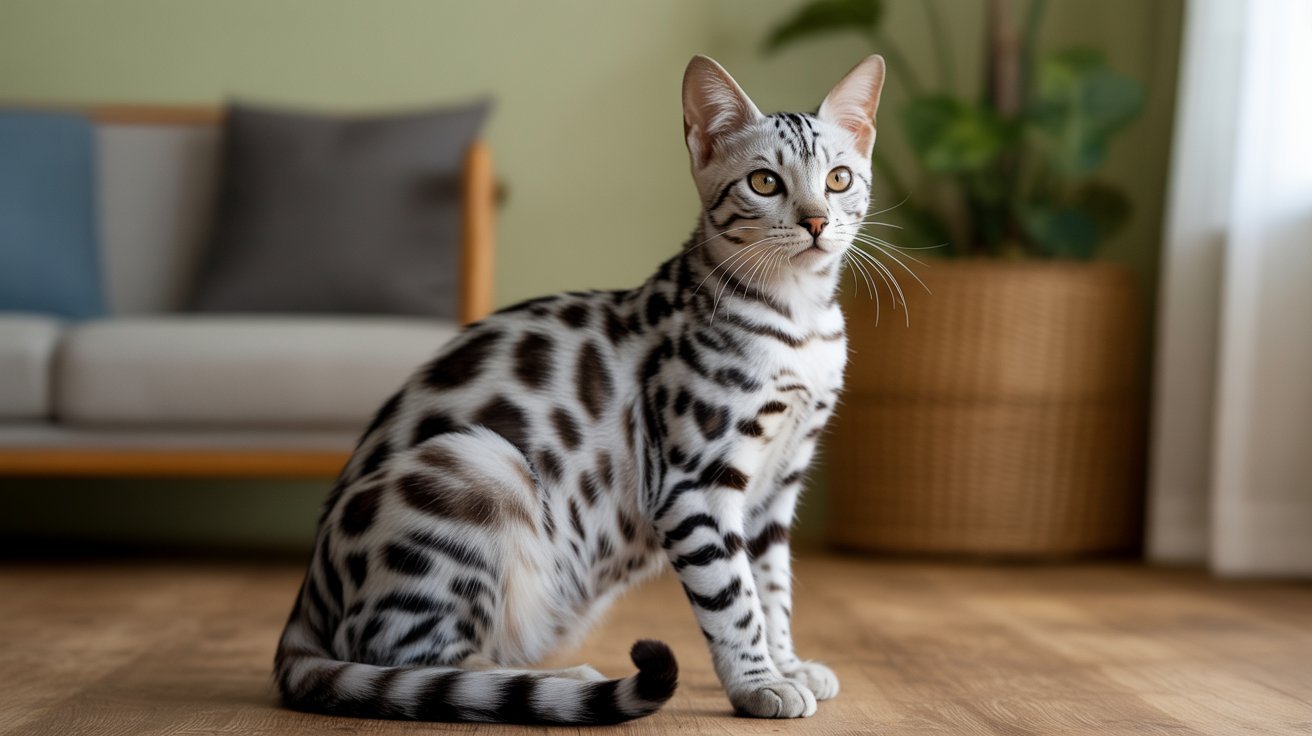
I’ll never forget seeing my first silver Savannah cat.
Those dark spots against that shimmering coat completely caught my attention. That moment taught me these cats come in way more colors than most people realize.
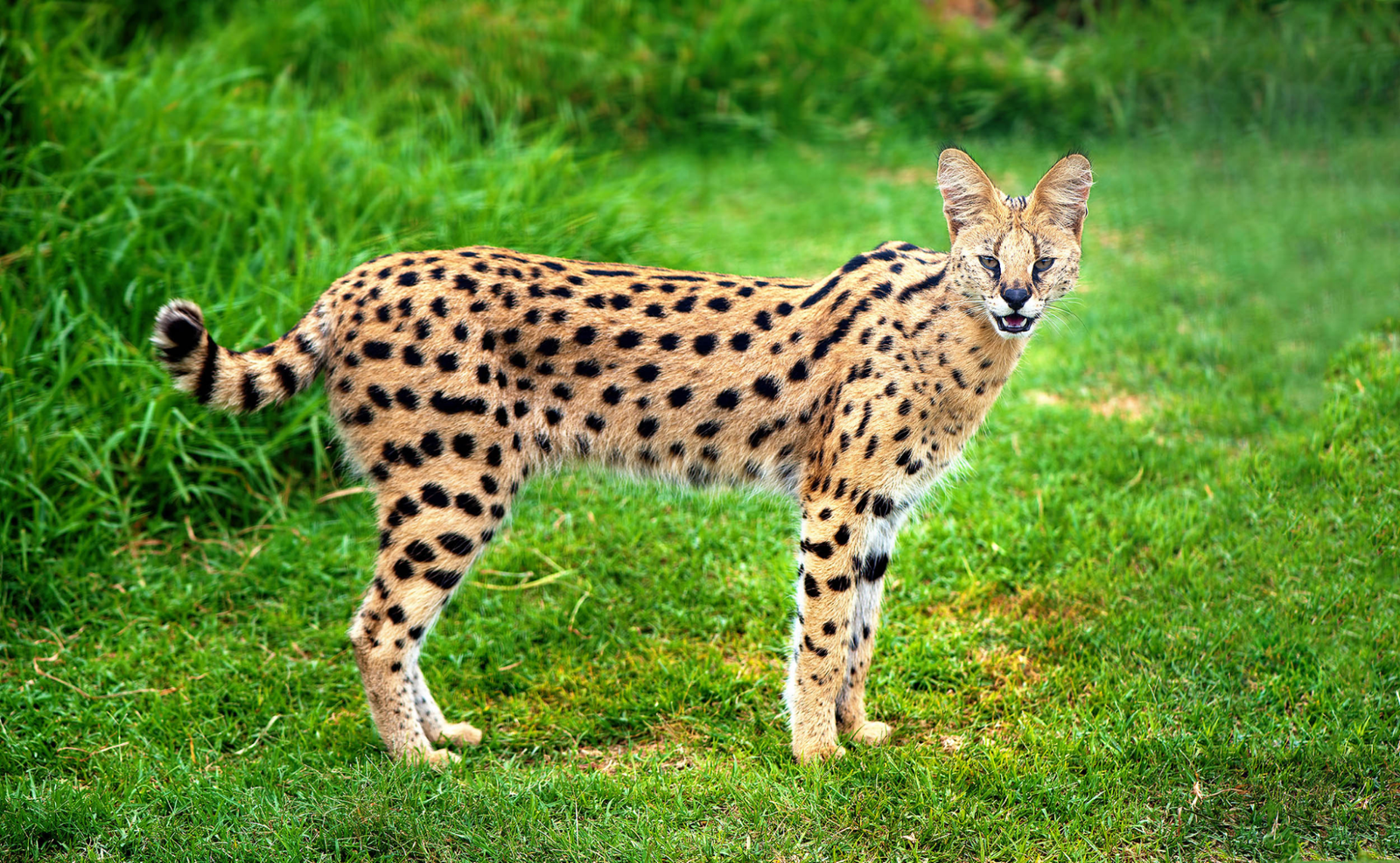
Savannah cats inherited their wild look from Serval ancestors. TICA recognizes standard colors like brown spotted tabby for shows.
But then there are the rare ones. Silver, smoke, melanistic, and snow variations that breeders rarely produce.
These non-standard colors cost more and can’t compete in certain show classes. But they’re absolutely worth knowing about.
Let me walk you through what makes each one special.
What Makes a Savannah Cat Color Rare

Rare Savannah cat colors come down to genetics. Some colors need two recessive genes to show up.
Others result from specific breeding combinations that don’t happen often. Breeders use selective outcrossing to create these variations, but it’s not easy or predictable.
Here’s the catch: These rare colors often aren’t show-eligible under TICA standards. They can’t compete in certain classes even though they’re gorgeous and cost more.
People want them for their looks and rarity, not necessarily for the show ring.
Rare Savannah Cat Colors
Savannah cats come in colors beyond the standard brown spotted tabby. Some shades are so rare that breeders wait years to produce them.
1. Snow / Seal Lynx Point

Snow Savannahs have a pale ivory to beige base. Their eyes are blue or aqua, which sets them apart from most other cats.
The markings don’t show up right away. Kittens are born looking almost white, and their spots develop over time.
This color comes from partial albinism. A tyrosinase enzyme affects pigment production. It’s a genetic mutation that creates this soft, muted look.
2. Chocolate & Chocolate Point

Chocolate Savannahs sport warm dark brown markings on an ivory-white base. Look closely at their paw pads and nose.
You’ll see pinkish undertones that other colors don’t have.
This color requires recessive genes from both parents. That’s why you don’t see it often. Breeders need specific cats to produce chocolate offspring.
3. Cinnamon / Amber

Cinnamon cats have a warm pale brown base with darker markings. The overall tone is lighter and warmer than standard brown.
Both parents must carry the recessive cinnamon gene. If only one parent has it, the kittens won’t show this color.
That makes breeding for cinnamon tricky and time-consuming.
4. Fawn

Fawn is basically a diluted version of cinnamon. You get a pale beige coat with soft pink overtones. It’s incredibly subtle and almost looks washed out compared to bolder colors.
This needs two recessive genes working together. One for cinnamon and one for dilution. Finding cats with both traits is tough.
That’s why fawn Savannahs are so hard to come by.
5. Blue / Gray

Blue Savannahs have gray markings over a creamy undercoat. This dilute version of black creates a cooler, softer appearance.
The patterns can be spotted, marble, or rosette.
The dilution gene lightens black pigment to gray. Some people prefer this muted look over the high contrast of black and tan.
6. Lilac / Lavender

Lilac is the holy grail of rare colors. You get a cream-to-peach base with gray markings. It’s soft, subtle, and hard to describe until you see it in person.
This color needs the chocolate gene plus the dilution gene. Both are recessive. Both parents must carry both genes. The odds are tiny.
That’s why lilac Savannahs are extremely rare and expensive.
7. Charcoal Modifier

Charcoal isn’t a color on its own. It’s a modifier that adds cool tones to other colors. It came from Bengal outcrossing and creates darker, richer coats.
You’ll see a dark cape along the spine and face mask. It gives brown Savannahs a more dramatic, wild look.
Some breeders specifically work with charcoal lines for this effect.
8. Marble / Classic Tabby

Marble Savannahs have swirling, bullseye-like patterns across their body. Instead of spots, you get flowing designs that wrap around their torso.
It looks completely different from the typical spotted coat.
This pattern comes from domestic cat genetics. It’s recessive, which means both parents need to carry the gene.
9. Rosette Pattern

Rosettes look like oval spots with a ring around them. Think of a donut shape with stripes and spots creating the outline. It’s similar to what you see on Bengal cats.
This pattern is non-standard for Savannahs. It won’t qualify for TICA shows in traditional classes. But many people love the wild look it gives.
The resemblance to leopards and jaguars makes rosettes highly sought after despite being show-ineligible.
Genetics Behind Rare Savannah Colors

Color genetics in Savannahs work through dominant and recessive gene interactions. Some colors need just one parent to carry the gene.
Others require both parents to have matching recessive genes. Multiple genes can interact to create even rarer combinations like lilac or fawn.
Breeders use genetic testing to identify what colors their cats carry. But even with testing, results aren’t always predictable.
Two cats with the right genes might still produce standard colors. That’s what makes rare varieties so hard to produce consistently.
Tips for Identifying Rare Savannah Cats
- Snow kittens are born very pale with blue eyes. Chocolate kittens have warm brown tones with pinkish paw pads and nose leather from birth.
- Blue cats show gray markings with a cool undertone. Lilac combines gray markings with a peachy or cream base that looks much warmer than blue.
- Check the tail tip color. Snow and lilac cats often have lighter tail tips, while chocolate and blue have darker ones that match their markings.
- Paw pad color tells you a lot. Pink or pinkish pads usually mean chocolate or fawn. Gray or dark pads indicate blue, black, or standard brown.
- Patterns become clearer as kittens grow. Marble and rosette patterns show early, but snow markings take weeks or months to fully develop on the pale coat.
Conclusion
Savannah cats come in so many more colors than people realize.
From snow and silver to lilac and charcoal, each variation has its own genetic story. These rare colors make the breed even more interesting to work with and own.
I’ve watched breeders spend years trying to produce specific colors. The results are worth it.
But remember, a Savannah’s personality matters just as much as its coat. These cats are smart, active, and social regardless of color.
Got questions about rare Savannah colors? Drop a comment below.
And if you’re thinking about getting one, do your research on breeders who prioritize health alongside color.
Frequently Asked Questions
What is the rarest Savannah cat color?
Lilac is considered the rarest color. It requires both the chocolate gene and the dilution gene, which makes breeding for it extremely difficult and unpredictable.
Can rare colored Savannah cats compete in TICA shows?
Most rare colors like snow, chocolate, and lilac cannot compete in standard TICA show classes. They’re considered non-standard even though they’re purebred Savannahs with proper documentation.
Are rare colored Savannah cats more expensive?
Yes, rare colors typically cost significantly more than standard brown spotted Savannahs. The difficulty in breeding them and their limited availability drives up the price considerably.
Do rare colored Savannah cats have different personalities?
No, coat color doesn’t affect personality or temperament. All Savannahs share similar traits like high energy, intelligence, and social behavior regardless of what color they are.
How can I tell what color my Savannah kitten will be as an adult?
Check paw pads, nose leather, and eye color for clues. Snow kittens are born pale with blue eyes and develop markings later. Genetic testing can confirm what colors your kitten carries.