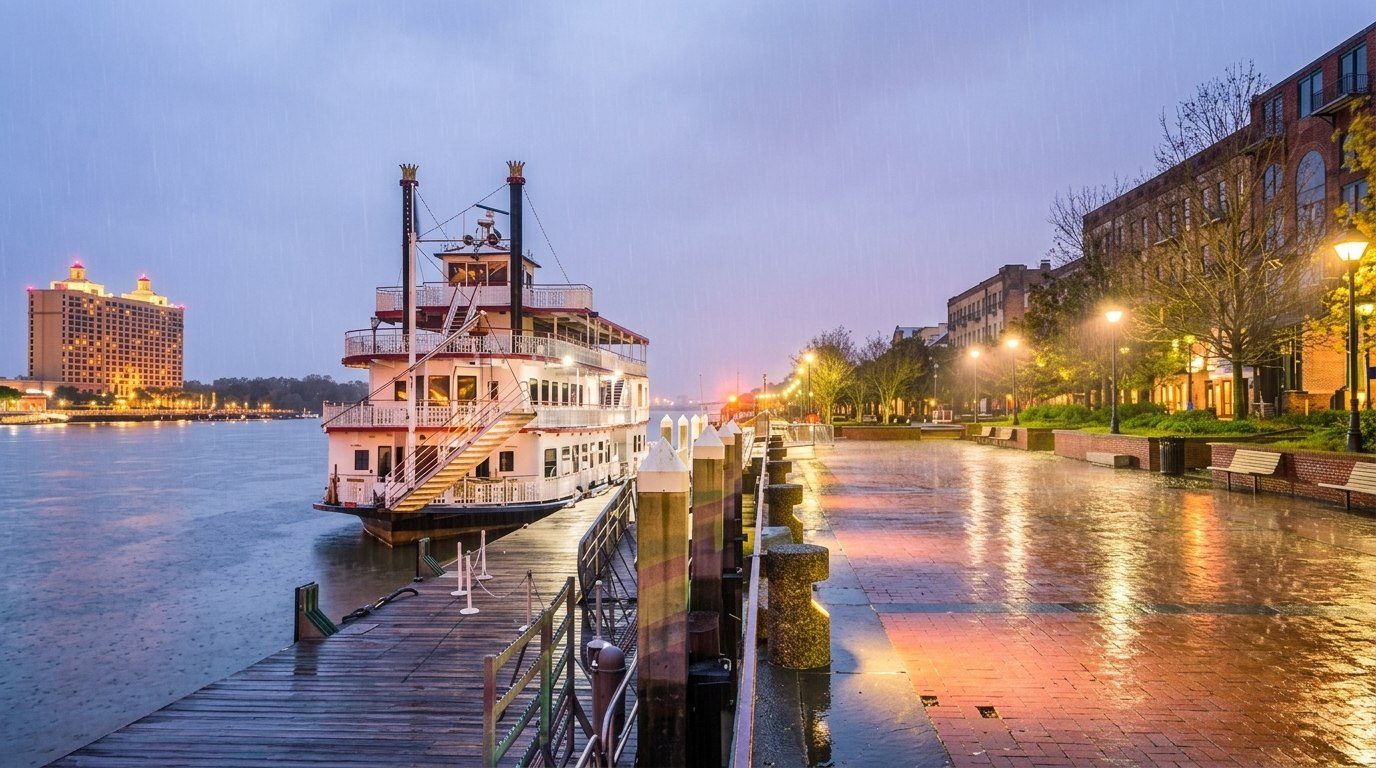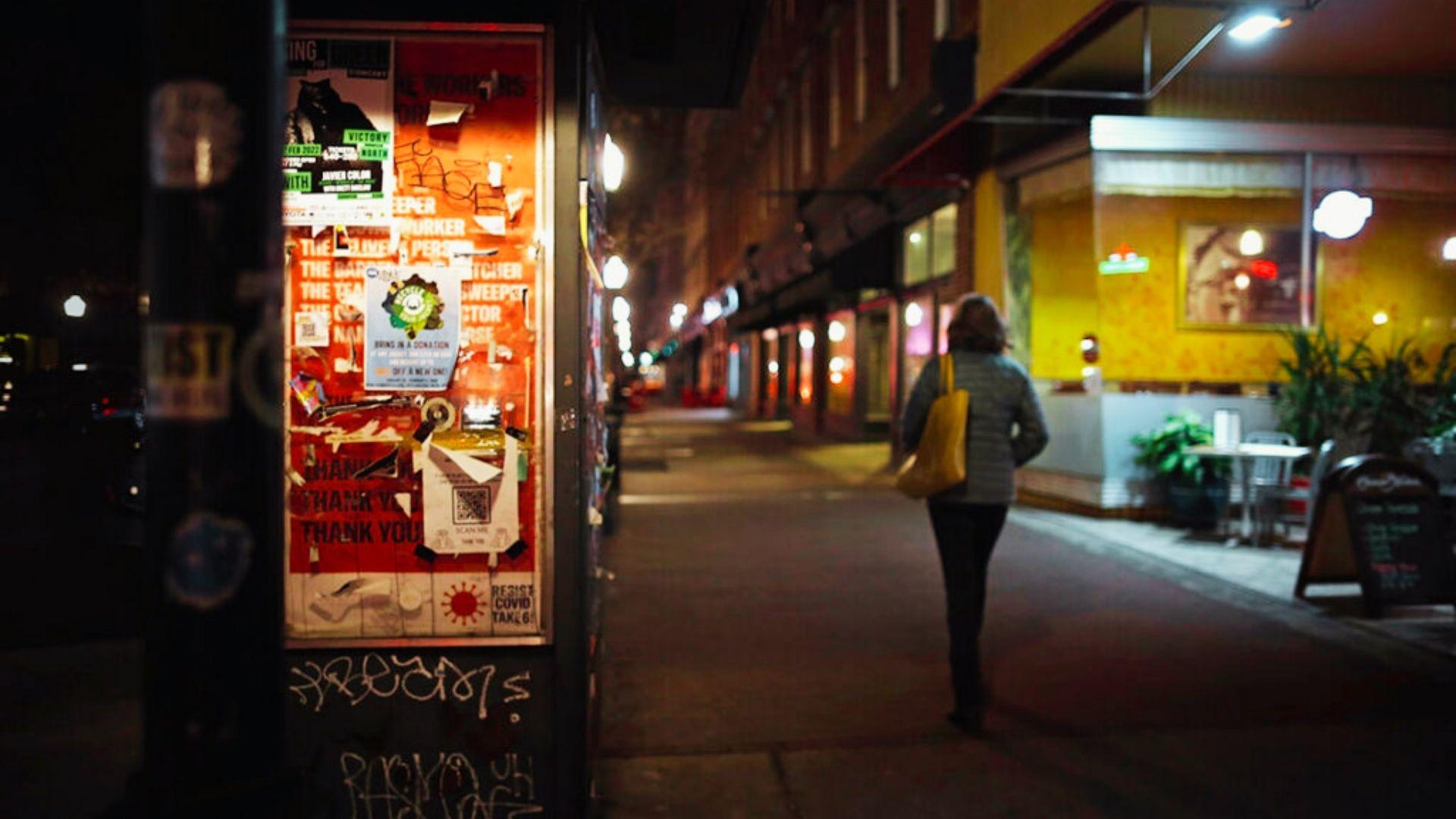
Savannah is one of the most visited cities in the South. But a lot of people ask the same question before booking a trip or signing a lease: is Savannah Georgia safe?
It is a fair question. And you deserve a straight answer.
I have put together an honest breakdown of crime rates, safe neighborhoods, risky areas, and practical tips to help you stay smart. No fluff, just real information.
In this guide, you will find everything from the safest places to stay to what to avoid at night.
This blog is built on real data and local knowledge to help you make a confident decision.
Is Savannah Georgia Safe?
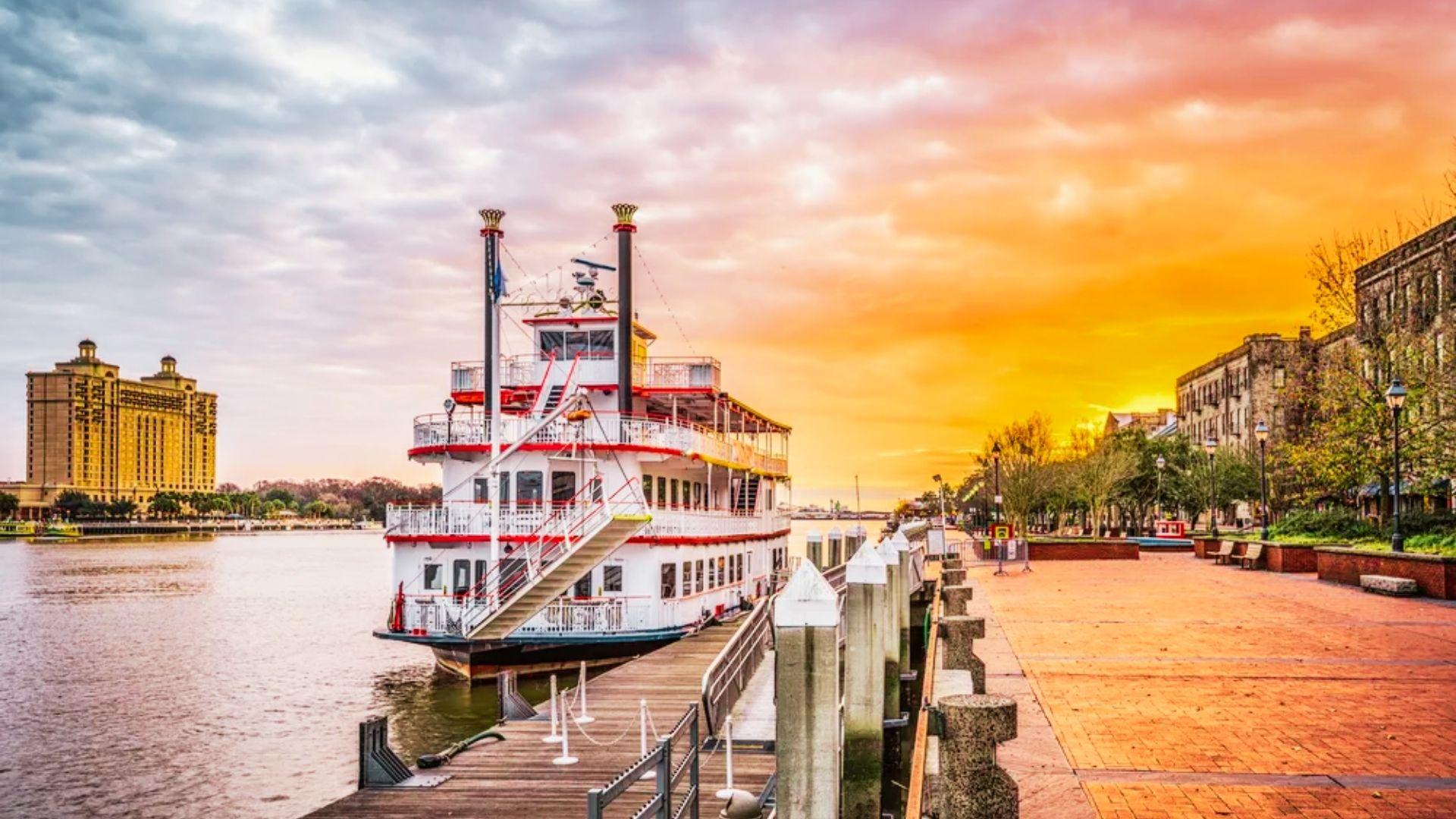
Savannah is a city with a lot to offer. But before you visit or move here, it helps to know what to expect on the safety front.
Savannah, Georgia has a mixed safety record. It draws millions of tourists every year with its historic squares and warm Southern charm.
But like many mid-size American cities, it has areas with higher crime and areas that feel very secure.
The overall experience depends a lot on where you go and when. Most visitors enjoy their trip without any problems. Locals who know the neighborhoods do the same.
This guide breaks down crime rates, safe neighborhoods, risky areas, and tips to make informed decisions.
Savannah Crime Rates Explained
A look at the numbers behind crime in Savannah so you can see the real picture clearly.
Savannah's crime rate is higher than the national average overall. That is the honest answer. But the numbers tell a more detailed story than just one figure.
Crime is not spread evenly across the city. Certain neighborhoods see most of the violent incidents, while tourist areas and historic zones stay relatively calm.
Understanding which type of crime is more common and where it tends to happen helps you make better decisions.
Violent Crime Statistics
Savannah's violent crime picture has changed meaningfully in recent years. Based on 2024 data tracked by Georgia's Uniform Crime Reporting (UCR) Program.
Savannah's violent crime index now sits close to the national average, around 22.2 compared to a national figure of roughly 22.7.
That is a significant shift from the early 2020s, when the city was well above average.
The most reported violent crimes still include aggravated assault and armed robbery. Homicide numbers have come down noticeably.
According to the Savannah Police Department's 2024 crime report, violent crime dropped by about 20 percent compared to 2023. Homicides specifically fell from 39 to 26 in that same period.
Most violent incidents remain concentrated in a handful of zip codes and neighborhoods rather than spread across the whole city. The tourist zones see very little of it.
Property Crime Statistics
Property crime is where Savannah still sits well above the national average. Theft, car break-ins, and burglary make up the bulk of reported incidents, with over 4,300 larceny cases reported in 2024 alone.
Tourists are more often affected by property crime than violent crime. Leaving valuables visible in your car or being careless with bags in crowded areas increases your risk significantly.
The downtown and Forsyth Park areas see frequent reports of vehicle break-ins.
Roughly half of all car break-ins in the city involve unlocked vehicles, according to local law enforcement data. That is the single most preventable crime in Savannah.
Most Common Crimes Affecting Residents and Tourists
For residents, auto theft and home burglary are the biggest concerns. For tourists, the most reported issues involve theft from vehicles and pickpocketing in busy areas.
Scams targeting visitors also happen around the city's popular squares and waterfront spots. Staying alert and keeping your belongings close is a simple but effective habit.
Crime Trends in Recent Years
Savannah saw a spike in violent crime during the early 2020s, which matched trends across many American cities during and after the pandemic period.
Since then, the city has worked to bring numbers down through increased police presence and community programs.
Progress is real. Total property crimes dropped around 10 percent from 2023 to 2024. Violent crime fell 20 percent in the same window.
However, pockets of persistent crime in specific neighborhoods remain a challenge that city officials continue to work on.
Safest Neighborhoods in Savannah
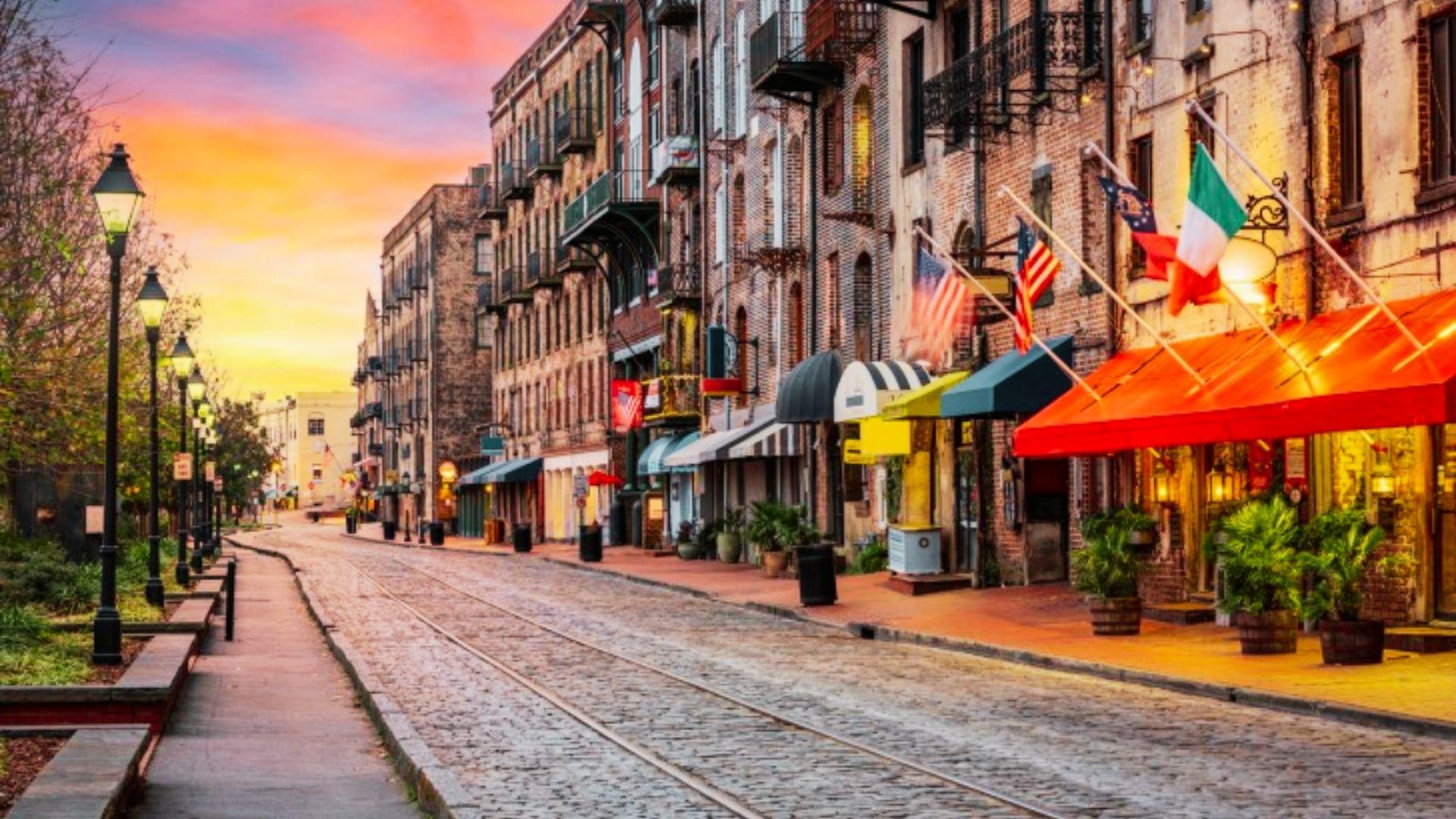
These are the parts of Savannah where residents and visitors tend to feel most at ease.
Not all of Savannah carries the same level of risk. Several neighborhoods are consistently rated among the safest in the city.
These areas tend to have lower crime rates, better lighting, more foot traffic, and stronger community involvement.
Best Neighborhoods for Families
Ardsley Park and Chatham Crescent are two of the most family-friendly neighborhoods in Savannah. Both areas have lower crime rates compared to the city average.
Streets are walkable, neighbors tend to look out for each other, and the overall environment feels settled and calm.
Gordonston is another strong pick. It is a tight-knit historic neighborhood with a small-town feel and one of the lower crime rates in the city.
It sits close to Daffin Park and tends to attract long-term residents who keep an eye on the block.
Windsor Forest sits a bit further from downtown but offers a quieter suburban feel with lower reported crime. It is a solid option for families who want more space and less city noise.
Safest Areas for Tourists
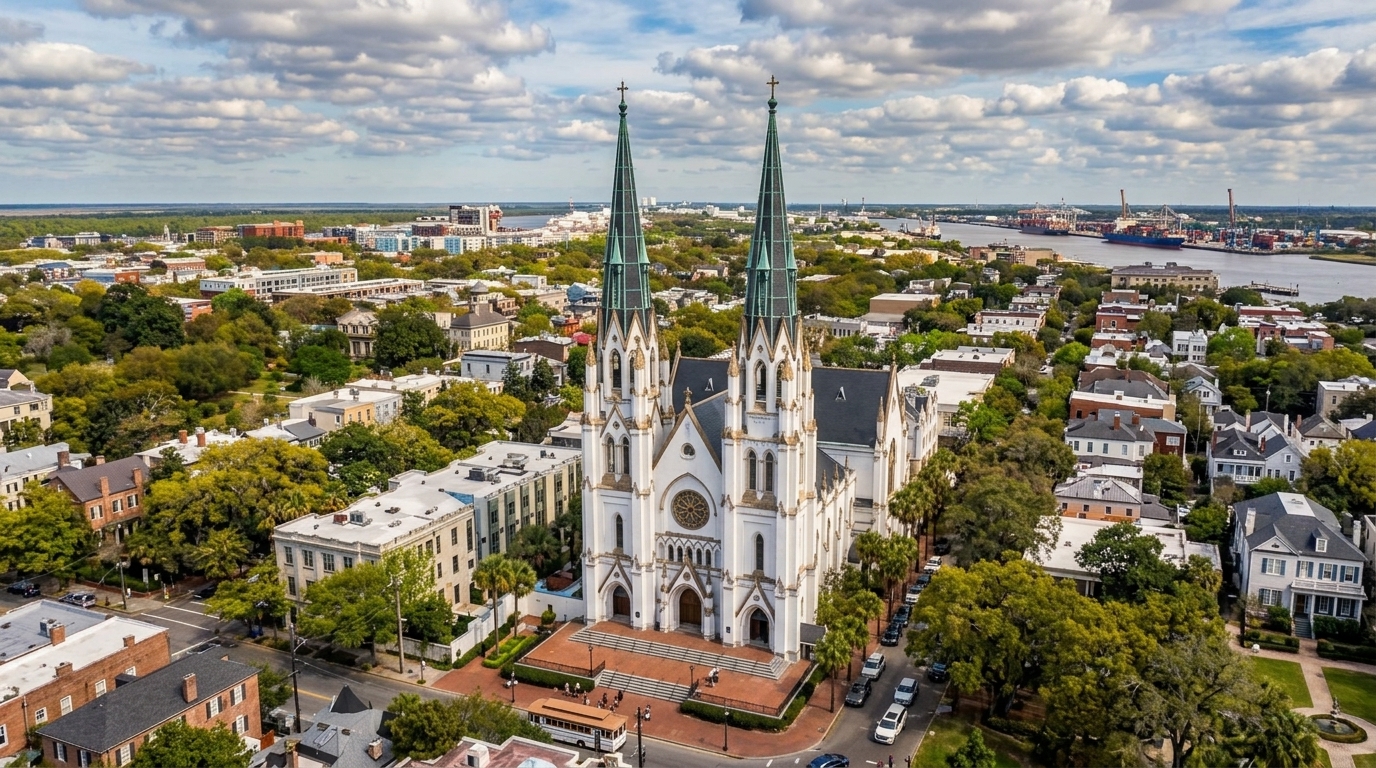
The Historic District is where most tourists stay, and it is also one of the better-policed areas in the city.
The squares, River Street, and Forsyth Park all see regular foot traffic and law enforcement presence, including bike patrols and foot patrols through the busier zones.
Midtown Savannah is another area that tends to be comfortable for visitors. It has a good mix of restaurants, shops, and parks without the congestion of the downtown waterfront.
Neighborhoods with Lower Crime Rates
Beyond the tourist areas, Skidaway Island and Wilmington Island consistently rank among the safest parts of the Savannah metro area.
According to data from NeighborhoodScout, Skidaway Island has a crime rate of about 12.81 per 1,000 residents, making it one of the safest spots in the region.
Wilmington Island comes in at around 17.97 per 1,000, with the southwest portion of the island considered the quietest.
Coffee Bluff and Isle of Hope are also worth noting. Isle of Hope sits along the Skidaway River and ranks in roughly the 78th percentile for safety nationally, meaning it is safer than about 78 percent of U.S. cities.
Both communities are small, tight-knit, and have very few reported incidents year after year.
Sandfly and Thunderbolt are two more options worth considering if you want to be close to the city without being in the thick of it.
Both sit just outside the main urban core and report lower crime than the city average.
Areas Where You Should Be More Cautious
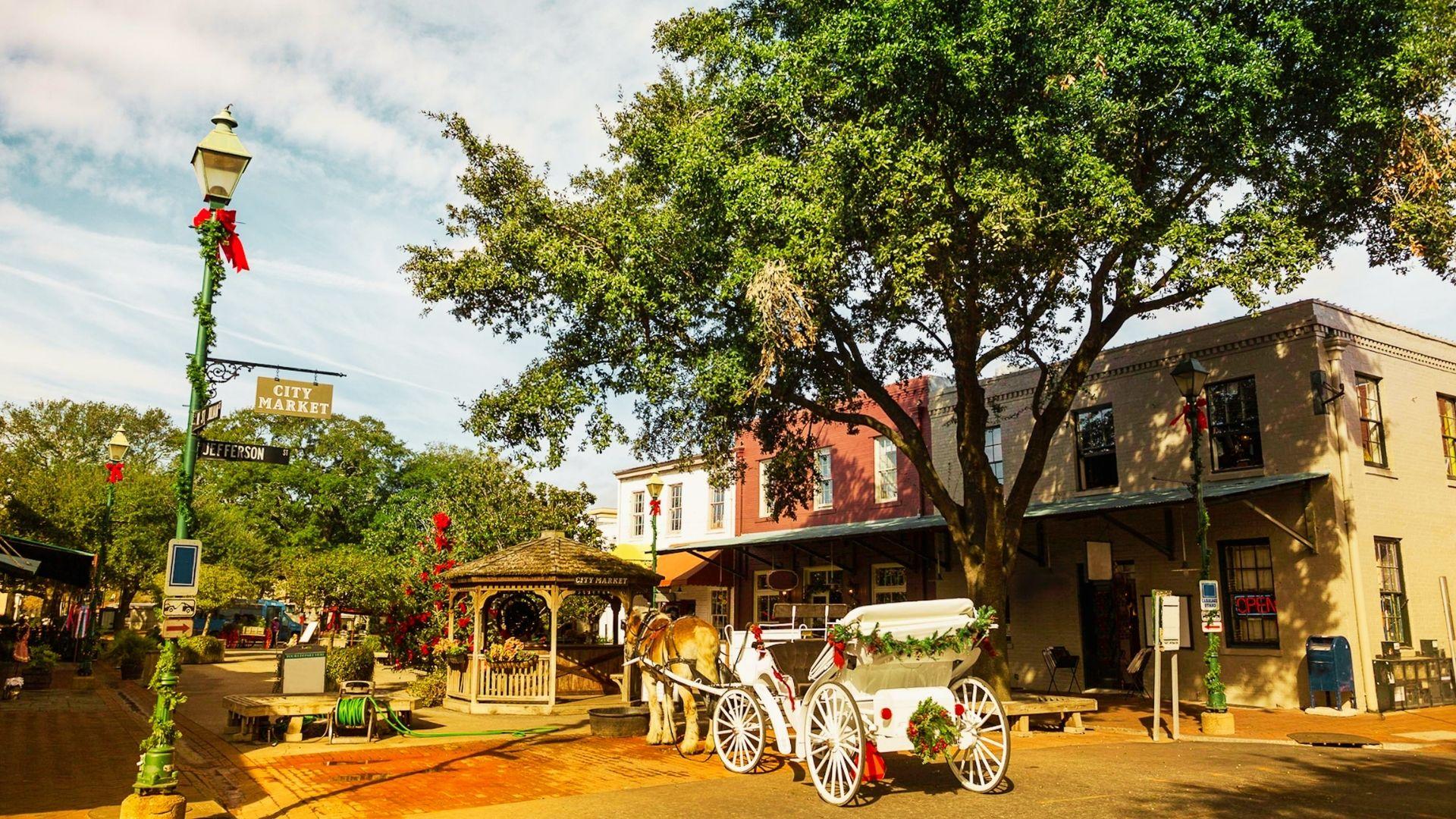
Some parts of Savannah have higher crime concentrations. Knowing them helps you plan smarter.
Every city has areas where crime is more concentrated, and Savannah is no different.
Being aware of these spots does not mean you need to avoid them completely. But it does mean you should be more alert and thoughtful about when and how you visit.
Neighborhoods with Higher Crime Rates
The Eastside and Cloverdale neighborhoods have some of the higher violent crime rates in Savannah.
These areas are mostly residential and not typical tourist destinations, but knowing their location helps if you are driving or navigating through the city.
West Savannah, including the Yamacraw Village area, is one of the most consistently flagged parts of the city.
Overall crime there runs more than twice the national average.
Some streets lack adequate lighting, which makes them more vulnerable at night. Cuyler-Brownville and Victorian District East also show higher concentrations of assaults and robberies in local crime data.
The Waters Avenue Corridor and Carver Heights are other spots that see elevated crime numbers.
Carver Heights, despite its listing on the National Register of Historic Places, has a violent crime rate well above the national average, with a murder rate that runs about four times higher than the national figure.
These are not tourist areas, but they are worth knowing about if you are navigating by GPS.
Most incidents across all of these areas involve disputes between residents rather than crimes against visitors, but staying cautious in unfamiliar streets is always wise.
The Lanes: A Savannah-Specific Risk
Savannah has a network of narrow back alleys called lanes that run behind homes and businesses throughout the Historic District.
They are not sidewalks or shortcuts. They exist for utility access, trash pickup, and residents reaching their carriage houses.
Walking through the lanes puts you in an isolated, poorly lit space with few witnesses.
It is also technically illegal under Savannah city code to use a lane as a thoroughfare unless you live or operate a business on that block.
Avoid them as shortcuts, especially at night. They look interesting, but they are one of the more consistent safety blind spots in the downtown area that locals know to skip.
High-Traffic Roads and Accident Hotspots
Savannah has several roads that see higher rates of traffic accidents.
DeRenne Avenue, Abercorn Street, and Victory Drive are among the busiest and most reported corridors for vehicle collisions. I-95, I-16, and the Martin Luther King Jr. Boulevard corridors are also flagged in the city's Vision Zero high-injury network plan.
Distracted driving and speeding are the most common causes. Drayton Street through the Historic District is locally nicknamed the Draytona for how fast people take it.
If you are driving in Savannah, stay focused and give extra space on these roads, especially during rush hours.
Places to Avoid Late at Night
Late at night, certain parts of downtown Savannah become less safe. The areas around MLK Jr. Boulevard and some stretches of River Street see more incidents after midnight.
The area around Ellis Square and West Congress Street deserves a specific call-out.
City Market sits right there and is perfectly fine during the day and early evening. But once the bars close, usually around 2 to 3 a.m., the dynamic shifts.
Local experts consistently flag Ellis Square as the most problematic square in the Historic District after hours. It is a good area to leave before midnight.
Wandering alone in poorly lit streets or alleys in the Historic District after dark is not a great idea. Stick to well-lit, populated areas and use rideshare services if you are heading somewhere unfamiliar after hours.
The Downtowner app offers free rides within the Historic District until 5 a.m. Download it before your trip and use it.
Is Savannah Georgia Safe at Night?
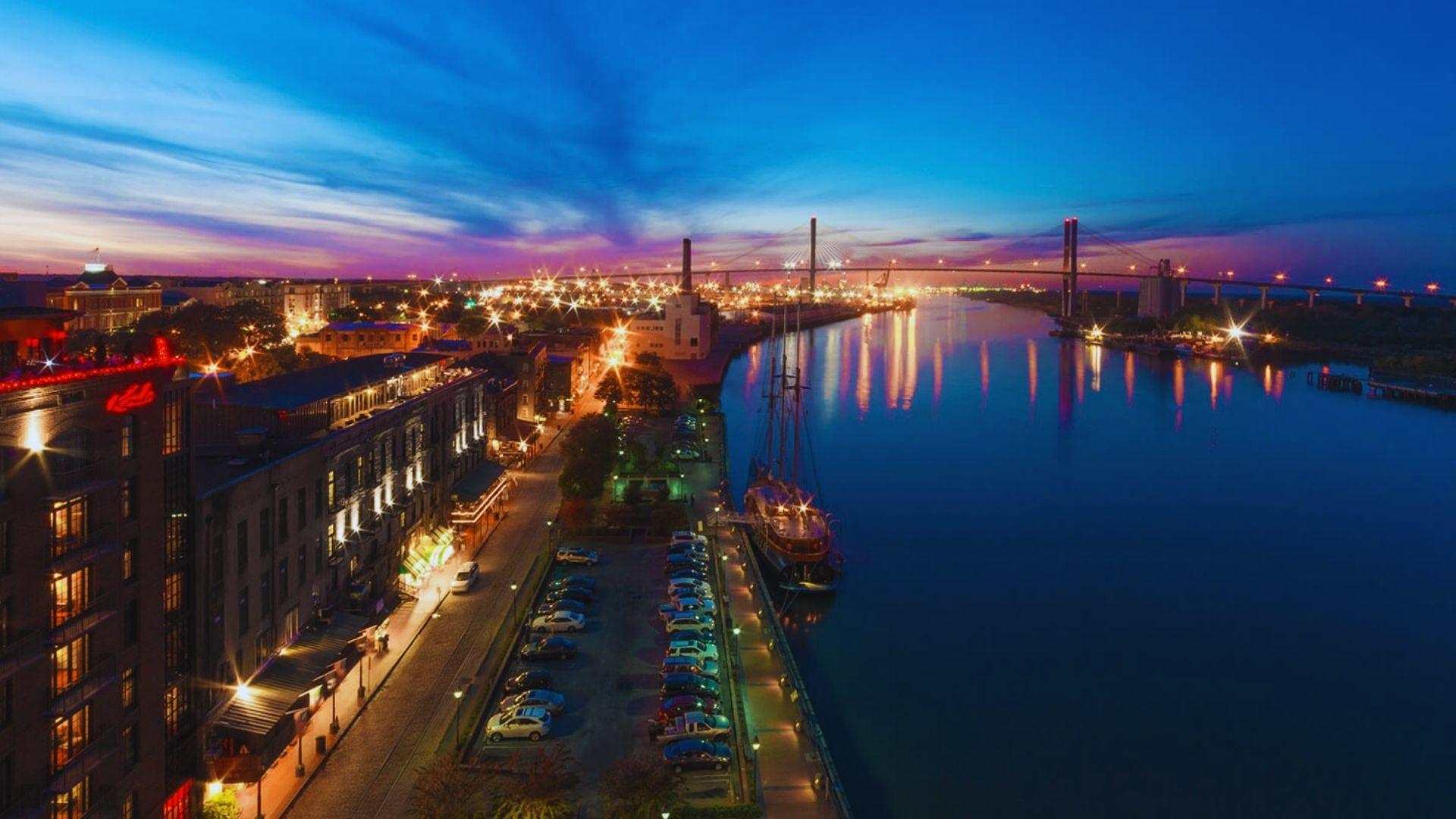
Nighttime in Savannah has a very different feel depending on where you are and what you are doing.
In the Historic District, nights are lively and fairly well-monitored. River Street fills with people well into the evening, and the squares remain active with foot traffic from restaurants, bars, and hotels. In these areas, nighttime is usually fine.
Outside of those zones, the story changes. Areas away from the tourist core become quieter and, in some cases, less safe after dark. Walking alone in unlit areas or wandering off the main streets is where the risk goes up.
Local law enforcement data shows that most violent incidents in the city occur between 9 p.m. and 3 a.m.
If you are going out at night, stick to the busier parts of the city.
Savannah allows adults to carry drinks in plastic cups in the Historic District, which keeps crowds on the main streets but also attracts pickpockets in those same areas. Stay aware of your surroundings in any crowd.
Use the Downtowner app or a rideshare instead of walking long distances after midnight.
The free DOT shuttle runs loops through downtown until midnight on weekends and is a solid daytime and early evening option as well. Let someone know where you are headed either way.
Savannah's nightlife is real and worth experiencing. You just need to be smart about how you move through the city once the sun goes down.
Is Savannah Georgia Safe to Live?
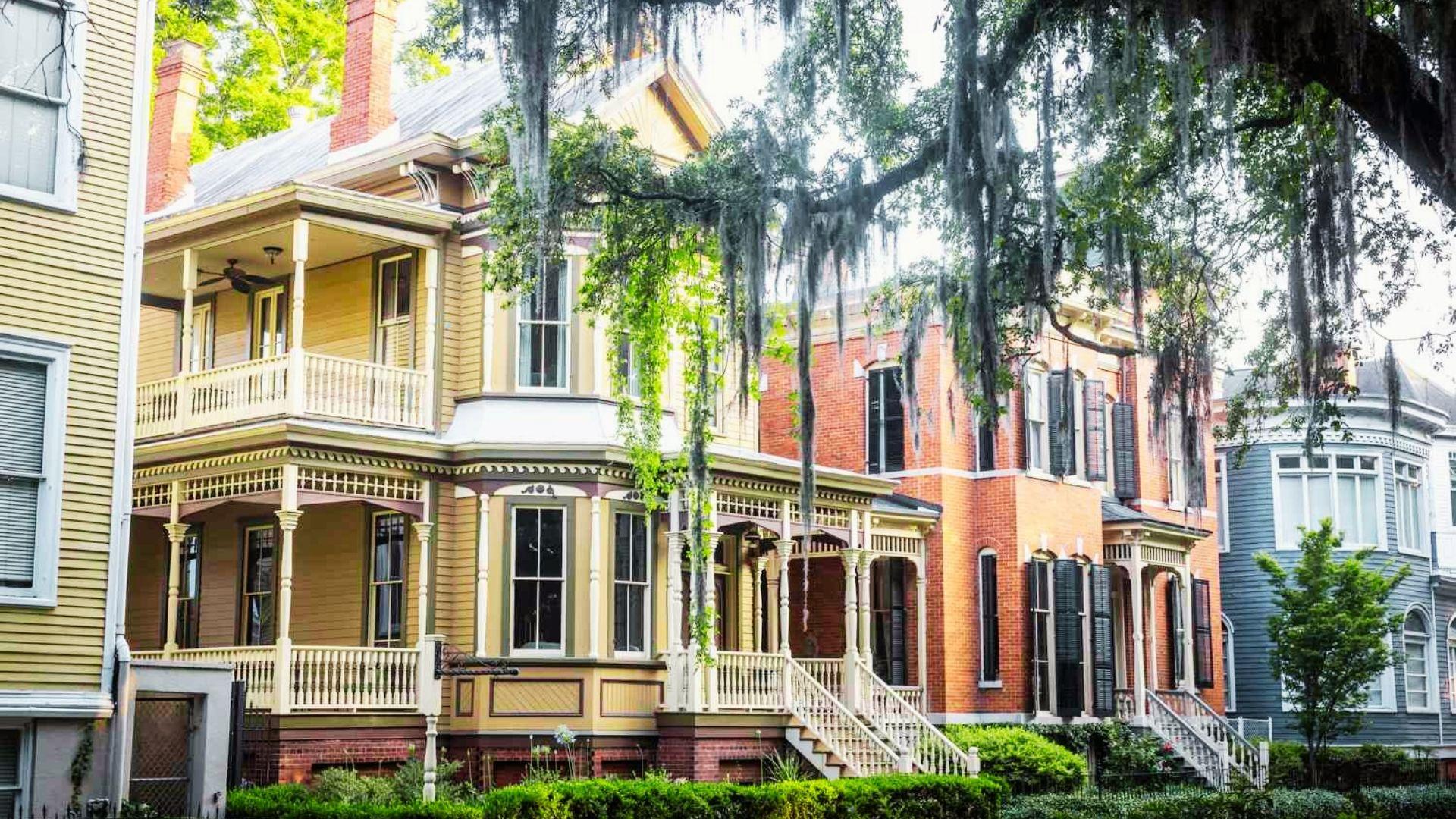
Living in Savannah full-time can be a great experience if you choose an area with lower crime rates that significantly improves daily safety.
Areas like Ardsley Park, Gordonston, Isle of Hope, and Skidaway Island offer a calm lifestyle with lower crime rates.
The cost of living is affordable compared to many Southern cities, and job opportunities, a growing arts scene, and coastal access make it an appealing place to settle down.
About 20 percent of Savannah residents live at or below the poverty line, which is part of why crime concentrations exist in certain neighborhoods.
Understanding that context helps you make smarter choices about where to put down roots.
Families who choose their area carefully will find good schools, active communities, and a comfortable day-to-day life.
Crime exists in certain parts of the city, but most residents in safer neighborhoods go about their routines without major concerns.
Staying informed and getting involved in your local community makes a big difference.
Public Safety Beyond Crime
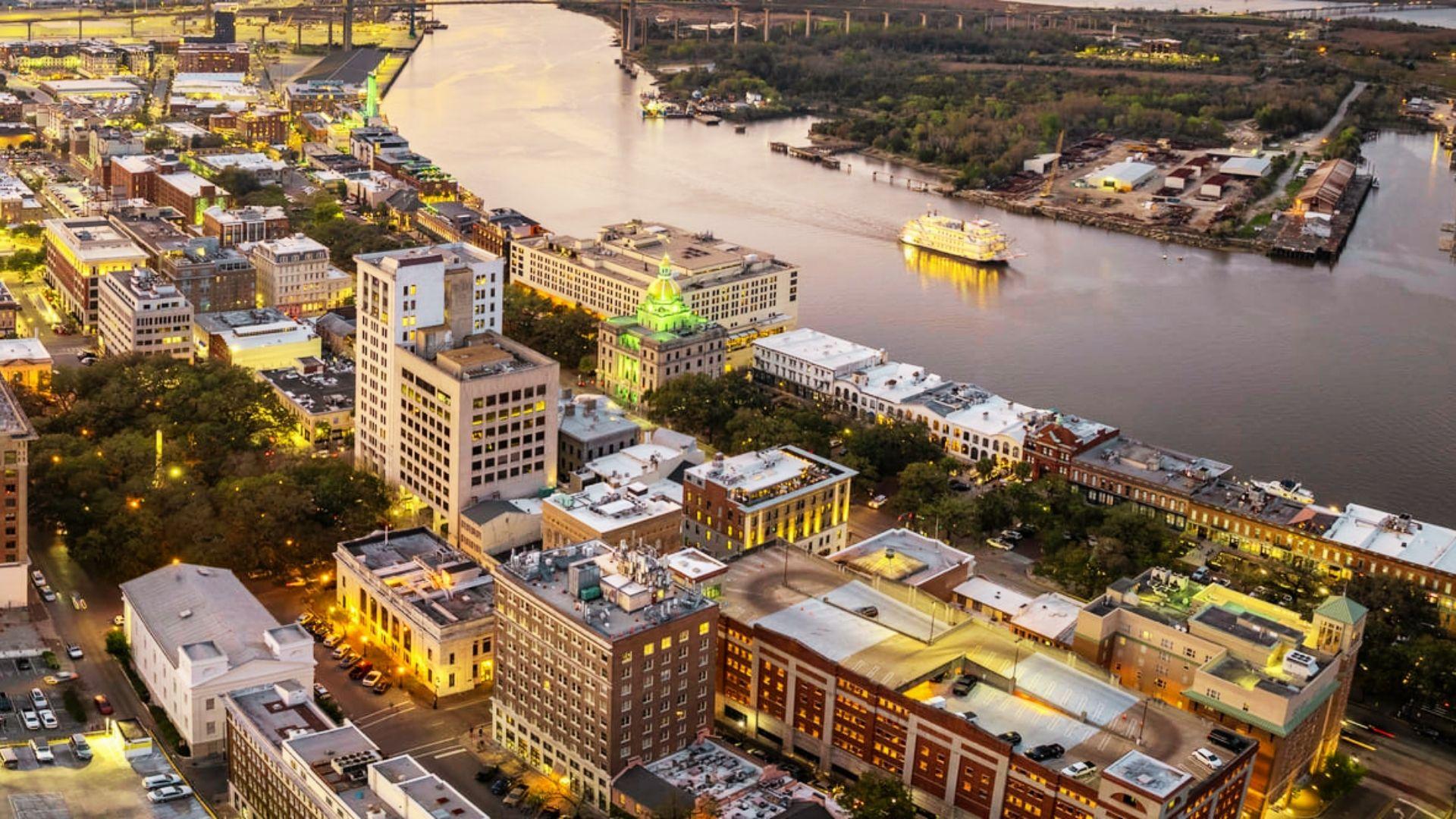
Safety in Savannah goes beyond crime. Natural hazards and road conditions are also part of the equation.
Crime is not the only safety factor to think about in Savannah. The city's geography and climate bring their own set of risks.
Being prepared for these makes a big difference in how safe and comfortable your time in Savannah turns out to be.
Traffic and Pedestrian Safety
Savannah's historic streets were not designed for modern traffic volumes. Some roads are narrow and can get congested quickly, especially in the downtown core.
Pedestrian safety is a concern in areas where sidewalks are uneven or absent. The large live oak roots throughout the Historic District push up brick sidewalks and create tripping hazards, especially after dark or in wet weather.
Crosswalks in the tourist zones are generally well-marked, but outside those areas, walkers need to stay alert. Cyclists and pedestrians should be especially careful on Abercorn Street and Bay Street.
Hurricane and Flood Risks
Savannah sits in a coastal region that is vulnerable to hurricanes and tropical storms. The official hurricane season runs from June through November.
The city has experienced serious storm impacts in the past, including significant flooding during Hurricane Matthew in 2016, and takes emergency preparedness seriously.
Flooding is also a recurring issue in parts of the city. Low-lying neighborhoods near the Savannah River and tidal wetlands can see significant water levels after heavy rain.
According to available flood risk data, roughly 77 percent of buildings in Savannah face some level of flood exposure, with over half sitting in high-risk FEMA flood zones designated AE and VE.
Those zones carry at least a one percent annual probability of deep flooding.
If you are renting or buying in Savannah, check the Georgia Flood Map Viewer for your specific address before you sign anything.
Standard renters and homeowners insurance does not cover flood damage. You will need a separate policy.
Emergency Services and Preparedness
Savannah has solid emergency services for a city its size. The Savannah Police Department, Savannah Fire and Emergency Services, and Memorial Health University Medical Center all serve the area.
For storm events, the Chatham County Emergency Management Agency (CEMA) provides regular updates and has evacuation routes and plans in place.
Signing up for local emergency alerts through CEMA is a smart move for residents and long-term visitors alike.
Tips to Stay Safe in Savannah
A few smart habits can make your time in Savannah much safer and more relaxed.
- Never leave valuables visible in your car. Bags, electronics, and loose change left in plain sight make your vehicle a target. Lock up every time, even for a quick stop. The Savannah Police Department runs the "Lock It or Lose It" campaign across the city for a reason. Roughly half of all car break-ins involve unlocked vehicles, and thieves test door handles regularly on downtown streets.
- Keep your wallet and phone in a front pocket or a close-fitting bag. In crowded spots like River Street or City Market, stay aware of who is around you.
- Never leave your drink unattended in a bar. Savannah has a lively nightlife scene, and drink spiking has been reported in bars near West Congress Street and City Market. Watch the bartender make your drink, and have a trusted friend hold it if you need to step away.
- Walk with purpose and avoid staring at your phone while moving through unfamiliar streets. If you need to check a map, step inside a shop to do it. Stay off the lanes and alleys, especially after dark.
- Download the Savannah PD app before your visit. It posts real-time crime alerts and road closures and is a useful tool for staying current on what is happening in specific areas.
- Save these numbers before heading out: Emergency 911, Savannah Police Non-Emergency (912) 651-6675, Chatham County Emergency Management (912) 201-4500, Memorial Health University Medical Center (912) 350-8000, Georgia State Patrol (912) 352-4747.
Conclusion
Savannah is one of those cities that stays with you. Is it perfect? No. But with the right preparation, it is a place where you can feel comfortable whether you are visiting for a weekend or thinking about putting down roots.
I always tell people the same thing: do your research, tourists are generally safe, and stay alert. That applies to any city, not just Savannah.
Have you spent time in Savannah? Drop a comment below and share your experience. And if this helped, share it with someone planning a trip.
Frequently Asked Questions
Is Savannah Georgia safe for solo female travelers?
Savannah is generally fine for solo female travelers who stick to well-lit, busy areas. Avoid walking alone late at night in unfamiliar neighborhoods, and stay off the back lanes. The free Downtowner app is worth having on your phone for safe rides after dark within the Historic District.
Is Savannah safe for students attending SCAD?
SCAD, the Savannah College of Art and Design, has a large campus presence across the Historic District and surrounding neighborhoods including Thomas Square and Starland. Most students feel safe on and near campus. The school has its own security, and the surrounding areas are reasonably well-monitored. That said, students living off campus should be aware of which blocks to avoid, particularly west of MLK Jr. Boulevard.
Is the Savannah airport area safe?
The area around Savannah Hilton Head International Airport is considered safe. It is well-developed, with hotels and businesses nearby that see regular traffic. The airport is about 20 minutes from the Historic District by car. Rideshare pickup is available at the terminal.
Does Savannah have a high car theft rate?
Car theft does happen in Savannah more than the national average. Parking in monitored lots, never leaving valuables inside, and always locking up significantly reduces your risk.
Is Savannah Georgia tap water safe to drink?
Yes. Savannah's tap water comes from the Savannah River and is treated by Metropolitan Water Services. It meets or exceeds EPA safety standards for contaminants including lead, bacteria, and nitrates. Some residents notice a slight chlorine taste during high-rainfall periods. If you are in an older home, run the tap for 30 seconds before drinking as a basic precaution.
Which areas in Savannah should tourists avoid?
Tourists should stay away from West Savannah including Yamacraw Village, Carver Heights, and the Waters Avenue Corridor. These areas have some of the highest violent crime rates in the city. At night, also avoid Ellis Square and the West Congress Street bar area after midnight. Stick to well-lit tourist zones like River Street and the southern Historic District after dark.
Is Savannah safe from flooding?
Flooding is a real concern. Roughly 77 percent of buildings in Savannah face some level of flood risk, and over half sit in high-risk FEMA zones. If you are planning to live in Savannah, check the Georgia Flood Map Viewer for your specific address and consider separate flood insurance. Visitors should monitor CEMA storm alerts during hurricane season, which runs June through November.