The Orlando to Savannah drive is one of the best road trips on the East Coast. But knowing where to stop makes all the difference.
I have driven this route myself and handpicked the best stops so you do not have to guess.
This guide covers 39 stops, top cities, the best beaches, historic sites, and nature spots. You will also find simple itineraries and planning tips for every budget.
Whether you have one day or three, this blog helps you plan a drive worth remembering.
No fluff. Just real stops, honest tips, and everything you need to hit the road with confidence.
Best Stops on the Orlando to Savannah Drive
The drive from Orlando to Savannah is about 290 miles and takes roughly five hours. Daytona Beach comes first, with its famous drive on sand beach, lively boardwalk, and the Daytona International Speedway.
Next is St. Augustine, the oldest European city in the US, home to the Castillo de San Marcos fort and the buzzing St. George Street. Jacksonville offers a local feel with relaxed beaches and the Catty Shack Ranch Wildlife Sanctuary for big cat encounters.
A short detour leads to Fernandina Beach on Amelia Island, where a walkable Victorian downtown and Civil War era Fort Clinch make it a worthwhile stop.
In Georgia, Jekyll Island stands out for its wide beaches, historic club district, and the one of a kind Driftwood Beach. The small town of Darien is a great last break, with riverside seafood at Skipper's Fish Camp and the early 1700s Fort King George nearby.
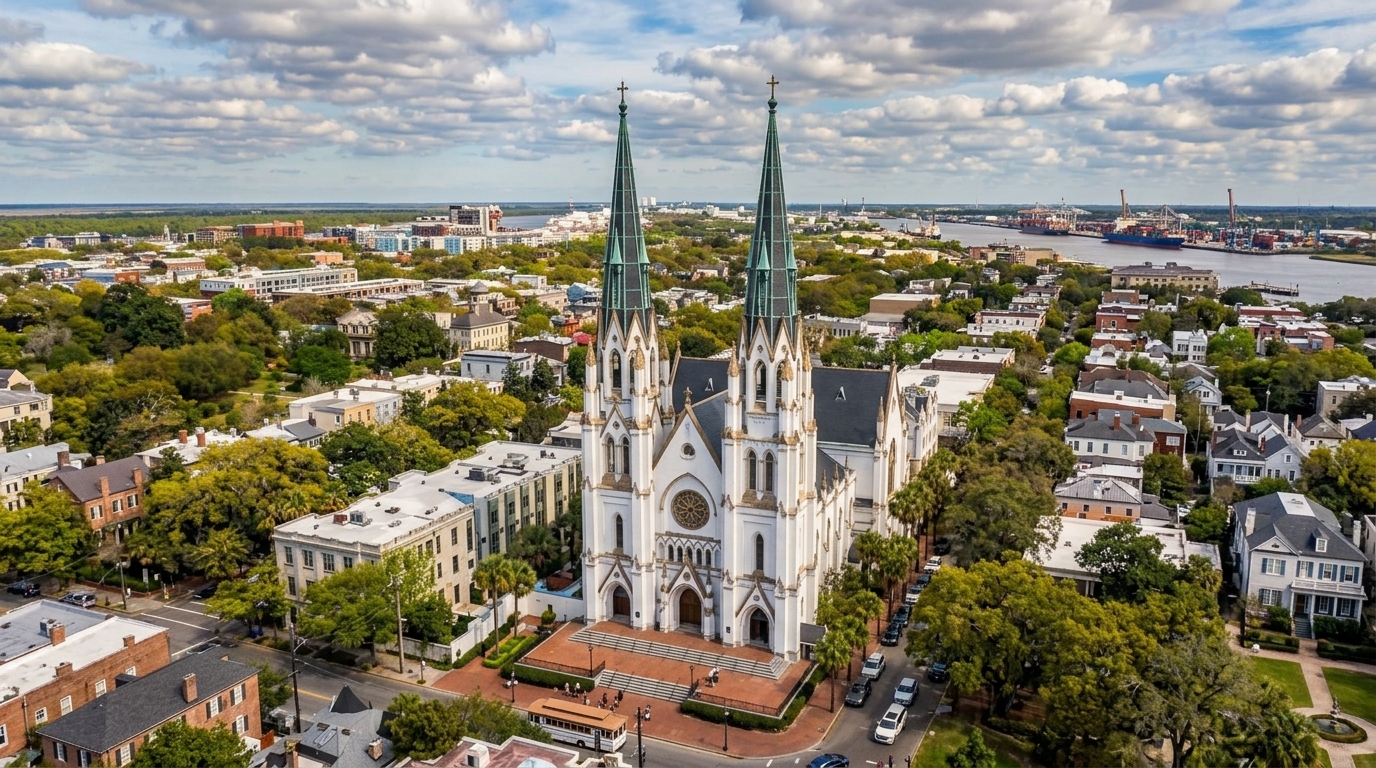
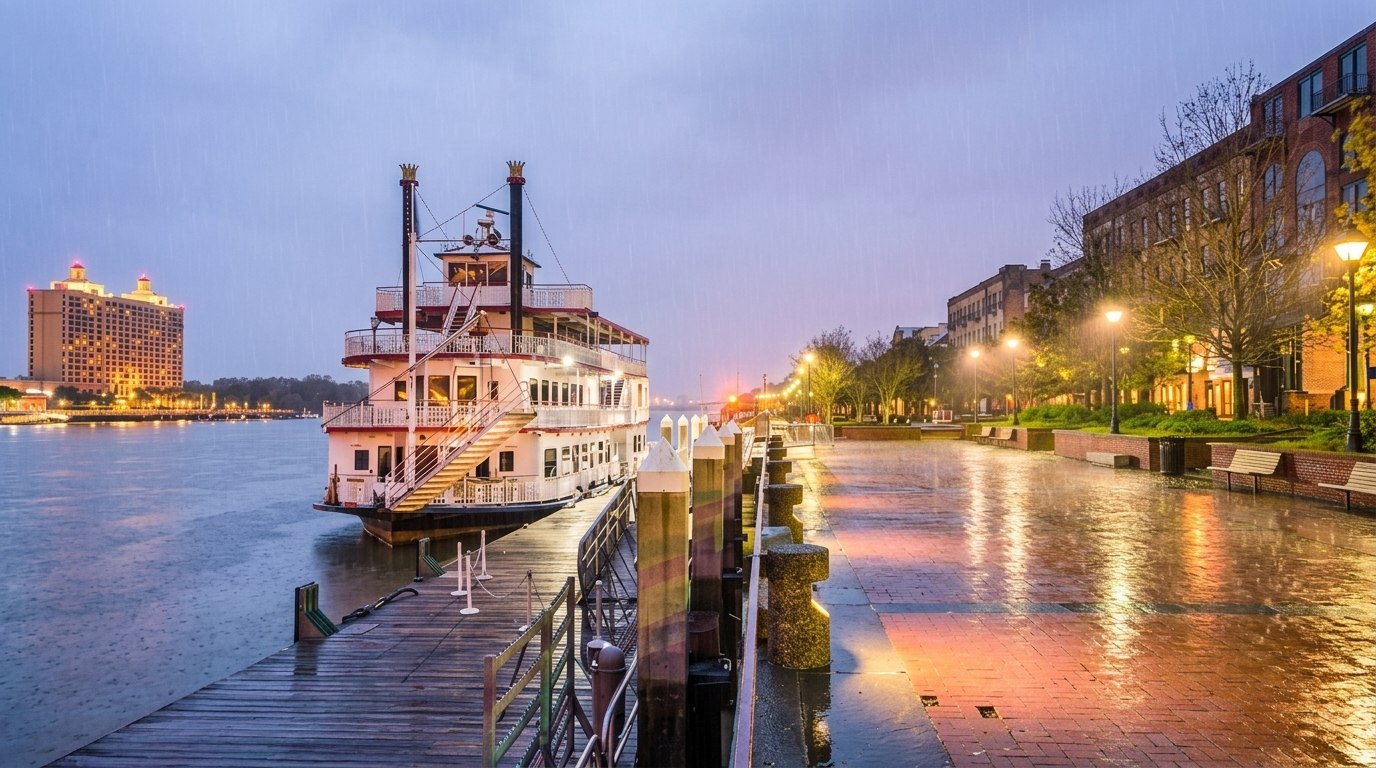
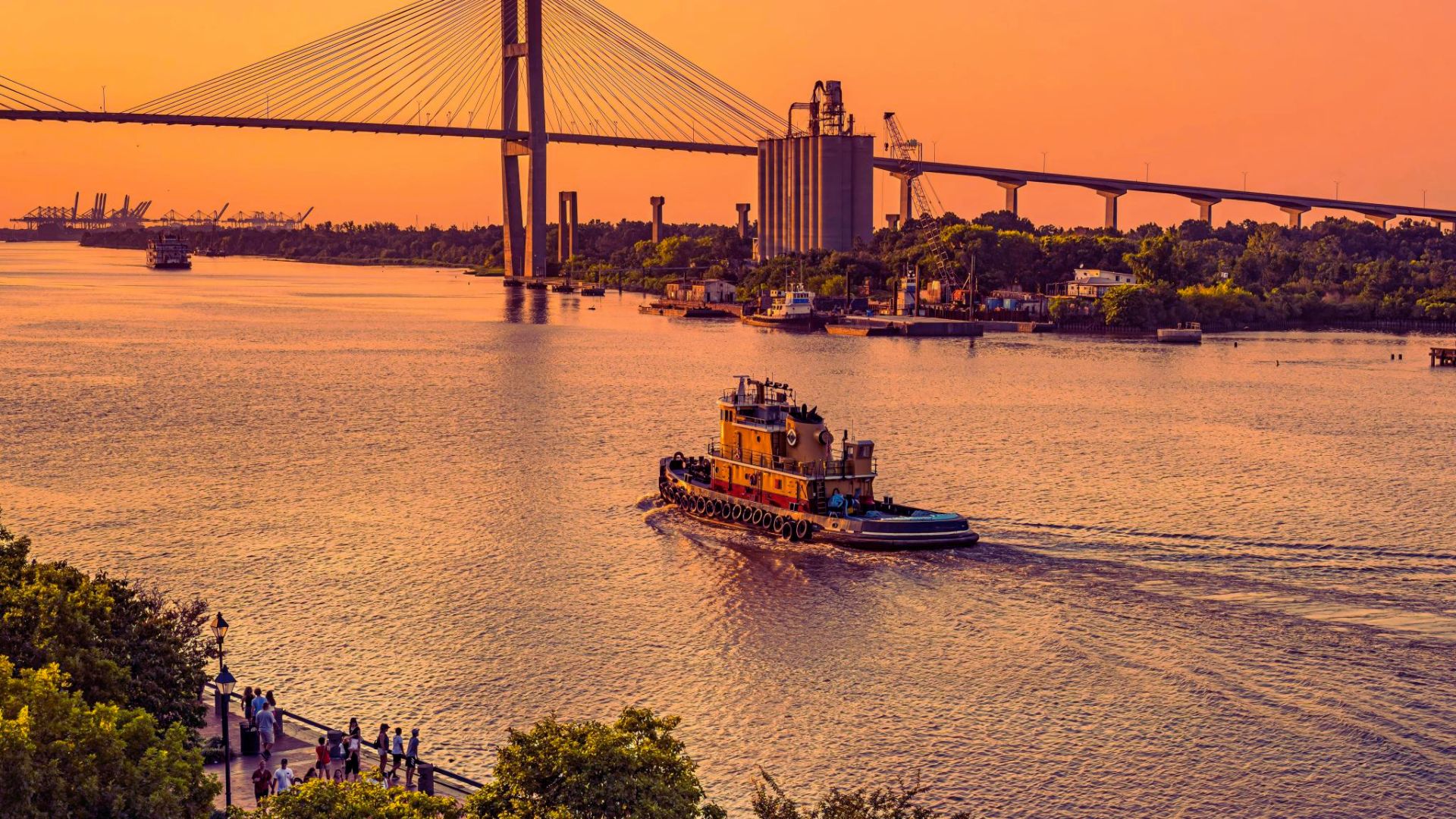
The drive wraps up in Savannah, where shaded historic squares, River Street, and some of the best Southern food in the country make it a worthy destination.
Orlando to Savannah Drive: Distance, Time & Route Overview

It is a smooth, easy drive through the Southeast with some great stops along the way. Here is a quick breakdown of everything you need to know.
Orlando to Savannah Drive Distance
The road distance from Orlando to Savannah is roughly 280 miles.
The straight line distance between the two cities is about 245 miles. By road, it comes out to around 279 to 285 miles depending on your exact route. Most of the drive is on interstate highway, so it moves quickly.
Orlando to Savannah Drive Time
Plan for about 4 to 5 hours of driving under normal conditions.
With no stops and light traffic, you can make it in around 4 hours. Add in a meal break or a quick detour and expect closer to 5 to 6 hours. Traffic around Jacksonville is the biggest variable, especially on weekends and holidays.
Orlando to Savannah Drive Time Distance
280 miles, 4 to 5 hours, one halfway point.
Here is a fast summary:
Total distance: 279 to 285 miles
Drive time (no stops): About 4 hours
Drive time (with stops): 5 to 6 hours
Halfway point: Jacksonville, Florida
Both cities are in the Eastern time zone, so no time change to worry about.
Best Route for the Orlando to Savannah Drive
Take I-4 East out of Orlando, merge onto I-95 North, and follow it nearly all the way to Savannah.
From I-95, use I-295 to bypass Jacksonville, then switch to I-16 just before Savannah. This is the fastest and most direct path.
If you prefer a slower drive, US-17 and A1A offer a coastal option with beach access. US-301 is a quieter inland alternative with less traffic.
Orlando to Savannah Drive Map
The route goes northeast from Orlando, up the Florida coast, through Jacksonville, and into Savannah.
The drive breaks down into four easy legs:
Orlando to Daytona Beach: Head east on I-4. About 45 minutes to an hour.
Daytona Beach to St. Augustine: Merge onto I-95 North. St. Augustine is a worthwhile stop with historic Spanish colonial buildings and the Castillo de San Marcos fort.
St. Augustine to Jacksonville: Continue north to Jacksonville, the halfway point. Use I-295 to avoid downtown traffic.
Jacksonville to Savannah: Cross into Georgia, pass through Brunswick, and take I-16 into Savannah's Historic District.
Best Time to Take the Road Trip
Spring and fall are the best times. Summer works but expect heat and crowds.
Spring (March to May): Best weather, great scenery, azaleas in bloom in Savannah. Book early if you are going around St. Patrick's Day.
Fall (October to November): Cooler temps, lighter traffic, and better hotel rates.
Summer (June to August): Hot, humid, and busy. Leave early in the morning or after 4 p.m. to avoid peak traffic.
Winter (December to February): Quiet and cool. Light traffic and fewer crowds in Savannah.
Always check road conditions and use a navigation app before you leave to stay ahead of any slowdowns near Jacksonville and Orlando.
39 Best Stops on the Orlando to Savannah Drive
This guide walks you through 39 stops worth your time, the best cities to rest in, and smart tips for planning the whole trip.
1. Jungle Adventures, A Real Florida Animal Park

A hands on Florida wildlife park where you can get up close with alligators and native animals.
If you love Florida wildlife, this is worth a detour right out of Orlando. Jungle Adventures sits along the St. Johns River and puts you face to face with alligators, black bears, panthers, and more.
Kids go crazy for it, but adults are just as hooked once they see a full grown gator up close. It sets the tone for a trip full of nature.
2. Airboat Rides at Midway

A thrilling way to skim across Florida's wetlands and see gators in their natural habitat.
Few things say "Florida" like an airboat. At Midway Airboat Rides, flat bottomed boats zoom you across the grass prairies and marshes north of Orlando.
You will spot alligators lounging on the banks, birds perched in the reeds, and turtles drifting in the sun. The ride is loud, fast, and completely worth it.
3. Historic Downtown Sanford
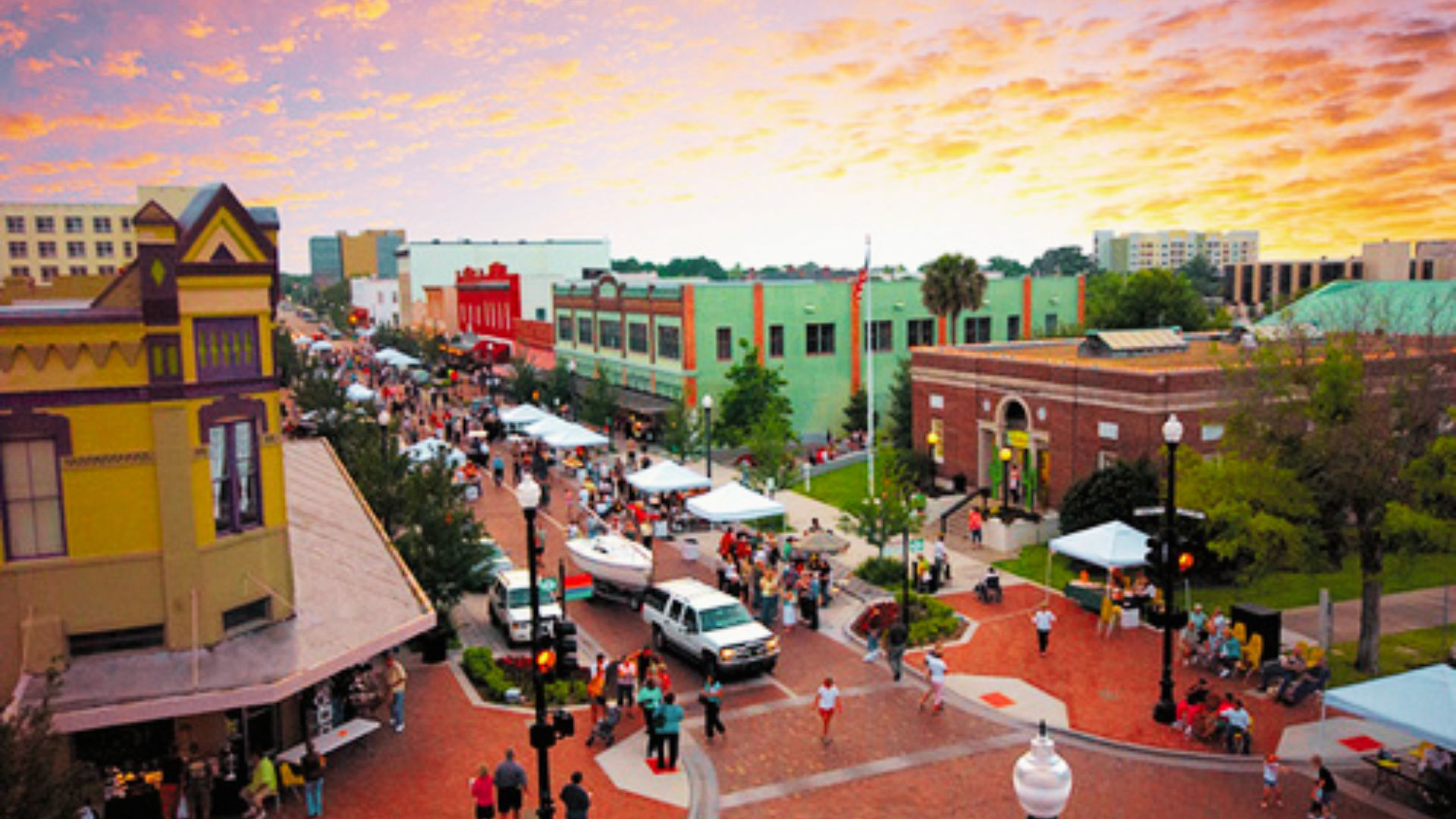
A charming lakeside town with a walkable main street, local shops, and riverfront views.
Sanford sits on the southern shore of Lake Monroe and punches well above its weight for a small Florida town. The brick lined downtown has restaurants, breweries, and boutiques tucked into restored 19th century buildings.
The marina area is peaceful, and the whole town has an easygoing vibe that makes it a great first stop to stretch your legs.
4. Central Florida Zoo & Botanical Gardens

A family friendly zoo set among tropical gardens with hundreds of animal species.
Located in Sanford, this zoo is a pleasant surprise for first time visitors. It covers 116 acres and holds over 400 animals, from cheetahs to Nile crocodiles.
The botanical gardens are woven into the zoo itself, so you are walking through lush Florida greenery the whole time. Plan at least two hours here, especially with kids.
5. Blue Spring State Park

Florida's top spot to see manatees in winter, surrounded by a clear, spring fed river.
Blue Spring is one of the most magical places in all of Florida. The spring pumps 72 degree water year round, which draws manatees from the St. Johns River during the colder months.
Between November and March, dozens of manatees gather here. Even in summer, the crystal clear spring run is a great place to swim, snorkel, and kayak.
6. DeLand

A creative college town with a vibrant downtown, art galleries, and easy access to nature.
DeLand is one of those Florida towns that people drive through and wish they had stopped.
Stetson University anchors its identity, and the downtown strip along Woodland Boulevard has some genuinely good food, galleries, and coffee shops.
It is also close to Blue Spring, Alexander Springs, and the St. Johns River, making it a smart base for outdoor visiting.
7. Alexander Springs
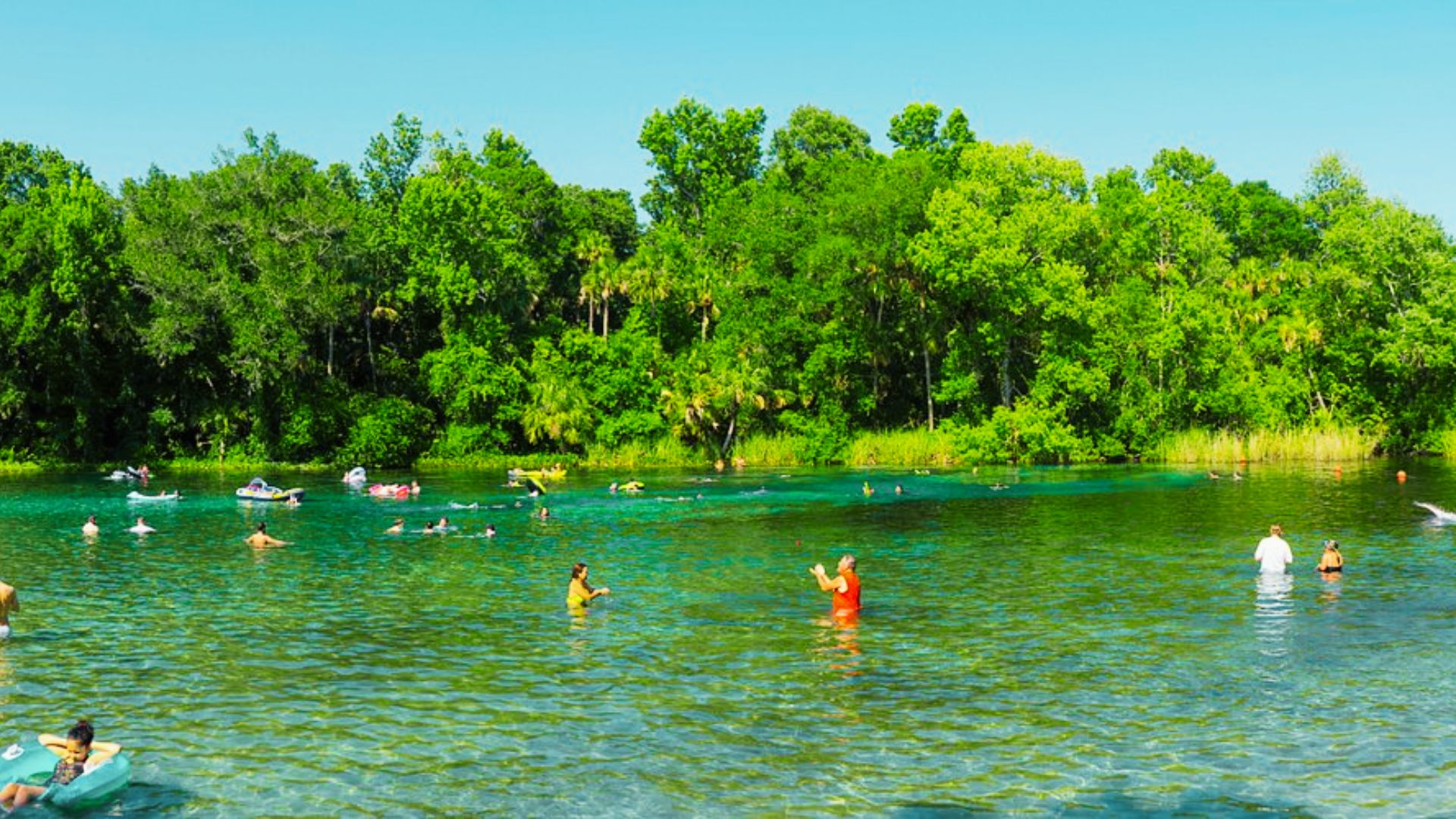
A crystal clear spring in the Ocala National Forest ideal for swimming and kayaking.
Alexander Springs sits inside the Ocala National Forest and offers some of the clearest water you will see on this whole drive.
The spring produces about 76 million gallons of water a day, keeping the pool at a steady 68 to 72 degrees.
You can swim, snorkel, or rent a canoe to paddle down the spring run. It is peaceful and not too crowded on weekdays.
8. New Smyrna Beach

A laid back surf town with a historic downtown, wide beaches, and great local seafood.
New Smyrna Beach has a different feel from the bigger Florida beach towns. It is smaller, more local, and proud of it.
The surf culture here is real, and the downtown area around Canal Street has good restaurants, art galleries, and a farmers market. The beach itself is wide and relaxed, and the town makes a great overnight stop.
9. Apollo Beach at Canaveral National Seashore

One of Florida's most remote and unspoiled beaches, far from crowds and commercial development.
Apollo Beach is part of the Canaveral National Seashore and remains one of the least developed stretches of Atlantic coastline in Florida.
There are no high rises, no beach bars, and no parking lots full of umbrellas. Just a long, wide beach backed by dunes and sea oats. It is the kind of beach that reminds you what the coast used to look like.
10. Ponce de Leon Inlet Lighthouse & Museum

The tallest lighthouse in Florida, with a climb to the top and sweeping ocean views.
Standing 175 feet tall, this is the second tallest lighthouse in the entire United States. The climb up the 203 steps is worth every breath. From the top, you can see the Atlantic, the Halifax River, and the inlet below.
The museum on the grounds is genuinely interesting, with exhibits on lighthouse keepers and the history of Florida's coast.
11. Daytona International Speedway

The world famous motorsport venue that hosts the Daytona 500 and other major racing events.
Even if you are not a NASCAR fan, the Speedway is worth seeing. The sheer scale of the facility is hard to believe until you stand in it.
The DAYTONA Rising renovation turned it into a modern sports complex, and guided tours take you into the infield, pit road, and victory lane. If you happen to be here on a race weekend, the experience is one you will not forget.
12. World's Most Famous Beach

Daytona's iconic wide, hard packed sand beach that has welcomed visitors for over a century.
Daytona Beach's main stretch earned its famous nickname for a reason. The beach is wide, flat, and hard packed enough that you can actually drive on parts of it, which has been a Florida tradition since the early 1900s.
It is lively and full of beachy energy that is hard to find elsewhere. Get a slice of pizza from a boardwalk shop and enjoy the scene.
13. Daytona Beach Main Street Pier

A classic oceanfront pier stretching 1,000 feet over the Atlantic with fishing and open air views.
The Main Street Pier is one of the oldest continuously operating piers on the East Coast. It stretches 1,000 feet out over the Atlantic and is open for fishing, walking, or simply taking in the horizon.
The area around the base of the pier has classic Florida boardwalk energy, complete with arcades, ice cream, and souvenir shops. Go at sunset for the best views.
14. Ormond Beach

A quieter neighbor to Daytona Beach with a charming downtown and easy beach access.
Just north of Daytona, Ormond Beach offers a calmer pace without sacrificing beach access. John D. Rockefeller once had his winter home here, and the town still has a certain quiet dignity about it.
The beach is less crowded, the local restaurants are good, and the Ormond Memorial Art Museum and Gardens is a peaceful stop if you need a break from the coast.
15. Washington Oaks Gardens State Park

A historic estate turned state park with formal gardens and rugged coquina rock outcroppings.
Washington Oaks is one of those places that surprises people every time.
The park has two distinct sides:a formal rose and peony garden on the river side, and a wild Atlantic facing beach covered in coquina rock formations.
The contrast is striking. The rocks look like something from the Pacific Northwest, not Florida. It is a short stop but one of the most photogenic on the whole route.
16. Palm Coast Scenic Drive

A peaceful coastal drive through salt marshes, hammock forests, and quiet waterfront communities.
Palm Coast was planned as a master community but has grown into a genuinely pleasant place to pass through. The scenic roads wind past the Intracoastal Waterway and through palm lined neighborhoods.
It does not demand a long stop, but it is one of those stretches of driving that feels easy and rewarding, especially on a clear morning.
17. Marineland Dolphin Activity

An intimate dolphin encounter facility where you can swim and interact directly with dolphins.
Marineland has been around since 1938, making it one of the oldest marine parks in the world. Today it focuses on dolphin encounters, ranging from beach side meetings to full in water swims.
It is a small and personal experience compared to larger theme parks, which is exactly what makes it good. Book ahead, as spaces fill up quickly.
18. Fort Matanzas National Monument

A small Spanish fort on a tidal island that once protected St. Augustine's southern approach.
Fort Matanzas was built by the Spanish in the 1740s to defend the southern inlet to St. Augustine.
Getting there is part of the experience: you cross the Matanzas River on a free ferry to reach the fort. The ranger led tours are excellent.
The site is small but historically significant, and the surrounding salt marshes are home to plenty of birds and wildlife.
19. St. Augustine Beach

A relaxed Atlantic beach town with a long shoreline, a pier, and easy access to historic St. Augustine.
St. Augustine Beach sits just across the Bridge of Lions from the city and offers a quieter beach experience than you might expect this close to a major tourist destination.
The St. Augustine Beach Pier is good for fishing and sunset walks. The beach town itself has a neighborhood feel, with local restaurants and shops rather than chain outlets on every corner.
20. Castillo de San Marcos National Monument

The oldest masonry fort in the continental United States, built by the Spanish in the late 1600s.
This is one of the most impressive historic structures in America. The Castillo was built by the Spanish between 1672 and 1695 out of coquina, a soft shell rock that absorbs cannon fire rather than shattering.
Walking the walls and looking out over Matanzas Bay gives you a real sense of what colonial Florida felt like. The National Park Service does a great job with the exhibits inside.
21. St. George Street

St. Augustine's pedestrian only historic main street, lined with shops, restaurants, and colonial buildings.
St. George Street is the beating heart of old St. Augustine. It runs through the historic district and is entirely pedestrian, which makes it easy to wander at your own pace.
The street is lined with colonial era buildings that now house galleries, candy shops, restaurants, and wine bars. It can get crowded, but early mornings are calm and the architecture speaks for itself.
22. Fountain of Youth Archaeological Park

The legendary site where Ponce de Leon is said to have landed, with spring water and native artifacts.
The Fountain of Youth might be the most legendary attraction in Florida. The park sits on the site of a Timucua village where Ponce de Leon is believed to have landed in 1513.
You can drink from the actual spring, tour the grounds, and see real archaeological discoveries from the native settlement. Whether the water has any powers is up to you to decide.
23. Saint Augustine Distillery

A craft spirits distillery inside a restored 1907 ice plant, known for its Florida-made bourbon and gin.
Tucked inside a beautifully restored 1907 ice plant, Saint Augustine Distillery makes some genuinely excellent spirits. Their Florida cane vodka, gin, and bourbon are all worth trying.
Free tours run daily and take you through the production process in detail. The tasting room afterward is the best part. It is one of the most thoughtfully presented craft distillery experiences in the South.
24. Historic Downtown St. Augustine

America's oldest city, packed with colonial Spanish architecture, museums, and waterfront dining.
St. Augustine was founded in 1565, making it the oldest continuously occupied European settlement in the entire country. Walking through the downtown is like stepping through centuries of history in a single afternoon.
The mix of Spanish, British, and American architecture is fascinating. There are plenty of ghost tours, museums, and excellent restaurants to fill an evening or two.
25. Jacksonville Zoo and Botanical Gardens
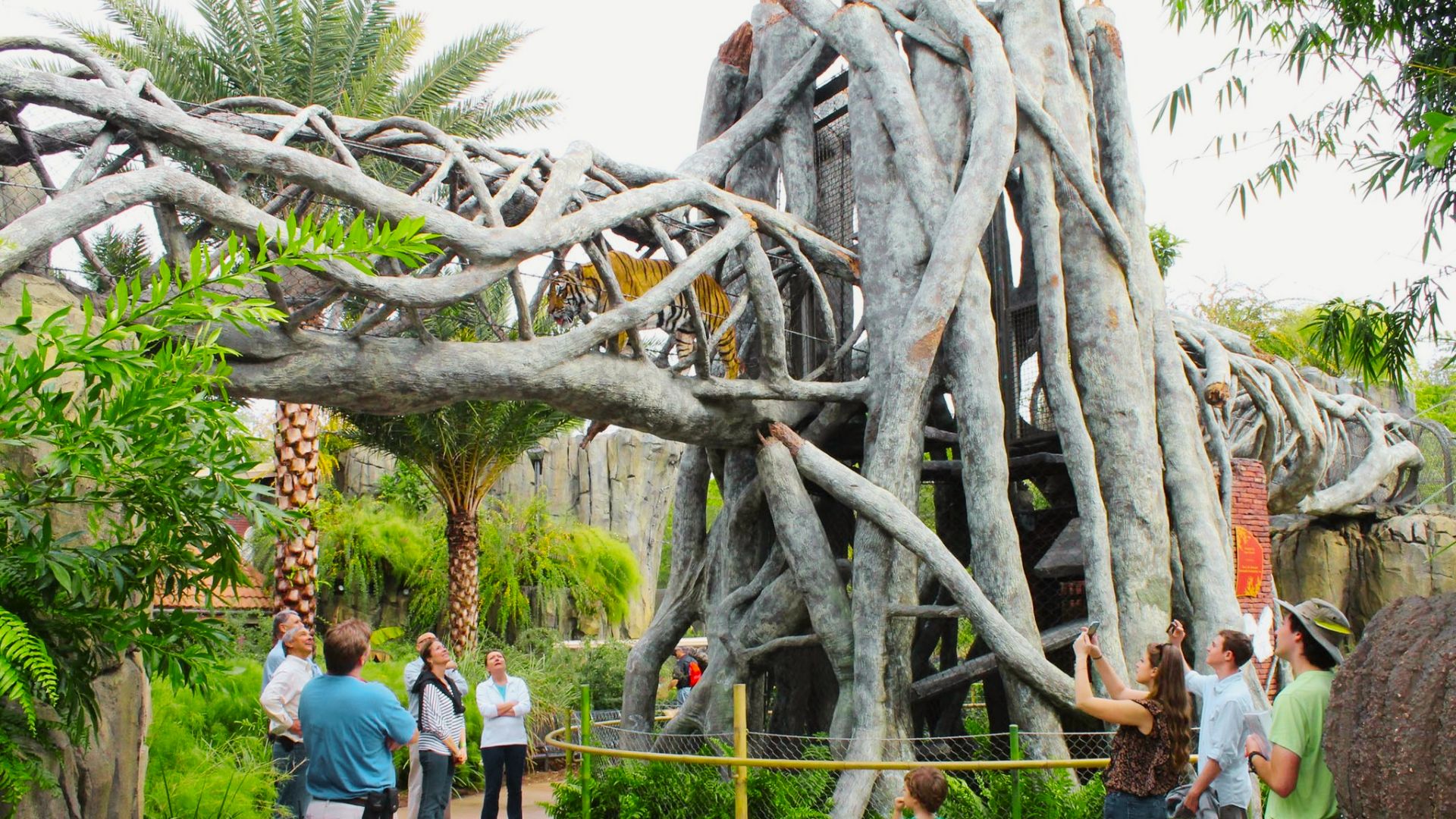
A large, well-maintained zoo featuring animals from around the world alongside native Florida exhibits.
Jacksonville's zoo covers 122 acres along the north bank of the Trout River and is better than many visitors expect. The Land of the Tiger exhibit and the Range of the Jaguar are particular highlights.
The botanical gardens are woven through the property, so the whole visit feels green and lush. It is a solid half day stop for families.
26. Jacksonville Riverwalk
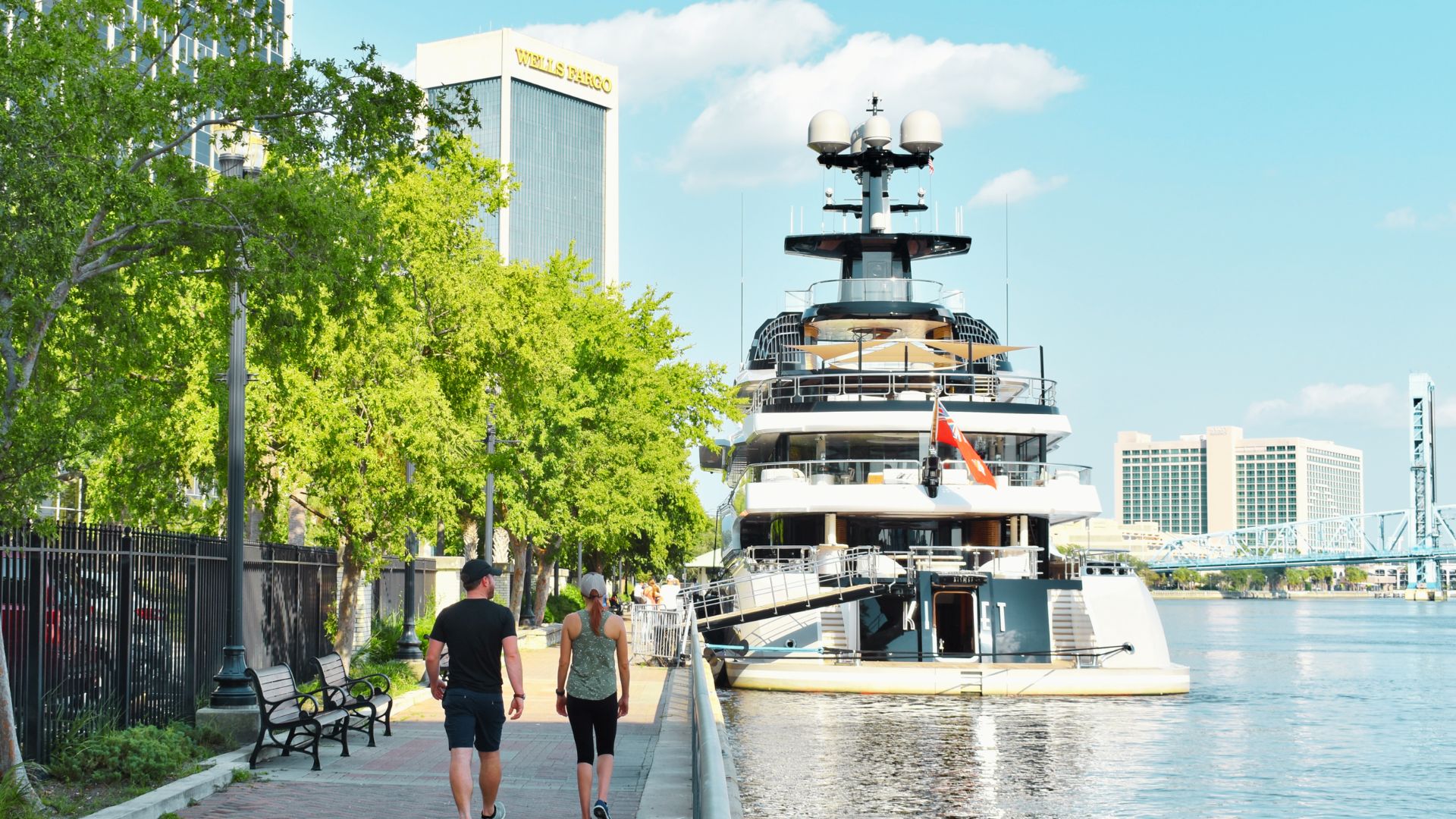
A scenic riverfront promenade stretching along the St. Johns River through downtown Jacksonville.
The Jacksonville Riverwalk runs 1.5 miles along the south bank of the St. Johns River and offers good views of the downtown skyline and the water.
There are restaurants, park spaces, and public art installations along the way. It is a good spot to stretch your legs, grab lunch, and get a feel for the city without fighting downtown traffic.
27. Jacksonville Beach

A lively Atlantic beach community with a long pier, a boardwalk, and a relaxed surf culture.
Jacksonville Beach is the kind of beach town where locals actually go. It is laid back, walkable, and has a long stretch of open sand. The pier at the end of Beach Boulevard is a gathering spot for surfers, fishermen, and sunset watchers.
The surrounding streets have good bars and restaurants that cater more to locals than to tourists, which is always a good sign.
28. Amelia Island

A quiet barrier island in northeast Florida known for its natural beaches and Victorian-era downtown.
Amelia Island sits in the far northeast corner of Florida, and it feels like its own world. The beaches here are wide and uncrowded, backed by dunes and live oaks draped in Spanish moss.
The island has been ruled by eight different flags over its history, and that layered past shows in everything from the architecture to the food. It is one of the best overnight stops on the whole route.
29. Fernandina Beach Historic District

A well preserved Victorian era downtown on Amelia Island with a working shrimp fleet and local charm.
Fernandina Beach is the main town on Amelia Island, and the historic district is a genuine treat. The Victorian architecture along Centre Street is among the best preserved in Florida.
The shrimping industry is still active here, and you can often see the boats coming in at the marina. The Palace Saloon, operating since 1903, claims to be Florida's oldest bar.
30. Fort Clinch State Park

A well preserved 19th century brick fort on Amelia Island's northern tip, set inside a scenic state park.
Fort Clinch was built before the Civil War and never actually completed, which somehow makes it more interesting.
The fort changed hands several times during the war, and today the state park does living history demonstrations on certain weekends.
Beyond the fort itself, the park has excellent trails, a fishing pier, and one of the better campgrounds in northeast Florida.
31. Brunswick Historic District

A quiet Georgia port city with tree lined streets, Victorian homes, and a relaxed waterfront atmosphere.
Brunswick is often skipped in favor of the islands nearby, but the historic district deserves at least a short stop. The shaded streets of Old Town Brunswick are full of Victorian and Craftsman homes draped in Spanish moss.
Hanover Square is a lovely public park, and the local restaurant scene is getting better every year. It is a low key, lived in kind of Southern city.
32. Sidney Lanier Bridge

A striking cable stayed bridge in Brunswick offering panoramic views of the Golden Isles waterways.
The Sidney Lanier Bridge is one of the most photogenic structures on the Georgia coast. The cable stayed bridge rises 185 feet above the Brunswick River, and the views from the top are wide and sweeping.
You can walk and bike across the bridge on a dedicated path, which takes about 20 minutes and gives you a real sense of the surrounding marshland and waterways.
33. St. Simons Island

A classic Georgia coastal island with beach access, a historic lighthouse, and charming village shops.
St. Simons is the most accessible of the Golden Isles and a great place to spend an afternoon. The village area near the pier has restaurants, shops, and an ice cream parlor that always seems to have a line.
The lighthouse dates to 1872 and can be climbed for views over the island and the Atlantic. The beaches are lovely and surprisingly uncrowded outside of summer weekends.
34. Neptune Park and Pier

A waterfront park and fishing pier on St. Simons Island with great views over the surrounding marshes.
Neptune Park sits right at the heart of St. Simons village and offers a relaxed spot to sit, eat, and watch the boats go by on the Brunswick River. The fishing pier extends out over the water, and the views at golden hour are worth staying for.
The park hosts occasional events and has a playground that keeps kids busy while adults enjoy the scenery.
35. Jekyll Island

A state owned Georgia barrier island with Gilded Age history, wide beaches, and bike friendly paths.
Jekyll Island was once the exclusive retreat of some of America's wealthiest families, including the Rockefellers, Vanderbilts, and Goulds. Today it is a state park accessible to everyone.
The Jekyll Island Club Historic District preserves those grand cottages and a Victorian era clubhouse.
The beaches are wide and largely undeveloped, and the island has 20 miles of paved bike paths.
36. Driftwood Beach

A hauntingly atmospheric Jekyll Island beach strewn with bleached and twisted driftwood trees.
Driftwood Beach is unlike anything else on this drive. The beach at the northern end of Jekyll Island is covered in the skeletal remains of live oaks and other trees slowly claimed by the rising shoreline.
The bleached wood twists in dramatic shapes across the sand, creating a landscape that feels otherworldly. It is especially striking at sunrise or on an overcast day.
37. Harris Neck National Wildlife Refuge

A restored Georgia coastal refuge that ranks among the Southeast's top bird watching destinations.
Harris Neck was a World War II airfield that nature has largely reclaimed. Today the refuge is a paradise for bird watchers, with wood storks, herons, egrets, painted buntings, and countless other species.
The 7 mile wildlife drive loops through marshes, forests, and ponds. Alligators are a common sight along the way. It is a quieter stop but deeply rewarding if you slow down and look.
38. Fort Pulaski National Monument

A remarkable 19th century brick fortification where rifled cannons forever changed the course of military history.
Fort Pulaski sits at the mouth of the Savannah River and carries one of the most significant stories in American military history.
In 1862, Union forces used rifled cannons against its brick walls for the first time, reducing them to rubble in just over a day.
That battle effectively ended the era of masonry fortifications in warfare. The fort is beautifully preserved, and the surrounding marshland is gorgeous.
39. Savannah Historic District

One of America's most beautifully planned cities, known for its live oak canopy, squares, and antebellum homes.
Savannah is a city that rewards walking. The historic district was laid out by James Oglethorpe in 1733 with a series of planned squares shaded by enormous live oaks draped in Spanish moss. The architecture ranges from Federal style row houses to grand Gothic churches.
River Street along the waterfront is lively with restaurants and shops. Forsyth Park anchors the south end with a famous fountain and a farmers market on Saturdays.
Tips for Planning the Orlando to Savannah Drive
Smart planning advice to help you get the most out of every mile on this coastal drive.
- Quick stops like lighthouses and overlooks take around 20 to 30 minutes, while zoos, forts, and full beach days need 2 to 4 hours. St. Augustine alone can fill an entire day, so build a 20% time buffer into your plan.
- St. Augustine offers the best mid route lodging, from budget hotels to historic bed and breakfasts. Daytona Beach has the most affordable and available options, while Savannah's historic district is the best place to stay if you want to walk everywhere.
- Gas, food, and lodging are your three main costs. Picking up one grocery store meal per day saves real money, and most national monuments and state parks along the route charge only a few dollars at the gate.
- Pack sunscreen, a cooler with snacks, comfortable walking shoes, and bug spray. The walking shoes matter most in St. Augustine and Savannah, and the bug spray earns its place at every marsh and wildlife stop.
- Fall and spring offer the best weather with lighter crowds and lower prices. Winter is great for manatee sightings at Blue Spring. Summer is the busiest season, so start outdoor stops early and save indoor attractions for the hot afternoon hours.
Conclusion
This drive changed the way I think about road trips. You do not need to rush to a destination when the route itself is this good. From the manatees at Blue Spring to the moss-draped squares of Savannah, every stop adds something real to the experience.
Pick two or three stops that genuinely excite you and build around those. That is when the trip clicks.
Have you done the Orlando to Savannah drive? Drop your favorite stop in the comments. Someone out there is planning this right now and needs your tip.
Frequently Asked Questions
What is the best time to drive from Orlando to Savannah?
Fall and spring are the best times to make this drive. The weather is comfortable, crowds are smaller, and you will find better prices on lodging along the route.
How long does the Orlando to Savannah drive take without stops?
The drive takes roughly 5 to 6 hours without stopping. Most people spread it across two or three days to enjoy the beaches, historic sites, and nature stops along the way.
What is the most popular stop between Orlando and Savannah?
St. Augustine is the most popular stop on the entire route. It is America's oldest city and has enough history, food, and atmosphere to fill a full day on its own.
Is the Orlando to Savannah drive worth doing as a road trip?
It is one of the most rewarding drives on the East Coast. You pass through coastal towns, state parks, historic forts, and wide Atlantic beaches, all within a single stretch of road.
What should I pack for the Orlando to Savannah road trip?
Bring sunscreen, comfortable walking shoes, bug spray, and a cooler with snacks. These four things will cover you for beaches, city walks, nature trails, and wildlife stops from start to finish.