
Planning a day at Hilton Head is much easier when you know the tide schedule.
Water levels change throughout the day and can affect beach walks, swimming, fishing, boating, kayaking, and wildlife viewing.
A good Hilton Head tide chart helps you choose the right time for each activity and avoid surprises along the shore.
In this guide, you will learn how tide charts work, why tides matter on the island, and how seasonal changes can affect local conditions.
You will also find practical safety tips, answers to common questions, and places to check updated tide information.
If you want to make the most of your time on the water or at the beach, keep reading. The information below will help you plan with more confidence.
Hilton Head Tide Chart at a Glance
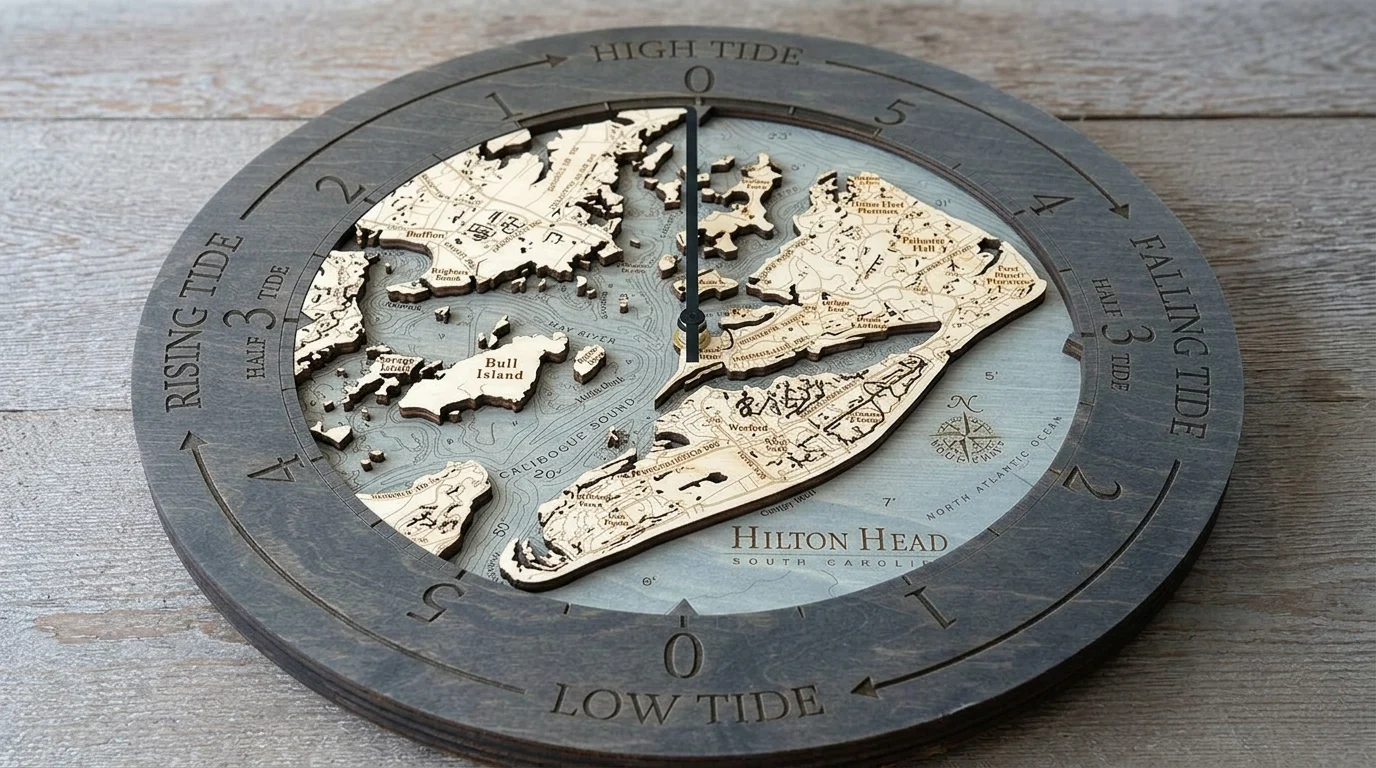
A Hilton Head tide chart shows the daily times and heights of high and low tides.
Most visitors check it before heading to the beach, fishing spots, docks, or boat ramps. Tides change about every six hours, so water levels can look very different throughout the day.
Looking at the chart helps you plan activities, avoid shallow areas, and make better use of your time on and around the water.
How to Read a Hilton Head Tide Chart?
A tide chart lists the times of high and low tides along with the expected water height.
High tide means the water has reached one of its highest points for the day. Low tide means the water has moved farther out from shore.
Tide heights help show how much water is expected.
By checking both the time and height, you can better plan beach walks, boating trips, fishing outings, and other water activities.
Why Tides Matter on Hilton Head Island?
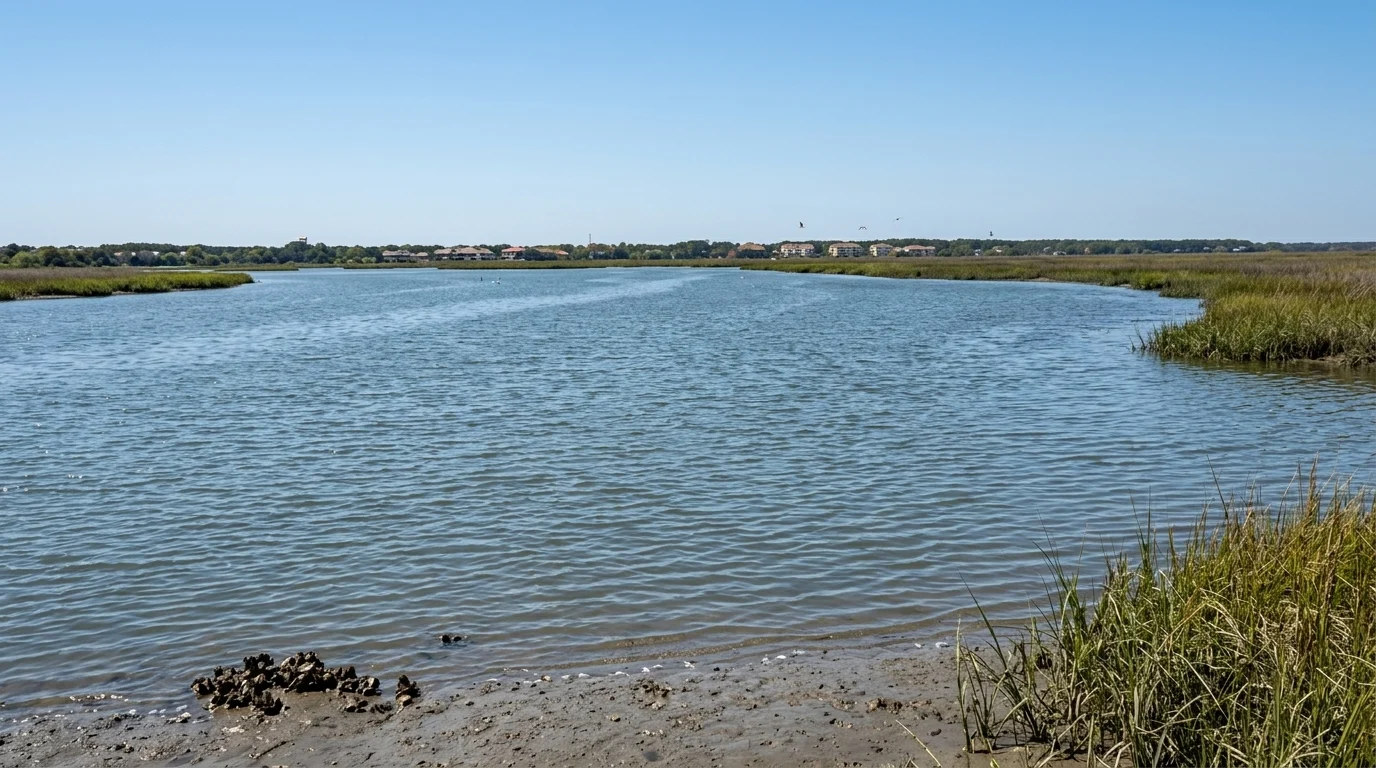
Tides affect nearly every water activity on Hilton Head Island.
At low tide, more sand becomes visible, making it a good time for walking and looking for shells. At high tide, swimmers often have deeper water closer to shore.
Boaters also watch tide levels to avoid shallow areas in creeks and marshes. Fishing conditions can change with moving water, making tide information useful for anglers throughout the year.
Best Times to Visit the Beach Based on Tides
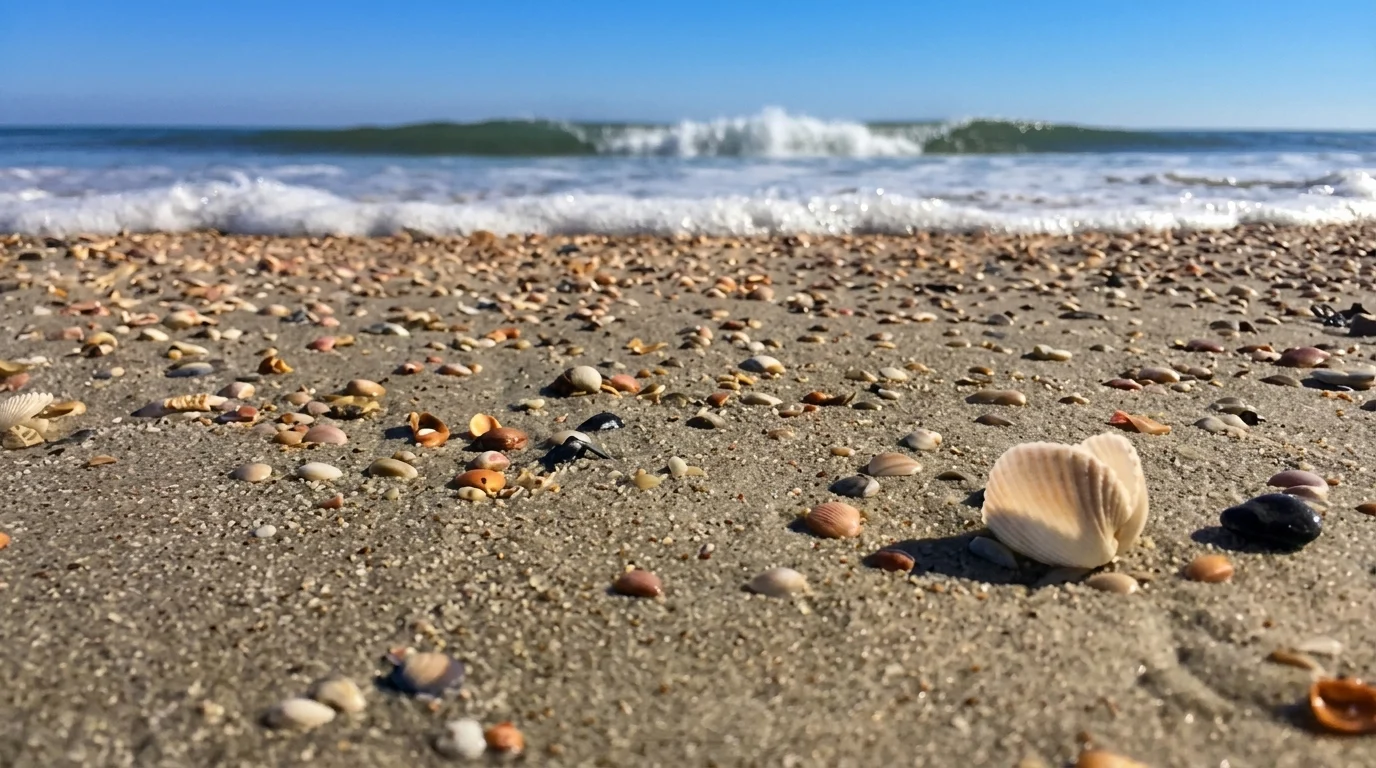
The best beach experience often depends on the tide stage. Knowing what to expect can help you choose the right time for your plans.
High Tide for Swimming and Floating
High tide brings deeper water closer to shore. Many swimmers and people using floats prefer this time because there is more space to move without walking far into the ocean.
Some beach areas may have less dry sand available, so arriving early can help you find a comfortable spot.
Low Tide for Walking and Shell Hunting
Low tide exposes more of the shoreline and creates wider areas for walking. It is often the best time to look for shells, small sea creatures, and natural features that stay hidden under water during high tide.
Many visitors enjoy long beach walks when the sand is more open and easy to access.
Mid Tide for Family Beach Time
Mid tide offers a balance between exposed sand and water access. Families often enjoy this stage because there is still room for beach games while the water remains close enough for swimming.
Conditions can feel more comfortable for groups that want a mix of activities throughout the day.
What to Expect During Tide Changes
The shoreline does not change all at once. Water gradually moves in or out over several hours.
During these periods, beach space, water depth, and current strength can shift. Paying attention to changing conditions helps you stay aware of your surroundings and adjust your plans if needed.
Hilton Head Fishing and Tide Conditions

Tide changes can affect where fish gather and feed.
Best Tide Stages for Inshore Fishing
Many experienced anglers focus on incoming and outgoing tides because moving water often brings bait and food into fishing areas.
Creeks, marsh edges, and channels can become more active during these periods. The best tide stage may vary by location, but water movement is often more important than the exact tide height.
How Tides Affect Fish Movement?
Fish often move with changing water levels throughout the day. Higher water can allow them to reach shallow feeding areas, while lower water may push them into deeper channels.
Understanding these daily patterns helps anglers choose better fishing spots and spend more time where fish are likely to be active.
Tide Tips for Surf Fishing
Moving water can create feeding zones along the beach. Many anglers watch areas near sandbars, troughs, and channels where fish may gather.
Checking the tide chart before heading out can help you time your trip around stronger fish activity and improve your chances of success.
Boating and Kayaking Tide Tips

Tide levels affect water depth and access throughout Hilton Head's coastal waters. Planning around tides can make trips smoother and safer.
Why Do Boaters Watch Tide Levels?
Boaters pay close attention to tide levels because water depth changes throughout the day. Some channels and shallow areas may be easier to travel during higher water.
Knowing tide conditions before leaving the dock helps reduce the chance of running into shallow spots.
Kayaking Through Creeks and Marsh Areas
Many marsh creeks become easier to explore when water levels are higher. During lower tides, some routes may become too shallow for comfortable paddling.
Kayakers who check tide charts before leaving often have more route options and spend less time dealing with unexpected shallow sections.
Staying Safe in Shallow Water
Shallow water can hide sandbars, mud flats, and other obstacles. Water depth may change faster than expected in some areas.
Moving carefully and paying attention to tide conditions helps boaters and kayakers avoid getting stuck and makes trips more enjoyable.
Tide Conditions for Dolphin Tours and Wildlife Viewing

Changing tides affect both water access and wildlife activity. Understanding local conditions can help visitors get more from their outing.
Best Water Levels for Marsh Views
Many marsh areas are easiest to view when water levels are moderate to high. More water allows boats and tour operators to reach sections that may be difficult to access during lower tides.
Visitors can often enjoy broader views of the marsh landscape during these conditions.
How Tides Affect Wildlife Activity?
Wildlife activity often changes as water levels shift. Birds may gather along exposed mud flats during lower tides, while fish and other marine animals move with changing water conditions.
These natural movements can create different viewing opportunities throughout the day.
What Visitors Can Expect During Different Tide Cycles?
Each tide stage offers a different experience. Higher water may provide easier access to creeks and marshes, while lower water can reveal feeding areas used by birds and other wildlife.
Checking tide conditions before a tour helps set expectations and can make the outing more rewarding.
Monthly Tide Changes in Hilton Head
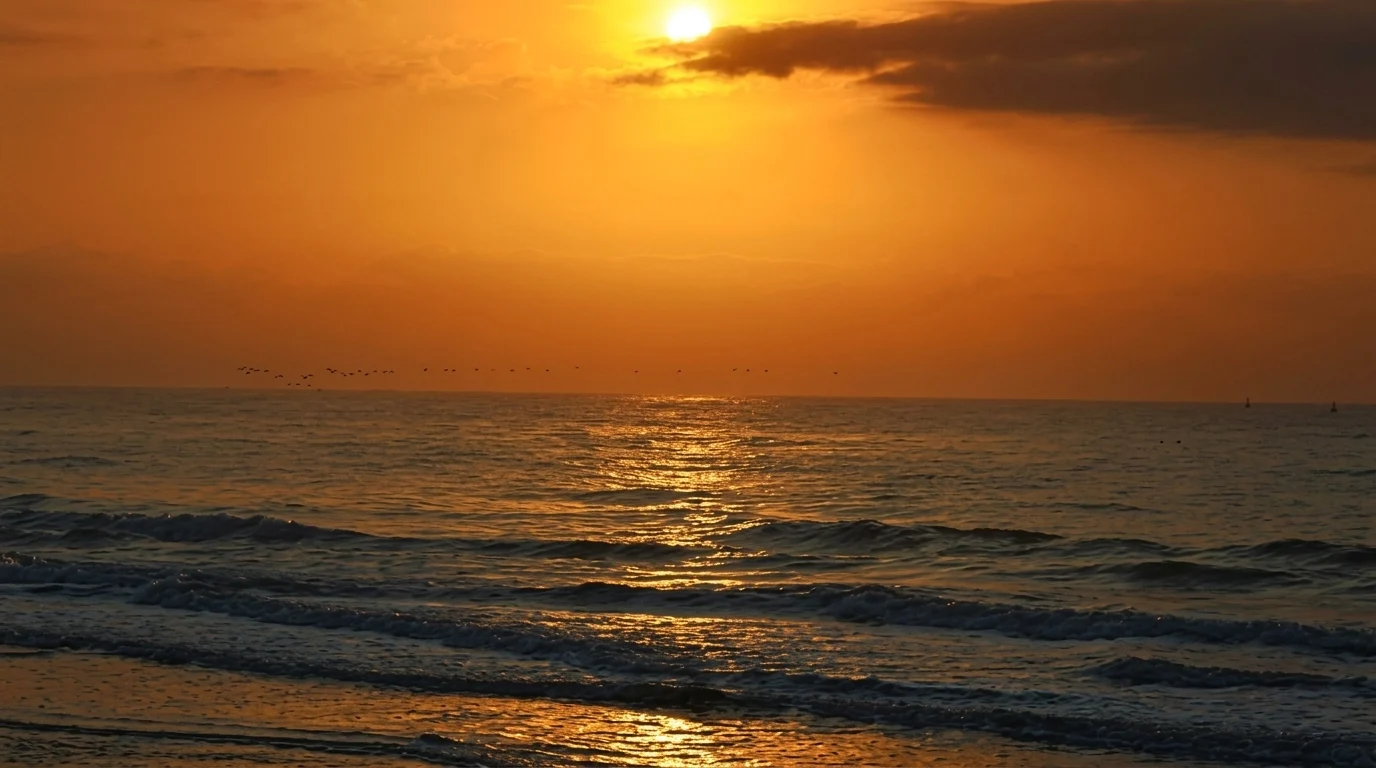
Tide patterns change during the year. Some months bring larger swings between high and low tide.
Knowing these seasonal changes can help you plan beach and water activities more effectively.
Spring and Summer Tide Patterns
Spring and summer often bring warmer weather and more time spent on the water.
Tide times continue to shift daily, and many visitors notice larger beach areas during some low tides. Morning and evening conditions can vary greatly.
Checking local tide charts before heading out helps you choose the best time for beach walks, fishing, boating, and other outdoor plans.
Fall and Winter Tide Patterns
Fall and winter tides follow the same natural cycle but can feel different due to cooler weather and changing winds.
Beaches are often less crowded, making tide changes easier to notice.
Lower temperatures do not affect the tide itself, but seasonal conditions can change how the shoreline looks and how comfortable outdoor activities feel.
Days With Higher Than Normal Tides
A few times each month, tides may reach higher levels than usual.
These higher tides often occur around new moon and full moon periods when the sun and moon work together to pull ocean water. During these days, some beach areas may have less dry sand available, and water can reach farther inland than expected.
Weather Factors That Can Change Water Levels
Tides are driven by the moon and sun, but weather can also affect water levels.
Strong onshore winds may push extra water toward the coast, while storms can cause water to rise above predicted tide levels. Heavy rain and changing pressure systems may also affect local conditions.
Always compare tide charts with current weather forecasts before making plans.
Tide Safety Tips for Visitors
- Check the day's tide chart before visiting the beach, marsh, or boat ramp. Water levels can change faster than many first time visitors expect.
- Avoid walking too far onto sandbars during low tide. Rising water may cut off your return path.
- Keep an eye on children near the shoreline. Water depth can change within a short period.
- Wear proper footwear when exploring tidal flats. Shells, rocks, and uneven ground can cause slips or cuts.
- Give yourself extra time when kayaking through creeks and marsh areas. Shallow spots may become harder to cross during low water.
- Watch weather forecasts along with tide information. Wind and storms can affect local water conditions.
- Stay within marked swimming areas when available. Local safety signs often warn about changing water conditions.
- Carry a phone or tell someone your plans before boating or fishing. This is especially helpful if you plan to be out for several hours.
Where to Find an Updated Hilton Head Tide Chart?
Updated Hilton Head tide charts are available from trusted tide forecast services, local weather websites, boating resources, fishing reports, and coastal information providers.
Many of these sources show daily high and low tide times, tide heights, and future forecasts for several days ahead.
Mobile weather apps often include tide data as well. Before heading out, compare the latest tide chart with the current weather forecast to get a better view of local water conditions.
Conclusion
A tide chart is more than a list of times and numbers. It helps you plan safer and more enjoyable beach, fishing, boating, and wildlife outings on Hilton Head Island.
One thing to remember is that water conditions can change quickly, even on calm days. Checking the tide before you go can save time and prevent problems.
If you found this guide helpful, share it with others or leave a comment below.
Frequently Asked Questions
How many minutes later does the tide change each day in Hilton Head?
Tide times usually shift by about 50 minutes each day. The exact change can vary slightly depending on local conditions.
Does a tide chart show sunrise and sunset times too?
Some tide charts include sunrise and sunset information alongside tide data. Others focus only on water levels and tide times.
Can king tides happen in Hilton Head?
Yes, king tides occur several times each year when water levels are higher than normal. They can cause minor flooding in low lying coastal areas.
Are Hilton Head tides the same as nearby beaches?
Tide patterns are similar along the coast, but times and heights can differ between locations. Always check data for the specific area you plan to visit.
How far in advance can tide forecasts be trusted?
Most tide forecasts are reliable several months ahead because they are based on predictable moon and sun movements. Short term forecasts are usually the most accurate for daily planning.