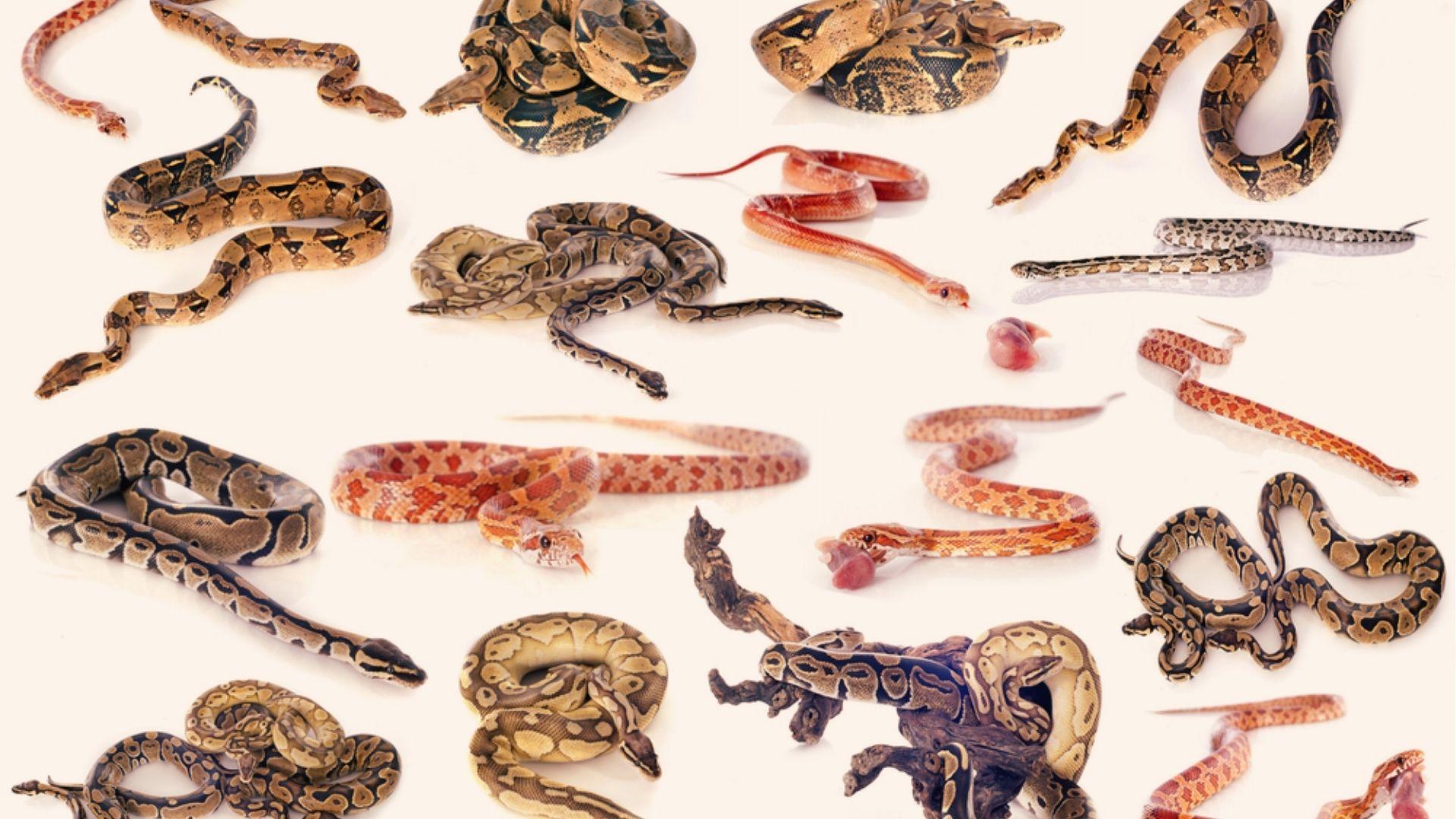
I've spent time outdoors in Georgia, and spotting a snake always raises the same questions, is it safe, and what should I do?
This Georgia snake identification guide answers exactly that. Georgia has over 40 snake species, and most of them are harmless, even helpful to the local environment.
In this guide, I'll walk you through the most common species, both venomous and non-venomous, how to tell them apart by color, shape, and behavior, and what smart steps to take if you spot one near your yard or trail.
With years of research and hands-on field experience, this guide gives you clear, reliable information you can actually use.
Why Snake Identification Matters in Georgia
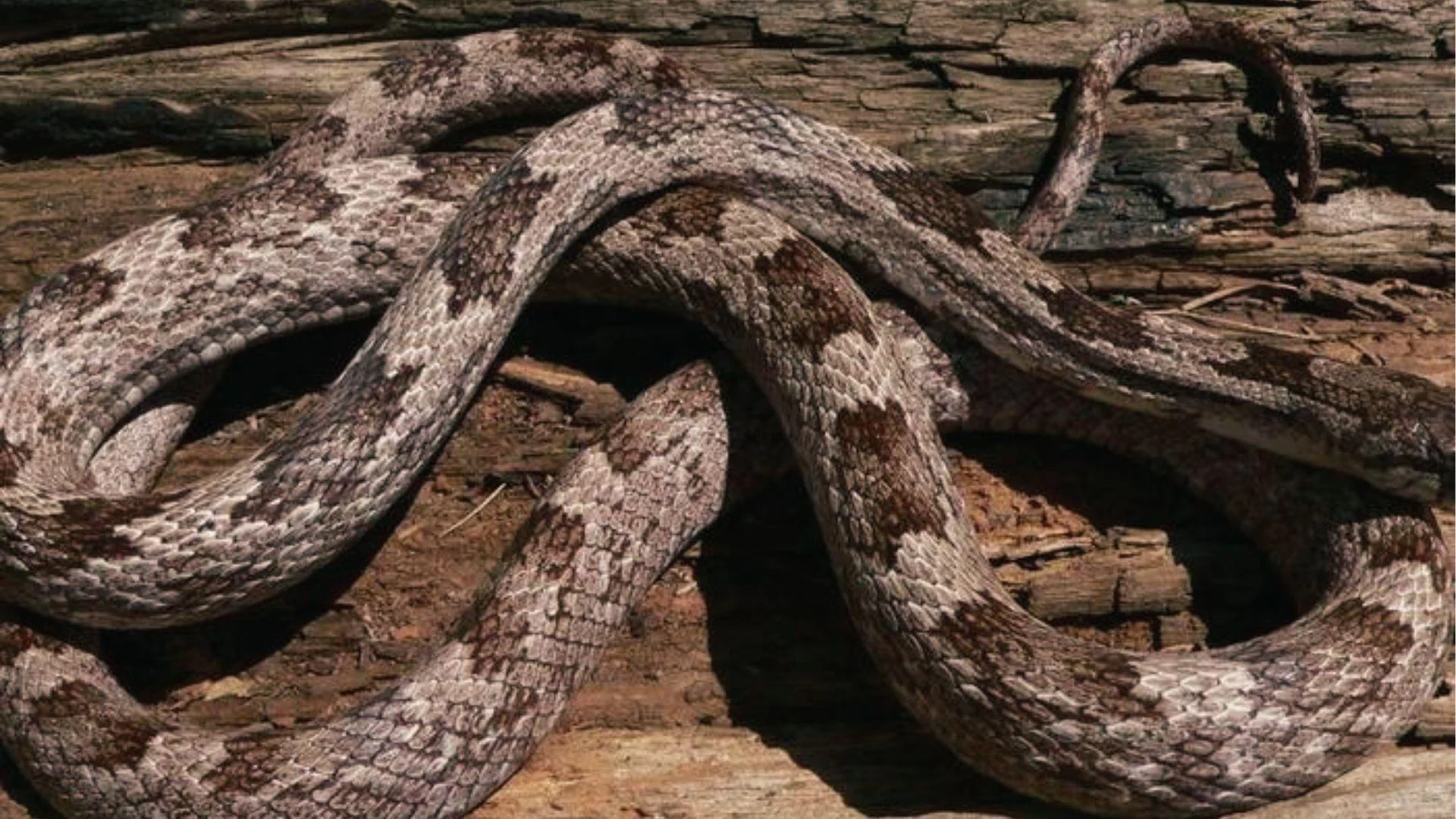
Georgia's warm climate and varied landscape make it home to a wide range of snake species.
Some are venomous, but most are completely harmless. Knowing the difference matters more than people think.
A wrong move near a venomous snake can lead to a serious bite. At the same time, killing a snake that poses no threat is bad for the local ecosystem.
Snakes control rodent populations and keep the food chain balanced.
Learning to identify snakes gives you real confidence when you are outdoors, working in the yard, or hiking a trail.
It is a simple skill that can protect both you and the wildlife around you.
Georgia Snake Identification Guide: Snake Species Overview

A quick breakdown of what snakes live in Georgia, how many are venomous, and why they matter to your local ecosystem.
Total Snake Species Found in Georgia
Georgia is home to over 40 snake species. They live in forests, wetlands, suburbs, and farmland. This makes Georgia one of the most snake-diverse states in the Southeast.
Harmless vs Venomous Snake Breakdown
Out of 40-plus species, only 6 are venomous. That means the large majority of snakes you see pose no physical threat. Most snakes in Georgia will avoid you if given the chance.
Why Most Snakes in Georgia Are Beneficial
Snakes eat rodents, insects, and other pests. They help keep ecosystems in balance. A rat snake in your yard is actually doing you a favor by keeping mice away. Removing them can cause pest populations to rise.
Common Non-Venomous Snakes in Georgia
Meet the snakes you are most likely to see in Georgia, all harmless and often misunderstood.
Eastern Rat Snake: Habitat and Identification Features

The Eastern Rat Snake is one of Georgia's most common snakes. It is usually black with a white belly.
Adults can grow up to 6 feet long. You'll find them in forests, farms, and suburban areas. They are excellent climbers. They are not aggressive and will only bite if handled.
Black Racer: Speed, Appearance, and Behavior
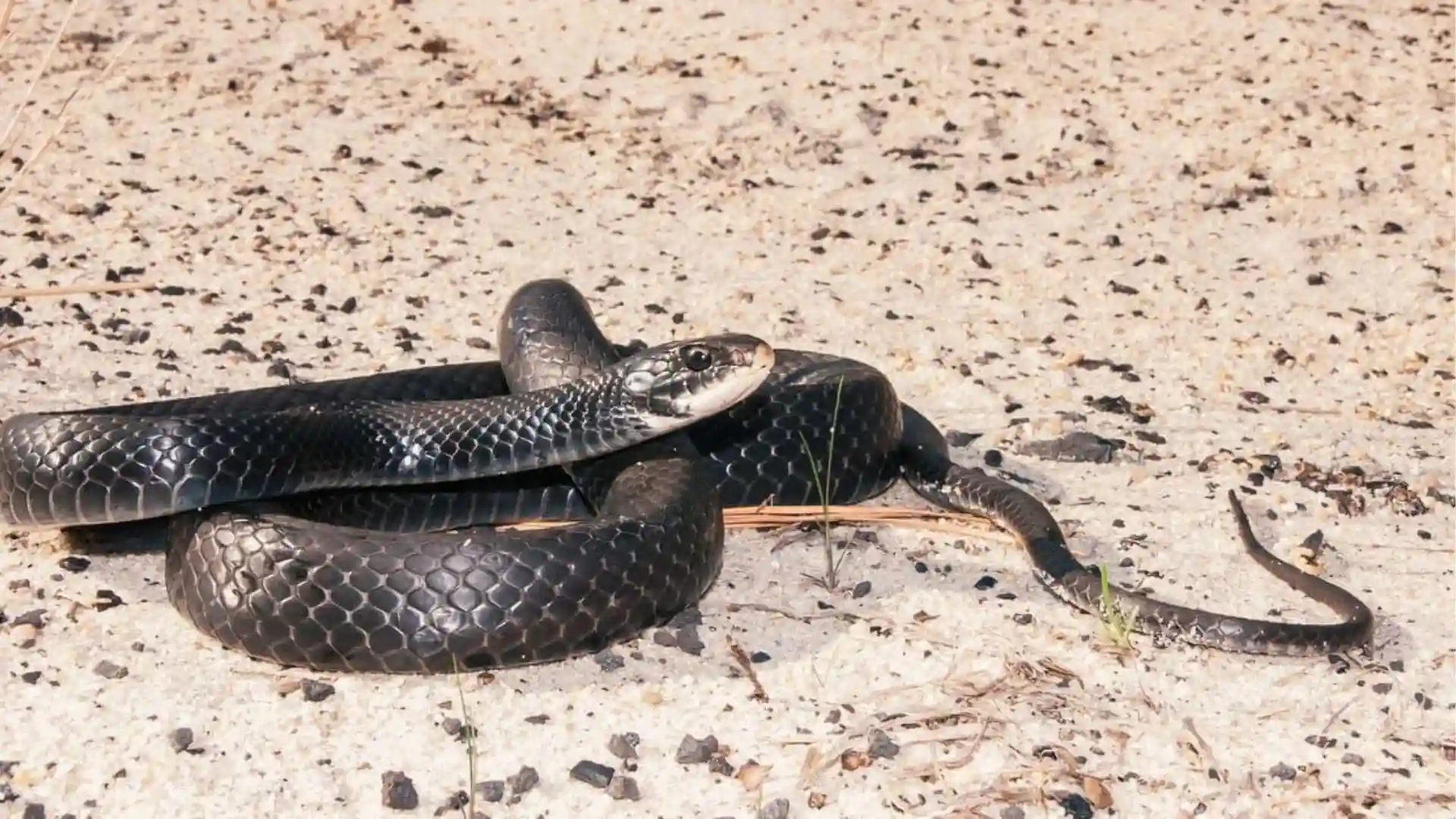
The Black Racer is fast, slim, and solid black. It is often confused with the rat snake but has a slimmer body.
Black Racers are active during the day and move quickly when startled. They are non-venomous but may vibrate their tail as a warning. They are not interested in confrontation.
Eastern King Snake: Benefits and Key Traits
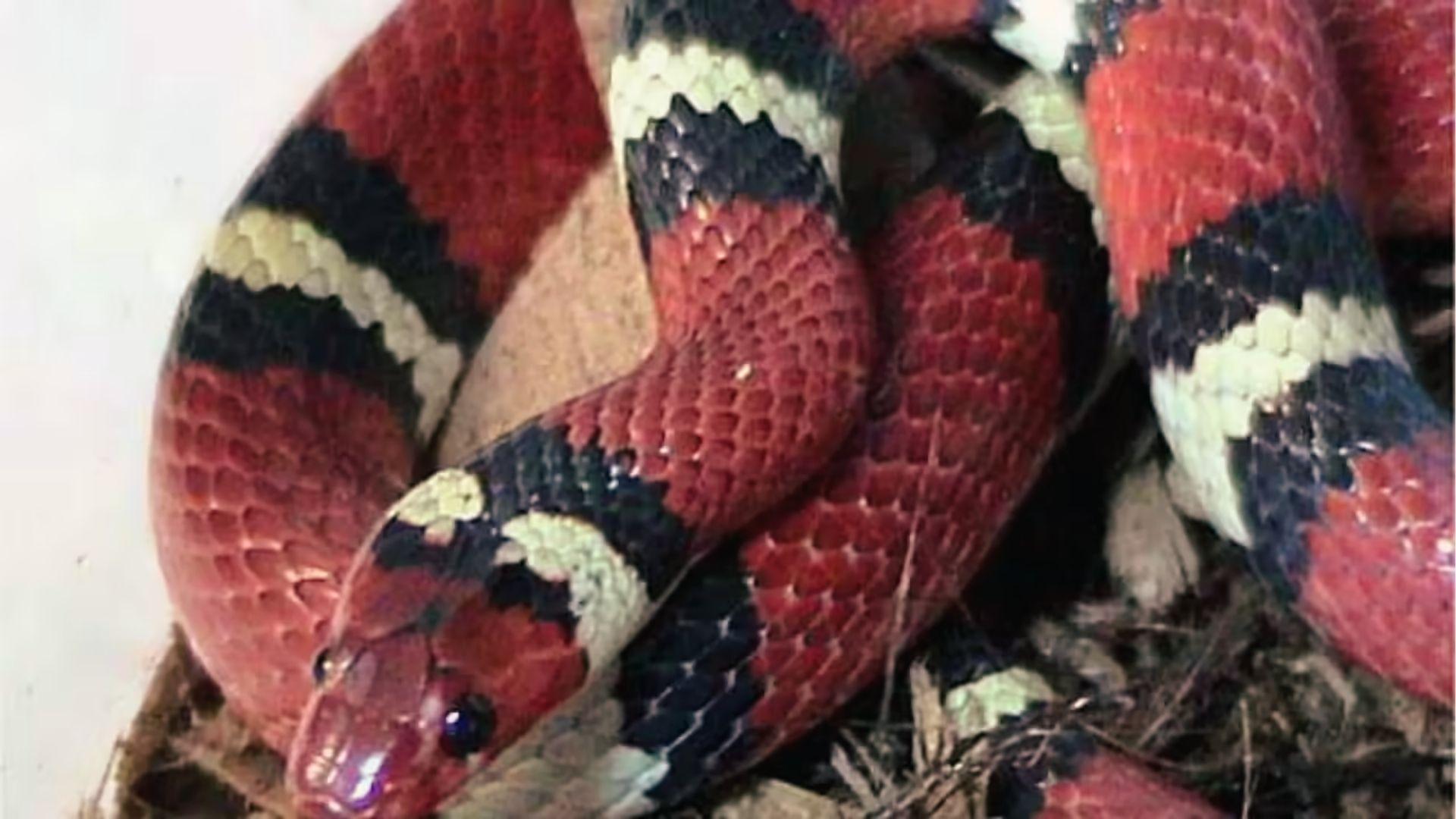
Eastern King Snakes are shiny black with white or yellow chain-like bands. They are known for eating other snakes, including venomous ones.
Having a king snake around is actually a sign of a healthy yard. They are docile and avoid humans.
Brown Snake (DeKay's Snake): Small Garden Species
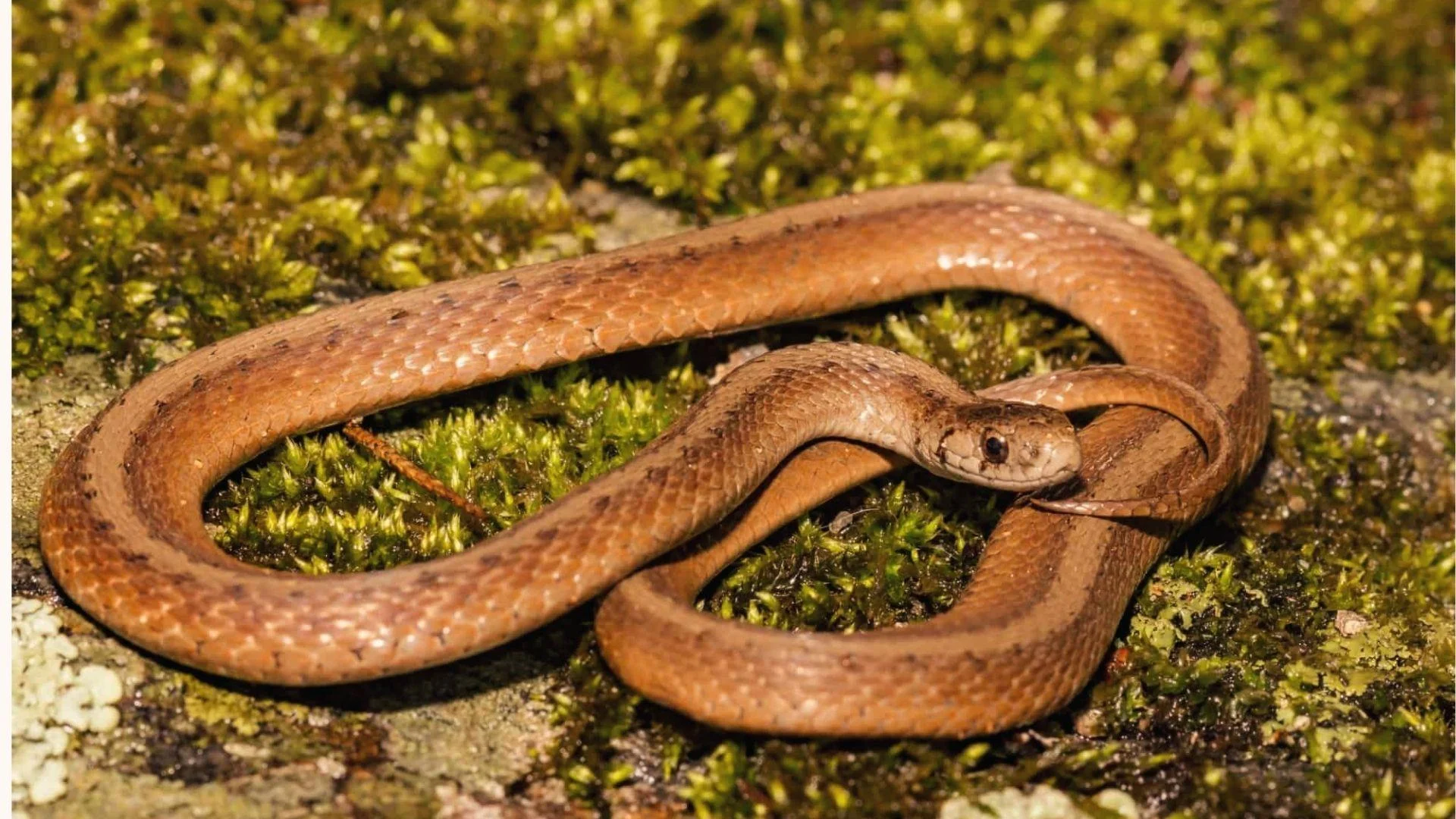
This small snake is only about 10 to 13 inches long. It is light brown with two rows of darker spots down its back.
You'll often find it under leaf piles, mulch, or garden stones. It feeds on slugs and earthworms. It is completely harmless.
Corn Snake: Color Patterns and Natural Habitat

Corn Snakes are orange or reddish-brown with dark-bordered blotches. They are sometimes mistaken for copperheads.
However, corn snakes have a more slender body and rounded pupils. They live in wooded areas and open fields.
They are popular in the pet trade but are also found wild across Georgia.
Water Snakes: Frequently Misidentified Species

Georgia has several water snake species, including the Banded Water Snake and the Brown Water Snake.
These are often mistaken for cottonmouths. Key differences, water snakes have round pupils, a thinner body, and no heat-sensing pits.
They are aggressive when cornered but not venomous.
Venomous Snakes in Georgia You Should Recognize
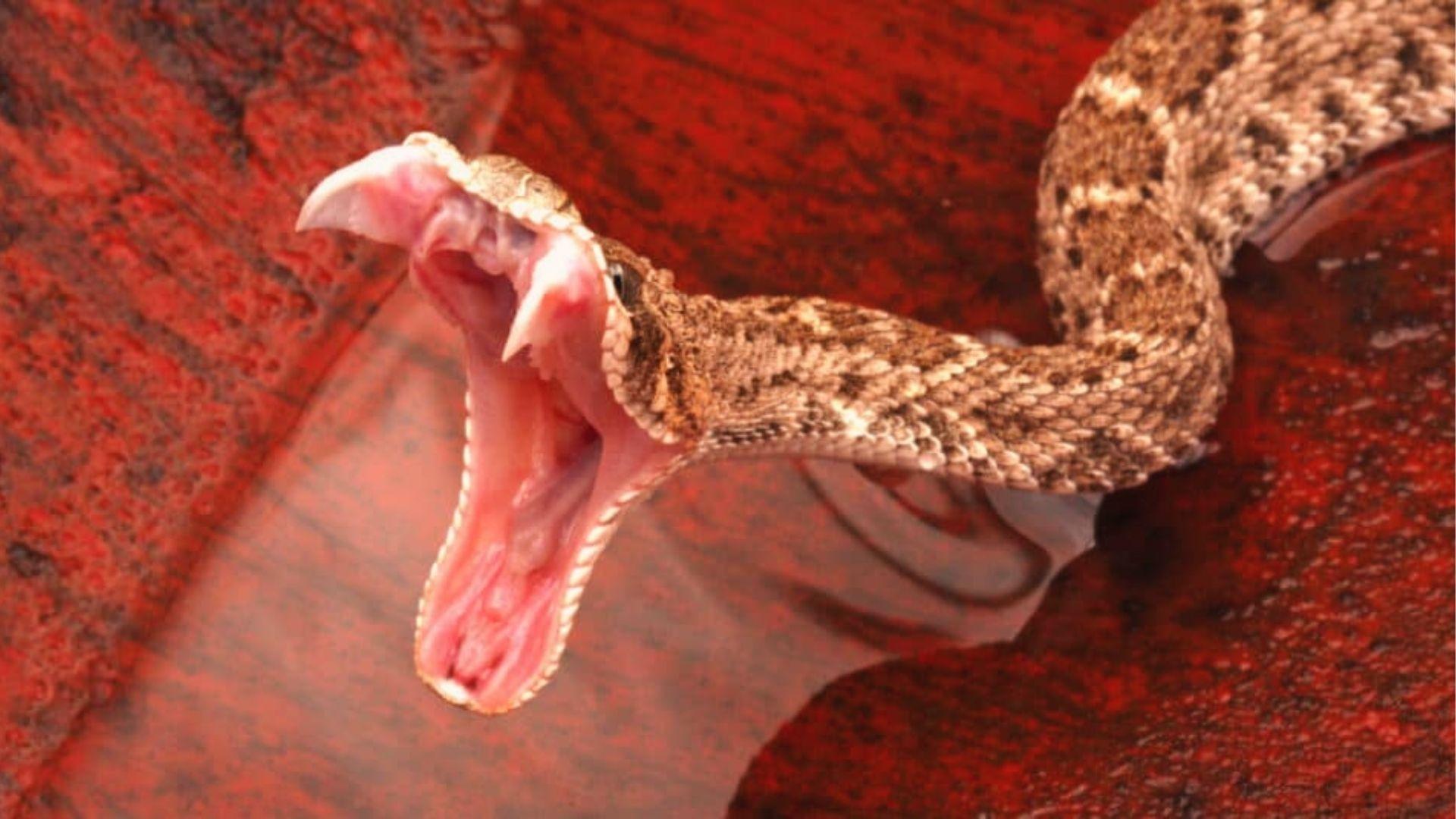
Georgia has six venomous species. Knowing them could one day protect your life or someone else's.
Overview of Venomous Snakes in Georgia
The six venomous snakes in Georgia are the Copperhead, Cottonmouth, Timber Rattlesnake, Eastern Diamondback Rattlesnake, Pygmy Rattlesnake, and Eastern Coral Snake.
Each has specific features that set it apart.
Copperhead Snake: Identification and Warning Signs
Copperheads have hourglass-shaped bands in copper and brown tones.
They are found in rocky hillsides, forests, and suburban edges. Copperheads are responsible for more snake bites in Georgia than any other species.
They blend in well with leaf litter. Always watch where you step in wooded areas.
Cottonmouth (Water Moccasin): Aquatic Venomous Species
The Cottonmouth gets its name from the white inside of its mouth, which it shows as a warning.
It is a heavy-bodied snake found near water. Unlike water snakes, it swims with its head high above the surface. It has a dark, thick body and a broad, triangular head.
Rattlesnakes in Georgia: Timber, Eastern Diamondback, Pygmy
Georgia has three rattlesnake species.
The Timber Rattlesnake is large and found in forests. It has a yellow, brown, or gray body with dark crossbands.
The Eastern Diamondback is the largest venomous snake in North America. It has clear diamond patterns and a loud rattle.
The Pygmy Rattlesnake is small but still venomous. Its rattle sounds more like a buzz.
Eastern Coral Snake: Color Pattern and Safety Risk
The Eastern Coral Snake has red, yellow, and black bands. The saying "red touches yellow, kill a fellow" helps identify it.
It has a small mouth and is less likely to bite, but its venom is highly toxic. It is shy and rarely seen.
Where Snakes Are Commonly Found in Georgia
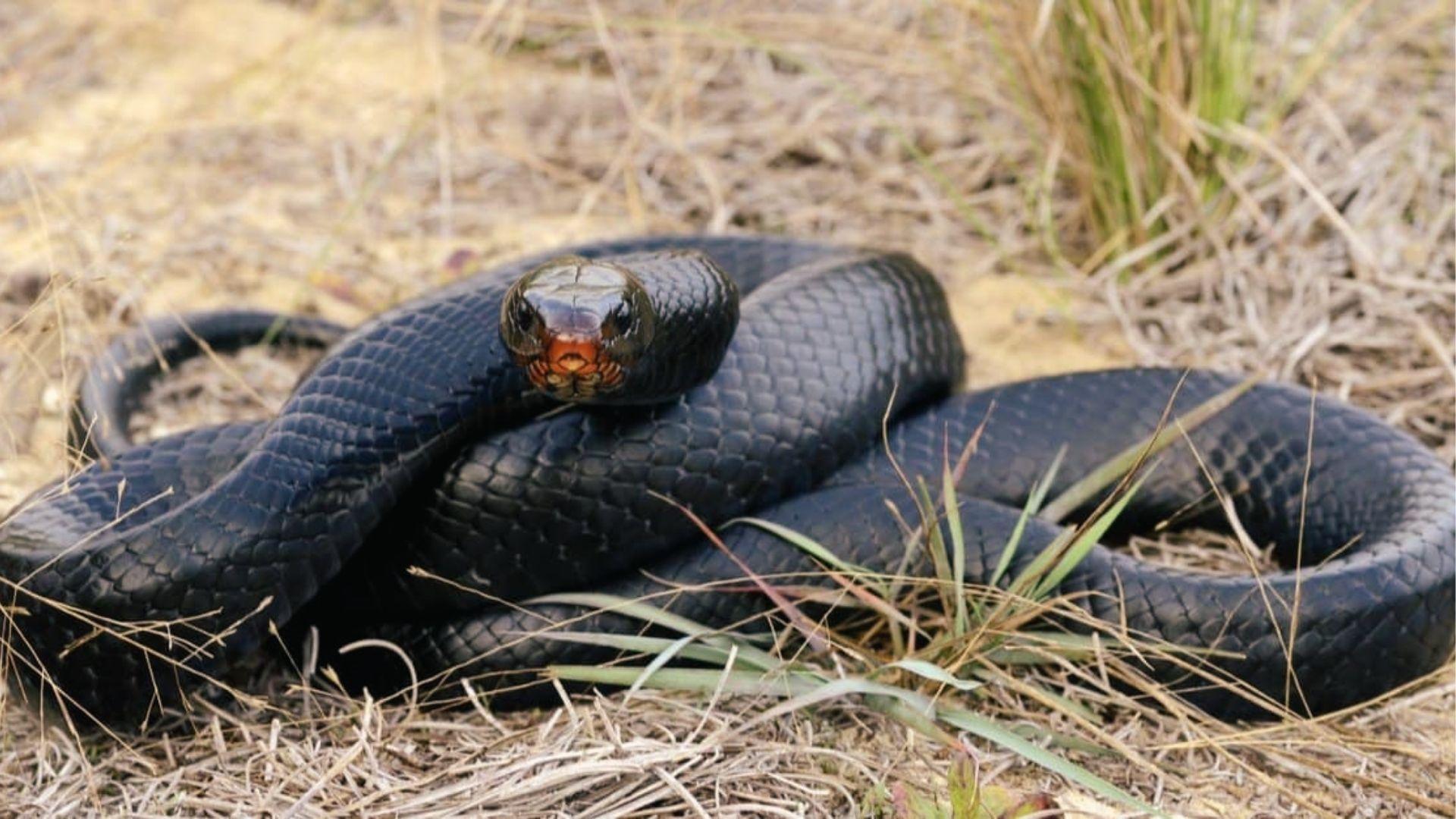
Snakes live in forests, wetlands, river banks, meadows, and suburban yards. They hide under rocks, logs, and debris. Wooded areas near water are especially active zones.
Snake Season: When Sightings Are Most Common
Snakes are most active from April through October. They slow down in winter but do not fully hibernate in Georgia's mild climate. Warm spring days bring the most sightings.
Why Snakes Enter Homes and Yards
Snakes follow food. If your yard has mice, birds, or frogs, snakes will follow. They also look for warm, sheltered spots. Gaps in walls, woodpiles, and cluttered storage areas attract them.
Prevention, Removal, and Safety Tips
Practical steps to keep snakes out of your space and know when to ask for professional help.
- Keep your yard clean, cut grass short, and remove woodpiles or debris near the house
- Seal all gaps, cracks, and entry points in your home's foundation, doors, and windows
- Control rodents by sealing food, fixing leaks, and using traps to remove the snake's food source
- Never handle a venomous snake yourself, call a licensed wildlife removal service in Georgia
- Know the law, Georgia protects all native snakes, and some species like the Eastern Indigo Snake are federally protected
Conclusion
Growing up near Georgia's woodlands, I used to freeze every time I spotted a snake.
Learning to identify them changed everything, fear turned into respect. This Georgia snake identification guide gives you the same confidence.
Now you know what to look for, what to avoid, and how to stay safe. If this helped you, share it with someone who spends time outdoors.
Drop a comment below and tell me about a snake you've spotted.
Want to learn more? Check out our related guides on wildlife safety and backyard pest control.
Frequently Asked Questions
How can I tell if a snake in Georgia is venomous?
Look for a triangular head, slit pupils, and heat-sensing pits between the eye and nostril. Always observe from a safe distance and never handle unknown snakes.
What is the most common snake in Georgia?
The Eastern Rat Snake is one of the most frequently seen snakes across Georgia. It is non-venomous and plays an important role in controlling rodent populations.
Are water snakes in Georgia dangerous?
Most water snakes in Georgia are not venomous. However, the Cottonmouth (Water Moccasin) is a venomous water-dwelling species. Learn to tell them apart by body shape and swimming posture.
What should I do if I see a snake in my yard?
Stay calm and keep your distance. If the snake is non-venomous, it will likely move on its own. For venomous species near living areas, contact a licensed wildlife removal professional.
Is it illegal to kill snakes in Georgia?
Killing non-venomous snakes is discouraged and may break local wildlife protection rules. Some species like the Eastern Indigo Snake are federally protected. Always check local laws before taking any action.