Finding a great place to eat in New Orleans can feel overwhelming. The city has hundreds of restaurants, and not all of them live up to the hype. You want good food, good vibes, and a meal worth remembering.
This guide covers the 13 best restaurants in New Orleans, from historic Creole dining rooms to laid-back seafood spots.
It will help you decide where to go, what to order, and how to plan your visit. Whether you are a first-time visitor or a returning food lover, this list gives you a clear starting point.
These picks are based on reputation, quality, and what locals actually enjoy eating.
How to Choose the Best Restaurants in New Orleans
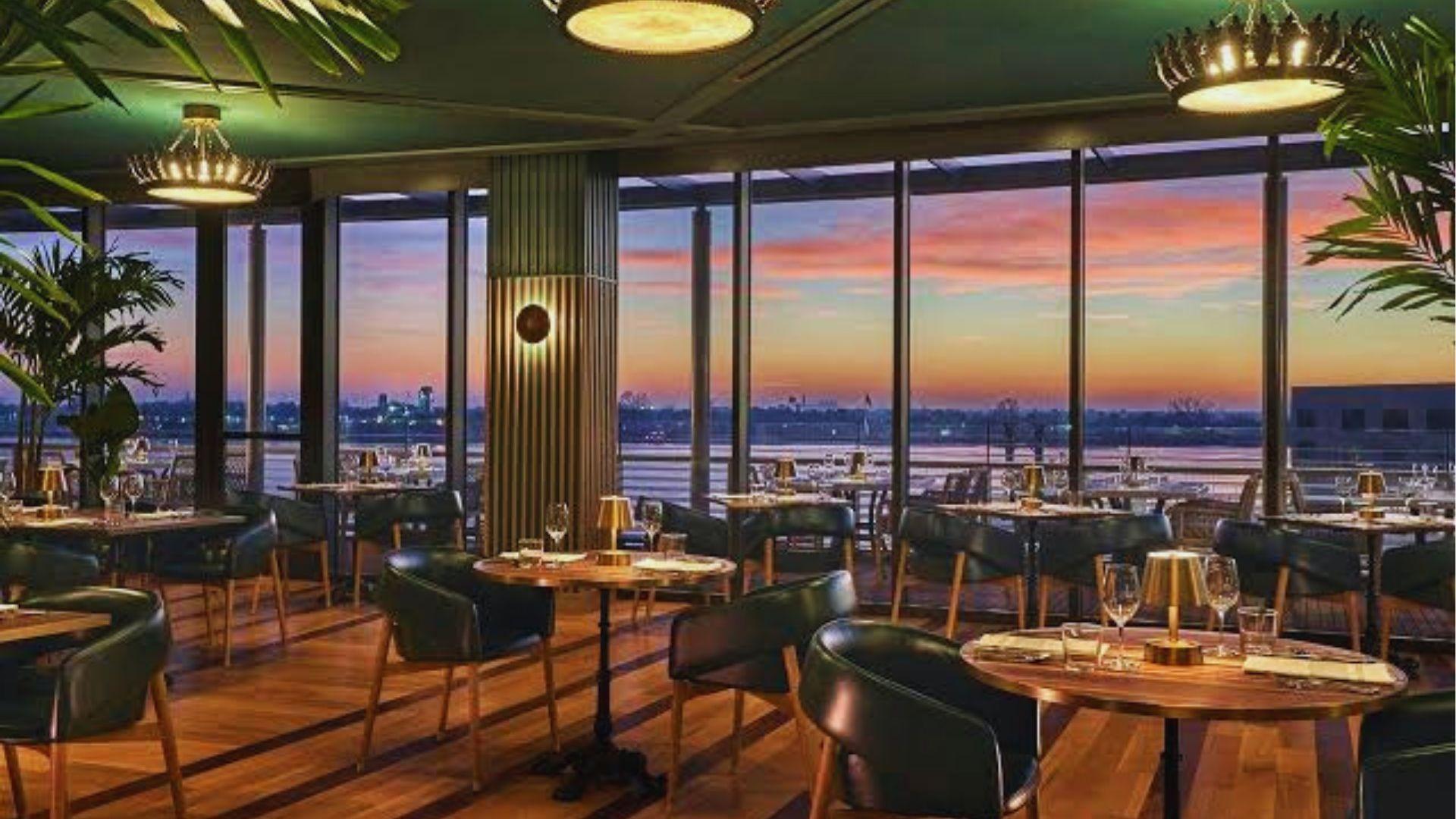
The right restaurant depends on your budget, your taste, and how deep you want to go into the city's food culture.
New Orleans does not eat like anywhere else in America. The best places here are rooted in Creole, Cajun, or Southern traditions, use fresh Gulf Coast seafood and local ingredients, and have been feeding the community for years.
A packed dining room and a line out the door are usually good signs. Look for menus that change with the seasons and reviews from locals, not just tourists.
Before you go, set your budget, decide between fine dining or a casual po'boy shop, and book reservations early since top spots fill up fast.
Check hours carefully, call ahead if you have dietary needs, and aim for off-peak times if you want a quieter table and smoother service.
13 Best Restaurants in New Orleans
New Orleans serves some of the most memorable food in the country, and these 13 spots represent the best of what the city has to offer.
1. Commander's Palace
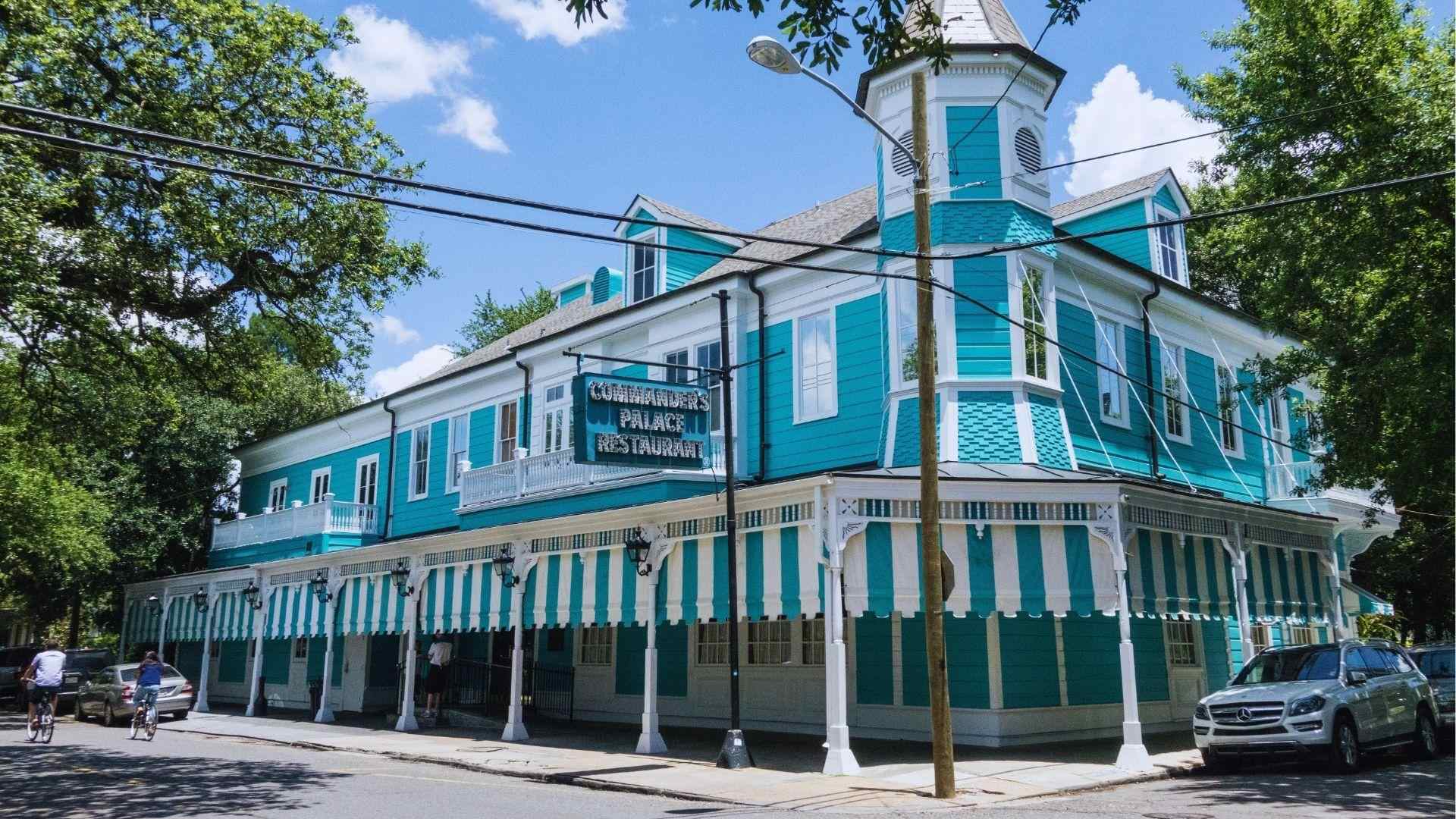
Commander's Palace sits in the Garden District and has been a New Orleans institution since 1893. It serves Creole food at a high level, with dishes like turtle soup, gulf fish, and bread pudding soufflé.
The dining room is formal but fun, with a staff that knows how to keep things lively. Saturday and Sunday jazz brunches are a local tradition.
The restaurant has won seven James Beard Awards and trained some of the country's best chefs, including Emeril Lagasse.
Reservations are strongly recommended. The lunch menu offers slightly lower prices, making it a smart choice if you want the full experience without spending as much.
2. Dooky Chase's Restaurant
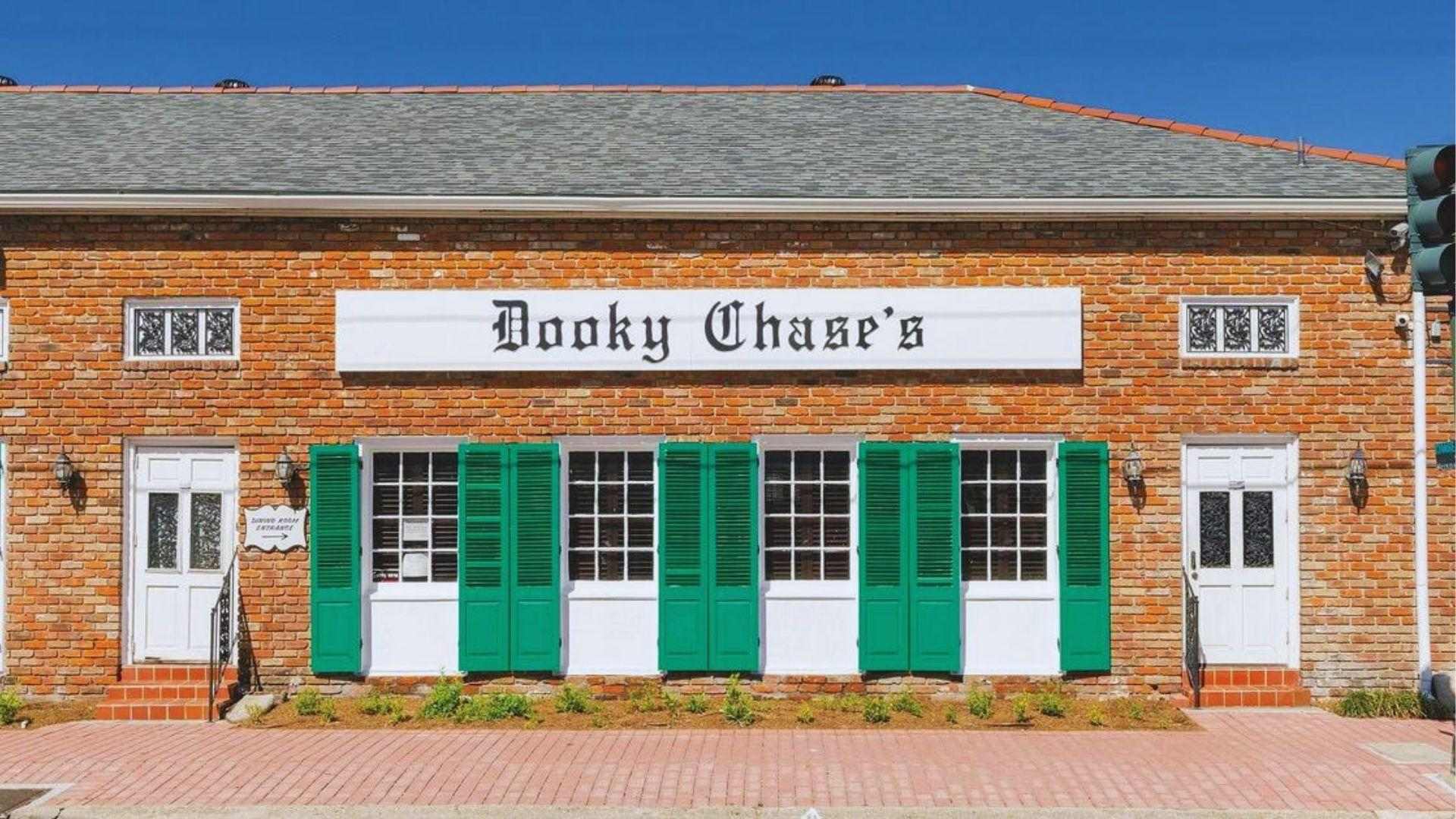
Dooky Chase's is a cornerstone of New Orleans Black culture and history. Leah Chase ran the kitchen for decades and helped shape what Creole cooking looks like today.
Known as the Queen of Creole Cuisine, she earned a James Beard Lifetime Achievement Award and fed civil rights leaders, presidents, and generations of local families.
The fried chicken is legendary, but the Creole gumbo deserves equal attention. The space is filled with art from African American artists, making every visit feel meaningful.
It is casual, welcoming, and deeply connected to the soul of the city.
3. Galatoire's
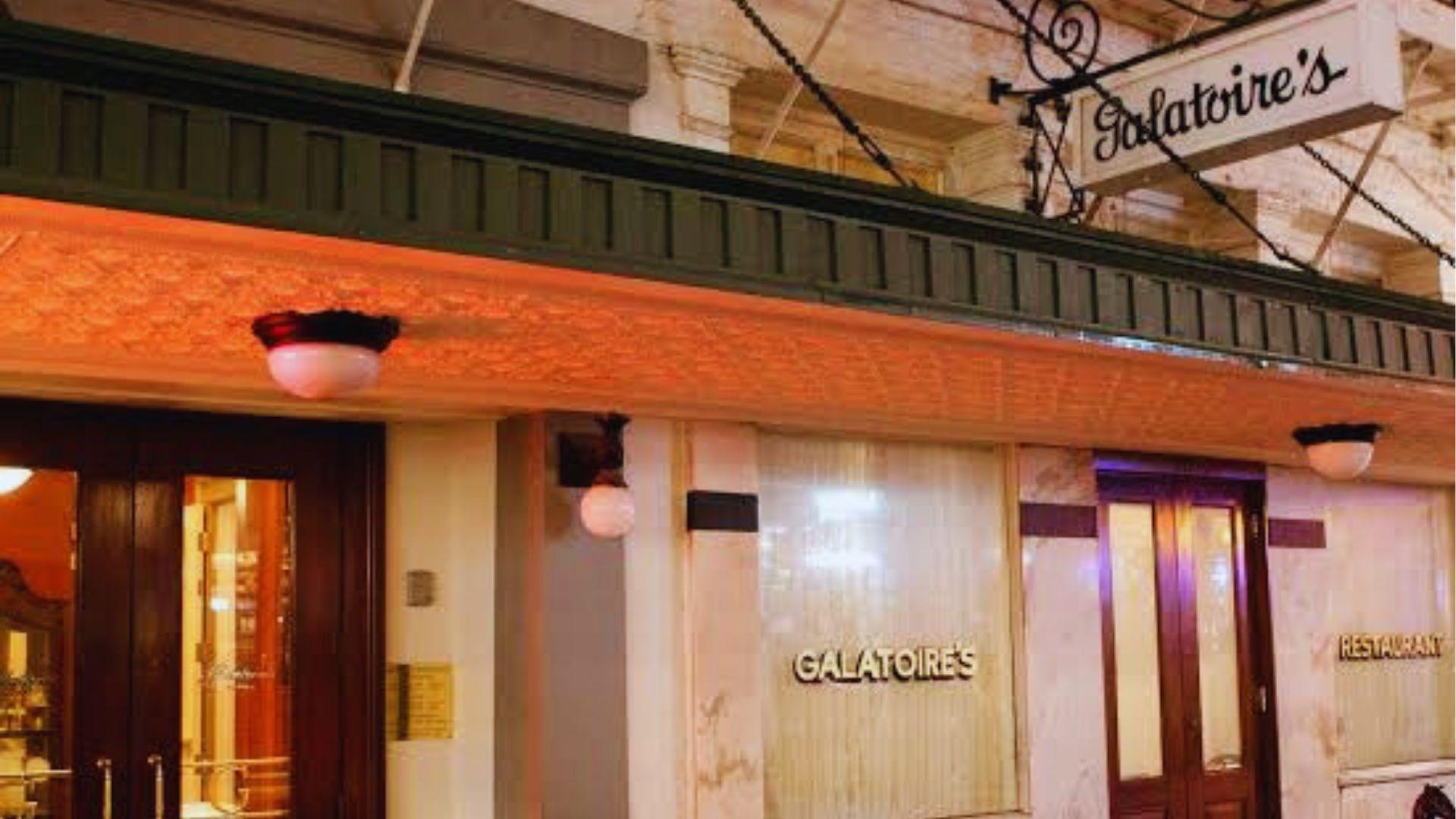
Galatoire's on Bourbon Street has been open since 1905 and still draws a devoted crowd.
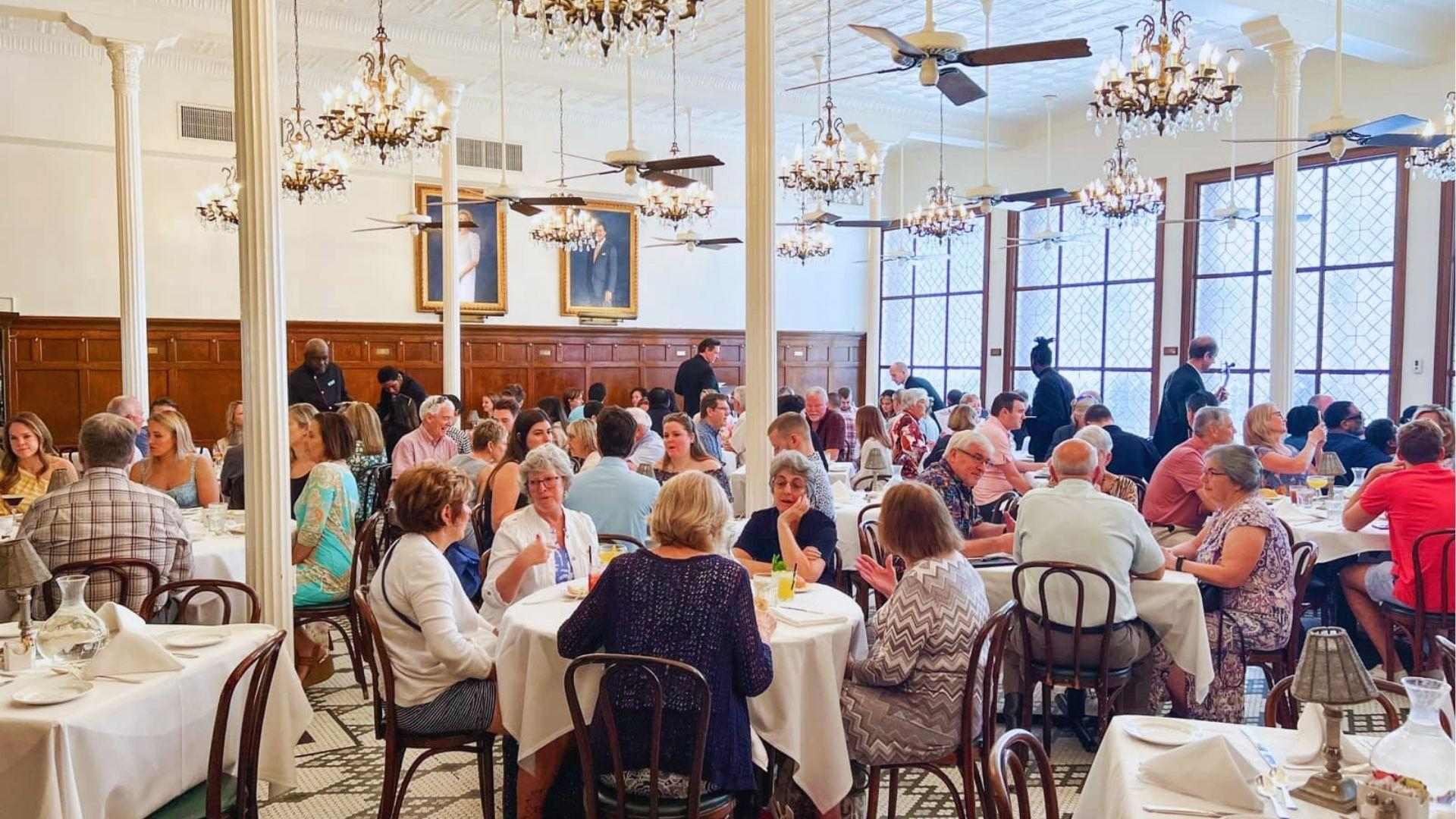
It is formal in the best way, with white tablecloths, ceiling fans, and a menu that has barely changed in over a century.
The shrimp remoulade, oysters en brochette, and trout meunière are standouts. Friday lunch here is a New Orleans ritual.
Regulars dress up, linger for hours, and treat the meal like a celebration. No reservations are taken for the main dining room downstairs, so arrive early or expect a wait.
4. Antoine's Restaurant
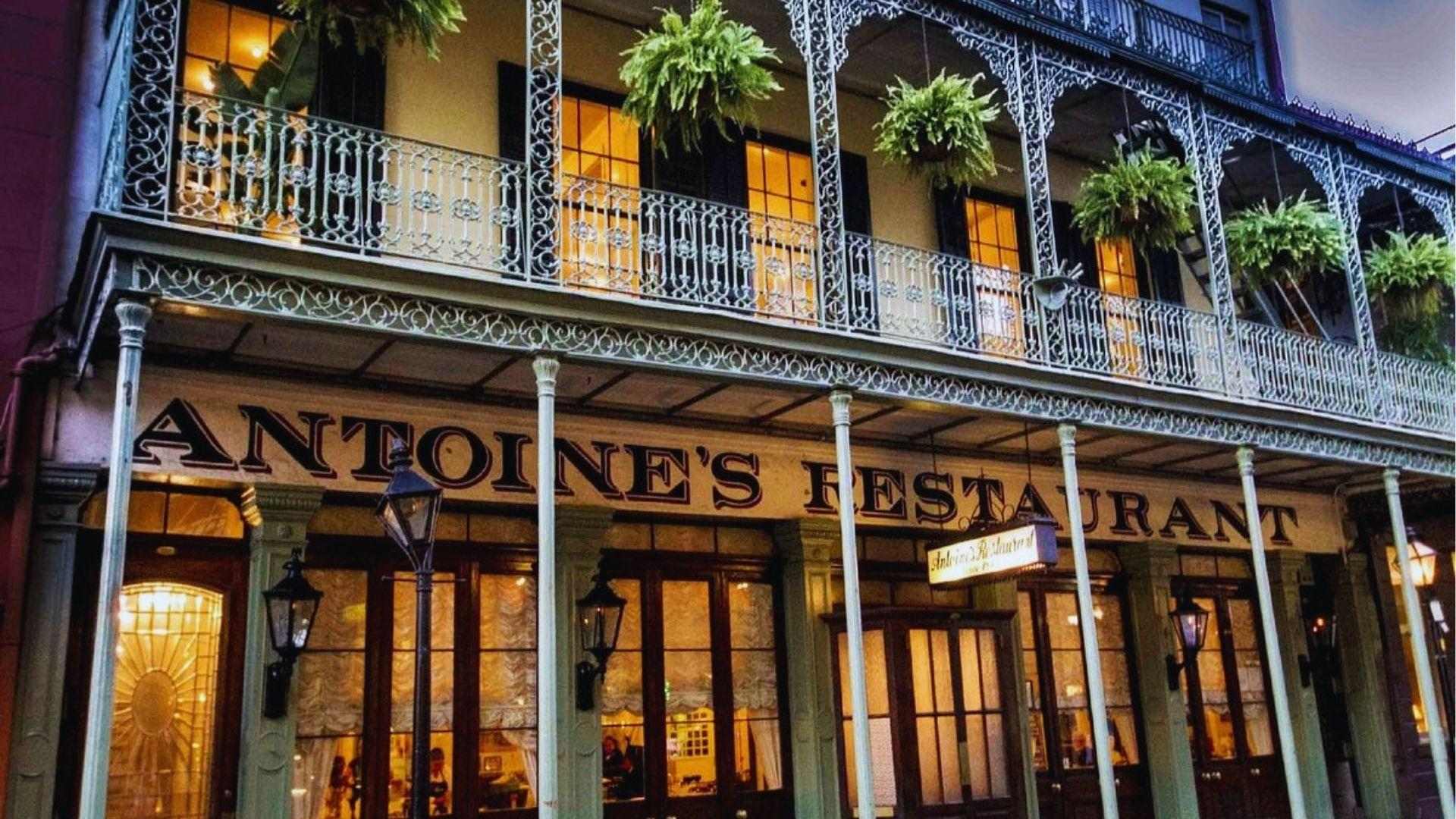
Antoine's is the oldest family-run restaurant in the country, open since 1840. It is a French Quarter landmark with 15 dining rooms and a menu full of classic Creole dishes.
Oysters Rockefeller was invented here by Jules Alciatore, and that alone is worth the visit.
The space feels like stepping back in time, with vintage photos, memorabilia, and a staff that takes real care of guests.
Go for dinner and order the old classics. The experience is less about trendy food and more about tasting history.
5. Brennan's
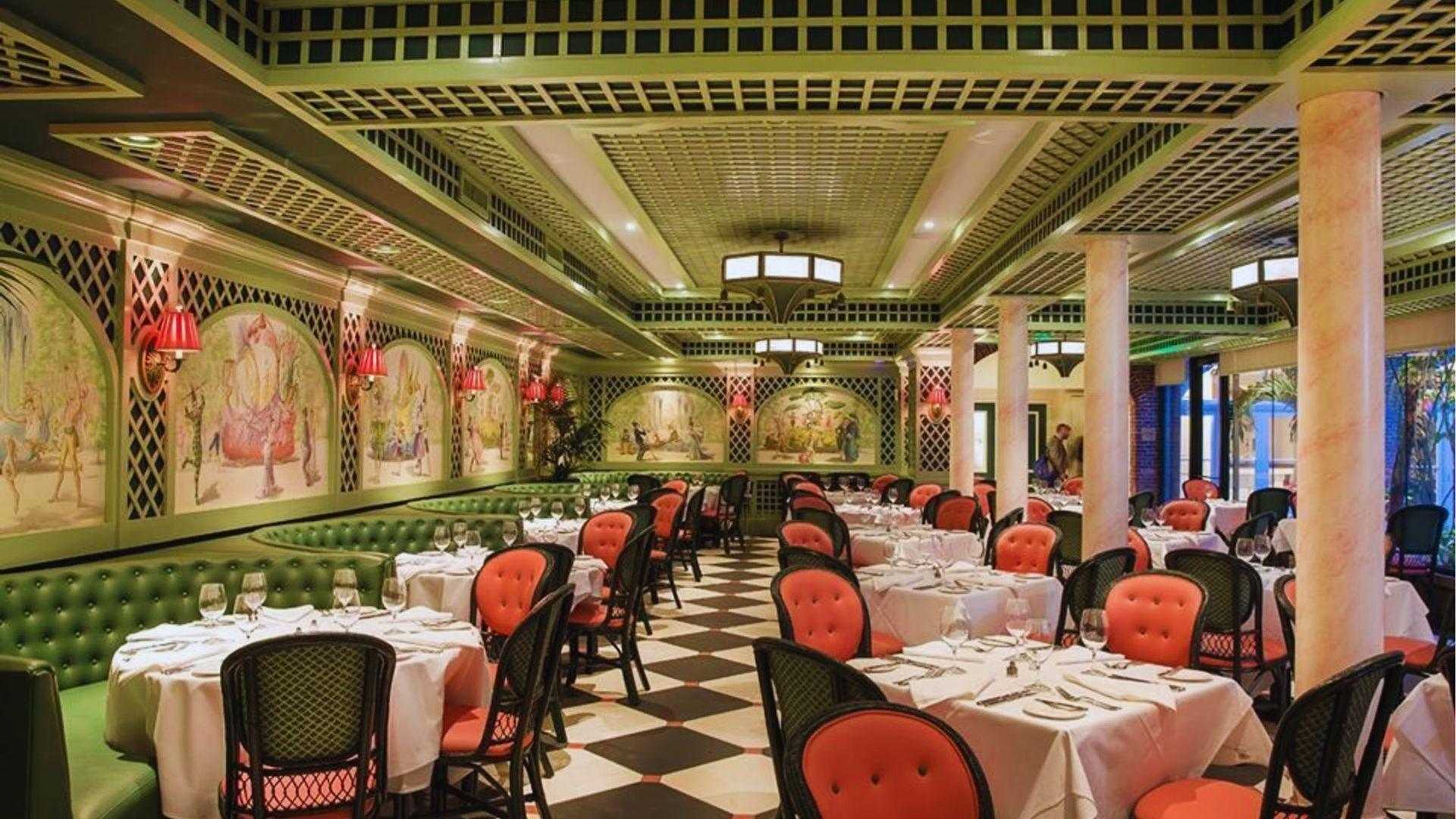
Brennan's in the French Quarter is most famous for Bananas Foster, a dessert they invented in the 1950s.
The restaurant is known for its lively brunch scene, pink exterior, and courtyard seating. It reopened in 2014 after a full renovation and now balances tradition with a more modern approach.
Turtle soup and egg sardou are popular choices. Brunch here feels indulgent in the right way. It is a spot for celebrating something, not just grabbing a quick bite.
6. GW Fins
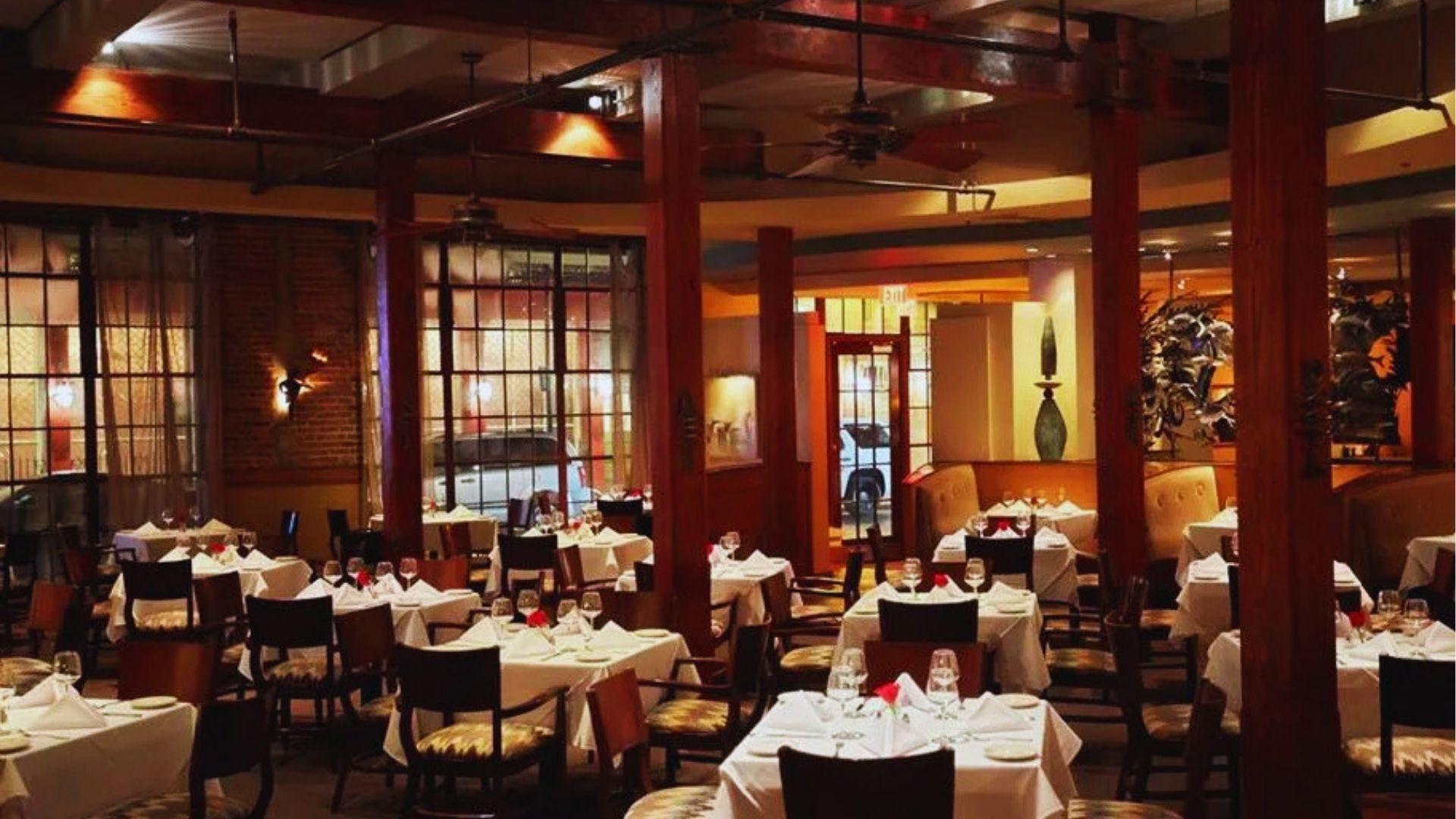
GW Fins is one of the best seafood restaurants in the city, and it earns that spot with a menu that changes based on what is freshest.
The kitchen focuses on Gulf Coast fish and seafood sourced from around the country, prepared with real skill. The lacquered duck breast and wood-grilled fish are consistently excellent.
The space is comfortable and upscale without feeling stiff. This is a great pick for people who love seafood but want more than a basic fry basket.
Reservations are a good idea, especially on weekends.
7. Cochon
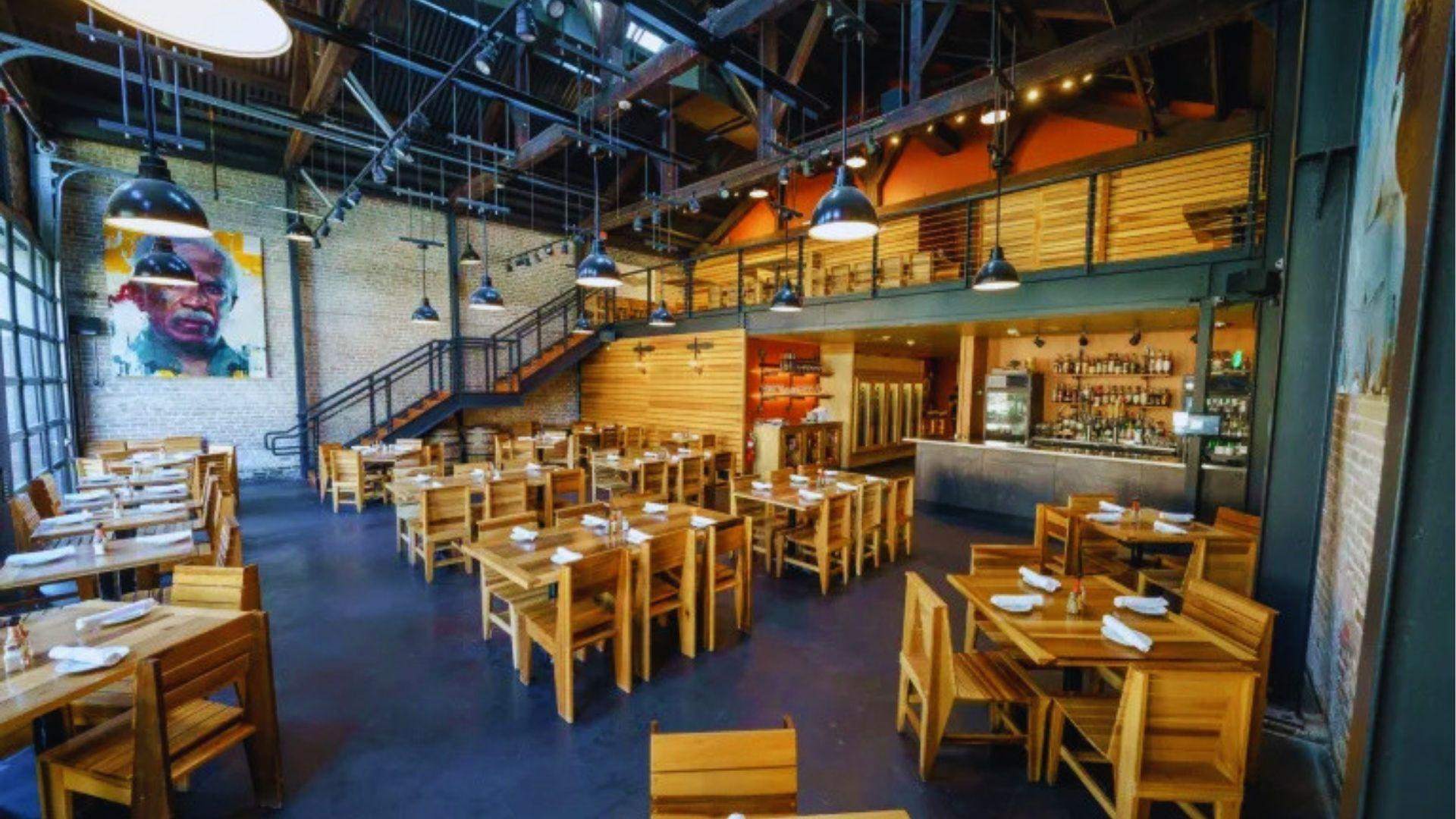
Cochon, run by chef Donald Link, is a love letter to Cajun cooking and Southern pork traditions. The name means "pig" in French, and the menu takes that theme seriously.
Fried boucherie pork, pork ribs with watermelon pickle, and cochon with cabbage are among the standouts. The space is relaxed and rustic, with exposed wood and a communal dining feel.
It is popular with locals and food-focused visitors who want real Cajun flavors without the tourist-trap version. Lunch is a bit more casual and slightly easier to get into.
8. Herbsaint
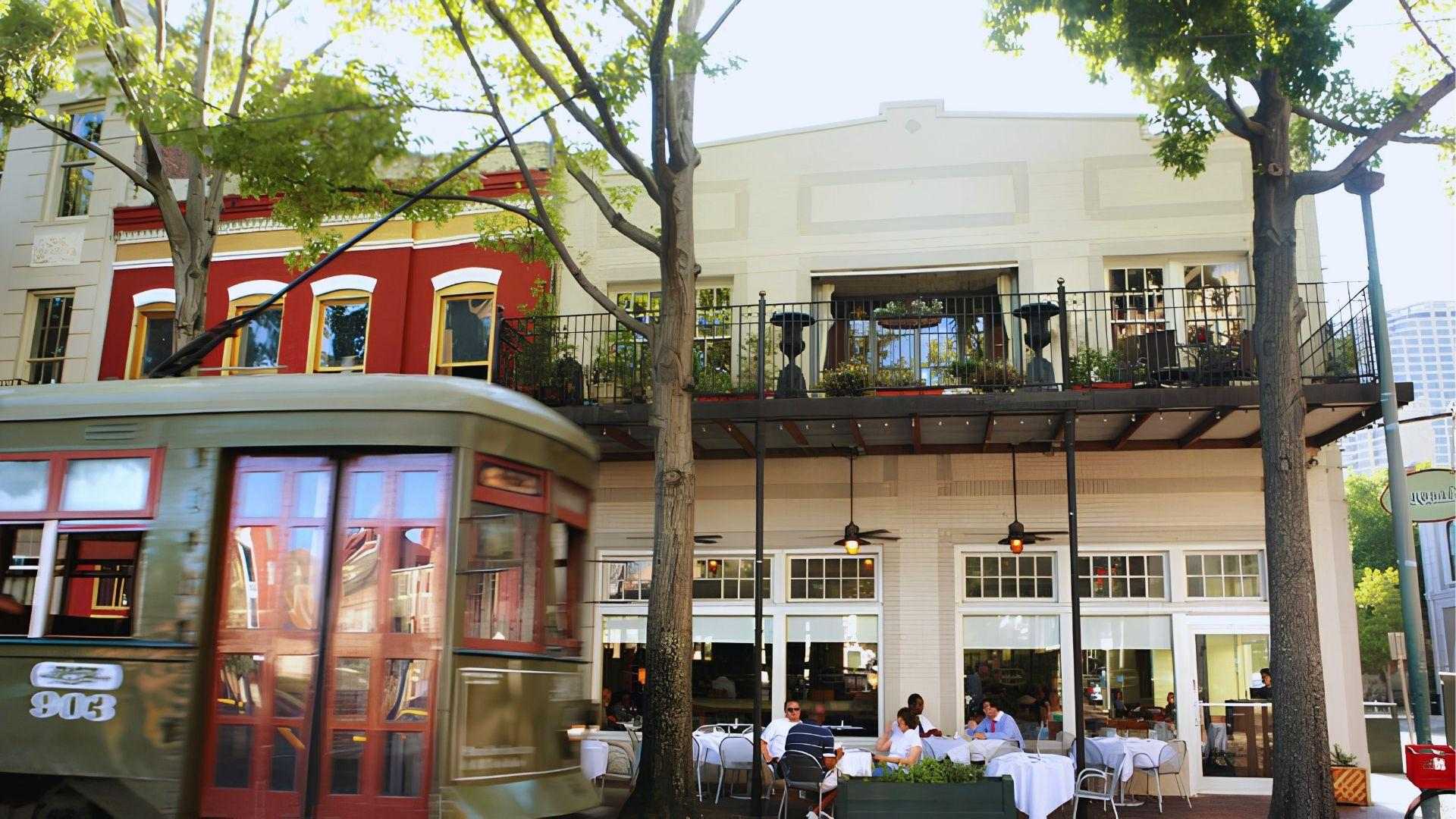
Herbsaint is a French and Southern-influenced restaurant that has been drawing fans since 2000. Chef Donald Link is behind this one too, and it shows the range of his cooking style.
The menu leans lighter and more refined than Cochon, with dishes like housemade spaghetti with guanciale and pork cheeks.
The bar program is also worth noting. The space is intimate and buzzy, with a counter where you can watch the kitchen work.
It is a great option for a solo dinner or a low-key date night. Both Cochon and Herbsaint sit in the Warehouse District, which has quietly become one of the city's best dining neighborhoods.
9. Acme Oyster House
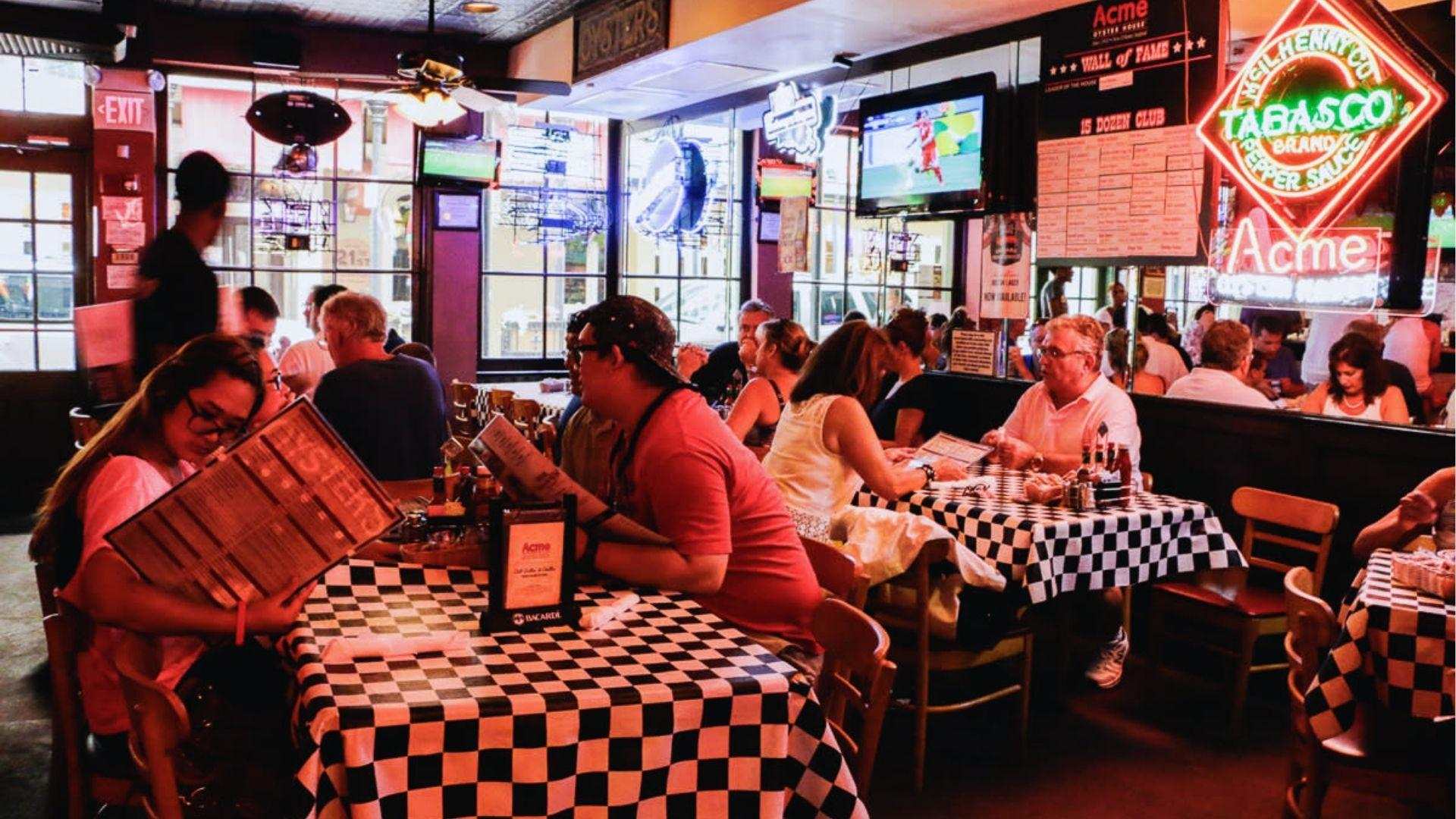
Acme Oyster House is where you go for raw oysters on the half shell without a lot of fuss. It is casual, loud, and efficient.
The French Quarter location stays packed most of the day, and the line outside moves fairly quickly. Raw oysters, chargrilled oysters, and a classic po'boy are the things to order.
This is not fine dining. It is honest, affordable, and deeply satisfying. If you have never had a New Orleans oyster, this is a solid place to start.
10. Parkway Bakery & Tavern

Parkway Bakery has been making po'boys since 1911 and is widely considered one of the best spots in the city for this New Orleans staple.
The roast beef po'boy, dressed with lettuce, tomato, pickles, and mayonnaise on fresh French bread, is the thing to get.
The portions are generous and the prices are fair. The location is away from the French Quarter, but locals know where it is. Expect a line during lunch hours. The wait is worth it every time.
11. Jacques-Imo's Cafe
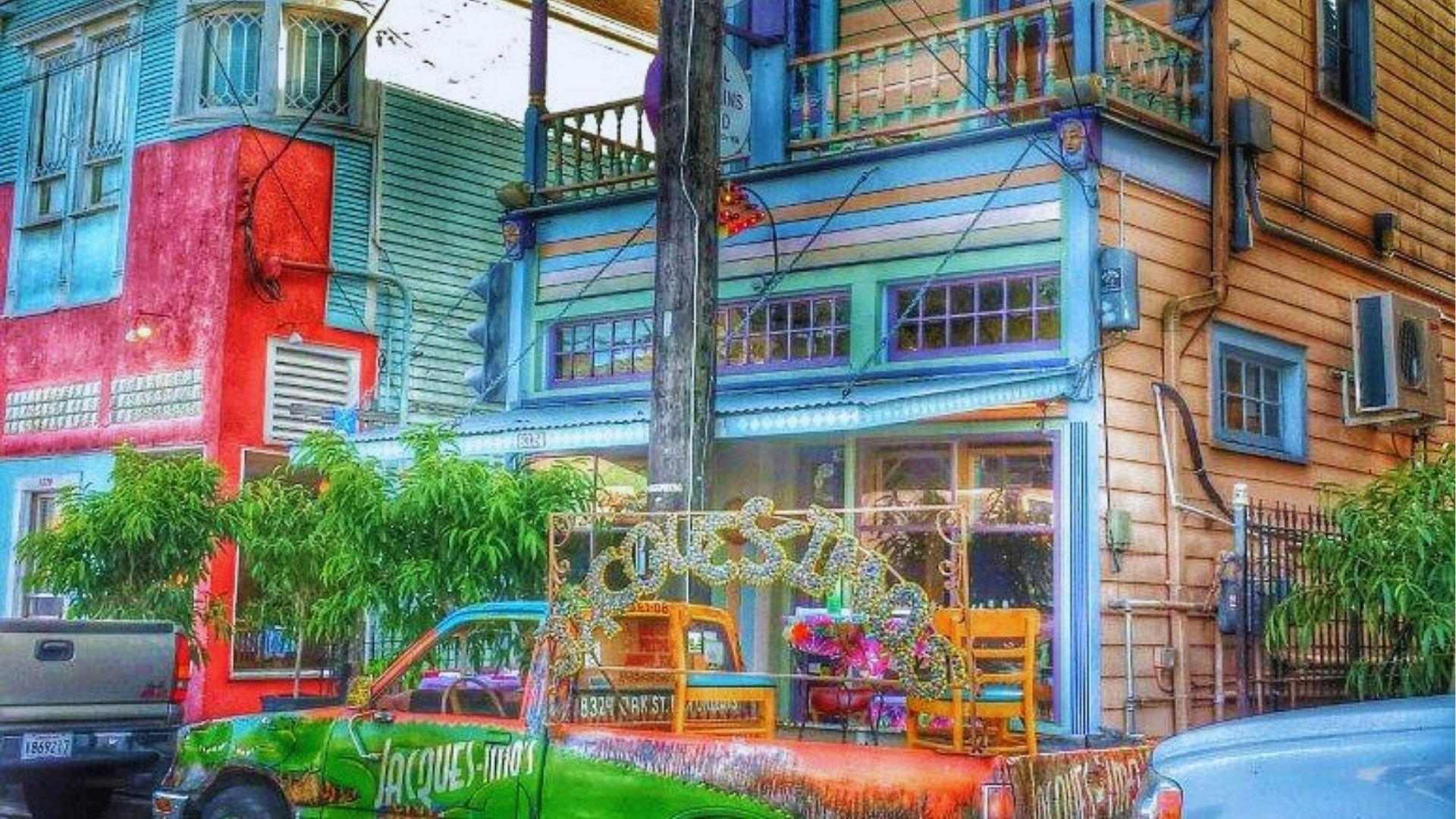
Jacques-Imo's is a Carrollton neighborhood favorite known for its loud, fun atmosphere and generous plates. The fried chicken with jalapeño cornbread dressing is a crowd pleaser.
So is the shrimp and alligator sausage cheesecake, which sounds odd but tastes great. The restaurant has an eccentric personality, with quirky decor and a bar that flows into the kitchen.
It is not the place for a quiet meal, but it is perfect if you want to feel like you are part of the city's spirit. Reservations recommended.
12. Café Amelie
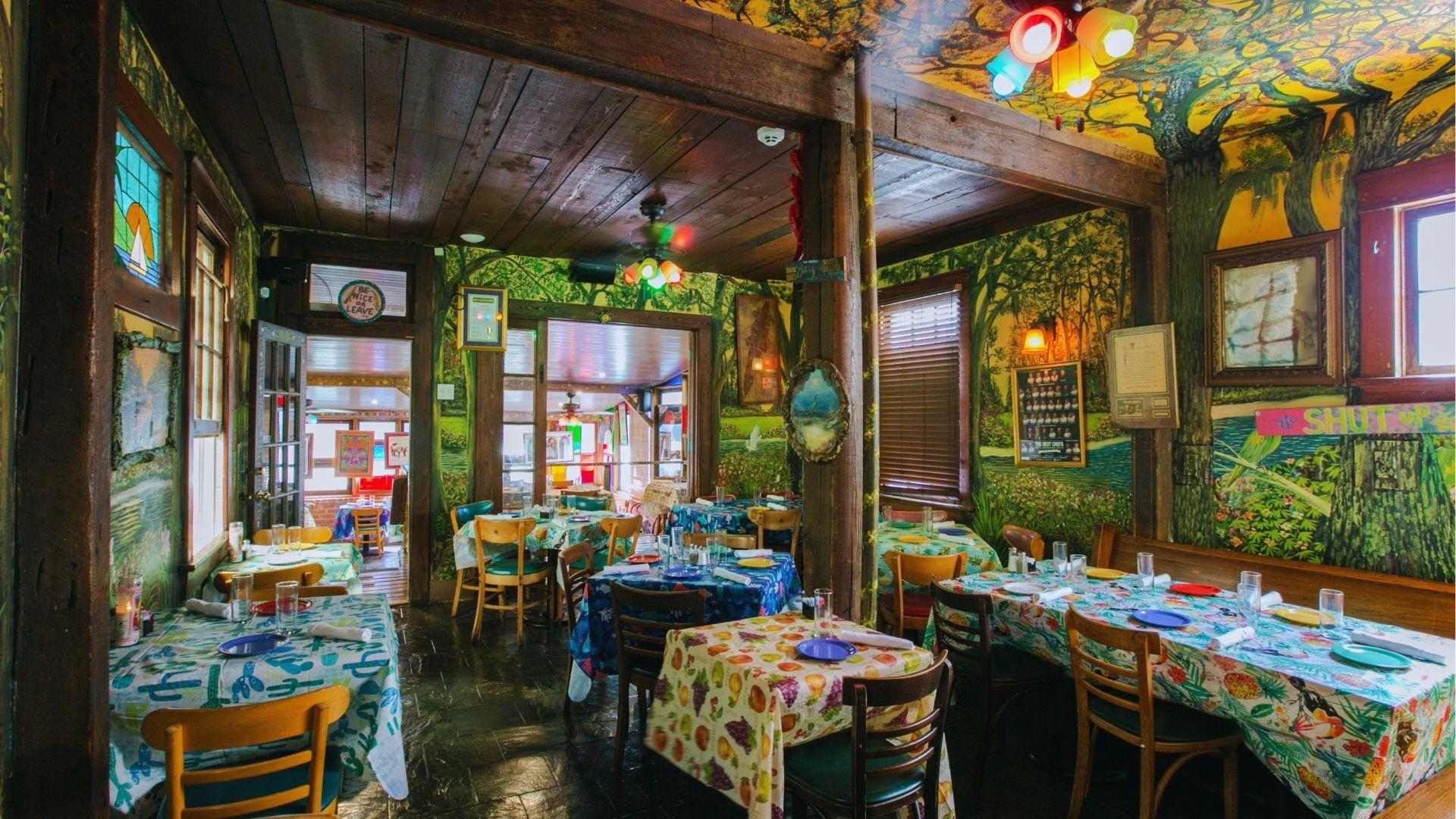
Café Amelie is tucked into a carriage house in the French Quarter with a courtyard that feels removed from the street noise outside.
The menu is Southern and seasonal, with dishes like Gulf shrimp, pork tenderloin, and house salads built from local produce.
The space is relaxed and the service is warm. It is a good pick for lunch or a laid-back dinner. The courtyard is the main draw, especially on cooler evenings.
It fills up on weekends, so make a reservation if you want a courtyard table.
13. Peche Seafood Grill
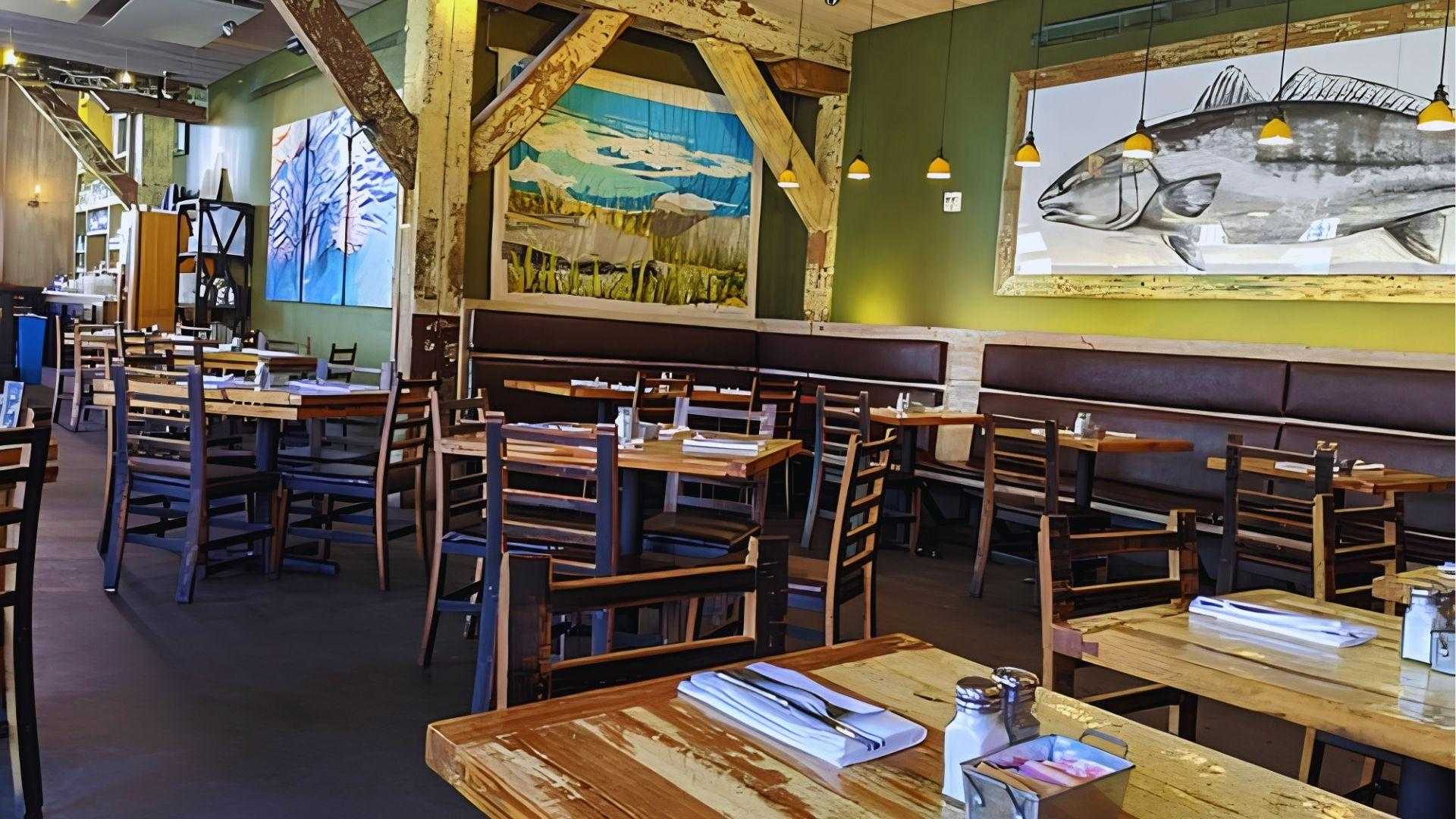
Peche is a James Beard Award-winning restaurant in the Warehouse District that keeps things simple and does it very well.
The menu is built around wood-fired and raw Gulf Coast seafood, with influences from Latin American coastal cooking.
The whole roasted fish, gulf shrimp, and smoked tuna dip are consistently good. Chef Ryan Prewitt leads the kitchen and focuses on sustainably sourced seafood.
The dining room is open and casual, with communal tables and a relaxed pace. This is the kind of restaurant that earns repeat visits. It is not flashy, but the food speaks clearly.
What to Know Before You Visit
A little planning before you arrive saves you time, money, and the frustration of showing up unprepared.
New Orleans rewards visitors who do their homework. Lunch is often the smartest time to visit upscale spots since many serve the same quality food at lower midday prices, while Friday and Saturday dinners fill up fast.
Aim for an early dinner around 5:30 or 6 p.m. if you want a calmer experience.
Before you leave the city, make sure you try gumbo, red beans and rice, crawfish étouffée, beignets, po'boys, chargrilled oysters, and at least one Bananas Foster.
For dress code, fine dining spots like Antoine's, Galatoire's, and Commander's Palace expect slacks and a collared shirt for men and smart casual for women, while casual spots have no requirements at all.
Tip between 18 and 20 percent since servers here depend on it. Book reservations at least two weeks out through OpenTable or Resy, call ahead for large groups or special requests, and always confirm the day before.
Some spots like Galatoire's downstairs do not take reservations, so arriving early is your only option.
Tips for Finding the Best Restaurants in New Orleans
Going beyond the basics helps you get more out of every meal in this city.
- Plan around peak hours. Avoid 7 p.m. on Fridays without a reservation. Aim for early lunch or a 5:30 dinner. Weeknights are almost always easier than weekends.
- Order local every time. Skip food you can get back home. Go for gumbo, crawfish, oysters, and beignets. Ask your server what the kitchen does best.
- Go beyond the French Quarter. Mid-City, Uptown, the Treme, and the Warehouse District have great food with fewer tourists. Dooky Chase's, Parkway Bakery, and Jacques-Imo's are all worth the trip.
- Check seasonal menus. Crawfish peaks from late winter into spring. Oysters are best in cooler months. Knowing what is in season helps you order the freshest dishes.
- Confirm details ahead of time. Check hours, look up menu updates, and verify your reservation the day before. A quick check saves you a wasted trip.
Conclusion
New Orleans is one of the best food cities in the country, and these 13 best restaurants in New Orleans give you a strong starting point.
From historic Creole dining rooms to casual seafood counters, there is something here for every kind of eater.
Use the tips in this guide to plan smart, eat well, and get the most out of every meal. The city rewards curious eaters who go beyond the obvious choices.
If this guide helped you, share it with someone planning a trip to New Orleans or drop a comment with your favorite spot that we missed.
Frequently Asked Questions
What is the most iconic dish to eat in New Orleans?
Gumbo is widely considered the most iconic New Orleans dish. It reflects the city's Creole and Cajun roots in one bowl.
Are New Orleans restaurants expensive?
Prices vary widely. Fine dining can cost over one hundred dollars per person. Casual spots like po'boy shops are very affordable.
Do most New Orleans restaurants accept walk-ins?
Some do, but popular spots fill up fast. Calling ahead or using an online booking platform is always the safer option.
Is New Orleans food very spicy?
Creole food is flavorful but not always hot. Cajun dishes tend to have more heat. Most restaurants adjust spice levels on request.
What neighborhoods have the best food outside the French Quarter?
Uptown, Mid-City, the Warehouse District, the Treme, and the Bywater all have excellent local restaurants with less tourist traffic.