I’ve roamed around Savannah’s waterways and marshes firsthand, and I know this question weighs on many travelers’ minds.
The short answer is yes, alligators do live in Savannah, Georgia. But don’t let that scare you off.
I’ve studied local wildlife patterns and spent time in areas where these reptiles hang out.
Through my research and on-ground experience, I’ve learned exactly where they live and how to stay safe around them.
Let’s clear up the confusion around alligators in Savannah.
Alligator Presence in Savannah

The city sits right in prime alligator territory. Savannah’s mix of freshwater rivers, marshes, and wetlands creates the perfect home for these reptiles.
How Common Are They?
Georgia has around 200,000 American alligators living throughout the state. A good portion of them call the Savannah area home.
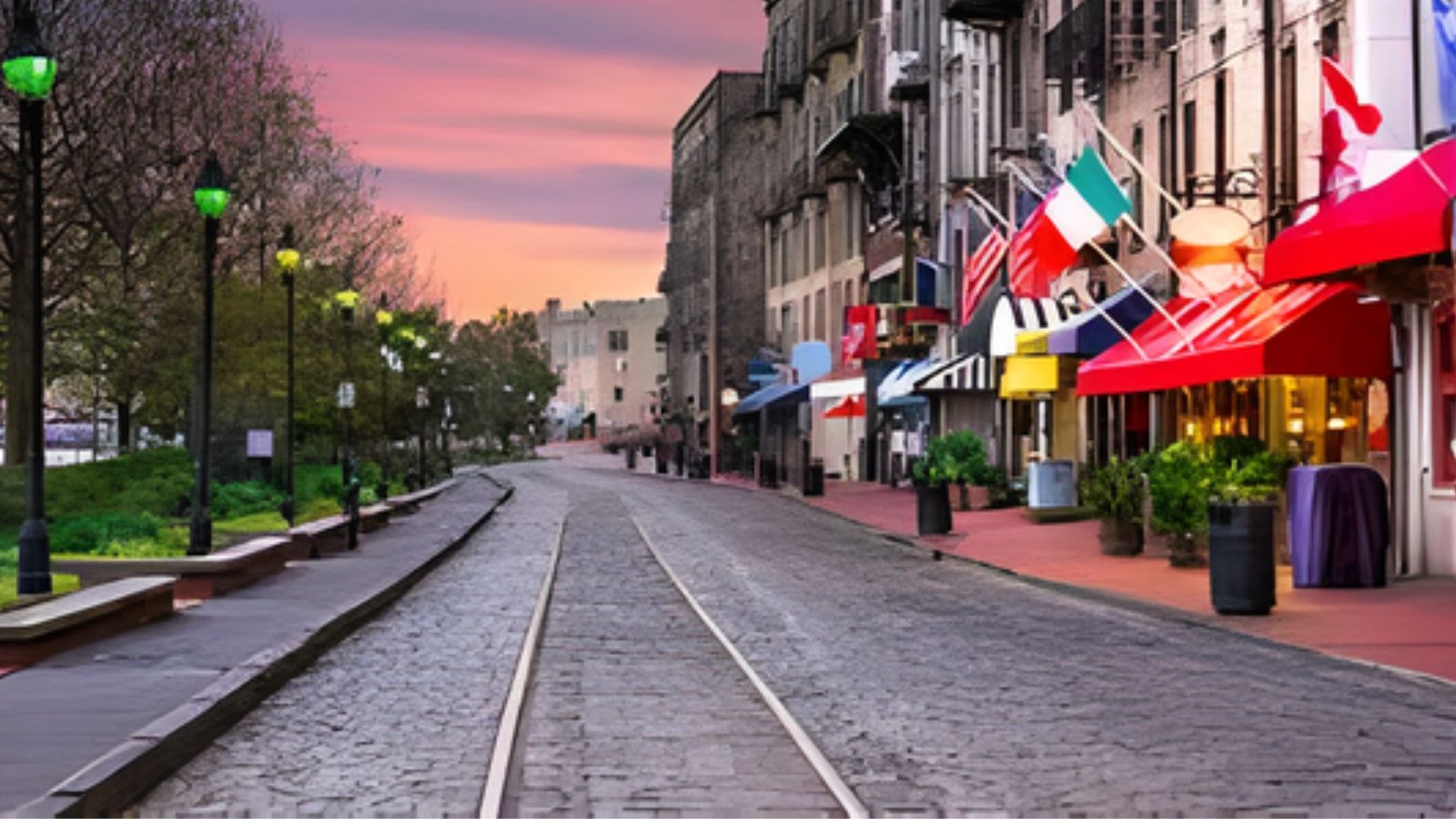
You won’t see them on every corner, though. Downtown tourist areas stay pretty much alligator-free.
The historic district, River Street, and Forsyth Park don’t have the habitat these animals need.
They stick to natural waterways and wetlands. If you’re walking around the city center, you’re not going to bump into one.
The real question isn’t whether there are alligators in Savannah, Georgia, but where exactly they live. That makes all the difference for your visit.
Where Alligators Live
The Savannah River runs right through the city. This massive waterway hosts plenty of alligators along its banks and tributaries.
Savannah National Wildlife Refuge sits just seven miles north of downtown. This protected area has thousands of acres of marshland and swamps.
It’s one of the most populated spots for alligators in the region.
Skidaway Island’s marshes are another hotspot. The tidal creeks and salt marshes here provide food and shelter. Various swamps around the city also attract these reptiles.
Why do they love these spots? Freshwater gives them what they need to thrive. Fish, birds, and other prey animals gather in these wetlands.
The still water and vegetation offer perfect nesting grounds.
Spotting Alligators Safely

Seeing an alligator in the wild can be really cool. But you need to know where to go and what to expect.
Best Places to See Them
Oatland Island Wildlife Center gives you a safe way to see local animals. The nature preserve has trails and boardwalks that keep you at a safe distance.
You might spot alligators sunning themselves near the water.
Savannah National Wildlife Refuge is your best bet for wild sightings. The refuge protects these animals while letting visitors observe them safely.
Drive the Laurel Hill Wildlife Drive and keep your eyes on the water’s edge.
The Cockspur Island Lighthouse area has tidal marshes you can reach by boat. The boat ride itself often reveals alligators along the shoreline.
Spring and summer give you the best chances. That’s the breeding season when alligators are most active and visible. They bask in the sun more often during warmer months.
What to Expect
Male alligators can grow up to 14 feet long. Females typically max out around 9 feet. The size difference is pretty dramatic when you see them side by side.
In the wild, they mostly just float or lie still. You’ll see them basking on banks or barely breaking the water’s surface. They’re not doing much most of the time.
Here’s the reality check: even in prime locations, sightings aren’t guaranteed. These animals blend in really well. Sometimes they’re just not where you’re looking.
Understanding Savannah’s Alligators

These reptiles have lived in Georgia’s wetlands for millions of years. Knowing their behavior helps you appreciate them without fear.
They have blackish-gray scales that look almost black when wet. The U-shaped snout sets them apart from crocodiles. Their broad, rounded heads are built for crushing prey.
Their diet includes fish, birds, turtles, and small mammals. They’re opportunistic hunters who eat whatever comes within reach.
Younger alligators stick to insects and small fish until they grow larger.
These animals can live up to 50 years in the wild. Some probably live even longer in protected areas. They grow throughout their entire lives, just at slower rates as they age.
Alligators hunt mostly at night. Their eyes have a special reflective layer that helps them see in the dark. You might spot their eyes glowing red if you shine a light across water after sunset.
They’re not naturally aggressive toward humans. Attacks happen when people get too close, feed them, or accidentally corner them. Left alone, they’ll ignore you completely.
Safety Guidelines Around Alligators

Respecting these animals keeps both you and them safe. A few simple rules prevent almost all negative encounters.
Important Safety Rules
Staying safe around alligators isn’t complicated. You just need to follow the basic guidelines that wildlife experts recommend.
- Keep at least 30 feet between you and any alligator
- Never feed alligators (illegal and dangerous)
- Stay calm and avoid sudden movements
- Back away slowly if one appears aggressive
- Never approach nesting areas or baby alligators
These rules apply everywhere in Savannah where alligators might be present. Following them means you can enjoy the area’s natural spaces without worry.
When to Be Extra Cautious
Nighttime brings out their hunting instincts.
Their activity peaks after dark when they search for food. Avoid walking near the water’s edge after sunset in areas where there are alligators in Savannah, Georgia.
Spring and summer mean breeding and nesting season. Males get territorial during this time. Females guarding nests become particularly defensive.
Still, swampy water attracts more alligators than flowing rivers. The calm conditions suit their lifestyle better.
If you hear growling, you’re way too close. That sound means back up immediately.
What to Do If You Encounter One
Watch from a safe distance only. Don’t try to get closer for photos. The shot isn’t worth the risk.
Let them do their thing naturally. Don’t throw things, make noise, or try to interact. They’re wild animals going about their daily routine.
Leave the area calmly if someone comes too close. Walk away at a steady pace without running.
Report any aggressive alligators to 911 or the Georgia Department of Natural Resources. They handle problem animals that pose real threats.
Swimming Safety in Savannah Waters
Not all water in Savannah is safe for swimming. Some spots should stay off your list entirely.
The Savannah River isn’t just home to alligators. It’s also murky and has pollution issues that make swimming unsafe.
Here’s what to skip:
- Savannah River (alligator habitat, murky and polluted)
- Heavily populated alligator areas
- Swampy regions with thick vegetation
- Any unmarked freshwater bodies
These aren’t swimming spots, no matter how hot the day gets. Plenty of better options exist nearby.
Safe Swimming Options
Tybee Island beach is your best choice for swimming. The Atlantic Ocean waves stay alligator-free.
Here are your safest bets:
- Tybee Island beach (alligator-free ocean swimming)
- Designated swimming areas with lifeguards on duty
- Saltwater locations (alligators prefer freshwater)
- Any area with posted safety signage and monitoring
Always follow posted warnings and signage around any water. Local authorities put up warnings for good reasons.
Alligator Attack Statistics
The numbers tell a reassuring story. Georgia has recorded only eight alligator attacks over the past 20 years. That’s across the entire state, not just Savannah.
Your risk of an alligator attack is extremely low. You’re more likely to get struck by lightning. These animals are protected by law, so harming or harassing them is illegal.
Most attacks result from people feeding alligators or getting too close. The animals themselves rarely initiate conflict.
This shouldn’t stop you from visiting Savannah. The city’s natural spaces are safe when you follow basic precautions.
Conclusion
Now you know the truth about alligators in Savannah,Georgia. They’re here, but they’re manageable with the right knowledge.
My time studying these animals taught me one thing: respect and awareness go a long way.
Plan your Savannah trip with confidence. Visit the wildlife refuges, enjoy Tybee Island’s beaches, and find the natural spaces this city offers.
Just remember those 30-foot distance rules and stick to designated areas.
Don’t miss out on Savannah’s incredible coastal ecosystem because of fear. Armed with this information, you’re ready to experience everything safely.
Book that trip and see what makes this area so special. The wetlands, wildlife, and natural beauty are waiting.
Frequently Asked Questions
Can You Swim With Alligators in Georgia Waters?
No, swimming with alligators is extremely dangerous and not recommended anywhere. Stick to designated swimming areas at Tybee Island or other supervised beaches. These locations are monitored for safety. Even in areas where alligators are rare, it’s better to avoid murky freshwater. The risk isn’t worth it when safer options exist nearby.
What’s the Difference Between Alligators and Crocodiles?
Alligators have U-shaped, rounded snouts, while crocodiles have V-shaped, pointed ones. Alligators appear darker, almost black, while crocodiles look more olive-brown. Crocodiles prefer saltwater and don’t live in Savannah at all. Only alligators call this region home. The snout shape is the easiest way to tell them apart at first glance.
Do Alligators Attack Humans Unprovoked?
Alligators rarely attack without reason. They’re not naturally aggressive toward people. Most attacks happen when humans feed them, get too close, or accidentally threaten nests. Unprovoked attacks are extremely rare in Georgia. These reptiles typically avoid human contact when possible. Respect their space, and they’ll leave you alone completely.
When Are Alligators Most Active in Savannah?
Spring and summer bring peak alligator activity during the breeding season. They’re most active at night when they hunt for food. Temperature affects their behavior since they’re cold-blooded. Warmer weather means more movement and visibility. You’ll spot them basking in the sun during the daytime in the spring and summer months.
Are There Alligators on Tybee Island Beach?
Tybee Island beach typically has no alligators. A few rare visits have been reported over the years, but they’re not common. The saltwater environment doesn’t suit alligator preferences. Safety measures stay in place to monitor the beach. It remains one of the safest swimming spots near Savannah for this very reason.