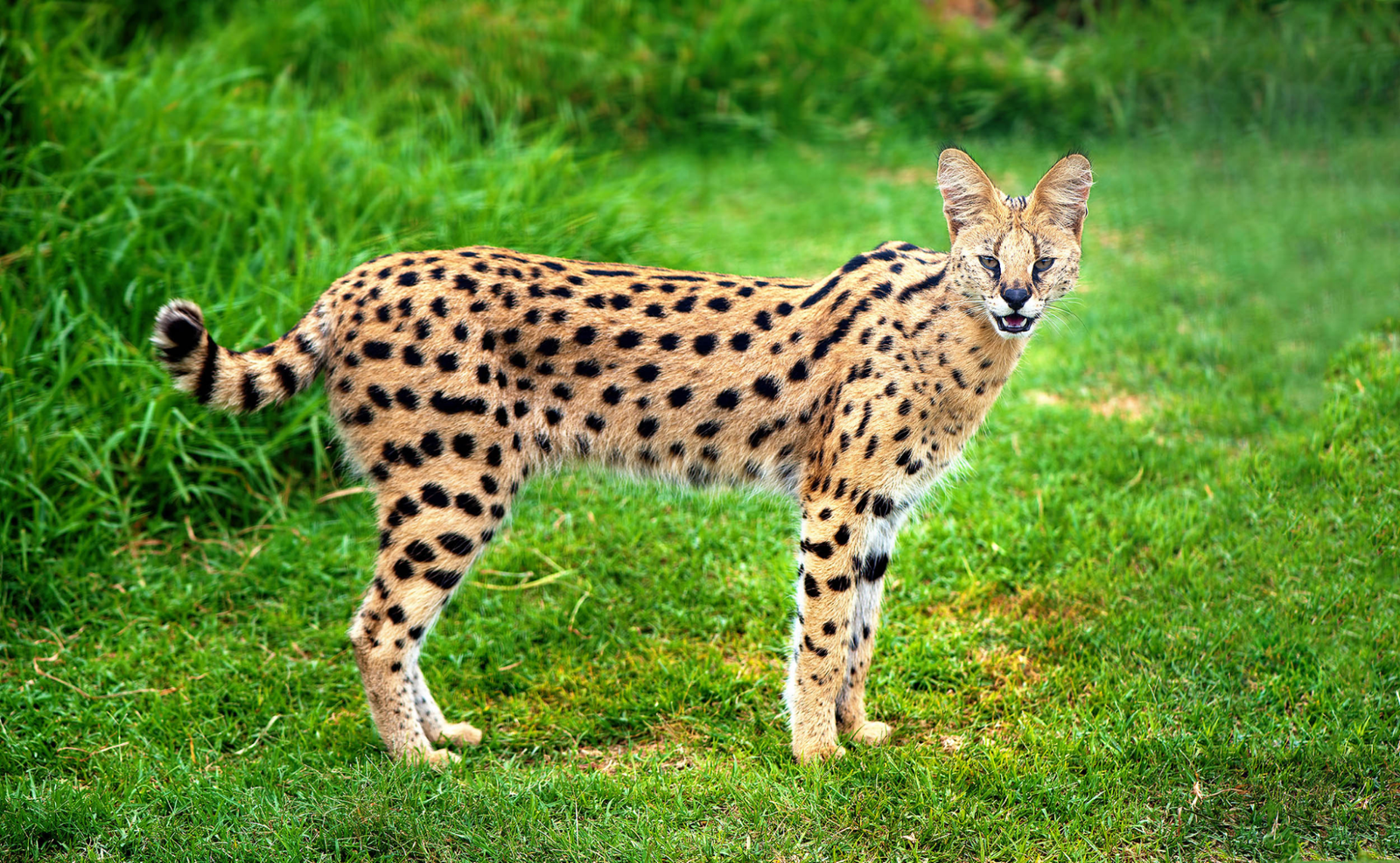
I get it. You want a cat, but your allergies say no. The sneezing, watery eyes, and constant discomfort make it seem impossible.
That’s why so many people look for hypoallergenic breeds. Savannah cats keep popping up in these searches. They’ve become popular among allergy sufferers who refuse to give up on their cat dreams.
But can they really help?
Here’s what you need to know: no cat is truly hypoallergenic. However, Savannah cats have some traits that might make living with allergies more manageable.
Let’s break down the facts.
What Does Hypoallergenic Mean for Cats?

Hypoallergenic means a cat produces fewer allergens than other breeds. It doesn’t mean allergy-free. That’s a common misconception.
Every cat creates allergens, no matter the breed. These proteins exist in their saliva, skin, and urine. When cats groom themselves, allergens spread through their fur and into your home.
Your reaction depends on your sensitivity level. Some people handle certain breeds better than others.
One person might sneeze around a Persian but feel fine with a Savannah. It varies greatly from person to person.
Are Savannah Cats Hypoallergenic?

Savannah cats aren’t hypoallergenic, but some allergy sufferers tolerate them better than other breeds.
The Short Answer
No, Savannah cats are not hypoallergenic. They produce the same allergens as other cats. But many people report fewer allergy symptoms around them.
Why? Savannah cats tend to groom less frequently than typical house cats. Less grooming means fewer allergens spread around.
They also shed less than many long-haired breeds. This combination can make them easier to tolerate for some allergy sufferers.
Why Opinions About Savannah Cats Differ
You’ll find mixed reviews online. Some breeders claim Savannah cats are perfect for allergies. Owners share conflicting experiences too.
The truth is simple: everyone’s immune system reacts differently. Your genetics and sensitivity levels play a huge role. What works for one person might not work for you.
What Causes Allergies to Savannah Cats?

Cat allergens come from proteins in saliva, dander, and skin. Savannah cats may produce less due to their minimal shedding and grooming habits.
Cat Allergens Explained
Cat allergies come from proteins in dander, saliva, and skin cells. The main culprit is a protein called Fel d 1. Every cat produces it.
When your cat grooms itself, saliva coats the fur. As the saliva dries, tiny particles become airborne. Dander flakes off the skin and floats through your home.
These microscopic particles land on furniture, carpets, and clothing. You breathe them in without even realizing it.
Savannah Cats vs Other Cat Breeds
Savannah cats shed less than most breeds. Their short, tight coat doesn’t trap as much dander. Less shedding means fewer allergens floating around your house.
Their grooming habits differ too. They don’t obsessively clean themselves like Persian or Siamese cats. This reduces the amount of saliva-covered fur in your environment.
Do Savannah Cats Shed a Lot?
Savannah cats shed moderately with seasonal changes. Their short, smooth coat is easier to manage and doesn’t cling to furniture like other breeds.
Shedding Levels in Savannah Cats
Savannah cats shed moderately throughout the year. You’ll notice more hair during spring and fall when they adjust to temperature changes. Stress can also trigger increased shedding.
Less shedding directly impacts your allergies. Fewer loose hairs mean less dander spreading through your home.
The connection is straightforward: control the shed, reduce your symptoms.
Why Savannah Hair Is Easier to Manage
Savannah cats have short to medium coats with minimal undercoat. Their hair doesn’t tangle or mat like long-haired breeds.
This type of fur doesn’t cling to couches, blankets, or clothing as much. You’ll spend less time lint-rolling your furniture.
Their smooth coat releases easily during brushing, making cleanup simpler. Regular grooming sessions keep loose hair under control before it spreads around your living space.
Savannah Cat Dander and Saliva Levels

Savannah cats may produce less dander due to Serval genetics. Their minimal grooming habits mean less saliva spreading allergens throughout your home.
Dander Production in Savannah Cats
Some people with allergies report better tolerance around Savannah cats. The reason might lie in their genetics.
Savannah cats are part African Serval, a wild cat species. This mixed heritage may affect how much dander they produce.
While they still create allergens, the levels could be lower than purely domestic breeds. Every generation differs too.
F1 and F2 Savannah cats have more Serval genes than F5 or F6 generations.
Saliva and Self-Grooming Concerns
Dried saliva is one of the biggest allergy triggers. When cats lick their fur, proteins from their saliva stick to every hair strand.
Savannah cats groom themselves less obsessively than many breeds. This means less saliva coating their coat. Regular brushing helps even more.
When you brush your cat, you remove loose hair and dried saliva before it becomes airborne. Keep your Savannah well-groomed, and you’ll reduce allergen exposure significantly.
How to Know If a Savannah Cat Is Right for Your Allergies

Never commit before testing your reaction. Visit a breeder and spend at least an hour with their cats. Touch them, let them rub against you, and sit in the same room.
Test with adult cats, not just kittens. Adults produce more allergens.
Generation matters too. F1 and F2 Savannah cats have more wild Serval genes. Some people tolerate these earlier generations better.
Later generations like F5 or F6 are more domestic and might trigger stronger reactions. Your response will be personal to you.
How to Reduce Allergies When Living With a Savannah Cat
- Brush your Savannah cat at least twice a week outside your home. Wipe their coat with a damp cloth to remove loose dander and dried saliva before it spreads.
- Install HEPA air purifiers in rooms where your cat spends the most time. These filters trap airborne allergens and keep your air cleaner throughout the day.
- Vacuum furniture and floors frequently with a HEPA-filter vacuum. Replace heavy curtains and fabric furniture with leather or wipeable surfaces that don’t trap dander.
- Keep your bedroom completely off-limits to your cat. This gives you one allergen-free zone where you can sleep and breathe easier at night.
- Train your Savannah to reduce face licking and close contact near your nose and eyes. Wash your hands immediately after petting or playing with your cat.
Conclusion
Let’s be honest. Savannah cats are not hypoallergenic. They produce allergens like every other cat.
But many allergy sufferers tolerate them better. Their low shedding and minimal grooming make a difference.
Should you get one? Test your reaction first. Spend time with Savannah cats before committing. Use air purifiers and keep up with cleaning.
If you’re ready to manage your symptoms, a Savannah cat could work for you.
Your cat dream doesn’t have to stay impossible. Take the first step today.
Frequently Asked Questions
Do Savannah cats produce less Fel d 1 protein than other cats?
No, Savannah cats produce the same Fel d 1 protein that triggers allergies. However, their grooming habits and shedding patterns may result in less protein spreading through your home compared to other breeds.
Which Savannah cat generation is best for people with allergies?
F1 and F2 generations have more African Serval genetics and might cause fewer reactions in some people. However, individual responses vary greatly, so you need to test your reaction with the specific generation you’re considering.
How often should I groom my Savannah cat to reduce allergens?
Brush your Savannah cat at least twice a week, preferably outdoors. Wipe their coat with a damp cloth between brushing sessions to remove loose dander and dried saliva before it becomes airborne.
Can air purifiers really help with cat allergies?
Yes, HEPA air purifiers significantly reduce airborne allergens in your home. Place them in rooms where your cat spends the most time and run them continuously for best results.
Should I get allergy shots before adopting a Savannah cat?
Allergy shots (immunotherapy) can help reduce your sensitivity over time. Talk to your allergist about starting treatment before bringing a cat home, as it takes several months to see results.