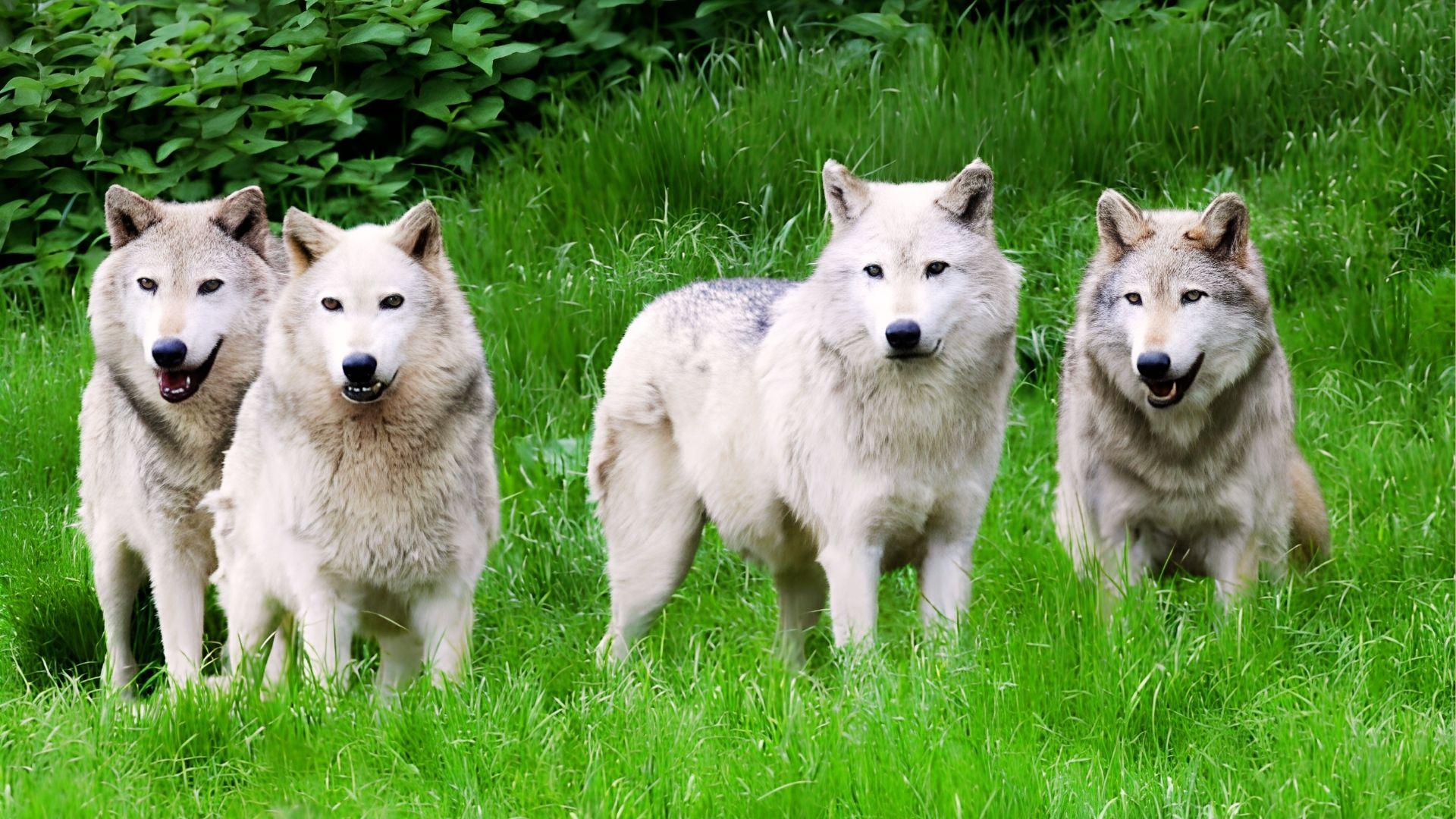
Many people in Georgia have spotted a large, wolf-like animal and wondered if it was the real thing. It is a fair question, and you are not alone in asking it.
Are there wolves in Georgia? The short answer is no, but the full story is more interesting than that.
This article covers the history of wolves in the state, why they disappeared, what animals people often confuse with wolves, and where the closest wild wolf populations are today.
This guide is based on historical wildlife records, state wildlife agency information, and conservation research to provide an accurate overview of wolves in Georgia.
Are There Wolves in Georgia?
No, there are no wild wolves living in Georgia today.
Wild wolves do not roam the forests, mountains, or fields of Georgia. The state does not have a resident wolf population.
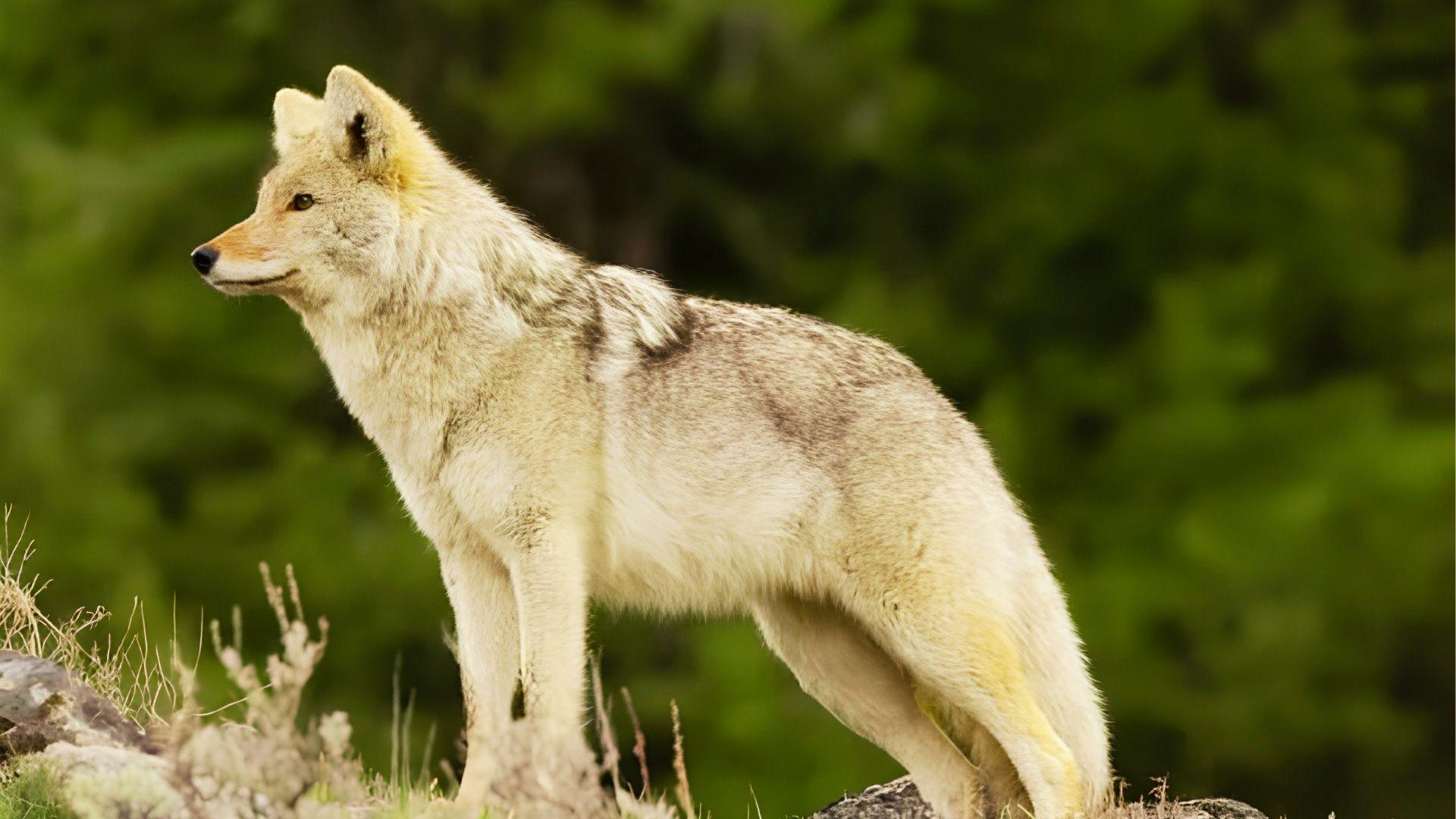
If someone tells you they spotted a wolf in the Georgia woods, they almost certainly saw something else, most likely a coyote, a large dog, or a wolf-dog hybrid.
That said, this was not always the case. Wolves were once a natural part of Georgia's landscape, and their absence today is the result of human activity over many centuries.
Did Wolves Ever Live in Georgia?
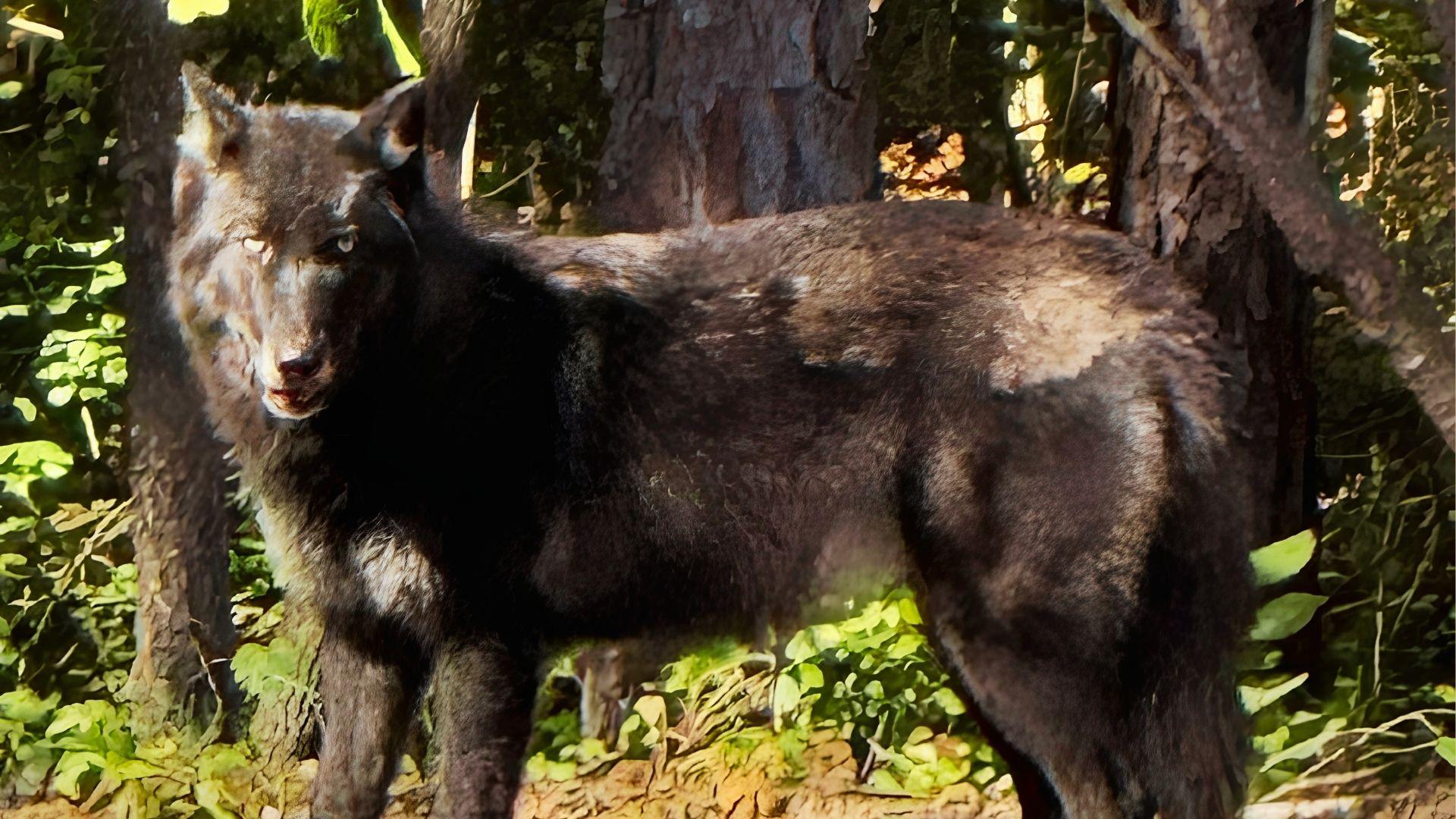
Yes, wolves were once a common part of Georgia's wildlife.
Two species lived in or near Georgia historically. The gray wolf, also known as the timber wolf, roamed parts of the southern Appalachian region, including northern Georgia.
The red wolf (Canis rufus), which is smaller and more slender, lived across much of the southeastern United States, including Georgia's coastal plains and forests.
Both species played a key role in keeping deer, small mammals, and other prey populations in balance. Indigenous communities coexisted with wolves for thousands of years before European settlers arrived.
Starting in the 1700s and continuing into the 1800s and 1900s, large-scale hunting, trapping, and poisoning campaigns wiped out wolf populations across the Southeast. By the early 20th century, wolves were functionally gone from Georgia.
Why Are There No Wild Wolves in Georgia Today?
Wolves disappeared from Georgia because of direct persecution and habitat loss.
As settlers expanded across the South, wolves were seen as a threat to livestock. Farmers and ranchers killed them to protect their animals.
State and federal governments ran bounty programs that paid hunters for every wolf killed. Poisons like strychnine were used widely, killing wolves and other predators in large numbers.
At the same time, forests were cleared for farming and development. This reduced the wild spaces wolves need to survive. Deer populations, the wolf's main prey, also declined sharply during that period, removing another reason for wolves to stay.
By the mid-1900s, the combination of hunting pressure and habitat destruction had made it impossible for wolves to hold on in Georgia.
Where Are the Closest Wild Wolves to Georgia?
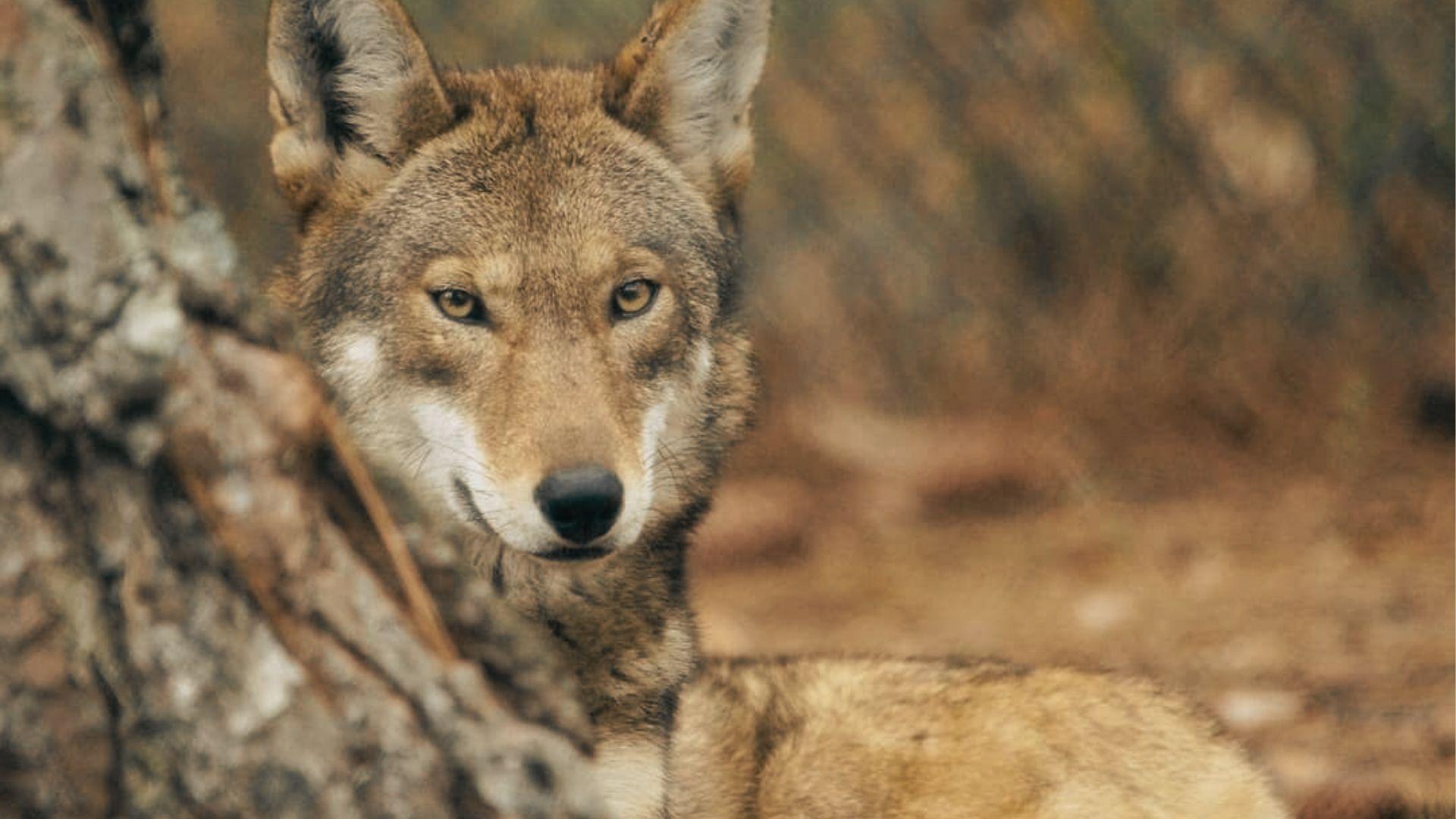
The closest wild wolf population to Georgia is the red wolf recovery zone in North Carolina.
The Alligator River National Wildlife Refuge in northeastern North Carolina is home to the only wild red wolf population in the world.
This population once grew to over 120 individuals after reintroduction began in 1987, but it has since dropped to fewer than 20 due to hybridization with coyotes, illegal killings, and political battles over the program's future.
Gray wolves, also called timber wolves, live primarily in the Great Lakes region, the Northern Rockies, and the Pacific Northwest. The nearest gray wolf populations are hundreds of miles from Georgia.
Mexican gray wolves, a critically endangered subspecies, are also fighting for survival in Arizona and New Mexico. While far from Georgia, their situation mirrors the challenges facing red wolves in the Southeast.
There are also wolves in captivity and wildlife facilities in and around Georgia, which we will cover in a later section.
What Animals Are Commonly Mistaken for Wolves in Georgia?
Several animals in Georgia look similar to wolves, especially at a distance or in low light.
Coyotes

Coyotes are the most common reason people report wolf sightings in Georgia.
Coyotes are found in every county in Georgia. They are highly adaptable and live in forests, farmland, suburbs, and even cities. A large male coyote can weigh up to 50 pounds and has a coat that ranges from gray to tan to reddish-brown, similar to some wolf colorings.
From a distance, a coyote trotting across a field can easily be mistaken for a wolf, especially by someone who is not familiar with the differences.
However, coyotes are noticeably smaller, have a narrower face, larger ears relative to their head, and a thinner frame than a wolf.
Wolf-Dog Hybrids
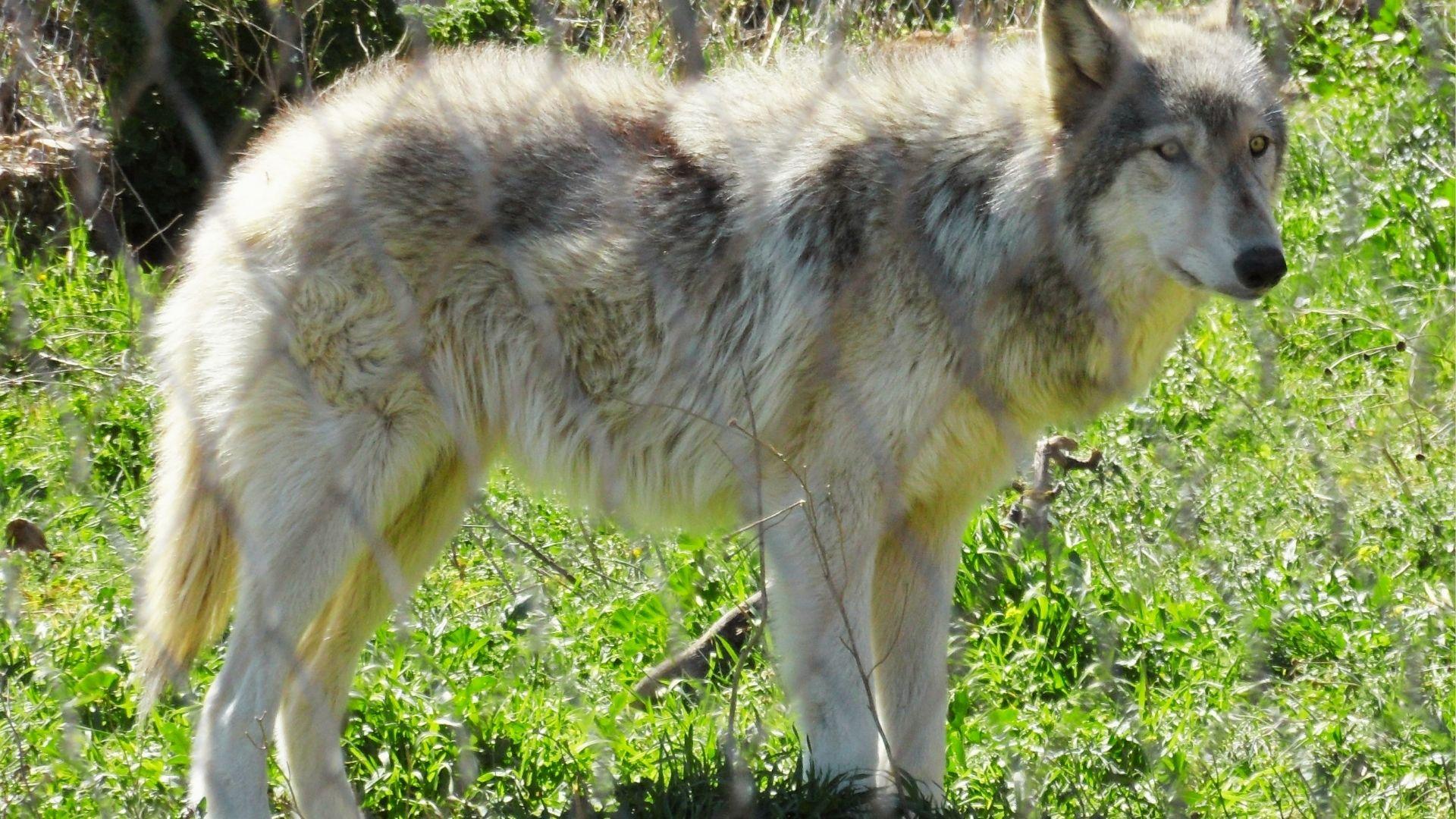
Wolf-dog hybrids, or wolfdogs, are another common source of wolf sighting reports.
Some people in Georgia legally keep wolfdogs as pets. These animals are part wolf and part domestic dog. They can look very much like a wild wolf, and when they escape or are released, they can appear in unexpected places.
Wolfdogs vary widely in appearance depending on the breed of dog involved and the percentage of wolf genetics.
Large Domestic Dogs
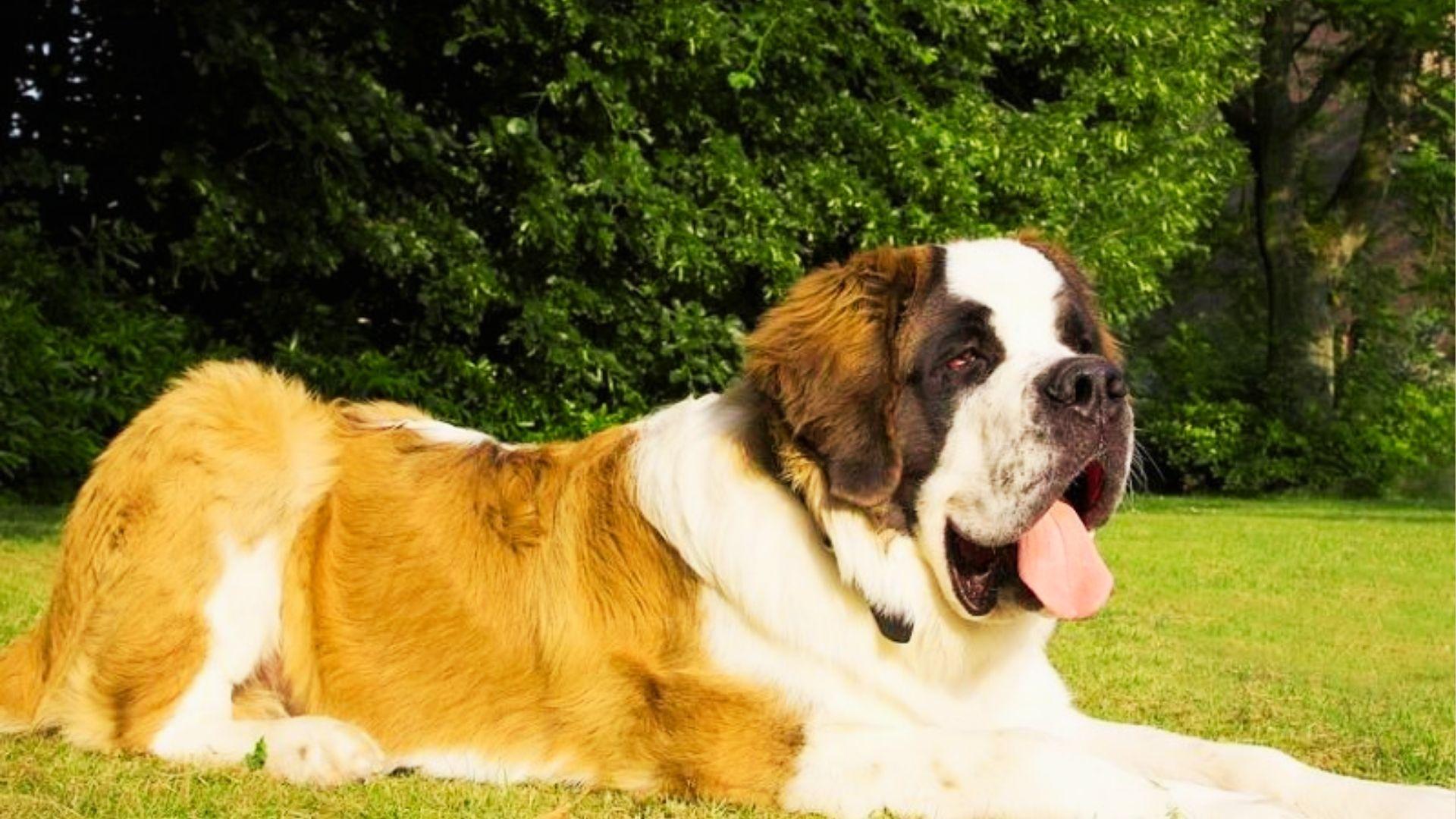
Large dog breeds are frequently reported as wolves, especially when they are off-leash in rural areas.
Breeds like German Shepherds, Siberian Huskies, Alaskan Malamutes, and Belgian Malinois can all look strikingly wolf-like.
Their size, coloring, and movement can fool even experienced observers. A muddy or unkempt large dog spotted in the woods can trigger a genuine wolf sighting report.
How to Identify a True Wolf
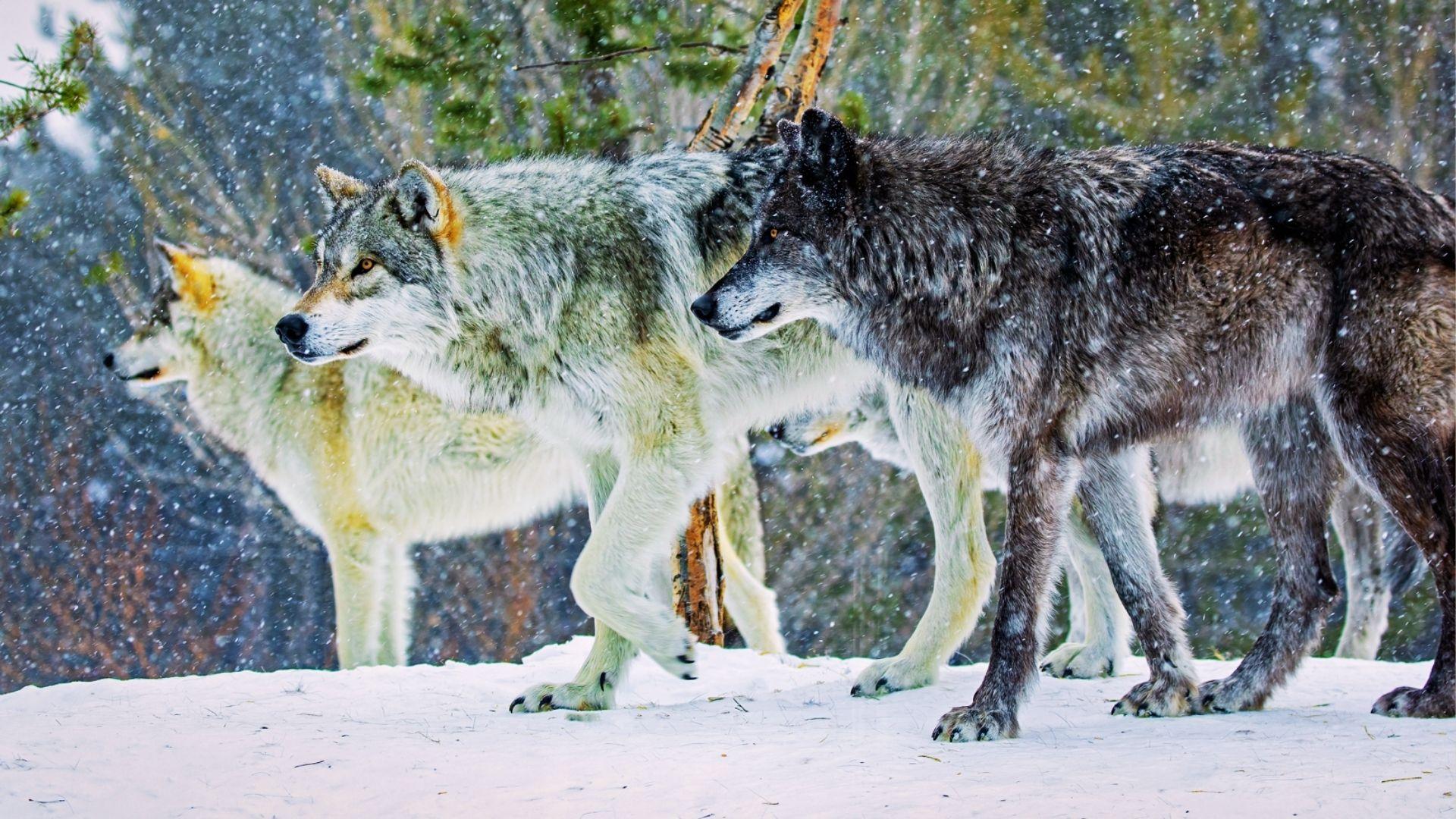
Knowing the key differences helps avoid confusion.
True wolves are larger and heavier than any of the animals above. A gray wolf typically weighs between 60 and 120 pounds. Wolves have a broader, blockier head, a wider muzzle, and a deep chest. Their legs are long and powerful.
They move with a long, ground-covering stride that looks different from a coyote's lighter, quicker trot.
Wolves also tend to travel in family groups, called packs, though a lone wolf is not impossible to spot. If you see a large canine alone in Georgia, a coyote or large dog remains far more likely than a wolf.
Why Do People Report Wolf Sightings in Georgia?
Wolf sightings in Georgia are reported regularly, even though no wild wolves live in the state.
There are several reasons this happens. First, many people are not familiar with how coyotes look, and coyotes are now extremely common across Georgia. A large coyote, especially one with a thick winter coat, can genuinely look impressive and unfamiliar.
Second, media coverage of wolf stories in other parts of the country raises public awareness of wolves, which can make people more likely to interpret an unfamiliar animal sighting as a wolf.
Third, the internet and social media make it easy for a single sighting report to spread quickly and gain attention before anyone has verified the identification.
Wildlife agencies in Georgia regularly investigate reported wolf sightings. In almost every documented case, the animal turns out to be a coyote, a large dog, or a wolfdog.
Wolves vs. Coyotes in Georgia
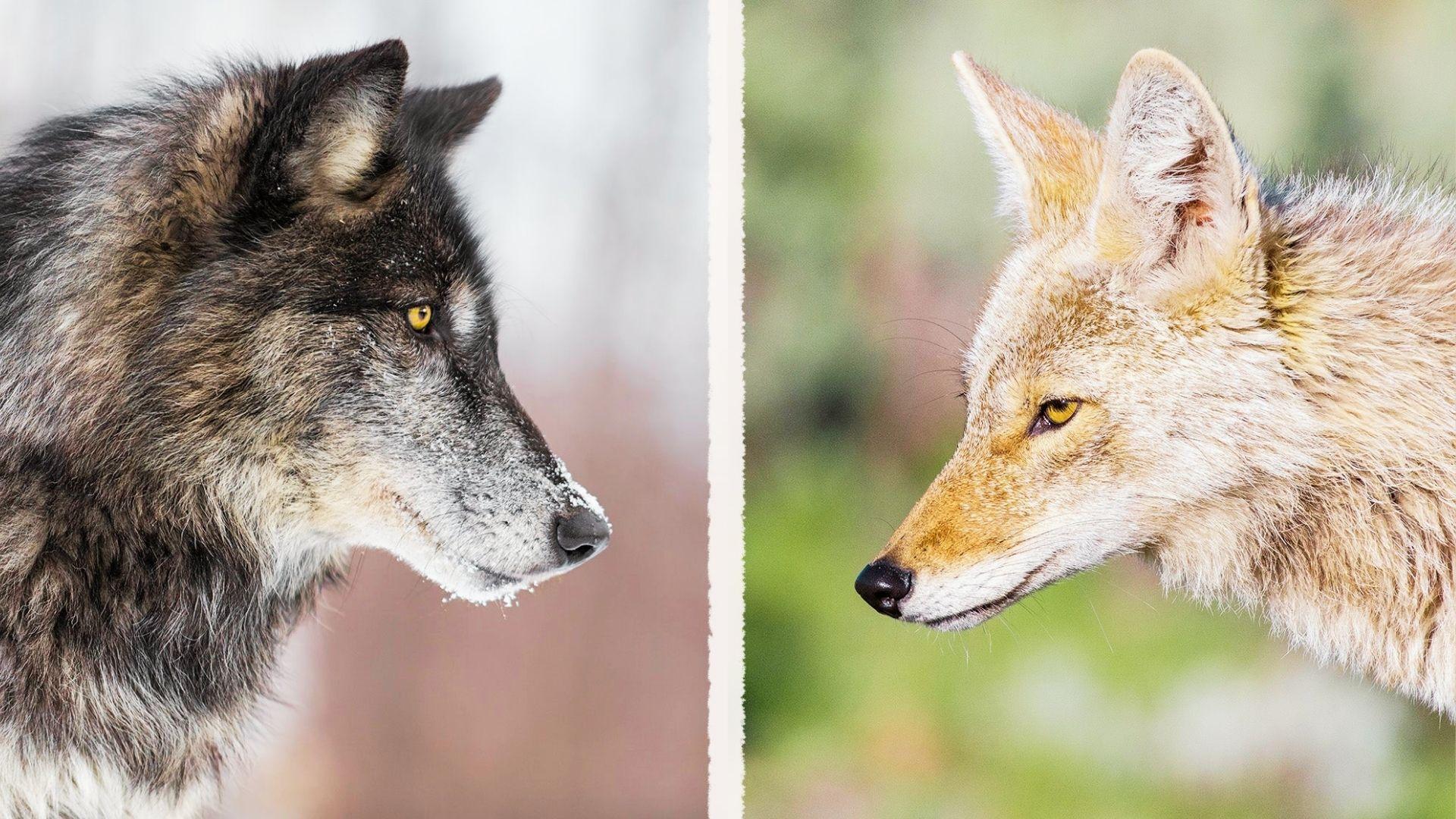
Here is a quick comparison to help tell the two apart.
| Feature | Wolf | Coyote |
| Weight | 60 to 120+ pounds | 20 to 50 pounds |
| Height at shoulder | 26 to 32 inches | 18 to 22 inches |
| Head shape | Broad, blocky muzzle | Narrow, pointed snout |
| Ears | Rounded, proportionate | Large relative to head |
| Tail | Thick, straight down when running | Held low, often tucked |
| Legs | Long and powerful | Thinner, lighter build |
| Chest | Deep and wide | Narrow |
| Pack behavior | Usually travels in packs | Often alone or in small groups |
| Presence in Georgia | None (wild) | Found in every county |
Can You See Wolves in Georgia?
Yes, you can see wolves in Georgia, just not in the wild.
Several wildlife facilities and sanctuaries in and around Georgia house wolves in captive or semi-wild settings. These are great options if you want to observe wolves up close in a responsible and educational environment.
The North Georgia Wildlife Park in Cleveland, Georgia offers hands-on wolf experiences that include feeding, behavior observation, and photo opportunities with one to two wolves.
It is one of the most accessible places in the state to get close to a timber wolf in a safe, guided setting. Ages ten and older can participate.
The Chattahoochee Nature Center near Atlanta occasionally features wolf-related educational programs. Zoo Atlanta also houses gray wolves and offers educational programming about their role in ecosystems.
For a more immersive experience, the Seacrest Wolf Preserve in Chipley, Florida is about four hours from Atlanta and offers guided tours where visitors can spend time near a pack of ambassador wolves. It is one of the most respected wolf sanctuaries in the Southeast.
Can You Legally Own a Wolf in Georgia?
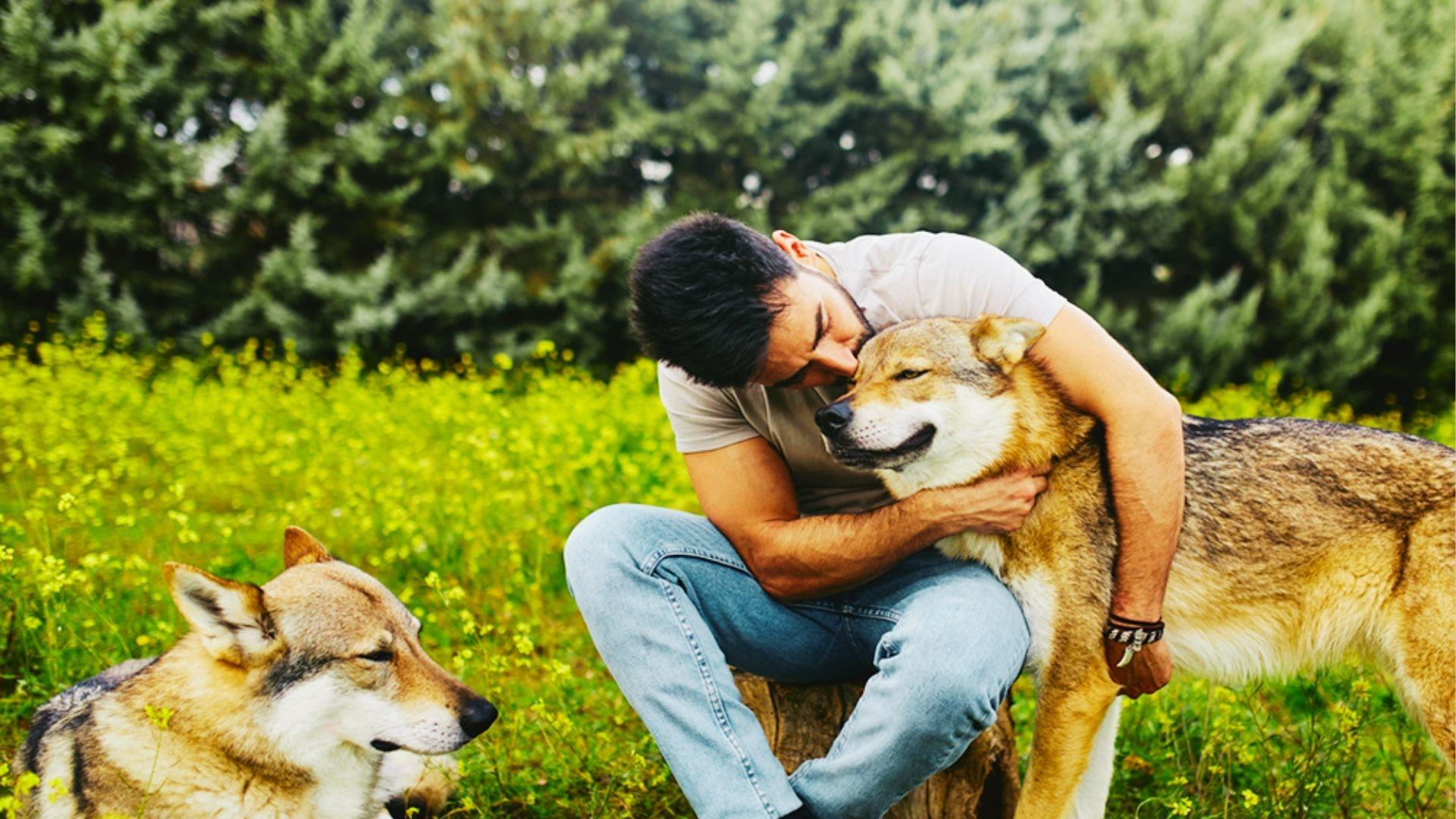
This is a complicated area, and the answer depends on the type of animal.
In Georgia, it is illegal to own a pure wolf as a private pet. Wolves are classified as wild animals, and state law prohibits keeping them without special permits.
However, the rules around wolfdogs are less clear. Georgia does not have a specific statewide ban on all wolfdogs, but local county and city ordinances may prohibit them. The higher the wolf content in a hybrid, the more likely it is to fall under restrictions.
If you are considering a wolfdog, research your local laws carefully before making any decisions. Many wolf rescues and sanctuaries report that wolfdogs are frequently surrendered by owners who were not prepared for their needs.
Wolf Conservation and Protection Efforts
Wolf conservation in the Southeast centers largely on the red wolf (Canis rufus), one of the most endangered canids in the world.
The U.S. Fish and Wildlife Service has led red wolf recovery efforts since the 1970s. After red wolves were declared extinct in the wild, a captive breeding program was launched to save the species.
Red wolves were reintroduced to North Carolina in 1987, marking one of the first carnivore reintroduction efforts in U.S. history. The population grew to over 120 at its peak before declining sharply to fewer than 20 today.
Today, several institutions participate in the red wolf Species Survival Plan, a coordinated breeding program managed through accredited zoos and wildlife centers. Some facilities in and near Georgia participate in this program.
The stakes for wolf conservation have grown in recent years. When federal protections were briefly lifted in Wisconsin, trophy hunters killed 218 wolves in under three days, far exceeding the legal quota.
That event showed how quickly wolf populations can collapse without legal safeguards in place.
Organizations like the Red Wolf Coalition and Defenders of Wildlife continue to push for stronger protections and expanded recovery efforts. Supporting these groups, visiting accredited facilities, and staying informed are all practical ways to help.
Conclusion
So, are there wolves in Georgia? Not in the wild, but their history here is real, and their absence tells an important story about how human choices affect wildlife.
Wolves once roamed this land and played a vital role in keeping nature in balance. Understanding that helps us make better decisions going forward.
If you found this article helpful, share it with someone who loves wildlife or has ever wondered about a mysterious animal sighting.
Drop a comment below with your questions or your own Georgia wildlife experiences. And if you want to keep learning, check out our other articles on Southern wildlife and conservation.
Frequently Asked Questions
Are red wolves and gray wolves the same species?
No, they are two separate species. Red wolves are smaller, more slender, and were historically found in the southeastern United States, not the northern regions.
Has Georgia ever had a confirmed wild wolf sighting in recent decades?
No confirmed wild wolf sighting has been verified in Georgia in modern times. All reported sightings have turned out to be coyotes, dogs, or hybrids.
Do wolves affect deer populations in states where they live?
Yes. Wolves help control deer numbers, which can reduce overgrazing and support healthier plant and forest growth in those regions.
Can wolfdogs be as dangerous as wild wolves?
Wolfdogs can be unpredictable because they combine wild instincts with domestic traits. They are not recommended as pets for most households, regardless of wolf content percentage.