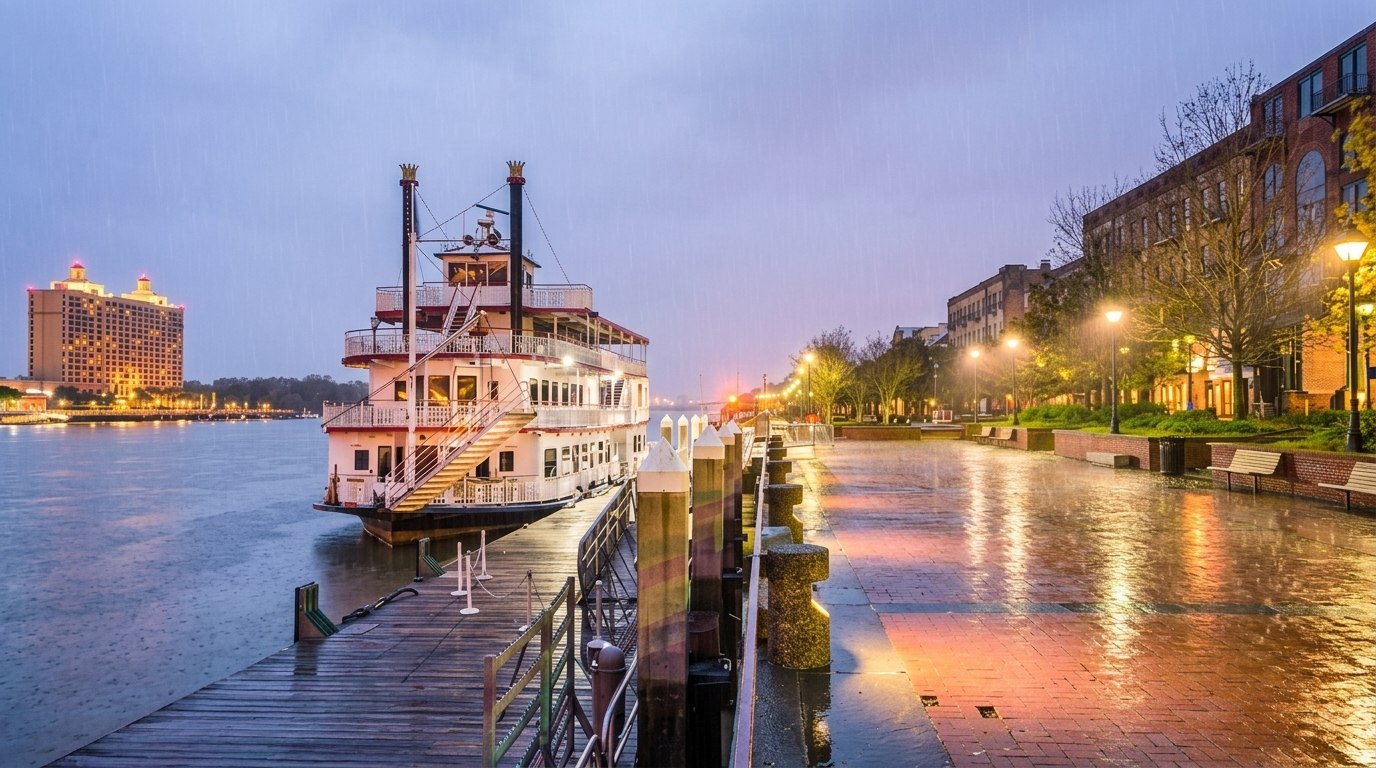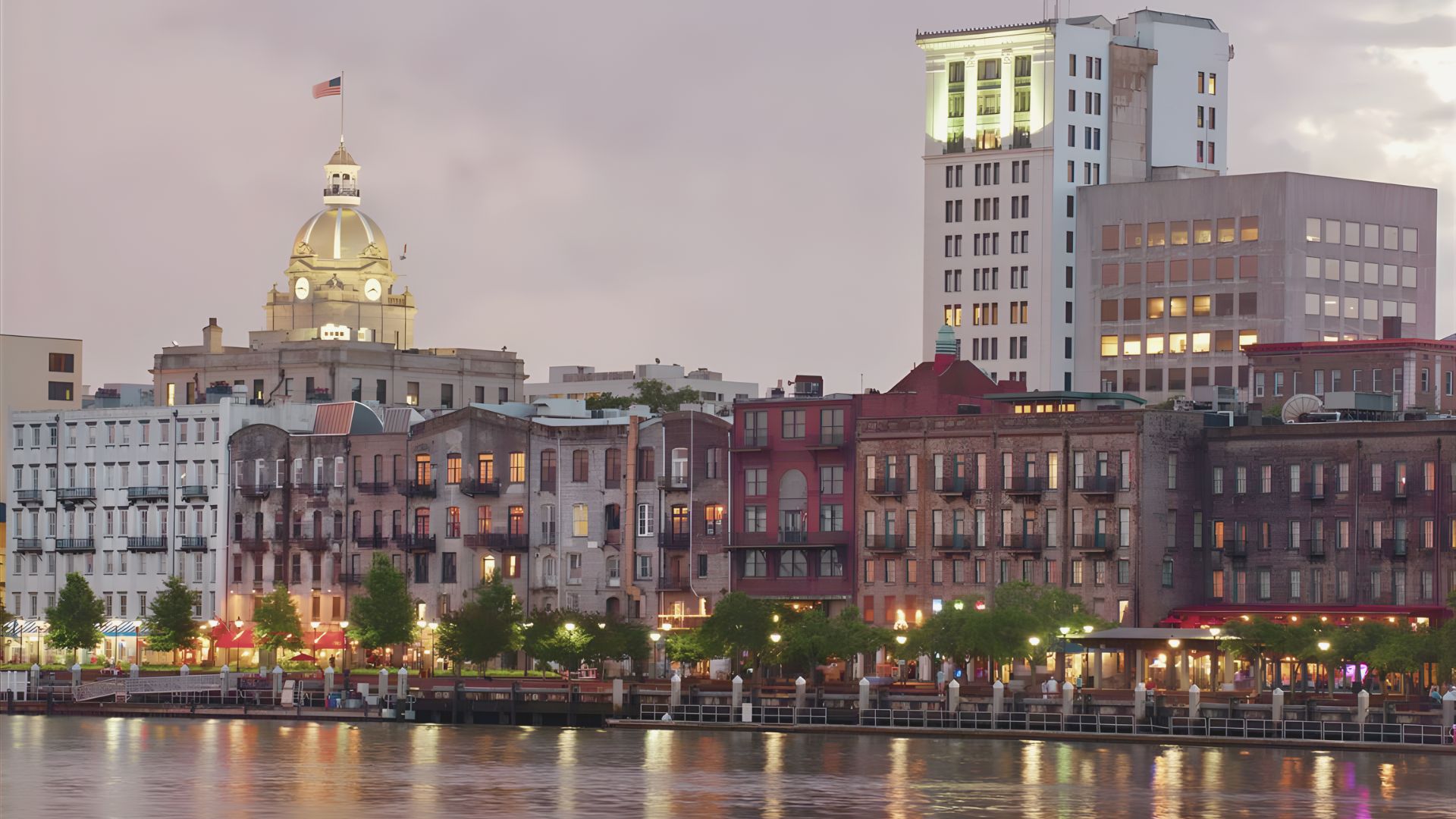
Most people give Savannah a full week on their itinerary. You don't need that much time.
This Savannah weekend itinerary is built for first-timers who want to hit the best spots without wasting time, and for repeat visitors who want to go deeper than a surface-level tour.
In 36 hours, you can walk the Historic District, eat at restaurants locals actually go to, move through moss-draped squares that look nothing like a normal American city, and still catch a rooftop drink at sunset.
I have done this itinerary twice. The second time, I knew what to skip, what to slow down for, and where to eat with only 30 minutes to spare.
Everything here comes from actual time in the city, not a press trip checklist.
Why 36 Hours Is Enough for Savannah
Most cities punish you for showing up with limited time. Savannah doesn't.
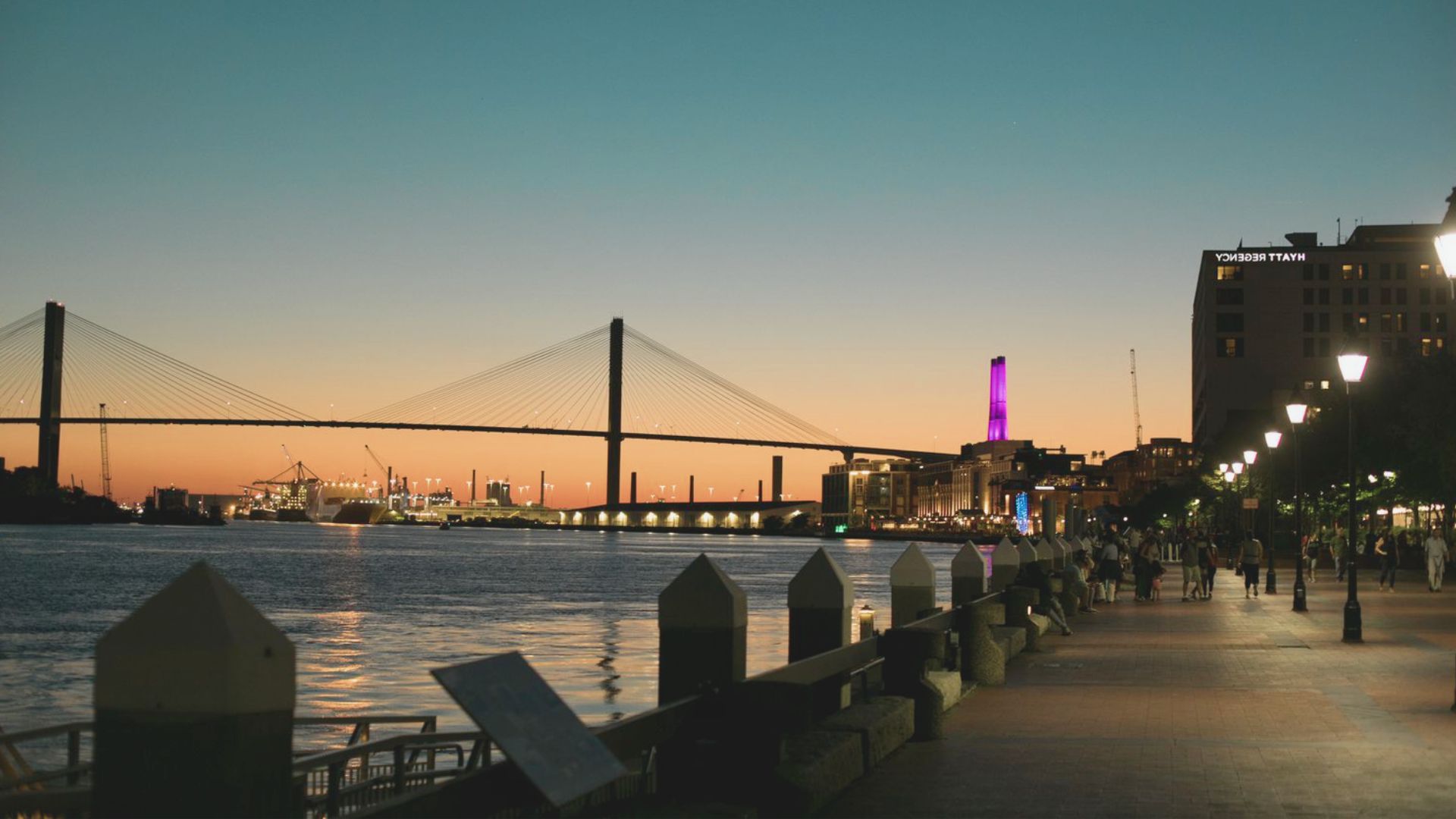
The Historic District is compact. Almost everything worth seeing sits within a square mile or two. You can walk from Forsyth Park to River Street in about 20 minutes.
The squares are spread out but connected, so moving between them feels like a stroll rather than a commute. That alone changes how a short trip feels.
The itinerary is structured as one evening plus one full day, with an optional beach morning at the end.
That means you arrive, settle in, eat a good dinner, sleep well, and wake up ready to actually see things.
You're not scrambling on arrival night, and you're not wasting your sharpest hours on logistics.
This 2-day Savannah itinerary works best for couples on a long weekend, solo travelers who move at a decent pace, small groups who want history and food and nightlife in one trip, and first-timers who want a practical Savannah walking itinerary before committing to a longer visit.
In 36 hours, you'll cover Forsyth Park, the historic squares, the riverfront, key museums, Black history sites, two full dinners, rooftop bars, and local coffee.
Optional Day 3 adds Tybee Island and the lighthouse.
What this itinerary skips: day trips to Charleston, full plantation tours, and anything that realistically needs a half-day. Those belong on a longer trip.
The biggest surprise my first time wasn't Forsyth Park. It was how quiet the squares became just before 9 a.m.
One block from busy streets, they felt almost completely empty. That kind of stillness in a city is rare, and this itinerary is timed to help you find it.
Where to Stay in Savannah
Choosing the right neighborhood matters for this itinerary. Since almost everything happens on foot, staying close to the Historic District saves you time and cab fare.
Luxury:The Gastonian and The Mansion on Forsyth Park are both Savannah institutions. The Mansion sits right on Forsyth Park, which means you're 30 seconds from one of the best spots in the city. Rooms typically run $300 to $500 per night depending on the season.
Historic Bed and Breakfast: If you want to wake up inside a restored antebellum home, look at Foley House Inn or The Kehoe House. Both sit in the heart of the Historic District, within walking distance of the squares. Rates generally land between $200 and $350 per night.
Boutique:The Perry Lane Hotel on Barnard Street is polished without being stiff. It has a rooftop pool, which you'll appreciate after a long day of walking in the heat. Rates hover around $250 to $400.
Budget: Airbnb options in the Victorian District and Midtown start around $100 to $150 per night and still keep you close to downtown. Just check the walk score before booking.
Riverfront:Hotels on River Street like the Bohemian Hotel put you right on the water. The views are excellent, but the cobblestones outside make late-night returns a small challenge after a few cocktails.
For this specific itinerary, the best location is anywhere between Forsyth Park and Broughton Street. That puts you within 10 minutes of almost every stop on this list.
Getting Around: Transportation and Parking
Walking handles most of this itinerary. The Historic District's squares are designed for pedestrians, and the distances between stops are short.
Comfortable shoes are non-negotiable. The streets are cobblestone and uneven brick in many areas, and that combination will destroy your feet if you're in the wrong shoes.
Savannah's free Downtown Transportation system runs a loop connecting major points in the Historic District and along River Street.
It's a good backup for when your feet need a break. Check current routes on the City of Savannah website before your trip.
Uber and Lyft are both reliable in Savannah. Use them for the Starland District at night or any time you need to cross town quickly. Rides within downtown rarely exceed $10 to $12.
If you're driving, the Bryan Street Garage and the State Street Garage are the two most convenient downtown options.
Daily rates run $10 to $20. Street parking exists but is limited during peak hours and on weekends.
Savannah Hilton Head International (SAV) is about 20 minutes from downtown. Uber and Lyft from the airport run $25 to $35.
Rental cars are available at the airport if you plan to drive to Tybee Island.
You need a car to get to Tybee. Uber does operate the route, but it can get expensive for a round trip.
If you're planning the optional Day 3, renting a car or coordinating with a rideshare ahead of time is the smarter move.
Budget Breakdown for 36 Hours in Savannah
Here's a realistic estimate for one person. Couples can split hotel costs.
| Category | Budget Option | Mid-Range | Splurge |
| Hotel (1-2 nights) | $100-$150 | $200-$300 | $350-$500 |
| Food (all meals) | $60-$80 | $100-$150 | $200+ |
| Drinks | $30-$50 | $50-$80 | $100+ |
| Museums/Attractions | $20-$30 | $40-$60 | $60-$80 |
| Transportation | $15-$25 | $30-$50 | $50-$80 |
| Parking (if driving) | $10-$20 | $10-$20 | $10-$20 |
| Total | $235-$355 | $430-$660 | $770-$980 |
Museum highlights and their entry fees:
- Jepson Center for the Arts:around $20 per adult
- Owens-Thomas House: around $20 per adult
- First African Baptist Church tour:$10 to $15
- Telfair Academy:around $20 per adult
- Tybee Lighthouse:around $12 per adult
Mrs. Wilkes Dining Room runs about $25 to $30 per person for the full family-style spread. The Grey will run $80 to $120 per person with drinks.
Most casual spots land in the $15 to $25 range per meal.
Day 1: Afternoon Arrival and Evening in Savannah
Ease in with a late lunch, a long walk through Forsyth Park, and dinner in the Starland District where the locals actually eat.
3 p.m. — Lunch or First Stop
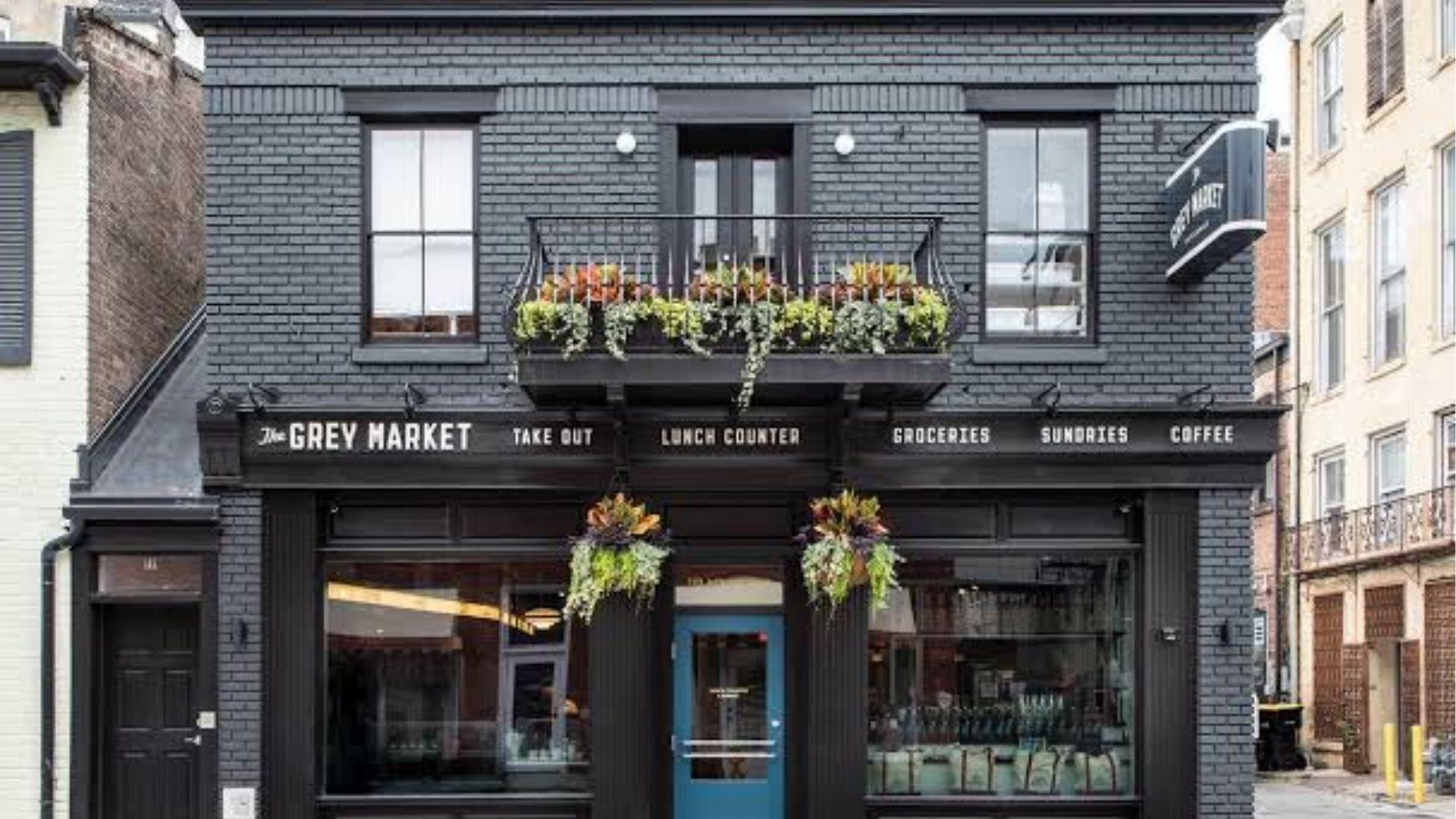
Start at Grey Market, a casual counter-service spot near Martin Luther King Jr. Boulevard. It's relaxed, not precious, and the chicken salad sandwich is better than it sounds.
This isn't the most glamorous opening to a food trip, but it sets you up to pace yourself. Savannah's restaurant scene rewards patience. You don't want to blow your appetite at 3 in the afternoon.
The neighborhood around Grey Market is quieter than the riverfront, which makes it a good first impression of Savannah outside the tourist center.
5 p.m. — Forsyth Park Before the Crowds Thin Out
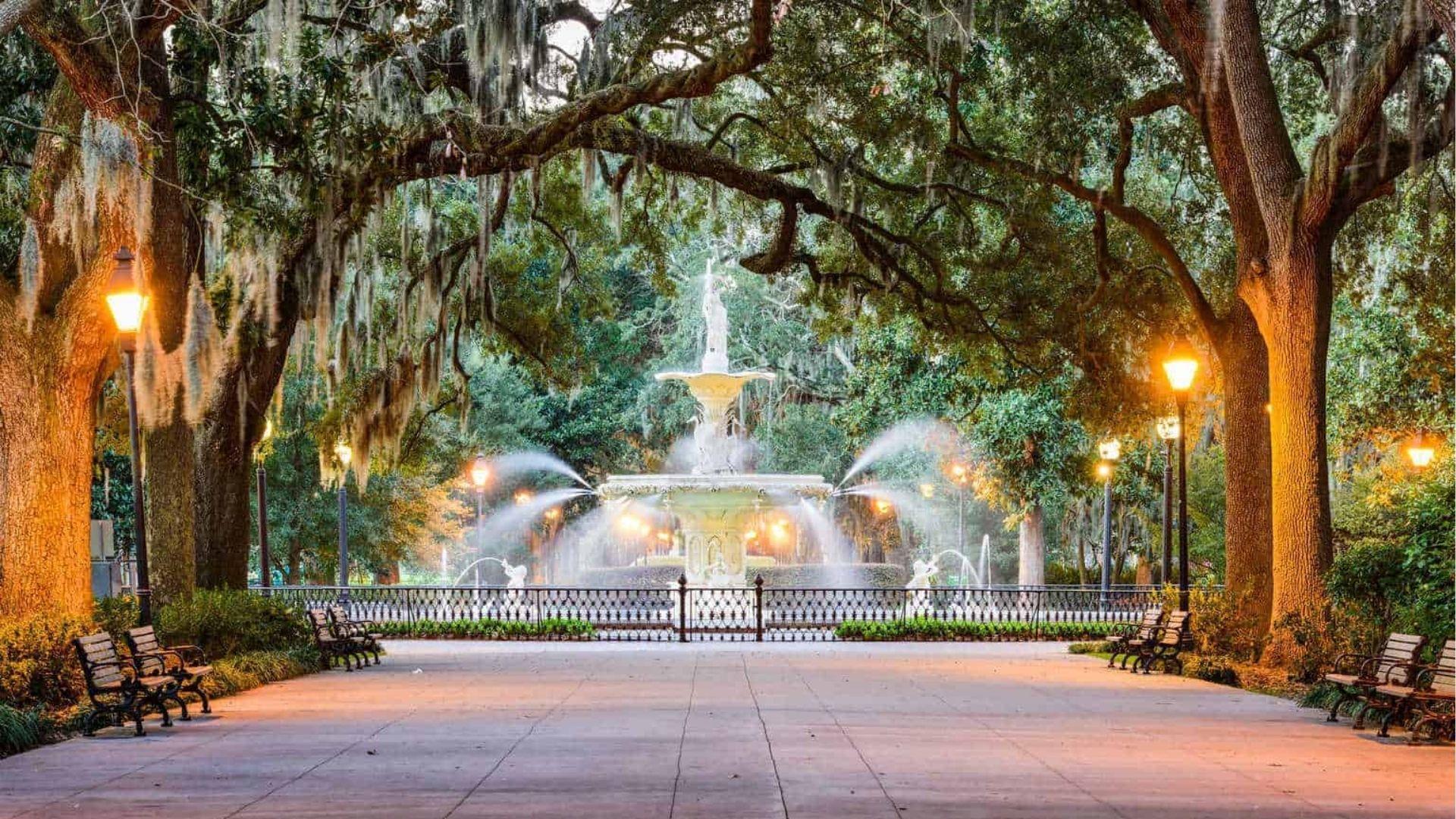
Late afternoon is the best time to visit Forsyth Park. The light hits the famous fountain in a way that makes every photo look like it was taken by someone who knows what they're doing.
The 30-acre park gets busier on weekend mornings with joggers and dog walkers, but by 5 p.m. on a Friday, the crowd shifts to couples, artists, and people sitting on the grass with no particular plan.
Walk the full perimeter. The Garden of Fragrance is worth the five-minute detour. Watch for artists setting up easels along the southern end.
The park gives you a feel for how Savannah residents actually use the city, which is different from how tourists experience it.
The oak trees here are draped in Spanish moss so thick it looks like something out of a film set. That's not a cliche. It genuinely catches you off guard the first time.
7 p.m. — Dinner and Nightlife in the Starland District
Here's a decision most weekend guides get wrong: they keep you downtown for both evenings. Don't do that.
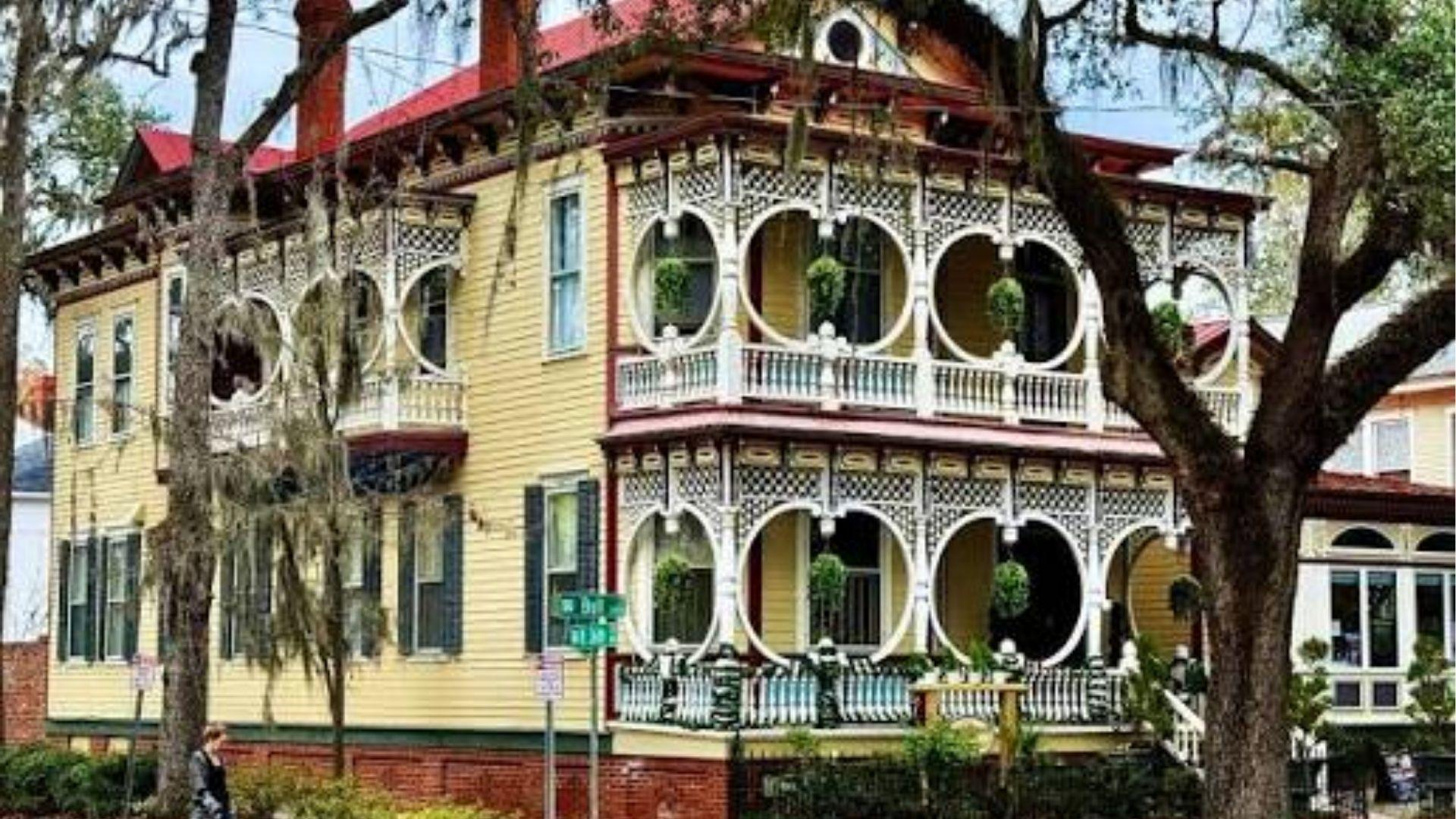
The Starland District sits about 10 minutes south of Forsyth Park and feels like a completely different city. It's where Savannah's creatives, young professionals, and independent restaurant owners have set up shop.
Going here on your first night gives you a contrast that makes the historic downtown feel even more special the next day.
For dinner, Vittoria at Starland Yard makes Neapolitan pizza that holds up to serious comparison. The dough is right, the char is right, and the ingredients don't fight each other.
If pizza isn't what you want, Black Rabbit is a cozy pub with better cocktails than the name suggests and sandwiches that are genuinely good.
After dinner, Two Tides Brewing is Savannah's best-known neighborhood brewery, with creative small-batch beers and a relaxed atmosphere that draws locals after work rather than tourists looking for a party.
If you want something with more edge, The Wormhole is a no-frills dive bar that's exactly what it claims to be, which is refreshing in a city that can feel a little polished.
The Starland District shuts down earlier than Congress Street, which works in your favor. You'll sleep better tonight, and Day 2 needs your full energy.
Day 2: Breakfast, History, Art, and Savannah After Dark
The logic behind the Day 2 schedule:start in the Historic District while it's still quiet, move through museums when the afternoon heat makes outdoor walking less pleasant, and end on Congress Street when the nightlife actually kicks in.
Savannah rewards the people who time their moves right.
9:30 a.m. — Breakfast and Coffee
Troupial is a Venezuelan espresso bistro that most visitors walk past because it doesn't look like what they expect. That's the point.
Order the tequeños, which are warm cheese-filled dough sticks that pair with coffee in a way that makes you understand why this combination exists. The arepas are filling without being heavy.
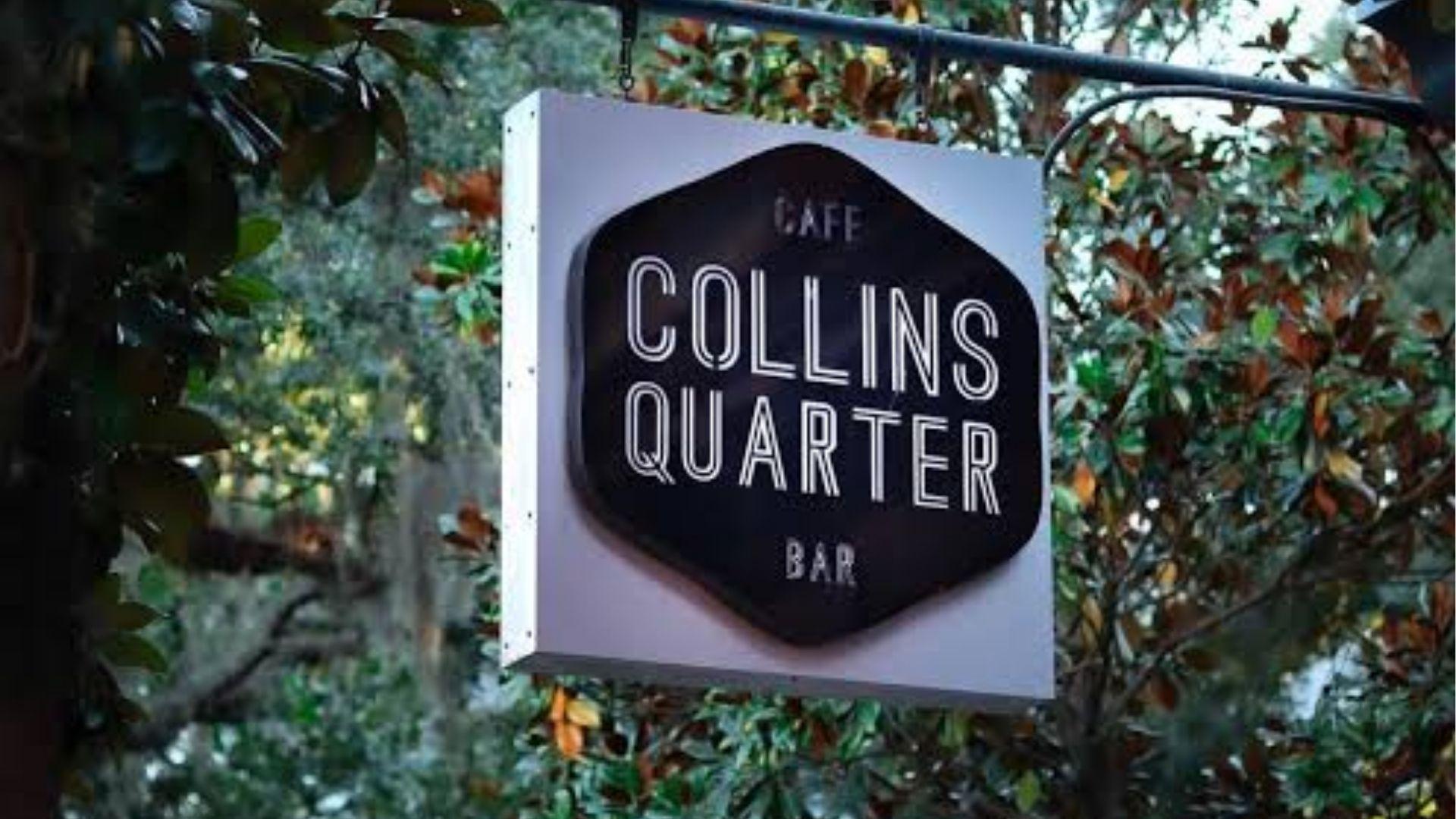
If you want a bigger brunch situation, Collins Quarter is the dependable choice. The coffee is strong, the Australian-influenced menu is solid, and the space feels calm even when it's busy.
Expect a wait on weekend mornings. Get there before 10 a.m. or after 11:30 a.m. to avoid the worst of it.
For coffee on its own, Perc Coffee has an industrial aesthetic and a serious approach to espresso. It's the place where Savannah's design crowd goes to work in the morning.
11 a.m. — Downtown Exploration and Shopping
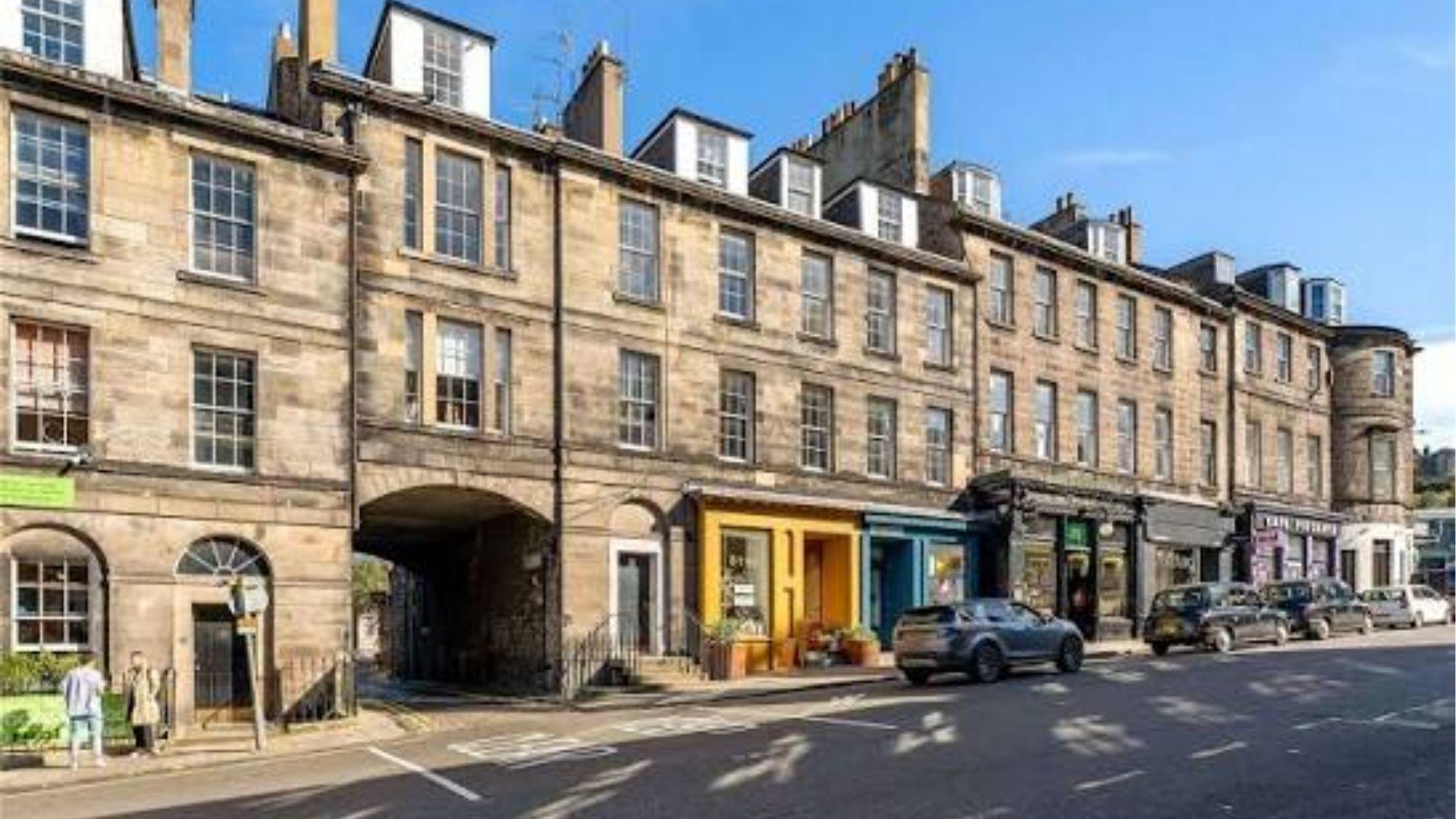
Broughton Street is Savannah's main shopping corridor. In the morning it's calm enough to actually look at things.
By early afternoon it fills up, so moving through here before noon makes the experience better.
Pop into shops without a plan. The mix of local boutiques and tourist spots is actually interesting rather than annoying.
Nourish on Broughton sells bath and skin products that aren't available everywhere. Planet Fun stocks toys, games, and comic books with genuine selection rather than the filtered tourist version.
Then walk down to River Street. The cobblestones are genuinely slippery, especially if it rained the night before. Watch your step. River Street in the morning is a different place than River Street at night.
In the morning, the fresh seafood vendors are setting up, the street musicians are just starting, and the crowd is thin enough that you can actually look at the river. Come back at night if you want the livelier version, but see it now for the contrast.
1 p.m. — Savannah's Black History
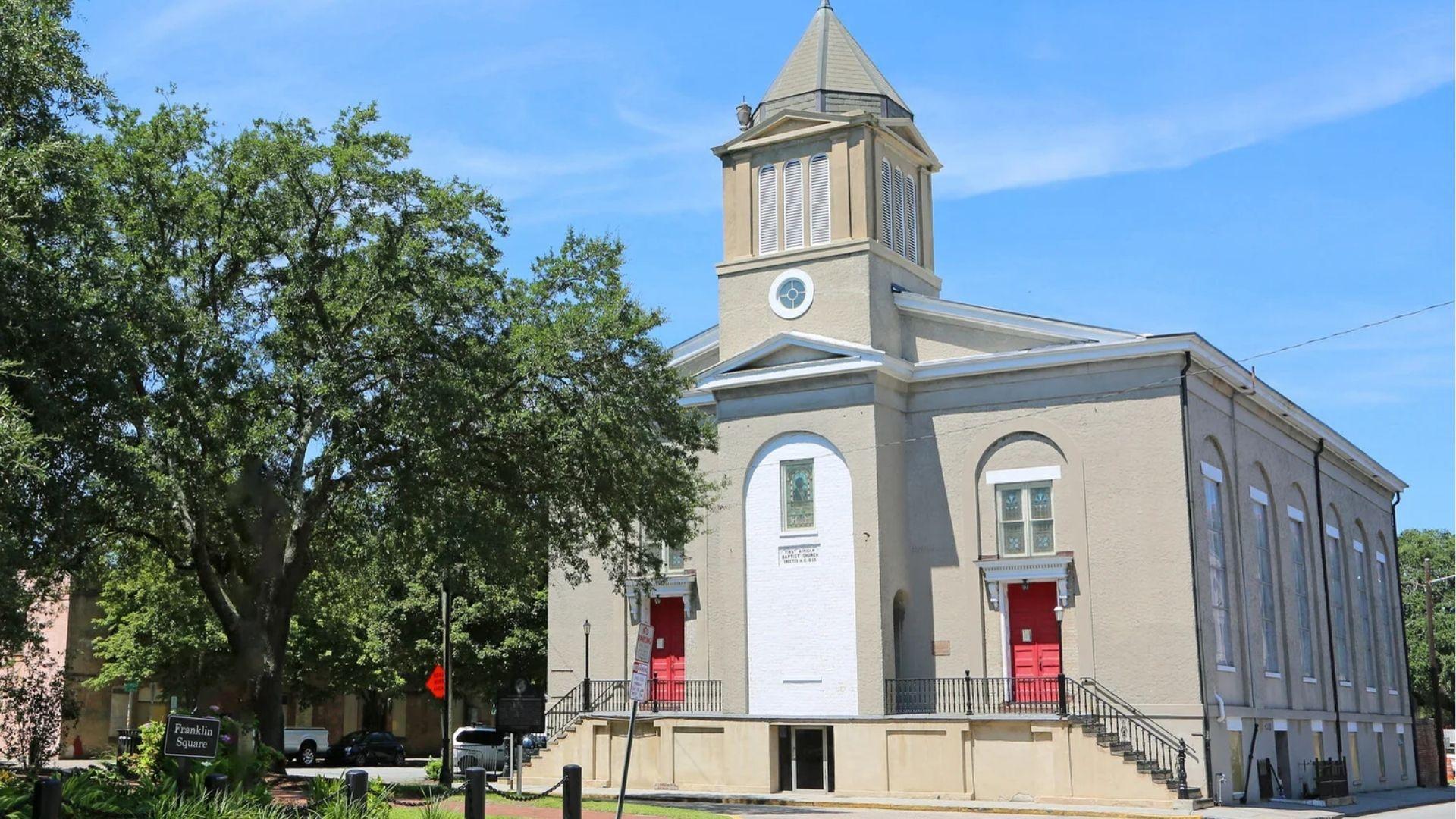
First African Baptist Church is one of the oldest Black churches in North America, and the tour goes well beyond what you'd expect from a standard historic church visit.
The guides walk you through the church's documented role in the Underground Railroad and explain specific architectural details that have stories attached to them. This isn't passive history. It asks something of you.
If you have an extra hour, Second African Baptist Church is where Sherman read the Special Field Order No. 15 ("40 acres and a mule") to freed people after the Civil War.
The Beach Institute, a short walk away, tells the story of Savannah's Black community through art and historical records.
3:30 p.m. — Art and Museums (the Right Time to Go Indoors)
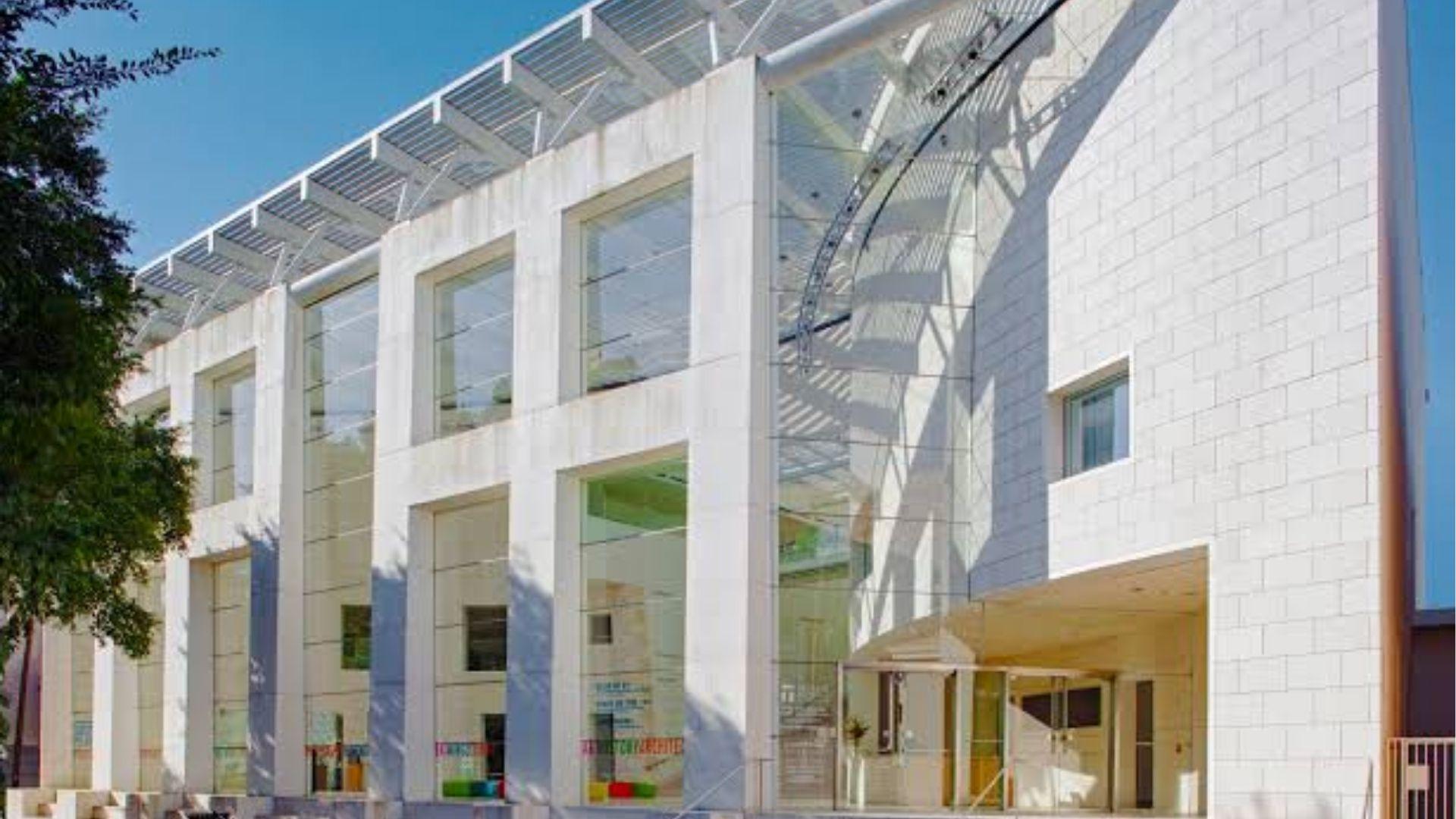
This is where the Day 2 schedule earns its logic. By mid-afternoon, Savannah's heat is at its peak. Going indoors for two hours isn't a scheduling compromise. It's good planning.
The Jepson Center for the Arts has interactive exhibits that work well for any age, plus rotating contemporary art galleries that surprise people who expect something more traditional.
The building itself is worth looking at from the outside before you go in.
The Owens-Thomas House and Slave Quarters is one of the most honest historic house tours in the South.
The slave quarters are preserved and interpreted in context, which makes the experience uncomfortable in the way that honest history sometimes should be. Budget 45 minutes to an hour.
Telfair Academy is the oldest public art museum in the South and focuses on American and European art from the 19th and 20th centuries.
If you only have time for one museum stop, the Jepson Center edges it out for first-timers, but both are worth visiting if your schedule allows.
6 p.m. — Dinner with Live Music

Rancho Alegre Cuban Restaurant is not what you'd expect to find in Savannah, which is exactly why it works. The lechón asada is the right order.
The mojitos are made correctly. And the live jazz that starts in the evening makes the room feel like it's operating at a different frequency than the rest of the city.
Make a reservation. It fills up, especially on weekends.
If Cuban food isn't calling to you, Late Air is a chef-driven dinner spot where the menu changes based on what's seasonal and available. It feels like a local secret even though it isn't anymore.
Saint Bibiana rounds out your dinner options and connects to the Myrtle and Rose Rooftop upstairs, which gives you a natural transition into the evening.
9 p.m. — Congress Street and Savannah After Dark
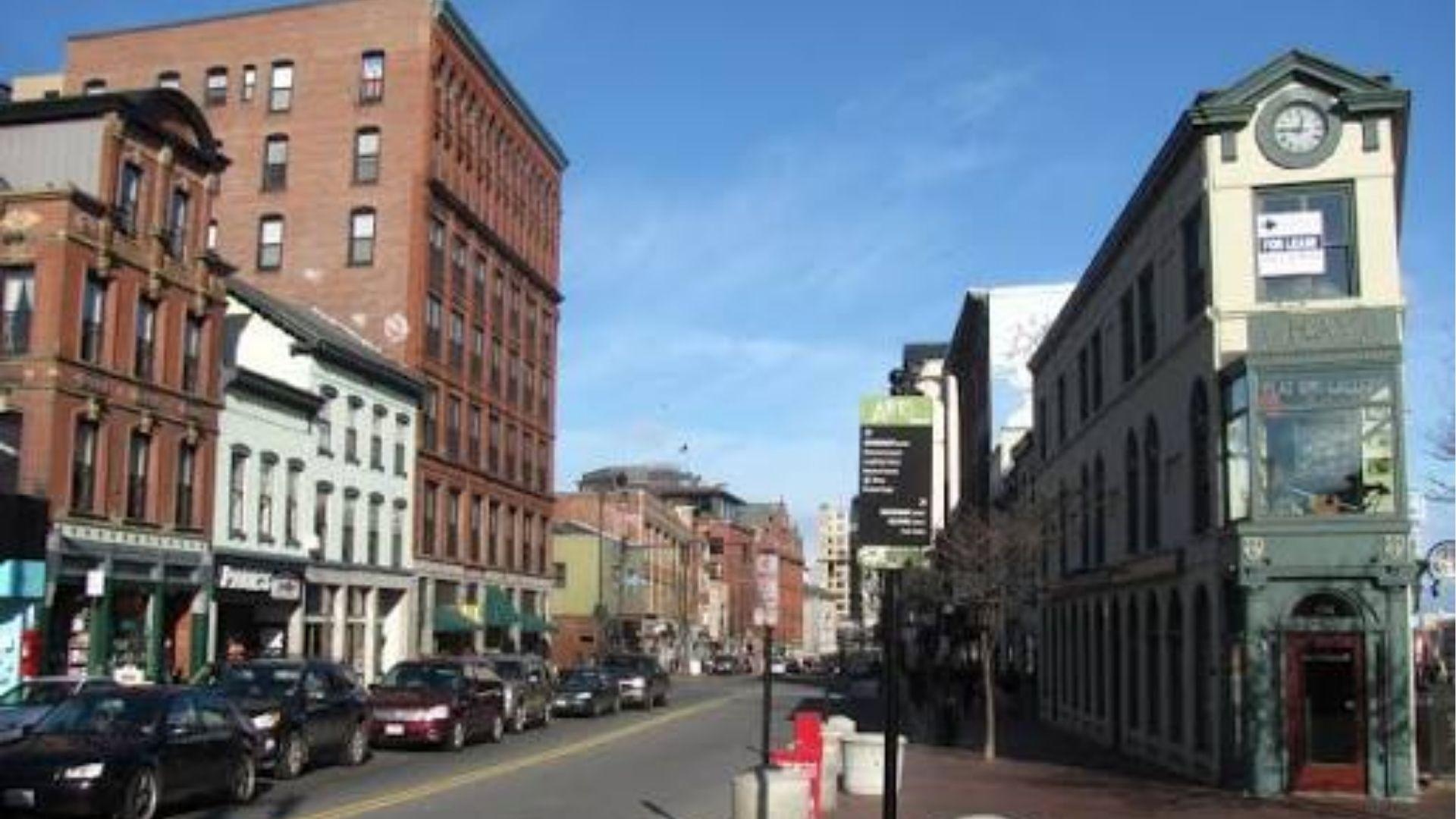
Savannah has a legal open container policy downtown, which means you can carry a drink from bar to bar. Locals take full advantage of this. You should too.
Congress Street is where the nightlife concentrates. Grove Savannah and Peacock Lounge both have rooftop setups with city views.
The rooftops start filling up around 8:30 p.m. and hit capacity well before sunset, so either go early or go late.
The American Prohibition Museum runs a speakeasy experience that's genuinely well done rather than gimmicky.
You enter through a hidden door and the whole setup is committed to the bit. It's worth 45 minutes even if you're not typically a museum person at night.
Savannah changes after 10 p.m. in a way that feels different from most Southern cities. The historic streets empty out of tour groups and fill up with people who are actually staying.
The squares get quieter. The bars get louder. The contrast is worth staying up for.
Day 3: Optional Tybee Island Morning
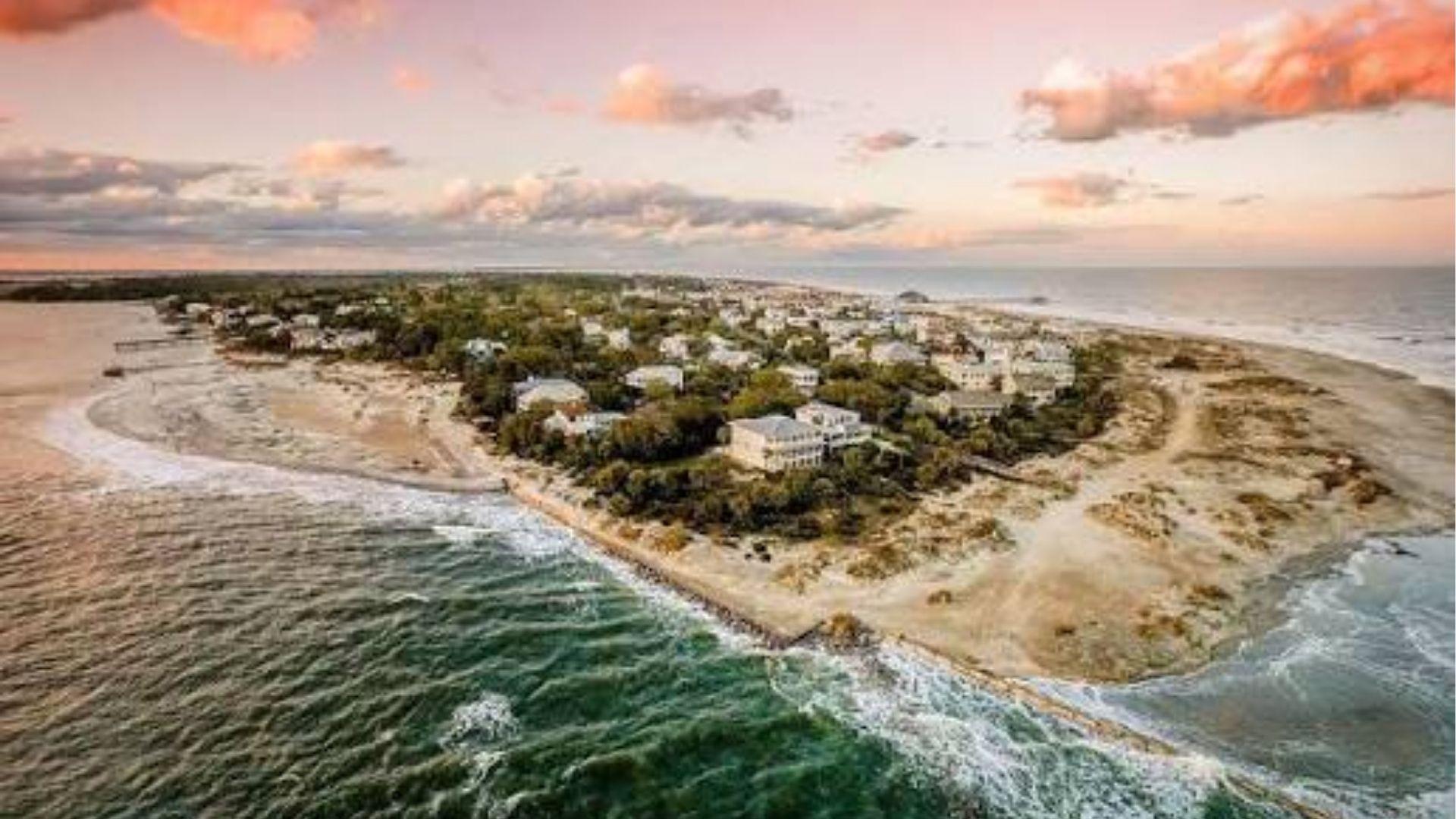
Skip downtown for the morning and trade cobblestones for coastline, Tybee is 20 minutes away and worth every minute of the drive.
10 a.m. — Beach Time
Tybee Island is about 20 minutes east of downtown on the coast. South Beach gets more foot traffic and has better amenities.
Back River Beach is quieter and the choice if you want to actually spread out.
If you're more interested in history than sand, Fort Pulaski National Monument sits on the road to Tybee and gives you the story of a Civil War battle that changed how fortifications were built.
It takes about an hour and the moat gives the whole place a different look than most Civil War sites.
1 p.m. — Tybee Lighthouse
Tybee Lighthouse has 178 steps. The view from the top is worth them.
You can see the coastline, the marshes, and the Atlantic from a height that makes the whole geography of this part of Georgia suddenly make sense.
The historic light station buildings at the base add context about the maritime history of the area. Budget an hour total.
Where to Eat in Savannah: Full Breakdown by Category
From family-style Southern tables to a restaurant inside a bus terminal, here's exactly where to eat and what to order.
Best breakfast:Troupial for Venezuelan coffee and tequeños. Collins Quarter for a full brunch spread.
Best coffee:Perc Coffee, without argument, for a serious espresso program. Grey Market works if you want something casual with food on the side.
Best Southern food:Mrs. Wilkes Dining Room serves family-style at communal tables. You will sit next to strangers and pass around fried chicken, collard greens, mac and cheese, and cornbread.
Best seafood:Fresh seafood vendors on River Street in the morning, or ask your hotel where the locals are going. Savannah's seafood scene is distributed rather than centralized.
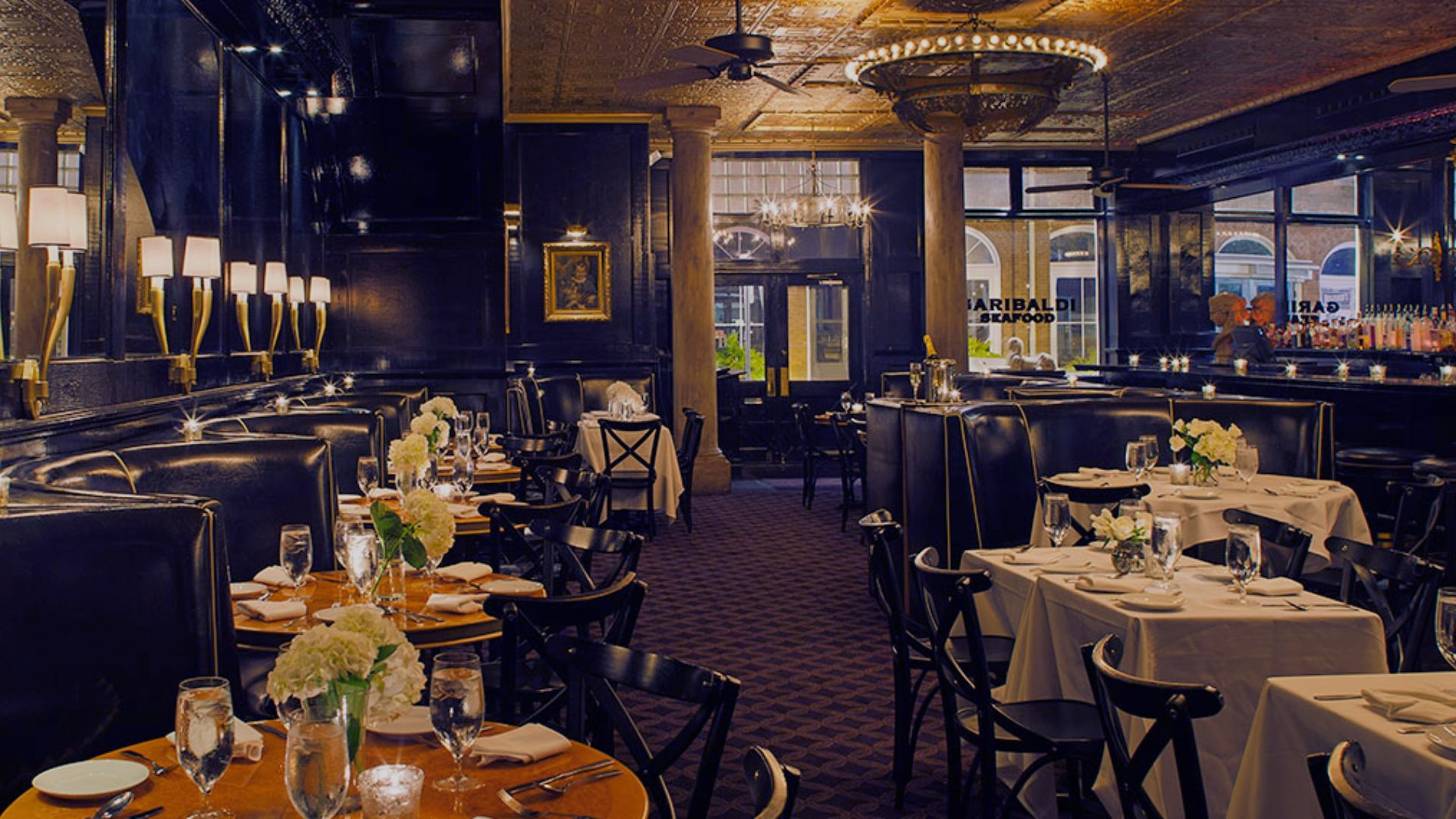
Best dinner (special occasion):The Grey sits inside a restored Greyhound bus terminal on Martin Luther King Jr. Boulevard, and the ambiance earns its reputation. Make reservations weeks in advance if you're visiting on a weekend. This is not an exaggeration.
Best rooftop drinks:Myrtle and Rose Rooftop above Saint Bibiana for cocktails with a view. Grove Savannah for a livelier crowd.
Best late-night food:Black Rabbit in Starland or anything on Broughton Street that's still open. Savannah's late-night food scene is thinner than the dinner scene, so plan accordingly.
Best dessert:Leopold's Ice Cream on Broughton Street has been operating since 1919. The ice cream is house-made and the flavors are specific to the place.
Hidden Stops Worth 15 Minutes Each
These spots don't need a full itinerary block, but they reward the people who find them.
Leopold's Ice Cream on Broughton Street has been serving house-made ice cream since 1919. It's become well-known, but it still feels local. The Tutti Frutti is the classic order.
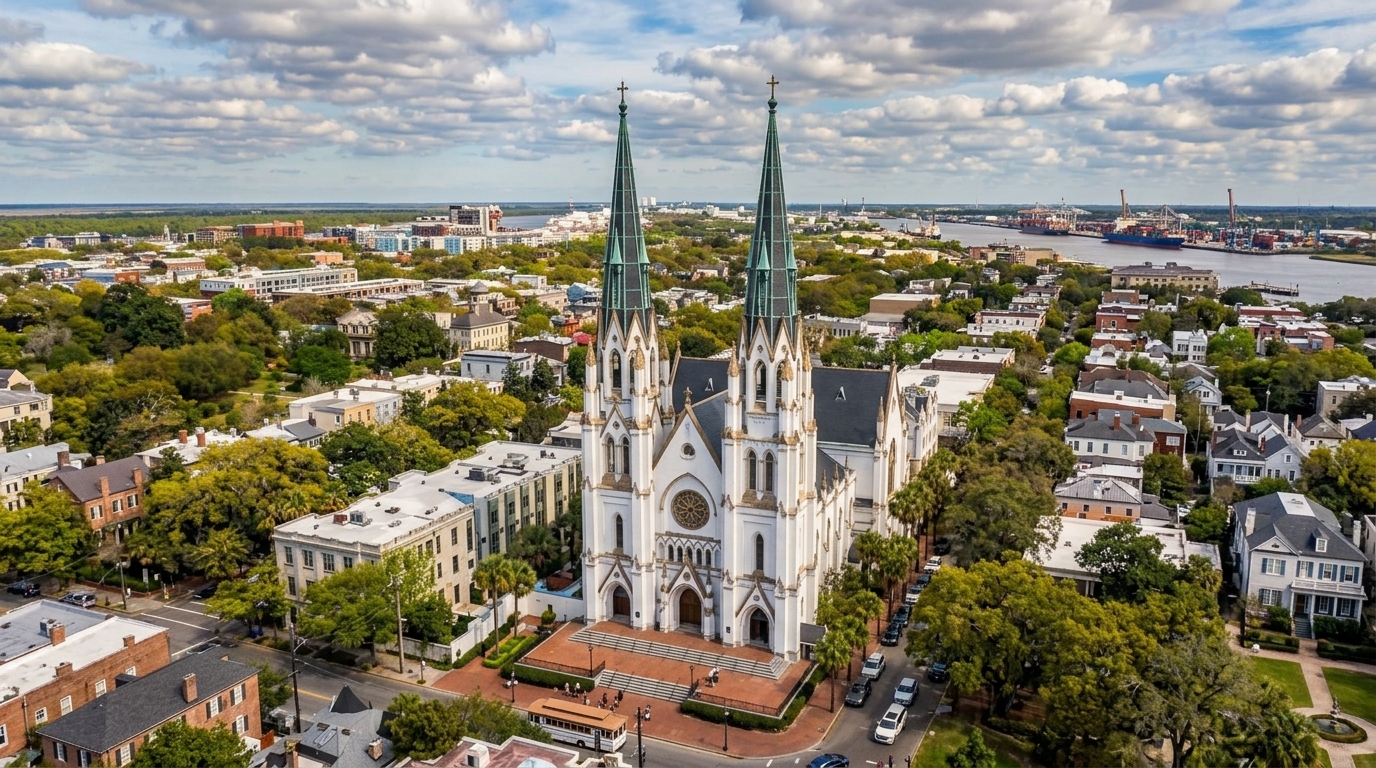
Cathedral Basilica of Saint John the Baptist on Abercorn Street stops people mid-stride. The stained glass and the painted ceiling are worth five minutes of silence even if you're not religious.
Colonial Park Cemetery is Savannah's oldest public burial ground. It's quiet in the morning and genuinely affecting. Some of the headstones date to the 1700s. Ghost tour groups visit at night, but alone in the morning it's a different experience.
E. Shaver Booksellers on Madison Square is an independent bookstore spread across two connected historic townhouses. The Savannah section alone is worth the stop.
Bonaventure Cemetery requires a car or rideshare and about 45 minutes, but it's one of the most visually striking cemeteries in the country. If you're extending your trip beyond 36 hours, go here.
Wormsloe Historic Site is about 15 minutes from downtown and shows the longest avenue of oak trees you have ever seen. The photos from the entrance road are the ones you've seen without knowing where they were taken. Worth it if you're heading toward Tybee anyway.
Local Insider Tips
Small details make a big difference in Savannah, here's what most first-timers find out the hard way.
On River Street:The cobblestones are slippery when wet. Wear shoes with actual grip. This is not negotiable.
On Forsyth Park:Go before 9 a.m. on a weekday for near-solitude. Weekday mornings are quiet enough that you can sit by the fountain without another person in the frame.
On Mrs. Wilkes:They don't take reservations. The line forms before they open. Get there 30 minutes early or accept that you'll wait. It's worth the wait but only if you planned for it.
On rooftop bars:They fill before sunset. If you want a good spot for the golden hour, arrive at least 45 minutes before the sun goes down.
On summer heat:July and August afternoons in Savannah are genuinely intense. The humidity makes 90 degrees feel like 100. Schedule outdoor activities for morning and late evening. Use the museum block in the afternoon as intended.
On open containers:You can legally carry a drink in a plastic cup on public streets in the downtown Historic District. Not in glass. Not in cans. Get a cup at the bar before you leave.
On ghost tours:They sell out, especially on Friday and Saturday nights between September and November. Book in advance if this is on your list.
On driving:If you're not going to Tybee, you don't need a car at all. Uber and the free DOT shuttle handle everything else.
Quick Note on Savannah's Squares
The squares deserve more than a passing mention. There are 22 of them spread through the Historic District, each with its own character.
Chippewa Square has a bench that was used for filming a certain famous movie scene. The bench isn't there anymore, but people still look for it.
Lafayette Square is one of the quieter ones, surrounded by antebellum townhouses and the Cathedral Basilica. It's the square where Savannah looks most like itself.
Jones Street isn't technically a square but consistently gets called one of the most beautiful streets in America. The oak canopy overhead makes it feel enclosed in the best way.
Wander through as many as you can between stops. They add up. By the end of Day 2, you'll have a favorite.
Conclusion
Savannah works in 36 hours because it's built for people rather than cars.
The Historic District is walkable, the food scene is concentrated, and the squares force you to slow down whether you planned to or not.
This Savannah travel itinerary has worked for me twice now.
The second visit was better because I knew where to spend more time and what to walk past. You'll probably feel the same way after you go.
Book your restaurant reservations first. Everything else will fall into place.
Ready to book your trip? Start making those restaurant reservations now. Trust me, you don't want to miss out on the food.
Frequently Asked Questions
Is Savannah walkable or do I need a car?
The Historic District is completely walkable. You only need a car for Tybee Island or sites outside the downtown area.
What foods should I try in Savannah?
Fried chicken at Mrs. Wilkes, shrimp and grits anywhere that makes them in-house, she-crab soup, and fresh seafood on River Street in the morning.
Are there good options for families with kids?
Forsyth Park has playgrounds. The Jepson Center has interactive exhibits. Tybee Island beaches work well for families, and most casual restaurants are genuinely welcoming to children.
Can you do Savannah on a budget?
Yes. The squares and parks are free. The DOT shuttle is free. Museums average $15 to $20. You can eat well at Mrs. Wilkes and Grey Market without spending much.
What is the open container law in Savannah?
You can carry alcohol in a plastic cup on public streets in the downtown Historic District. Glass and cans are not allowed in open containers.