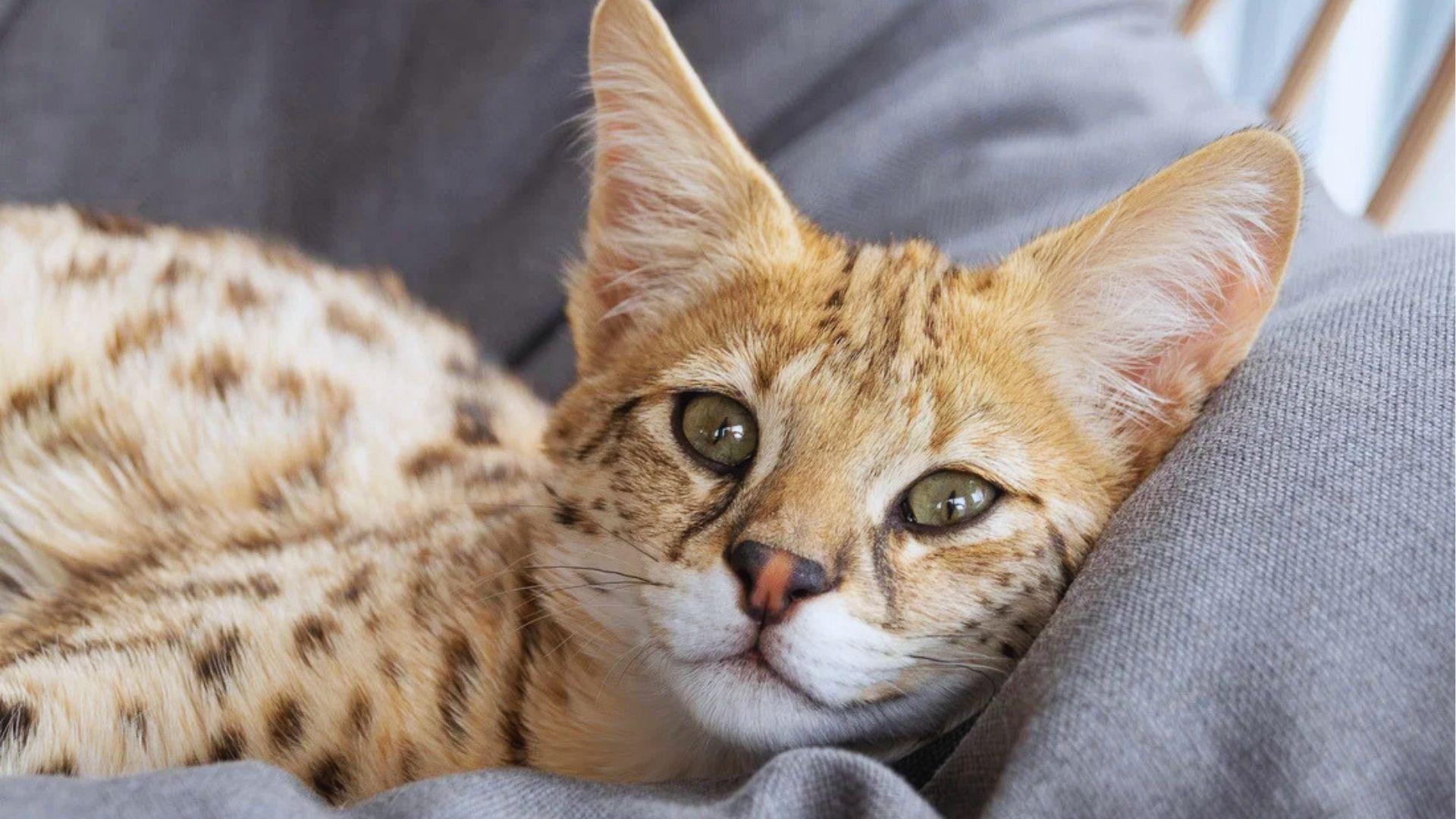
If you've been searching for a Savannah cat and noticed that some colors seem almost impossible to find, you're not alone.
Many buyers struggle to tell the difference between common coat colors and those that are genuinely rare.
Understanding these differences can help you identify kittens accurately and ask breeders the right questions.
This article explains 11 rare Savannah cat colors, what makes each one unique, and how genetics influence their appearance.
You'll also learn what these colors look like, how they develop from kitten to adult, and which features distinguish similar-looking coats.
Whether you're buying your first Savannah or simply want to learn more about the breed, you'll gain practical knowledge to recognize rare coat colors with confidence before choosing a cat.
What Makes Some Savannah Cat Colors Rare?
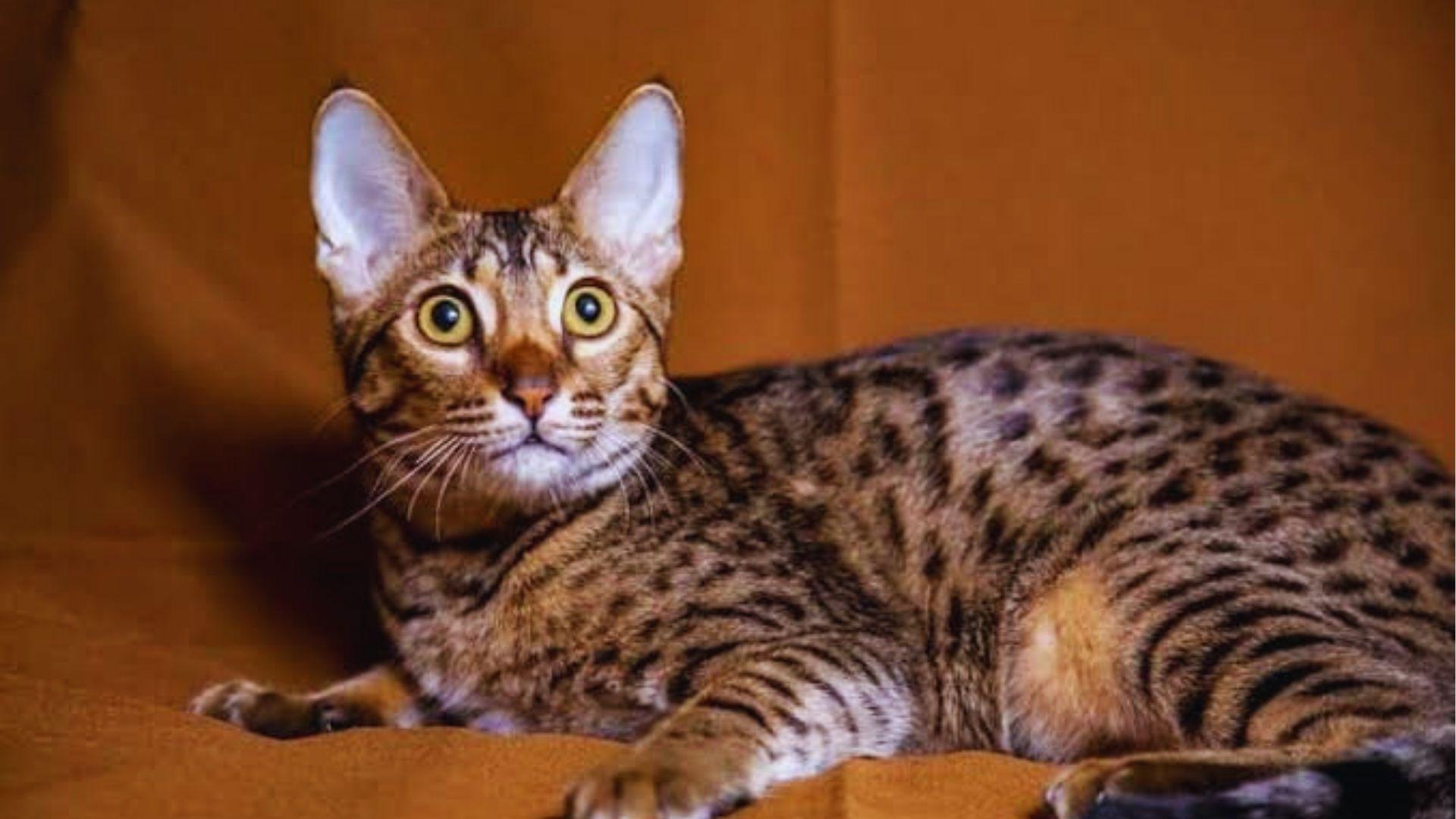
Some Savannah cat colors are rare because they depend on specific recessive genes that both parents must carry.
Not all coat colors show up equally in litters. A Savannah cat's coat comes from two pigments eumelanin, which produces black and brown tones, and phaeomelanin, which creates red and yellow tones.
Multiple genes inherited from both parents control how these pigments appear. Modifier genes shift the results further.
A dilution gene can turn black into blue or chocolate into lilac, while an inhibitor gene strips pigment from the base of each hair shaft, producing silver or smoke effects.
The agouti gene also plays a key role. It controls the switch between eumelanin and phaeomelanin along the hair shaft, determining whether a cat shows a tabby pattern or appears solid.
The African Serval ancestor also limits the natural color range, so introducing new colors takes careful, multi-generational breeding.
On top of that, breeders tend to focus on colors recognized by registries like TICA, leaving rarer shades with far less breeding attention.
Some combinations are also statistical rarities where the odds of a kitten inheriting the right mix of dilution, inhibitor, and base color genes all at once are simply very low.
11 Rare Savannah Cat Colors
These colors go beyond the standard spotted brown tabby. Each one involves specific genetic events that make them harder to produce and often harder to find from reputable breeders.
1. Silver
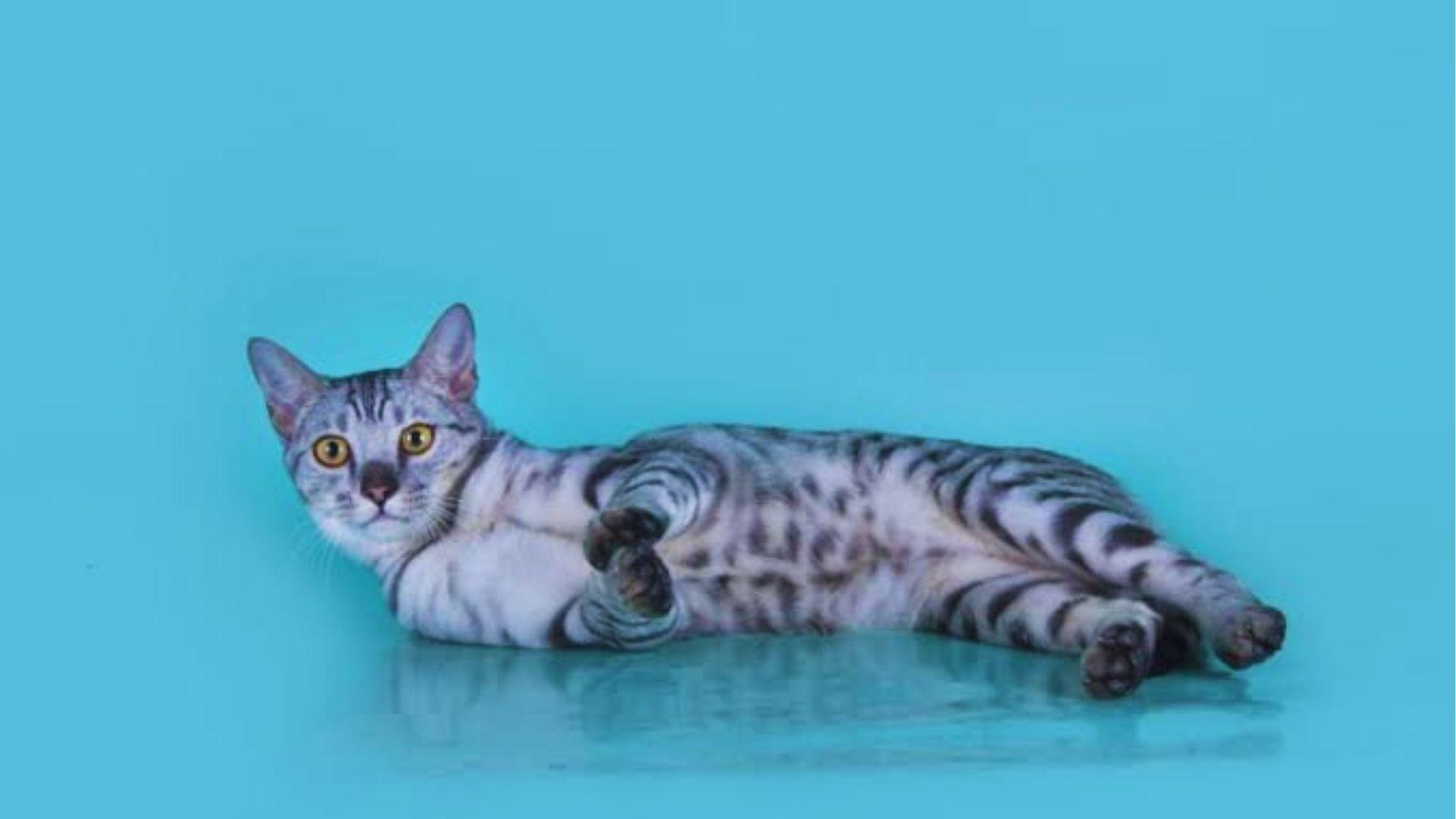
Silver Savannahs have a white or pale silver base coat with bold black or dark gray spots.
The silver look comes from an inhibitor gene that blocks pigment from developing at the base of each hair, leaving only the tips colored.
This creates a high-contrast, striking coat that many people find visually impressive. True silvers look noticeably different from standard tabbies, with an almost metallic sheen in good lighting.
They are relatively rare because the inhibitor gene must be present in at least one parent. Breeders often use the shorthand SST, meaning silver spotted tabby, when listing this color.
2. Smoke
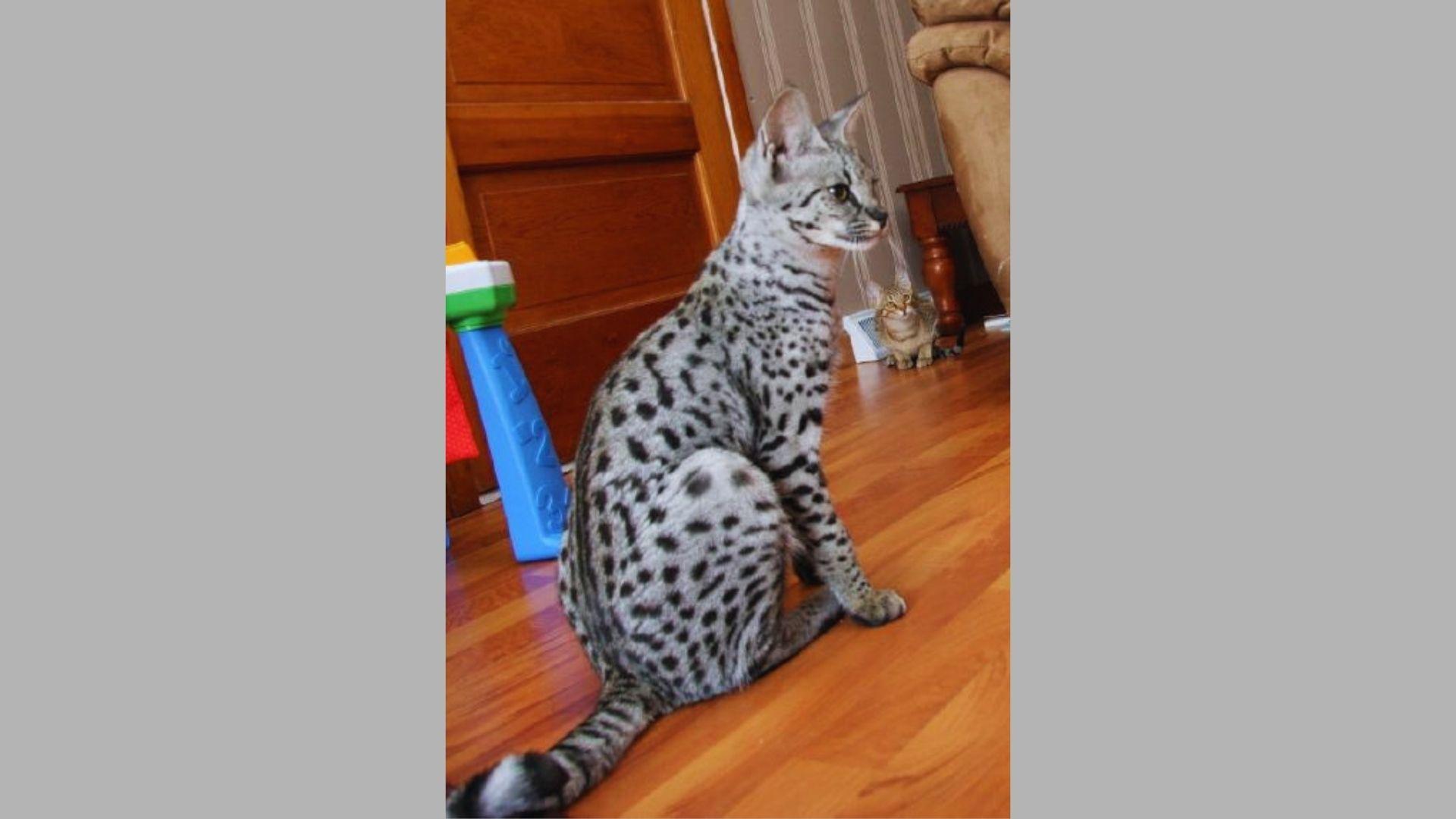
Smoke is similar to silver but usually appears in solid-patterned cats rather than tabbies. The hair shaft is mostly white at the base and darkens toward the tip, creating a smoky appearance when the fur moves.
At rest, a smoke Savannah may look like a solid-colored cat. When they walk or stretch, the pale undercoat becomes visible.
This color requires the same inhibitor gene as silver but works differently based on the cat's base pattern.
TICA does recognize black smoke as a standard color, making it one of the more accepted entries on this list.
3. Snow
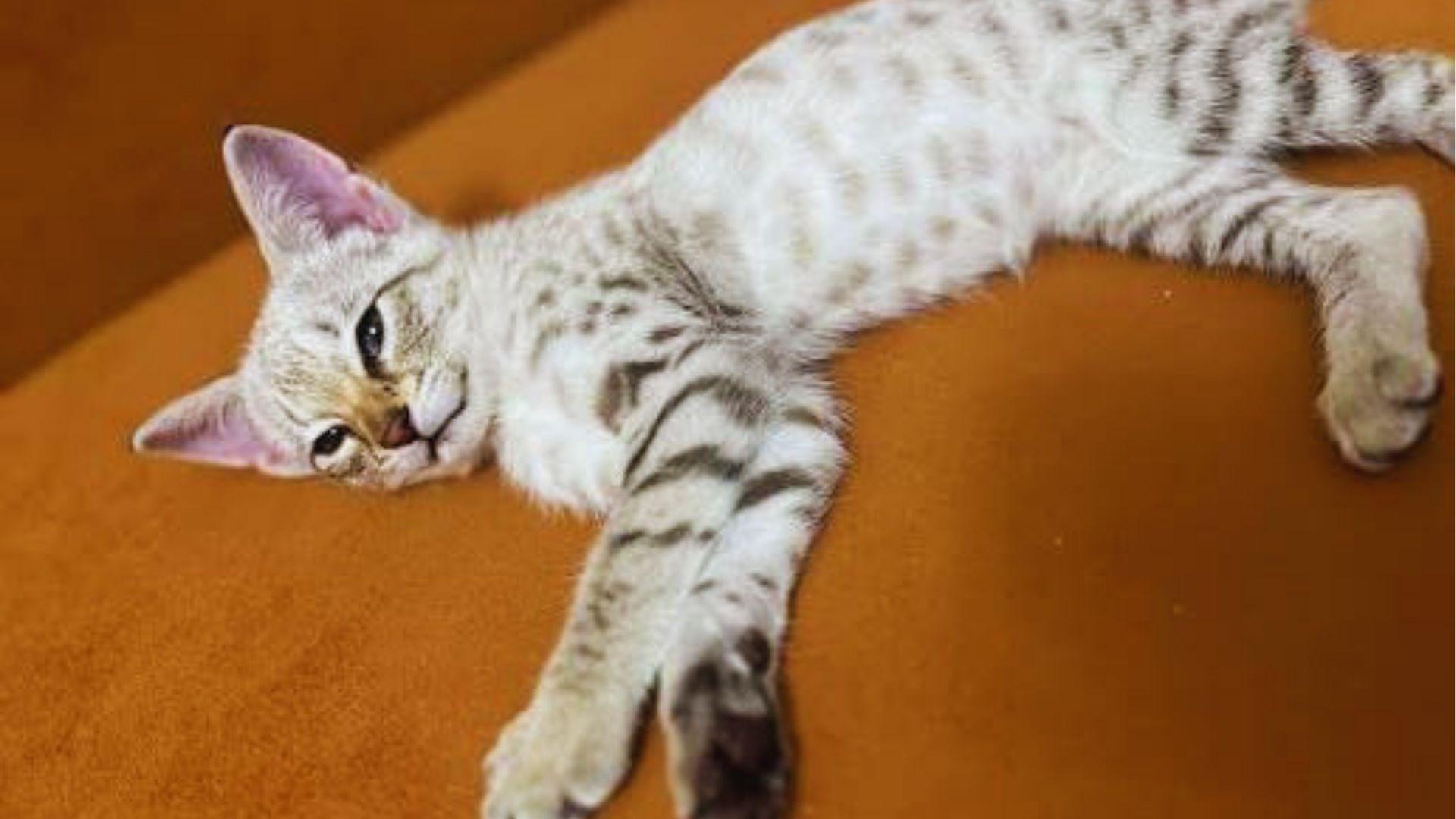
Snow Savannahs carry a colorpoint restriction gene linked to pointing, similar to what you see in Siamese cats.
This gene is temperature-sensitive, reducing pigment in warmer areas of the body and concentrating color on the cooler extremities such as the ears, paws, and tail.
They typically have a cream or pale ivory base coat with lighter-than-usual spots. Some snow cats show mild point coloring on the ears, face, and tail.
The pattern can be subtle, making it easy to mistake a snow Savannah for a poorly-contrasted standard coat.
Snow Savannahs sometimes have blue or aqua eyes, which can help identify them. Genetic testing is the most reliable way to confirm this color.
4. Blue
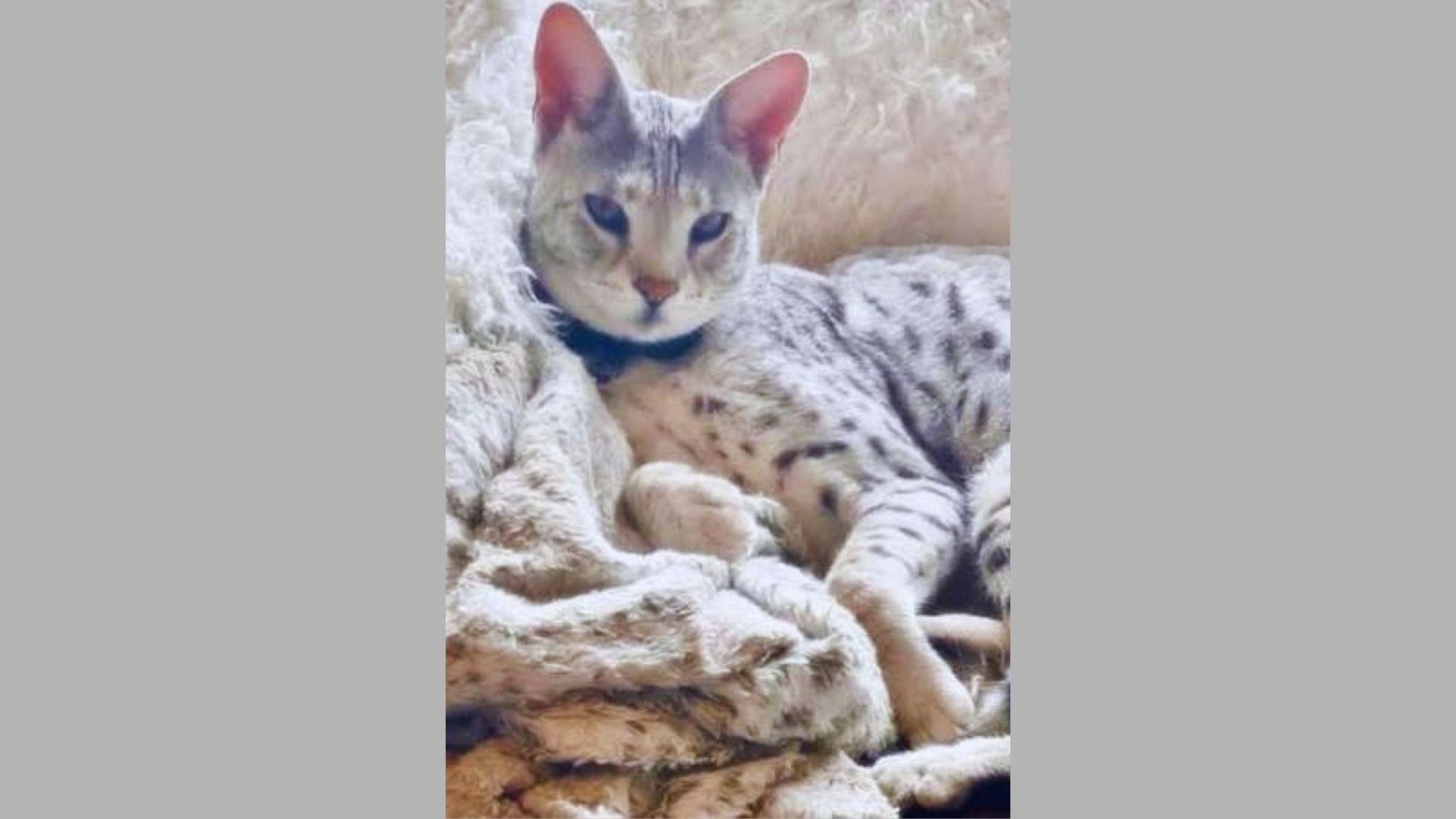
Blue is a diluted version of black. Instead of deep black spots on a warm background, blue Savannahs have soft gray spots on a lighter gray or cream base.
The overall look is muted and cool-toned. This color requires two copies of the dilution gene, one from each parent.
Breeders must plan pairings carefully to produce blue kittens reliably. Because of that, blues are less common than standard black-spotted cats.
5. Cinnamon
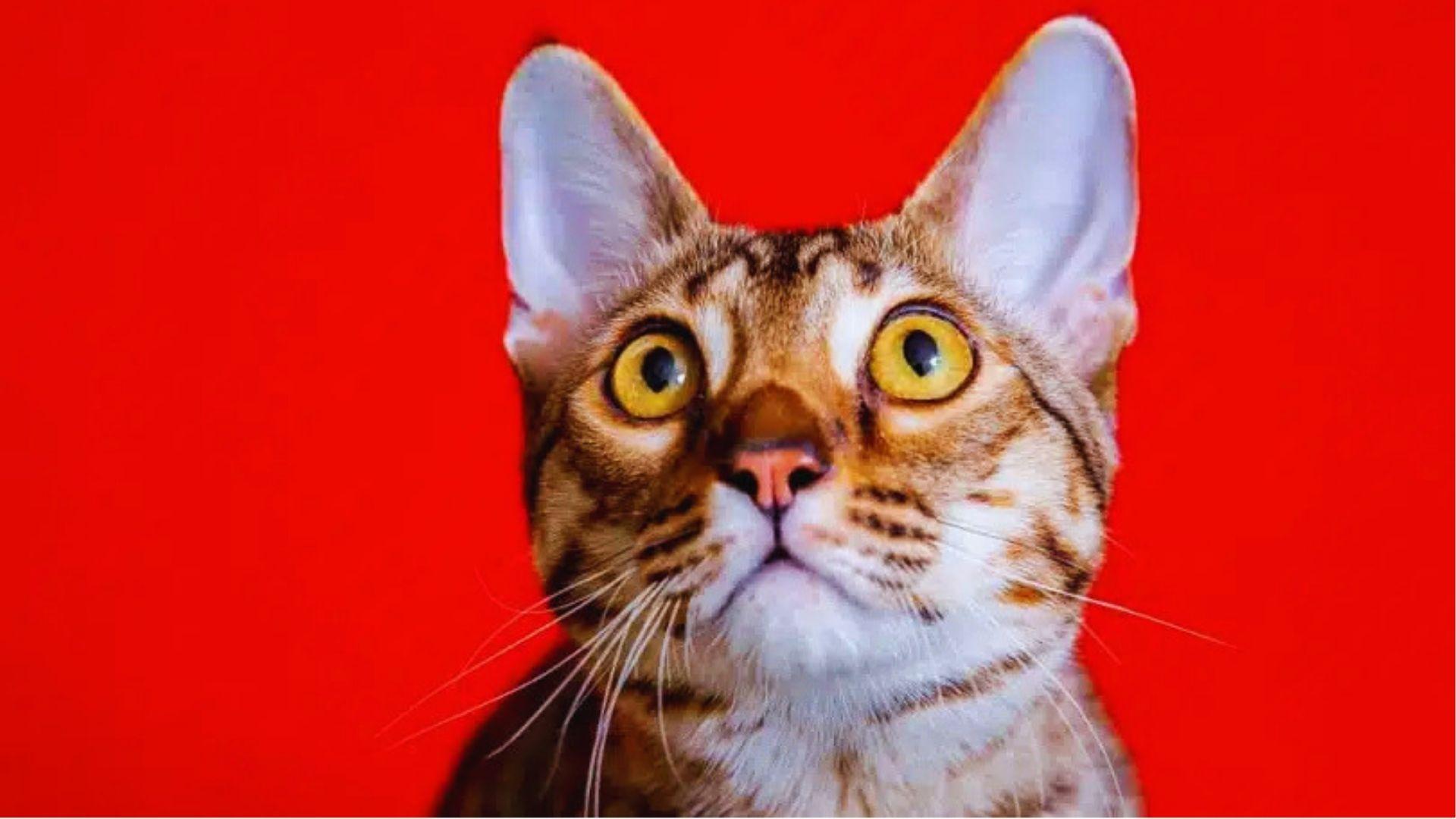
Cinnamon is a warm, reddish-brown color that comes from a modified form of eumelanin. It sits between standard brown and a deeper chocolate on the color spectrum.
Cinnamon Savannahs have a light tan or beige base with warm brownish-red spots. The color is subtle but distinct when compared side by side with brown tabbies.
It requires a specific recessive allele that must be inherited from both parents, making it uncommon.
6. Chocolate
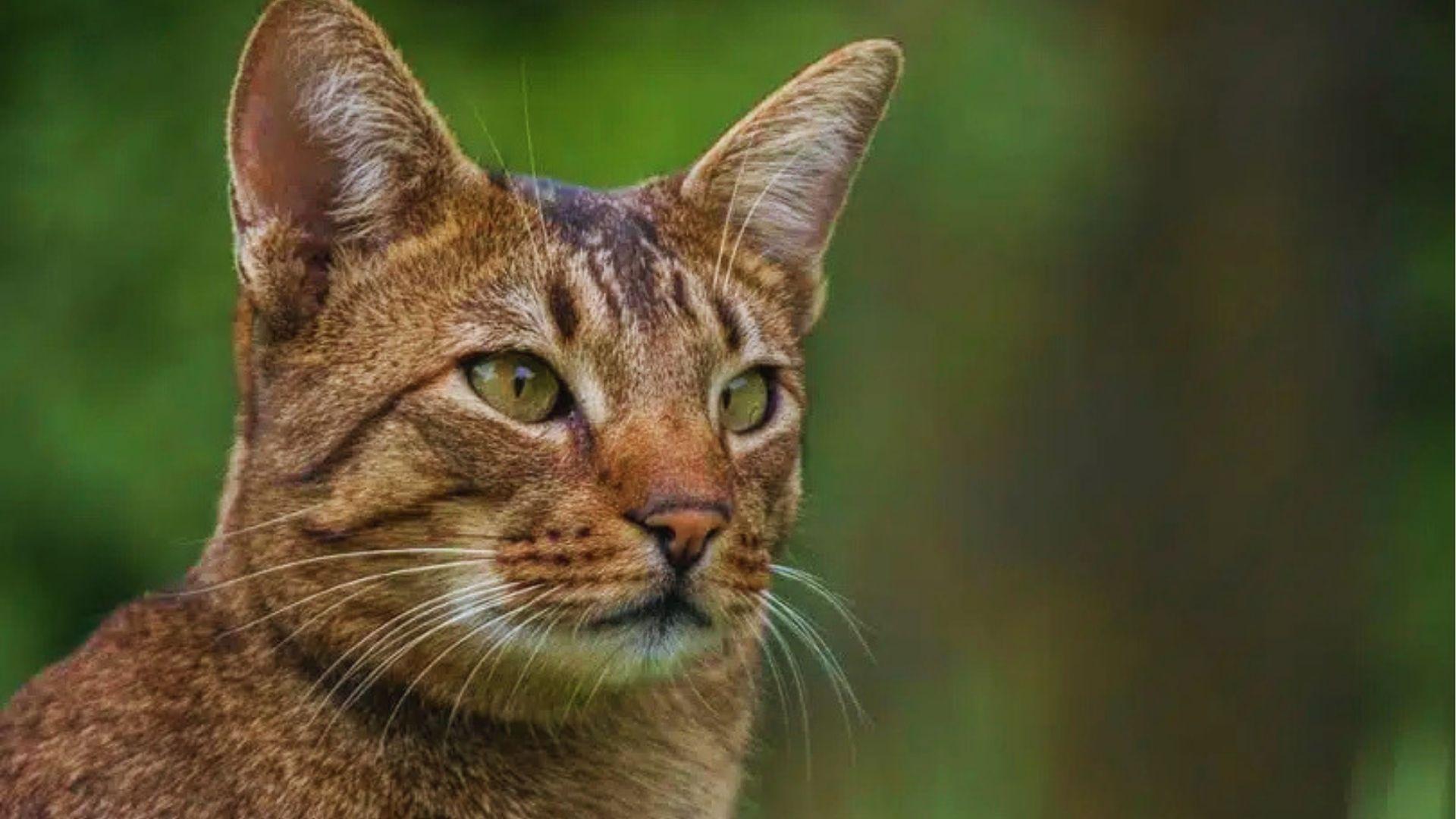
Chocolate produces rich, dark brown spots on a warm cream or ivory base. It is a diluted form of black caused by a gene that changes how eumelanin is produced and distributed.
A chocolate Savannah differs from a brown spotted tabby in one key way, there is no black on the cat, only shades of warm brown.
True chocolate can look similar to a dark brown tabby, so verification through pedigree records is helpful. Like cinnamon, it is recessive and requires both parents to carry the gene.
Chocolate Savannahs are rare partly because the gene is often masked by dominant black.
7. Lilac

Lilac is the result of combining both the dilution gene and the chocolate gene. The outcome is a soft, pale pinkish-gray coat that looks unlike any other Savannah color.
This is one of the rarest combinations because it requires two recessive genes from both parents simultaneously.
Lilac Savannahs have a very soft, almost pastel look to their coat. Some sources refer to this color as lavender, and the two names are often used interchangeably.
Most cat registries do not currently recognize lilac as a standard color, which limits breeding interest even further.
8. Fawn
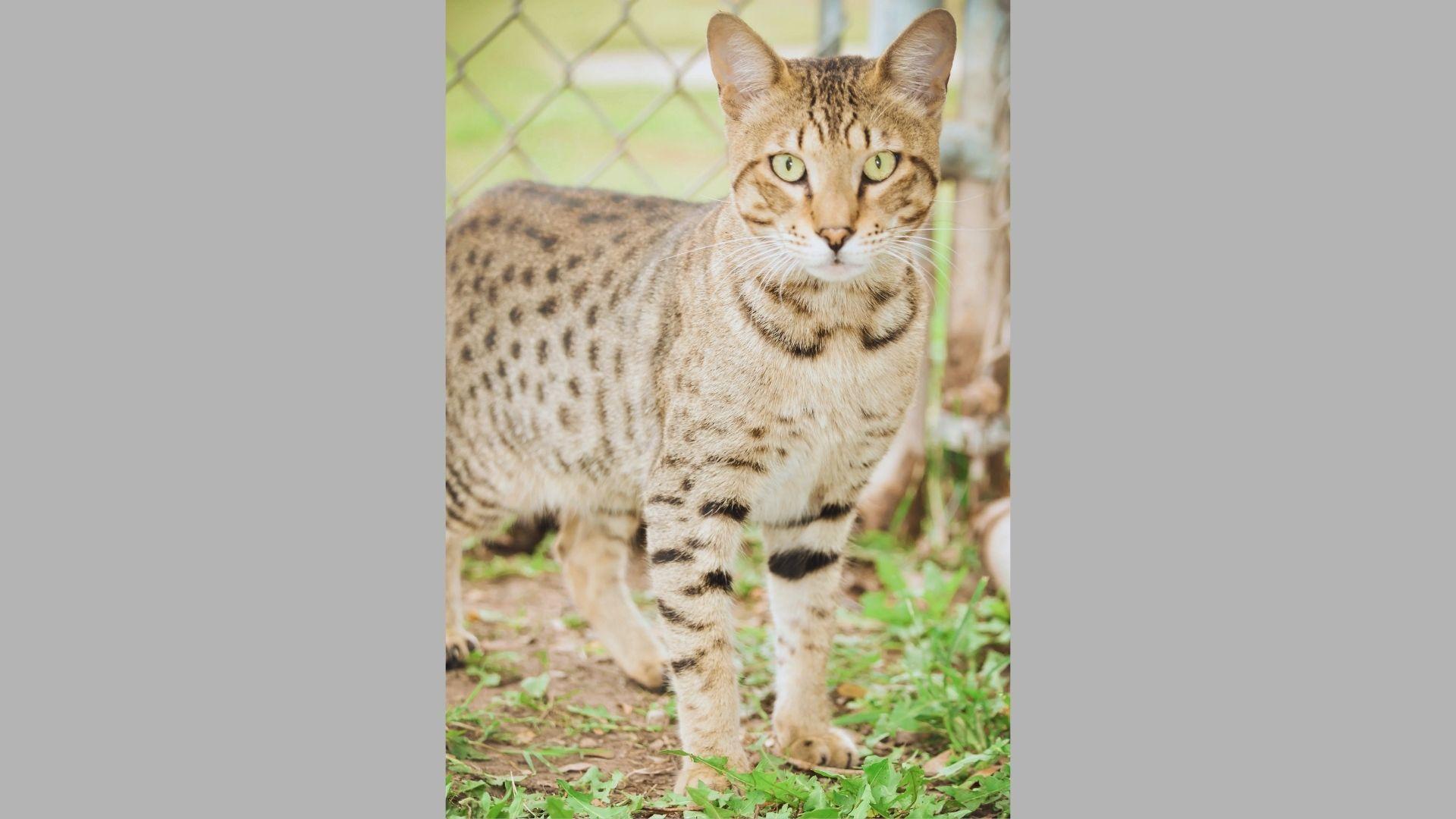
Fawn is a diluted version of cinnamon. It produces a very pale, warm tan coat with light spots that can be easy to miss at first glance.
The overall effect is a washed-out, sandy appearance with pink overtones.
Like lilac, fawn requires both the dilution and cinnamon genes, making it statistically one of the harder colors to produce.
It is also not widely recognized in show standards, which reduces how often breeders deliberately work to produce it.
9. Melanistic
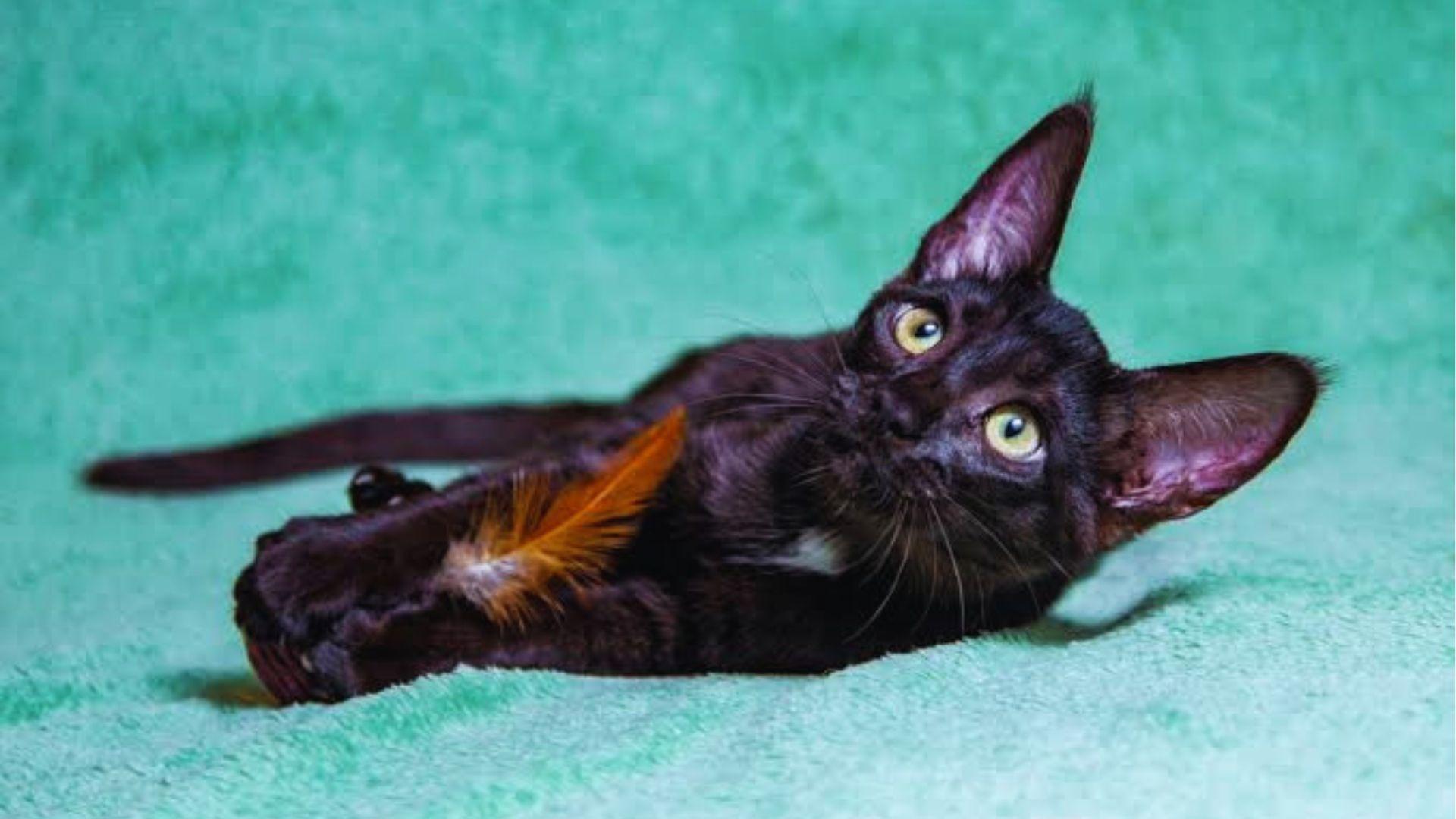
Melanistic Savannahs are sometimes called black Savannahs. They appear to have a solid black coat, but their spots are still visible in direct sunlight or bright light, a feature called ghost spotting.
This color comes from an overproduction of melanin that floods the base coat, masking the typical pattern. The agouti gene is suppressed in these cats, which is what allows the solid look to take over.
Melanistic cats are occasionally compared to black panthers in appearance. TICA does accept melanistic as a standard color, though they are not common, and ghost spotting is what sets them apart from a true solid black.
10. Charcoal
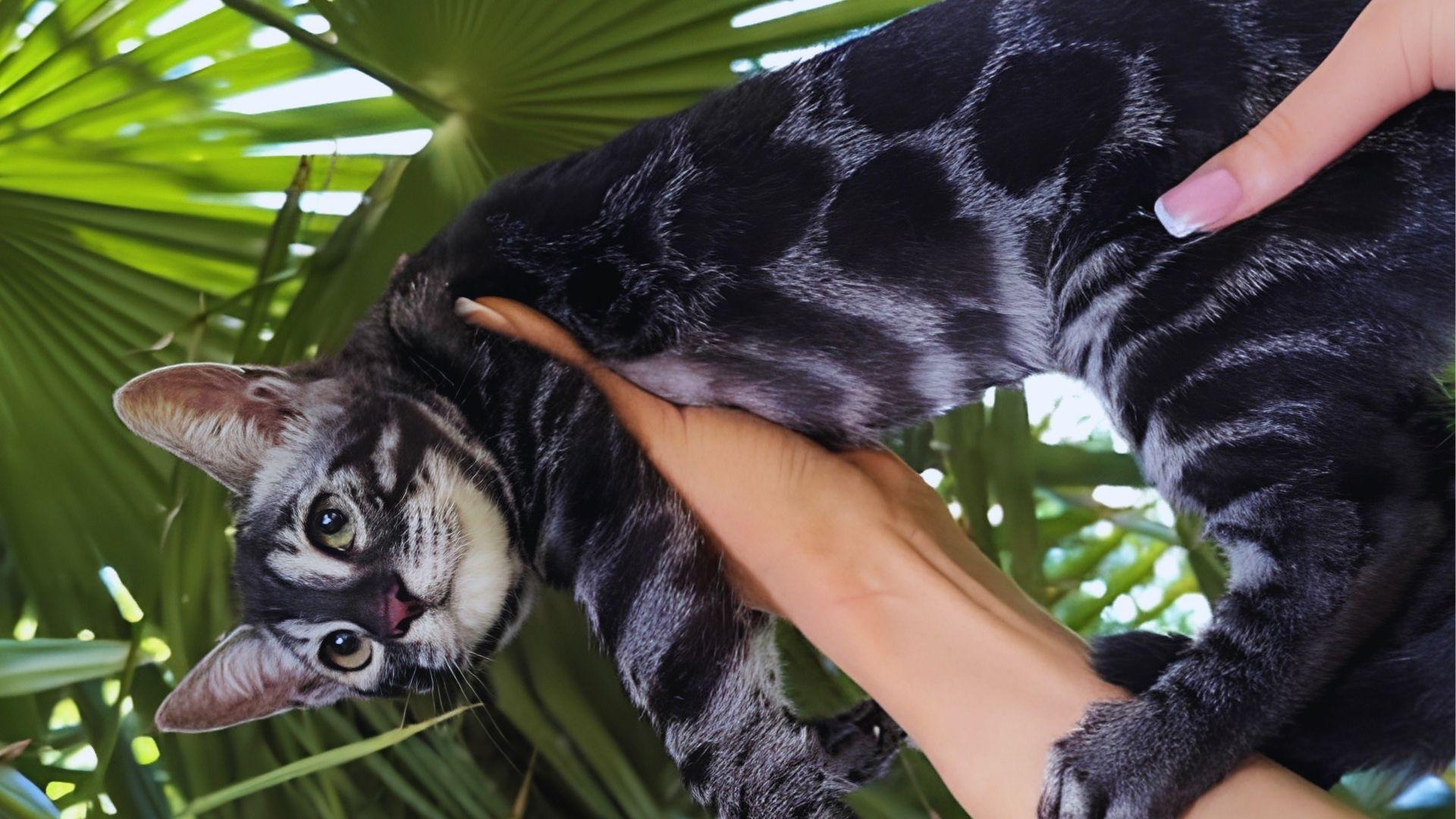
Charcoal is considered its own color class by some registries, including TICA. It produces a very dark, almost black coat with a distinctive "cape" of dark fur along the back and a face mask pattern.
The charcoal pattern is believed to be linked to genetic traits inherited from the African Serval, although researchers continue to study the exact genetic mechanism.
Charcoal Savannahs look dramatic compared to standard spotted cats. They are rare because the specific combination of genes needed is not fully understood yet, making deliberate breeding difficult.
11. Cameo
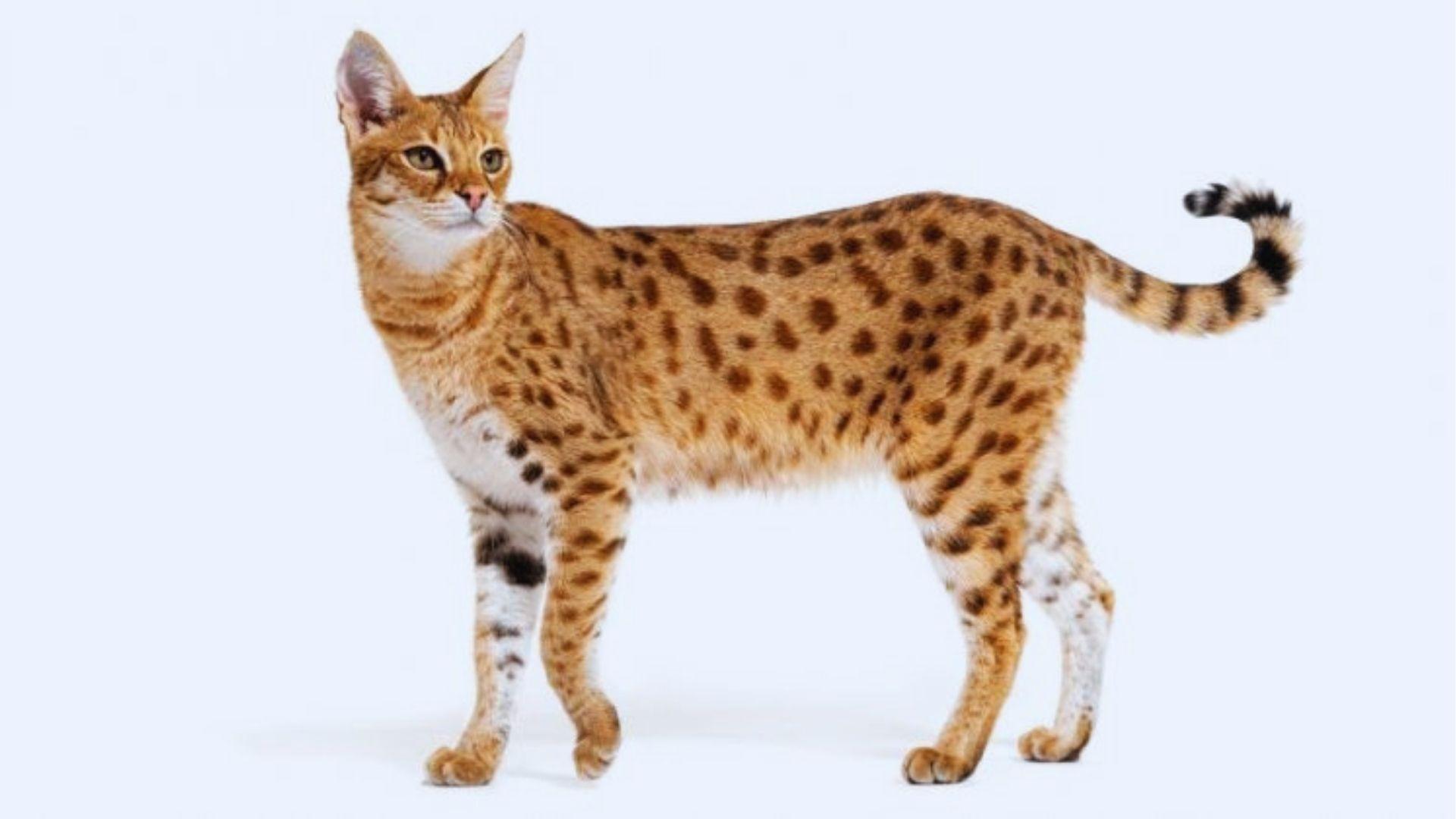
Cameo is an orange or red-toned version of the silver pattern. The inhibitor gene is still present, but instead of suppressing black pigment, it works on red or orange pigment.
The result is a pale cream or white base with soft orange or apricot-toned spots.
Cameo is rarely seen in Savannahs because it requires specific red gene variants alongside the inhibitor gene.
Most breeders working with Savannahs do not actively breed for cameo, which keeps it extremely rare.
Rare vs Common Savannah Cat Colors
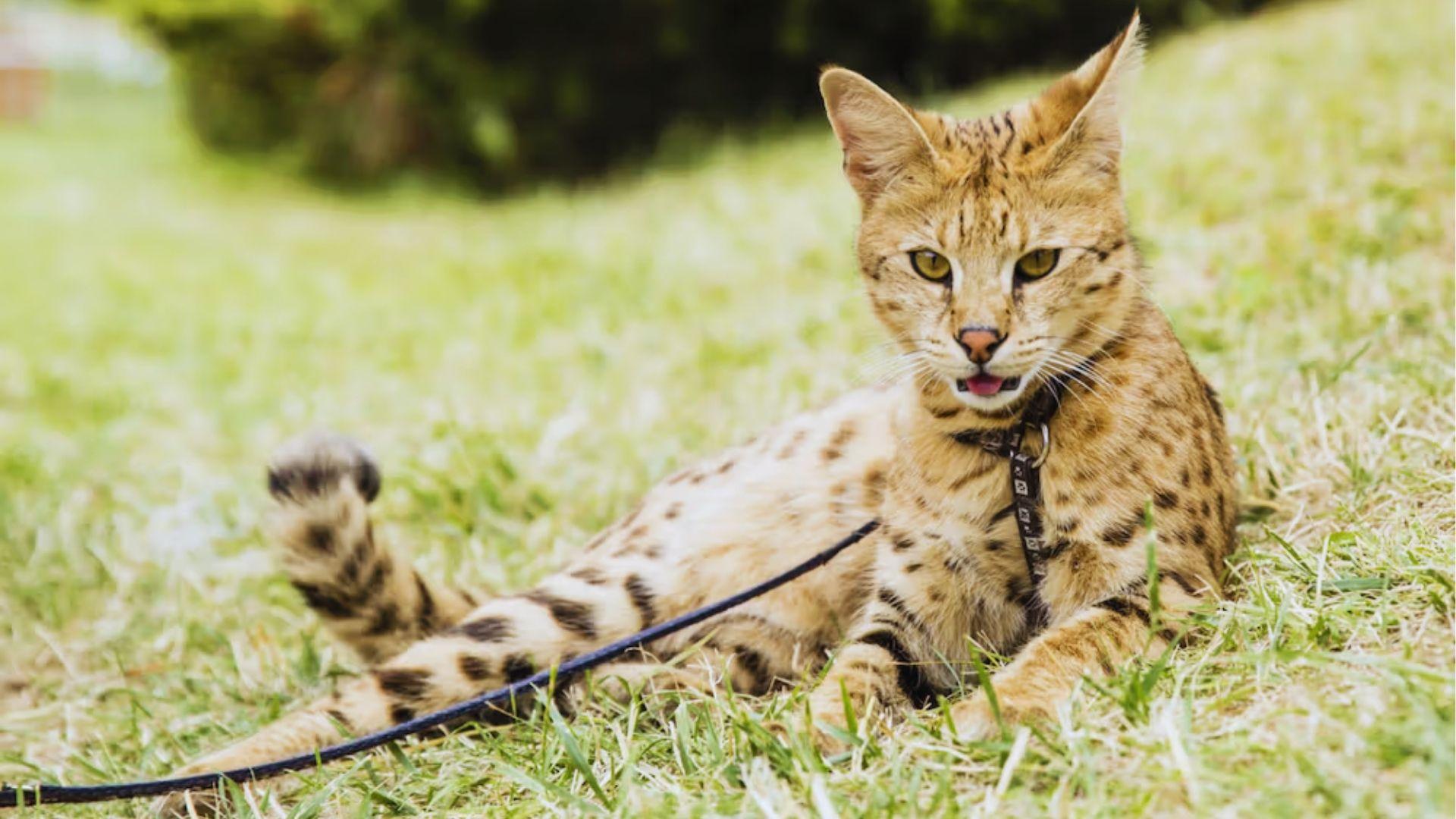
Most people looking at Savannahs for the first time will encounter brown spotted tabbies. That is the most common coat type by far. Knowing what sets rare colors apart helps you identify them and ask the right questions.
| Feature | Common Savannah Cat Colors | Rare Savannah Cat Colors |
| Typical Appearance | Warm golden or tan base with dark brown or black spots and strong contrast. | Softer contrast with uncommon shades or effects, such as silver roots or smoky coats. |
| Official Recognition | Commonly recognized by TICA, including brown spotted tabby, silver spotted tabby, black, and black smoke. | Colors such as lilac, fawn, cinnamon, cameo, and snow are generally not recognized for show standards. |
| Availability | Widely available from most Savannah cat breeders. | Less common because they depend on specific genetic combinations. |
| Rarest Colors | Brown spotted tabby is the most frequently seen coat. | Lilac and fawn are among the rarest, followed by cameo, snow, charcoal, and melanistic. |
| Genetics | Produced by more common gene combinations. | Often require recessive genes or uncommon genetic traits from both parents. |
| Show Eligibility | Usually eligible for cat shows under recognized standards. | May not qualify for most competitions despite being healthy and purebred. |
Tips for Recognizing Rare Savannah Cat Colors
Identifying a rare color correctly requires more than looking at a photo. Lighting, age, and coat development all affect how a color appears.
- Never judge a kitten's final color too early. They go through a blurry "fuzz" stage, so always ask the breeder for adult photos of the same coat type.
- Check the pedigree before trusting a color claim. If a breeder says a kitten is lilac or fawn, documentation should confirm both parents carry the gene.
- Request genetic testing when you need certainty. Labs like the UC Davis Veterinary Genetics Laboratory offer a coat color DNA panel that confirms hidden genes and greatly reduces uncertainty, especially if you plan to breed.
- Always view the cat in natural daylight. Indoor lighting can make a standard brown tabby look like a rare color in photos.
- Know the common mix-ups. Smoke looks solid black until the cat moves, silver is often confused with a light tabby, and charcoal gets mislabeled as melanistic. Snow is sometimes mistaken for a low-contrast standard coat until you notice the point coloring on the extremities or the blue eyes.
- Look at the ears too. Spotted Savannahs have ocelli, which are the eye-like markings on the back of each ear. These markings are shared with the African Serval and can help confirm you are looking at a true Savannah rather than a look-alike.
Conclusion
Savannah cat colors go far beyond the standard spotted brown coat most people picture.
From silver and smoke to lilac and cameo, rare Savannah cat colors result from specific genetic combinations that breeders must plan carefully.
Knowing what each color looks like, how genetics produce it, and how to verify it puts you in a much better position as a buyer or enthusiast.
If you found this guide helpful, share it with someone who loves exotic cats or leave a comment below with your questions.
The more you know about coat genetics, the more confident you'll feel identifying these remarkable cats.
Frequently Asked Questions
Can two brown tabby Savannahs produce a rare-colored kitten?
Yes, if both parents carry recessive genes like dilution or chocolate, they can produce rare-colored kittens without showing those colors themselves.
Do rare Savannah cat colors affect personality or temperament?
No, coat color has no impact on a Savannah cat's personality, energy level, or behavior toward people and other animals.
Are rare-colored Savannahs more expensive than standard ones?
Generally yes. Rare colors command higher prices because they require specific breeding pairs and are harder to produce consistently.
Can rare Savannah cat colors fade as the cat ages?
Some colors, especially silver and smoke, may shift slightly with age, but significant fading is uncommon in healthy, well-cared-for cats.
Is it possible to breed for rare colors without outcrossing to other breeds?
It depends on the color. Some recessive traits can be developed within Savannah lines, but others may require careful introduction of outside genetics over generations.