Delta 8 THC remains subject to Georgia’s hemp laws in 2026, but its legal status has important conditions. Georgia allows certain consumable hemp products when they meet state requirements for THC content, testing, labeling, packaging, and sales.
The state also prohibits retail sales of hemp flowers and restricts sales to people under 21. Federal law is set to change the definition of hemp later in 2026, which could affect many Delta 8 products.
This guide explains what Georgia law currently says, how the state’s hemp rules affect Delta 8 products, and what the federal change could mean.
Because hemp laws are changing, the answer depends on the product, its contents, how it was made, and when the law is applied.
What Is the Current Legal Status of Delta 8 THC?
Delta 8 THC is not automatically treated as a controlled substance in Georgia simply because a product contains Delta 8.
In Elements Distribution, LLC v. State of Georgia, the Georgia Court of Appeals held that a search warrant was unsupported by probable cause where it was based on the alleged possession and sale of Delta 8 and Delta 10 products that the state had not shown were controlled substances.
The decision relied on Georgia’s statutory definition of hemp, which at the time included cannabis derivatives, cannabinoids, and isomers meeting the federally defined THC level.
The court also noted that the state had conceded that certain nonfood Delta 8 and Delta 10 products were not controlled substances. However, the opinion did not create a blanket rule that every Delta 8 product is legal under every circumstance.
Product-specific requirements still apply. For consumers, the practical question is therefore not just whether a product contains Delta 8.
You also need to consider whether it qualifies as a hemp product, whether Georgia permits that product form, whether required testing and labeling are present, and whether it is being sold through a properly licensed establishment.
What Does Georgia Law Say About Delta 8?
Georgia regulates Delta 8 under its broader hemp laws, including licensing and compliance requirements. Retailers selling prepackaged consumable hemp products must obtain the required state license.
How Georgia Defines Hemp
Georgia’s original Hemp Farming Act defined hemp as the Cannabis sativa L. plant and its parts, including derivatives, extracts, cannabinoids, and isomers, when the product met the federally defined THC level.
The 2019 law used a Delta 9 THC threshold of no more than 0.3% on a dry-weight basis.
That framework is important because Delta 8 is a cannabinoid associated with the cannabis plant. The 2023 Elements Distribution decision discussed Delta 8 and Delta 10 as cannabis derivatives and analyzed their status under Georgia’s hemp and controlled-substance statutes.
How Delta 8 Fits Into Georgia Hemp Rules
Delta 8 products can fall within Georgia’s hemp framework when they meet the applicable legal requirements. The state does not simply classify every Delta 8 product as marijuana because it contains Delta 8.
Instead, the product must be evaluated under Georgia’s definitions and requirements for hemp and consumable hemp products.
This distinction matters because Georgia separately regulates the form in which hemp products may be sold.
For example, the Georgia Department of Agriculture states that flowers or leaves of the Cannabis sativa L. plant cannot be offered for retail sale in Georgia, regardless of their Delta 9 THC concentration.
What THC Limit Applies in Georgia?
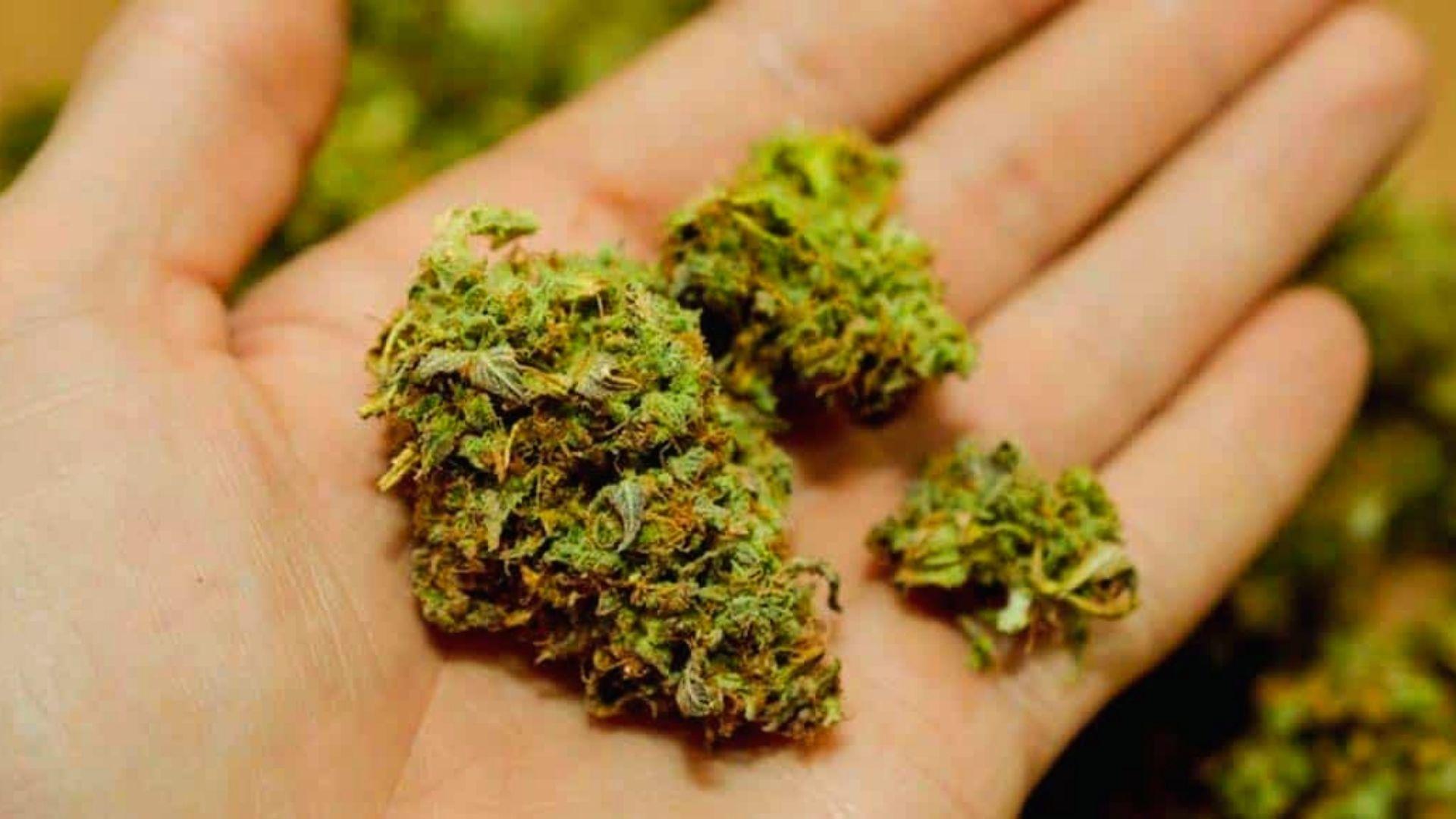
The original Georgia hemp framework used a Delta 9 THC limit of no more than 0.3% on a dry-weight basis for the federally defined hemp threshold.
Georgia’s current consumable hemp rules also impose product-specific requirements concerning THC content, testing, labeling, packaging, and other compliance measures.
Consumers should not treat the 0.3% figure as the only requirement for a legal Delta 8 product. Georgia’s current rules require a full-panel certificate of analysis for consumable hemp products and impose additional standards on the final packaged product.
What Counts as a Consumable Hemp Product?
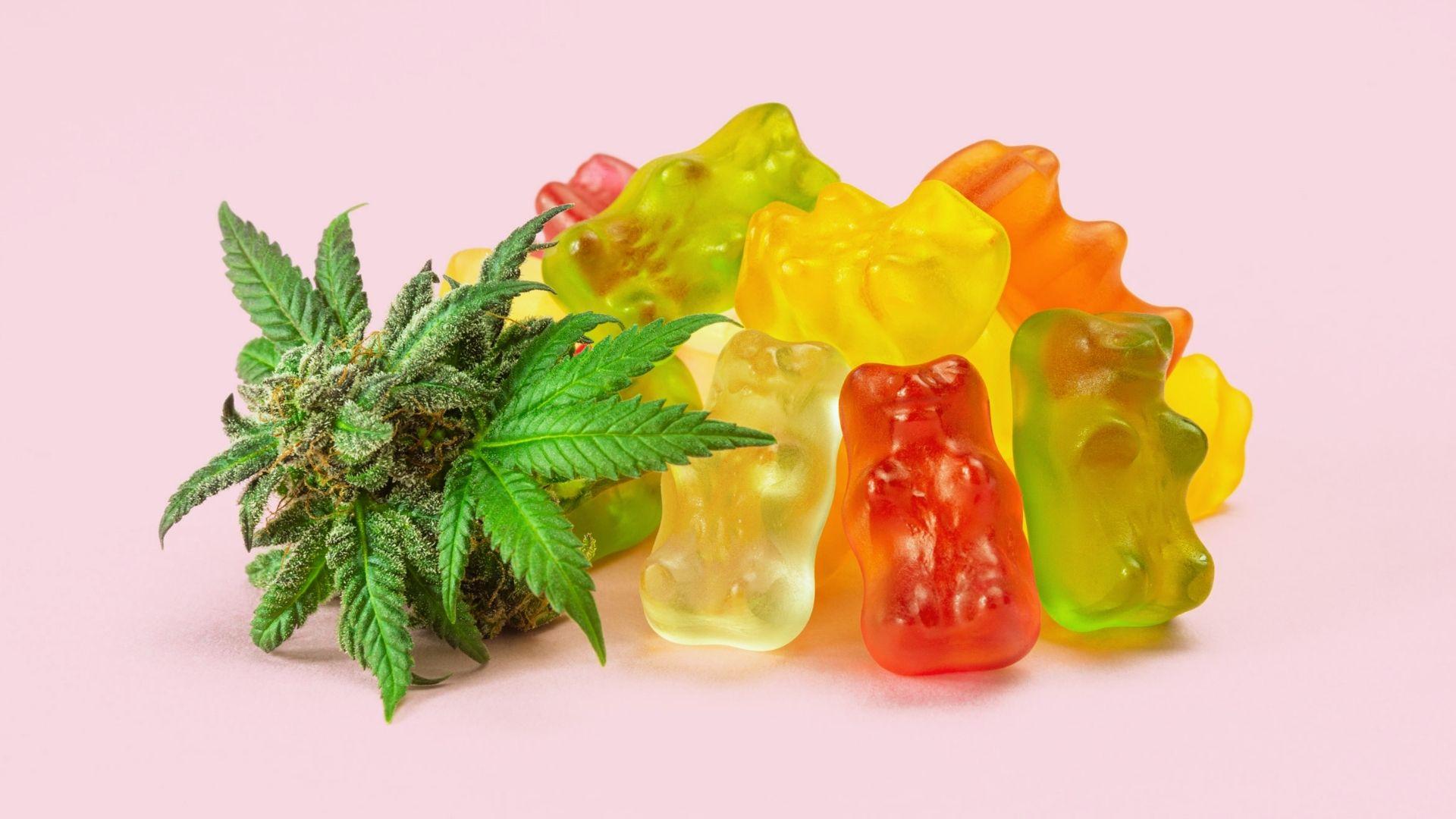
Georgia defines a consumable hemp product as hemp intended to be ingested, absorbed, or inhaled by humans or animals.
This category can include products such as gummies, oils, and inhalable products when they meet the applicable state requirements.
Georgia requires manufacturers and retailers to follow specific compliance rules. These include testing, labeling, packaging, advertising, age restrictions, and licensing requirements.
Products also must comply with restrictions designed to prevent packaging and advertising from appealing to children.
What Changed in Georgia’s Delta 8 Laws?
Georgia significantly expanded its regulation of consumable hemp products through Senate Bill 494 in 2024, adding requirements for retail licensing, age verification, testing, labeling, packaging, advertising, and THC-related product standards.
The Georgia Department of Agriculture adopted rules covering retailers, manufacturers, wholesalers, laboratories, product testing, and serving limits, while establishing a minimum purchase age of 21.
Beginning July 1, 2024, new retail establishments selling consumable hemp products could not operate within 500 feet of a public or private K-12 school.
Additional posting, labeling, packaging, and compliance requirements took effect October 1, 2024, including restrictions on packaging and advertising that appeal to children or resemble commonly distributed candy, snacks, or food products.
Which Delta 8 Products Are Legal in Georgia?
Georgia does not treat every product the same way. A Delta 8 product must satisfy the applicable hemp requirements, and some product forms are expressly restricted or prohibited for retail sale.
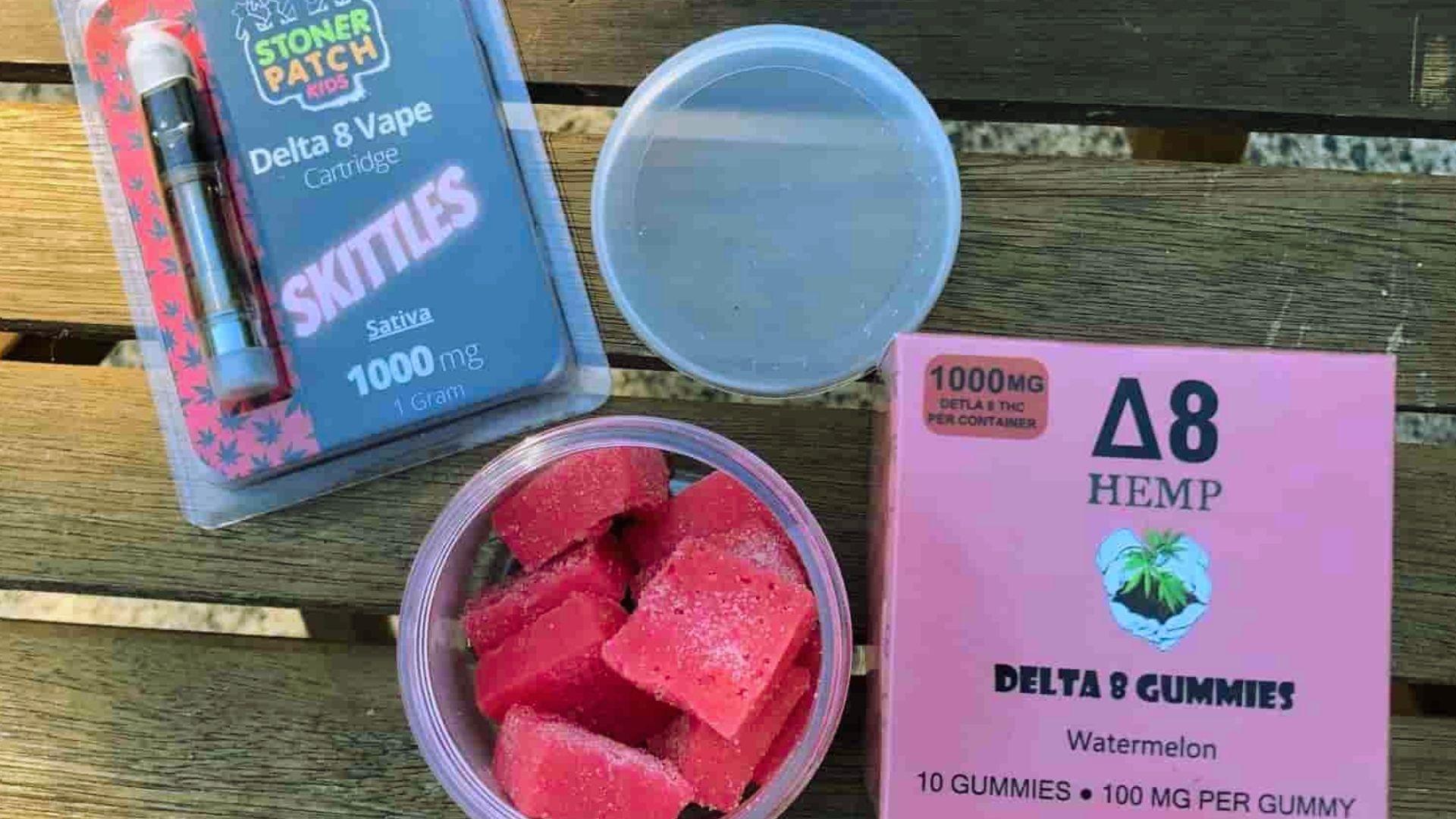
Are Delta 8 Gummies Legal?
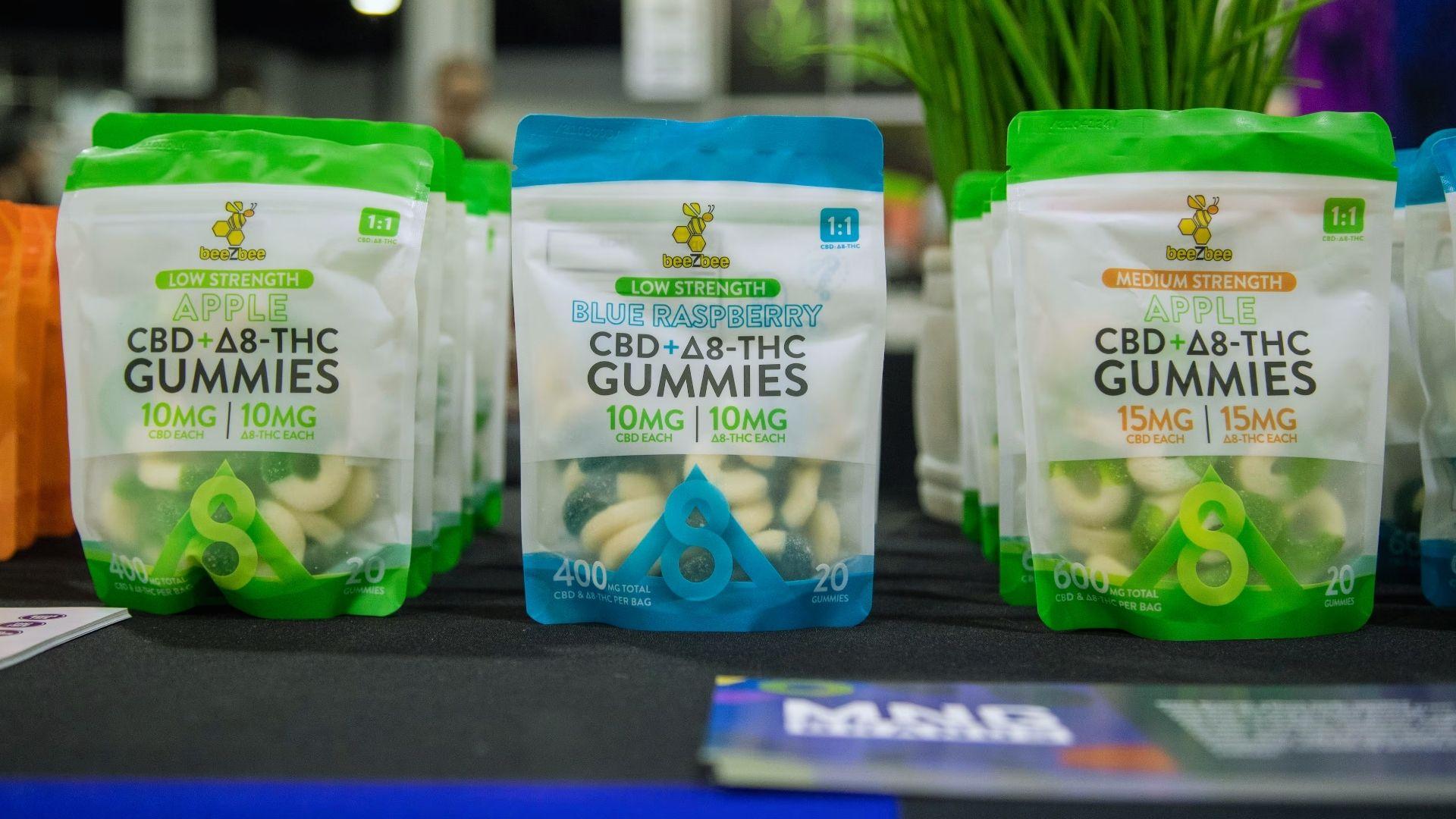
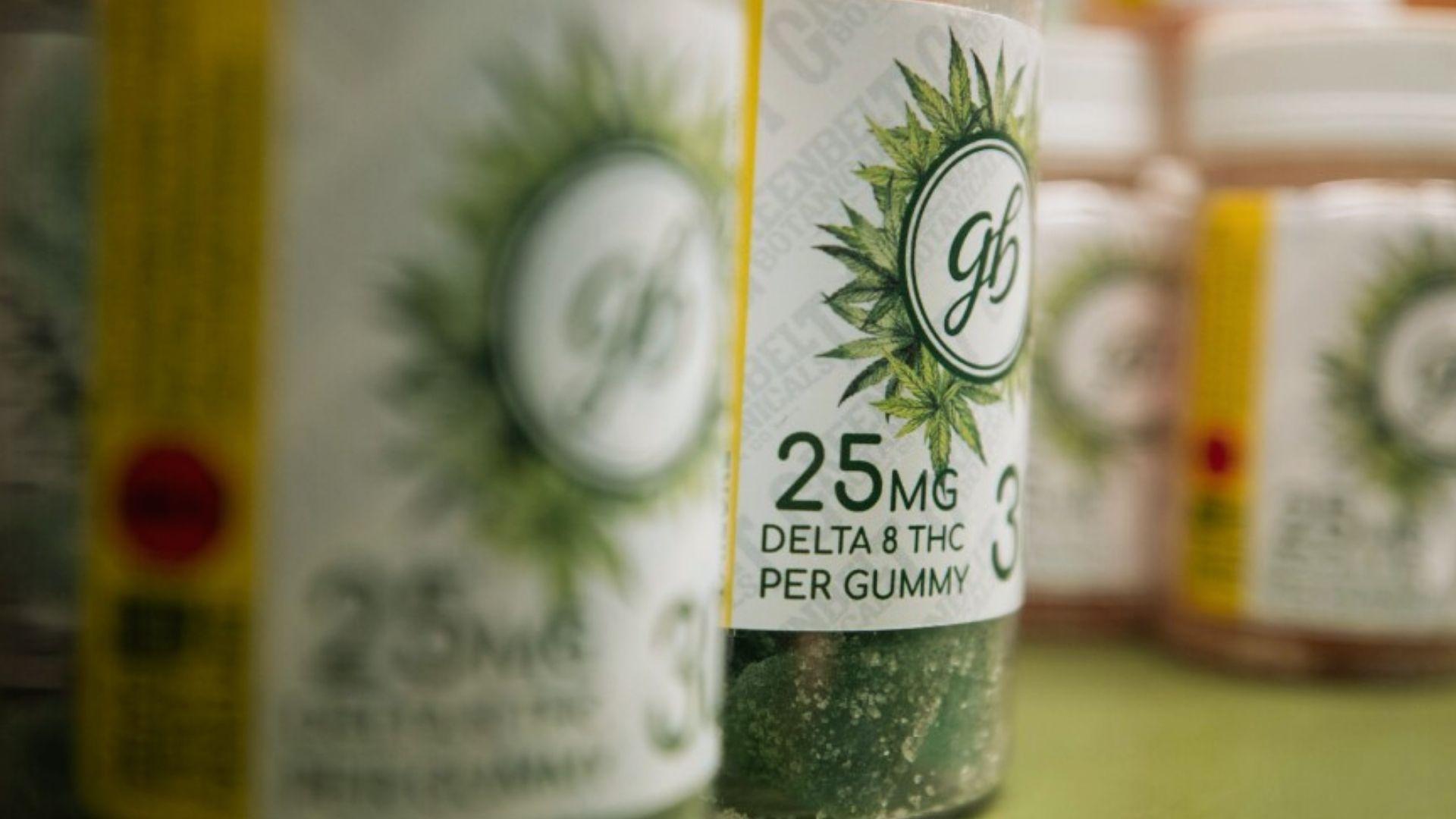
Delta 8 gummies may be sold in Georgia when they qualify as permitted consumable hemp products and meet the state’s requirements.
Georgia specifically permits hemp contained in gummies when the gummy is not a component of a prohibited food product.
The product must also satisfy requirements concerning testing, labeling, packaging, and THC content.
Georgia requires a full-panel certificate of analysis and requires product labeling that provides required information from that analysis or provides access to it through a QR code.
Are Delta 8 Vapes Legal?
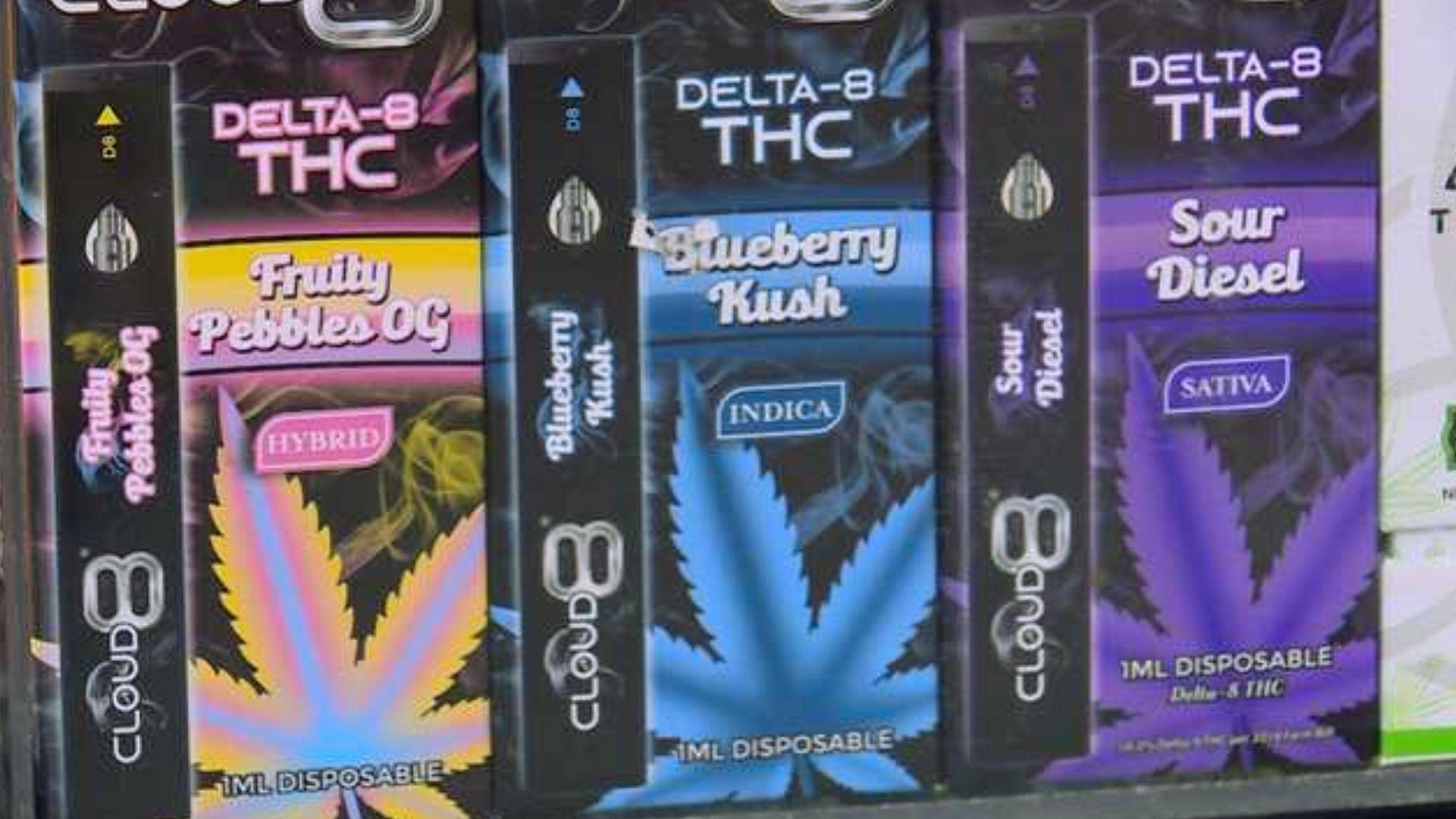
Delta 8 inhalable products are subject to Georgia’s consumable hemp rules. A seller must comply with the applicable licensing and product requirements, and the product must satisfy Georgia’s testing and labeling standards.
Consumers should not assume that a vape is legal simply because its label says “Delta 8.” The product’s contents, testing documentation, packaging, and seller status all matter.
Are Delta 8 Tinctures and Oils Legal?
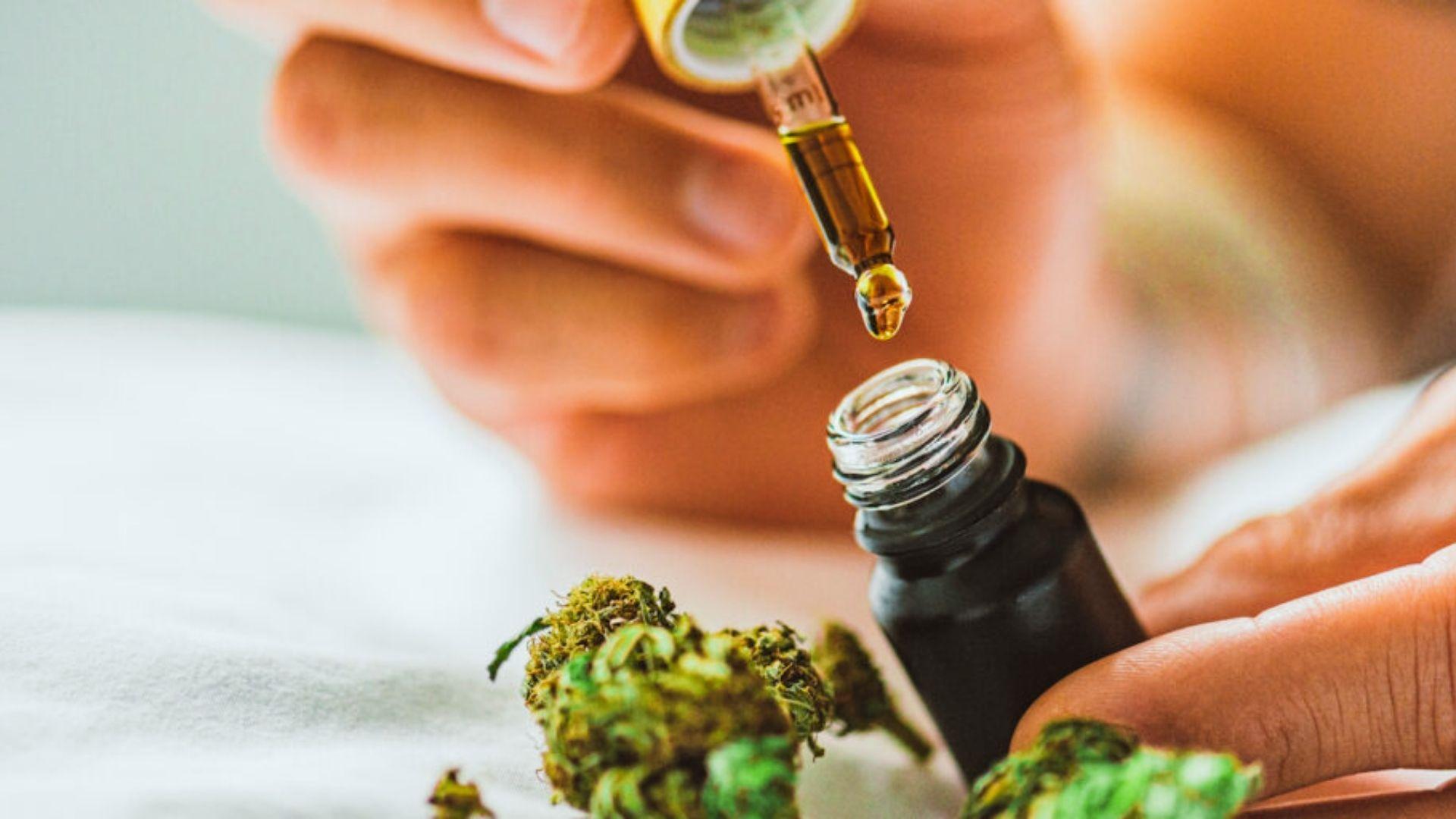
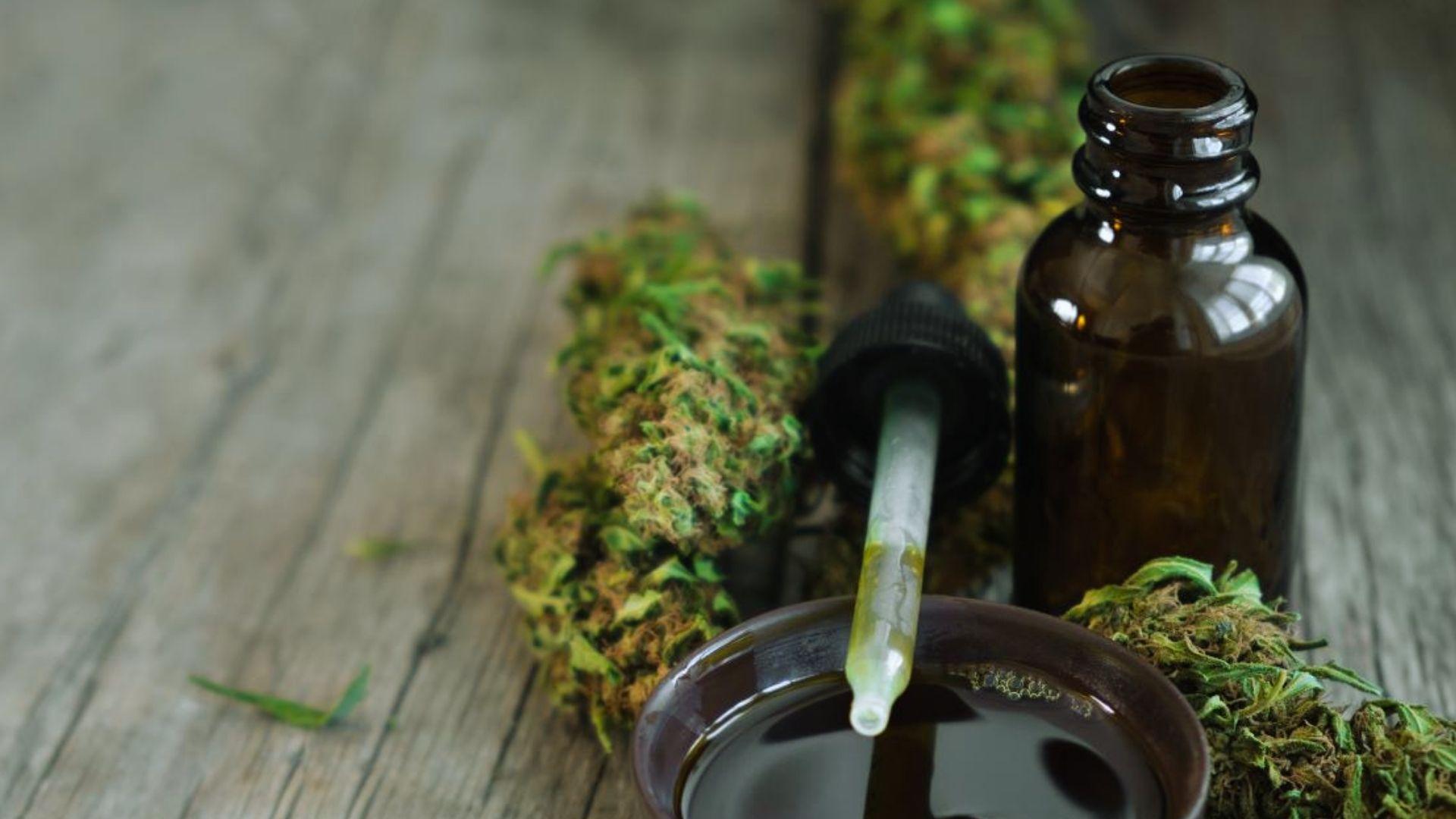
Georgia allows certain oil-based tinctures containing hemp when they meet the state’s requirements.
The Georgia Department of Agriculture specifically lists oil-based tinctures that are not components of food products among the permitted forms of consumable hemp products.
Before buying one, check the label and the available certificate of analysis. The COA should provide information about the product’s cannabinoid content and contaminant testing.
Can You Buy Delta 8 Flowers in Georgia?
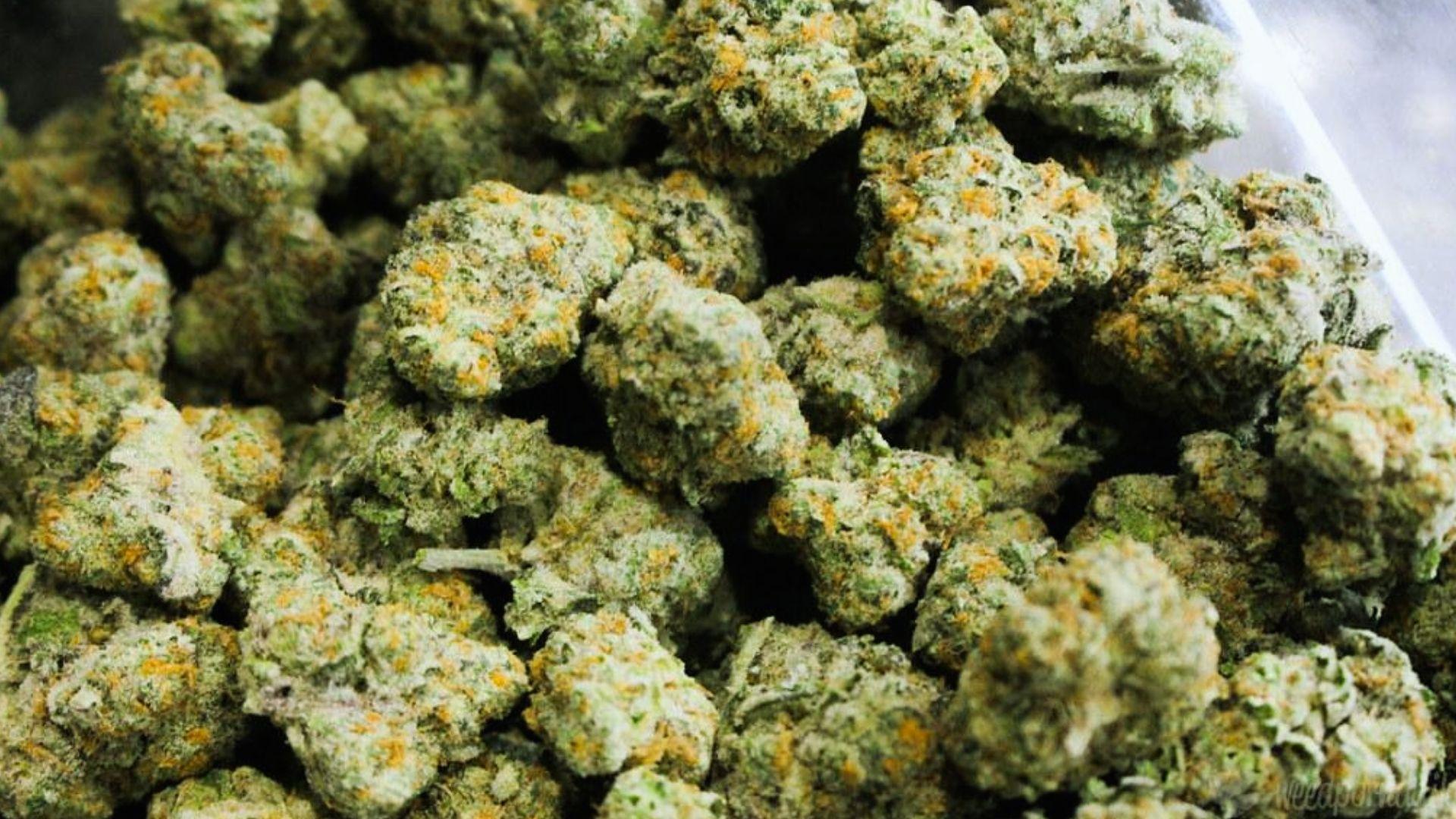
No. Georgia’s Department of Agriculture states that flowers or leaves of the Cannabis sativa L. plant cannot be offered for retail sale in Georgia, regardless of their Delta 9 THC concentration.
That makes retail hemp flower a separate issue from compliant Delta 8 gummies or oil-based products.
A product marketed as “Delta 8 flower” should therefore not be treated like a standard Delta 8 edible or tincture.
The state’s retail restriction on cannabis flowers and leaves applies regardless of the product’s claimed Delta 9 level.
Who Can Buy Delta 8 in Georgia?
Georgia restricts the sale and purchase of consumable hemp products to people who are at least 21 years old.
A person under 21 may not knowingly purchase, attempt to purchase, possess, or use false identification to obtain these products.
When a seller reasonably doubts a buyer’s age, the retailer must request appropriate identification before completing the purchase, allowing the seller to verify that the customer meets Georgia’s minimum age requirement.
How Can You Check a Delta 8 Product?
Before buying a Delta 8 product in Georgia, review the product and seller rather than relying only on the name printed on the package.
Check the product label: Review the listed cannabinoid content and required warnings.
Find the COA: Georgia requires a full-panel certificate of analysis for consumable hemp products.
Check the seller: Retail businesses selling prepackaged consumable hemp products to consumers need the applicable Georgia license.
Review the packaging: Packaging cannot be attractive to children or resemble widely distributed candy, snacks, or food products.
Avoid flower: Georgia prohibits retail sales of Cannabis sativa L. flowers and leaves.
Confirm your age: Consumable hemp products cannot legally be sold to people under 21.
What Federal Changes Could Affect Delta 8 in 2026?
Federal law is scheduled to change the definition of hemp in 2026. Public Law 119-37, enacted on November 12, 2025, excludes certain hemp-derived cannabinoid products and changes the federal approach from the previous Delta 9 THC standard to a total THC standard.
It also creates a 0.4-milligram combined limit for certain THC and THC-like cannabinoids in a final product container and excludes cannabinoids that cannot naturally occur in Cannabis sativa L. or are naturally occurring but synthesized or manufactured outside the plant.
Under the current law, these changes are scheduled to take effect on November 12, 2026, although federal lawmakers are considering a delay that could move the effective date to December 11, 2026.
Many commercial Delta 8 products are made by converting another cannabinoid into Delta 8, so the new federal definition could affect products that currently qualify as hemp.
However, not every Delta 8 product will necessarily have the same federal status because the outcome can depend on how the cannabinoid was produced, the product’s contents, and future federal implementation guidance.
What Are the Penalties for Breaking Georgia Hemp Rules?
Penalties vary based on the specific Georgia hemp rule that was violated and the circumstances involved. Violations may lead to fines, license-related consequences, or other legal penalties.
- Georgia penalties depend on the specific hemp rule that was violated.
- Retailers may face consequences for failing to follow licensing, age-verification, labeling, packaging, or other statutory requirements.
- Certain violations involving the sale of consumable hemp products to people under 21 may be treated as misdemeanors.
- Products that fail required testing or contain substances or THC levels outside Georgia’s hemp requirements may create additional legal issues.
- Do not assume a product is legal simply because it is labeled Delta 8. Check the applicable Georgia requirements before buying or selling it.
What Common Delta 8 Mistakes Should You Avoid?
Several mistakes can create avoidable legal problems for Georgia consumers and retailers.
Assuming every Delta 8 product is legal: Product form and compliance requirements matter.
Ignoring the COA: Georgia requires full-panel testing information for consumable hemp products.
Buying hemp flower: Georgia prohibits retail sales of Cannabis sativa L. flowers and leaves.
Ignoring the age requirement: Consumable hemp products cannot be sold to people under 21.
Treating a product label as proof of legality: The label alone does not establish compliance with every state requirement.
Ignoring federal changes: Federal hemp rules are scheduled to change later in 2026, and that could affect Delta 8 products that currently qualify under the older definition.
Conclusion
Delta 8 remains regulated under Georgia’s hemp laws in 2026 rather than facing a simple statewide ban. Georgia requires compliance with rules covering product eligibility, testing, labeling, packaging, licensing, and age restrictions.
The state also prohibits retail sales of Cannabis sativa L. flowers and leaves. Federal law is also changing later in 2026.
Public Law 119-37 excludes certain hemp-derived cannabinoid products from the federal definition of hemp, including some externally manufactured cannabinoids and products exceeding new federal THC limits.
Because federal and state rules can change, check current requirements before buying, selling, or relying on older Delta 8 information.
Frequently Asked Questions
Can people under 21 buy Delta 8 in Georgia?
No. Georgia prohibits selling consumable hemp products to people under 21 and restricts certain purchases and possession by people under 21.
Can you buy Delta 8 flowers in Georgia?
No. Georgia prohibits the retail sale of Cannabis sativa L. flowers and leaves, regardless of their Delta 9 THC concentration.
Does Georgia require a COA for Delta 8 products?
Yes. Georgia requires a full-panel certificate of analysis for consumable hemp products, with required information available on the label or through a QR code.
Can Delta 8 make you fail a drug test?
Yes. Delta 8 can produce THC-related metabolites that drug tests may detect, so legal hemp products do not guarantee a negative result.
Is Delta 8 the same as marijuana in Georgia?
No. Georgia uses separate legal definitions for hemp and marijuana, so a Delta 8 product must be assessed based on its contents and product type.