I have walked through Savannah's historic squares more than once, and every time, the city shows me something I missed on the last visit.
If you are planning a trip and want to see the best of Savannah without renting a car or booking a group tour, a Savannah walking tour is the smartest way to do it.
The historic district is compact, walkable, and packed with centuries of history, architecture, and culture.
This guide covers the best self-guided routes, top stops worth your time, how long to set aside, and what to pack so you can explore the city at your own pace with real confidence.
Savannah Walking Tour Map: Route at a Glance
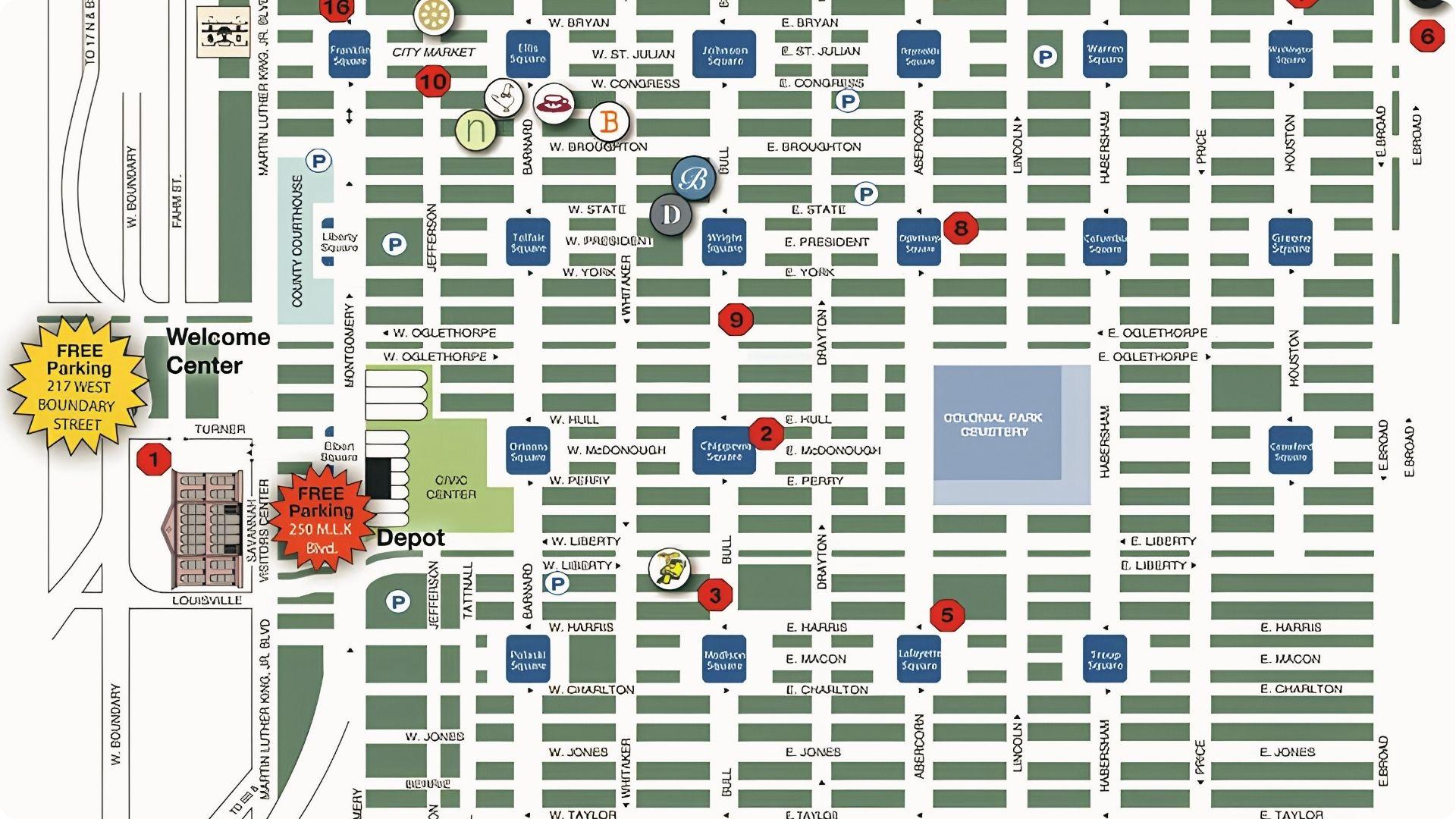
A good map makes all the difference when you are exploring a new city on foot.
Savannah Walking Tour Map Overview
Savannah's historic district is built around a grid system with 22 public squares placed throughout the neighborhood.
It also holds the designation of the largest National Historic Landmark District in the United States, which tells you just how much is packed into this walkable area.
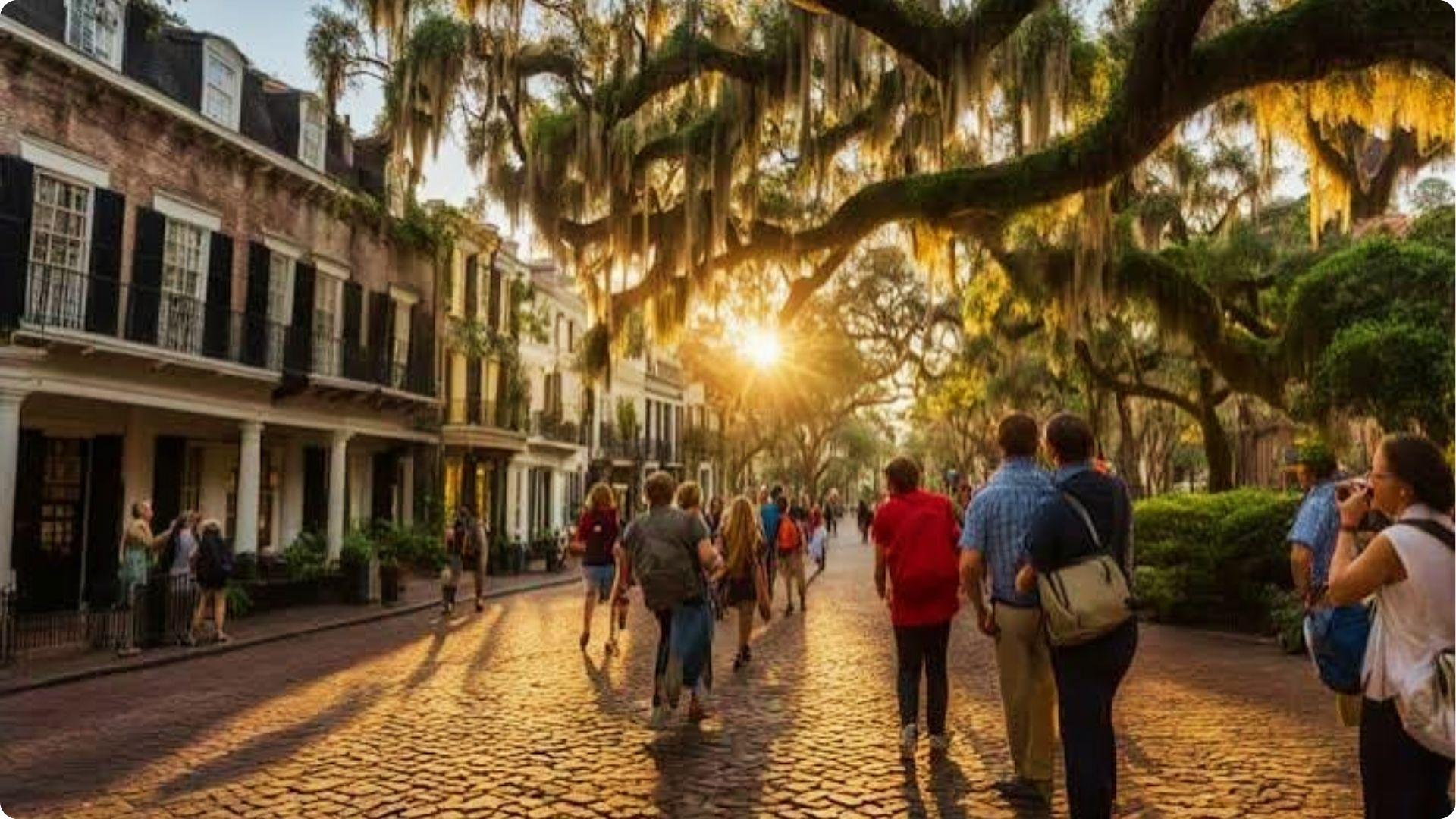
The squares are connected by wide streets lined with oak trees draped in Spanish moss, historic homes, and cultural sites.
Bull Street runs through the center of the district and connects many of the most visited squares in a straight line from north to south.
The layout makes it easy to walk from one square to the next without getting lost. Most of the major attractions sit within a compact area, which means you can cover a lot of ground without feeling rushed.
Walking Distance and Estimated Time
A standard self-guided walking tour of Savannah covers roughly 3 to 4 miles in total.
Most people complete the main route in 3 to 4 hours, but that does not include stopping for food, exploring museums, or sitting in the squares.
If you plan to visit attractions along the way, set aside 5 to 6 hours for a comfortable experience.
Starting and Ending Points
Most visitors start at Forsyth Park, which sits at the southern end of the historic district.
From there, the route moves north through the squares before ending at River Street along the Savannah River.
This direction gives you a natural flow through the city and finishes at one of Savannah's most popular spots.
Savannah Self-Guided Walking Tour Route
This route covers the most visited and historically rich parts of Savannah's historic district in a logical order that saves time and energy.
Forsyth Park
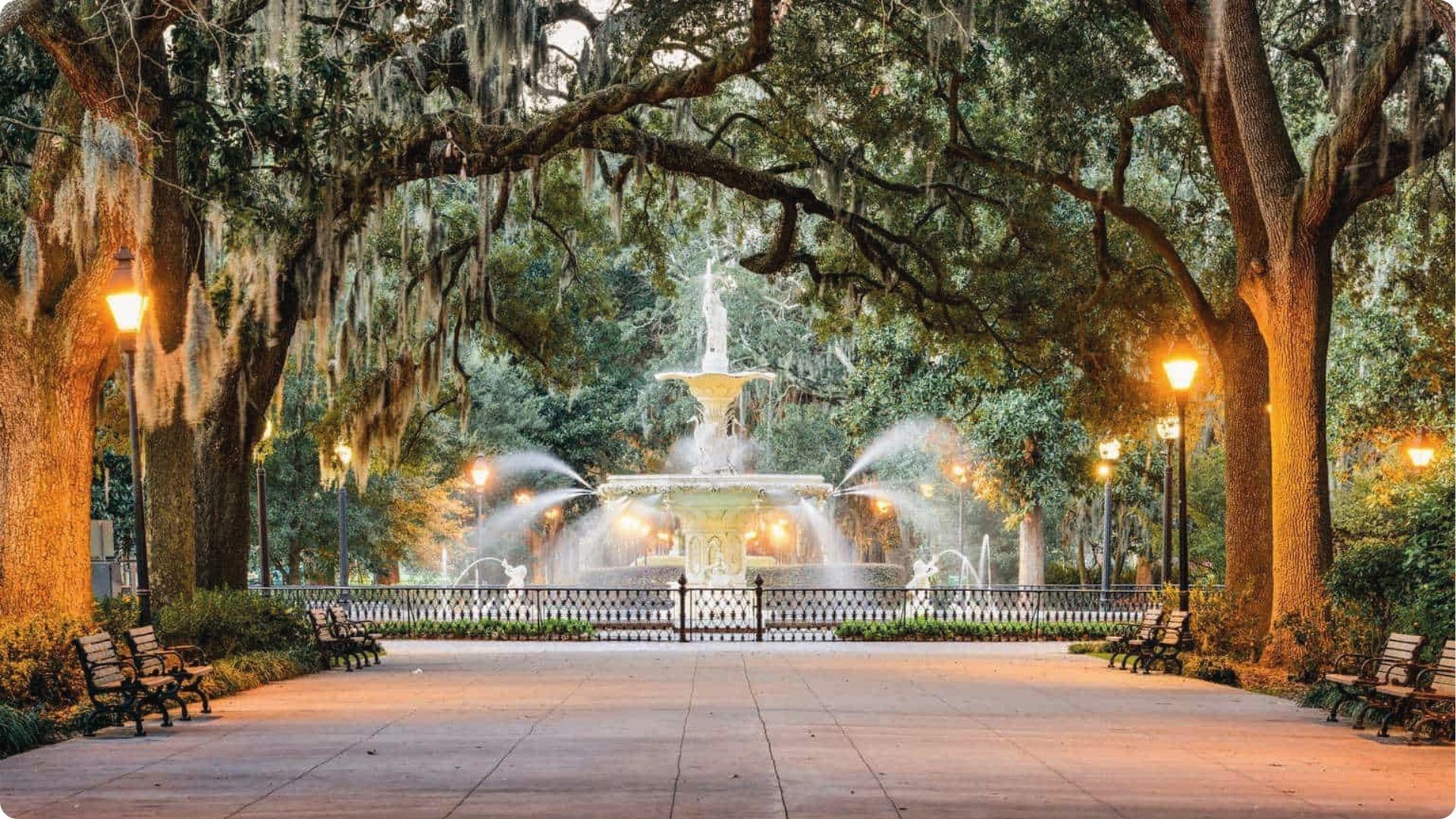
Start your walk at Forsyth Park, a 30-acre green space at the heart of the historic district.
The park is best known for its large white cast-iron fountain dating back to 1858, which is one of the most photographed spots in Savannah.
In the mornings, the park is calm and easy to enjoy before the crowds arrive.
Take a slow walk around the fountain and the grounds before heading north toward the squares.
Monterey Square and Mercer-Williams House
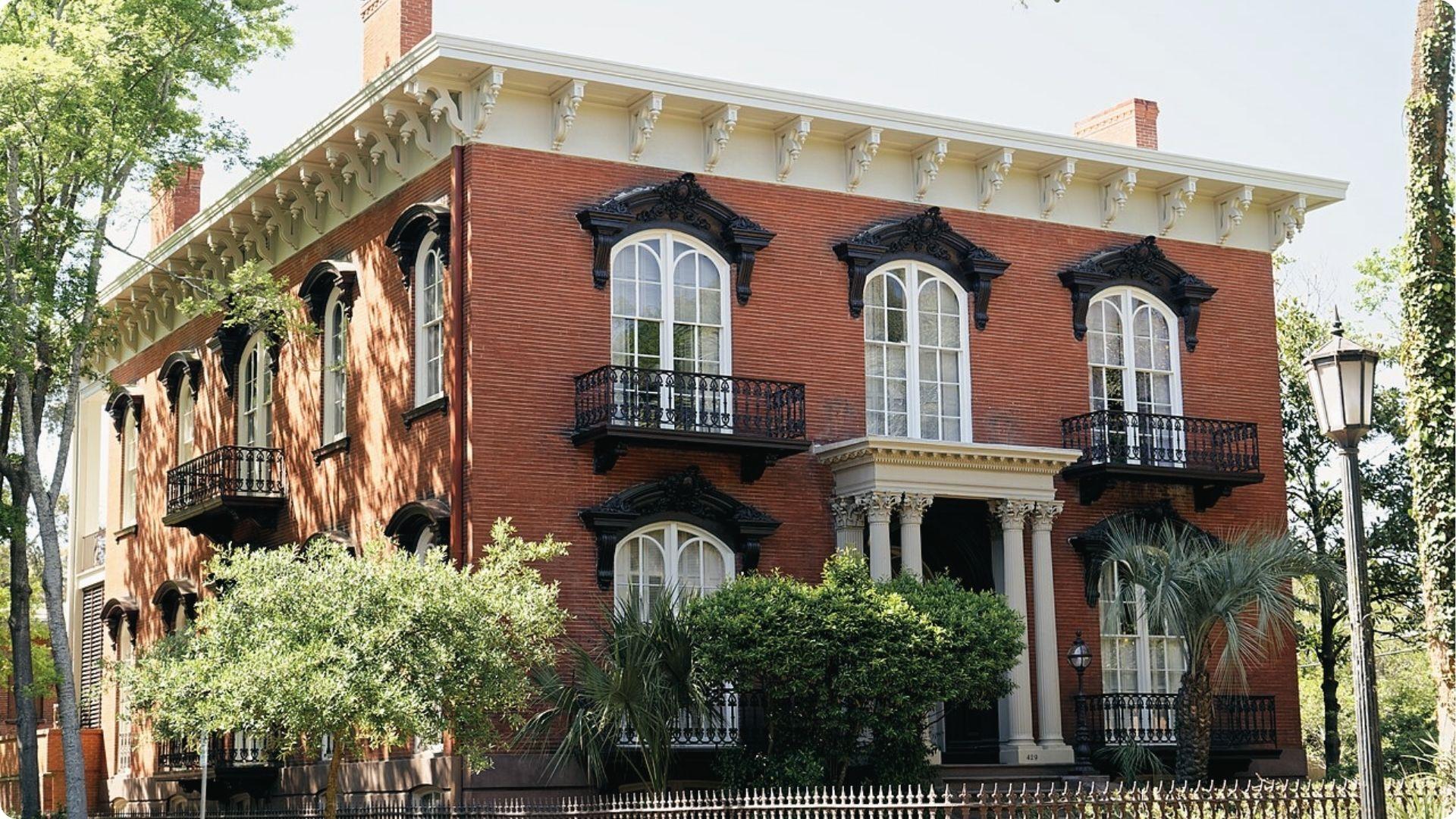
A short walk north from Forsyth Park brings you to Monterey Square.
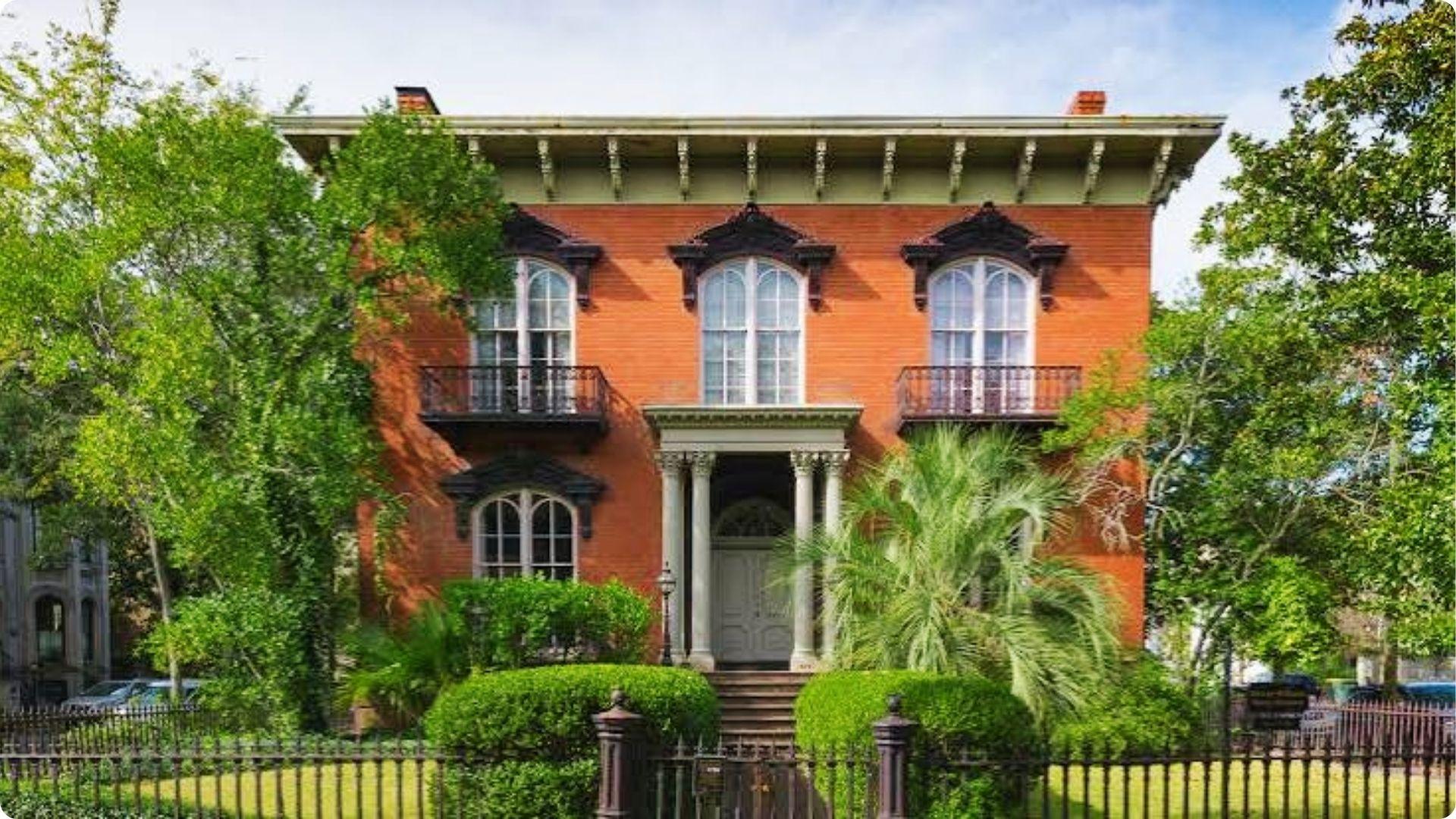
This square is home to the Mercer-Williams House, a grand antebellum mansion made famous by the book "Midnight in the Garden of Good and Evil."
The house is open for tours if you want to go inside, but even a stop on the sidewalk gives you a good look at the architecture.
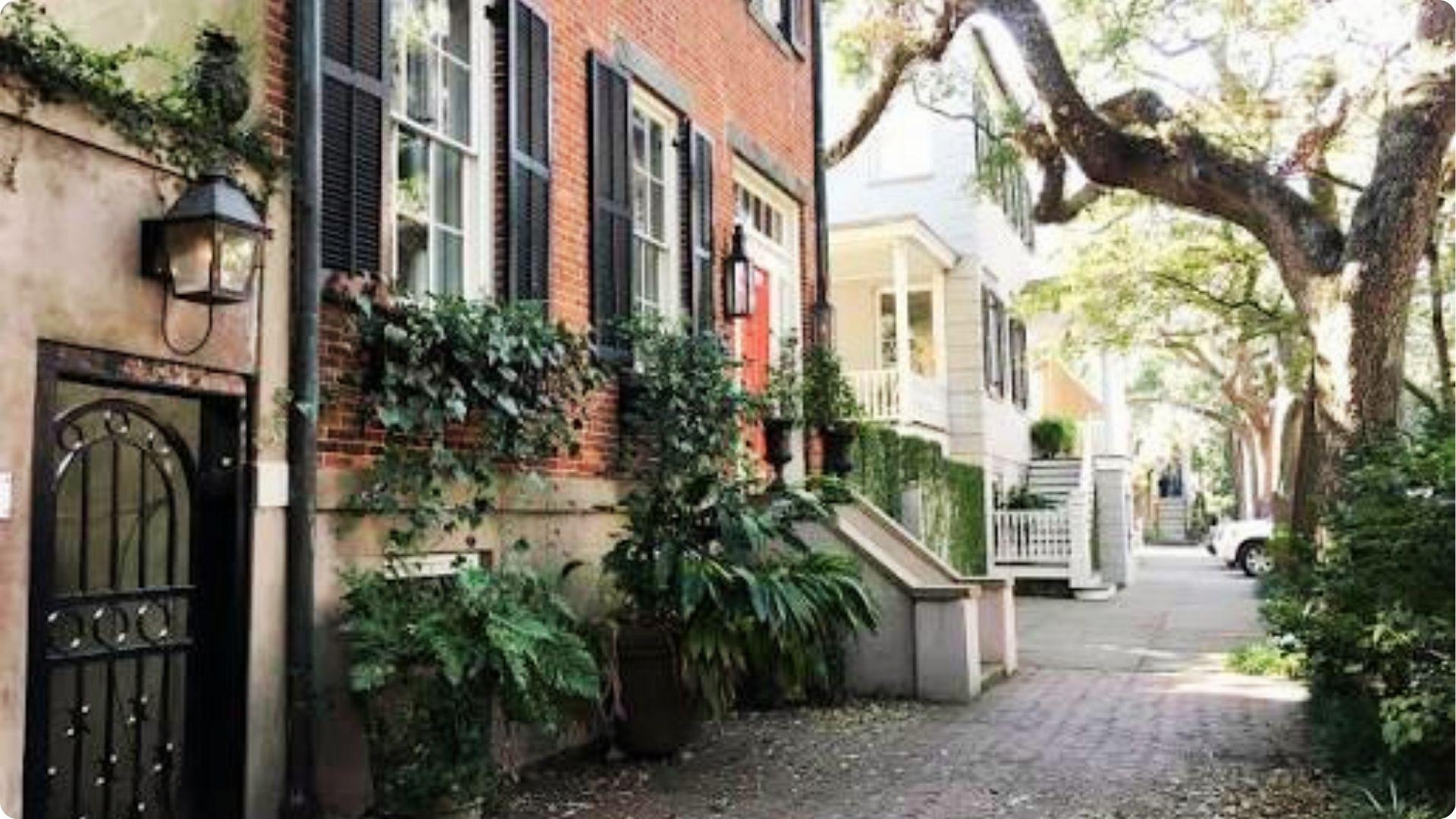
Just around the corner, Jones Street is worth a quick detour. It is known for its original brick paving from the mid-1800s and oak-shaded sidewalks lined with 19th-century homes.
Chippewa Square
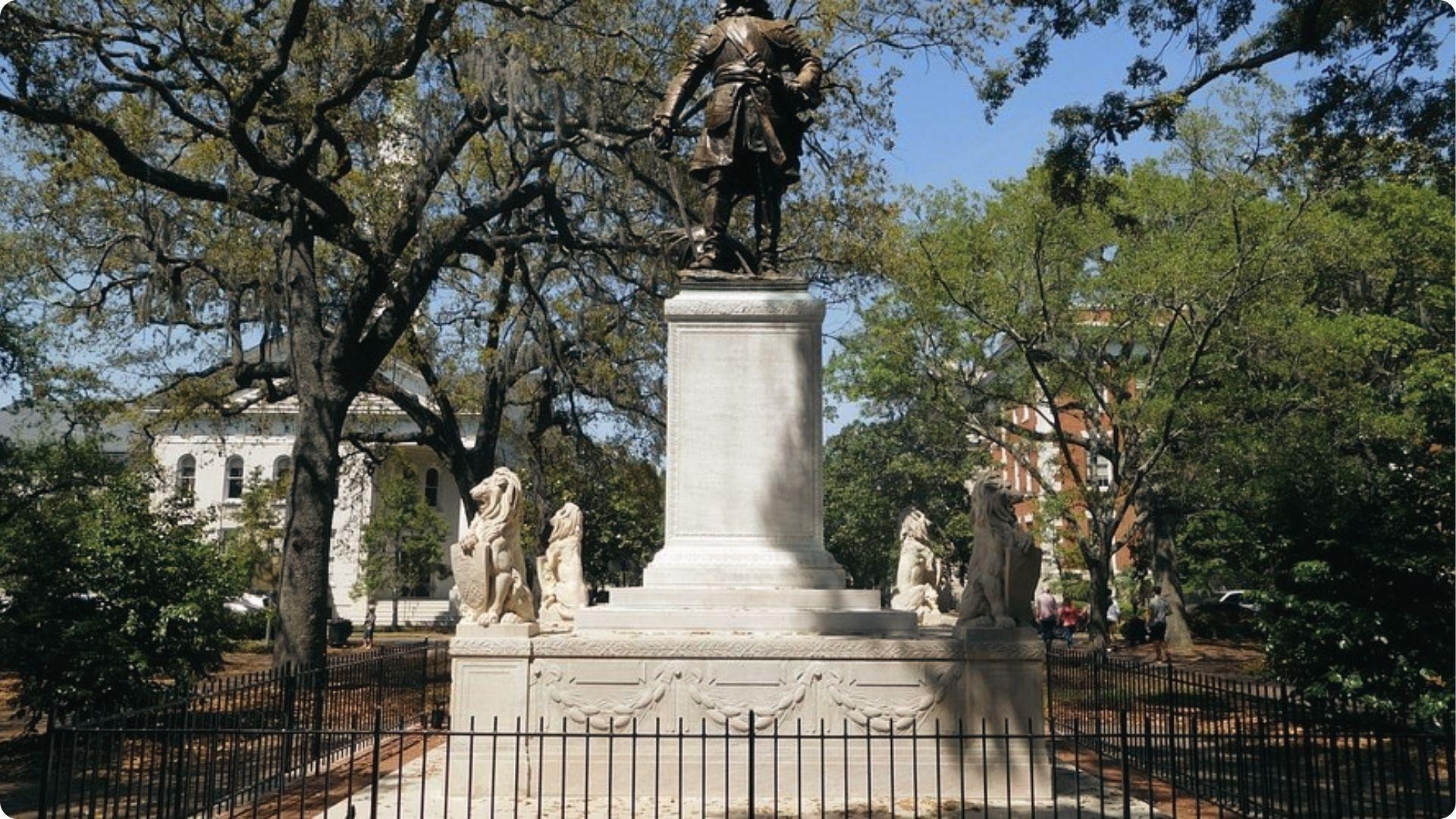
Chippewa Square is one of the most recognized squares in the city because of its connection to the film Forrest Gump.
The bench used in the movie is no longer there, but a replica is on display at the Savannah History Museum.
The square itself is quiet and well shaded, making it a good place to rest before continuing north.
Wright Square
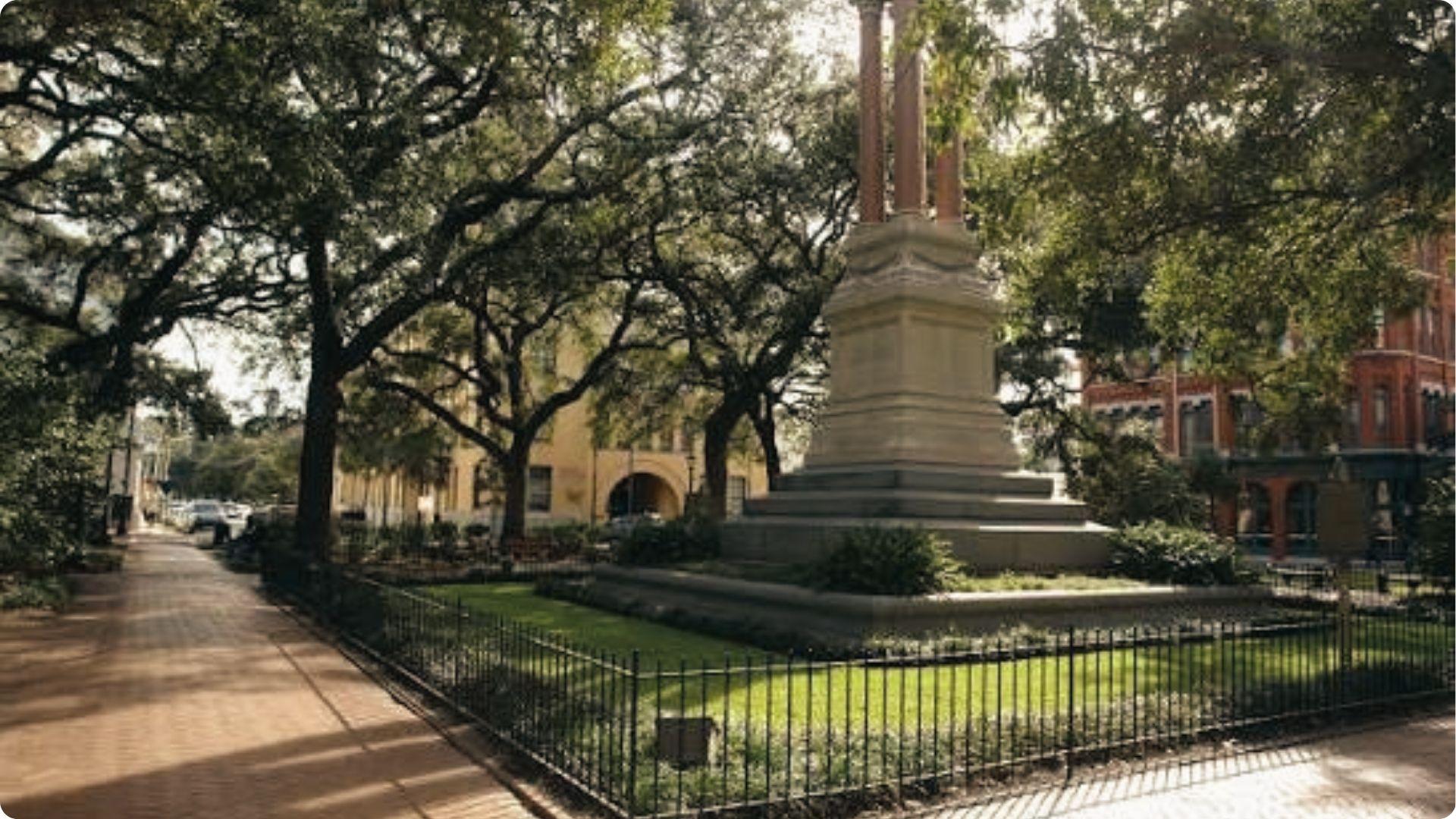
Wright Square is one of the oldest squares in Savannah and sits near the center of the historic district.
It is named after James Wright, a colonial governor of Georgia. The square has several large oak trees and a central monument.
It is also close to several shops and cafes if you want to stop for a snack.
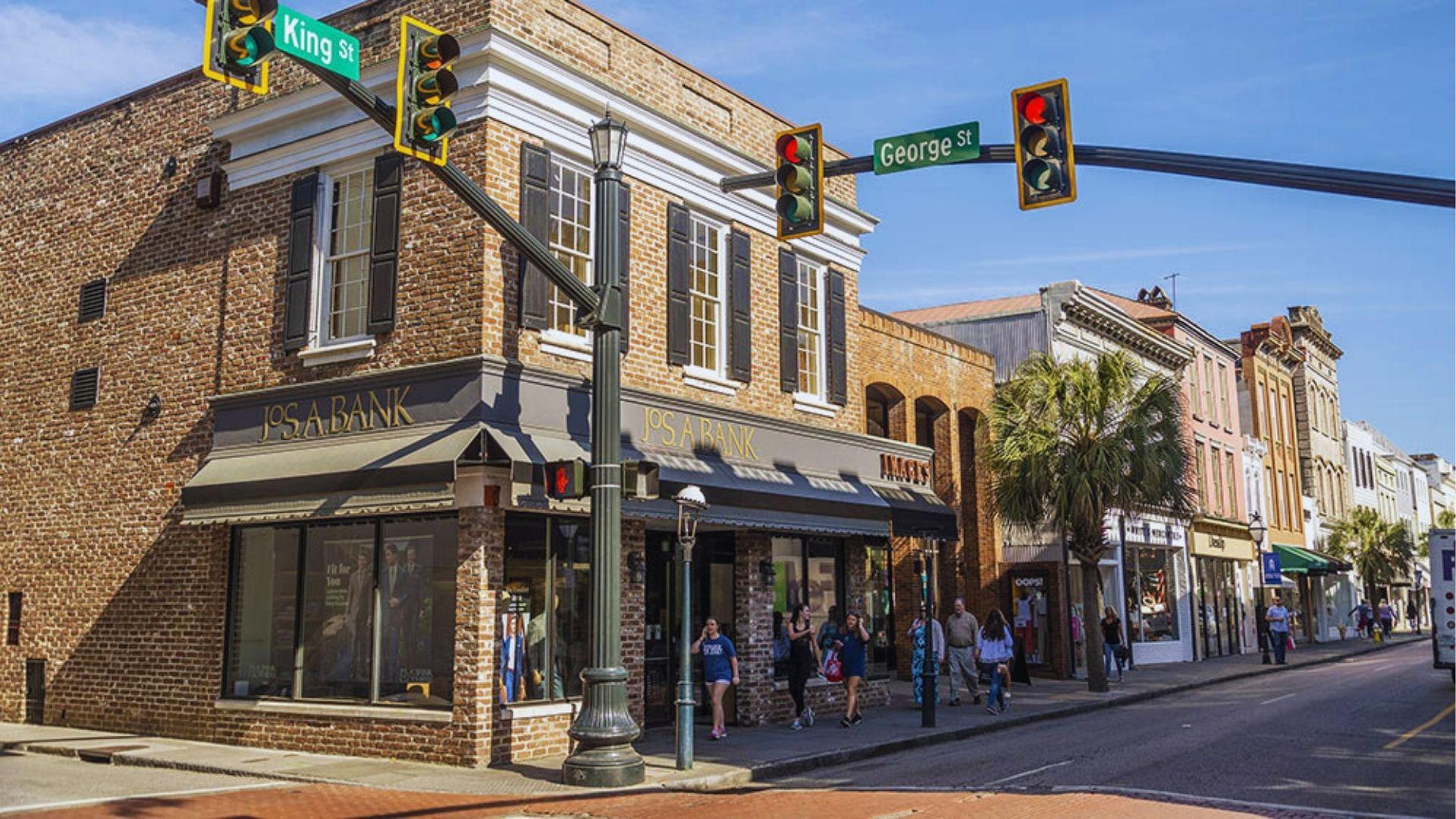
Broughton Street, Savannah's main shopping and dining corridor, is just a short walk east from here if you want to browse stores or grab a coffee.
Telfair Square and Telfair Museums
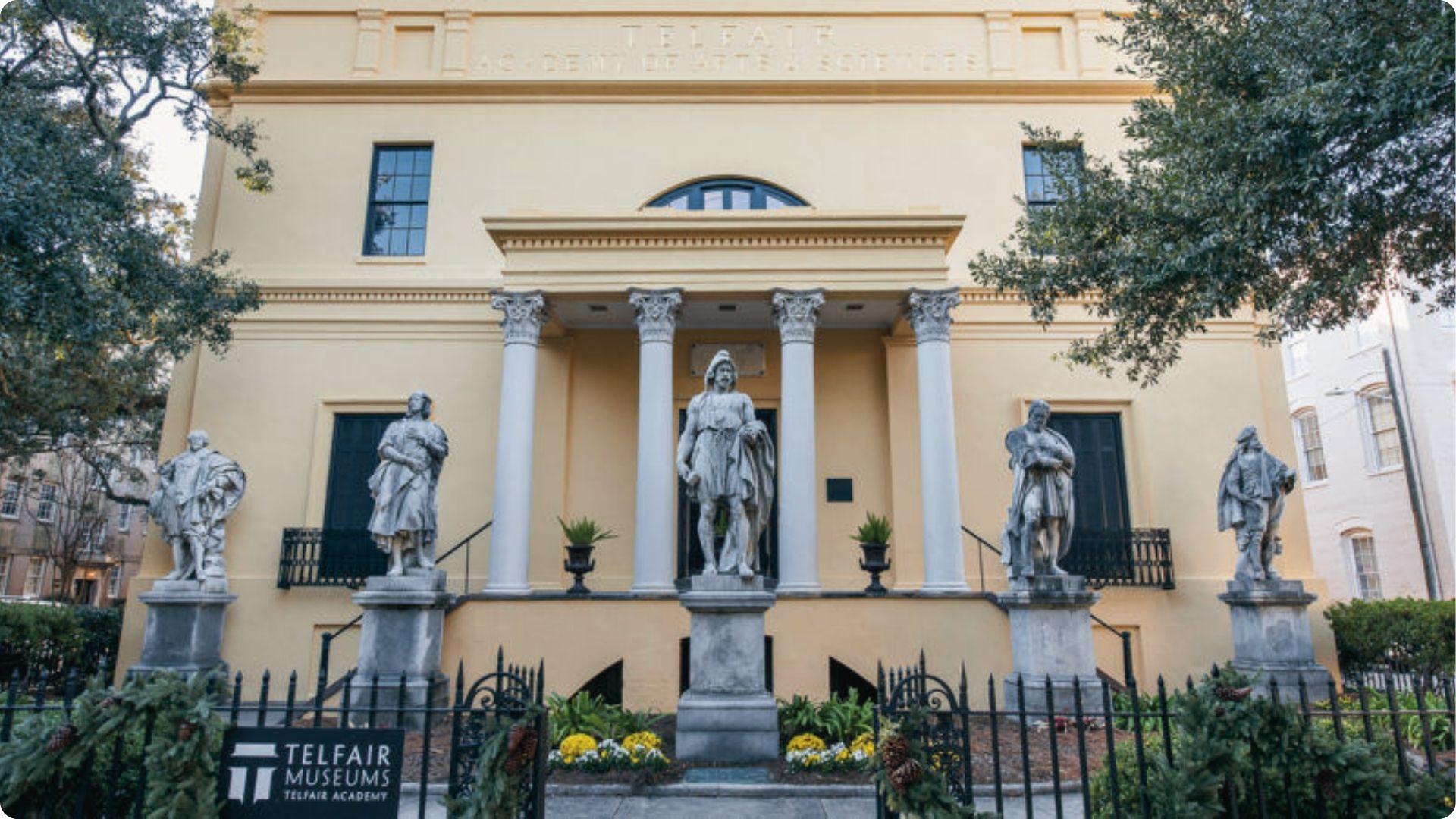
Telfair Square is home to two of Savannah's most important cultural institutions.
The Telfair Academy and the Jepson Center both sit on this square and are part of the Telfair Museums network.
The Telfair Academy is the oldest public art museum in the South and also houses the famous Bird Girl statue. If you enjoy art and history, plan to spend at least an hour here.
The buildings themselves are worth seeing even from the outside.
Savannah City Market
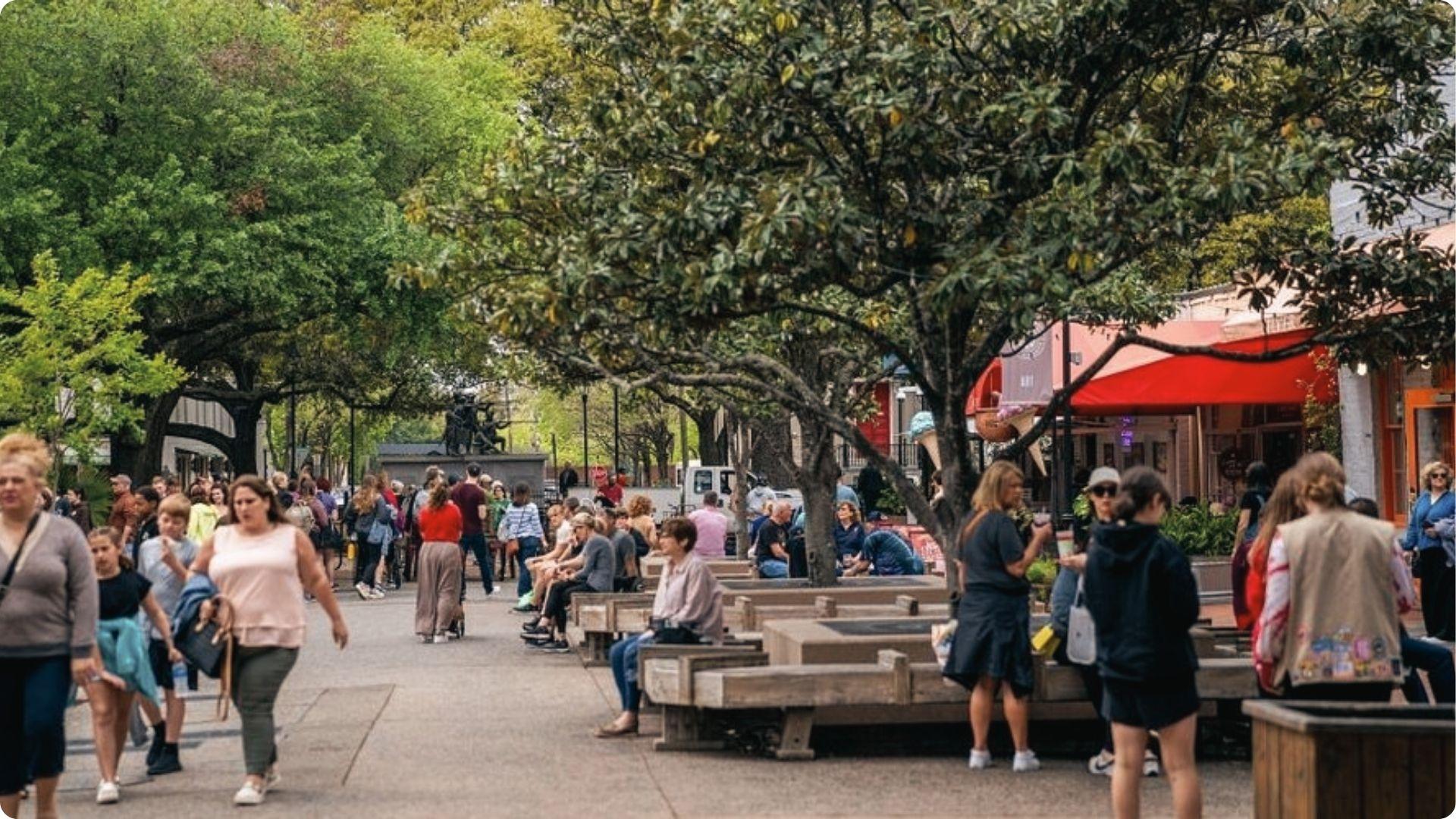
City Market is a lively open-air district with shops, restaurants, galleries, and live music.
It covers four city blocks and is one of the best places in Savannah to grab a meal, browse local artwork, or pick up a gift.
The area is open most of the day and tends to get busy in the afternoon.
The First African Baptist Church, one of the oldest Black congregations in the country, is located just behind Franklin Square nearby and is worth a short detour if you have extra time.
River Street and Factors Walk
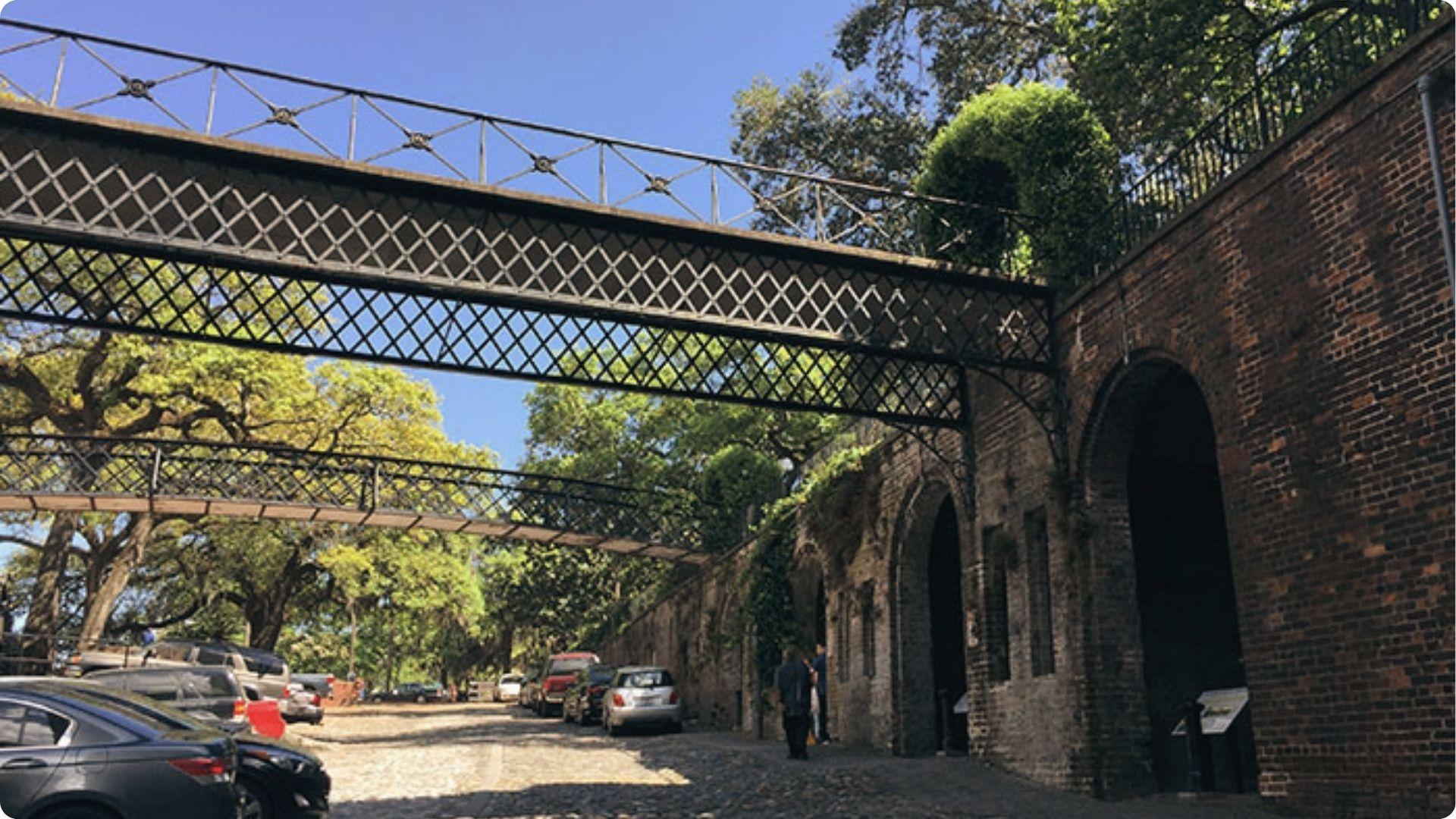
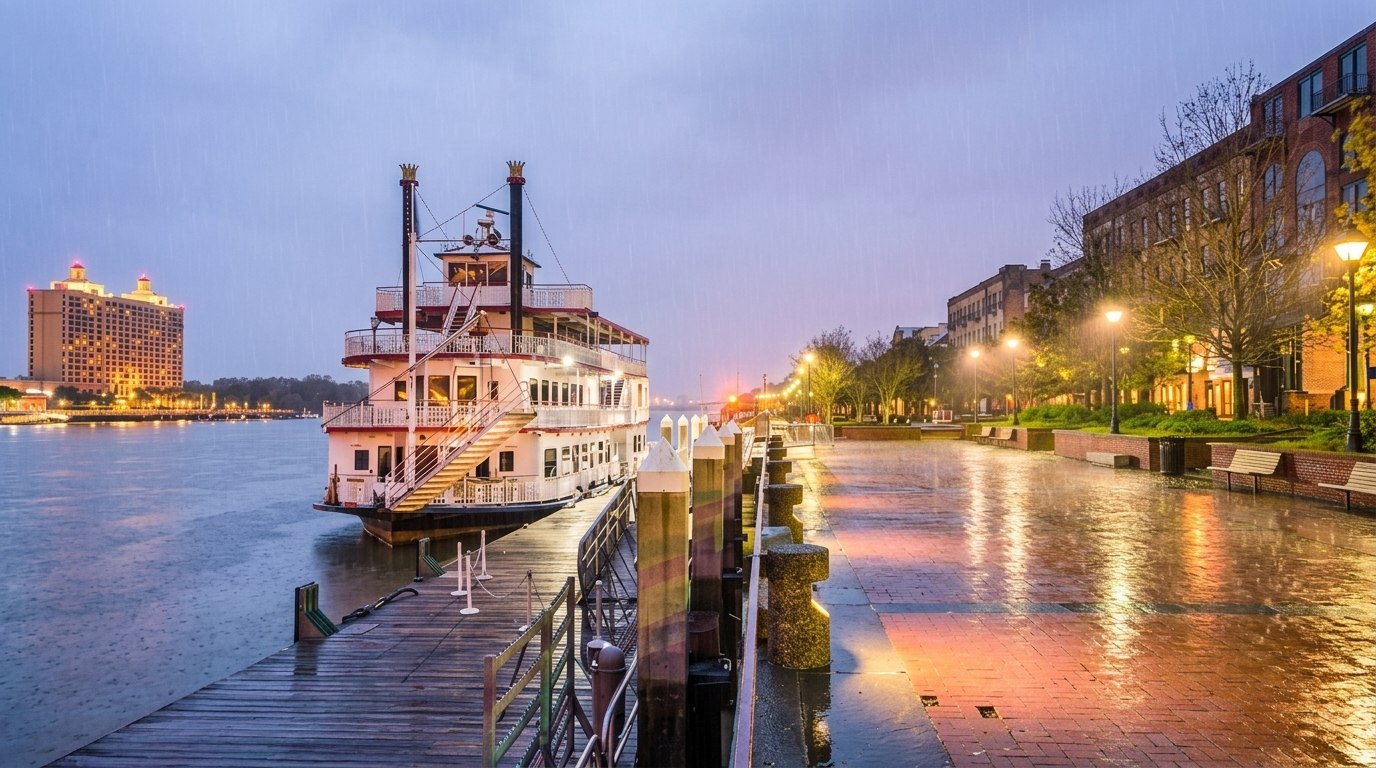
River Street is the final stop on this route and runs along the Savannah River. The street is lined with restaurants, bars, shops, and river views.
Factors Walk, which sits just above River Street, connects the bluff to the waterfront through a series of iron bridges and cobblestone ramps.
At the west end of the riverfront, Plant Riverside District sits inside a restored 1912 power plant and offers rooftop bars, dining, and seasonal events.
This whole area is a great place to end your walk and spend time at your own pace.
What Can You See on a Savannah Walking Tour?
Savannah packs a lot into a small area, and a walking tour gives you access to the best of it without rushing.
Historic Squares and Parks
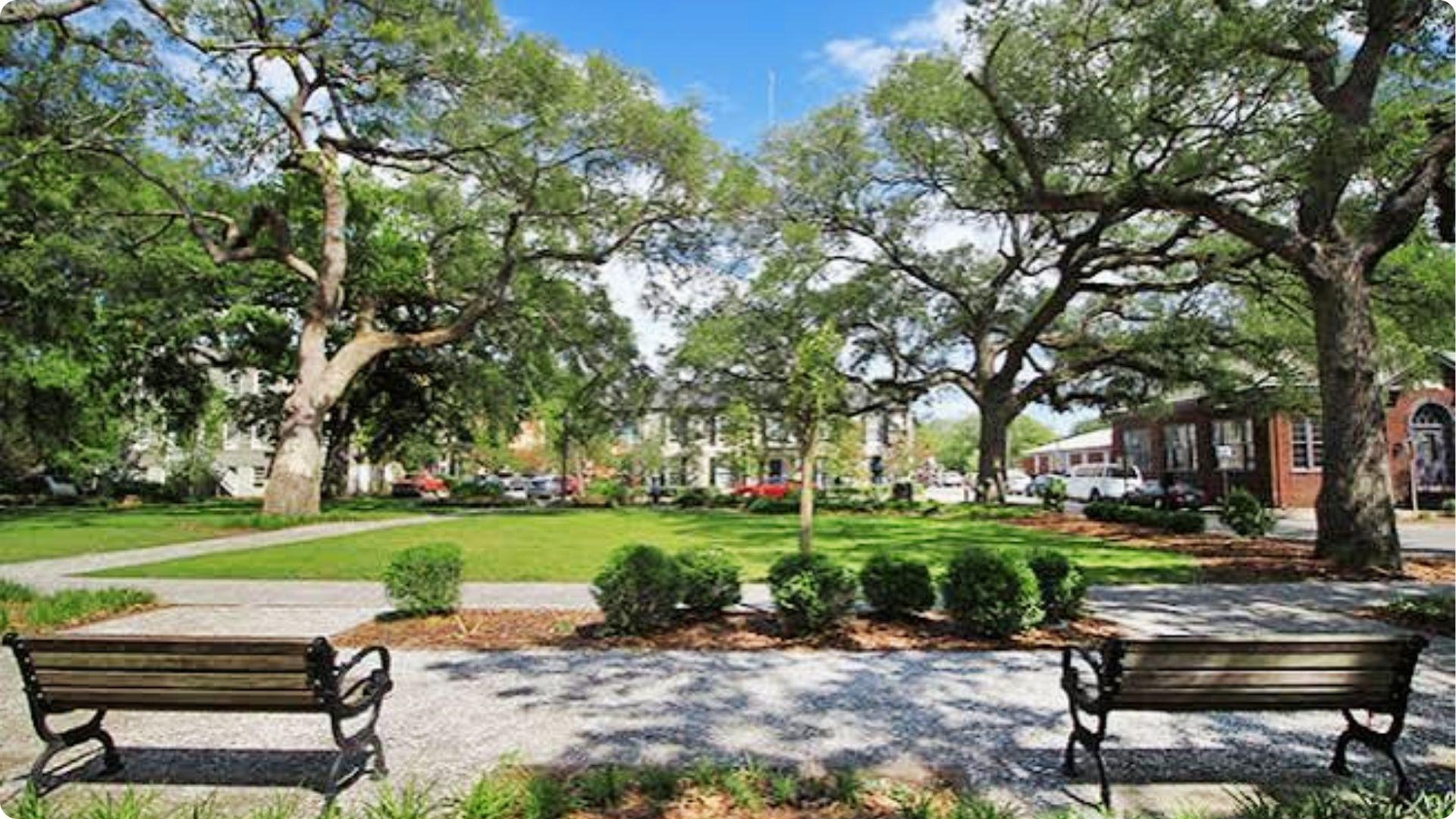
Savannah has 22 squares, each with its own history and character. Some are quiet residential spaces while others are surrounded by shops and museums.
Forsyth Park is the largest green space, but smaller squares like Columbia Square and Lafayette Square are worth a stop as well.
Johnson Square, the very first square laid out by General Oglethorpe in 1733, sits near the northern end of Bull Street and is a good reminder of how the whole city plan began.
Historic Homes and Architecture

The historic district is full of well-preserved homes from the 18th and 19th centuries.
Federal, Greek Revival, Italianate, and Regency styles are all common throughout the neighborhood.
Many of the homes are still privately owned but open to the sidewalk for viewing.
The Owens-Thomas House, which includes one of the few remaining urban slave quarters in the country, and the Davenport House are two of the most notable examples open to the public.
The Hamilton-Turner Inn on Lafayette Square and the Juliette Gordon Low Birthplace, which was Savannah's first National Historic Landmark, are also worth seeing as you pass through.
Museums and Cultural Attractions
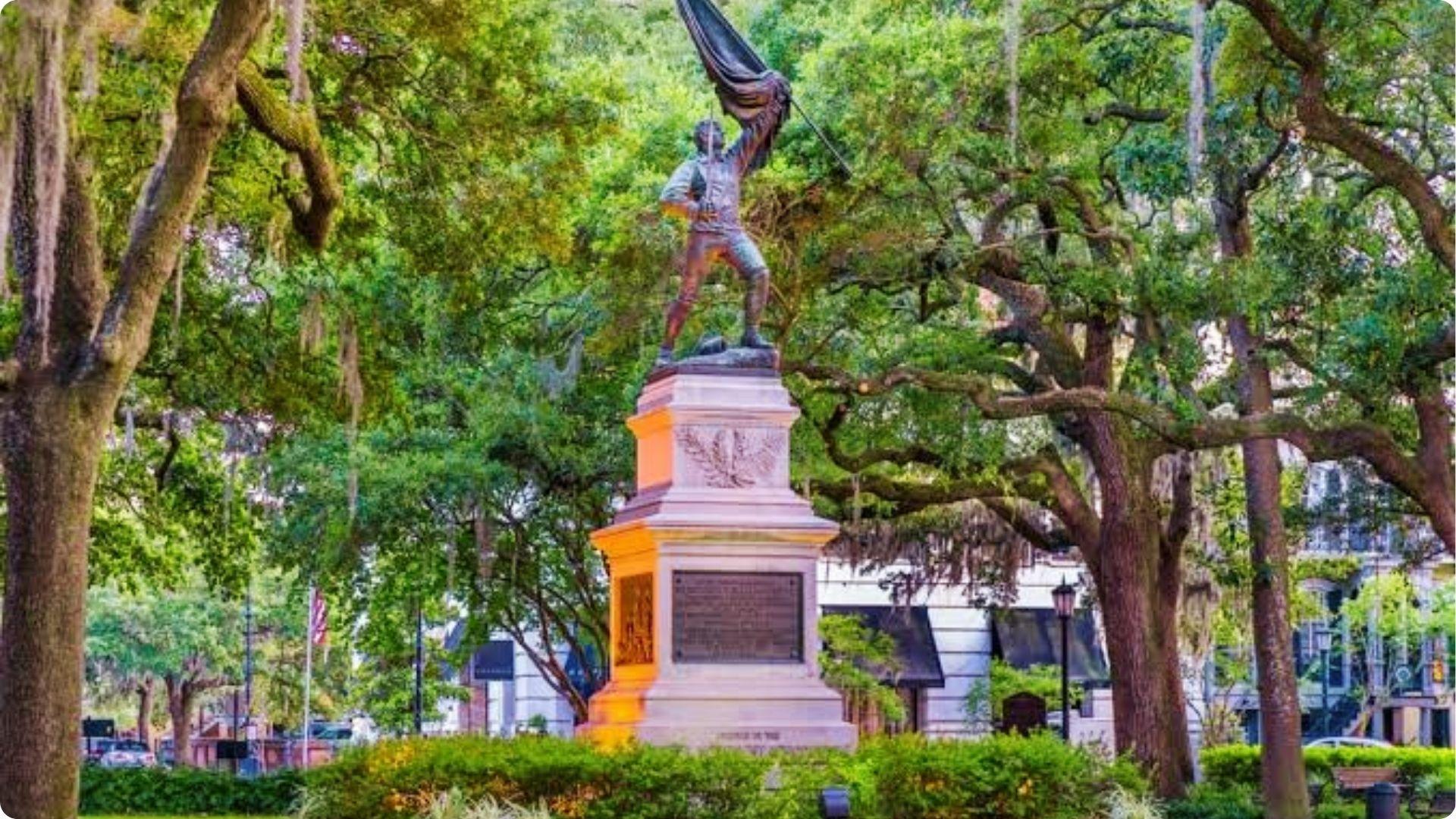
Savannah has a strong museum scene within walking distance of the main route.
The Telfair Museums, Savannah History Museum, and Ships of the Sea Maritime Museum are all located in the historic district.
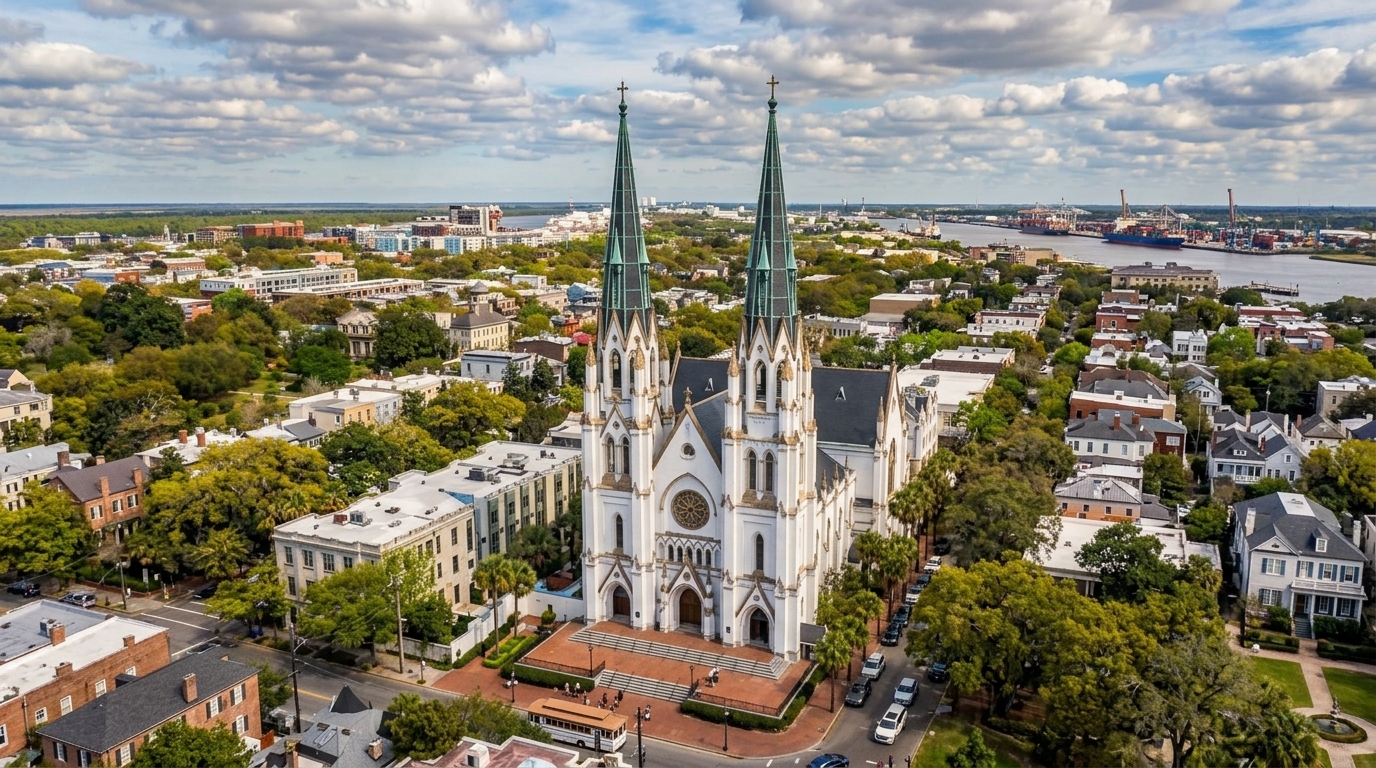
The Cathedral Basilica of St. John the Baptist, a French Gothic cathedral with twin spires and 81 stained glass windows, sits on Abercorn Street and is one of the most striking buildings you will pass.
If you plan to visit more than one museum, consider buying a combination ticket to save money.
Riverfront Sights, Shops, and Restaurants
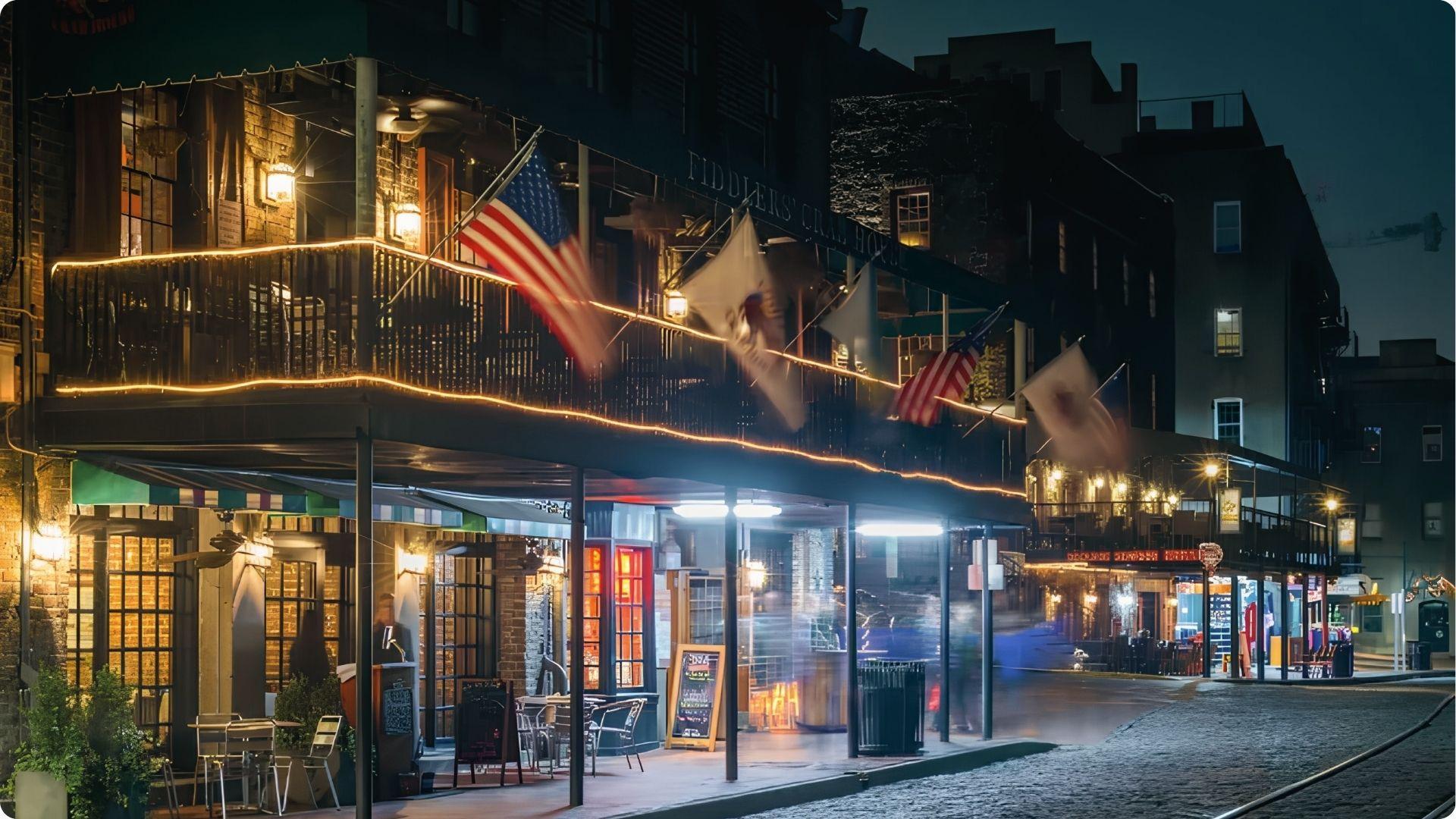
The riverfront area along River Street is one of the most visited parts of Savannah. The restaurants here serve fresh seafood and Southern food.
The shops sell local goods, art, and souvenirs. In the evenings, live music is common along the strip.
Colonial Park Cemetery, located on Abercorn Street, is also nearby and is one of the oldest cemeteries in the American South, with graves dating back to the 1700s.
How Long Does a Savannah Walking Tour Take?
The time you need depends on how you like to travel.
A fast walk through the main route without stopping inside any attractions takes about 2 to 3 hours.
If you stop to eat, visit museums, or sit in the squares, plan for 5 to 6 hours.
For a full day of relaxed exploration with meals and museum visits, 7 to 8 hours gives you plenty of room. Most visitors find that half a day covers the highlights well.
Is Savannah's Historic District Walkable?
Yes, Savannah's historic district is one of the most walkable neighborhoods in the American South.
The streets are wide and mostly flat. The squares provide natural rest stops throughout the route.
Sidewalks are generally in good condition, though some cobblestone areas near River Street can be uneven.
The stone staircases leading from Bay Street down to River Street are steep and uneven, so use the public elevator located behind City Hall near the Hyatt if you want an easier descent.
Visitors with mobility concerns should note that River Street and Factors Walk involve slopes and uneven surfaces.
For most people, the historic district is easy to cover on foot without any special preparation.
What Is the Best Time to Take a Savannah Walking Tour?
Timing your walk well can make a big difference in how much you enjoy it.
Best Time of Day to Walk
Early morning is the best time to walk in Savannah. The streets are quiet, the light is soft, and the temperature is cooler.
Starting between 7 and 9 a.m. gives you several hours of comfortable walking before the midday heat sets in.
Late afternoon, after 4 p.m., is another good option as the temperature drops and the crowds thin out.
Best Months for a Walking Tour
March, April, October, and November are the most comfortable months for a Savannah walking tour.
Temperatures during these months are mild and the weather is generally dry.
Spring also brings blooming trees and flowers throughout the squares, which makes the walk more scenic.
If you visit during St. Patrick's Day in mid-March, the city hosts one of the largest parades in the country, so expect large crowds and a very different atmosphere.
Walking in Savannah's Heat and Rain
Summer in Savannah is hot and humid. July and August temperatures often reach the high 90s Fahrenheit, and afternoon thunderstorms are common.
If you visit in summer, start your walk early and carry water. Brief rain showers pass quickly, but it is worth packing a small umbrella or rain jacket just in case.
Note that red bugs, also called chiggers, can live in the Spanish moss hanging from the trees, so it is best to look and not touch the moss as you walk.
Which Savannah Walking Tour Route Is Best for You?
Not every visitor has the same goals, so it helps to choose a route that fits what you want to see.
Best Route for First-Time Visitors
First-timers should follow the main self-guided route from Forsyth Park to River Street along Bull Street.
This covers all of the major landmarks and gives you a solid overview of the city in one walk.
Best Route for History and Architecture
If history and architecture are your focus, add stops at the Owens-Thomas House and Slave Quarters, Davenport House, Colonial Park Cemetery, and the Cathedral Basilica of St. John the Baptist to your route.
These stops are easy to include without adding much extra distance.
Best Route for Food and Shopping
For food and shopping, center your walk around Broughton Street, City Market, and River Street.
All three areas have a strong selection of restaurants, local shops, and places to sit down and relax between stops.
Best Route for Families
Families with children do well on a shorter loop that includes Forsyth Park, Chippewa Square, City Market, and River Street.
Adding the Juliette Gordon Low Birthplace is a great option for families with young girls, as it is the founding site of the Girl Scouts of America.
This covers about 2 miles and includes open spaces where kids can run around.
Common Savannah Walking Tour Mistakes to Avoid
Small planning mistakes can turn a great walk into a frustrating one. Here are the most common ones to watch for.
- Savannah has more to see than most expect, so pick 5 to 7 key stops and enjoy them fully instead of rushing through everything in one day.
- Museum visits, restaurant waits, and square strolls all take longer than planned, so build extra buffer time into your schedule from the start.
- Check the weather forecast before heading out and know which streets have cobblestones or slopes so you can wear the right footwear.
- Dehydration sneaks up fast in warm weather, so stop in the squares every 45 to 60 minutes to rest and drink water.
- Some museums and historic homes have limited hours or are closed on certain days, so check online the night before to avoid a wasted stop.
What Should You Bring on a Savannah Walking Tour?
Packing the right items makes the walk more comfortable and keeps you from cutting it short.
Comfortable Shoes and Clothing
Wear shoes with good support and a flat sole. Sandals and flip-flops are not recommended because of the cobblestone areas near the riverfront.
Light, breathable clothing works well in warm weather.
Water, Snacks, and Sun Protection
Carry at least one water bottle and refill it at water fountains in the squares. Pack a light snack if you plan to walk for more than a few hours.
Sunscreen and a hat are important in spring and summer when the sun is strong. Bug spray is also a good idea in warmer months.
Phone, Offline Map, and Navigation Tools
Download an offline map of Savannah before you leave your hotel. Cell service in parts of the historic district can be spotty.
Google Maps and Maps.me both offer offline options. A printed map from the Savannah Visitor Center on Martin Luther King Jr. Boulevard is also a useful backup.
Plan Your Savannah Walking Tour With the Map
Savannah rewards walkers who come prepared and take their time. The historic district packs centuries of history, architecture, and culture into a compact and walkable area.
Use the route in this guide as your starting point, adjust it to fit your interests, and give yourself room to slow down when something catches your eye.
A well-planned Savannah walking tour covers the best of the city without the stress of figuring things out on the go.
Expert Tips for Using a Savannah Walking Tour Map
A few simple habits can help you get more out of your time in the city.
- Cluster your stops by location instead of jumping back and forth across the district to cut down on backtracking and keep the walk moving smoothly.
- Start your walk before 9 a.m. when the streets are cooler, quieter, and the light is better for photos in the squares.
- Give yourself at least 10 minutes in each square you plan to stop at because they are easy to rush through but worth slowing down for.
- Download your planned route offline before leaving your accommodation so you can access it even when your phone has no signal.
- Check your full plan the night before to confirm stop locations, distances, and any attraction hours that could affect your timing.
Conclusion
A Savannah walking tour is one of the best ways to see this city at your own pace.
You get to set the route, choose the stops, and spend as much time as you want in the squares and streets.
The key is to plan ahead, start early, and bring what you need to stay comfortable.
With the right preparation, you will cover the highlights and still have energy left to enjoy a meal on River Street.
If this guide helped you plan your trip, share it with someone else who is heading to Savannah and leave a comment below with your favorite stop.
Frequently Asked Questions
Is there a free map of Savannah's historic district available?
Yes, free printed maps are available at the Savannah Visitor Center on Martin Luther King Jr. Boulevard, just outside the historic district.
Can you do a Savannah walking tour with a stroller?
Most of the route works well with a stroller, though River Street and Factors Walk have uneven cobblestones and steep ramps that can be difficult to manage.
Are Savannah's historic squares open to the public at all times?
Yes, all 22 squares in Savannah are public spaces and open around the clock with no admission fee required to enter or pass through them.
Is parking available near Forsyth Park if you want to start the tour there?
Street parking is available around Forsyth Park, but spaces fill quickly. A nearby parking garage on Drayton Street is a reliable option on busy days.
Do Savannah's walking tours operate year-round?
Self-guided walking is possible year-round. Guided tour companies also operate throughout the year, though some reduce their schedules during the hottest summer months.