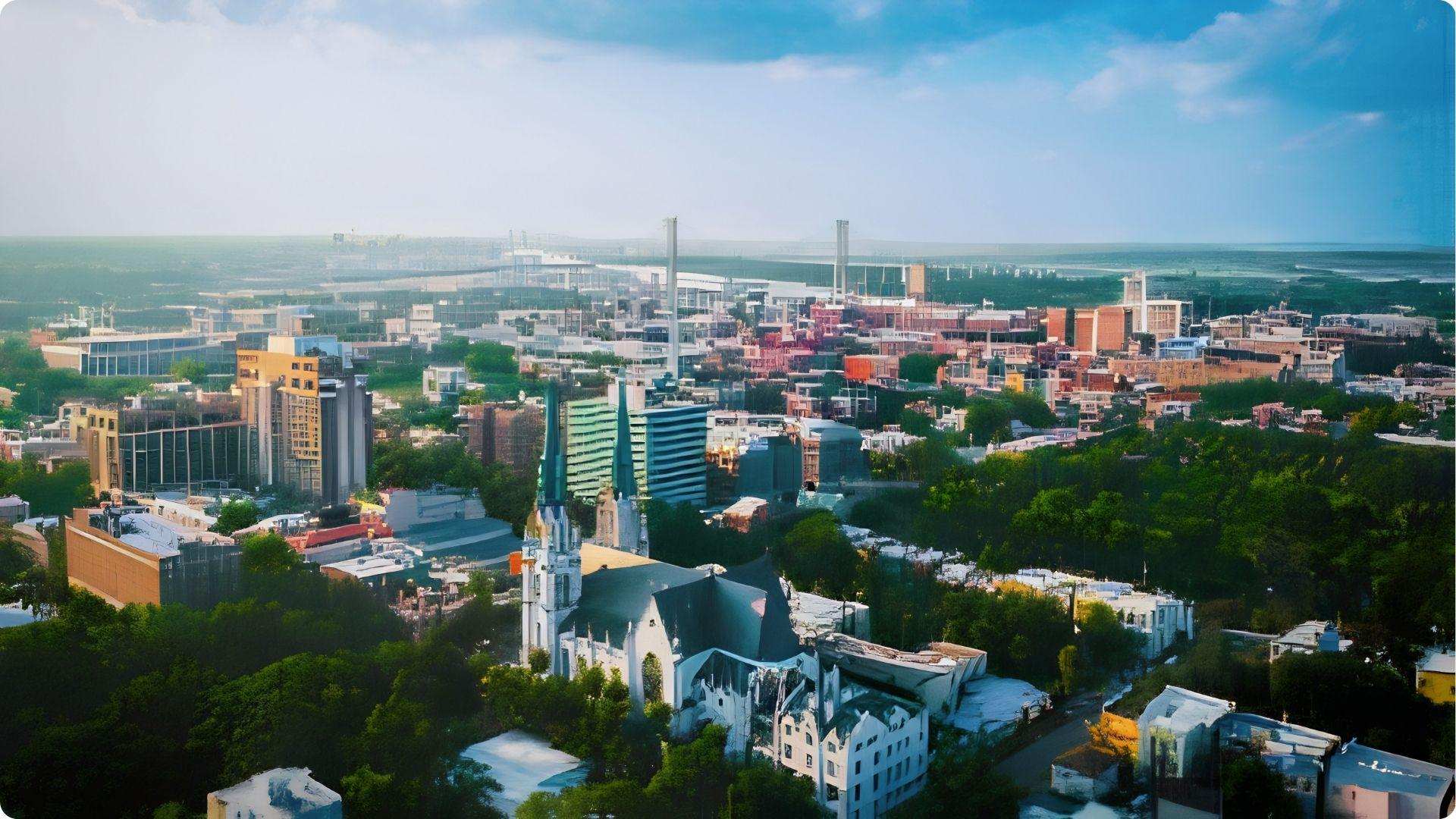
Savannah, Georgia has a way of pulling you in before you even have a plan.
I first looked into this city while helping a friend map out a Southern road trip, and the sheer range of things to do caught me off guard.
From moss-draped live oak trees and cobblestone streets to waterfront dining and landmark museums, there is a lot to take in.
This guide covers the 15 best Savannah Georgia tourist attractions, what to see first, how to get around, and when to go.
Whether you are a history lover, a food fan, or just looking for a great weekend trip, this article gives you everything you need to plan it well.
What Should You Know Before Visiting Savannah Tourist Attractions?
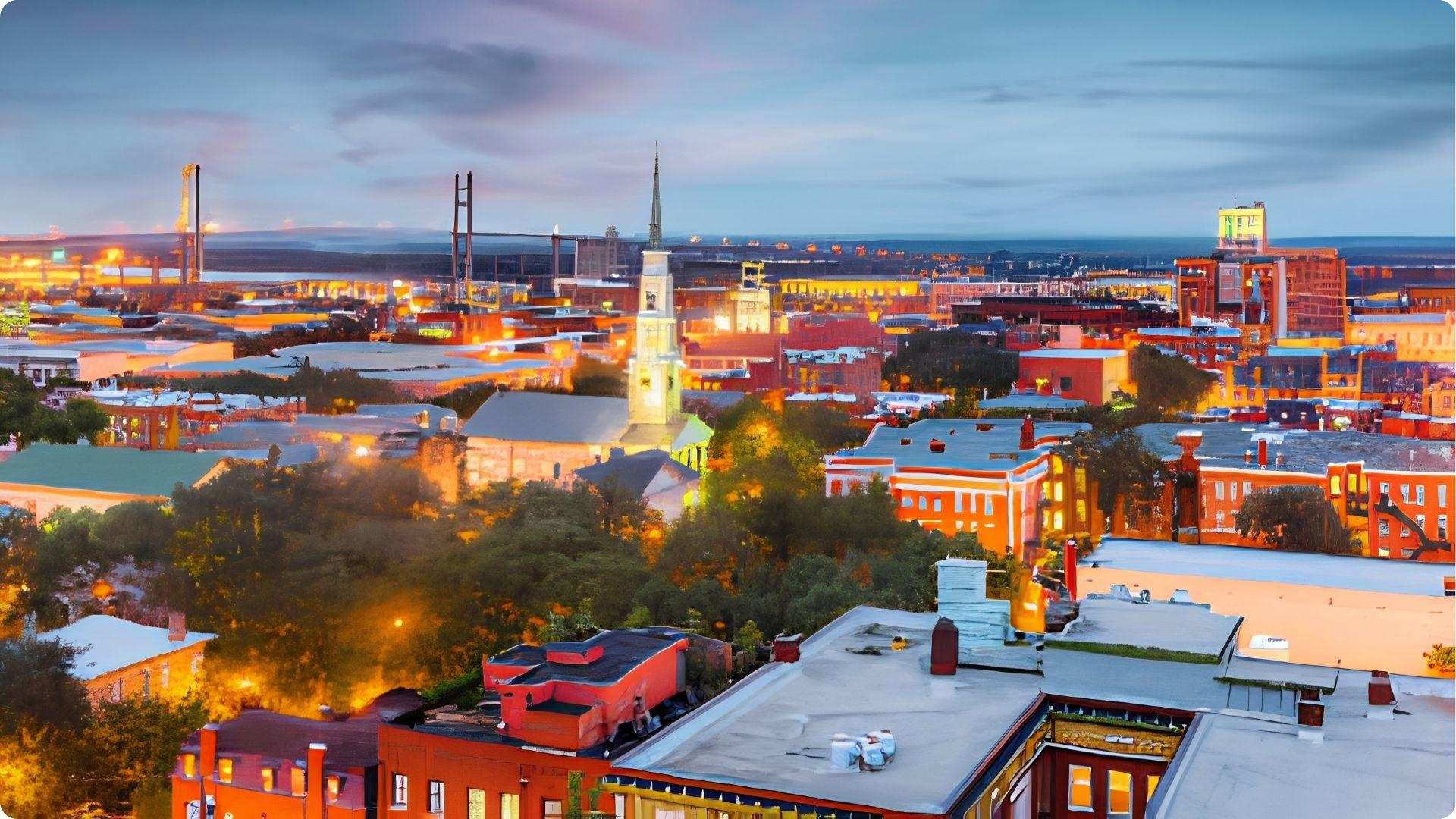
A little planning makes a real difference when visiting Savannah Georgia tourist attractions.
Start by checking attraction hours and admission fees on official websites, since many spots close on Mondays or have limited weekend access.
Popular tours like ghost walks and trolley rides fill up fast, so book tickets online at least a few days ahead.
Wear supportive, broken-in shoes because the Historic District runs across cobblestone streets and uneven brick paths.
Pack a light rain jacket since summer afternoons bring sudden thunderstorms.
Always build in at least 30 minutes of buffer between stops to account for parking, walking time, and anything unexpected that catches your eye along the way.
15 Best Savannah Georgia Tourist Attractions to Visit
These are the places worth putting on your list when you visit Savannah.
1. Forsyth Park
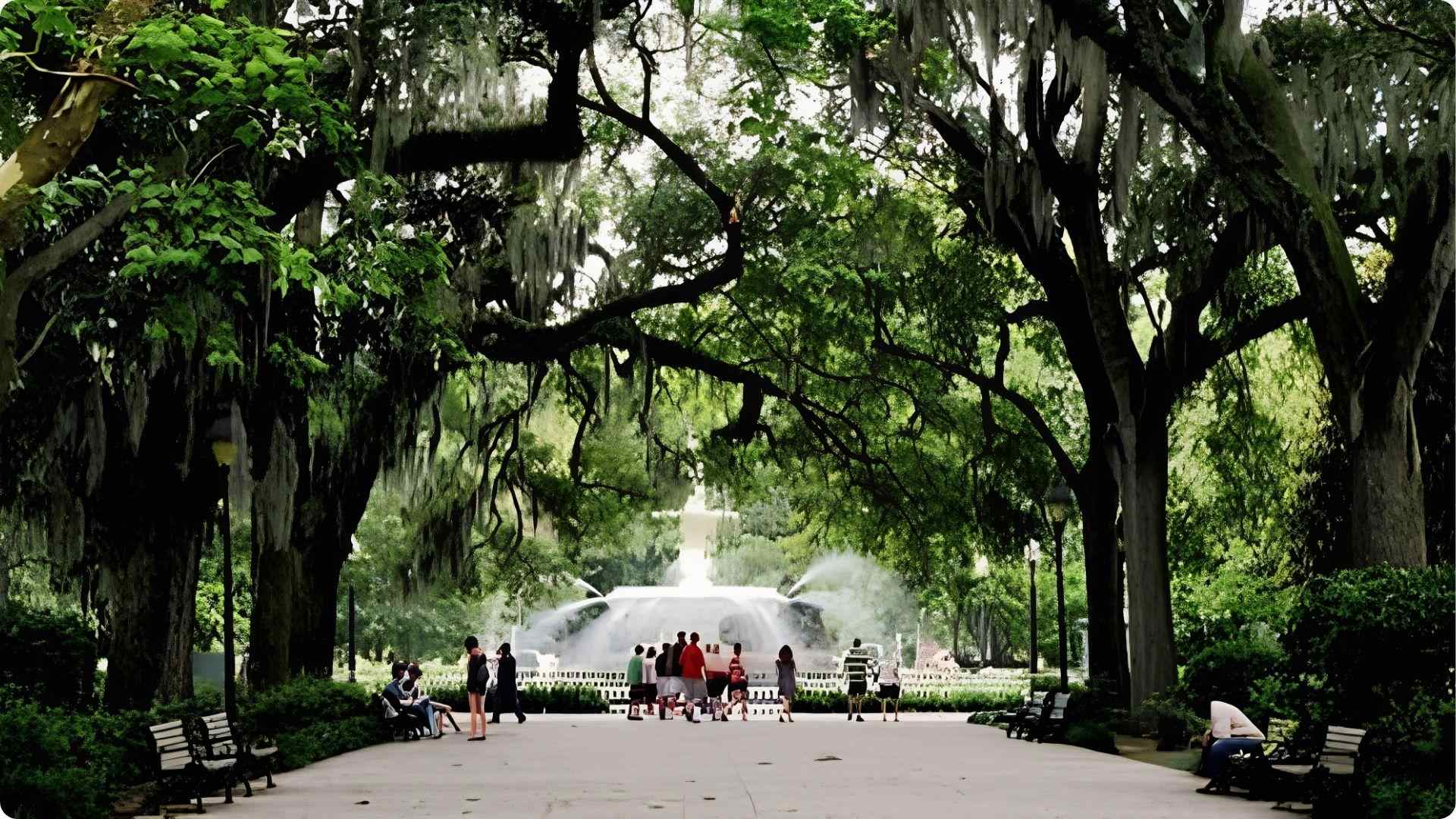
Forsyth Park is one of the most recognizable spots in the city. The 30-acre park sits at the southern end of the Historic District and is centered around a large white fountain that dates back to 1858.
It is free to visit and open every day. Families, joggers, and visitors all gather here throughout the day.
On Saturdays, the Forsyth Farmers Market sets up near the fountain with local produce, crafts, and food vendors.
On other weekends, you will often find musicians and small markets in the area as well. It is a great first stop when you arrive in the city.
2. Savannah Historic District
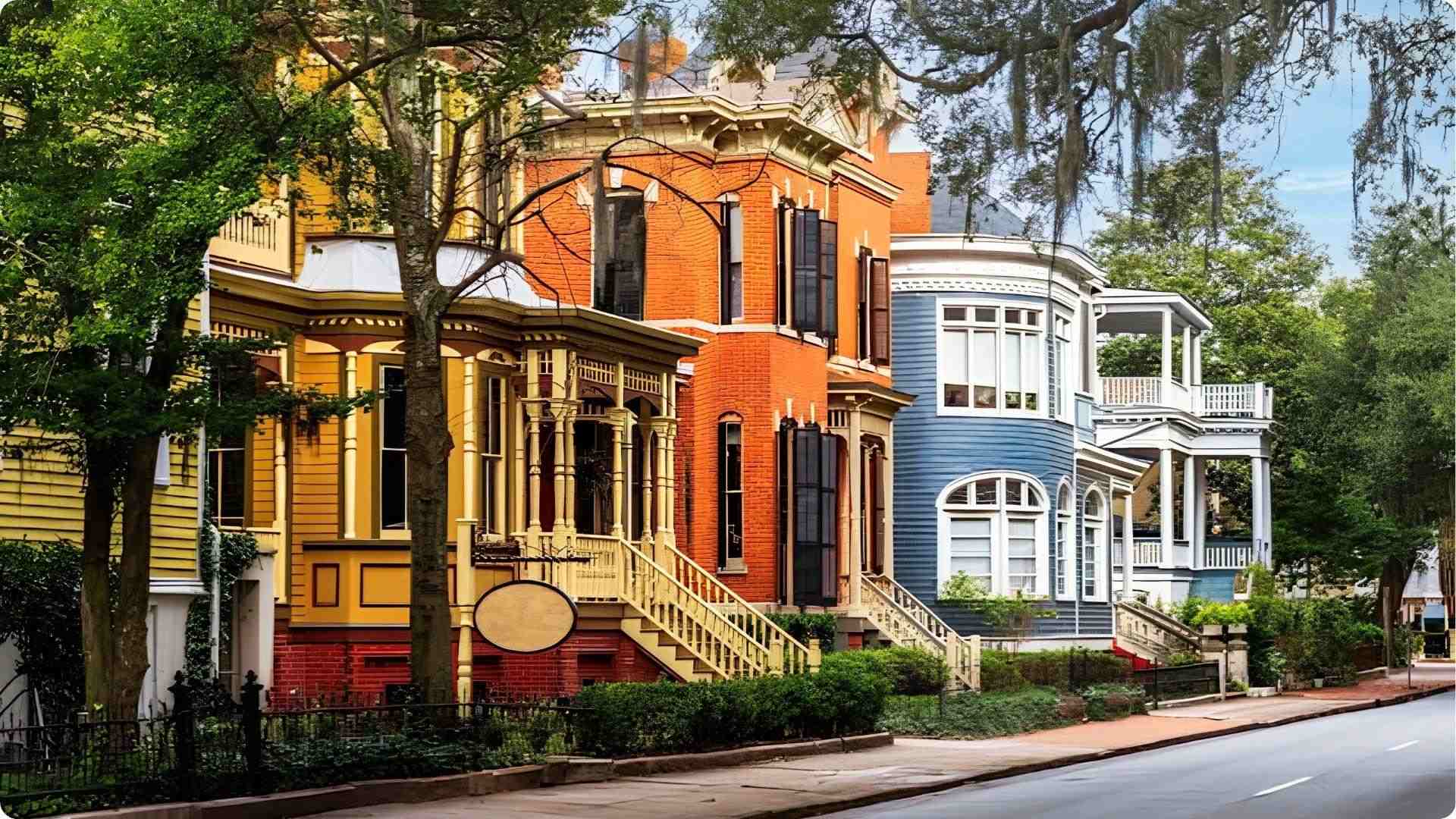
The Savannah Historic District is the heart of the city and one of the largest urban historic districts in the country.
It covers 2.5 square miles and includes over 20 public squares, antebellum homes, churches, and landmarks.
The canopy of live oak trees draped in Spanish moss lines many of the squares and gives the district its distinctive look.
Walking through gives you a real sense of the city's layout and history. Many of the squares have their own stories and monuments.
You can visit on your own or join a guided walking tour or hop-on hop-off trolley tour to get more context.
3. River Street
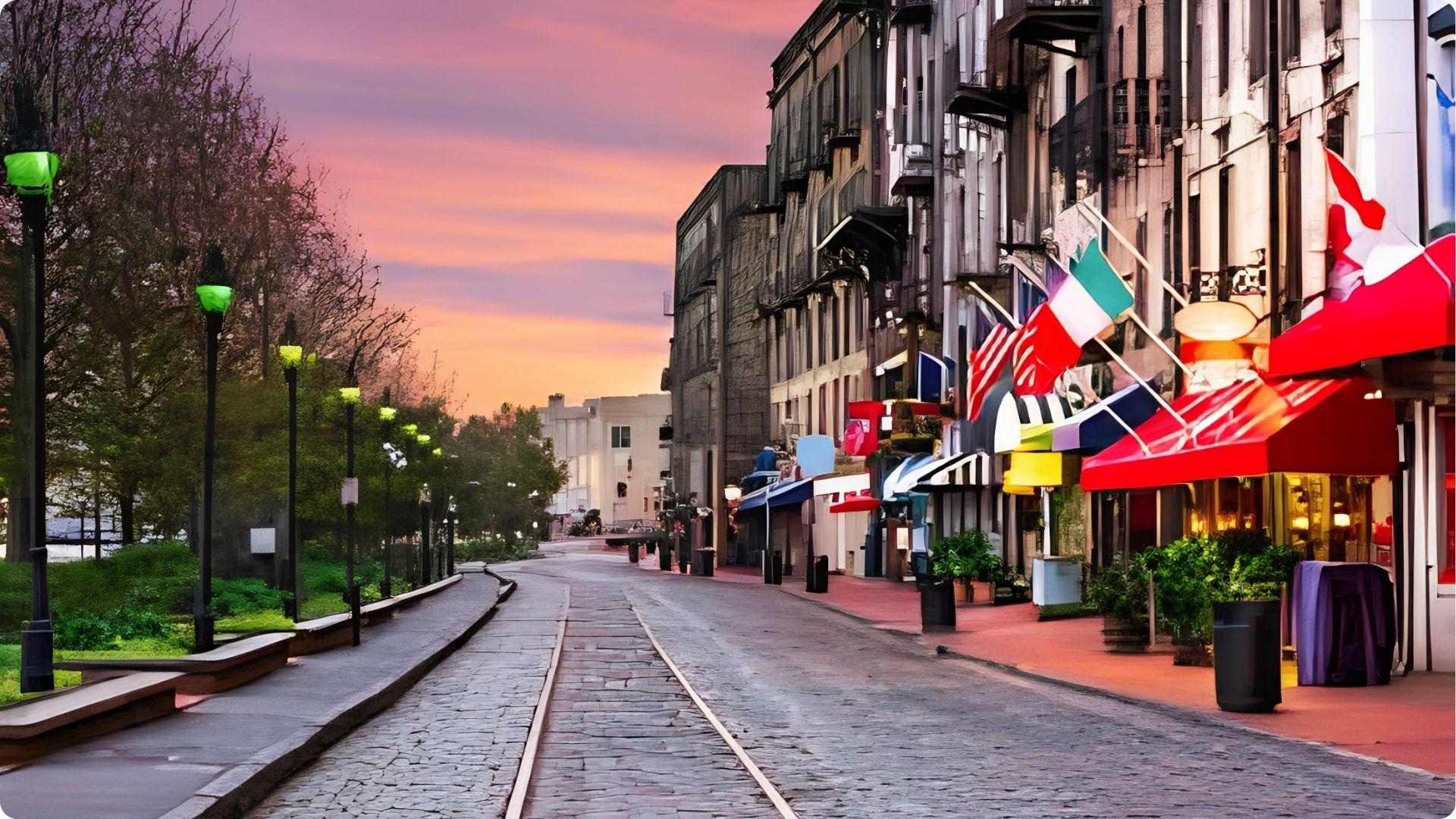
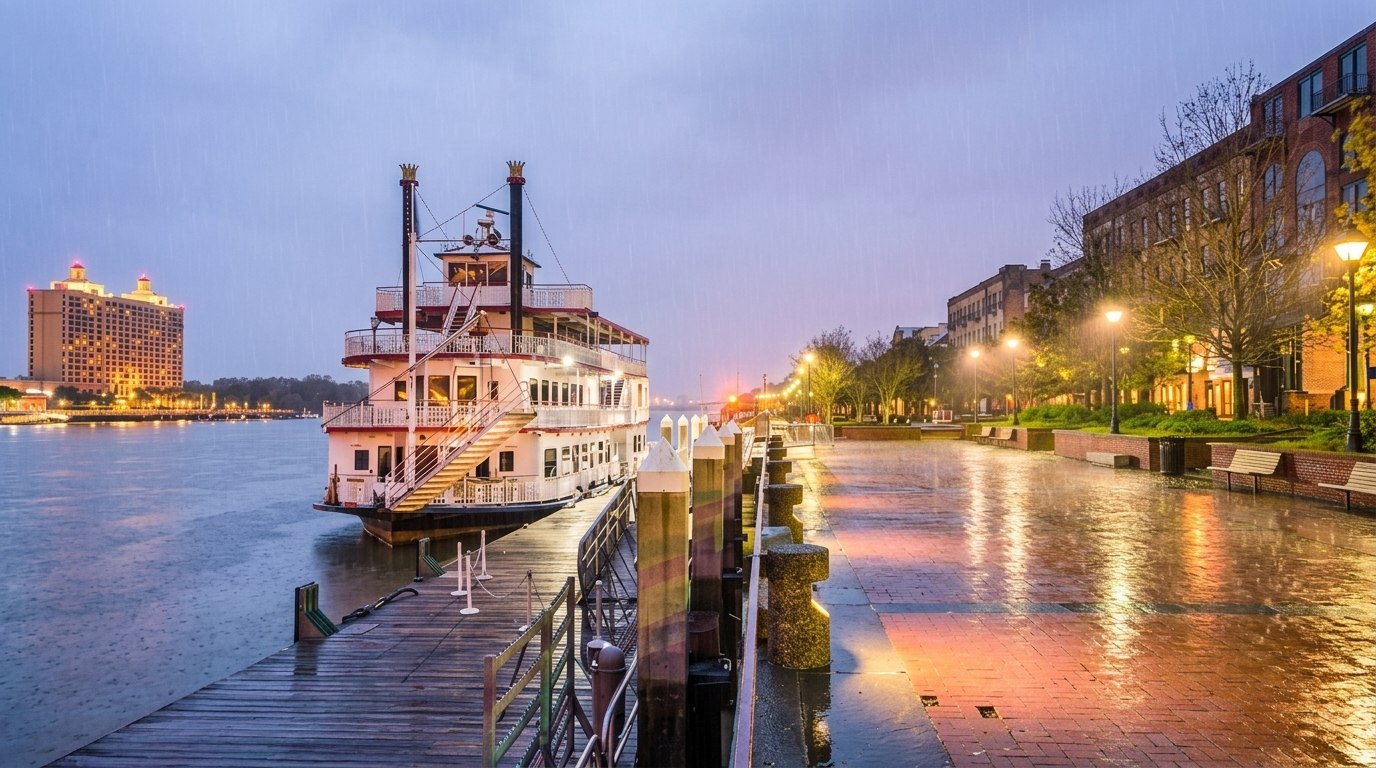
River Street runs along the Savannah River and is one of the most visited areas in the city. The street is lined with shops, restaurants, galleries, and bars.
The buildings along River Street are converted 19th-century cotton warehouses, and the cobblestone path adds to the old-city feel.
It is a great place to grab food, try a glass of Chatham Artillery Punch, browse local art, or simply sit by the water.
River Street is also where many of Savannah's festivals and outdoor events take place, and you can board a riverboat cruise here for a 90-minute tour of the Savannah River.
4. City Market
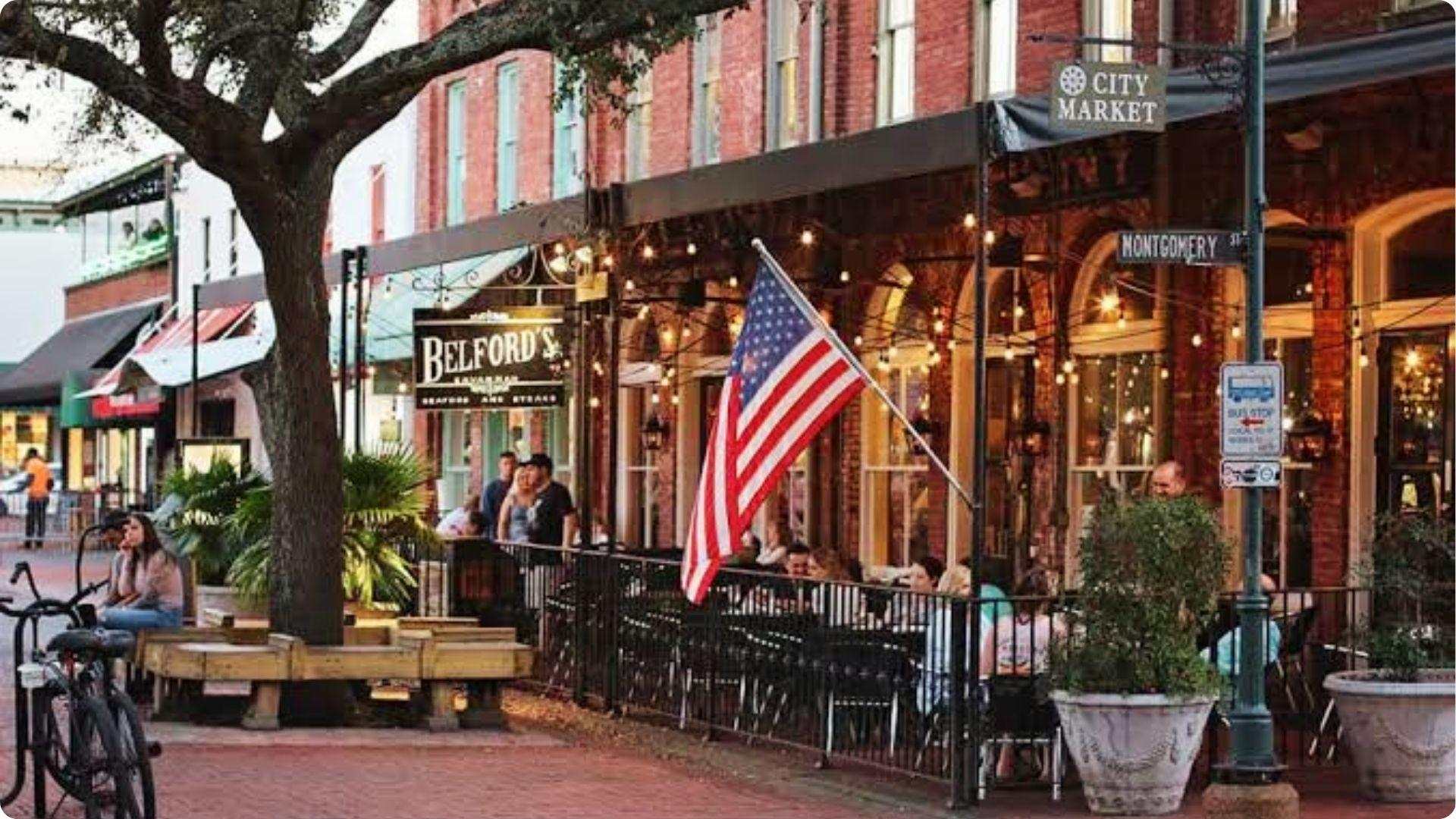
City Market is a four-block open-air district in the heart of downtown Savannah, originally built in 1755.
It features local shops, restaurants, live music, and galleries all within walking distance of each other.
The market has a relaxed, social atmosphere that makes it easy to spend a few hours here without a plan.
It is especially lively on weekend evenings. Artists, food vendors, and street performers all show up regularly.
If you are looking for a place to pick up gifts or grab a casual meal, City Market is a solid choice.
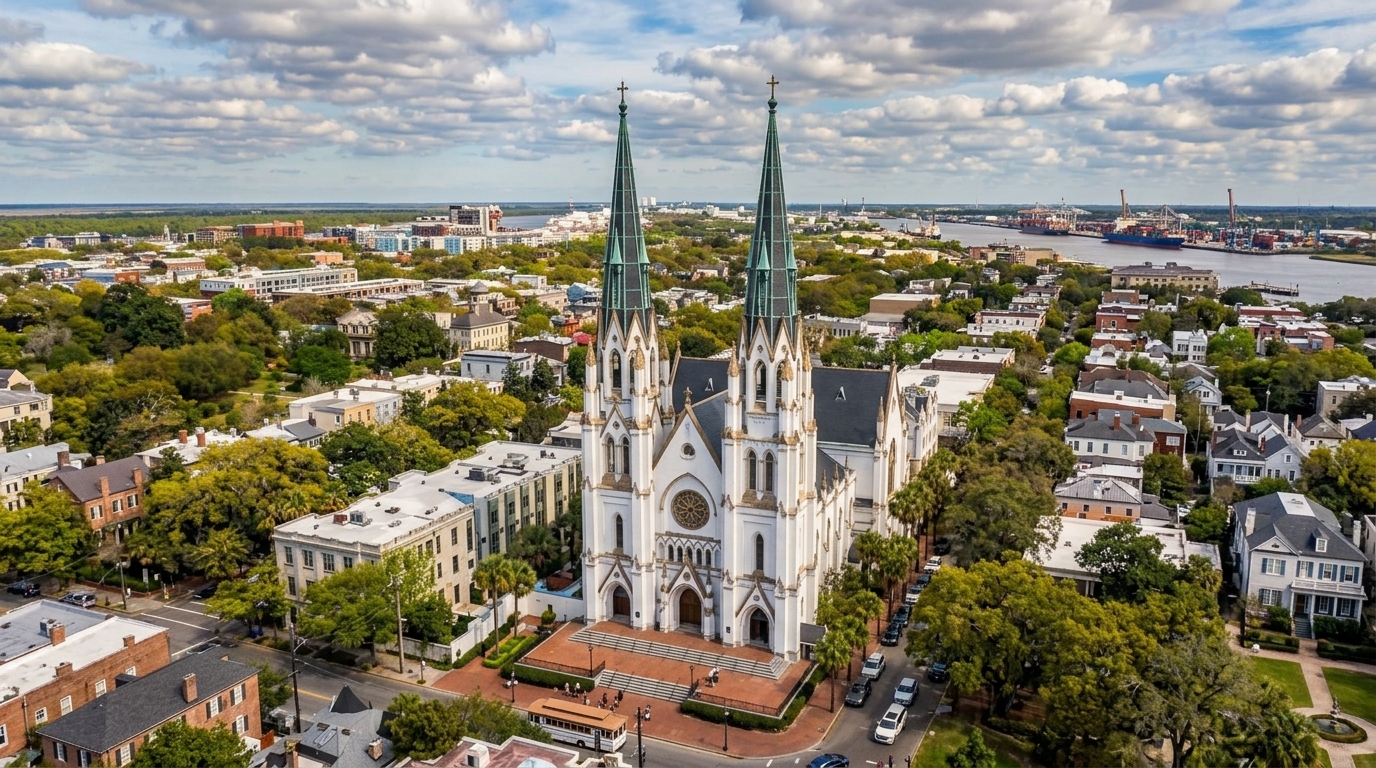
5. Cathedral Basilica of St. John the Baptist
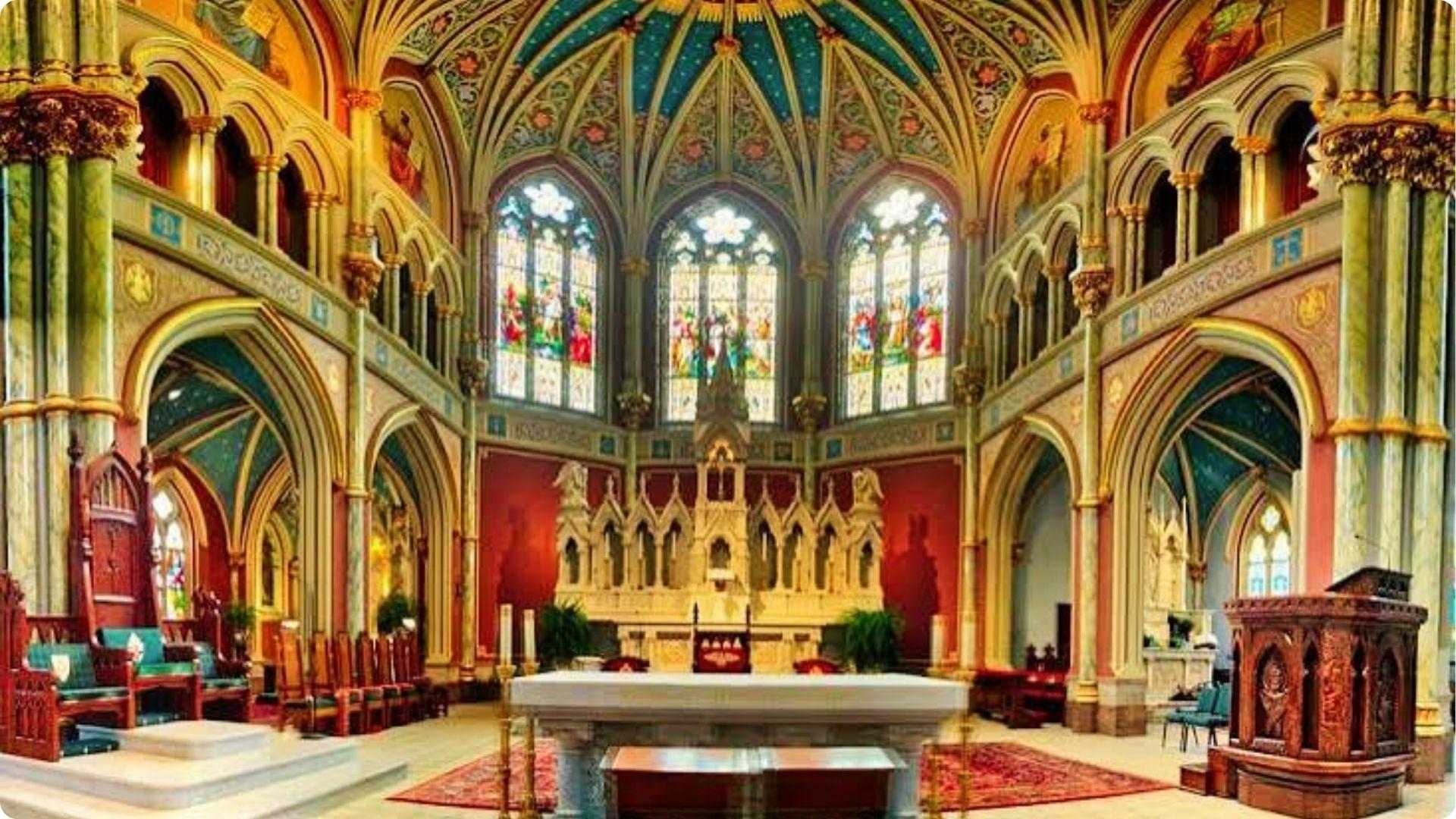
This cathedral is one of the most striking buildings in Savannah and the oldest Roman Catholic church in Georgia.
Located on Lafayette Square, it was built in 1876 and nearly destroyed by fire in 1898 before being carefully restored.
The interior features large stained glass windows, marble floors, and detailed artwork throughout.
Visitors are welcome to step inside during open hours, which are usually in the mornings and early afternoons.
There is no admission fee, though donations are appreciated. Because it remains an active church, check service times before planning your visit.
It is a quiet and impressive stop in the middle of the Historic District.
6. Bonaventure Cemetery
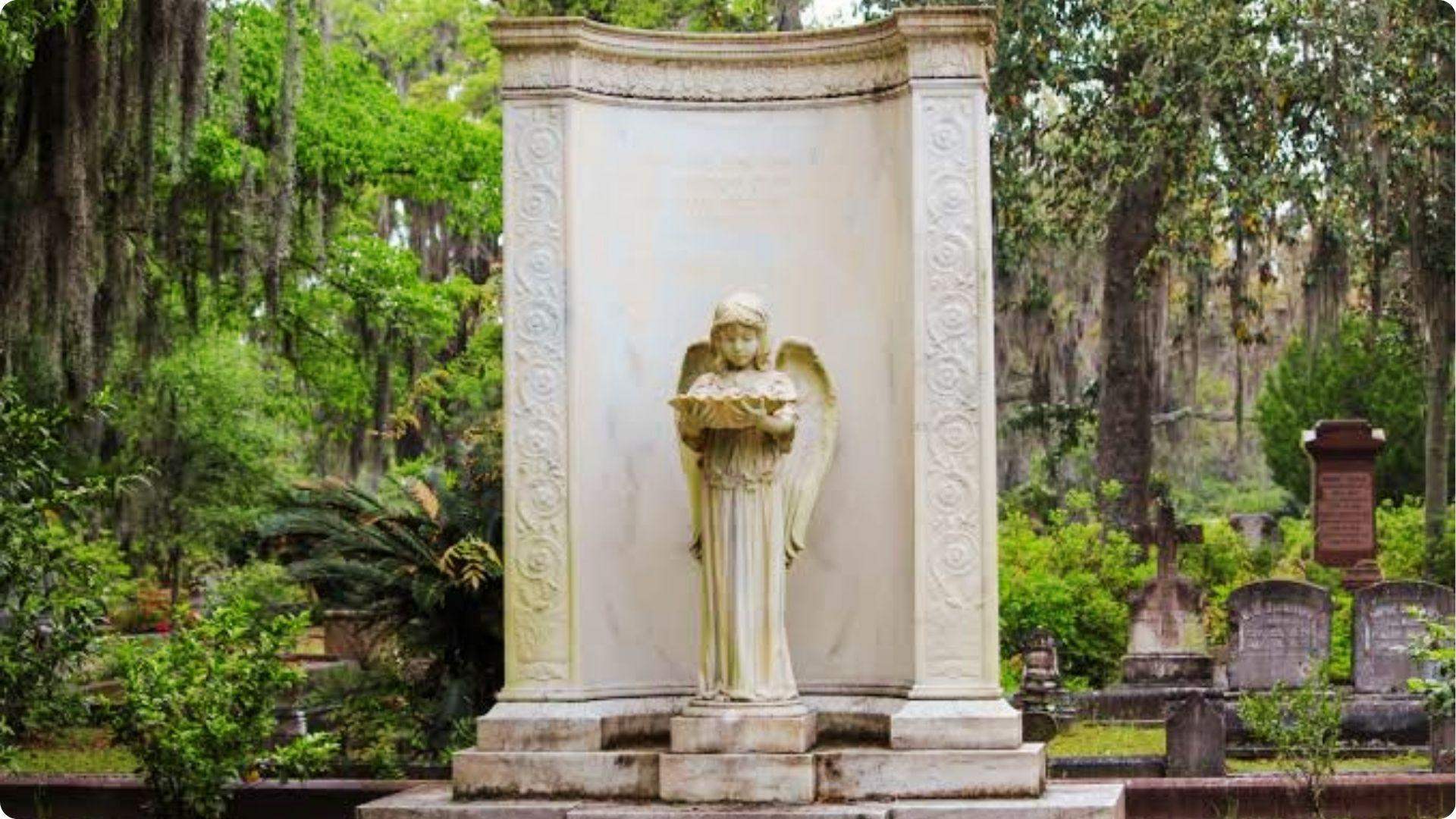
Bonaventure Cemetery sits on a bluff overlooking the Wilmington River, about three miles east of downtown.
It became widely known after being featured in John Berendt's 1994 book and the 1997 Clint Eastwood film "Midnight in the Garden of Good and Evil."
The cemetery is a registered historic landmark and is open to visitors every day. Ancient oak trees draped in Spanish moss line the paths throughout the grounds.
Many notable Savannah residents are buried here, including poet Conrad Aiken and songwriter Johnny Mercer.
You can tour it on your own for free or join a guided walking or golf cart tour. It is a peaceful and historically significant place worth visiting.
7. Wormsloe Historic Site
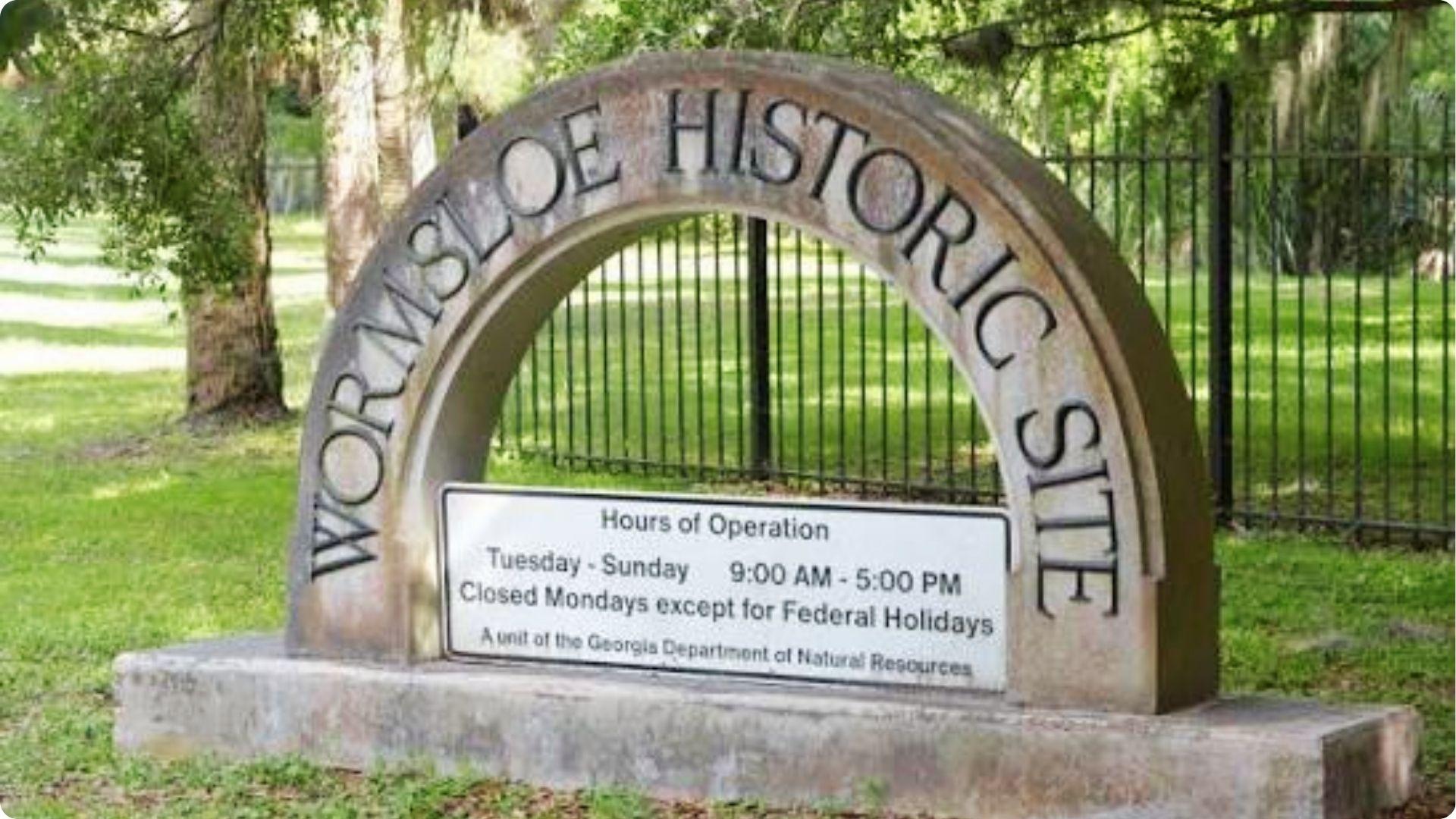
Wormsloe is one of the most photographed spots in Georgia.
The entrance drive is lined with over 400 oak trees that form a long, dramatic canopy and has become one of Savannah's most popular photo stops.
The site preserves the remains of the colonial estate of Noble Jones, one of Georgia's early settlers.
There is a small museum on-site, along with a nature trail and a reconstruction of a colonial life area with costumed actors demonstrating period skills.
Wormsloe is about nine miles from downtown Savannah. Admission is around $10 for adults, and it is well worth the short drive.
8. Owens-Thomas House and Slave Quarters
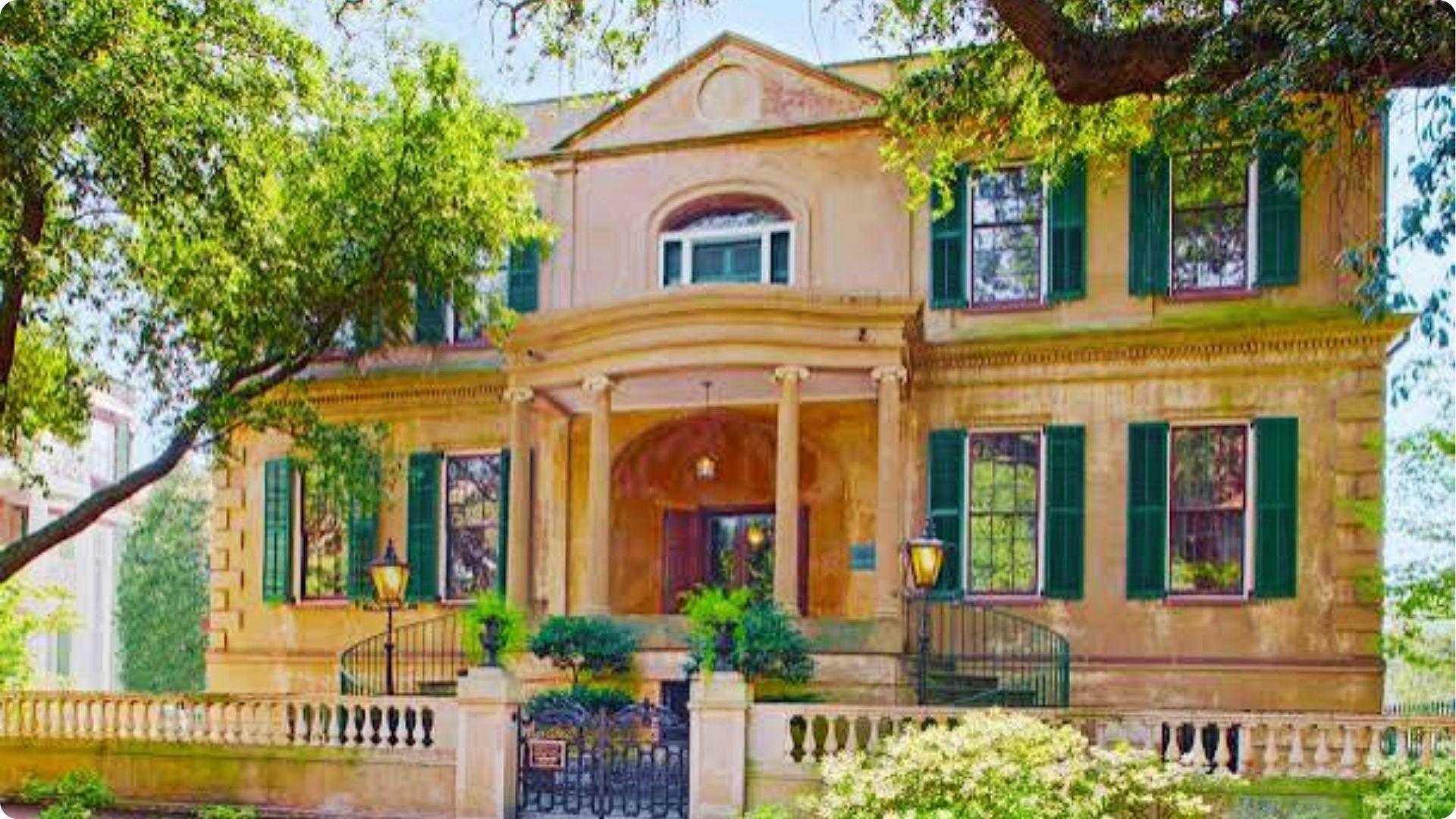
The Owens-Thomas House is one of the finest examples of English Regency architecture in the United States.
Built in 1819, it is now a house museum operated by the Telfair Museums.
What sets this site apart is the preserved Urban Slave Quarters, which provides a more complete picture of life on the property during the 19th century.
Guided tours are available and cover both the main house and the quarters.
The tour is informative and handles the subject matter with care. Admission is included with a Telfair Museums pass.
9. Old Fort Jackson
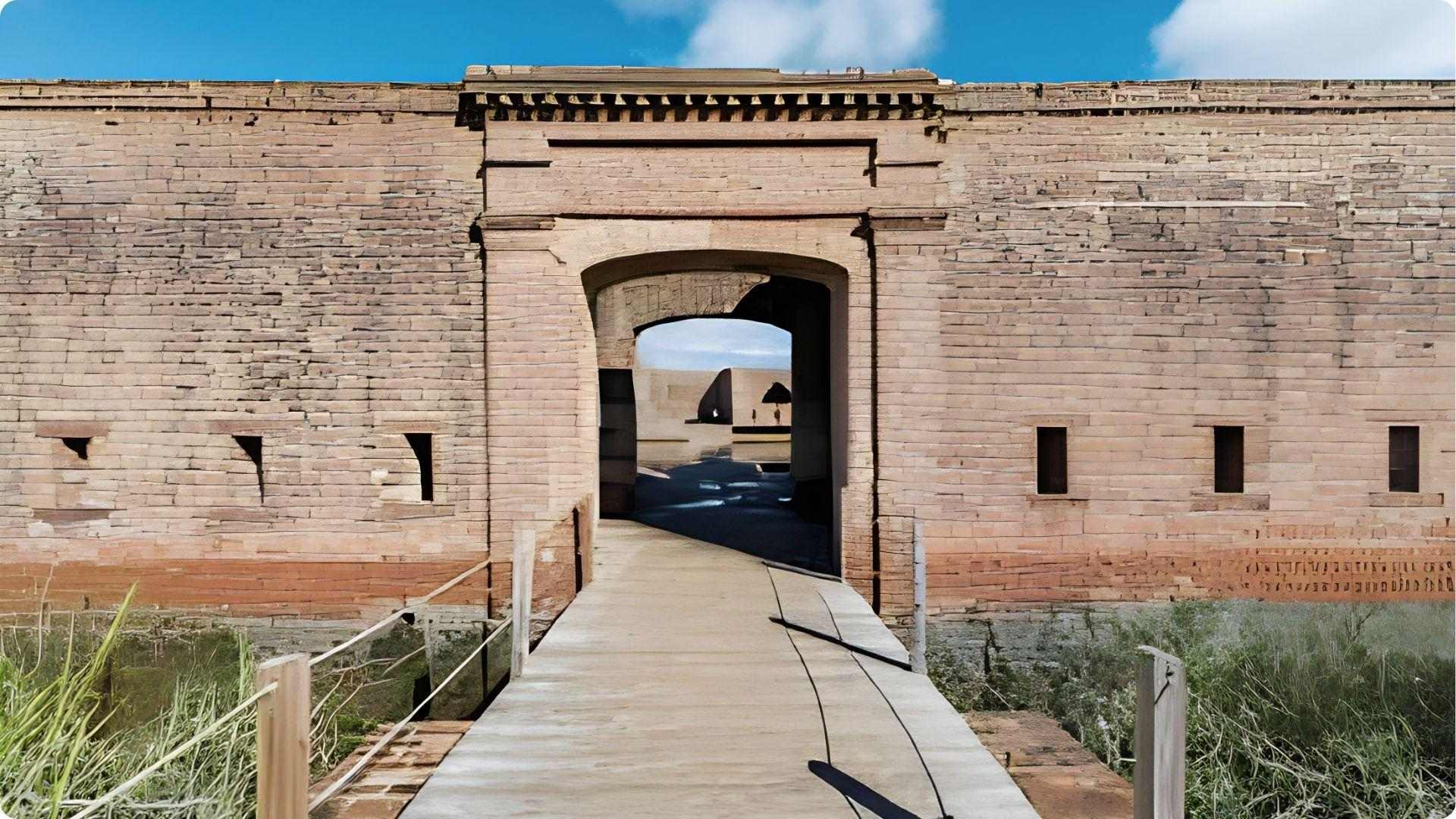
Old Fort Jackson is the oldest standing brick fort in Georgia. It sits on the Savannah River, about two miles east of downtown, and was used during the Civil War to defend the city.
The fort dates back to 1808 and now operates as a living history museum. Staff members in period costumes demonstrate cannon firings daily and share the history of the site.
It is an interactive and educational experience that works well for families with kids. Admission is around $10 for adults.
10. Telfair Museums
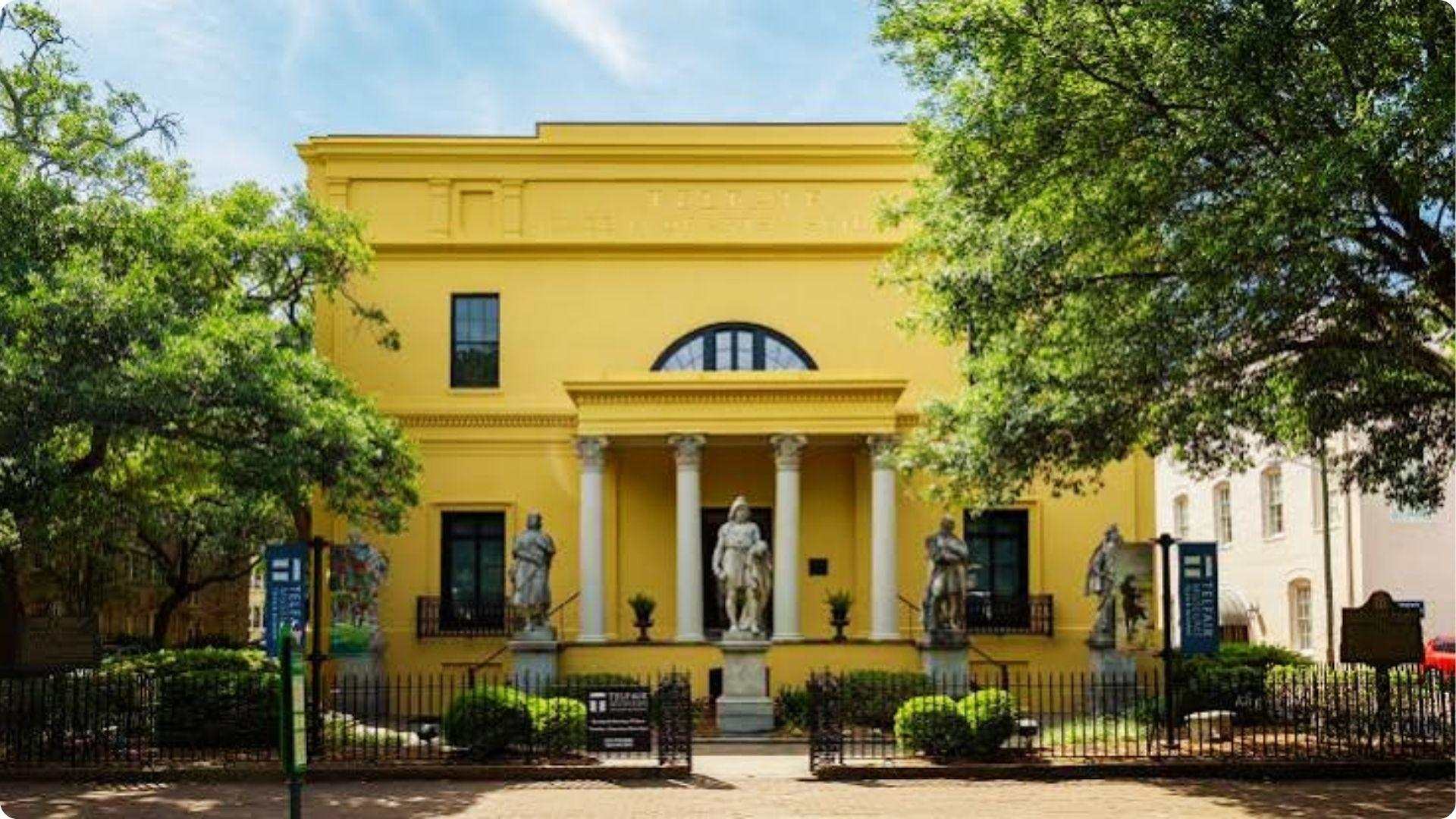
The Telfair Museums system includes three separate sites in Savannah: The Telfair Academy, the Owens-Thomas House, and the Jepson Center for the Arts.
A single pass gives you access to all three. The Telfair Academy is the oldest public art museum in the South and also houses the famous Bird Girl statue, originally from Bonaventure Cemetery and made iconic by the cover of "Midnight in the Garden of Good and Evil."
The Jepson Center focuses on modern and contemporary art. Together, they give visitors a wide view of both fine art and decorative arts across different periods.
11. Pin Point Heritage Museum
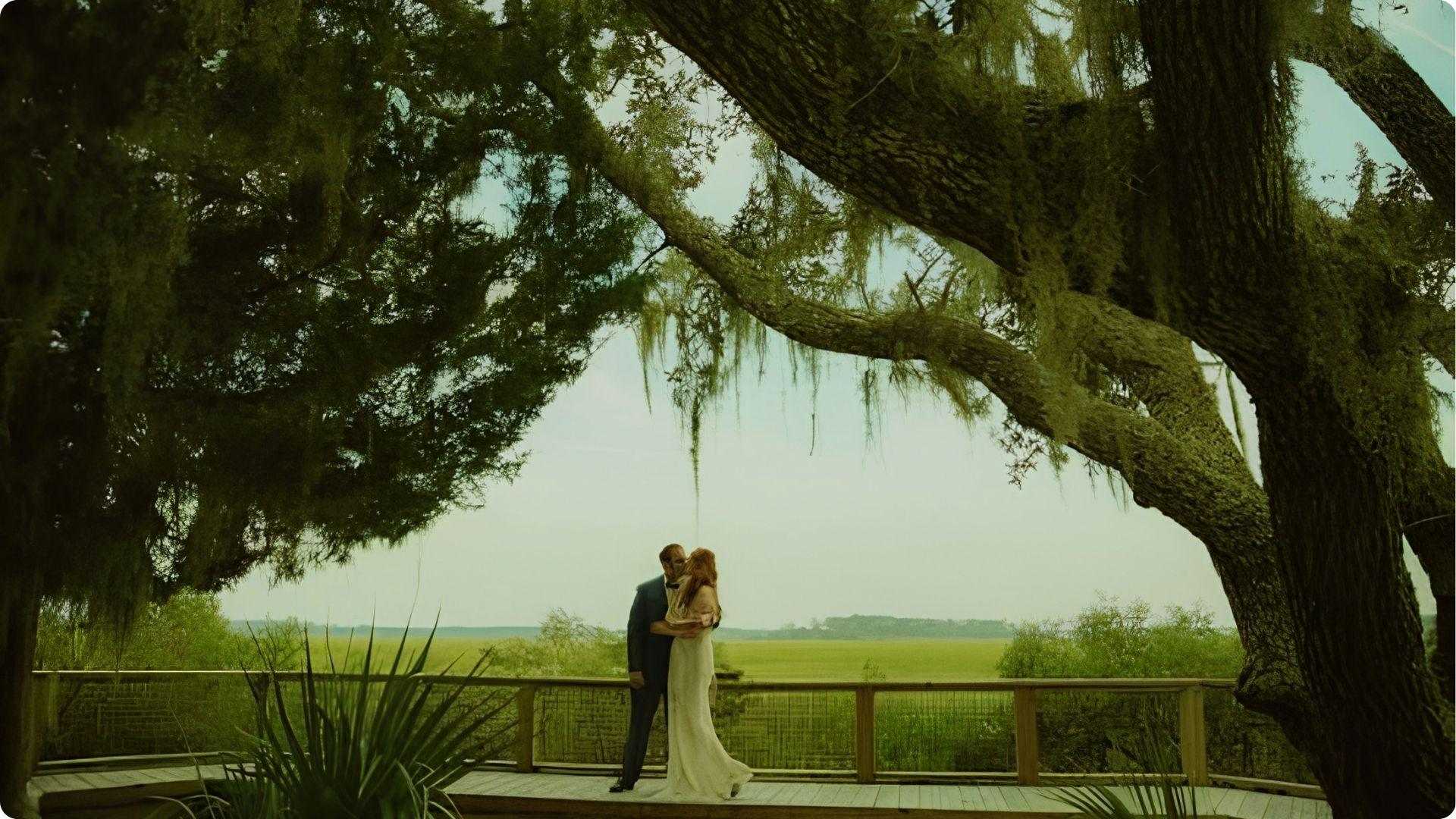
Pin Point is a small community south of Savannah that was founded by freed slaves after the Civil War.
The Pin Point Heritage Museum preserves the history of this community and the Gullah Geechee culture.
The museum is located in a former oyster and crab factory along Moon River. It tells the story of the people who lived and worked in Pin Point for generations.
It is a lesser-known attraction in Savannah, but it offers a meaningful perspective on the region's history that most visitors miss.
12. Juliette Gordon Low Birthplace
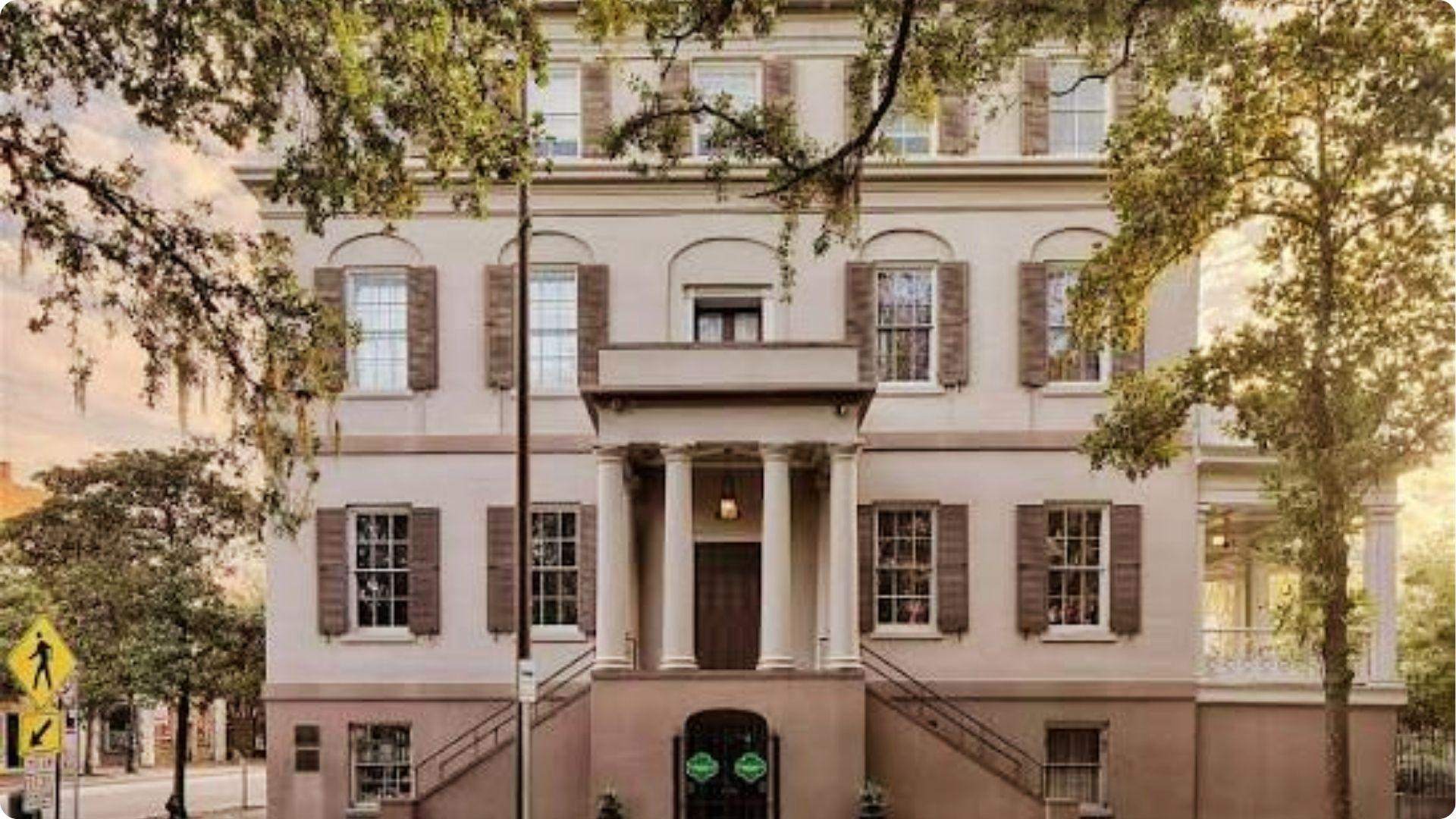
This historic home on Oglethorpe Avenue is the birthplace of Juliette Gordon Low, the founder of the Girl Scouts of the USA.
It is also Savannah's first Registered National Historic Landmark. The house has been restored to reflect the period when she lived there in the late 19th century.
Guided tours walk visitors through the rooms and share her story.
It is a well-run and educational experience, especially for families with young girls who are involved in scouting. Admission is around $15 for adults.
13. Savannah Botanical Gardens
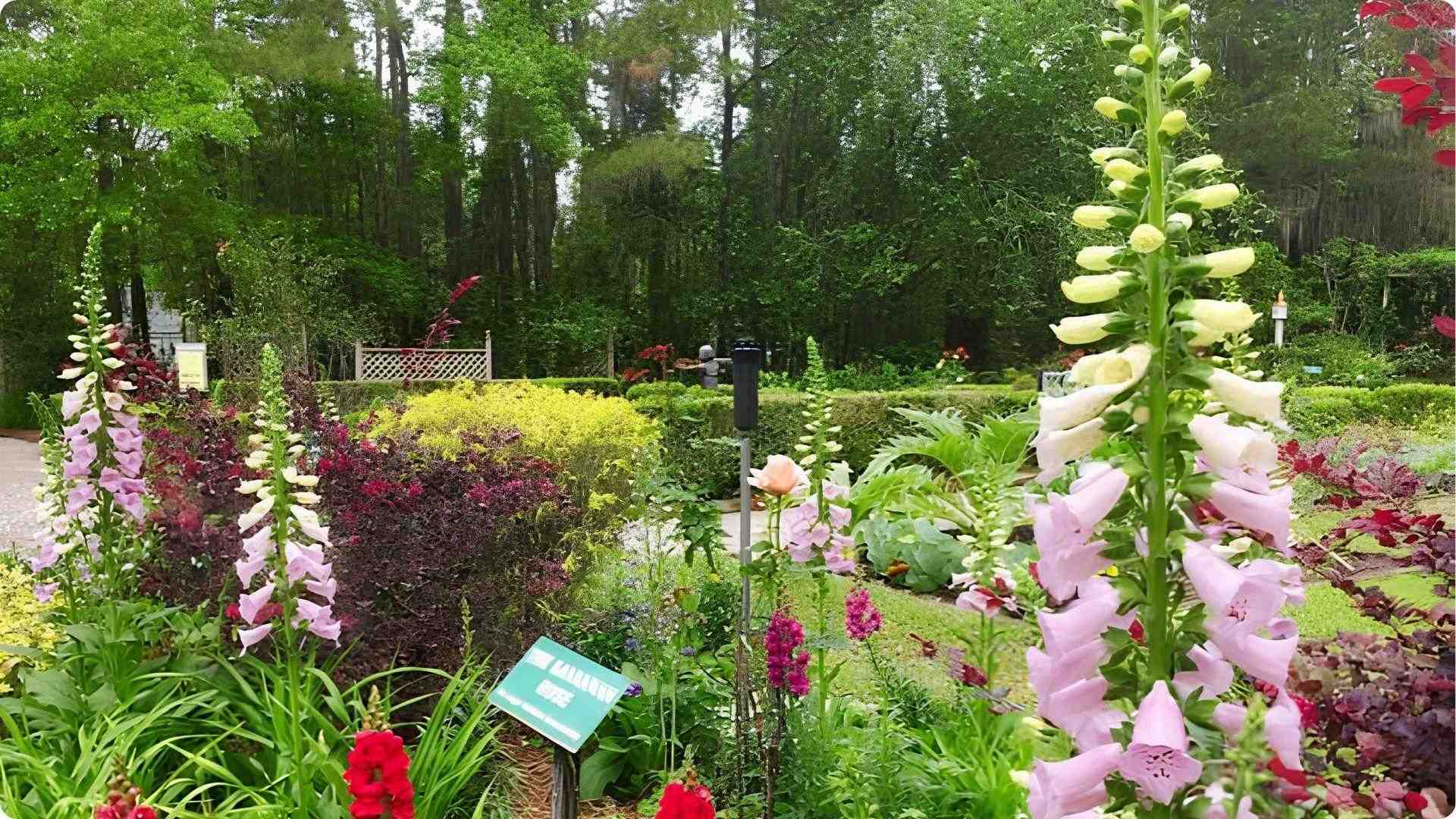
The Savannah Botanical Gardens are free to visit and offer a quiet break from the busier parts of the city.
The gardens cover several acres and include a heritage rose garden, a children's garden, and a restored 1920s cottage.
It is a relaxed and low-key spot that works well in the early morning or late afternoon.
The gardens are managed by volunteers and plant enthusiasts, and the upkeep reflects that care.
It is one of the better free options in the city for those who enjoy outdoor spaces.
14. Tybee Island
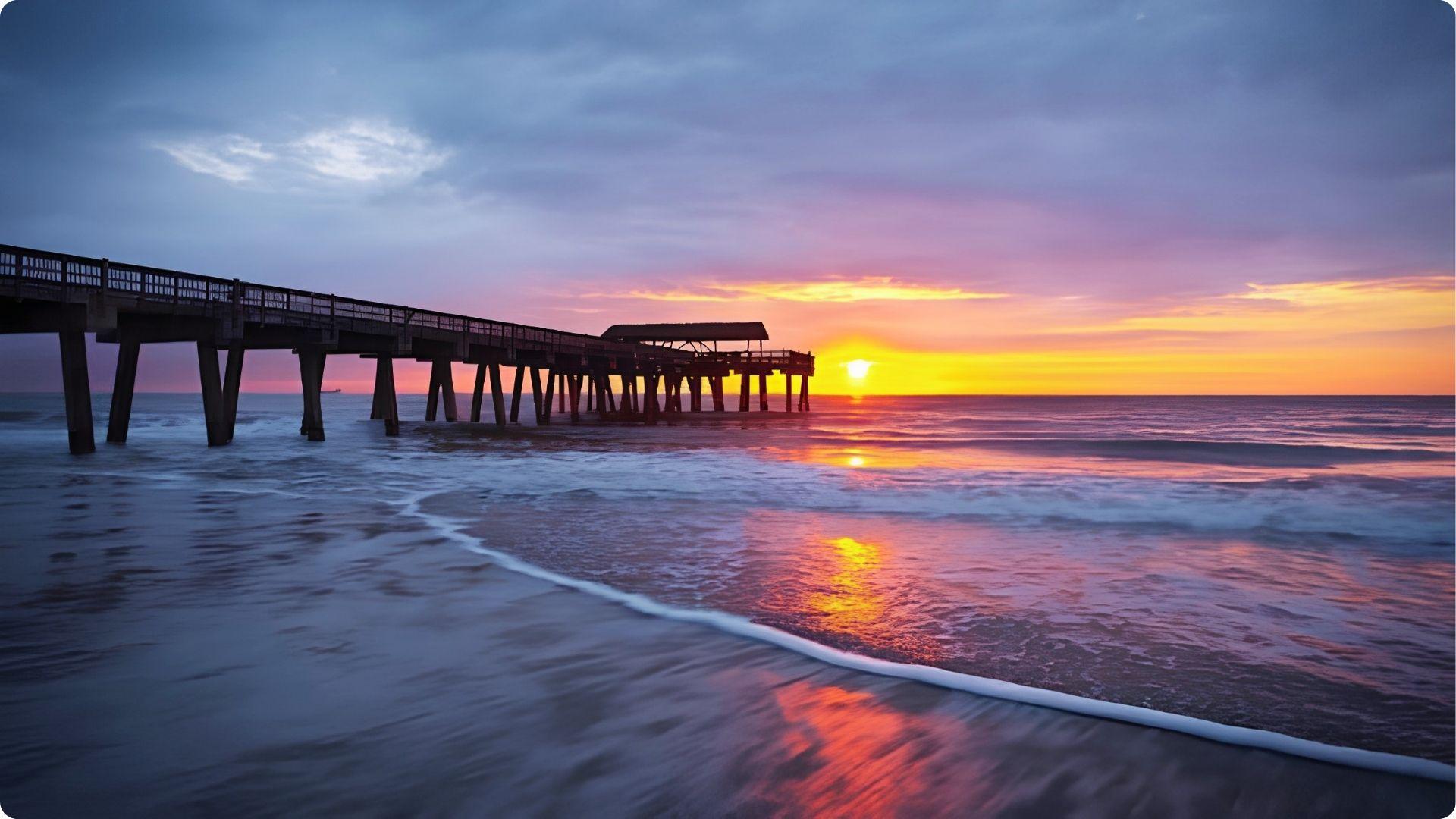
Tybee Island is a barrier island about 18 miles east of downtown Savannah. It is the closest beach to the city and draws visitors throughout the year.
The island has a laid-back atmosphere with local restaurants, a fishing pier, and a historic lighthouse.
Tybee Island Lighthouse is Georgia's oldest and tallest lighthouse and is open for tours, with the view from the top well worth the climb.
Parking near the beach can fill up quickly on summer weekends, so arrive early. It is an easy and popular day trip from Savannah.
You can also book dolphin tours departing from the island for a few hours out on the water.
15. American Prohibition Museum
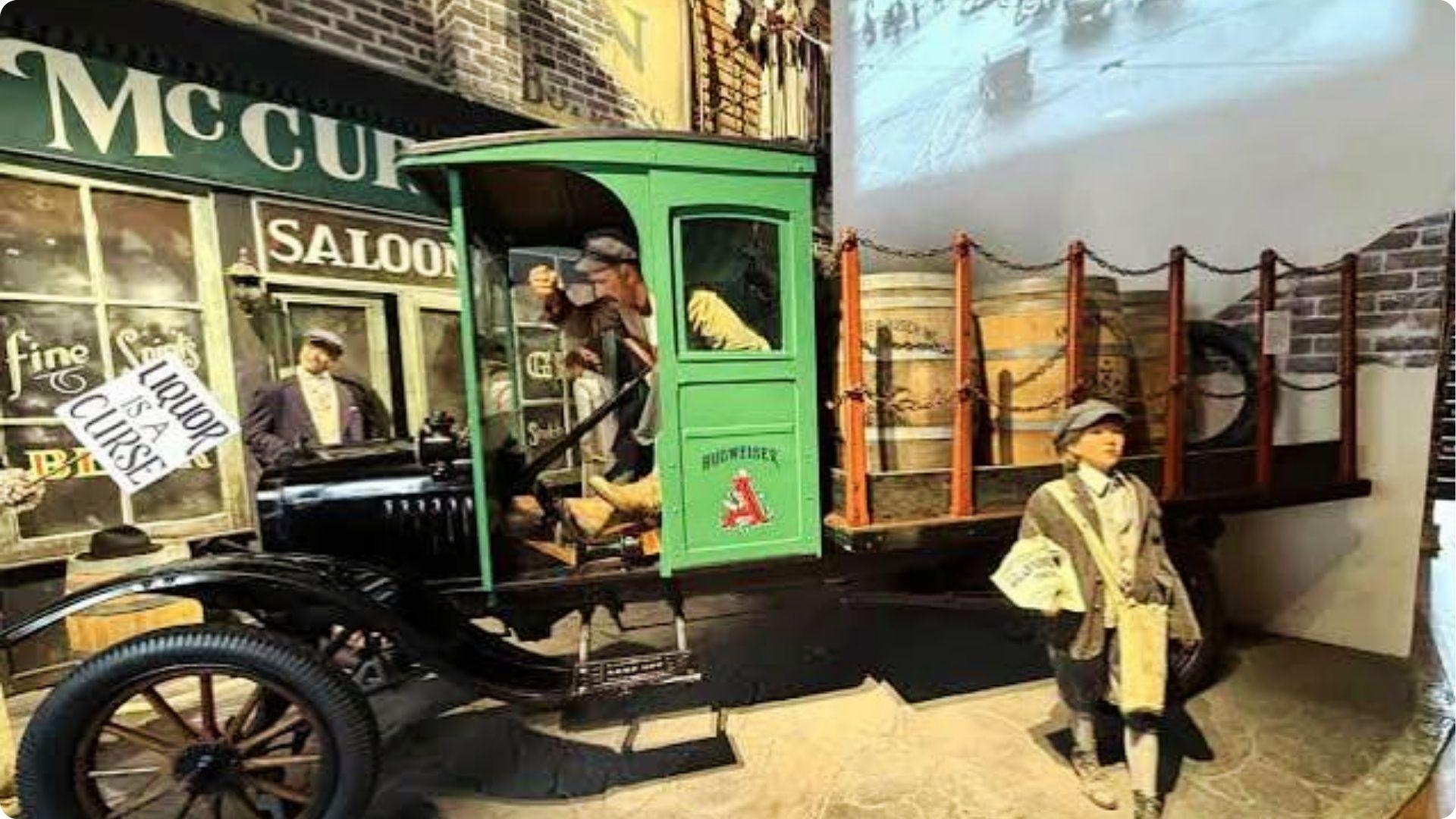
The American Prohibition Museum is the only museum in the country dedicated entirely to the Prohibition era.
It is located in City Market and tells the story of the period from 1920 to 1933 when alcohol was banned nationwide.
The exhibits are well-done and use multimedia displays, life-size scenes, and artifacts to bring the era to life.
There is also a speakeasy bar on-site where visitors can have a drink after the tour. Admission is around $15 for adults.
Which Savannah Georgia Tourist Attractions Are Best for First-Time Visitors?
If this is your first time in Savannah, start with the Savannah Historic District. It gives you a feel for the city's layout, history, and character all in one place.
From there, walk to Forsyth Park for a break and a look at the iconic fountain. River Street is a natural next stop for food and the waterfront experience.
These three spots are close to each other, easy to walk between, and cover the core of what makes Savannah worth visiting.
Add the Cathedral Basilica of St. John the Baptist if you want to step inside one of the city's most impressive buildings.
A hop-on hop-off trolley tour is also a smart first-day move for getting a broad overview before you decide where to spend more time.
First-time visitors who focus on these central spots tend to leave with a strong understanding of the city and a reason to come back.
When Is the Best Time to Visit Savannah's Attractions?
Spring is the most popular time to visit Savannah. March through May brings mild temperatures, low humidity, and blooming gardens throughout the city.
The city also hosts several events during spring, including the Savannah Music Festival and St. Patrick's Day celebrations, which draw large crowds.
Fall is another strong option. September through November has cooler weather, smaller crowds than spring, and comfortable conditions for walking around all day.
Summer is the least comfortable season for outdoor sightseeing. July and August are very hot and humid, and afternoon thunderstorms are common.
If you visit in summer, plan outdoor activities for the morning and save indoor attractions for the afternoon.
Winter in Savannah is mild compared to most of the country. December through February rarely sees freezing temperatures, hotels tend to be cheaper, and the city is much quieter.
This is a good time to visit if you prefer smaller crowds and lower hotel rates.
For daily timing, mornings are the best time to visit most outdoor spots and popular landmarks.
Lines are shorter, temperatures are lower, and the light for photos is better. By mid-afternoon, crowds at places like River Street and Forsyth Park start to build.
Ghost tours are best saved for evening, when the squares have fewer people and the atmosphere is at its most atmospheric.
Conclusion
Savannah, Georgia packs a lot into a relatively small area.
From the moss-covered squares of the Historic District to the quiet grounds of Bonaventure Cemetery and the shoreline at Tybee Island, these Savannah Georgia tourist attractions cover history, nature, art, and culture in ways that suit all kinds of travelers.
The key is to plan ahead, keep your daily schedule realistic, and leave room to enjoy the city at its own pace.
Start with the spots closest to downtown and work your way out.
If this guide helped you plan your trip, share it with someone who is heading to Savannah soon, drop a comment below with your favorite stop, or check out our other Southern travel guides.
Frequently Asked Questions
Is Savannah Georgia worth visiting?
Yes. Savannah offers a strong mix of history, architecture, food, and outdoor spaces that makes it worth the trip for most travelers.
Can you visit Savannah, Georgia on a weekend?
A long weekend is enough to see the main highlights. Two full days cover the Historic District and most top attractions comfortably.
Is Savannah Georgia safe for tourists?
The Historic District and main tourist areas are generally safe during the day. Stay aware of your surroundings at night in less-traveled areas.
What food is Savannah Georgia known for?
Savannah is known for Southern comfort food, fresh seafood, shrimp and grits, and peach-based desserts found at many local restaurants.
How far is Savannah Georgia from the beach?
Tybee Island is about 18 miles from downtown Savannah, which takes roughly 30 minutes by car under normal traffic conditions.