If you live in or around Charleston, you have probably seen an alligator at least once. Maybe it was sunning by a pond, or maybe it was just a story from a neighbor.
Either way, it raises a fair question: how worried should you actually be?
This guide answers that question in plain terms.
We will cover where alligators live around Charleston, the best spots to safely see them, what makes them tick, and how dangerous they really are.
We will also bust a few common myths and walk through simple safety habits for both residents and visitors.
I have spent enough time near Lowcountry water to know that most of what people fear about alligators is not quite accurate.
By the end of this article, you will know exactly what to do the next time you spot one.
Are There Alligators in Charleston South Carolina?
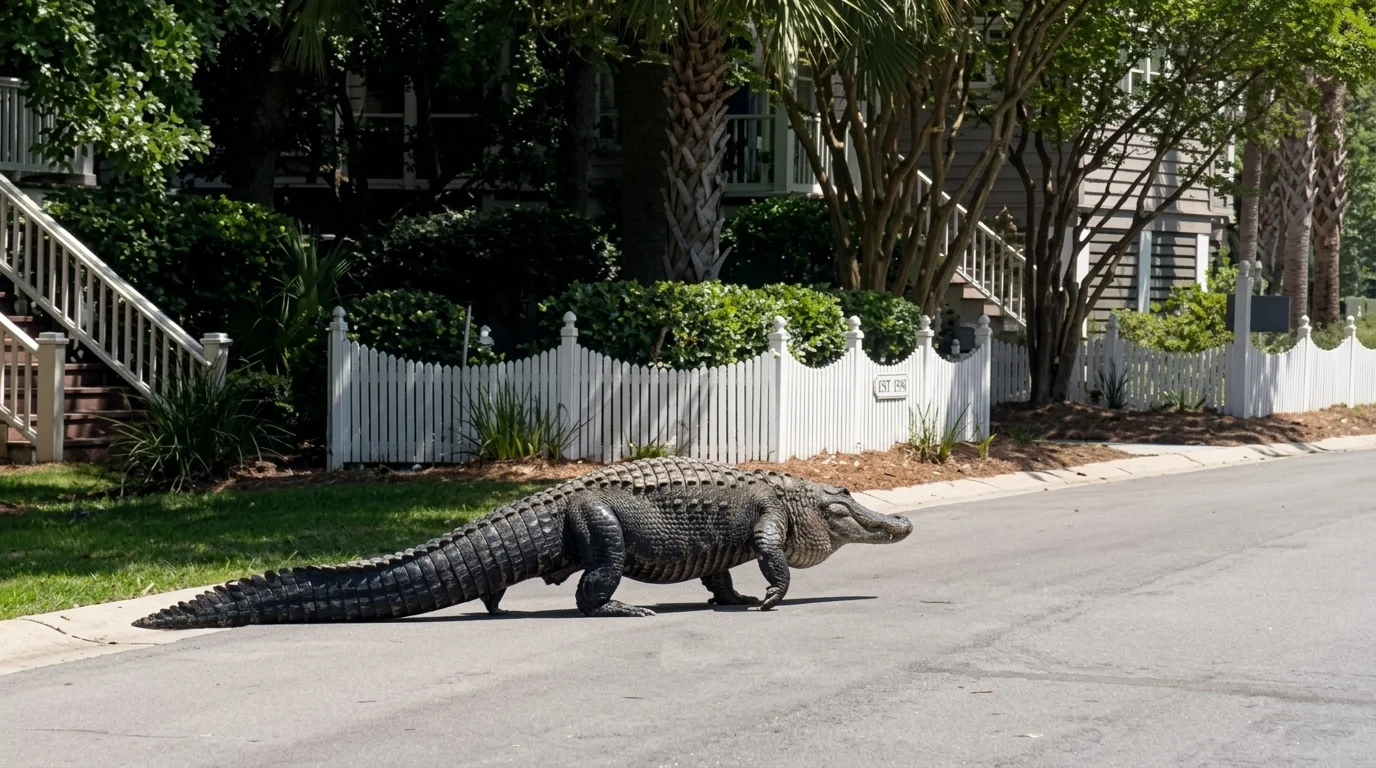
Yes, alligators live in and around Charleston. They have been part of this area long before the city was built.
The marshes, ponds, and rivers around Charleston give alligators a natural home. South Carolina has about 100,000 of them, and many live close to the city.
You probably won't see one on a downtown street, but sightings are common near golf courses, parks, and quiet ponds.
Spots like James Island County Park, Magnolia Plantation, and Cypress Gardens are popular places to see them.
Alligators rarely attack people. Most trouble starts when someone gets too close or tries to feed one.
Experts suggest staying at least 50 feet away, especially in spring when mother alligators guard their nests.
If you spot one, stay calm, keep your distance, and never feed it. With a little caution, alligators are easy to enjoy from a safe distance in the Lowcountry.
Where Are Alligators Found in Charleston, South Carolina?
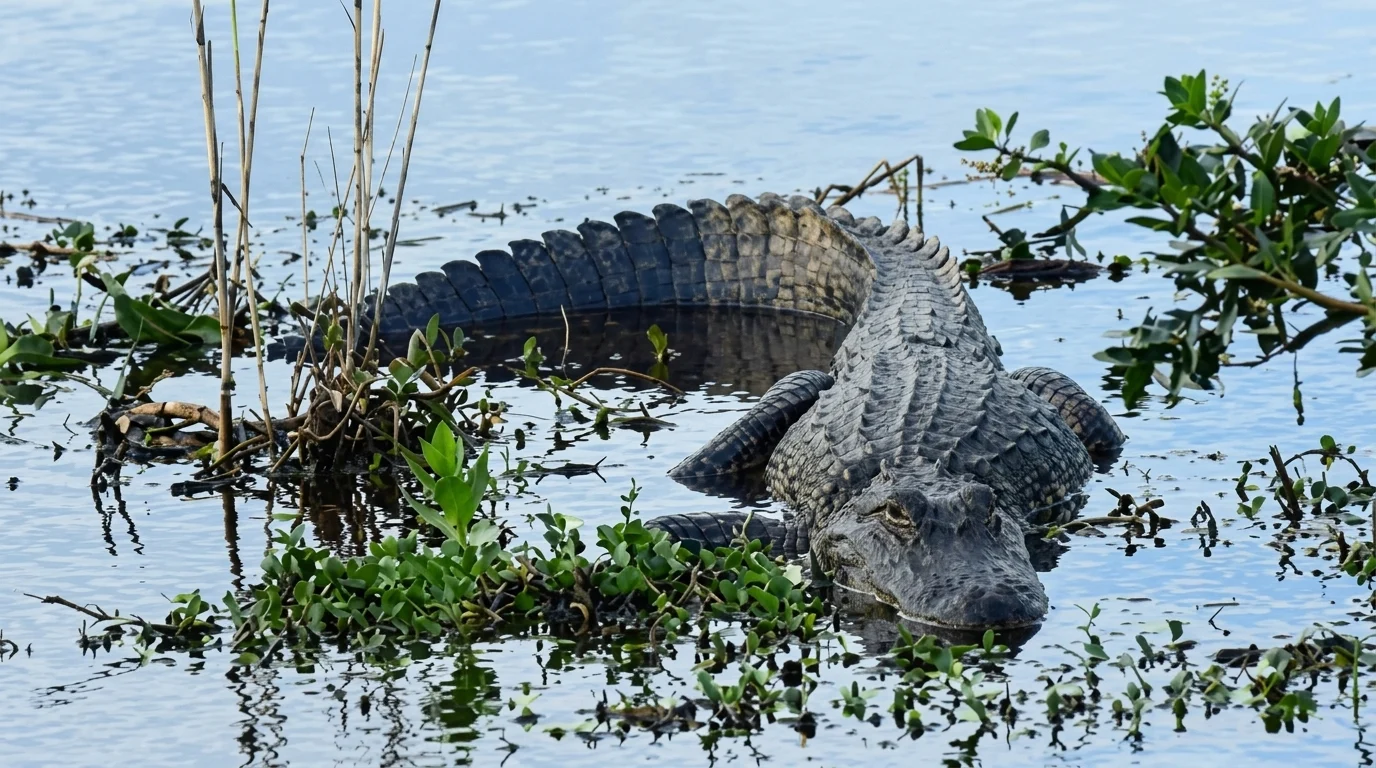
Alligators live throughout Charleston's wetlands, rivers, ponds, and golf course lakes, often closer to neighborhoods than people expect.
Swamps and Marshes Around Charleston
The Lowcountry is full of slow-moving water and thick marsh grass. This is the kind of habitat alligators prefer most. They use the muddy banks to rest and the shallow water to hunt. Many of Charleston's protected wetlands hold healthy alligator populations year-round.
Rivers, Creeks, and Freshwater Ponds
Alligators favor calm freshwater over fast-moving rivers. Creeks that connect to marshland are common gator territory. Retention ponds, which are everywhere in Lowcountry developments, often become a quiet home for one or more alligators.
Lakes in Residential Communities and Golf Courses
Many Charleston neighborhoods are built around small lakes and ponds. Golf courses also tend to have water features that attract alligators. Wildlife officials say this is not because gator numbers are rising. It is because more people are now living and golfing in places alligators already called home.
Can Alligators Be Found Near Beaches?
Alligators are freshwater animals, so they generally avoid the salty ocean. However, they can show up in brackish marshes near the coast, and sometimes in lagoons close to beach communities. Seeing one directly on a sandy beach is rare but not impossible.
Top Places to See Alligators in Charleston
Several parks and nature sites around Charleston offer safe, marked viewing spots where alligators are commonly seen in the wild.
James Island County Park
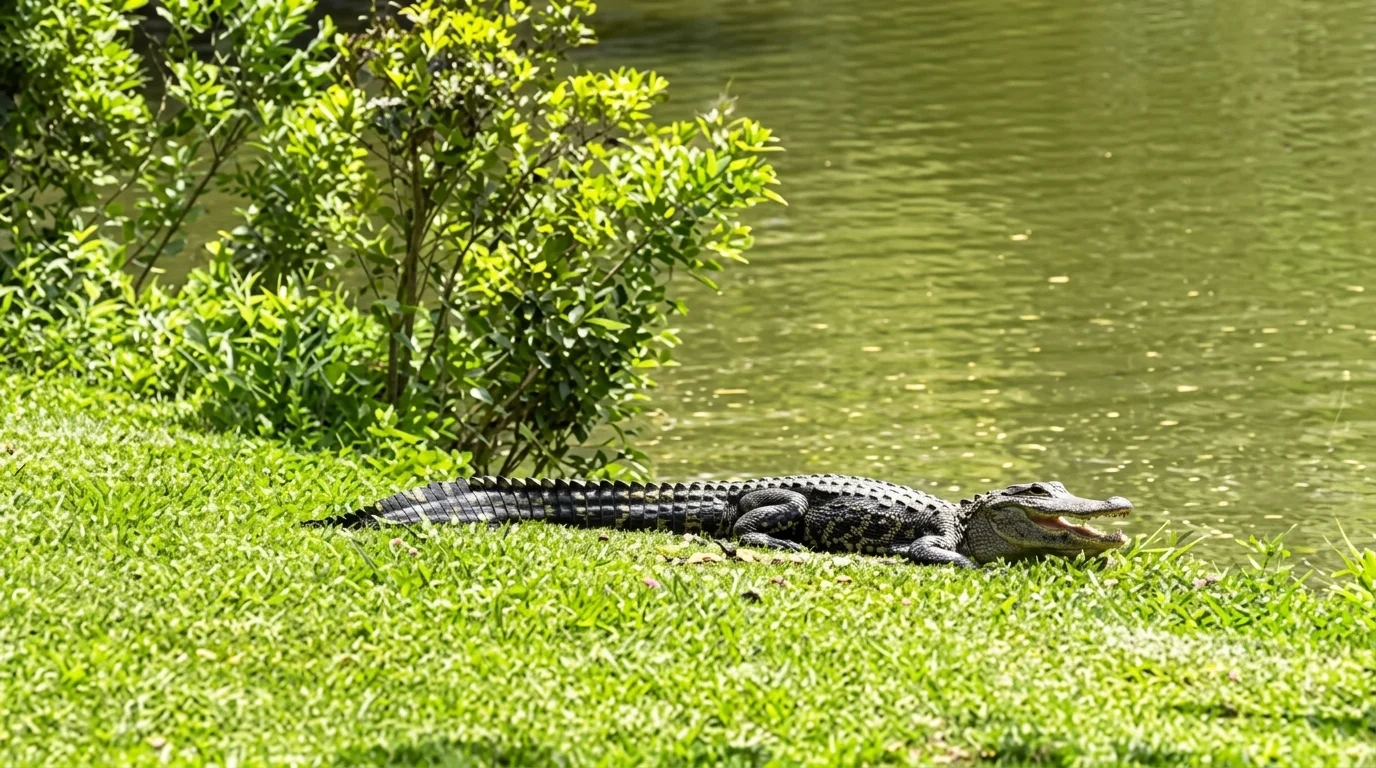
This park has freshwater ponds where alligators are spotted resting along the banks. Walking trails and boardwalks let visitors view them from a comfortable distance.
Cypress Gardens
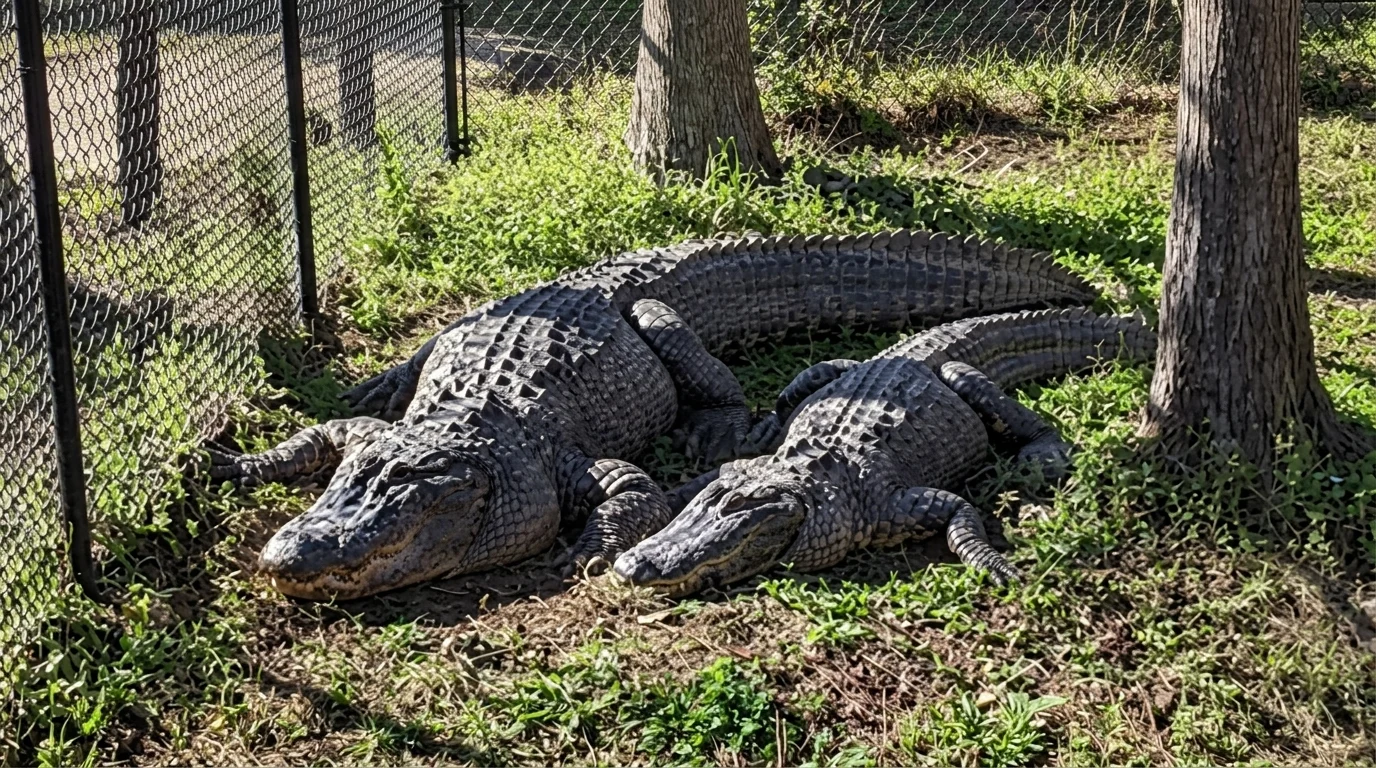
This swamp garden in Berkeley County is one of the most reliable spots to see alligators in their natural setting. Boat tours glide through the black water, giving visitors a close but secure view.
Magnolia Plantation and Gardens
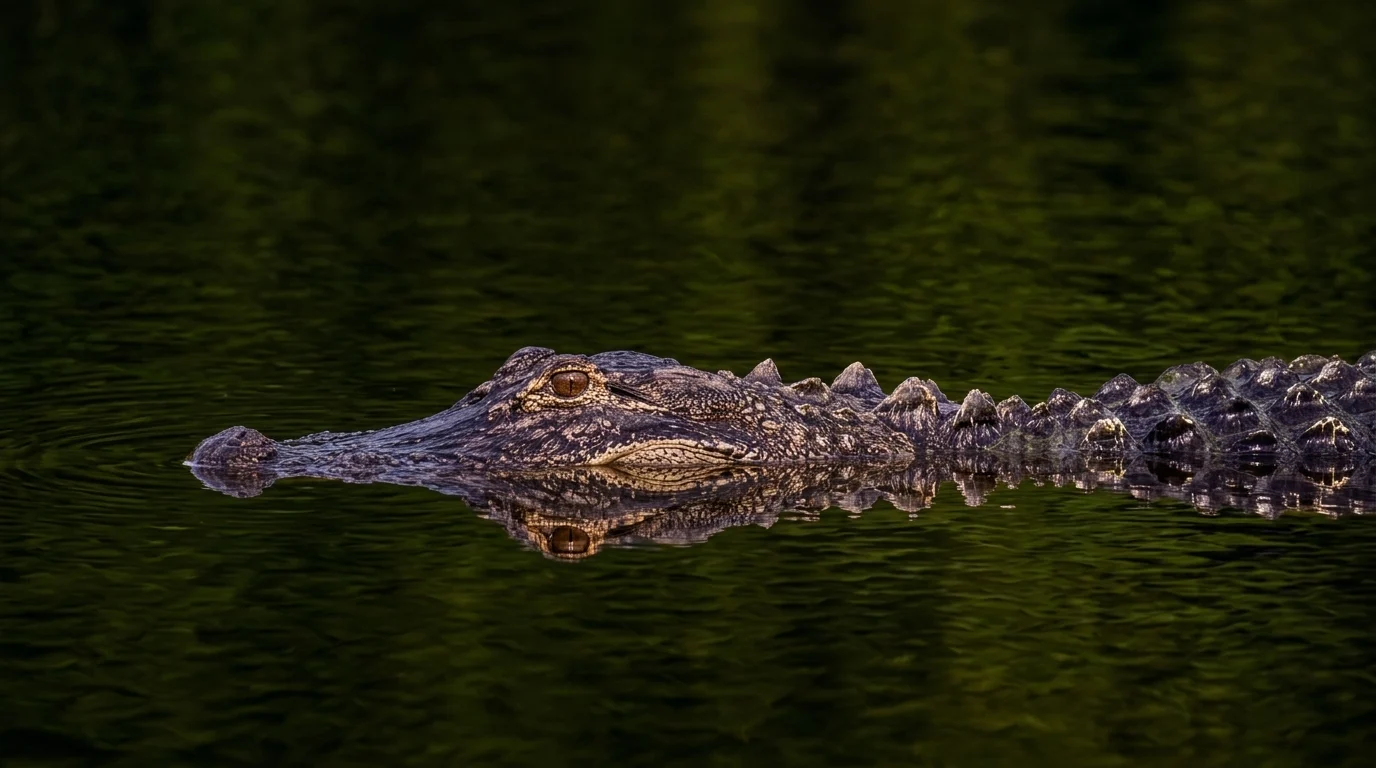
The plantation's lakes and lagoons are home to alligators of various sizes. A dedicated boat tour focuses on alligator sightings, and the calm water makes for clear viewing.
North Charleston Wanamaker County Park
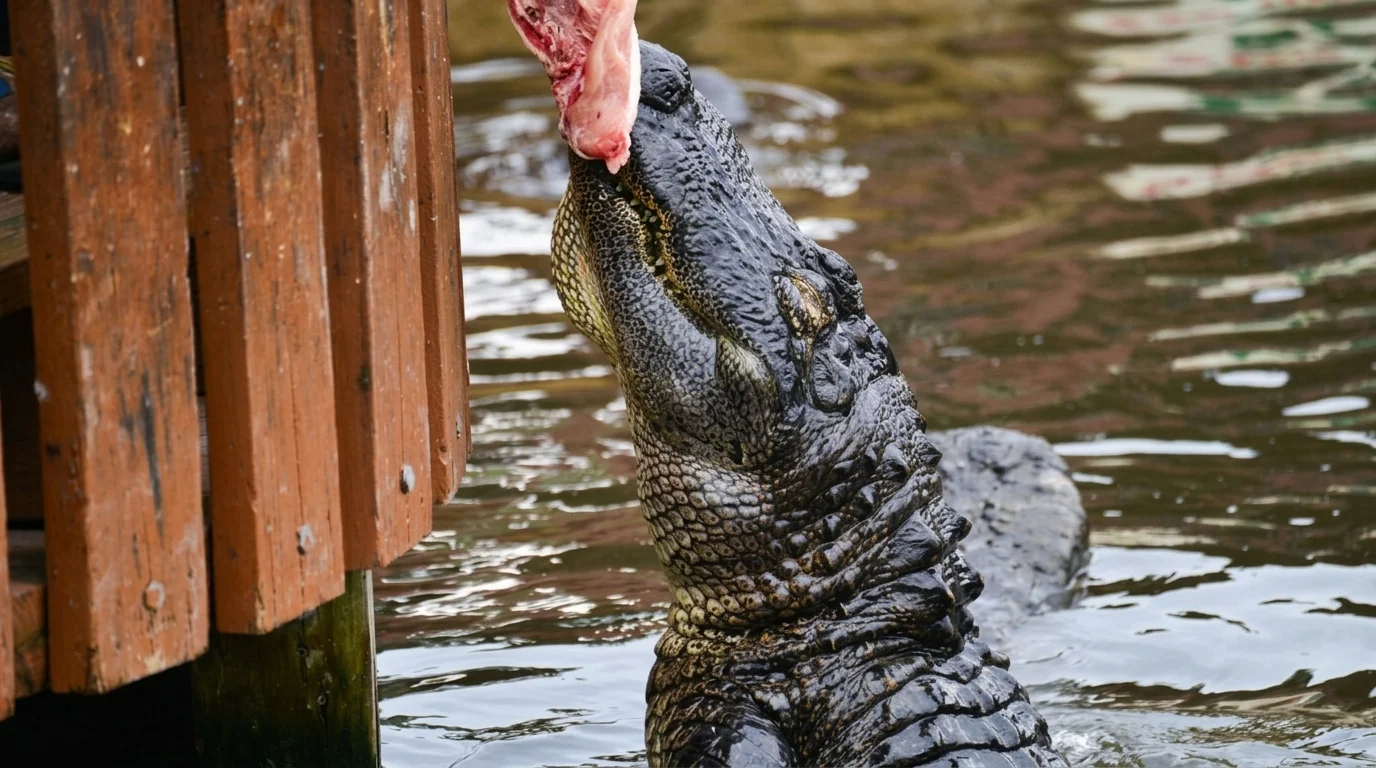
This park has a large lake where alligators are occasionally seen sunning themselves near the shoreline. Paved paths keep visitors at a safe distance while still offering a good view.
Caw Caw Interpretive Center
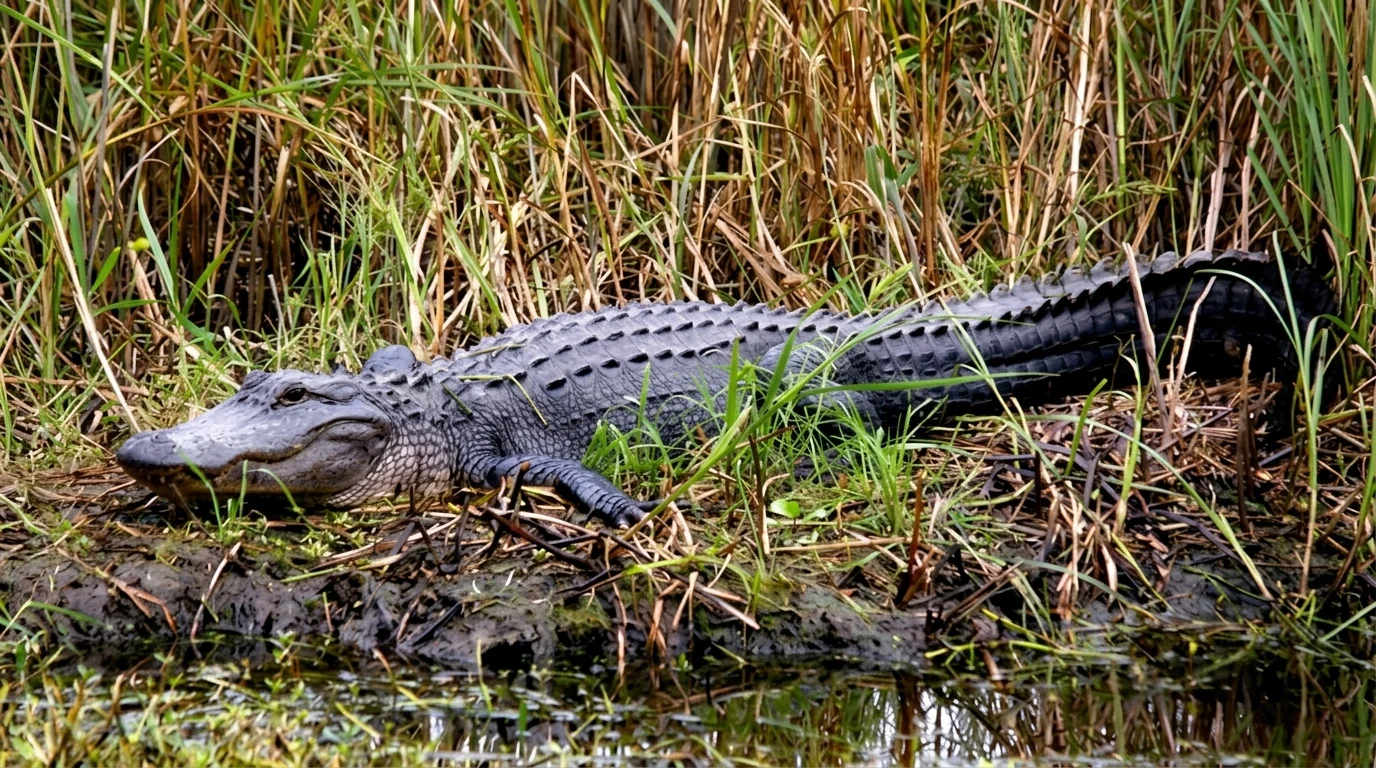
Built on former rice fields, this site has flooded wetlands that alligators use throughout the year. Boardwalks wind through the marsh, making it easy to spot them without getting too close.
What Types of Alligators Live in Charleston?
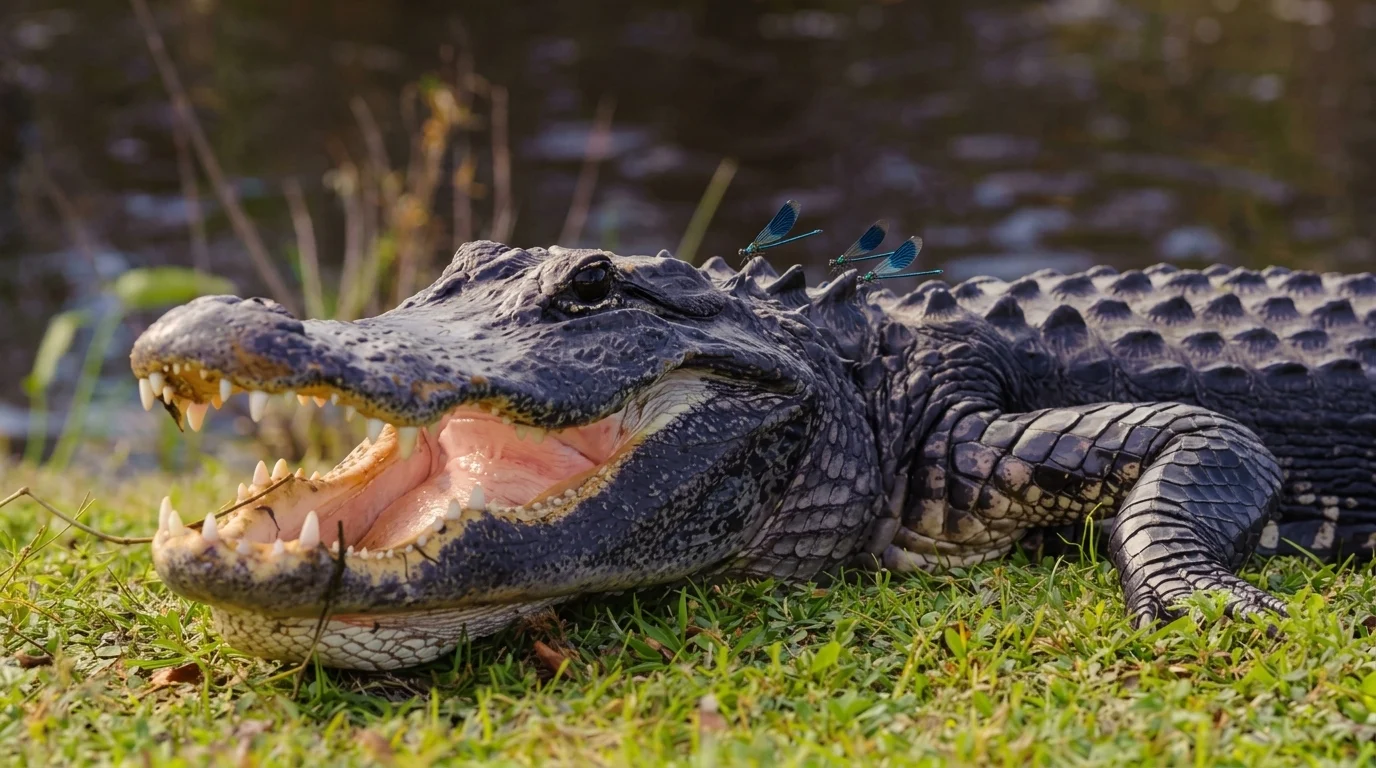
Only the American alligator lives in Charleston, a large reptile with a long lifespan and a diet built around fish, birds, and small mammals.
It has thick, armored skin, a broad snout, and dark coloring that helps it blend into muddy water, with strong jaws and a powerful tail built for hunting.
Adults typically grow between 10 and 15 feet long, with males larger than females, and can weigh several hundred pounds. They feed on fish, turtles, birds, and small mammals, hunting patiently before striking quickly.
In the wild, alligators usually live between 30 and 50 years, so one may stay in a neighborhood pond for decades.
Are Alligators Dangerous to Humans in Charleston?
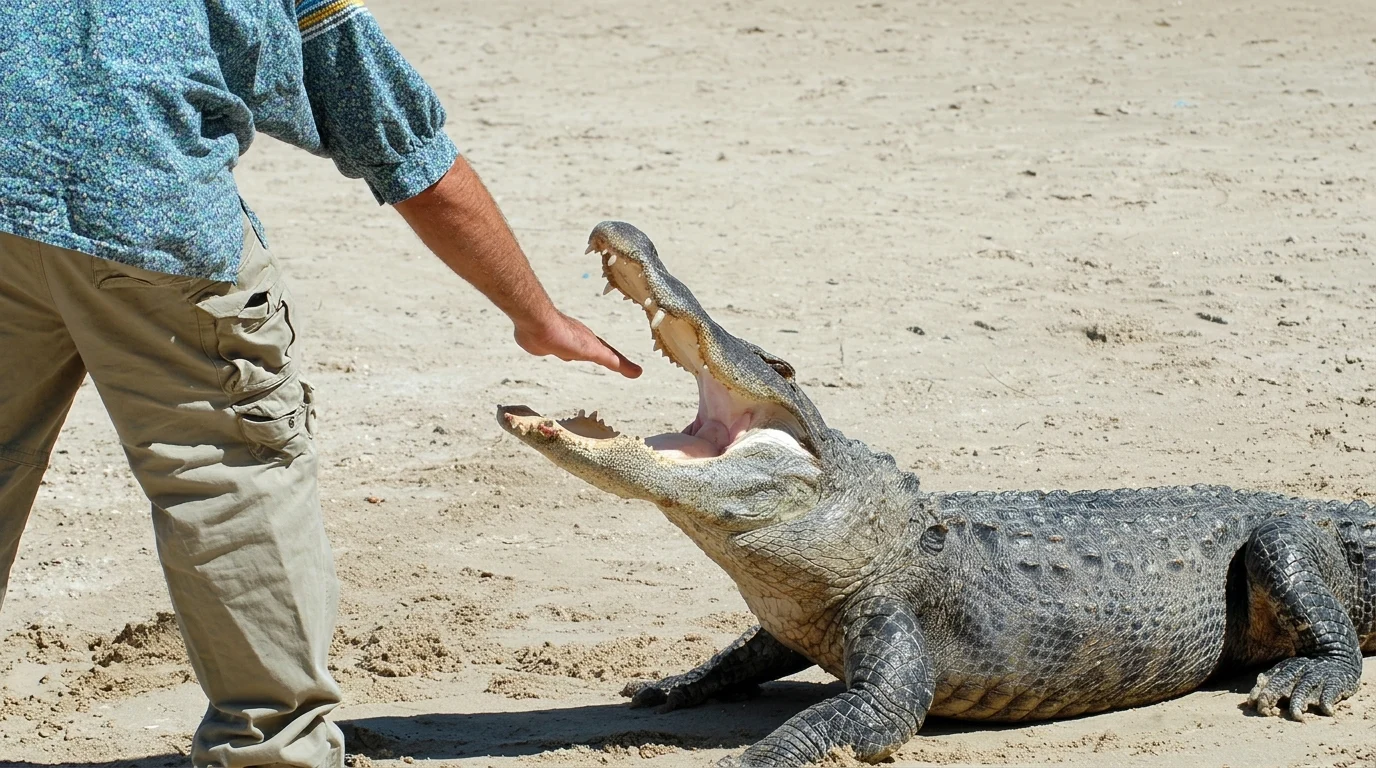
Alligator attacks remain rare in Charleston, but incidents have slowly increased in recent years as people and gators share more space.
How Often Do Alligator Attacks Happen?
South Carolina has recorded a small number of alligator attacks since record-keeping began, and most were not fatal.
Of the 23 documented attacks in the state since 2000, five were fatal, and the majority occurred in Berkeley and Beaufort counties rather than Charleston itself.
Still, attacks have become noticeably more frequent in the past decade compared to the prior several decades.
Why Most Alligators Avoid People
Alligators are naturally cautious around humans.
Wildlife experts who manage nuisance alligator calls describe them as creatures of habit that are almost never dangerous if left alone, and they encourage people to simply observe from a distance rather than approach.
Most alligators would rather retreat than confront a person.
Situations That Increase the Risk of Encounters
Risk goes up when people feed alligators, swim at dawn or dusk, or get too close while trying to take photos.
Feeding alligators is illegal in South Carolina because it reduces their natural caution around people.
Most serious incidents involve someone approaching the animal rather than the animal seeking out a person.
What Should You Do If You See an Alligator there?
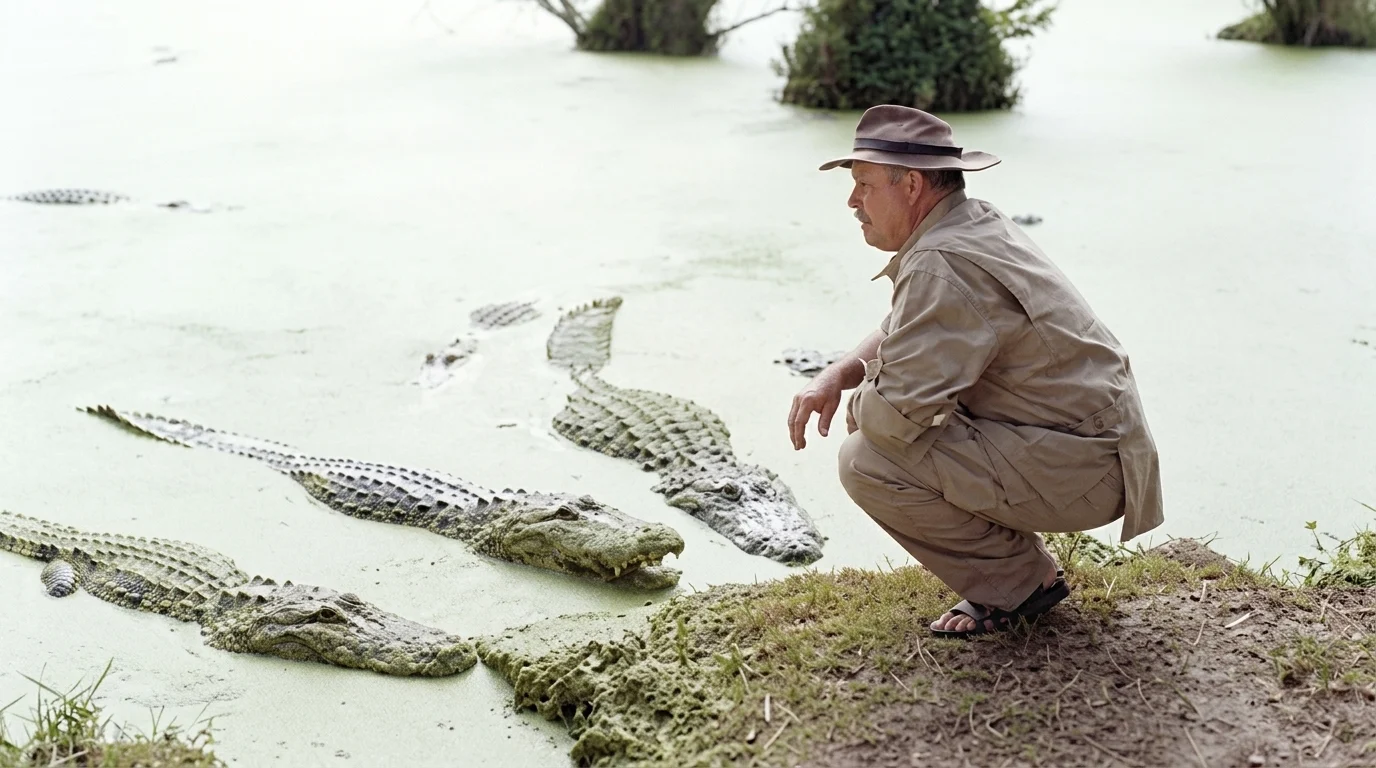
If you spot an alligator, keep your distance, avoid feeding it, supervise children and pets, and contact wildlife authorities if needed.
Back away slowly and never approach for a closer look or photo, since most bad encounters happen when someone gets too close.
Feeding alligators is illegal in South Carolina and makes them bolder around people, so never leave food scraps near their habitat.
Keep children and pets away from the water's edge, especially early morning and evening, and report any aggressive or bold alligator to the South Carolina Department of Natural Resources instead of handling it yourself.
Common Myths About Alligators in Charleston
Many widespread beliefs about alligator behavior, like chasing humans or climbing trees, are exaggerated or simply untrue.
Alligators can move quickly in short bursts, but they do not chase people for long distances.
If one does come toward you, moving away in a straight line is usually enough, since it will not keep pursuing for very long.
Baby alligators may look harmless, but their mother is often close by and will defend them.
A mother alligator stays with and protects her hatchlings for up to a year, so approaching a baby can provoke a serious response from an adult nearby.
Alligators cannot climb trees, but they are more capable on land than most people assume.
They are able to climb chain link fences and can jump up to six feet, both in water and on land. This is why fencing alone is not always a reliable barrier.
Tips for Living Safely Around Alligators in Charleston
A few simple habits can keep both residents and tourists safe around alligators in the Lowcountry.
- Walk pets on a leash and stay away from pond edges, especially at night, and avoid letting children play unsupervised near retention ponds or lakes.
- Report any alligator that seems unusually bold or aggressive to local wildlife authorities instead of handling the situation yourself.
- Stick to marked trails and boardwalks at parks and gardens rather than venturing off into marsh areas.
- Avoid wading into freshwater lakes or marshes, even if no alligator is visible, and keep a respectful distance when taking photos.
- Keep dogs on a short leash near any pond, lake, or marsh, and avoid letting them swim in waters known to have alligators, particularly during early morning or evening hours.
Conclusion
I have spent enough time near Lowcountry ponds to know that the moment you spot an alligator, your heart skips a little, then settles once you realize it is just resting quietly. That is really the whole story with alligators in Charleston: respect them, give them space, and they will give you the same.
If you found this guide helpful, drop a comment with your own gator sighting, share it with a friend moving to the area, or check out our other Charleston wildlife guides.
Frequently Asked Questions
How many alligators live in Charleston, South Carolina?
Charleston is part of South Carolina's Lowcountry, which holds a large share of the state's alligator population. Wildlife officials estimate roughly 100,000 alligators live across the state, mainly in coastal counties like Charleston.
What time of year are alligators most active in Charleston?
Alligators are most active during the warmer spring and summer months, especially from April through August. This period also overlaps with mating season, so sightings tend to rise noticeably.
Is it legal to feed alligators in Charleston?
No, feeding alligators is against the law in South Carolina. Feeding them removes their natural caution around people, which raises the risk of dangerous encounters later on.
What should I do if an alligator is in my backyard pond?
Keep children and pets away from the water and avoid approaching the animal yourself. Contact the South Carolina Department of Natural Resources or a licensed trapper to handle the situation safely.
Are alligator attacks common in the Charleston area?
Alligator attacks remain rare in Charleston compared to other parts of South Carolina, with most incidents historically occurring in Berkeley and Beaufort counties. Staying alert near water and avoiding close contact keeps the risk low.