If you live in Georgia, you have probably spotted a spider or two around your home. Maybe it was hiding in the corner of your garage. Maybe it was hanging in a web outside your back door. And your first thought was probably, "Is that thing dangerous?"
I get it. Most people cannot tell a harmless spider from a risky one just by looking.
Georgia has over 60 spider species. Some are actually good to have around. A few, like the black widow, are ones you should take seriously.
This guide will help you figure out exactly what you are looking at and what to do about it.
Spiders in Georgia at a Glance
Georgia is home to over 60 spider species. The warm climate, thick forests, and humid air make it a perfect spot for spiders to breed and spread.
Most of them are totally harmless to humans. Only a handful, like the black widow and brown recluse, can cause real harm.
So while you will run into spiders often here, very few of them are actually something to worry about.
How to Identify Spiders in Georgia
Start with body shape. Some spiders are round and fat, others are long and thin. Size helps too since most harmless ones stay small.
Next, look at color and markings. A red hourglass shape or a violin pattern on the back are big warning signs. Web style matters as well.
Funnel webs, orb webs, and messy tangles all point to different species. Around homes, check corners, woodpiles, basements, and garden beds. That is where most spiders hide.
11 Common Spiders in Georgia to Identify
Georgia has a wide range of spiders, from garden helpers to a few you should avoid. Here is a look at the most common ones you will spot around the state.
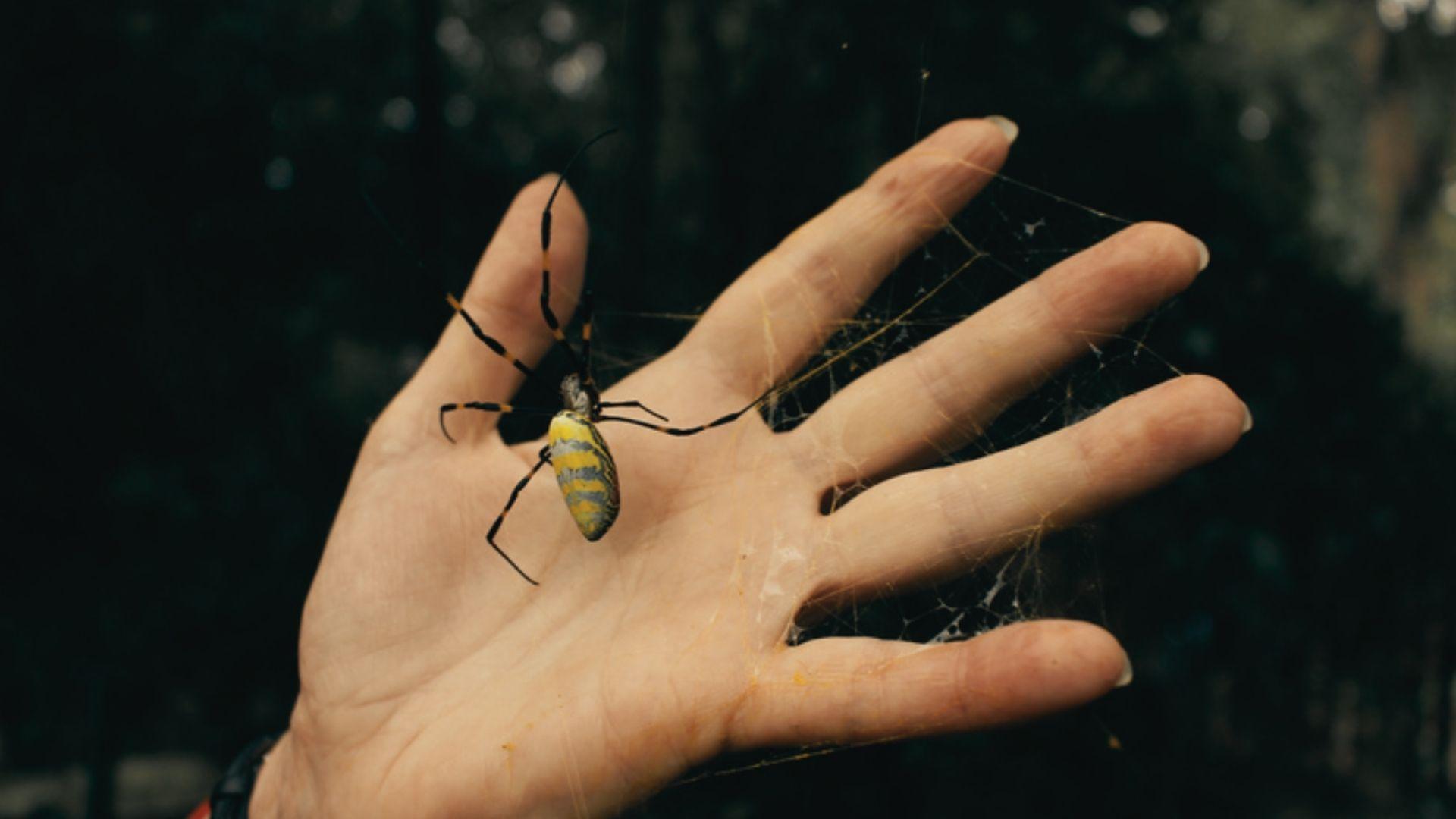
1. Jorō Spider (Trichonephila clavata)
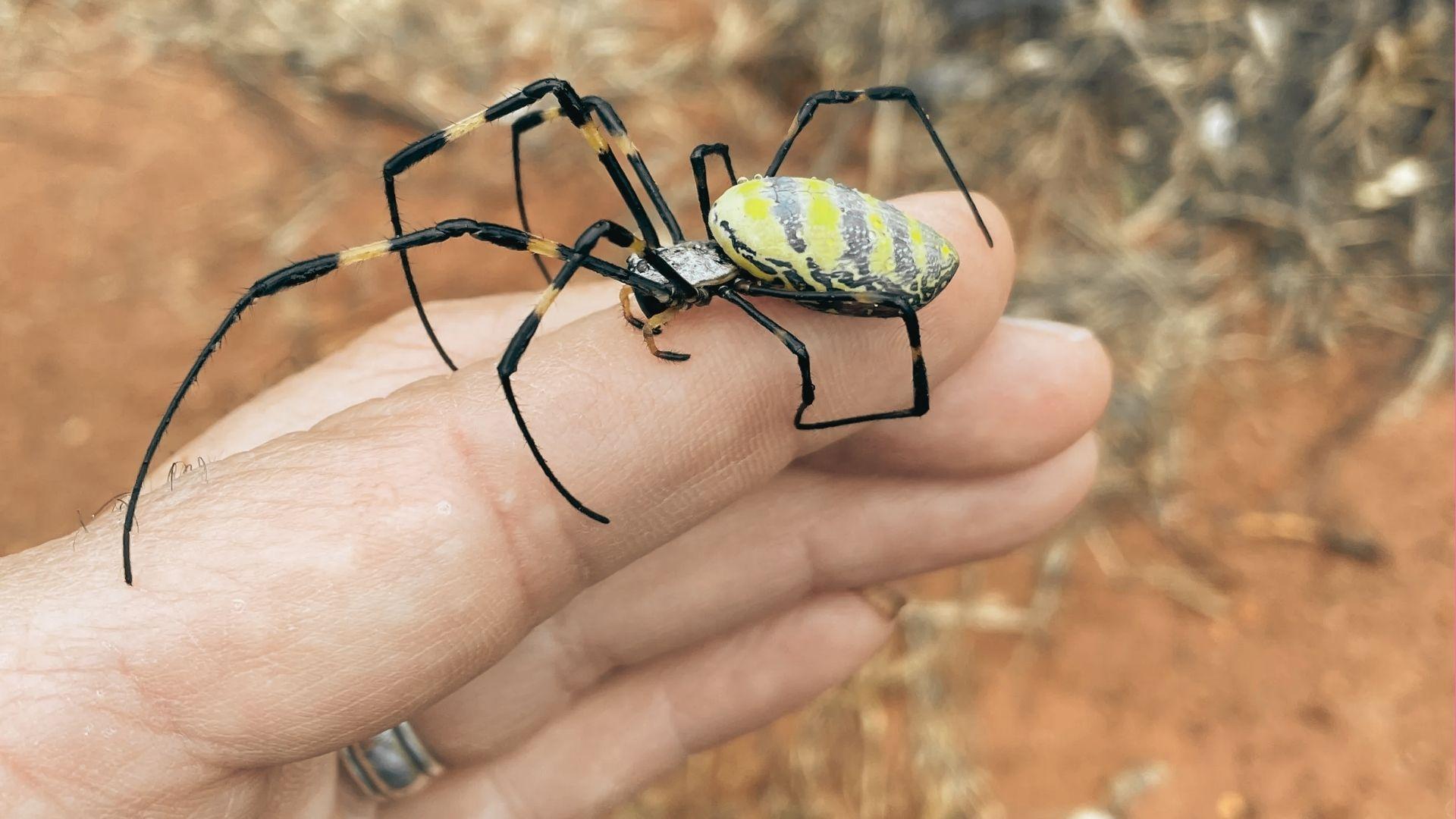
This large spider has bright yellow, blue, and red markings on its body. It builds big, golden orb webs in trees and shrubs.
Jorō spiders are non-aggressive and will not bite unless handled. They are actually helpful since they eat pest insects.
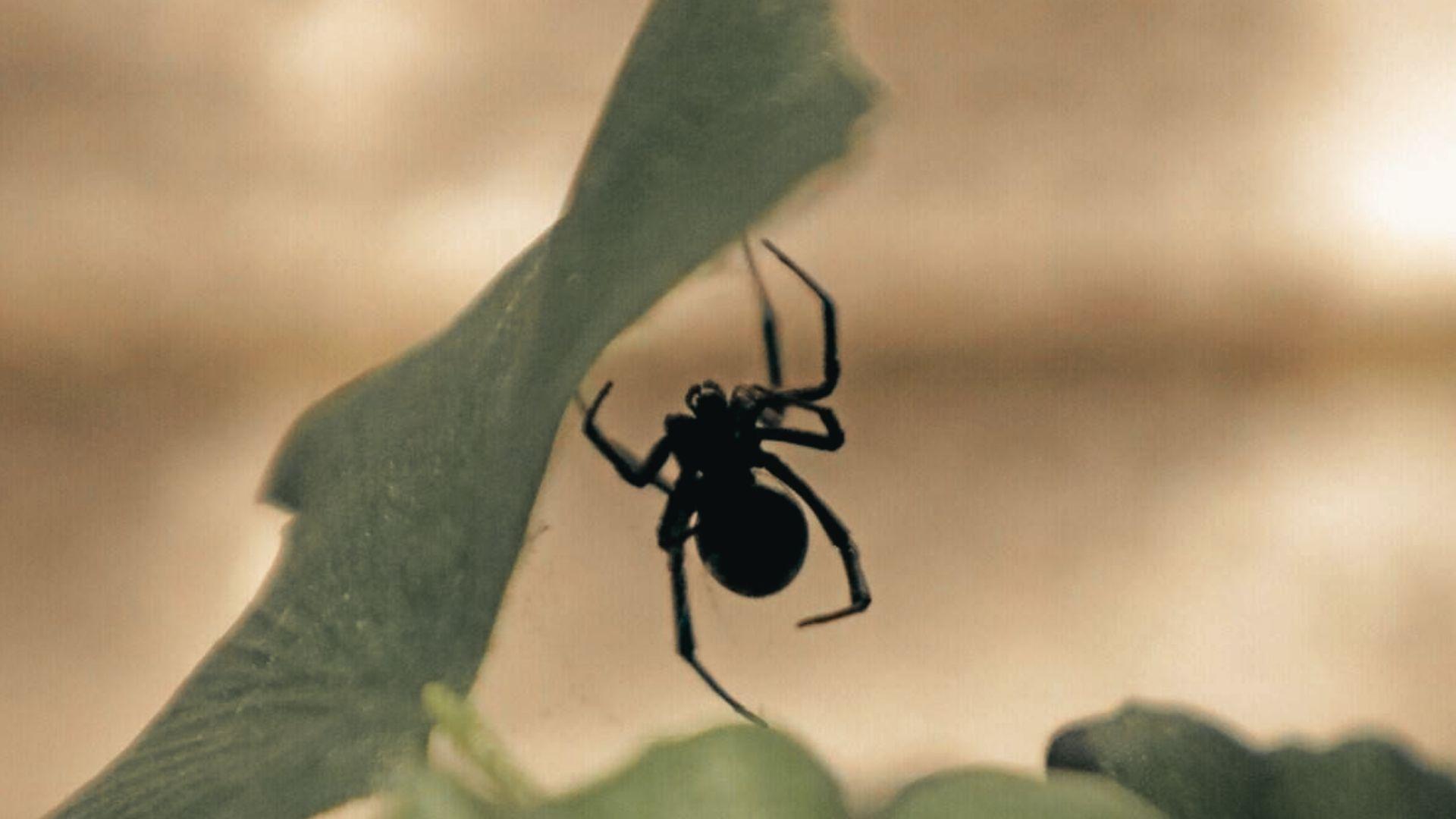
2. Southern Black Widow (Latrodectus mactans)
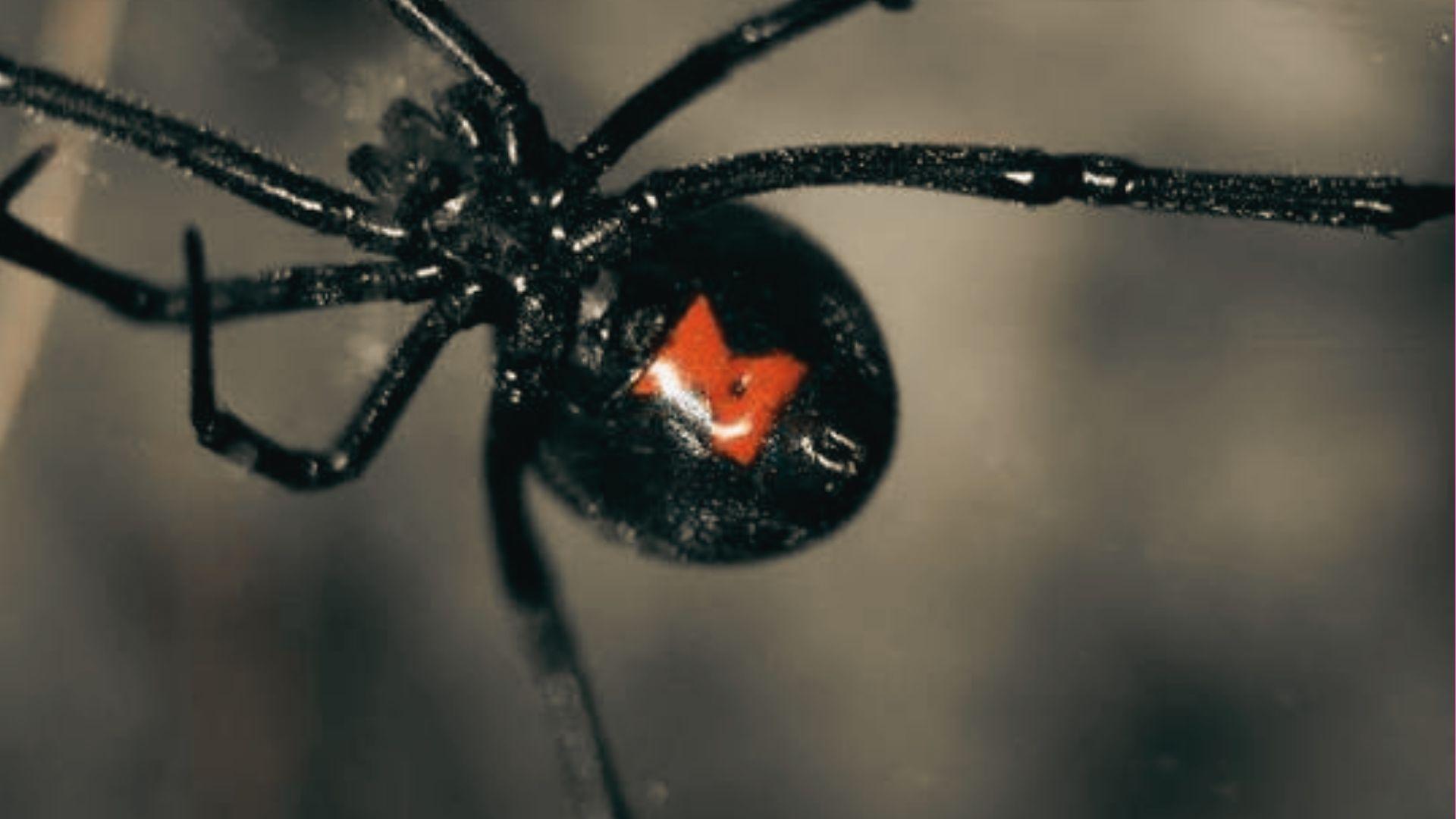
The female is shiny black with a red hourglass on her belly. She hides in dark, sheltered spots like woodpiles, sheds, and under rocks.
A bite can cause muscle pain, cramps, and nausea. It is rarely fatal but needs medical attention right away.
3. Brown Widow Spider (Latrodectus geometricus)
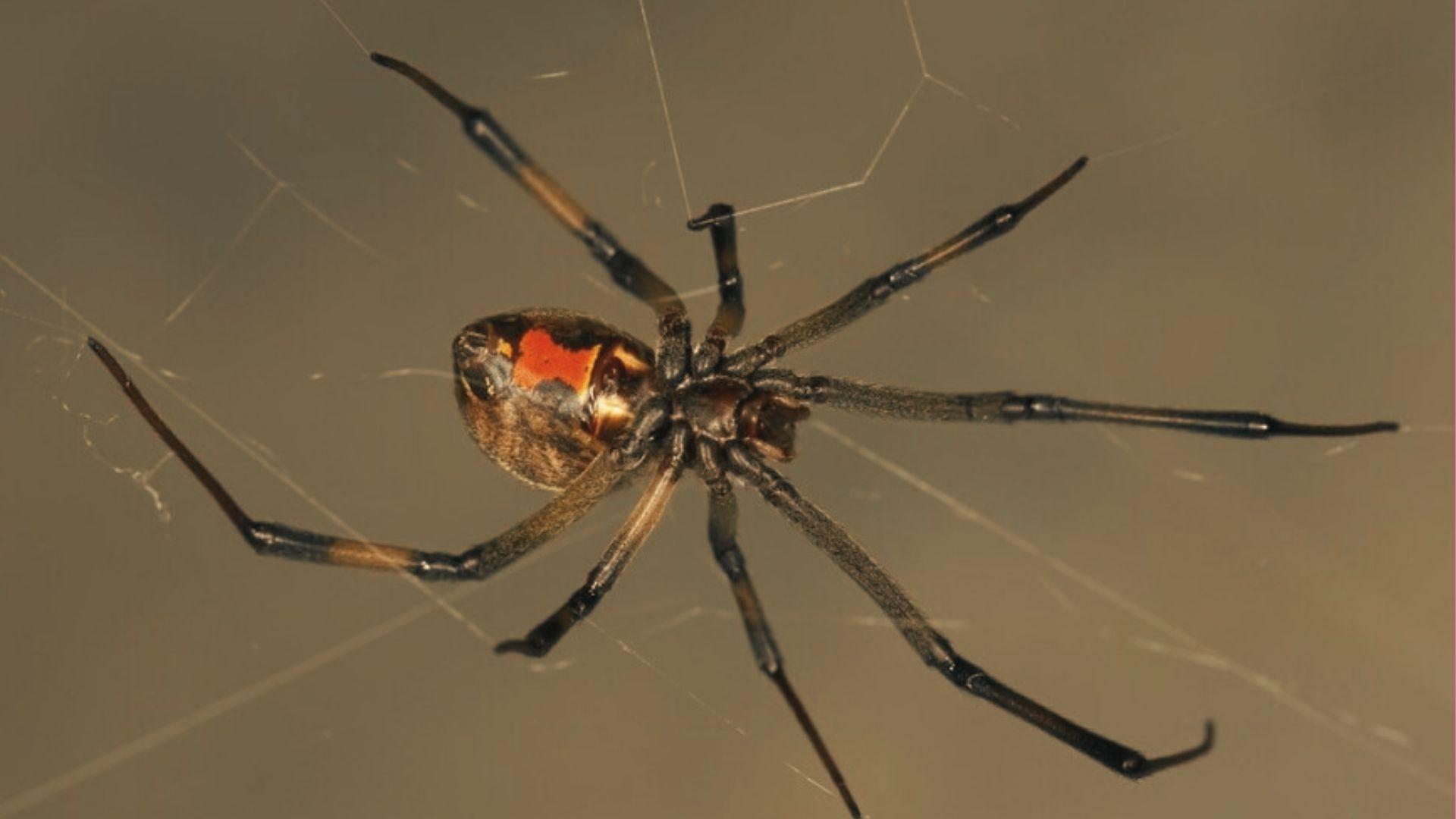
Brown widows are tan to dark brown with an orange hourglass marking. They are smaller and less aggressive than black widows.
Their venom is actually stronger, but they inject much less of it. You will find them in outdoor furniture, planters, and sheltered corners.
4. Yellow Garden Spider (Argiope aurantia)

This spider has bold black and yellow markings on a large body. It spins big, round webs with a thick zigzag pattern in the center.
It is completely harmless to humans. In gardens, it helps control flies, beetles, and other damaging insects naturally.
5. Wolf Spider

Wolf spiders are large, hairy, and brown with stripe patterns. They do not spin webs and instead chase down prey on foot.
You will often spot them on the ground, in grass, or near doors at night. They look scary but are not dangerous.
6. Common House Spider (Parasteatoda tepidariorum)
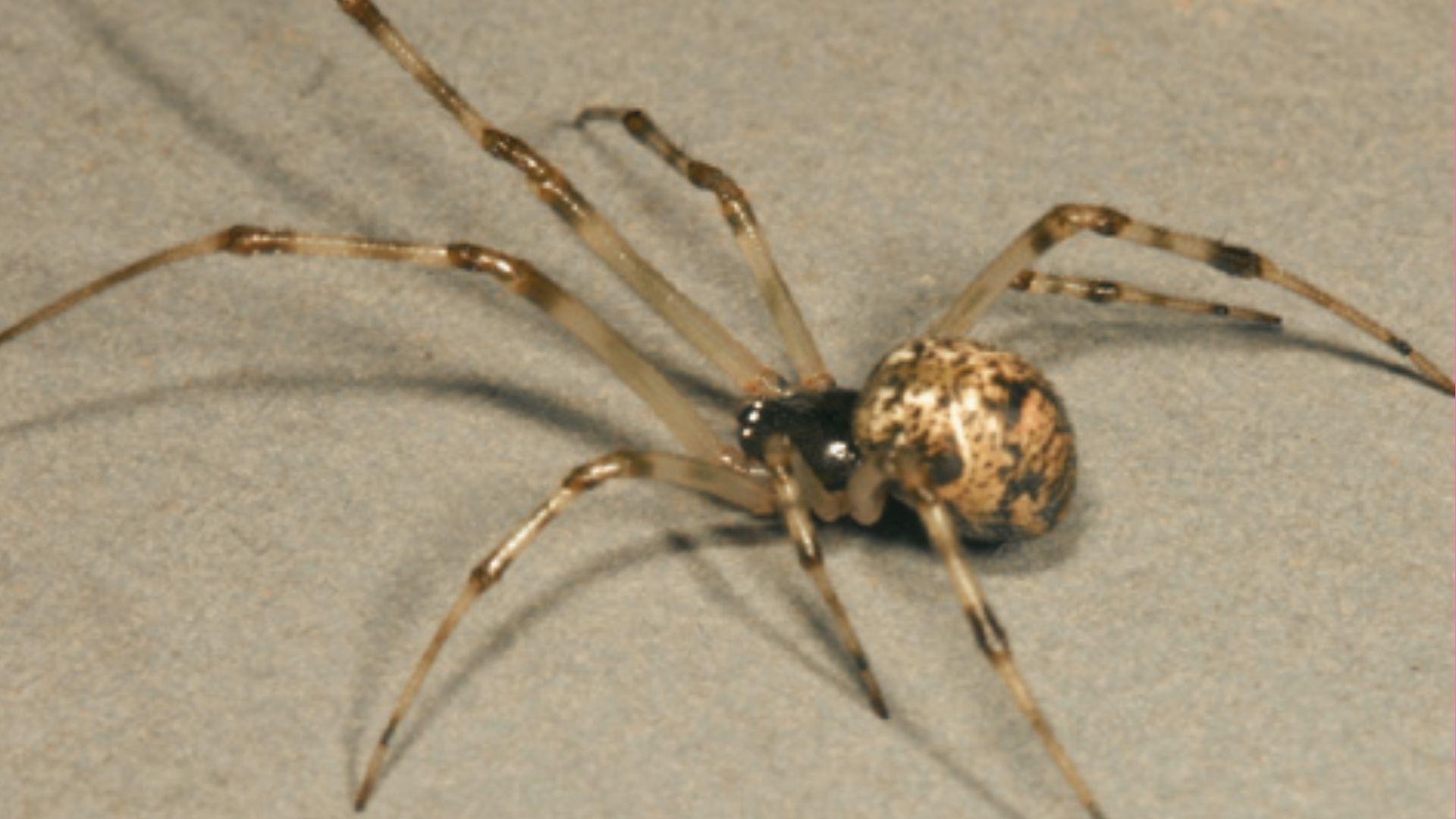
This small brown spider loves indoor spaces like ceiling corners, closets, and garages. It builds messy, tangled webs that collect dust fast.
It is harmless and actually catches small insects inside your home. Most people spot its web before they ever see the spider itself.
7. Cellar Spider (Daddy Longlegs)

Cellar spiders have tiny bodies and very long, thin legs. They live in damp, dark spaces like basements, crawl spaces, and garages.
They are completely harmless to humans. The idea that they are highly venomous is a myth with no scientific backing.
8. Jumping Spider
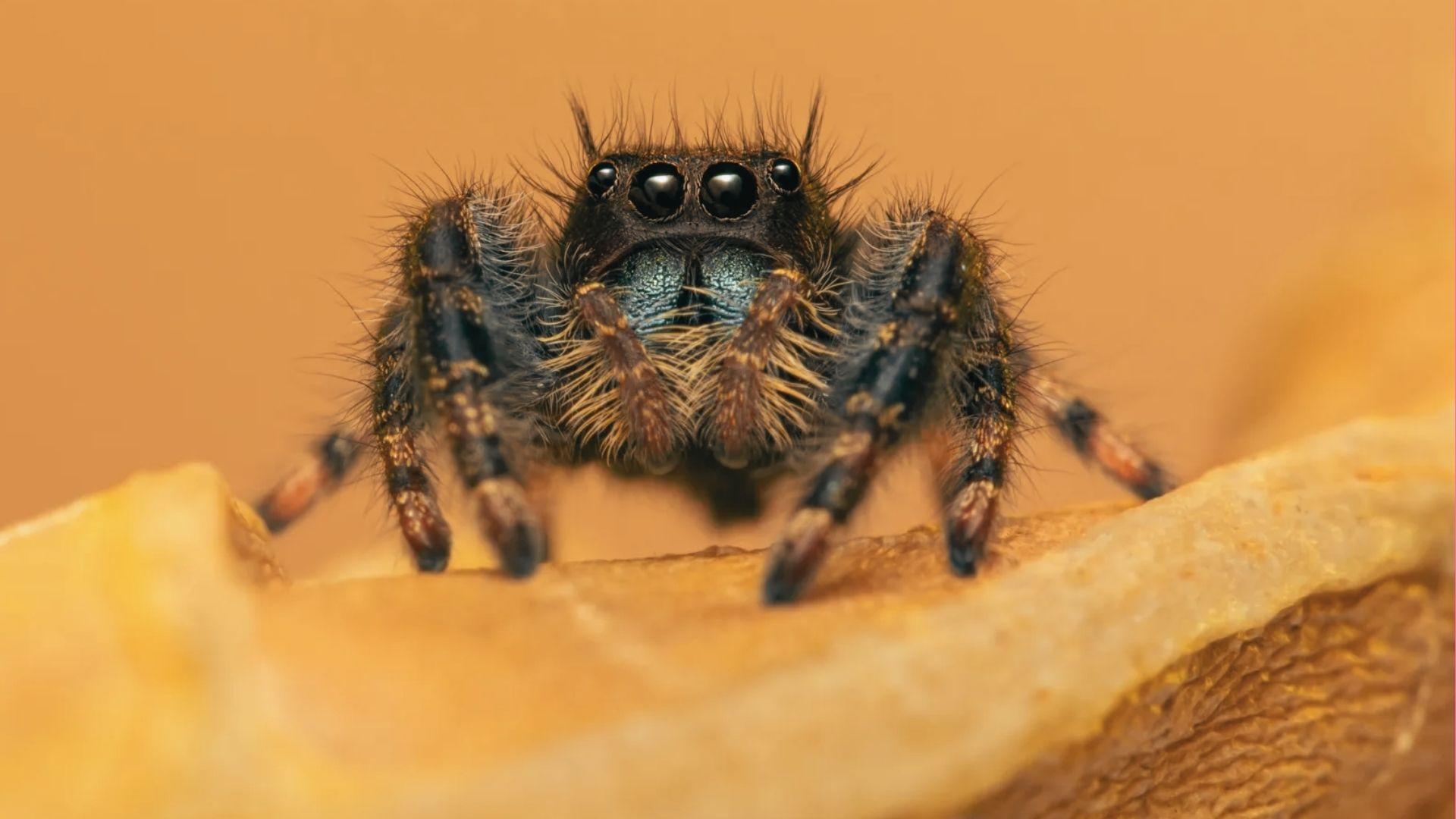
Jumping spiders have large front eyes that give them excellent vision. They stalk and pounce on prey instead of using webs.
In Georgia, the bold jumping spider is one of the most common. They are curious, fast, and harmless to humans.
9. Orb-Weaver Spiders
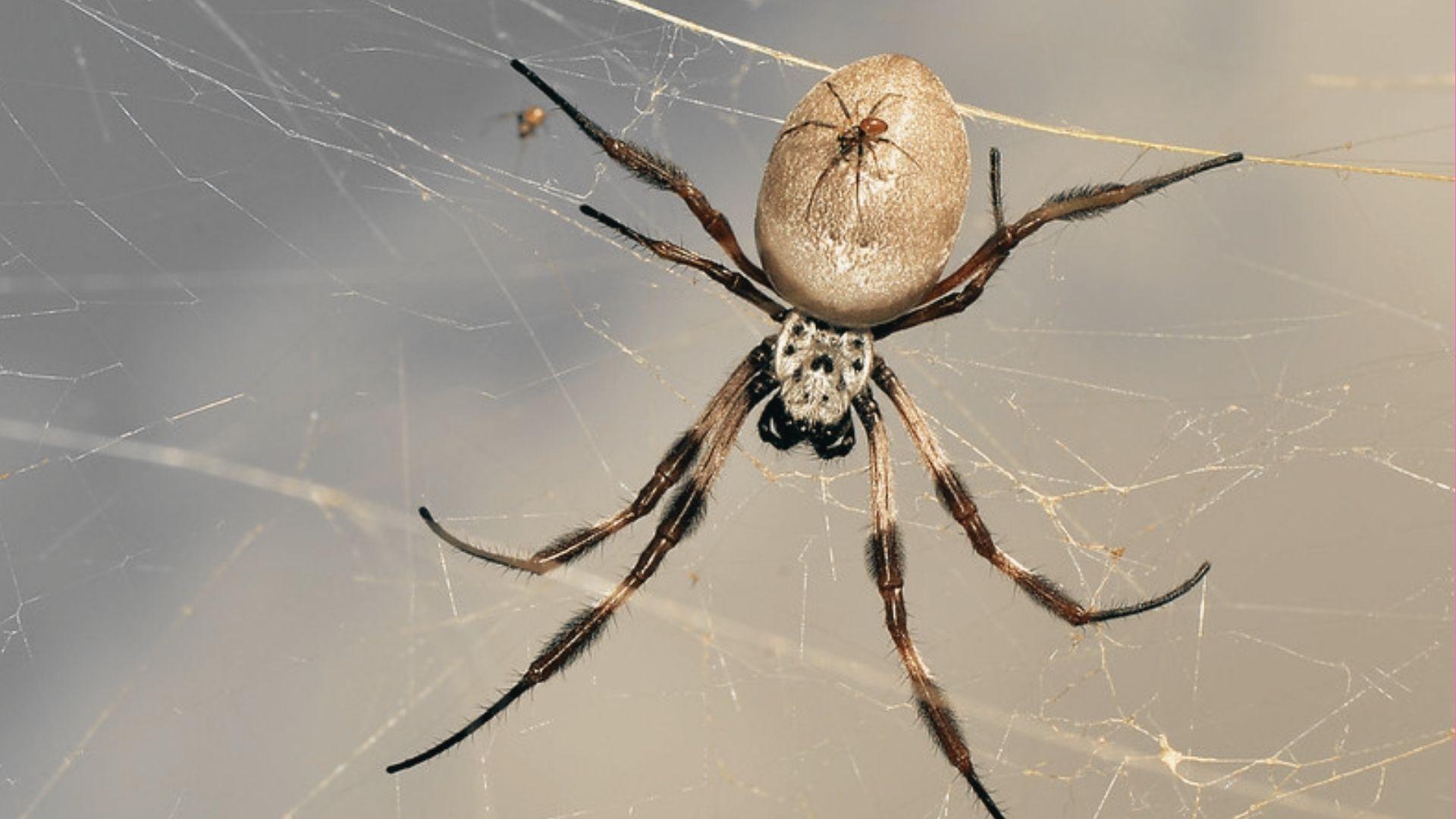
Orb-weavers build large, round, perfectly symmetrical webs. They are most active in late summer and fall.
Common Georgia species include the spotted orb-weaver and spined micrathena. They are harmless and help reduce flying insect populations around your yard.
10. Southern House Spider (Kukulcania hibernalis)
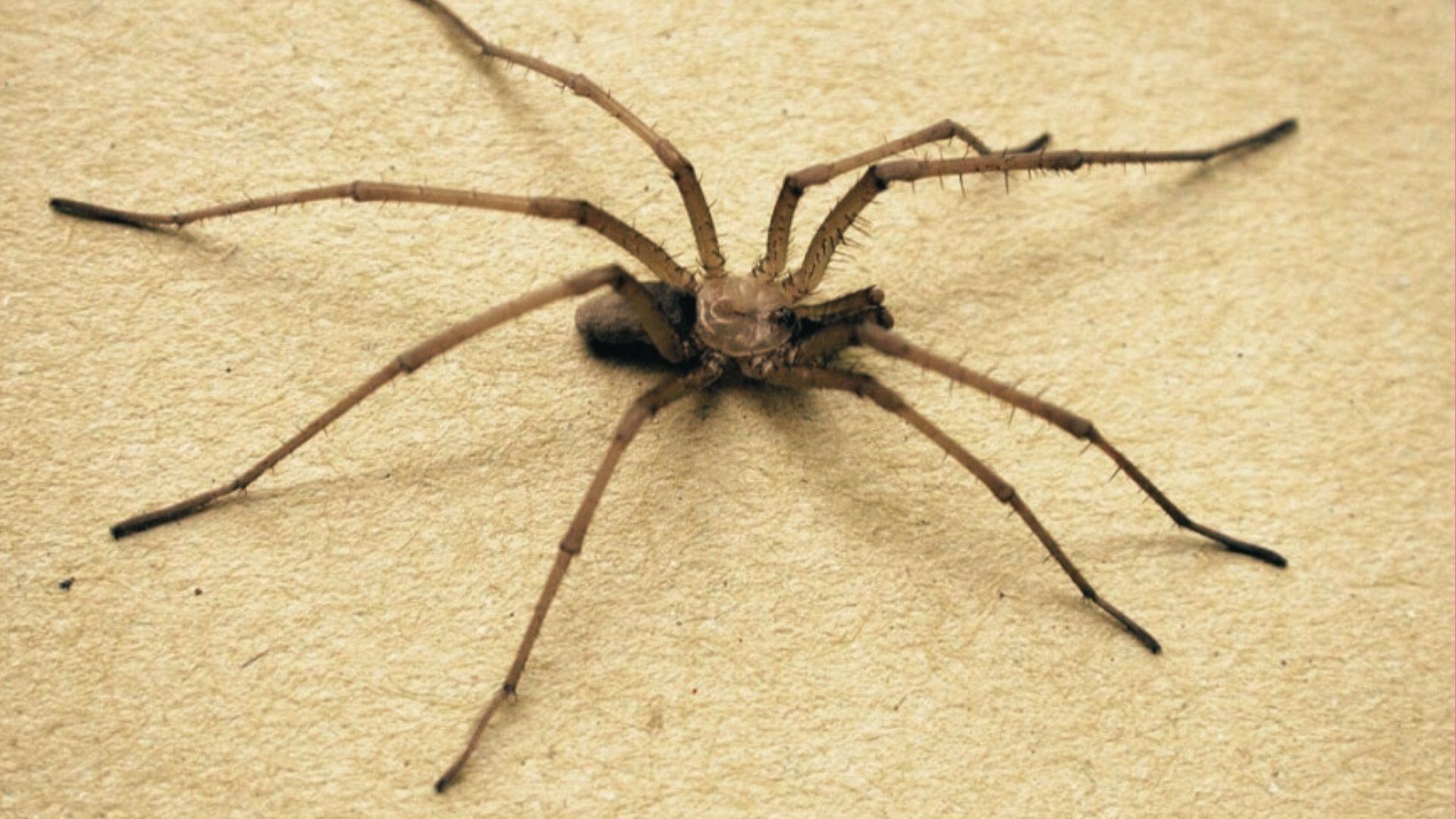
Males are thin, long-legged, and often mistaken for brown recluses. Females are darker, bulkier, and stay close to their webs.
Both live around window frames, eaves, and brick walls. Homeowners usually spot the males wandering indoors while looking for a mate.
11. Fishing Spiders (Dolomedes species)
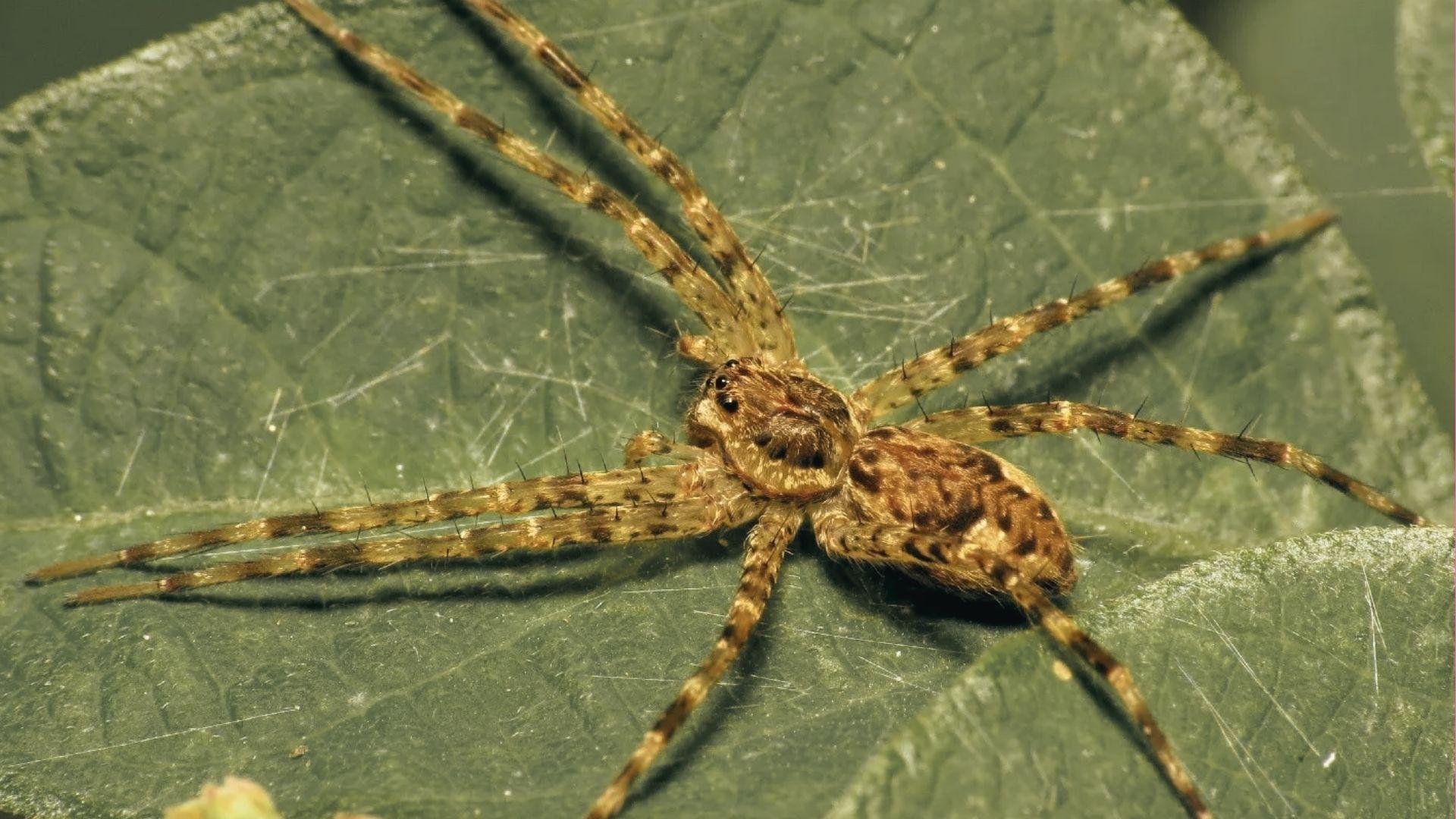
Fishing spiders live near ponds, streams, and swamps. They are large, with a leg span that can reach three inches.
They can walk on water and even catch small fish or tadpoles. They will only bite if directly threatened or cornered.
Where Spiders Are Found in Georgia
Spiders in Georgia show up just about everywhere. Inside homes, they hide in corners, garages, and closets. Gardens attract orb-weavers and wolf spiders that feed on insects.
Thick forests and wooded areas are home to larger species that build webs between trees. Sheds, crawl spaces, and basements are favorites for cellar spiders and brown recluses.
Dark, damp, and undisturbed spots are where most spiders prefer to set up.
Seasonal Spider Activity in Georgia

Spider activity in Georgia changes with every season. Knowing when and why spiders show up helps you stay ahead of them all year long.
Spring Spider Activity
Spiders start coming out as temperatures rise in spring. This is when eggs laid over winter begin to hatch.
You will notice small spiders showing up in gardens, on fences, and around window frames. It is the start of their active season.
Summer Population Growth
Summer is peak time for spiders in Georgia. Warm weather means more insects, and more insects mean more spiders hunting them.
Species like wolf spiders and orb-weavers are very active during this period. Gardens and yards see the highest spider numbers.
Fall Web-Building Season
Fall is when you notice the most webs. Spiders are feeding heavily to prepare for winter. Orb-weavers build their largest webs during this time.
You will spot them strung between shrubs, trees, and porch railings early in the morning.
Winter Spider Behavior
Most spiders slow down in winter but do not disappear. Some move indoors to stay warm. Others survive outside by hiding under bark, leaf piles, or inside cracks.
A few species stay active all year. Cellar spiders and house spiders are common indoor finds during colder months.
Spider Prevention and Safety Tips
Most spiders are harmless, but a few simple habits can keep them out of your space. Here is what actually works.
- Seal cracks around doors, windows, and foundations. Spiders get in through the smallest gaps, so check these spots regularly.
- Use a glass and paper to catch and release spiders outside. Never crush them near entry points as it can attract other insects.
- Clear clutter like cardboard boxes, woodpiles, and old clothes from storage areas. These are prime hiding spots for spiders like brown recluses.
- Keep outdoor lights off or switch to yellow bulbs. Bright lights draw insects, and insects draw spiders close to your home.
- Shake out shoes, gloves, and clothing left in garages or sheds before wearing. Venomous spiders like dark, undisturbed spots and can hide inside them.
Conclusion
I have seen my share of spiders living in Georgia, and most of them are nothing to panic about. Knowing what you are looking at makes a big difference.
A few species do need caution, but the majority are just doing their job around your home and garden.
Stay aware, check dark corners, and seal entry points before the problem grows. If you found this helpful, share it with someone who needs it or drop a comment below.
Frequently Asked Questions
How many spider species live in Georgia?
Georgia is home to over 60 spider species. Most of them are harmless, and only a few can actually cause harm to humans.
How can I tell if a spider in Georgia is dangerous?
Look for warning signs like a red hourglass shape or a violin pattern on the back. Web style and habitat can also give you clues.
What is the most dangerous spider in Georgia?
The black widow is considered the most dangerous spider in the state. Its bite can cause muscle pain and cramps, so medical attention is needed right away.
Where do spiders in Georgia usually hide?
Spiders often hide in corners, garages, basements, and woodpiles. Outdoor spots like gardens and sheds are common too.
How do I keep spiders out of my home?
Seal cracks around doors and windows, and clear out clutter from storage areas. Keeping outdoor lights off can also help reduce spider activity near your home.