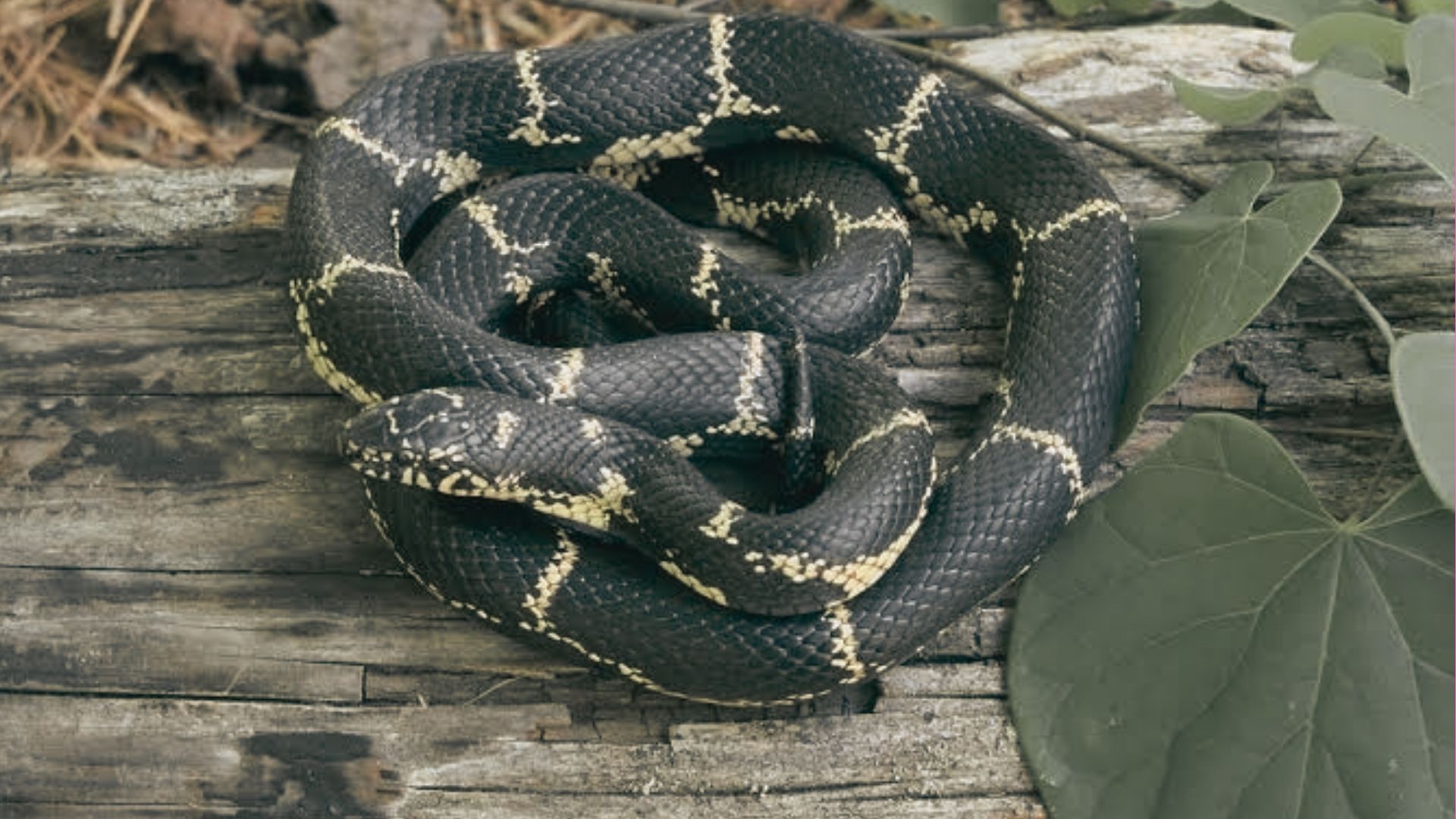
I still remember the first time I saw a snake in my backyard. My first instinct was to run. But once I learned what I was actually looking at, everything changed.
Georgia has around 46 snake species living across forests, wetlands, backyards, and farmlands. Only 6 of them are venomous. That means most of what you see is completely harmless.
The problem is, most people can't tell the difference. And that fear leads to a lot of unnecessary panic, and sometimes even harm to snakes that didn't deserve it.
This guide breaks down the most common species, how to spot them, and how to stay safe around them.
Georgia Snakes at a Glance
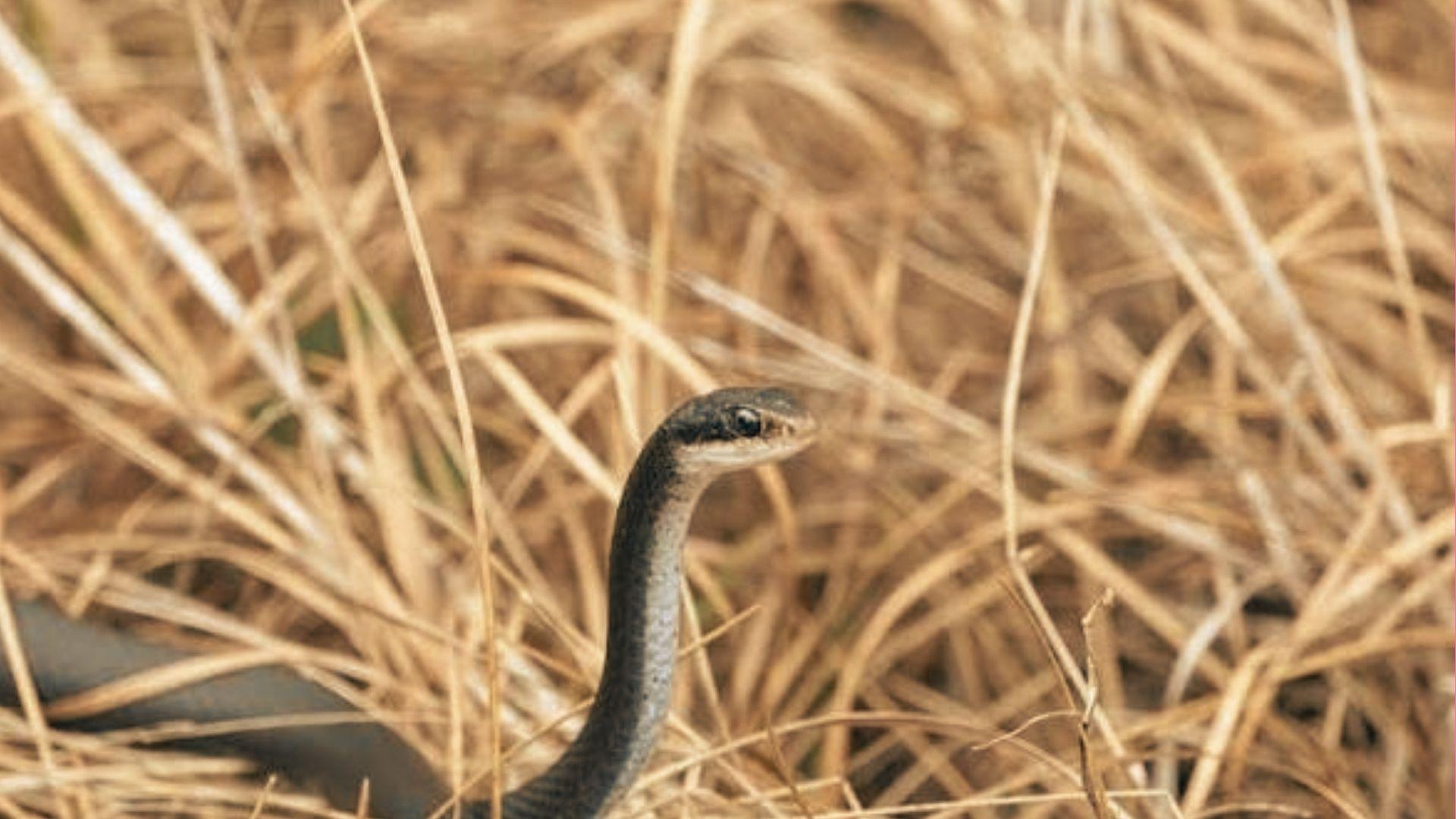
Georgia is home to around 46 snake species, and only 6 of them are venomous. You can find snakes almost everywhere across the state, from forests and wetlands to backyards and farmlands.
Snakes play a big role in keeping ecosystems balanced. They control rodent populations, support the food chain, and help manage pest numbers naturally.
Most snakes in Georgia are harmless and actually benefit the environment around them. Knowing the difference between species can help you stay safe and stop unnecessary fear.
List of 11 Common Snakes Found in Georgia
Georgia has around 46 snake species, but only a handful are ones you really need to know about. Here are 11 common snakes you might come across in the state.
Venomous Snakes in Georgia
1. Copperhead
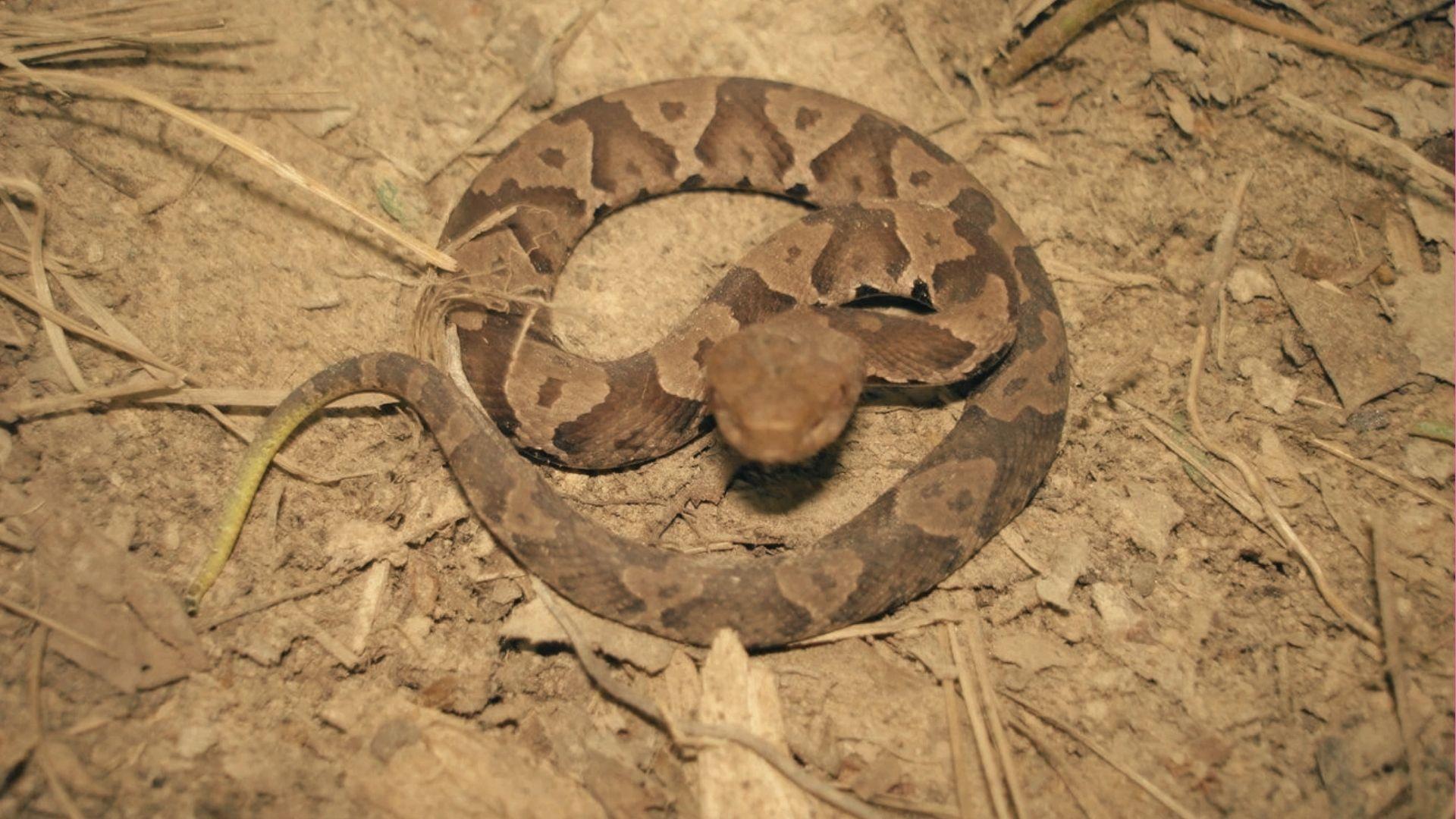
The Copperhead is one of the most common venomous snakes in Georgia. It has a thick body with hourglass-shaped brown and tan bands.
You'll usually find it in wooded areas, rocky hillsides, and near streams. It's not aggressive but will strike if stepped on or threatened.
2. Cottonmouth (Water Moccasin)
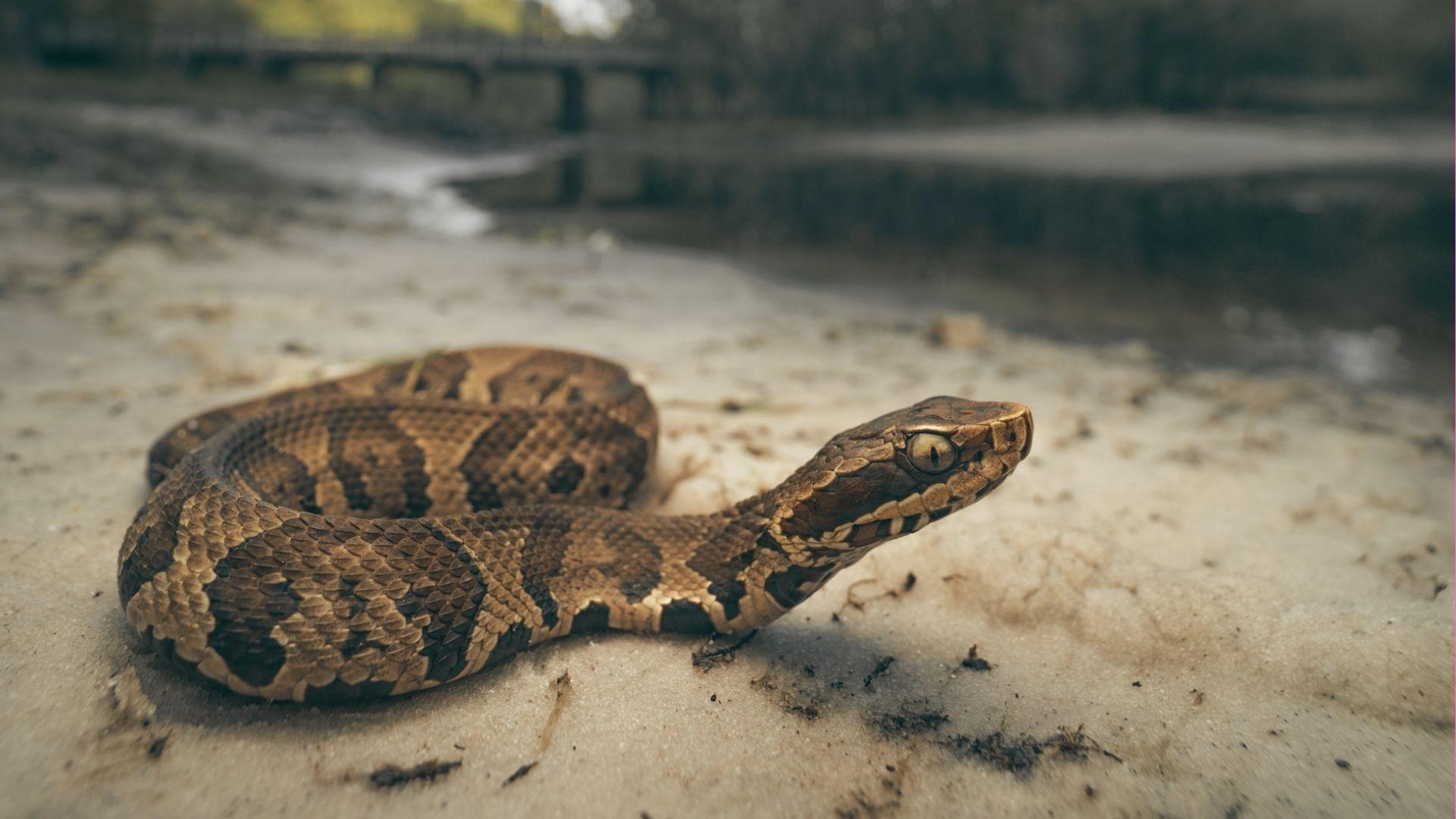
The Cottonmouth gets its name from the white inside of its mouth, which it shows when threatened. It's a heavy-bodied, dark-colored snake found near water.
Swamps, ponds, and slow-moving streams are its favorite spots. It is venomous and should be avoided.
3. Eastern Diamondback Rattlesnake
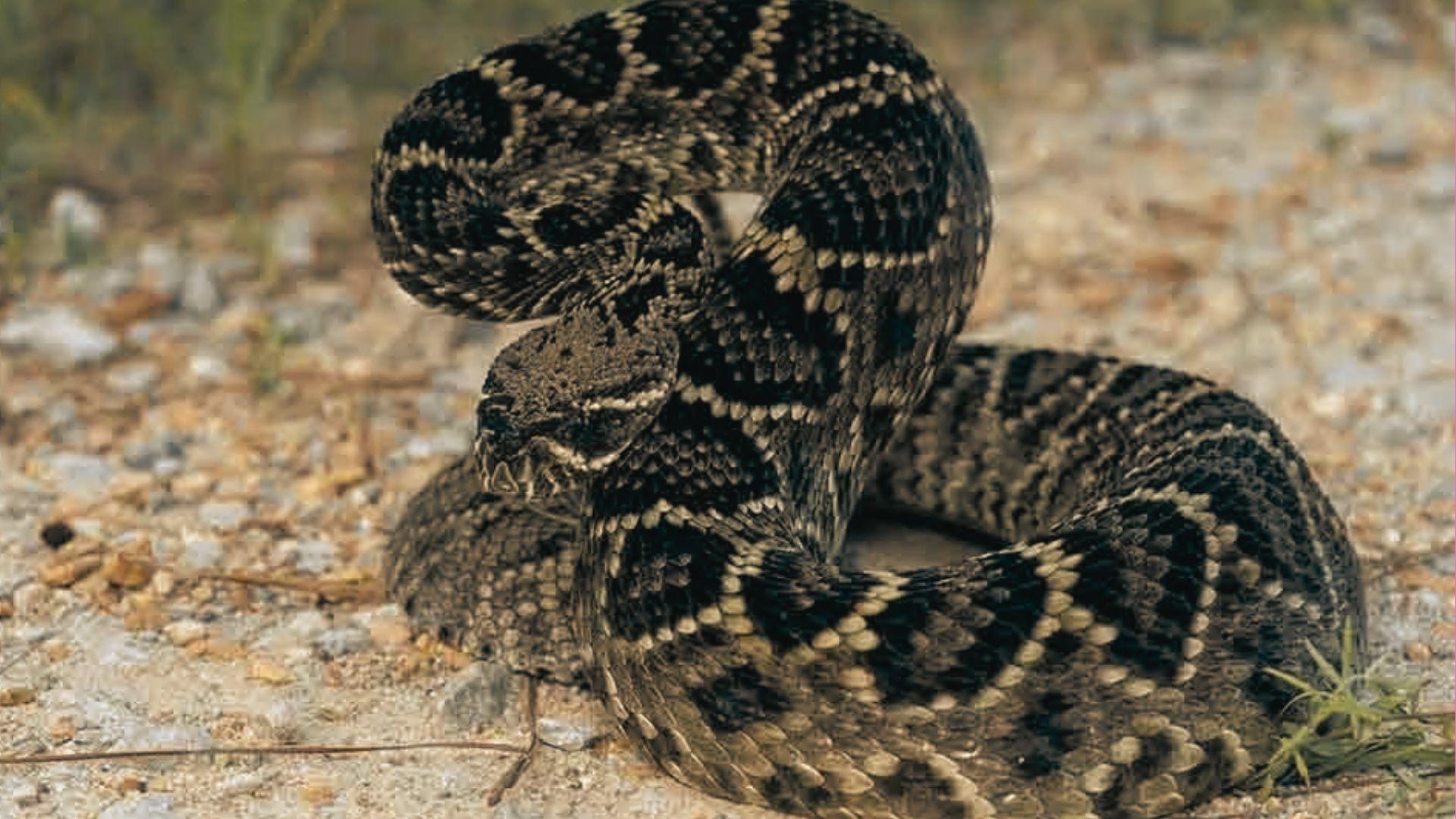
This is the largest venomous snake in North America. It has a bold diamond pattern along its back and a rattle at the tail.
You'll find it in dry, sandy areas and pine flatwoods across southern Georgia. It's dangerous but rarely comes close to people.
4. Timber Rattlesnake
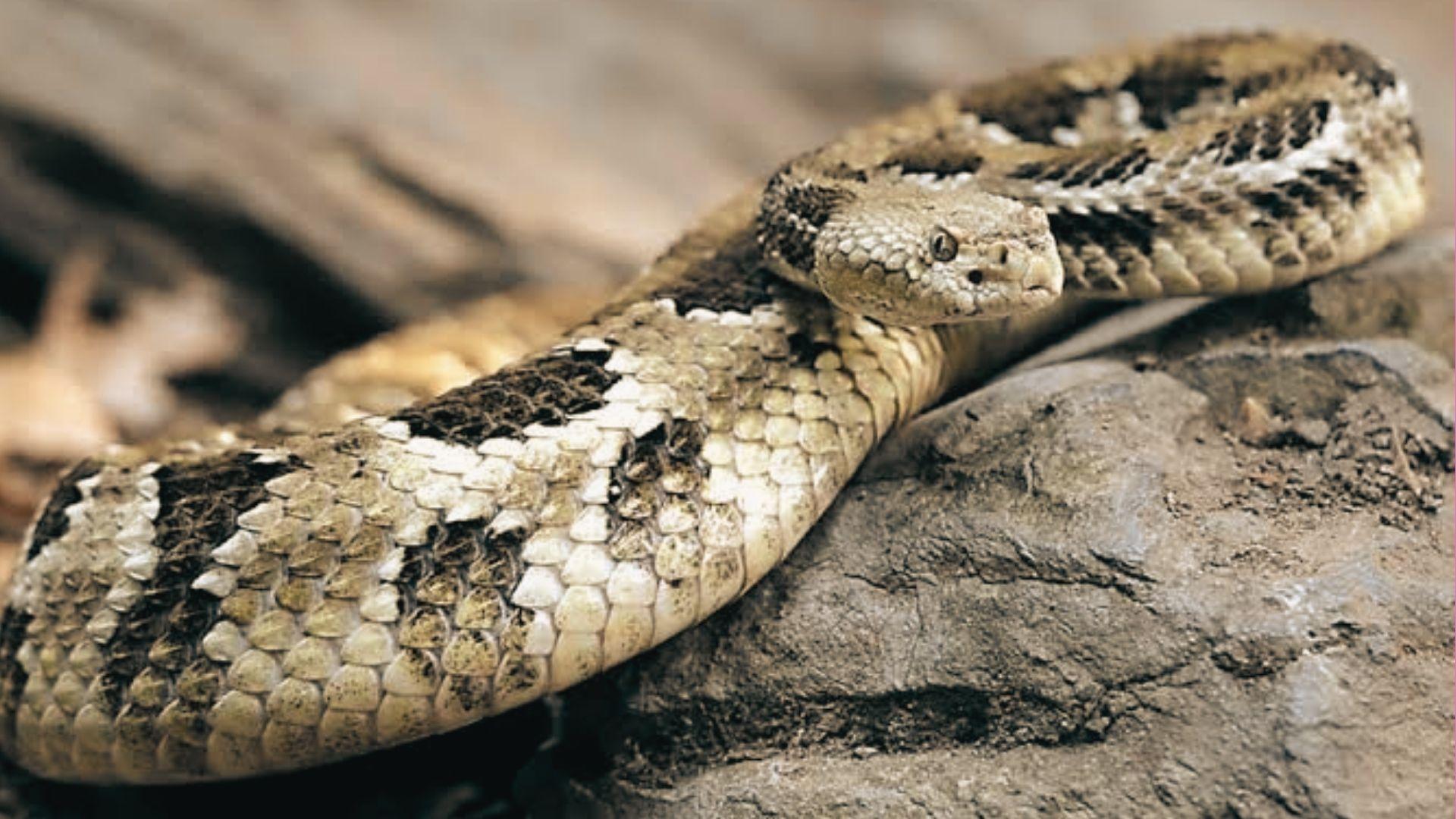
The Timber Rattlesnake is thick-bodied with dark crossband patterns on a gray or brown base. It lives in forests, rocky ridges, and mountain areas.
Though venomous, it's usually calm and slow to strike unless seriously provoked.
5. Eastern Coral Snake
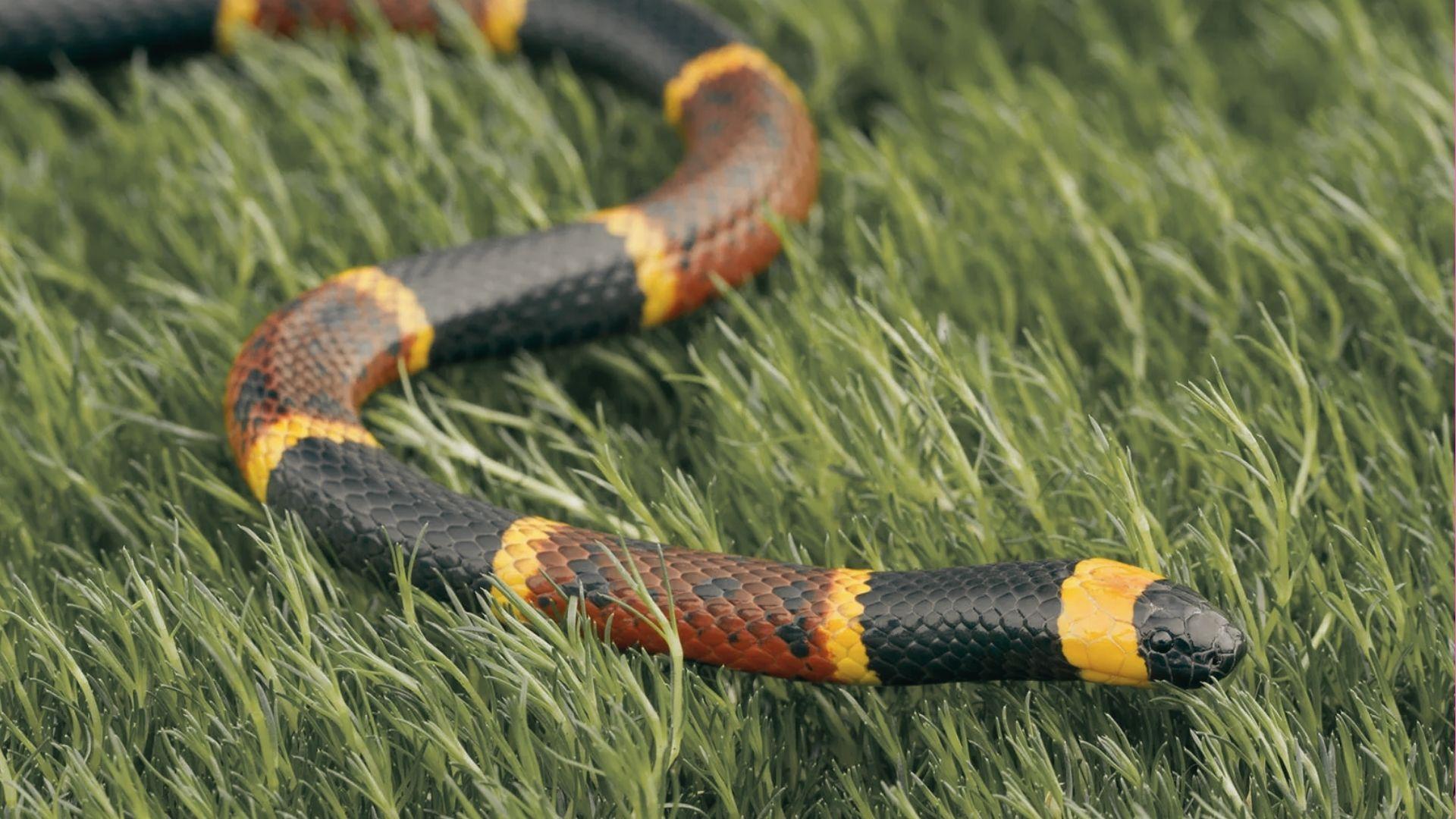
This snake has bright red, yellow, and black bands.
Remember the saying:red touches yellow, kill a fellow.
It's venomous but shy and rarely seen. It prefers sandy soil, leaf litter, and wooded areas in southern Georgia.
Non-Venomous Snakes in Georgia
6. Black Racer
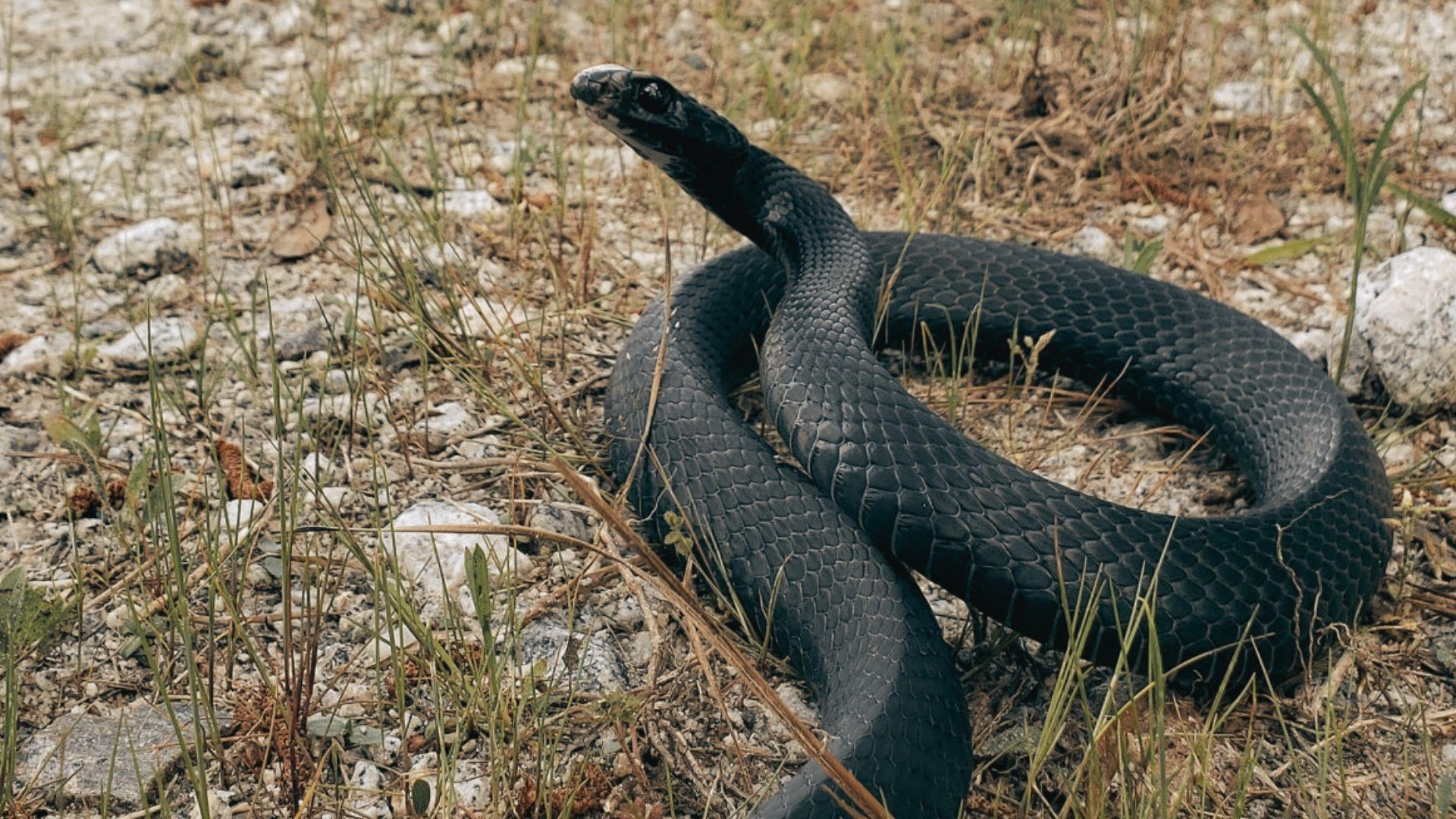
The Black Racer is a fast-moving, non-venomous snake with a solid black body and white chin. It's very common across Georgia and lives in open fields, forest edges, and suburban areas.
It may act aggressive when cornered but is completely harmless.
7. Corn Snake
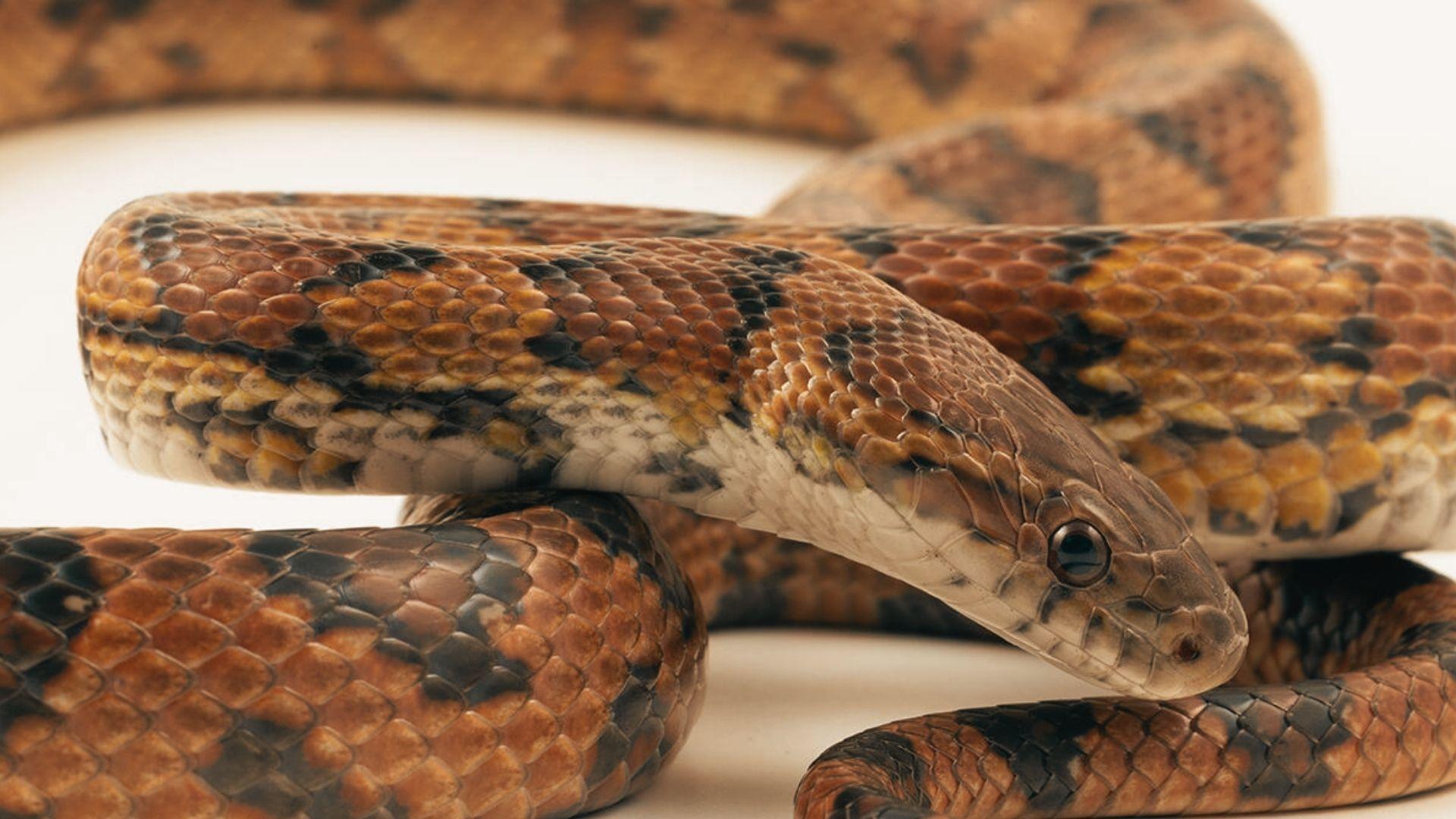
The Corn Snake is non-venomous with orange and red blotches outlined in black. It's often found in fields, forests, and old buildings.
Many people mistake it for a venomous snake, but it's totally safe and actually helps control rodent numbers.
8. Rat Snake
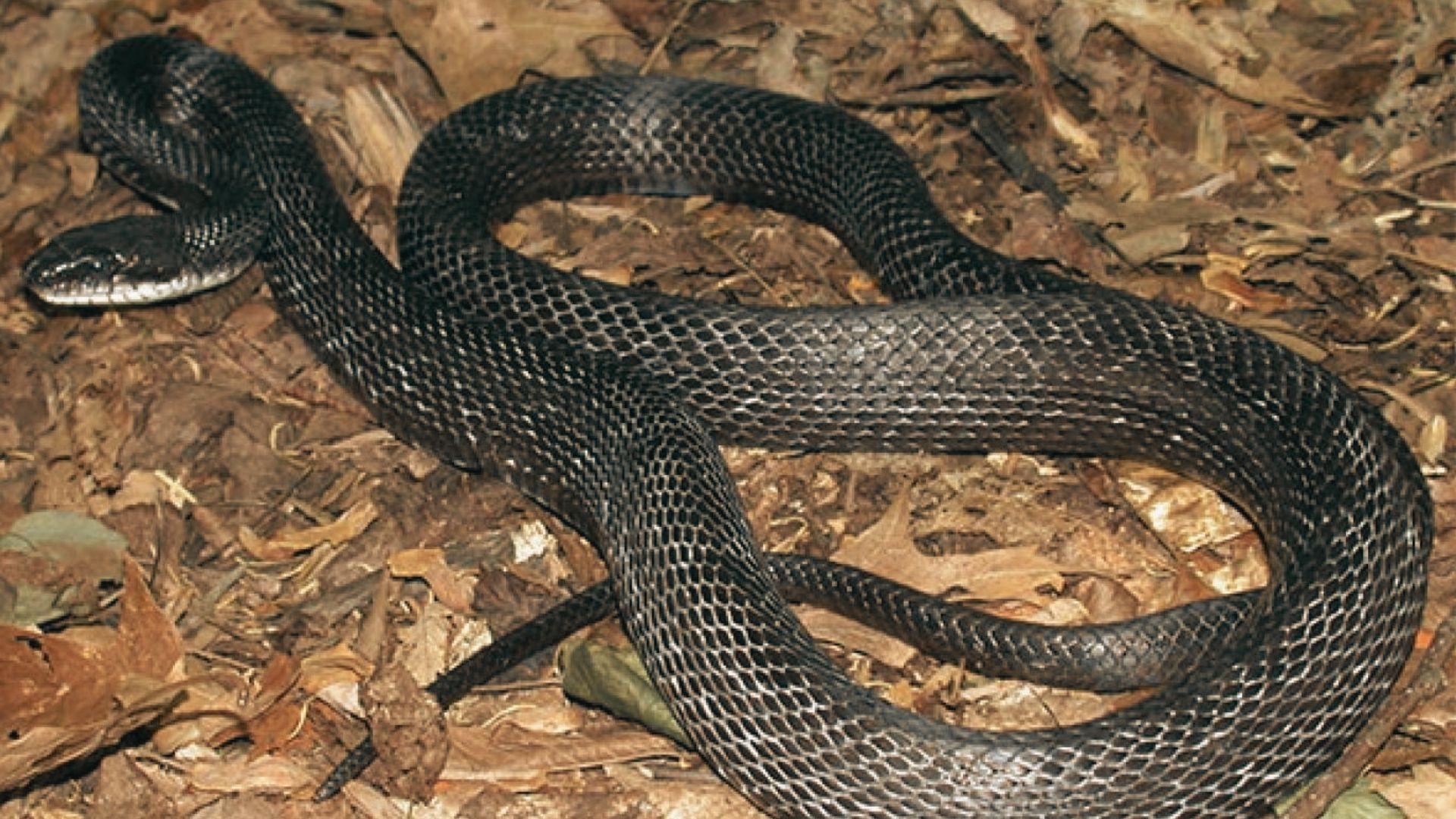
The Rat Snake is a large, non-venomous snake that can grow over 6 feet long. It's usually black or gray with faint patterning.
You'll find it in farms, forests, and even attics. It's an excellent climber and a natural pest controller.
9. Eastern Kingsnake
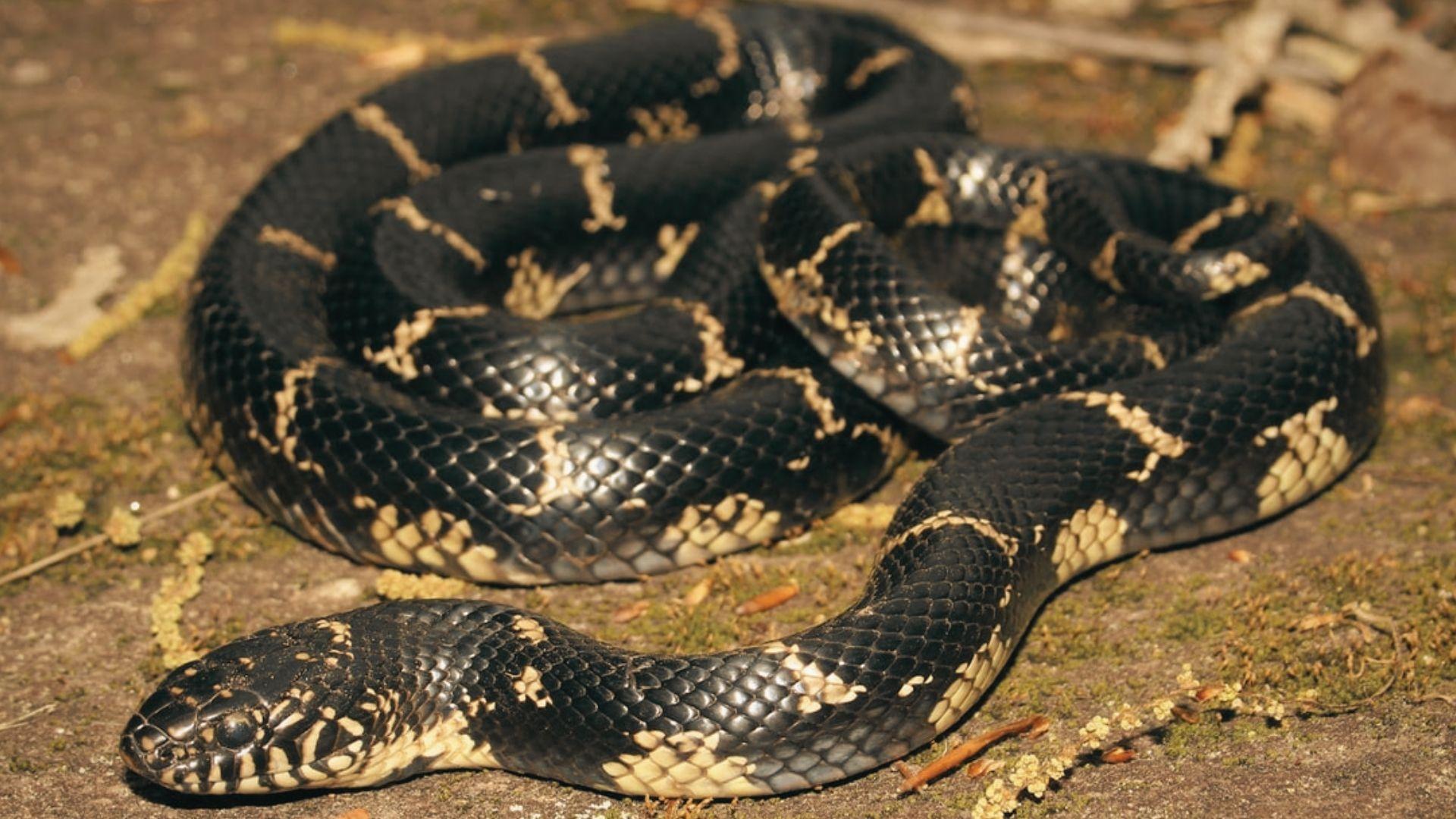
The Eastern Kingsnake has a shiny black body with white or yellow chain-like patterns. It's non-venomous and known for eating other snakes, including venomous ones.
It's found in forests, swamps, and farmlands across Georgia.
10. Eastern Indigo Snake
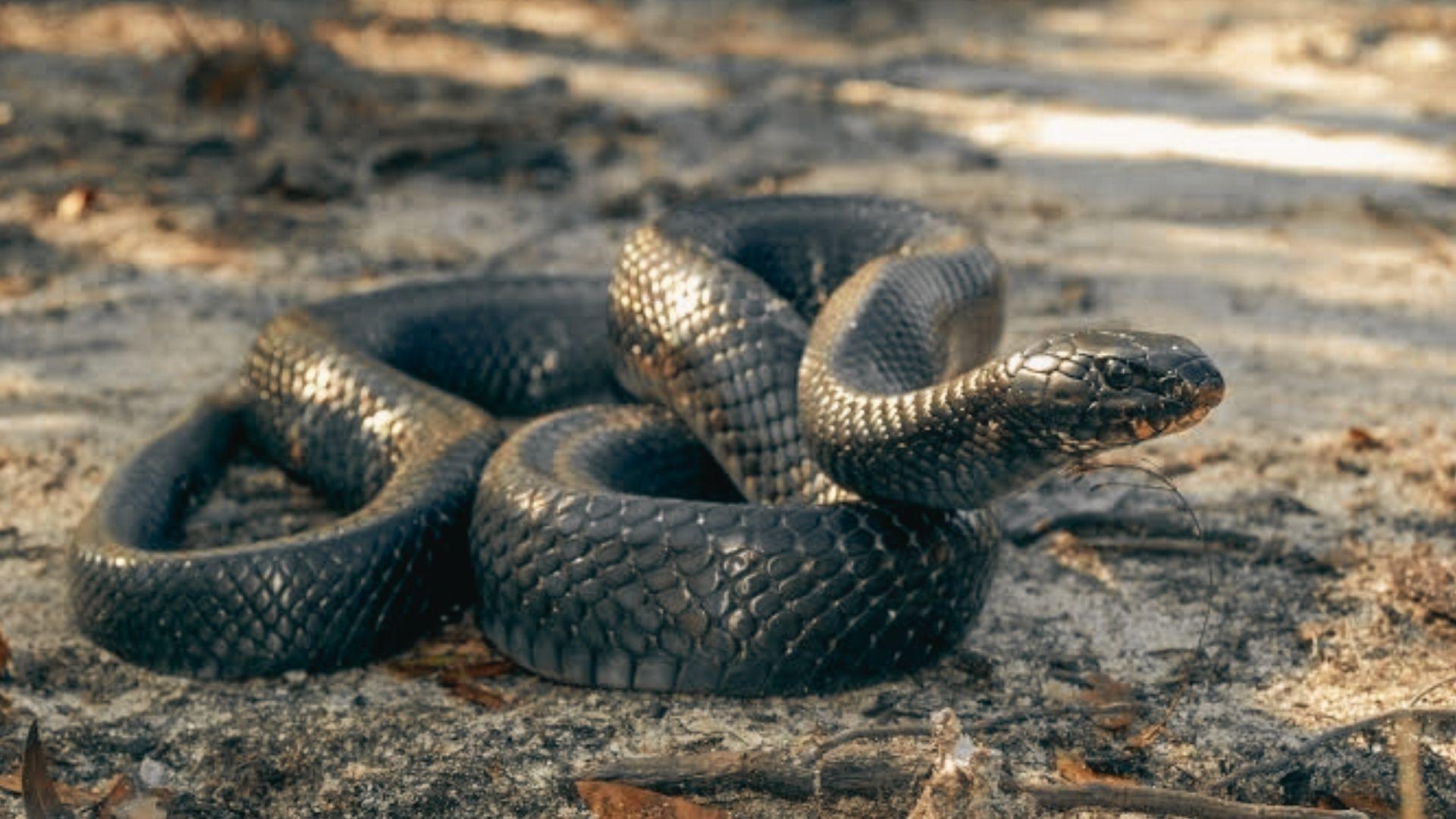
The Eastern Indigo Snake is the longest native snake in North America. It has a solid blue-black body with a reddish-orange chin.
It's non-venomous and protected by law in Georgia. You'll find it in dry upland habitats and longleaf pine areas.
11. Eastern Hognose Snake
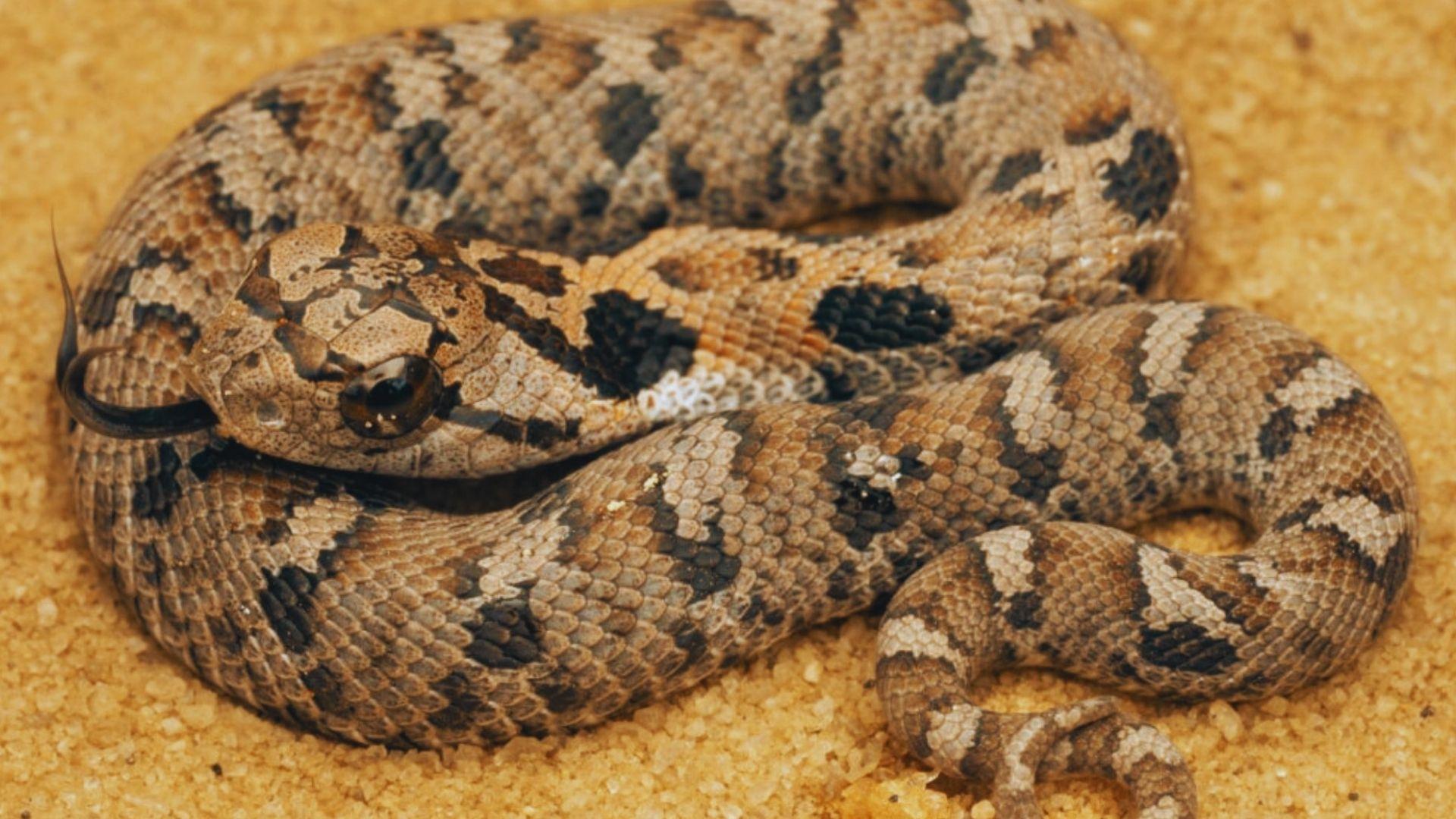
The Eastern Hognose Snake is famous for its dramatic defense act. It flattens its neck, hisses loudly, and plays dead when scared.
It has an upturned snout and is non-venomous. It prefers sandy soils and open woodlands across the state.
How to Identify Georgia Snakes
Color and pattern are the first things to look at. Bands, blotches, and solid colors can tell you a lot about the species. Body shape matters too.
Venomous snakes often have thick bodies and triangular heads, while non-venomous ones tend to be slimmer. Size gives clues as well.
A lot of people mistake harmless snakes for dangerous ones, so always look at multiple features together before drawing any conclusion.
Where Do Snakes Live in Georgia?
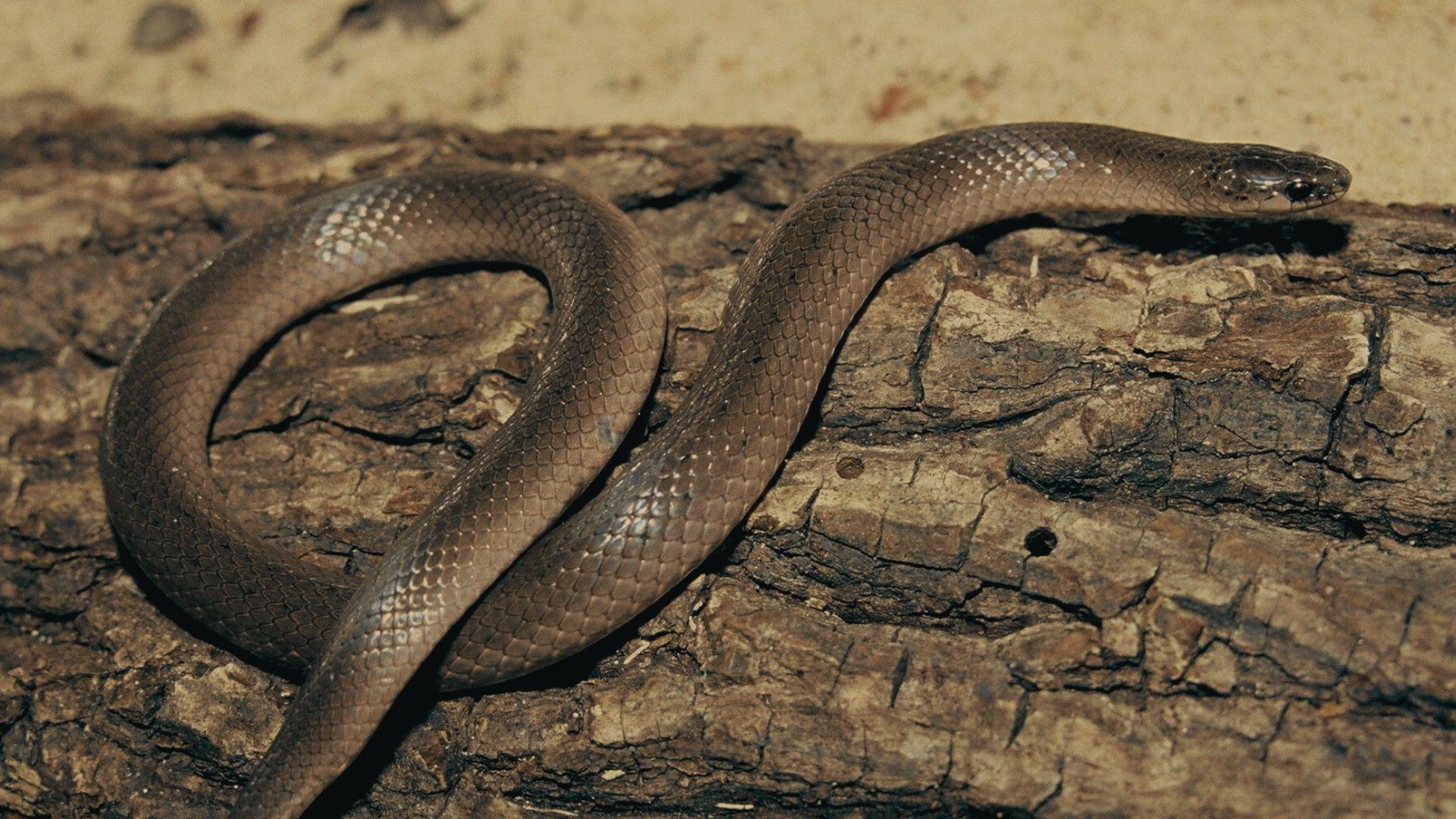
Snakes in Georgia live just about everywhere. Forests and wetlands are the most common spots, but you'll also find them along rivers, coastal marshes, and even in your backyard.
Warm, humid areas with plenty of cover are where they feel most at home. Residential neighborhoods see snakes too, especially near gardens, woodpiles, or water sources.
The habitat often gives you a good hint about which species you're dealing with.
Snake Safety Tips for Georgia Residents
Knowing how to act around snakes can make a big difference. These simple tips can help you stay safe without harming the snake.
- If you spot a snake, stay calm and keep your distance. Most snakes won't attack unless they feel cornered or threatened.
- Never try to pick up, handle, or provoke a snake you don't recognize. Even a "dead" snake can bite as a reflex action.
- Wear thick boots and long pants when walking through tall grass, wooded areas, or near water. Watch where you step and where you put your hands.
- Keep your yard clear of woodpiles, debris, and dense ground cover. These are common hiding spots that attract snakes close to your home.
- If you find a snake inside your home or in a spot that feels unsafe, call a local wildlife professional. Don't try to remove it yourself.
Conclusion
Georgia snakes are more interesting than scary, once you know what to look for. I've found that a little knowledge goes a long way in telling a harmless rat snake from something venomous.
Most of the 46 species here want nothing to do with you. Respect their space and they'll return the favor.
If this guide helped you, share it with someone who dreads seeing a snake in their yard. And drop a comment below telling me which snake you've spotted near your home!
Frequently Asked Questions
How many snake species live in Georgia?
Georgia is home to around 46 snake species. Only 6 of them are venomous, so the large majority are completely harmless to humans.
How do I tell if a snake in Georgia is venomous?
Venomous snakes in Georgia often have thick bodies, triangular heads, and slit-like pupils. That said, never get close enough to check. If you are unsure, keep your distance and call a professional.
What is the most dangerous snake in Georgia?
The eastern diamondback rattlesnake is considered the most dangerous. It is large, venomous, and can strike from a significant distance if it feels threatened.
Where are snakes most commonly found in Georgia?
Snakes show up in forests, wetlands, fields, and even backyard gardens. They tend to hide under rocks, logs, leaf piles, and in tall grass where they can stay out of sight.
What should I do if I find a snake in my home?
Do not try to handle or corner it. Leave the room, keep pets and kids away, and call a local wildlife removal service. Trying to remove it yourself can lead to a bite, even from non-venomous species.