The New Orleans French Quarter is one of those places that stays with you long after you leave.
The music spills out of open doors, the food is unlike anything else, and every street has a story.
But with so much packed into a few square miles, it can be hard to know where to start.
This guide covers 23 things to do in the New Orleans French Quarter, from iconic landmarks and live music spots to local food and nightlife.
I have walked these streets myself and know what is worth your time.
By the end, you will have a clear plan and the confidence to make the most of every hour you spend there.
How to Plan a French Quarter Visit
Planning ahead makes a real difference in the French Quarter. A little preparation helps you skip the stress and spend more time actually enjoying the neighborhood.
How Long Do You Need in the French Quarter?
Two to three days gives you a solid experience without feeling rushed. One day is enough to hit the highlights, but you will miss the slower moments that make the French Quarter worth visiting.
If you have more time, use it. There are hidden courtyards, quiet museums, and local shops that reward those who stay longer.
A weekend trip works well for most visitors who want a mix of sightseeing, food, and nightlife.
If you plan to visit during French Quarter Fest in mid-April, book accommodation well ahead as the neighborhood fills up fast.
What Is the Best Time to Visit the French Quarter?
The best time to visit is from October through April. The weather is cooler, the crowds are more manageable, and the city still has plenty going on.
Spring and fall offer a good balance of pleasant temperatures and active street life.
Summer in New Orleans is hot and humid, which can make long walks uncomfortable.
Mardi Gras season brings enormous crowds and higher prices, so plan carefully if you visit during that window.
Is the French Quarter Walkable?
Yes, the French Quarter is very walkable. It covers about a square mile, and most major attractions are within easy walking distance of each other.
Comfortable shoes matter here because the streets are uneven in places and you will cover more ground than you expect.
You do not need a car to get around the neighborhood.
Rideshares are easy to find if you need to travel farther, and the RTA streetcar connects the French Quarter to surrounding areas like the Garden District if you want to venture out.
Where Should You Start Your French Quarter Visit?
Jackson Square is the natural starting point. It sits at the heart of the French Quarter, and most of the major landmarks are nearby.
From there, you can walk toward Royal Street, the French Market, or the river, depending on what you want to see first.
Starting early in the morning gives you a quieter experience before the crowds arrive.
Which Attractions Should You Book in Advance?
Book Preservation Hall tickets in advance, especially for evening shows. Popular ghost and haunted history tours also sell out, particularly on weekends.
Cooking classes have limited spots, so reserve early if that is on your list. Some well-known restaurants have long waits, so making reservations ahead of time is a smart move.
List of Things to Do in New Orleans French Quarter
The French Quarter packs a lot into a small area, and these 23 stops cover the best of what it has to offer, from history and culture to food, music, and nightlife.
1. Visit Jackson Square and St. Louis Cathedral
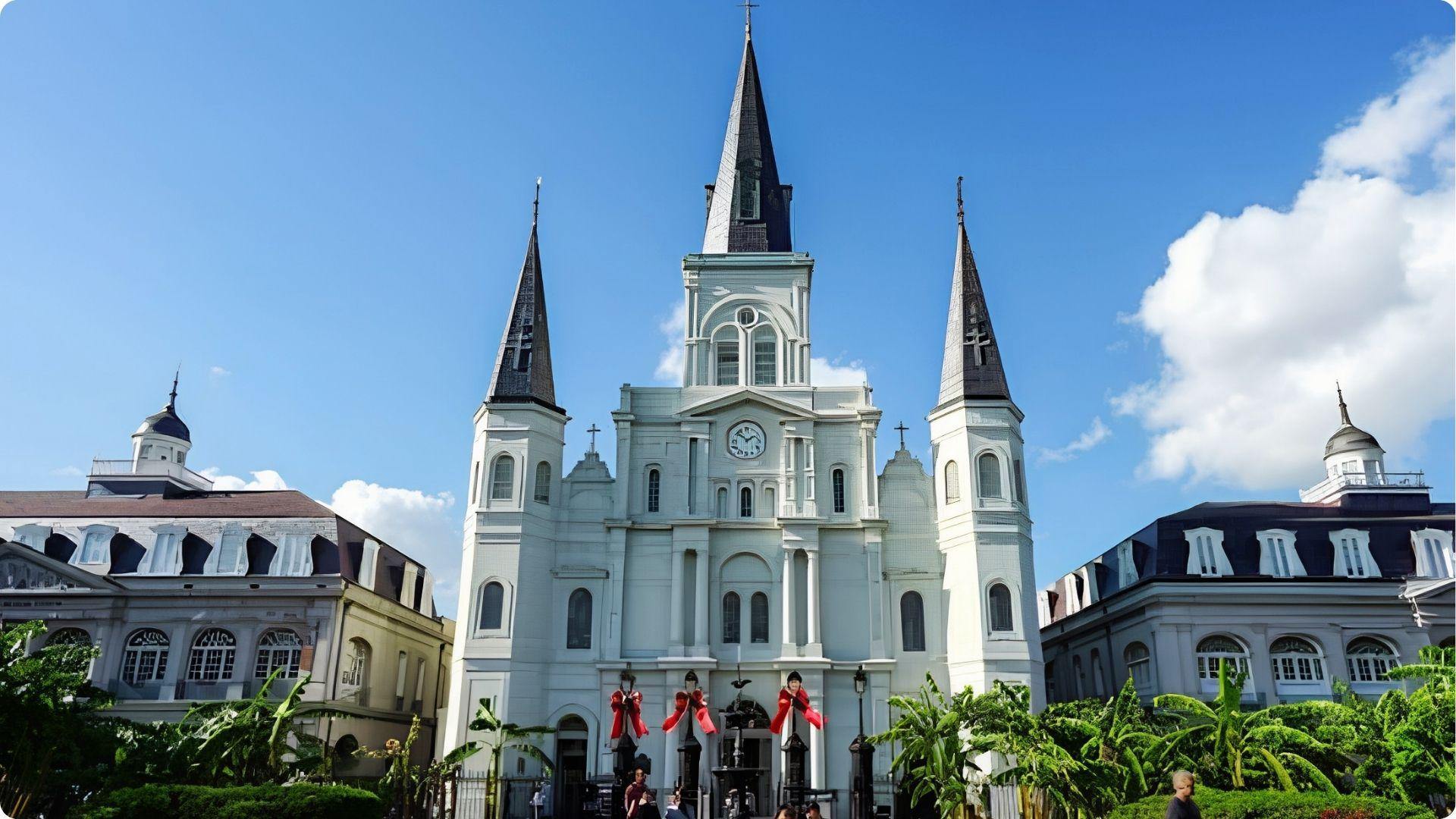
Jackson Square is the centerpiece of the French Quarter. The square is surrounded by artists, street performers, and fortune tellers throughout the day, making it a lively place to spend an hour.
St. Louis Cathedral stands directly behind the square and is one of the oldest cathedrals in North America.
You can walk inside for free, and the architecture alone makes it worth a stop.
The surrounding park is a good place to sit, watch the activity around you, and get your bearings before heading out.
2. Walk Along Royal Street
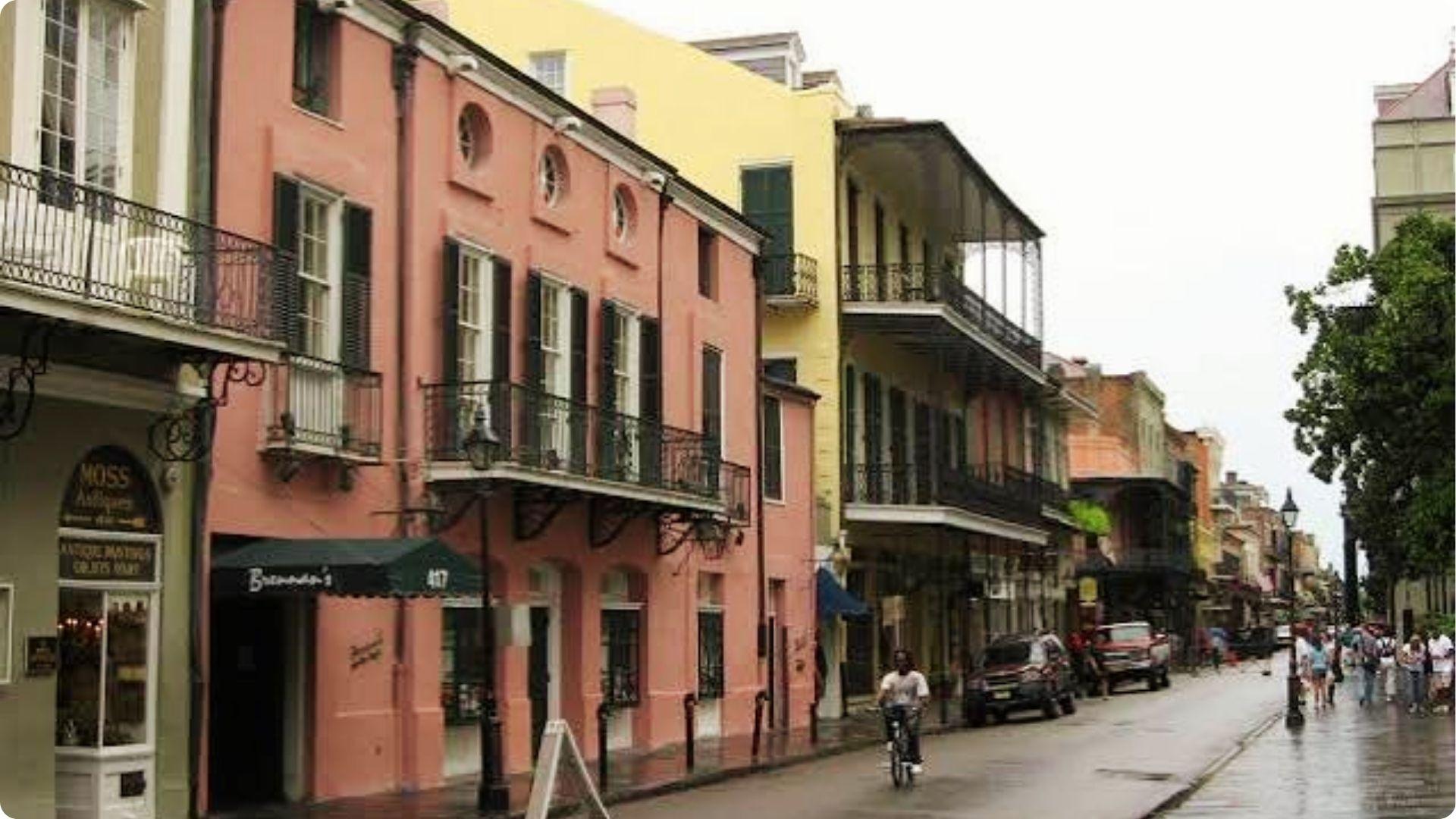
Royal Street runs parallel to Bourbon Street but has a very different feel. It is known for its antique shops, art galleries, and locally owned boutiques.
The street musicians here tend to be some of the best you will hear in the entire city.
Walking the full length of Royal Street gives you a good sense of the French Quarter's older, more refined side.
Many of the buildings date back to the 1800s, and the ironwork on the balconies is some of the most photographed in New Orleans.
If you are in town during Mardi Gras day, Royal Street is where locals tend to gather, making it far more festive and far less chaotic than Bourbon Street.
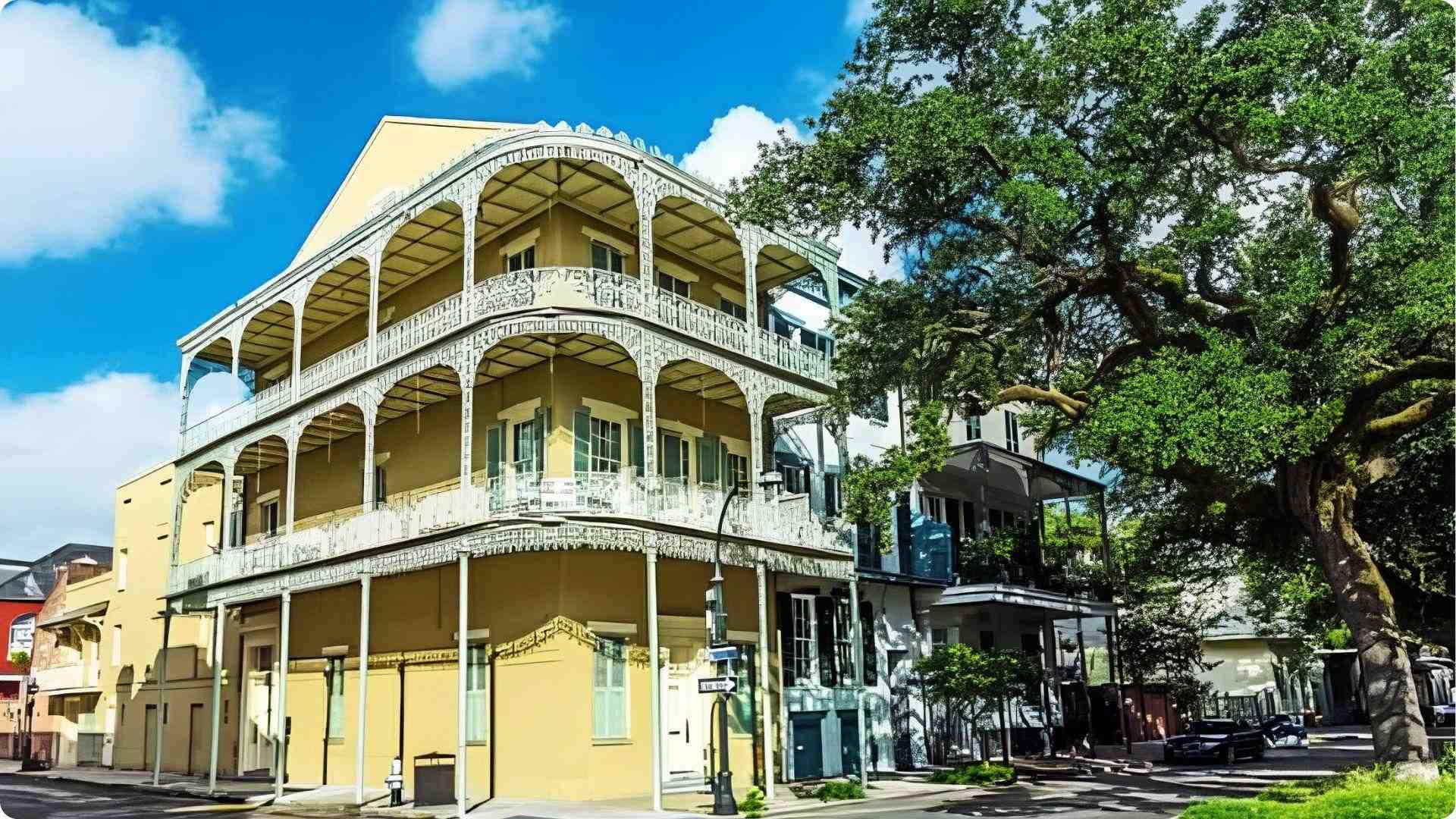
3. See the LaBranche House
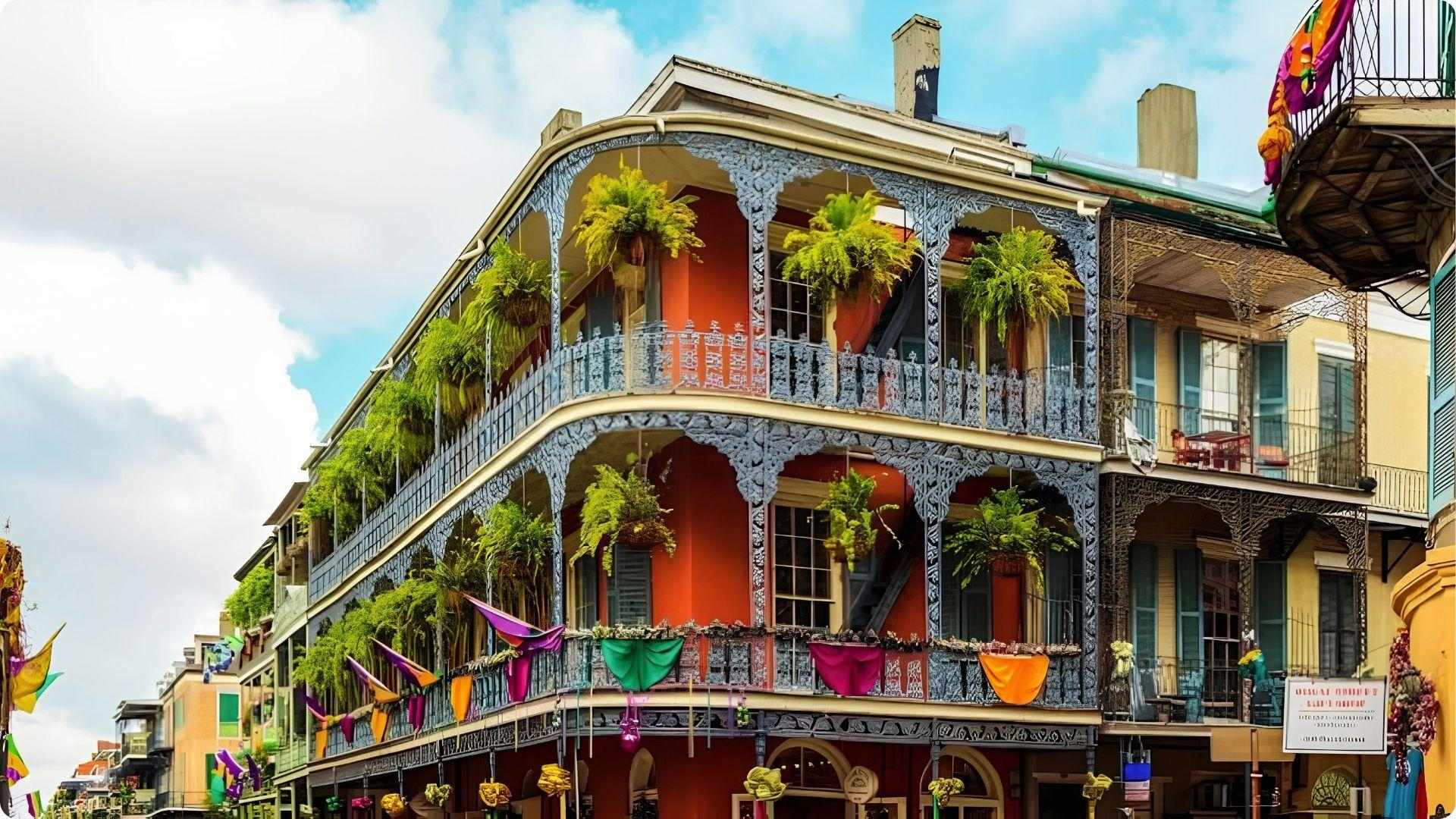
The LaBranche House sits at the corner of Royal and St. Peter Street is one of the most photographed buildings in the French Quarter.
The cast iron lacework balconies wrapping around the building are remarkable and represent some of the finest examples of this style in the city.
You cannot go inside, but the exterior is worth stopping to look at and photograph. It is a short detour from Jackson Square and fits naturally into a walk along Royal Street.
4. Visit the New Orleans Pharmacy Museum
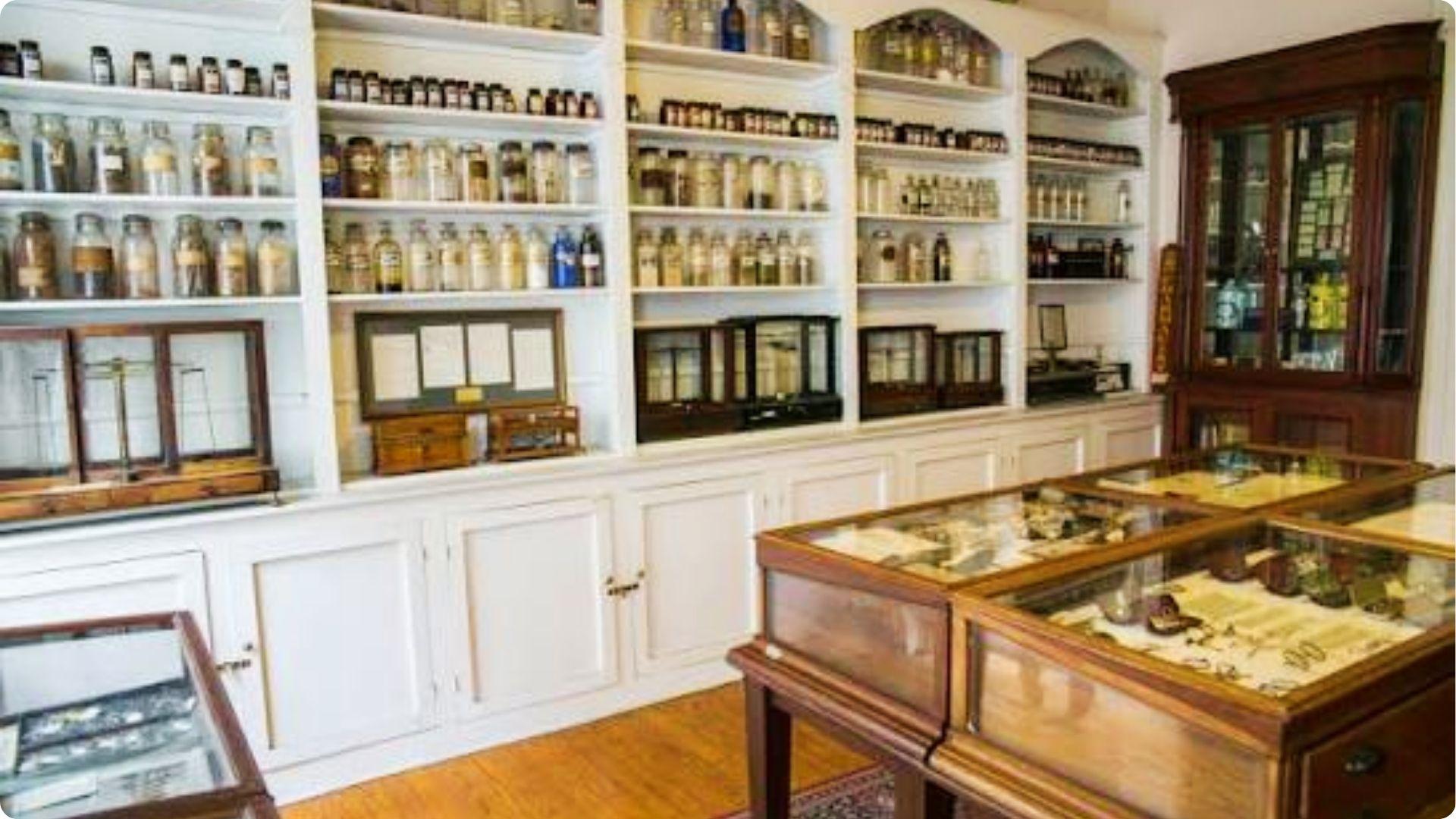
The New Orleans Pharmacy Museum is one of the more unusual stops in the French Quarter.
It is housed in the original apothecary shop opened in 1823 by America's first licensed pharmacist.
Inside, you will find antique medicine bottles, old surgical tools, and exhibits on early medical practices in Louisiana.
It is not a large museum, but it is genuinely interesting and very different from anything else in the neighborhood.
The voodoo pharmacy display alone makes it a memorable stop. The museum is also used as an event venue, so check their hours before going.
5. Visit The Cabildo
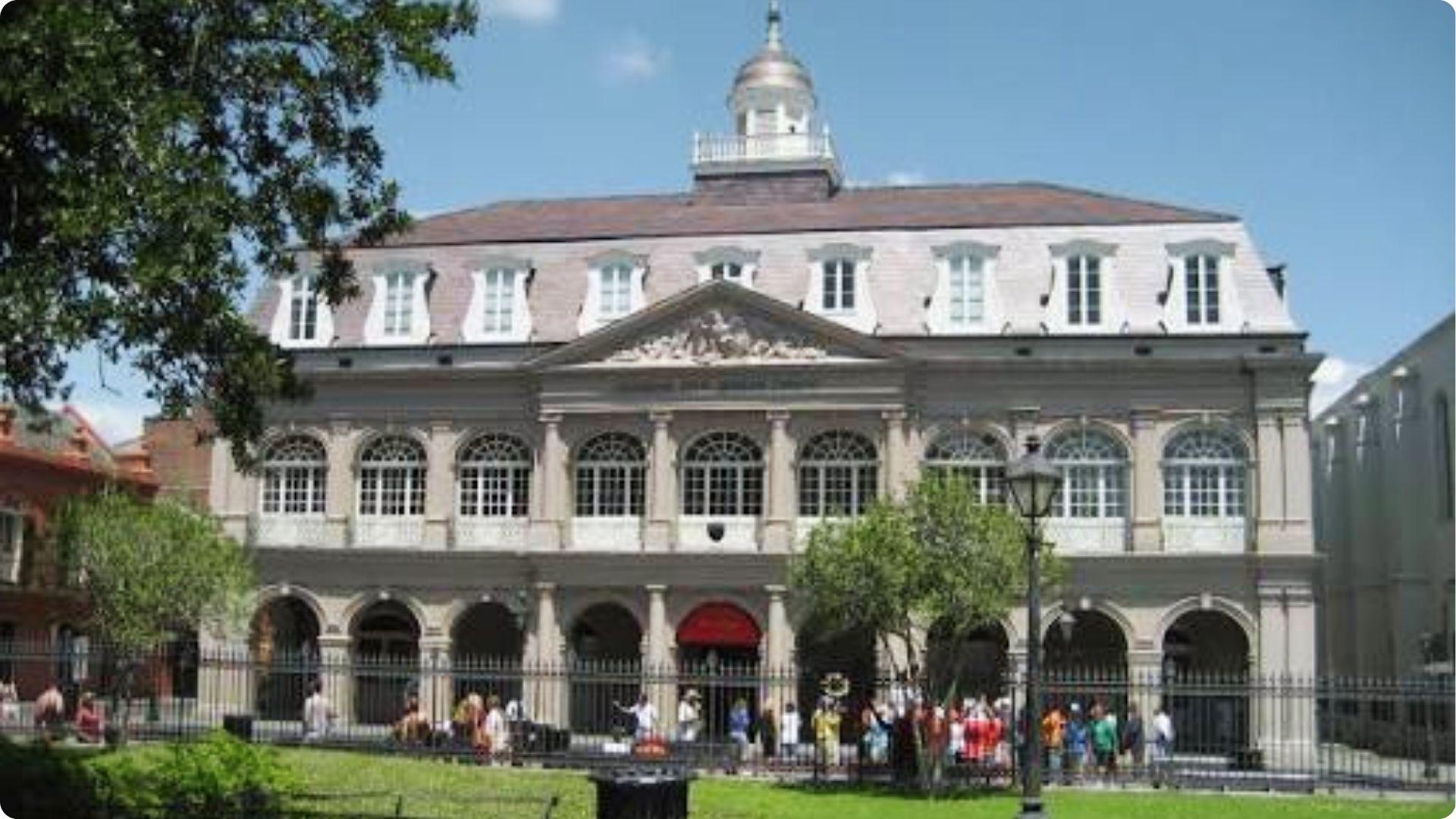
The Cabildo is one of the most historically significant buildings in Louisiana.
It served as the seat of the Spanish colonial government and is where the Louisiana Purchase was signed in 1803.
Today it operates as part of the Louisiana State Museum and holds exhibits on Louisiana history, including its colonial period, the Civil War, and the jazz era.
The building itself is worth seeing, and the exhibits inside are well put together. Plan about an hour for your visit.
6. Tour The Presbytère
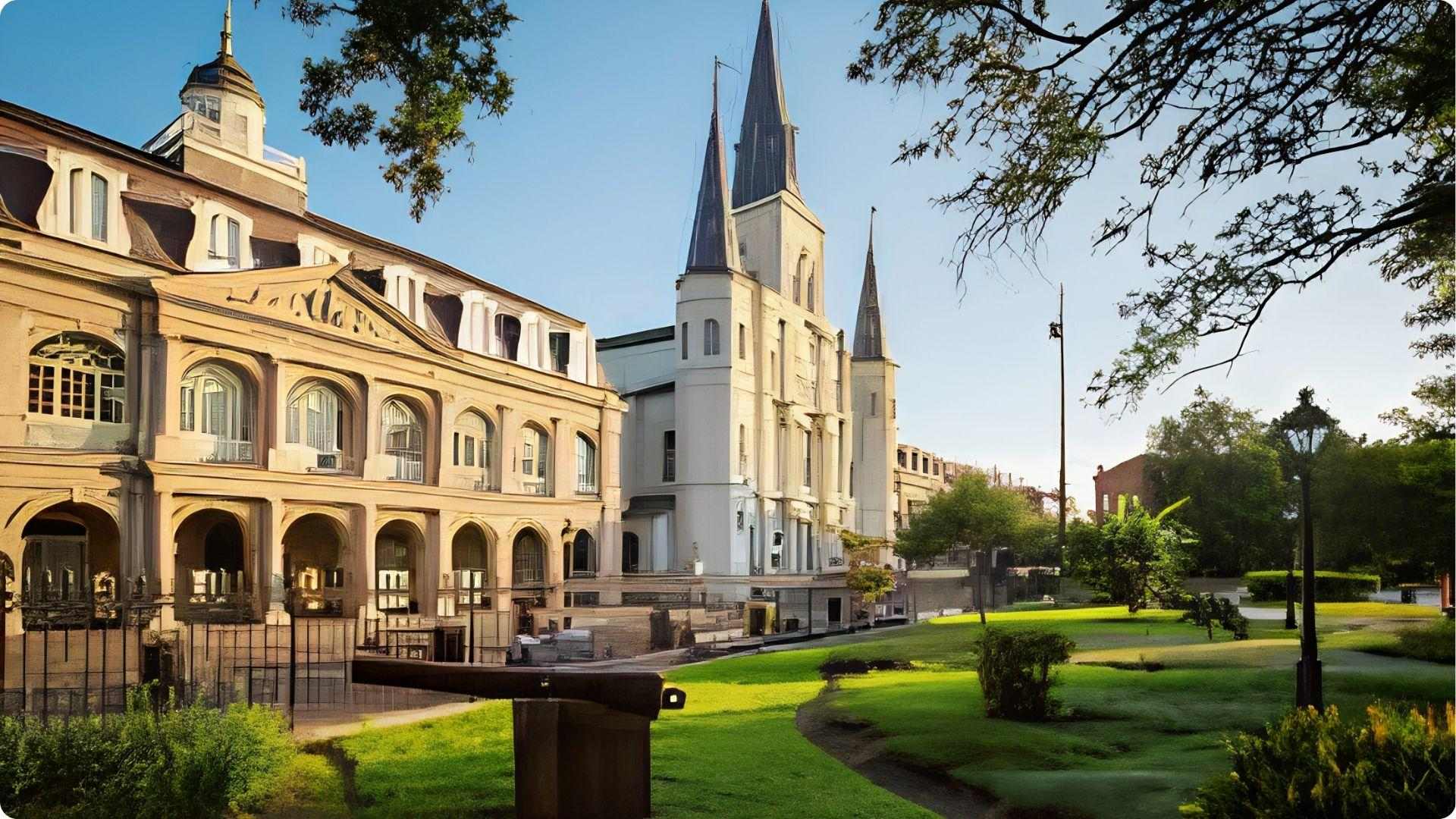
The Presbytère sits next to St. Louis Cathedral and was originally built to house the priests serving the church.
It now functions as a museum with two major permanent exhibits. One covers the history and culture of Mardi Gras in Louisiana, including costumes, masks, and float decorations.
The other documents the impact of Hurricane Katrina on New Orleans. Both exhibits are thoughtfully done and give you real context for understanding the city.
Even if you only have time for one, the Mardi Gras exhibit is especially well done.
7. Visit the Historic New Orleans Collection
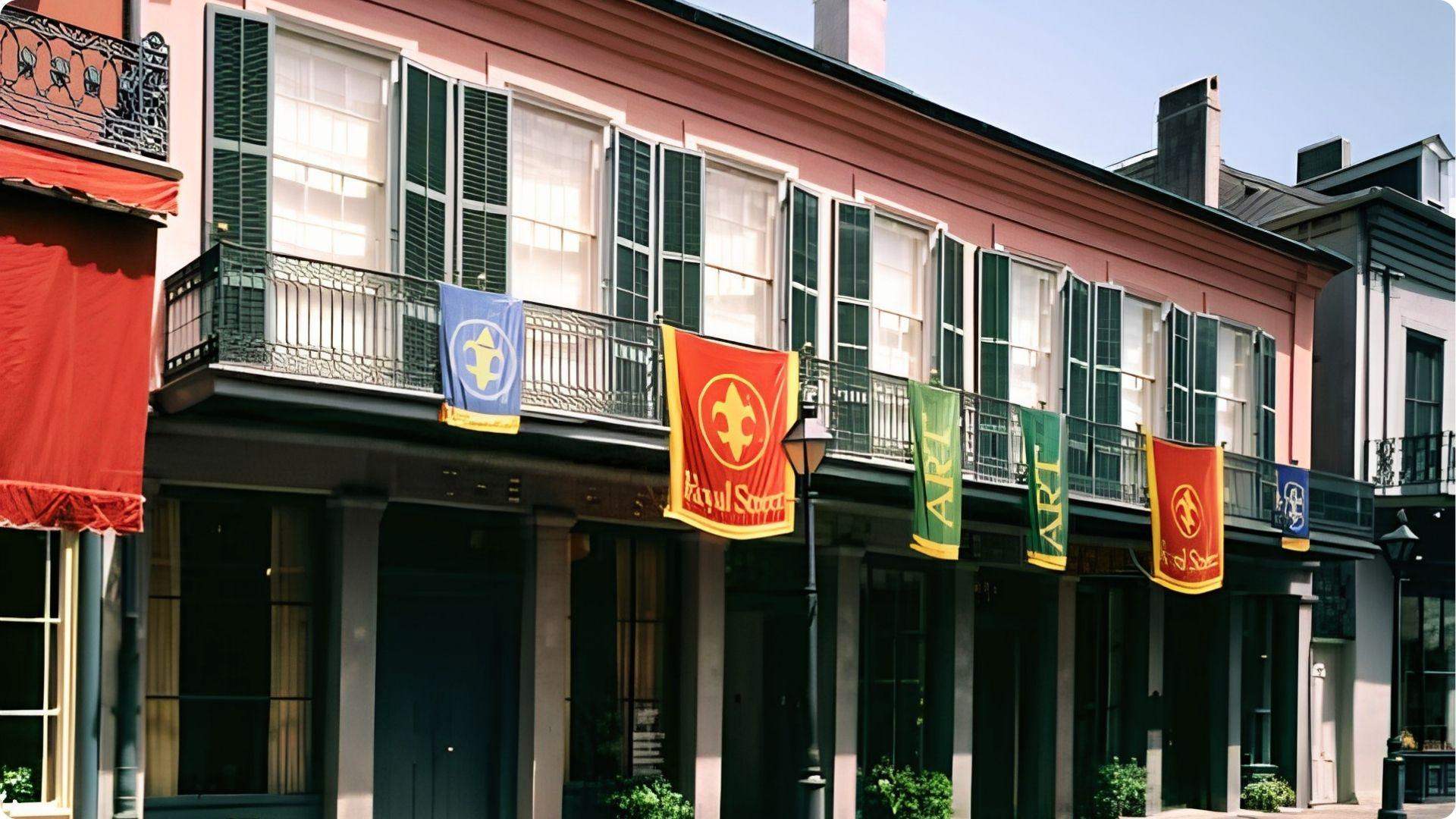
The Historic New Orleans Collection is a research center and museum on Royal Street.
It holds an impressive archive of maps, photographs, documents, and artworks related to Louisiana and New Orleans history.
The museum galleries are free to enter, and the rotating exhibits are often very good.
It is the kind of place that appeals to anyone with a genuine interest in the history of the city rather than just the surface-level highlights.
The staff are knowledgeable and happy to answer questions.
8. Visit the Old Ursuline Convent Museum
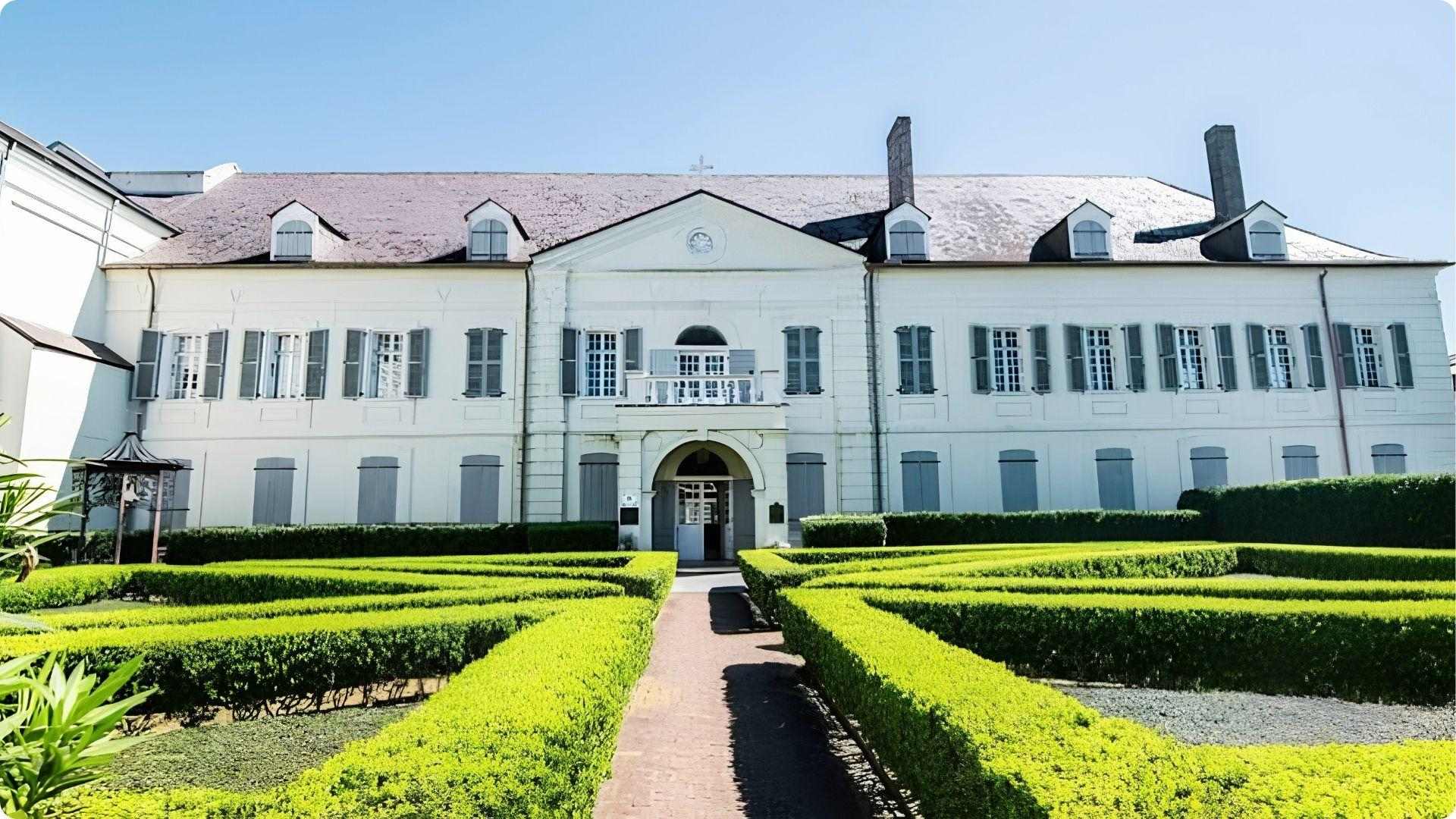
The Old Ursuline Convent is the oldest surviving building in the Mississippi River Valley and the oldest building in New Orleans.
It was built in 1752 and served as a home for Ursuline nuns who ran a school and cared for the sick.
Guided tours run throughout the day and take you through the convent and its gardens.
The tour covers the history of the nuns, the colonial period in Louisiana, and the various ways the building has been used over the centuries.
It is one of the most historically rich stops in the entire French Quarter, and the legends surrounding it make it a favorite on ghost tour circuits as well.
9. Walk Through Pirates Alley
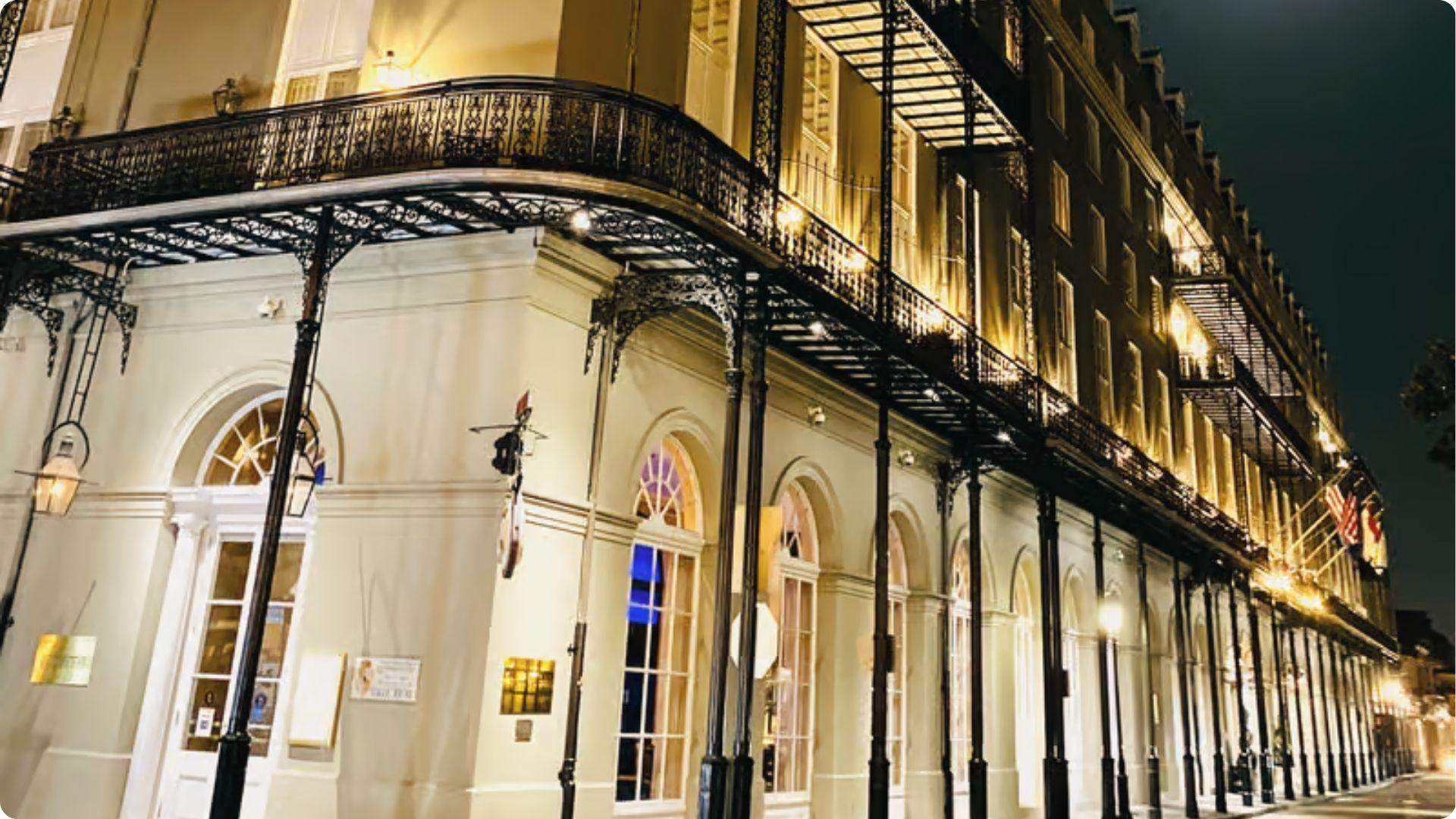
Pirates Alley is a narrow passage that runs alongside St. Louis Cathedral, between the cathedral and The Cabildo.
Despite the name, its history is more literary than pirate-related.
William Faulkner lived in a house on this street while writing his first novel, and that house is now a bookshop called Faulkner House Books.
The alley itself is atmospheric and worth a slow walk. It connects Jackson Square to Royal Street and is often less crowded than the main streets nearby.
10. Explore the French Market
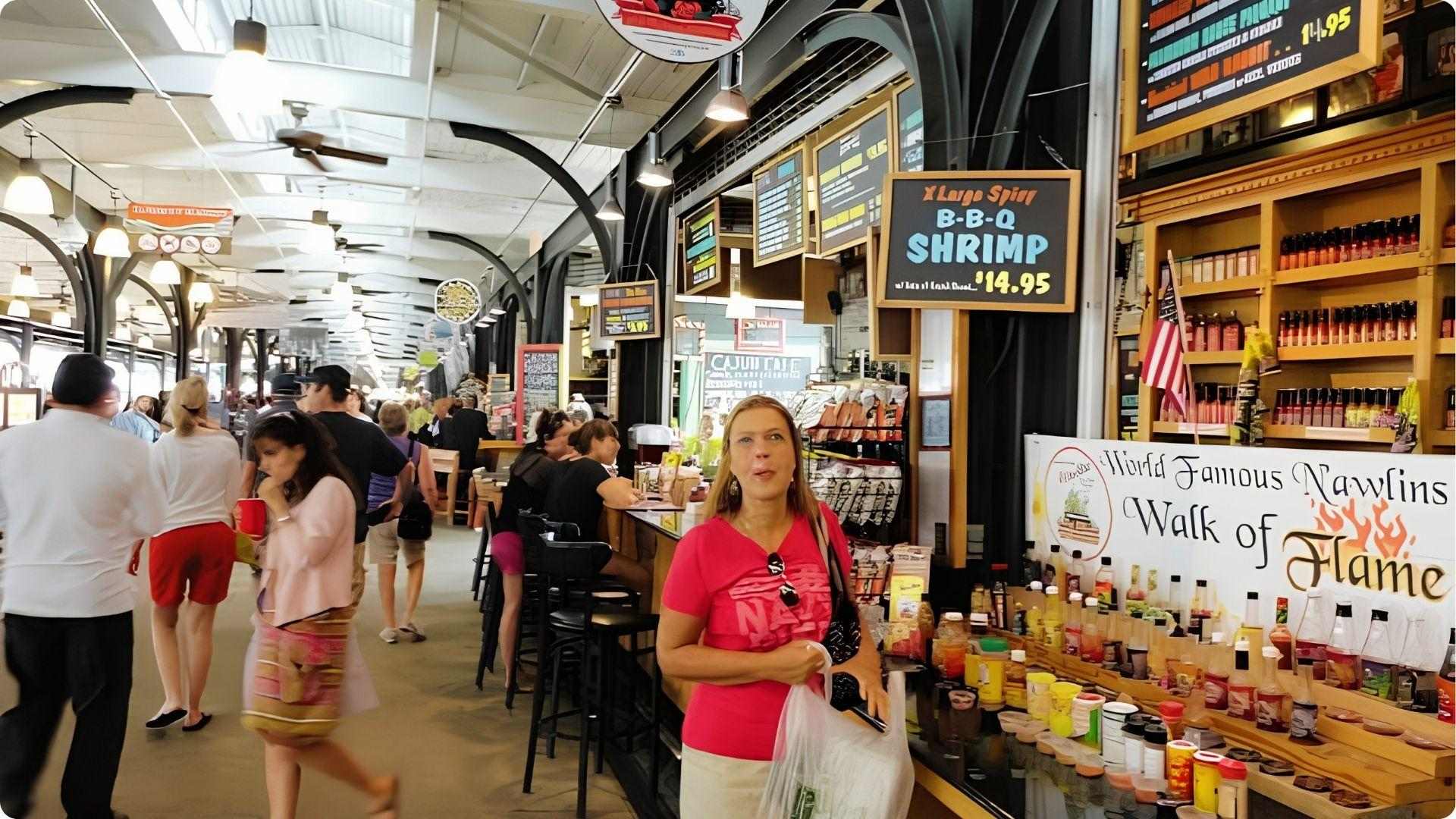
The French Market has been operating in some form since the 1700s and runs along the river from Jackson Square toward the Faubourg Marigny.
Today it is a mix of a farmers market, a flea market, and a food hall. You will find local produce, spices, hot sauces, handmade crafts, and plenty of snacks.
It is a good place to pick up gifts and souvenirs that are actually made locally rather than imported.
The market is most active on weekends, but vendors are present throughout the week.
11. Learn About Voodoo at the Voodoo Museum
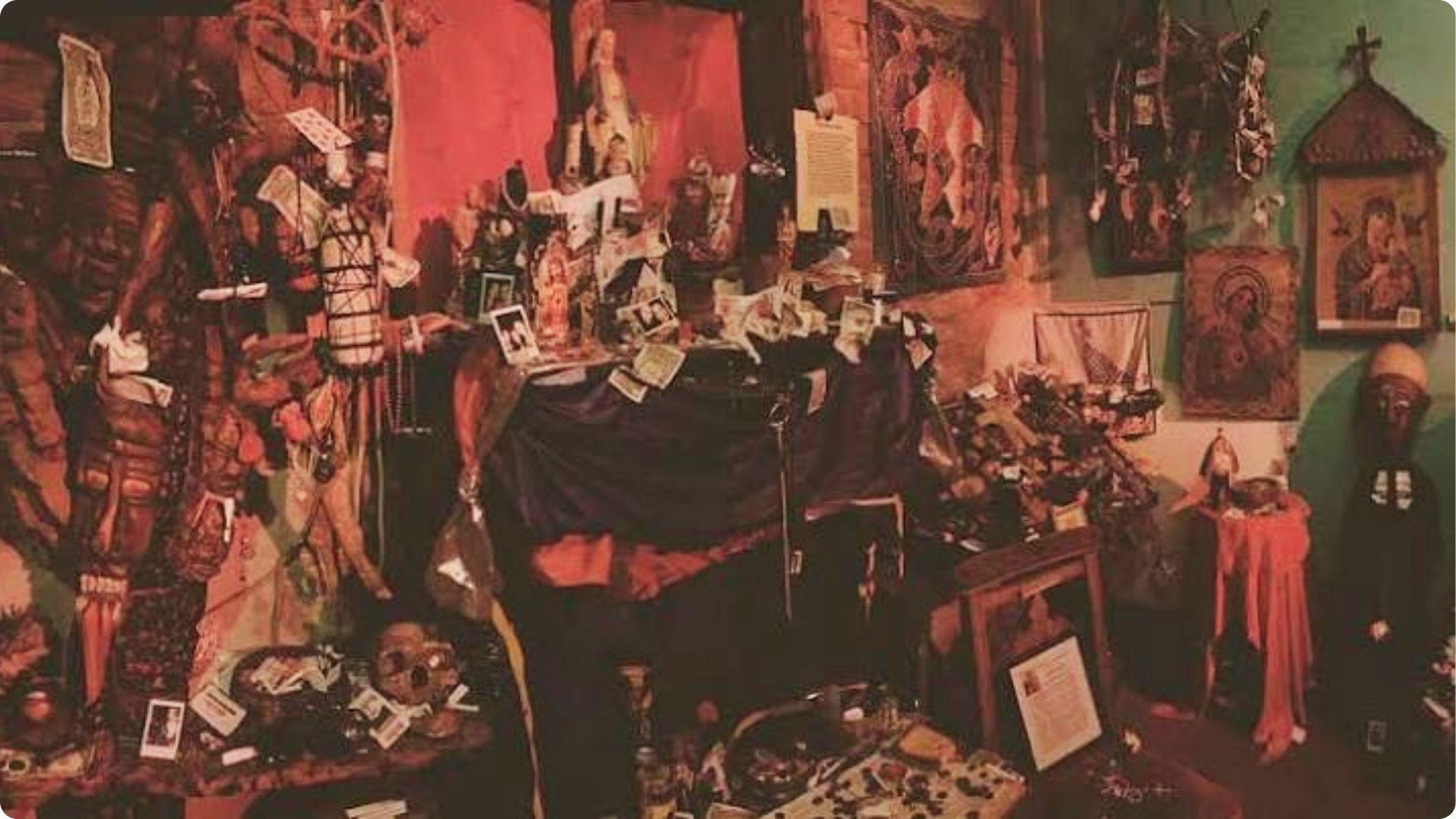
The New Orleans Historic Voodoo Museum is a small but fascinating stop on Dumaine Street.
It covers the history of Louisiana Voodoo, its African and Haitian roots, and its role in the culture of New Orleans.
The exhibits include altars, ritual objects, and photographs. The museum is genuinely educational and treats the subject with respect rather than sensationalism.
If you want to go a step further, the Voodoo Spiritual Temple in the French Quarter offers consultations, lectures, and a closer look at authentic practice rather than a museum setting.
12. Visit Marie Laveau's House of Voodoo
Marie Laveau's House of Voodoo on Bourbon Street is a shop and cultural landmark connected to the legacy of Marie Laveau, one of the most famous figures in New Orleans history.
She was a Voodoo practitioner who became a celebrated and influential figure in 19th-century New Orleans.
The shop sells candles, herbs, charms, and other items used in Voodoo practice.
Even if you are not buying anything, it is worth a stop to learn more about who Marie Laveau was and why she still matters to the city today.
13. Listen to Jazz at Preservation Hall
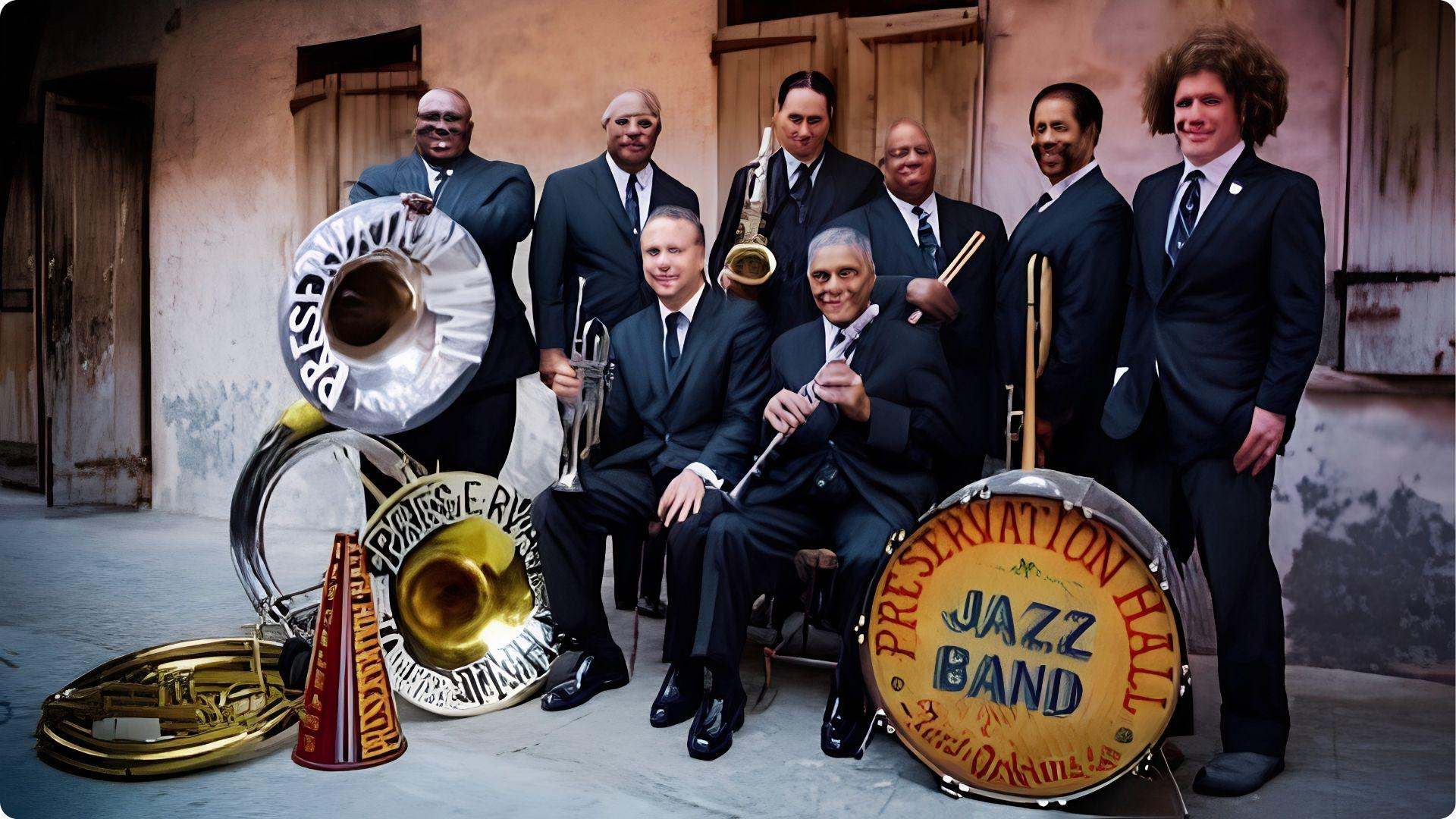
Preservation Hall is one of the most important live music venues in New Orleans and possibly in the entire country.
It opened in 1961 with the specific goal of preserving traditional New Orleans jazz, and it has been doing that ever since.
The room is small and simple, with no frills, which keeps the focus entirely on the music. Shows run nightly and tickets should be bought in advance.
Standing in that room while a real jazz band plays is an experience that is hard to describe and very easy to remember.
Before you go in, grab a cocktail at a nearby bar since Preservation Hall does not serve drinks.
14. Browse Local Shops and Boutiques
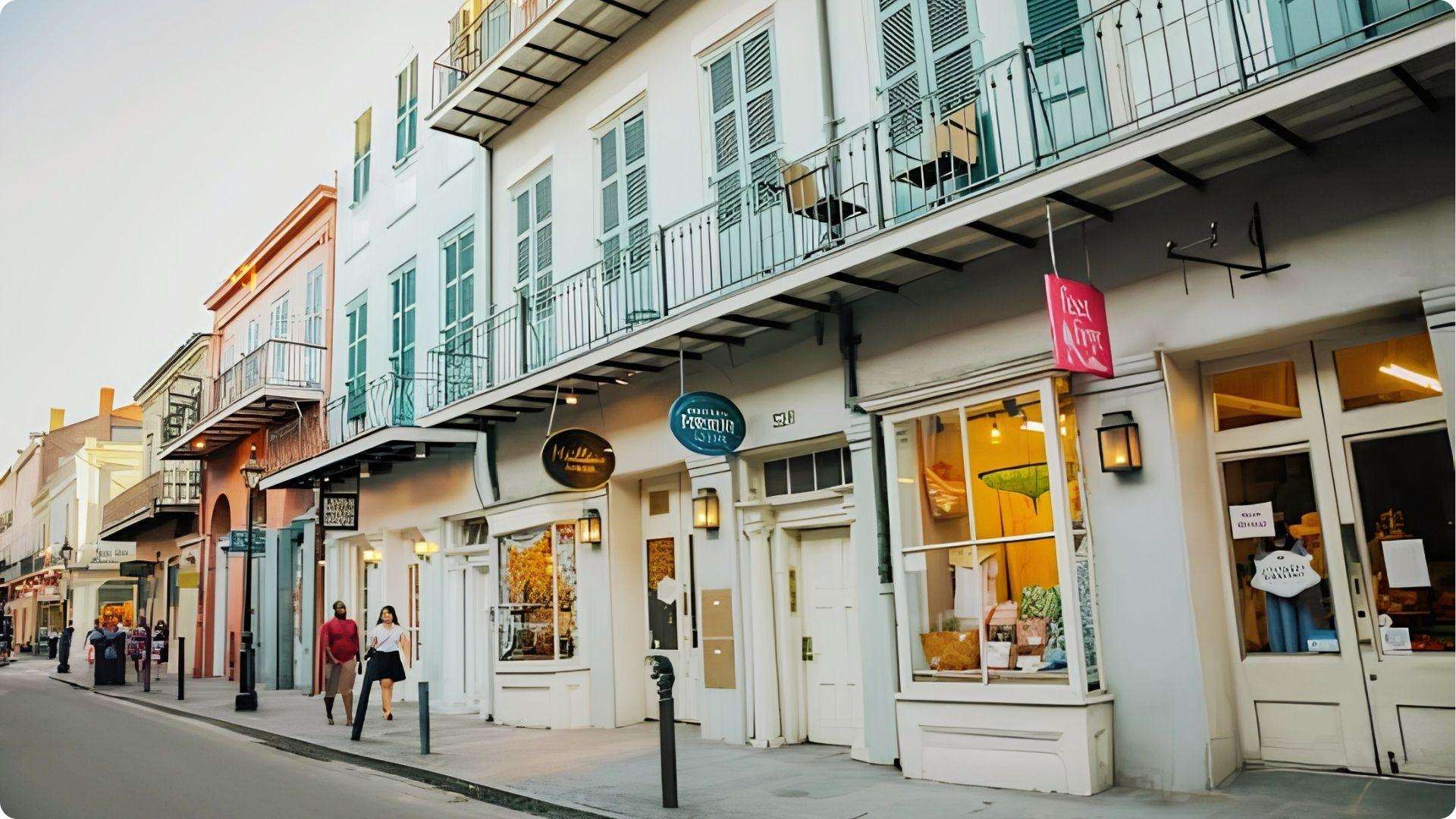
The French Quarter has a wide range of locally owned shops that sell everything from art and antiques to handmade jewelry and local food products.
Royal Street is the best street for galleries and antique dealers. Magazine Street is nearby if you want a longer shopping stretch.
Look for shops that sell items made by Louisiana artists and craftspeople rather than mass-produced souvenirs.
A few worth knowing: Faulkner House Books for literature lovers, the New Orleans School of Glassworks for handblown glass, and various shops along Decatur Street for local hot sauces and spice blends.
15. Take a French Quarter Walking Tour
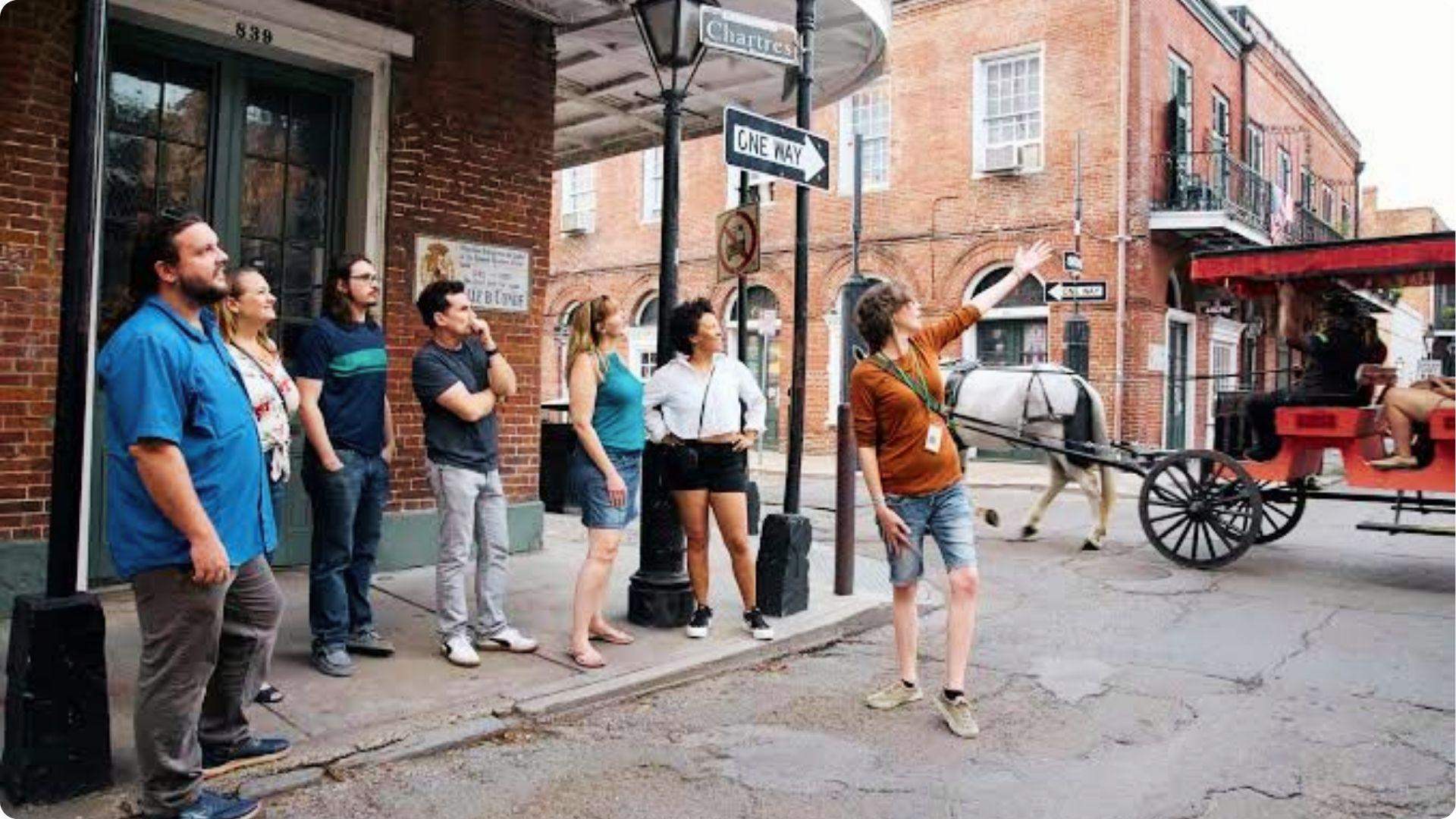
A guided walking tour is one of the best ways to get oriented in the French Quarter, especially on your first visit.
Good tour guides bring the history of the neighborhood to life in a way that is hard to replicate on your own.
Tours typically cover the architecture, the history of the streets, and the stories behind the buildings.
Some tours focus on specific themes like food, history, or architecture. Book through a reputable company and read reviews before choosing.
A two-hour tour at the start of your trip will help you get much more out of everything else you do.
16. Join a Ghost or Haunted History Tour
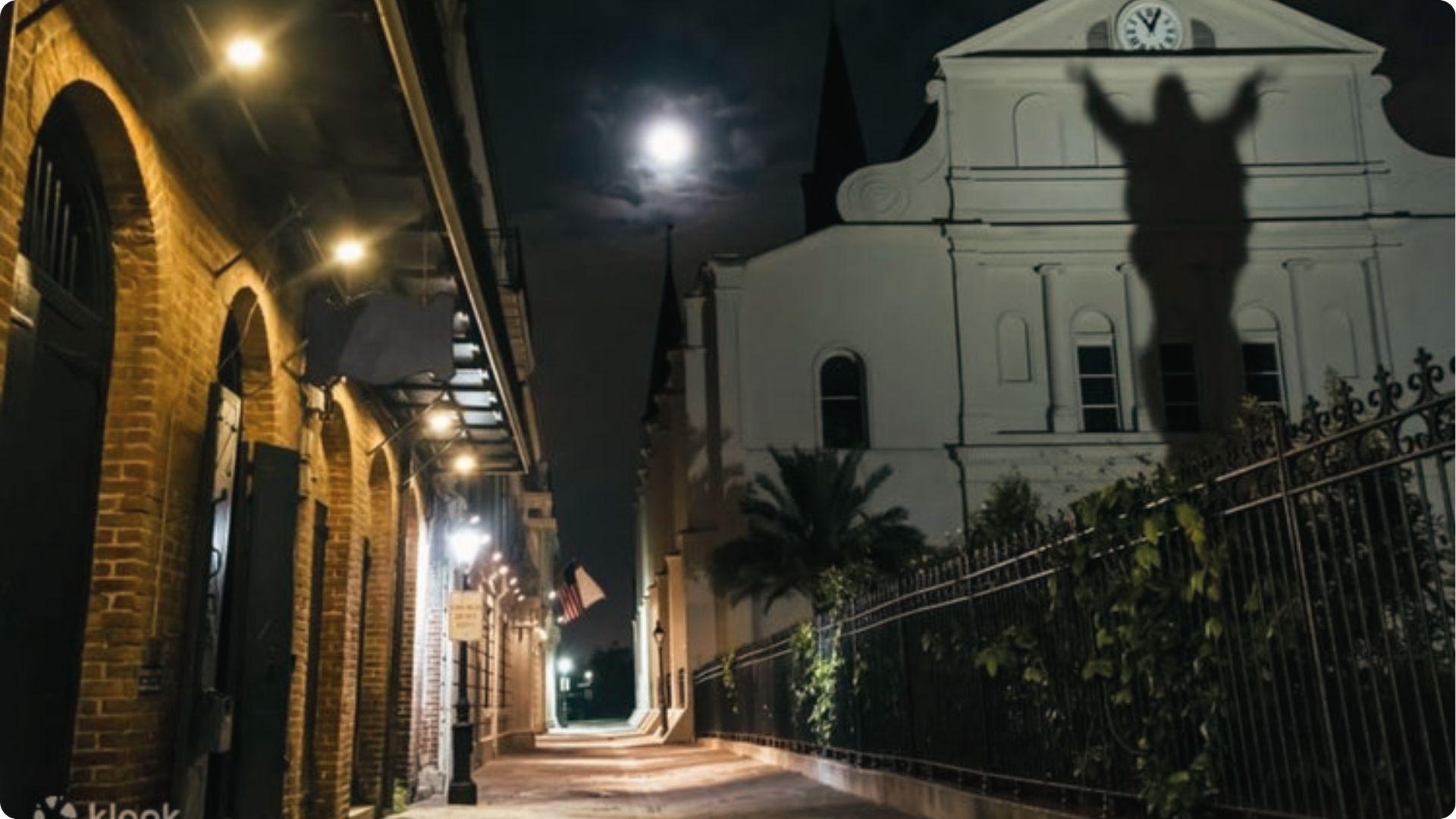
New Orleans has a well-documented reputation as one of the most haunted cities in the United States, and the ghost tours here are actually quite good.
They cover the city's history of epidemics, fires, floods, and conflicts that led to a lot of death within a small area.
The storytelling is usually well-researched and rooted in real historical events. Evening tours are the most atmospheric.
Many tours stop at landmarks like the LaLaurie Mansion, one of the most infamous buildings in the French Quarter and a fixture of haunted history in the city.
The Haunted History Tour company is one of the most established operators. It is a fun way to learn history and see parts of the French Quarter you might not visit otherwise.
17. Try Beignets at Café du Monde
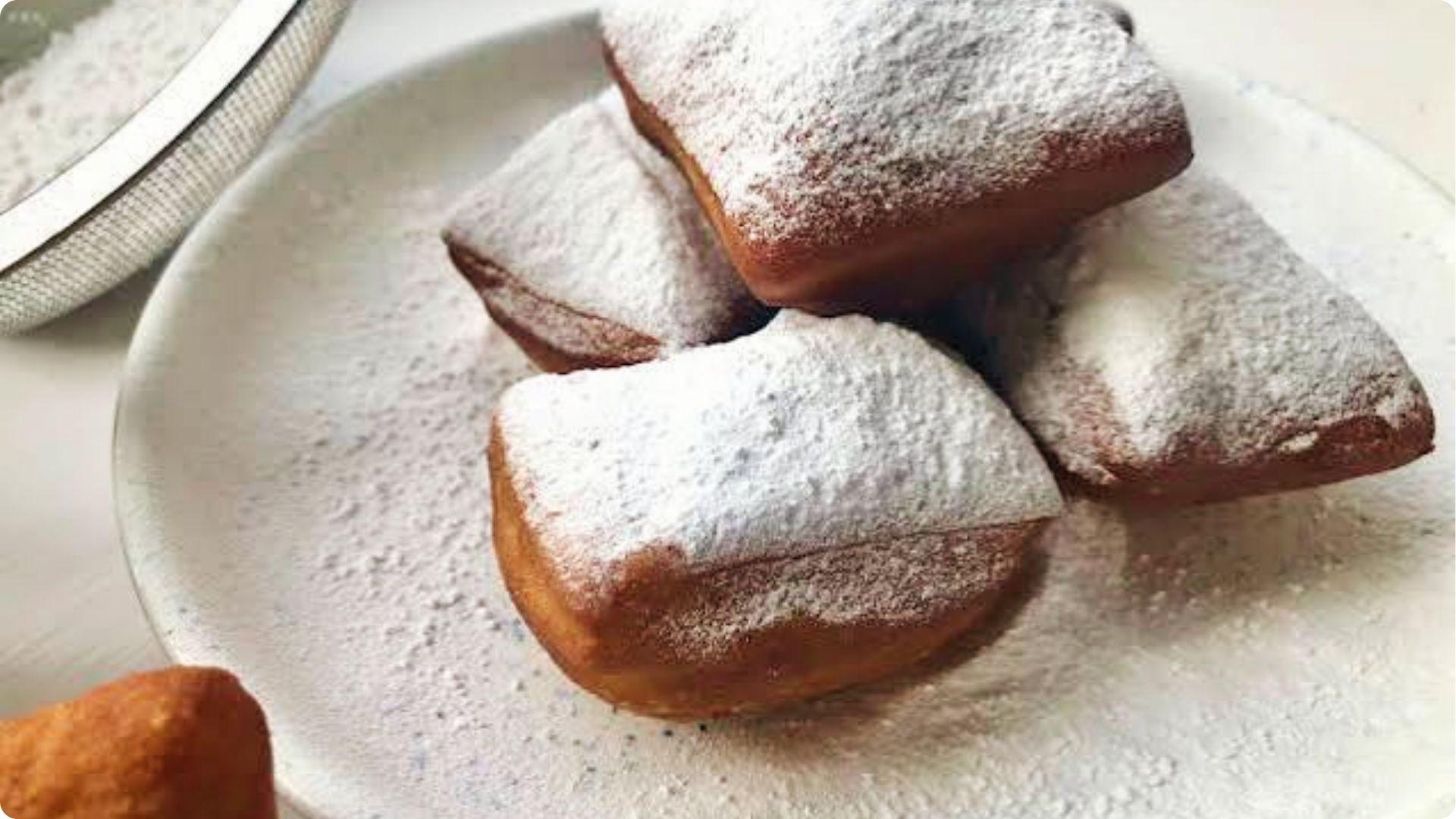
Café du Monde is one of the most visited spots in the entire city, and for good reason.
The beignets are fried dough pillows covered in powdered sugar, and they have been served here since 1862.
The café is open around the clock and sits right next to Jackson Square with a view of the Mississippi River.
The line can be long during peak hours, but it moves quickly. Go early in the morning or late at night for the shortest wait.
Order a café au lait with your beignets and sit outside if the weather allows.
One tip worth knowing:avoid wearing dark clothing when you eat beignets, since the powdered sugar goes everywhere.
18. Taste a Classic New Orleans Po' Boy
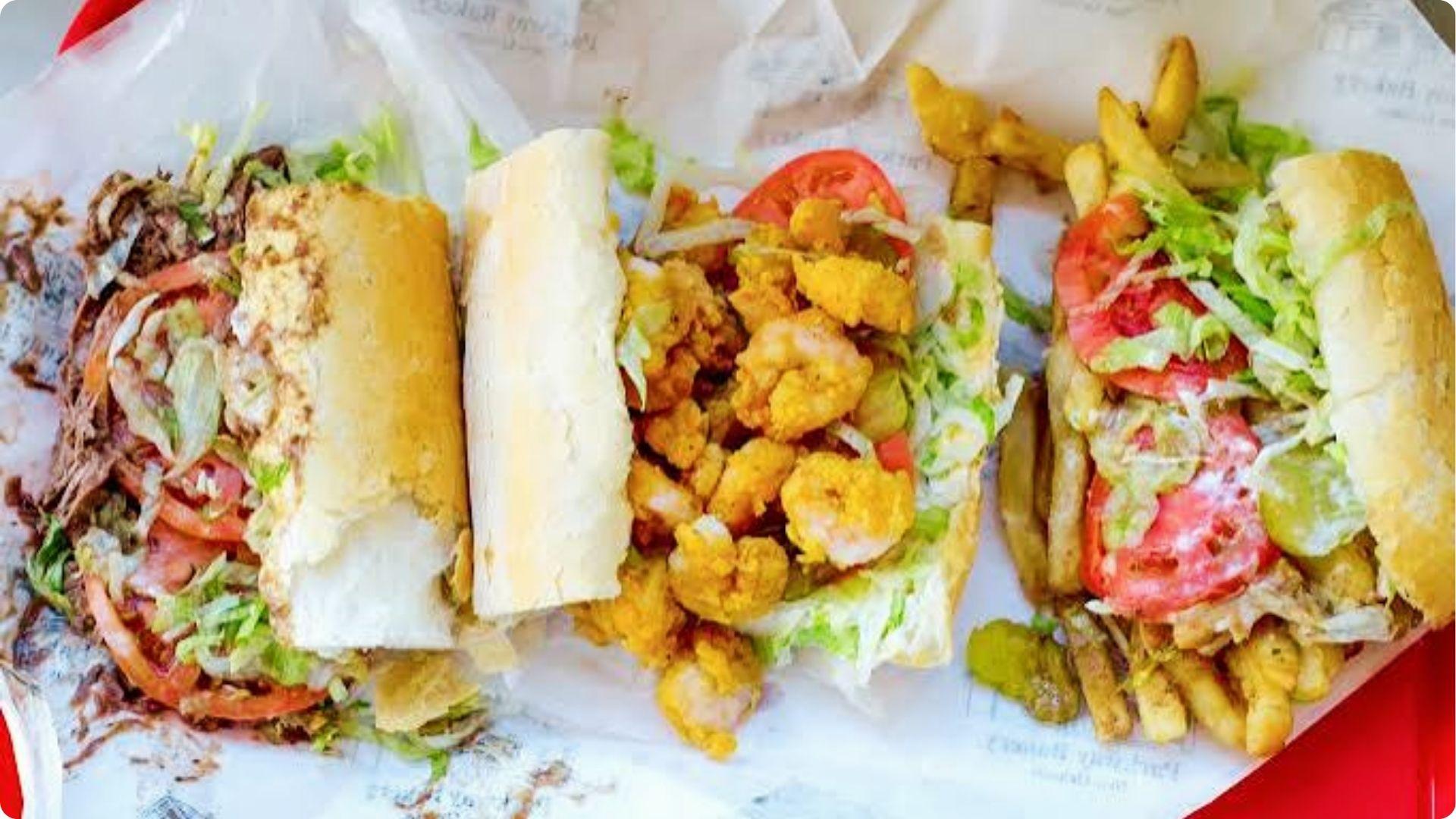
The po' boy is one of the defining sandwiches of New Orleans and a must-eat while you are in the French Quarter.
The sandwich is made on French bread baked locally, which gives it a crispy crust and a soft interior that is different from anything you will find elsewhere.
Common fillings include fried shrimp, oysters, roast beef, and catfish.
Johnny's Po-Boys on St. Louis Street has been serving them for decades and is a reliable stop. Order it "dressed," which means it comes with lettuce, tomato, pickles, and mayonnaise.
19. Try a Muffuletta
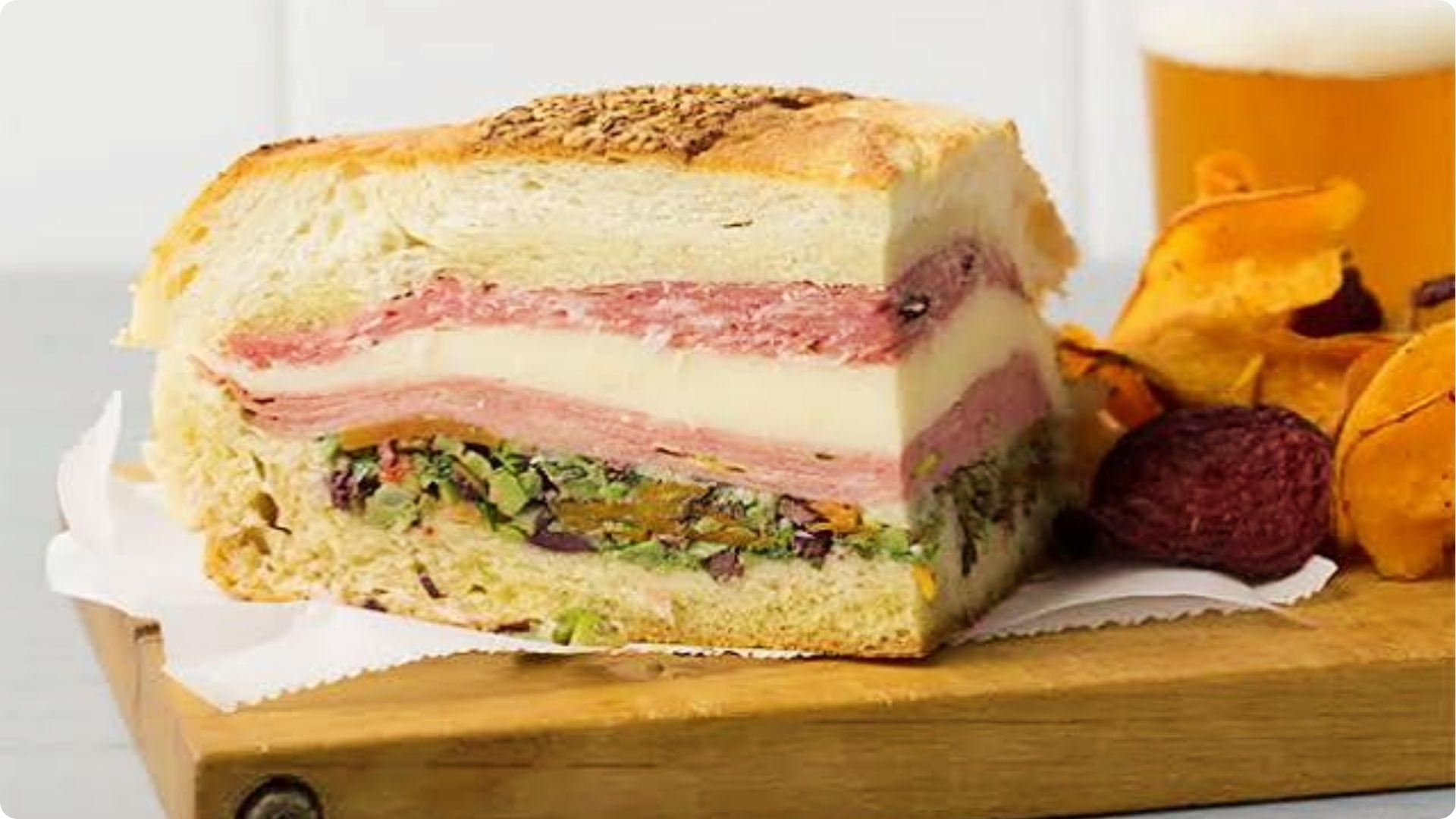
It is a large round sandwich made on Sicilian sesame bread and filled with Italian cold cuts, cheese, and a marinated olive salad.
The olive salad is the key ingredient and what makes the sandwich distinct. Central Grocery on Decatur Street is widely credited with creating the muffuletta and is still considered the best place to get one.
Napoleon House on Chartres Street is another well-regarded option and has been serving the sandwich since 1914. Buy a full sandwich to share or a half for yourself.
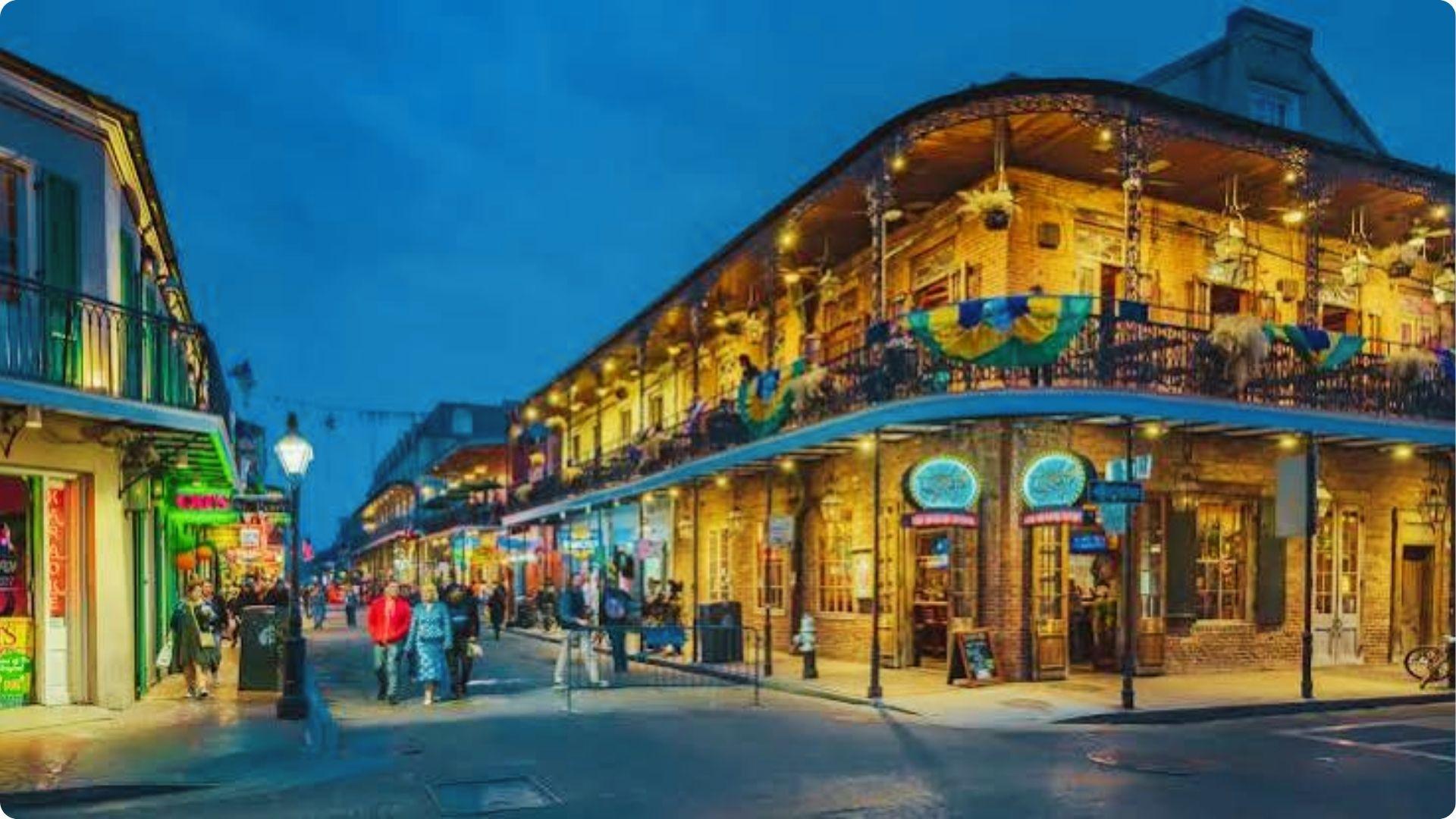
20. Experience Bourbon Street at Night
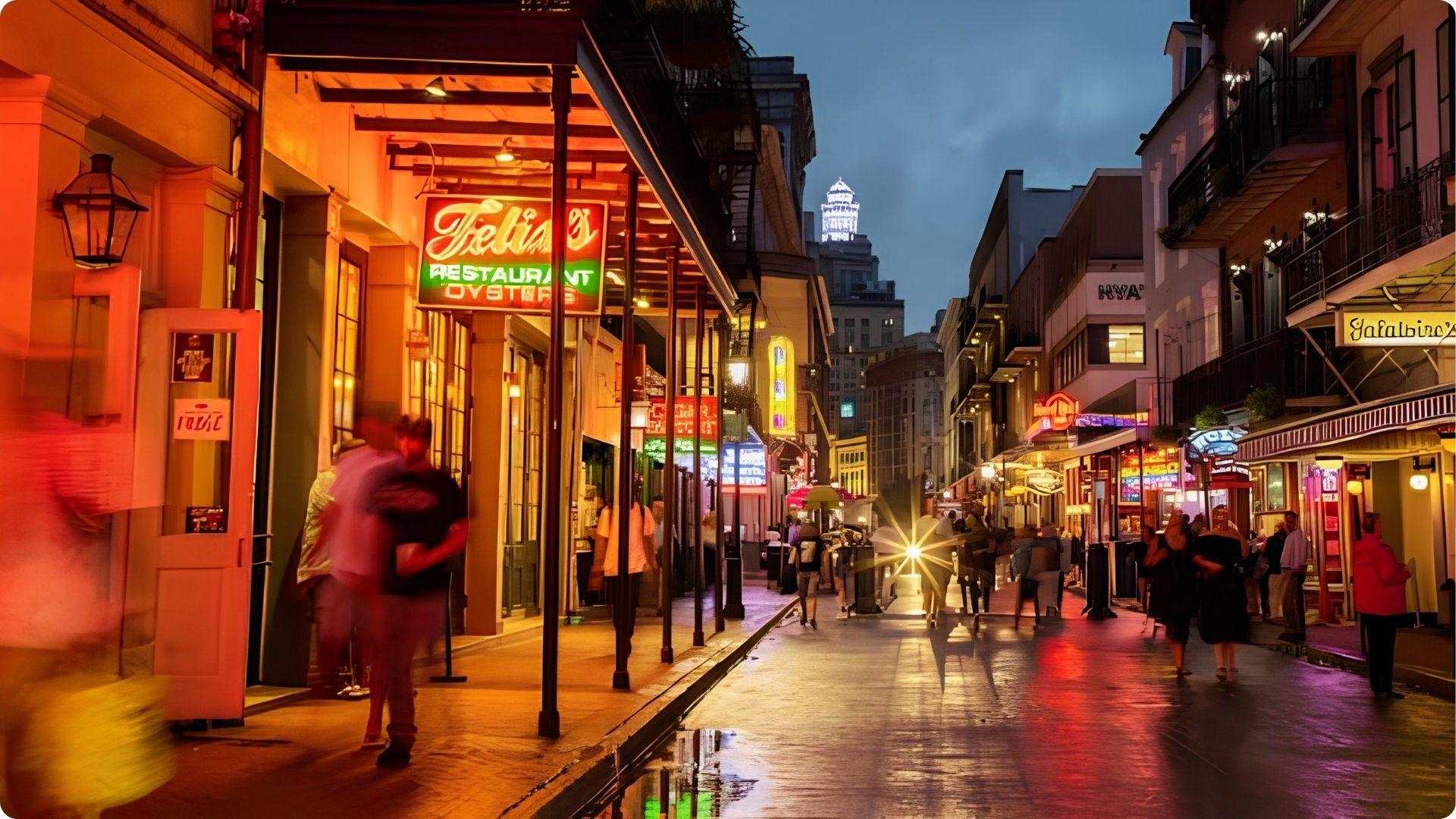
Bourbon Street gets a lot of criticism, but at night it delivers something genuinely unlike most other places in the world.
The street stretches about a mile through the French Quarter and is lined with bars, music clubs, and restaurants.
The energy after dark is very different from what you see during the day. Walking the length of it at least once is worth doing, even if it is not your kind of scene.
The live music spilling out of open doors, the crowds, and the general chaos are part of what makes New Orleans itself.
Stick to the lower half of Bourbon Street near Iberville and Bienville for the most concentrated activity.
21. Take a Steamboat Cruise on the Mississippi River

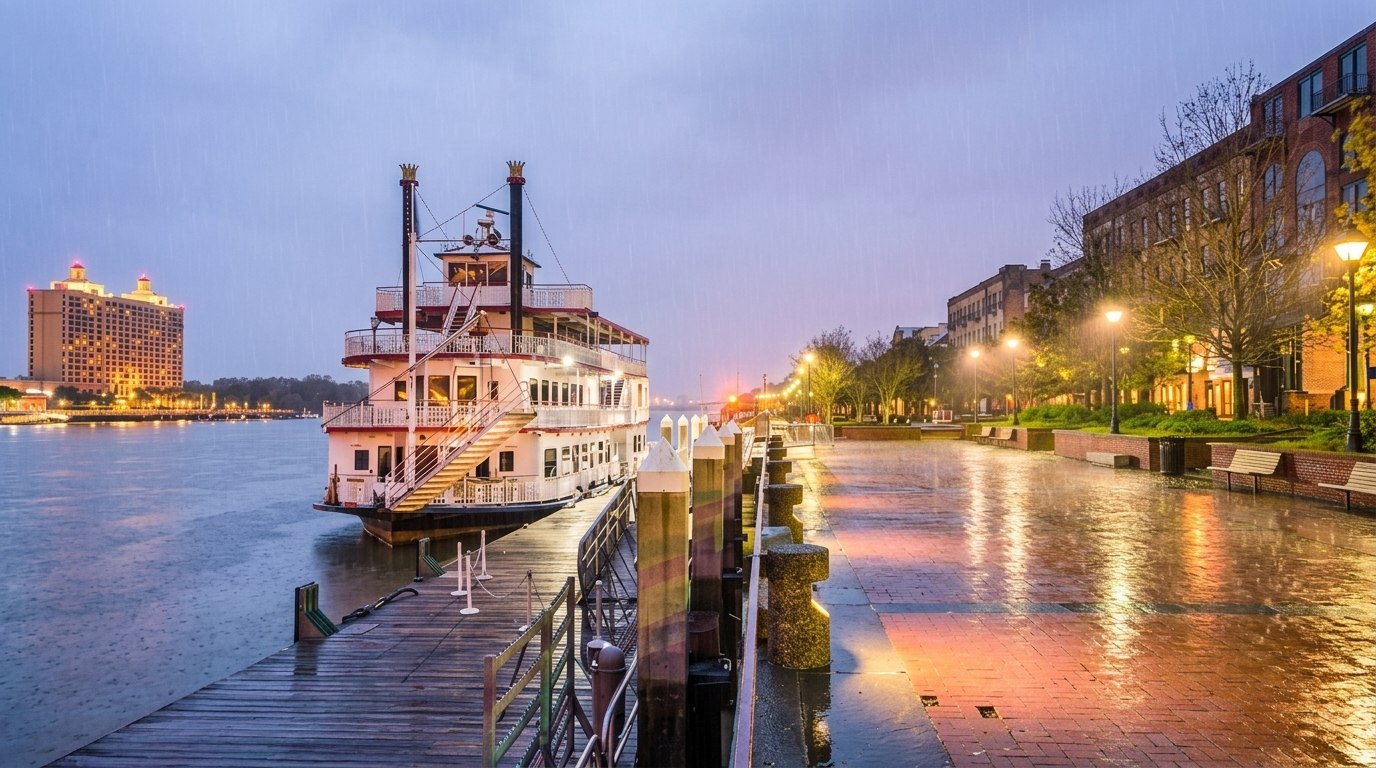
The Steamboat Natchez offers daily cruises on the Mississippi River departing from the Toulouse Street Wharf, which is just a short walk from the French Quarter.
The cruise gives you a perspective on the city that you cannot get from land and covers the history of the river and its role in the growth of New Orleans.
The jazz cruise option includes live music from a traditional jazz band.
Daytime cruises are good for sightseeing, while the evening dinner cruise offers a more relaxed experience. Book tickets in advance during busy periods.
22. Take a New Orleans Cooking Class
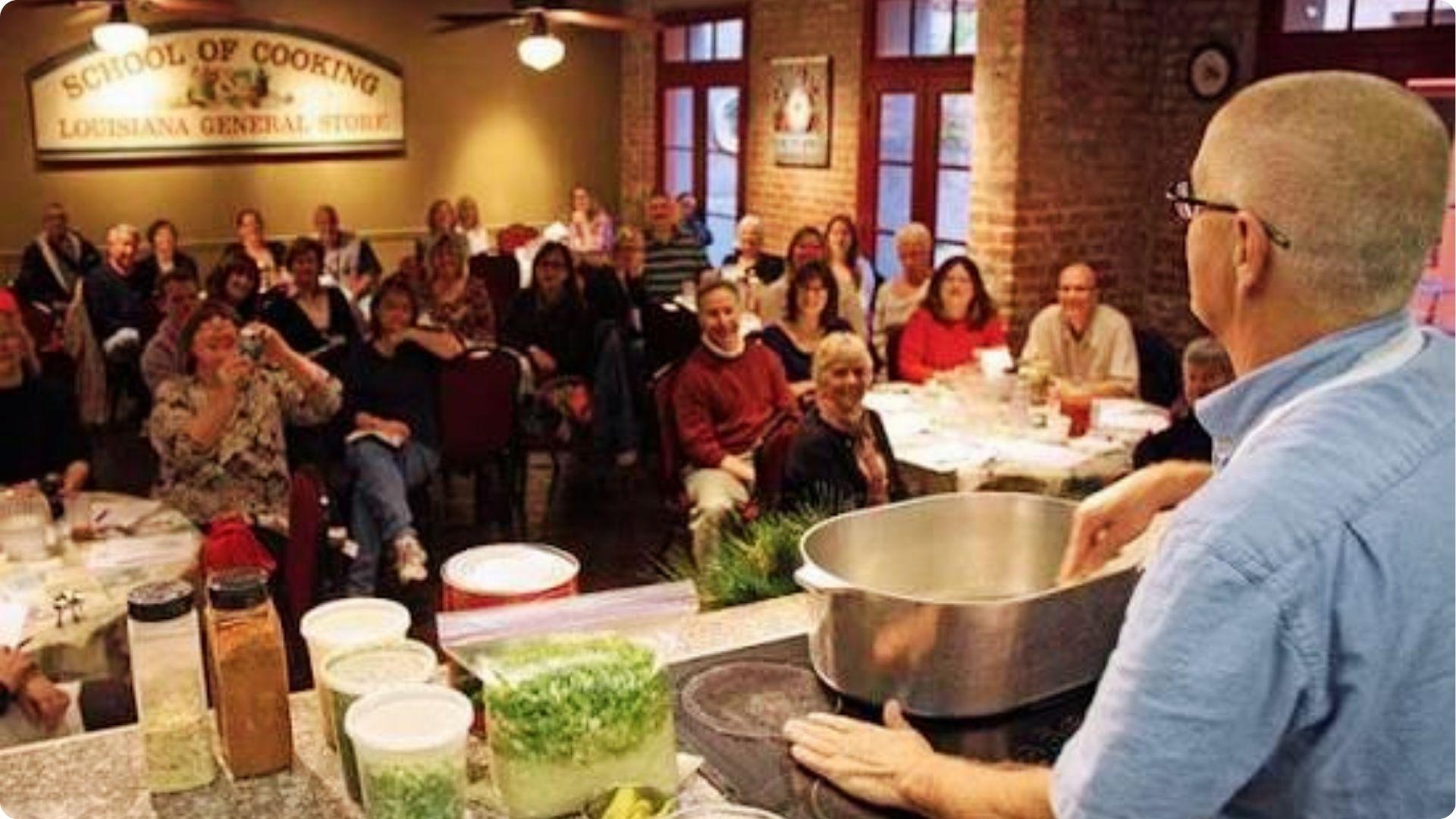
New Orleans has one of the most distinctive food cultures in the country, and a cooking class is a great way to understand where it comes from.
Classes typically cover dishes like gumbo, jambalaya, red beans and rice, and bread pudding.
The New Orleans Cooking Experience and the New Orleans School of Cooking are two well-established options in and near the French Quarter.
Most classes include a full meal at the end. It is a hands-on way to connect with the culture and you leave with recipes you can actually use at home.
23. Enjoy a Classic Cocktail at a French Quarter Bar
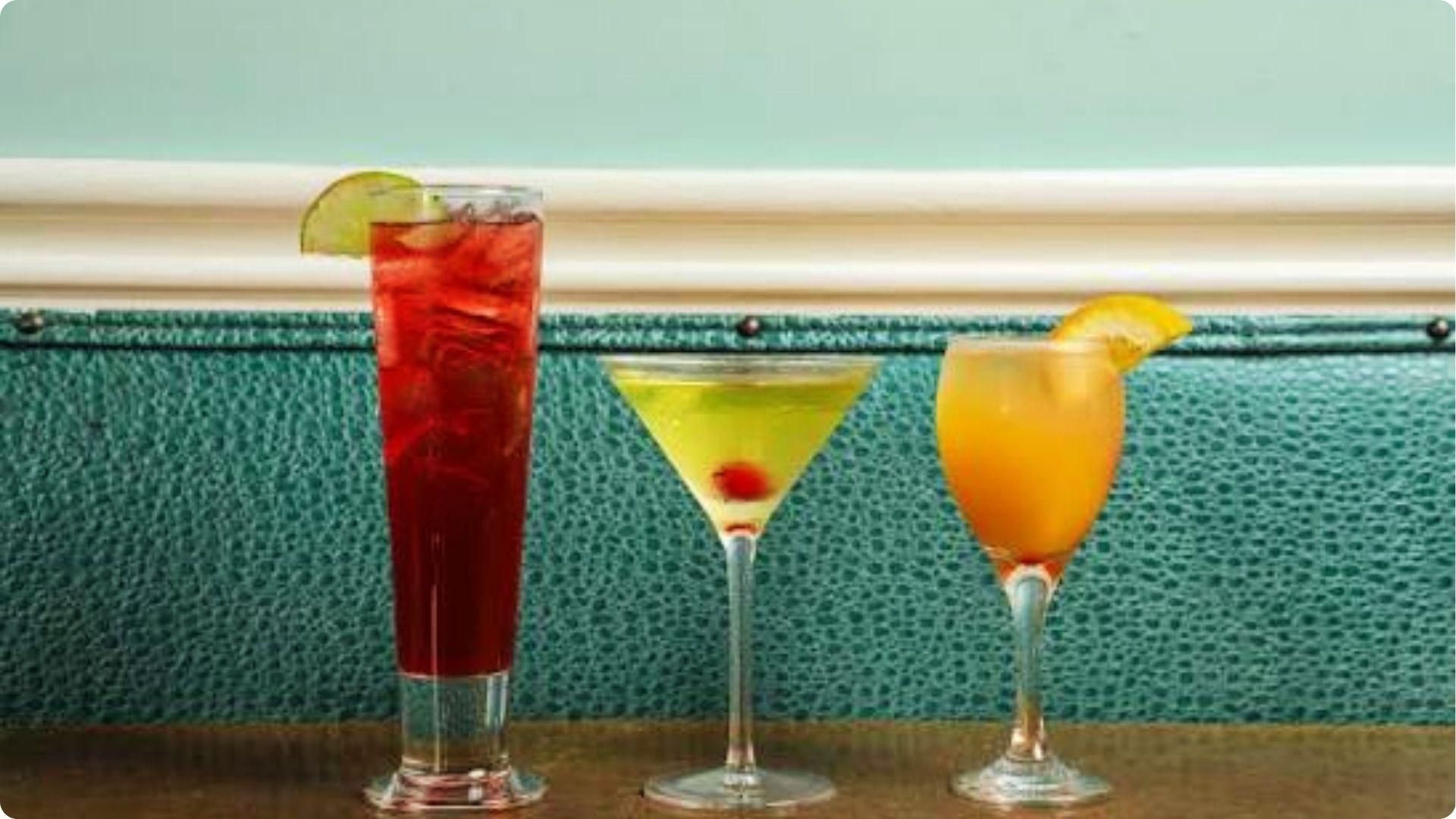
New Orleans has a serious cocktail culture, and the French Quarter is home to several bars that have been mixing drinks for well over a century.
The Sazerac, made with rye whiskey and Peychaud's bitters, is considered the original American cocktail and was created in New Orleans.
The Old Absinthe House on Bourbon Street and Tujague's on Decatur Street are two of the oldest bars in the city and worth a visit for the history alone.
You can also find the classic Hurricane cocktail at Pat O'Brien's on St. Peter Street. Another French Quarter landmark worth a seat is the Carousel Bar at Hotel Monteleone, a slowly revolving bar that has been spinning since 1949.
One more thing worth knowing: it is perfectly legal to walk the French Quarter with a drink in hand, so ask for a go cup when you are ready to leave a bar and keep exploring.
Common Mistakes to Avoid in the French Quarter
Even with the best intentions, it is easy to make a few missteps in the French Quarter. These are the ones that come up most often.
- Bourbon Street is just one street. Royal Street, Decatur Street, and Pirates Alley have museums, galleries, and historic bars that are far more rewarding to spend time in. Frenchmen Street, just outside the Quarter in the Marigny, is also worth an evening for live music without the tourist chaos.
- Book popular restaurants, ghost tours, cooking classes, and Preservation Hall tickets before you arrive. Many sell out days in advance, especially on weekends.
- Check the hours for museums and historic sites before heading out. The Cabildo, The Presbytère, and the Old Ursuline Convent all have hours that vary by season.
- New Orleans heat and humidity can wear you down fast, especially from June through September. Carry water, take breaks indoors during the afternoon, and wear light clothing.
- Do not pack too much into one day. The French Quarter rewards a slower pace. Give yourself time to sit, eat, and simply take in the streets around you.
Expert Tips for Exploring the French Quarter
A few practical habits will make your time in the French Quarter noticeably better.
- Get out before 9 a.m. if you want to see Jackson Square and Royal Street without the crowds. The light is also better for photos in the early morning.
- Flat, well-cushioned shoes are a practical necessity. The streets are uneven, and you will walk more than you think. Sandals and flip-flops are fine for short outings but not ideal for a full day.
- Carry a refillable water bottle, especially from May through September. There are water fountains at some parks, and many cafés will refill your bottle if you ask.
- Before you head out each day, check the hours for the specific museums or attractions on your list. Also look up whether any street festivals or events are scheduled, as these can affect access to certain streets or parking.
- Book one or two well-reviewed tours and mix them with time spent simply walking around. Sitting at a neighborhood café for an hour, chatting with locals, or wandering down a side street you have not planned for often leads to the most memorable parts of any trip.
Conclusion
The New Orleans French Quarter offers more than most neighborhoods can manage in a lifetime.
From historic churches and jazz halls to local food and late-night bars, the area rewards visitors who take the time to look past the obvious.
This guide to the 23 things to do in New Orleans French Quarter gives you a solid starting point, but the neighborhood will surprise you with things that are not on any list.
Start with one or two stops that genuinely interest you, and let the rest unfold from there.
If this guide helped you plan your visit, share it with someone else who is heading to New Orleans, or drop a comment below with your favorite spot in the French Quarter.
Frequently Asked Questions
Is the French Quarter safe to walk at night?
Most of the French Quarter is safe at night when you stay on well-lit, busy streets. Avoid quiet side streets late at night and keep valuables out of sight.
Can you bring kids to the French Quarter?
Yes, during the day the French Quarter is family-friendly. Jackson Square, the French Market, and most museums welcome children. Avoid Bourbon Street at night with kids.
Is there a dress code at Preservation Hall?
No formal dress code is required at Preservation Hall. Casual, comfortable clothing is fine. The venue is small and standing room is common during shows.
Where can you park near the French Quarter?
Several paid parking garages are located near the French Quarter, including ones on Toulouse Street and Canal Street. Street parking is limited and can be difficult to find.
Are most French Quarter attractions free?
Some are free, including Jackson Square, Pirates Alley, and parts of the French Market. Museums like The Cabildo, The Presbytère, and the Pharmacy Museum charge entry fees.