I grew up spending summers in Georgia, and I learned early on that nature here is not always friendly.
From thick pine forests to marshy lowlands, dangerous wildlife in Georgia is closer than most people think.
This article covers the 13 most dangerous animals you might come across in Georgia.
You will learn what they look like, where they live, and how to protect yourself.I have put this guide together with real information you can actually use.
Whether you are hiking, gardening, or just spending time outdoors, this guide will help you stay safe and prepared.
Most Dangerous Animals in Georgia to Identify Them

Georgia's wildlife can be both fascinating and risky if you are not prepared.
Georgia is home to a wide range of dangerous animals, from venomous snakes and biting spiders to large predators and stinging insects.
These creatures live across forests, swamps, farmlands, and even residential areas. Some can cause serious injury with a single bite or sting.
Others carry diseases that affect your health long after the encounter. Knowing which animals to watch for, where they live, and how they behave gives you a real advantage.
Staying informed is the first step toward staying safe outdoors in Georgia.
13 Dangerous Wildlife in Georgia You Should Know About
Here is a full breakdown of the most dangerous animals living across Georgia right now.
1. Eastern Diamondback Rattlesnake
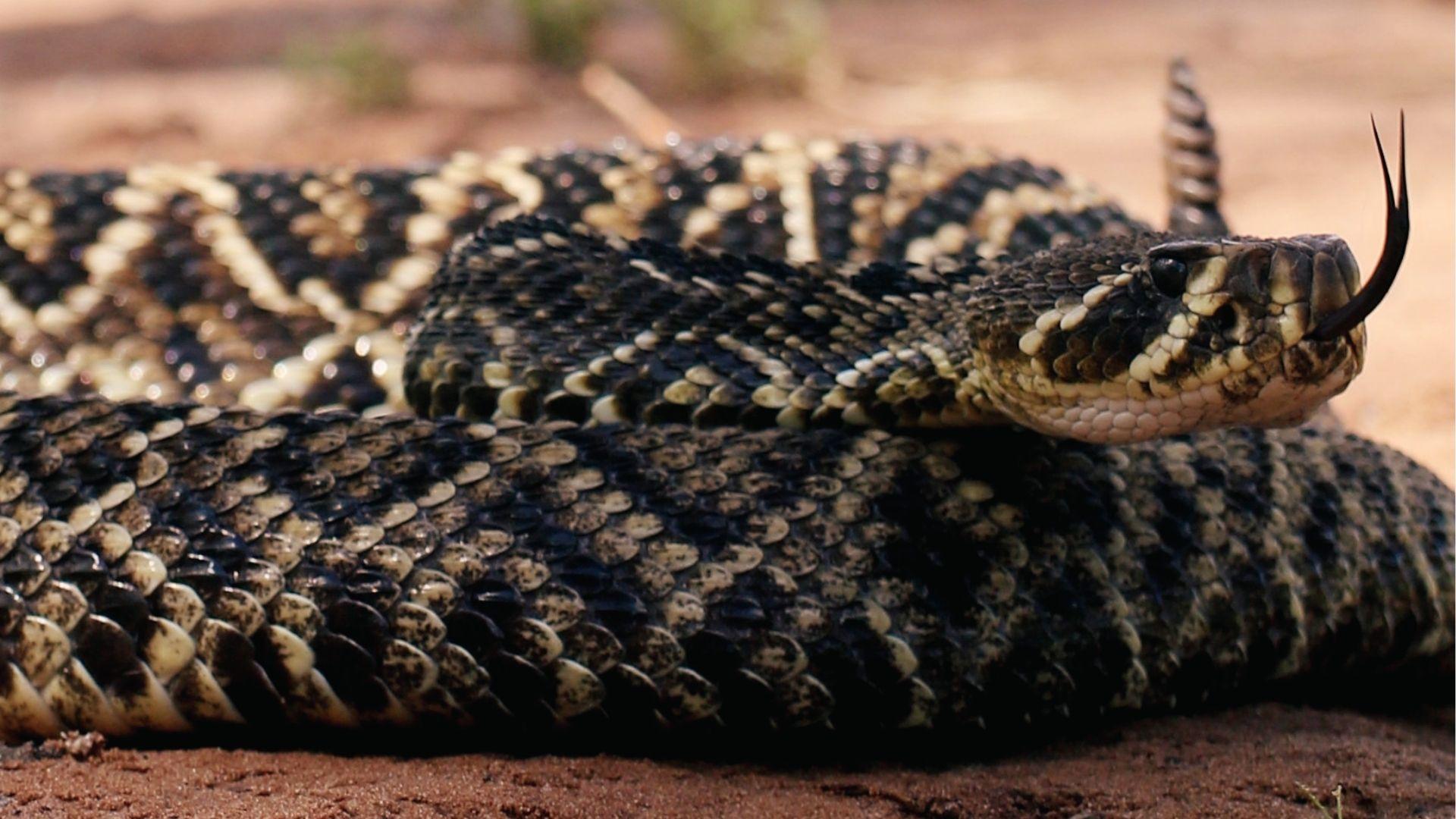
This is the largest venomous snake in North America. It can grow over six feet long. Its bite releases a powerful venom that destroys tissue.
It lives in dry pine forests and coastal areas in southern Georgia. It rarely attacks without warning but will strike fast if cornered.
2. Timber Rattlesnake
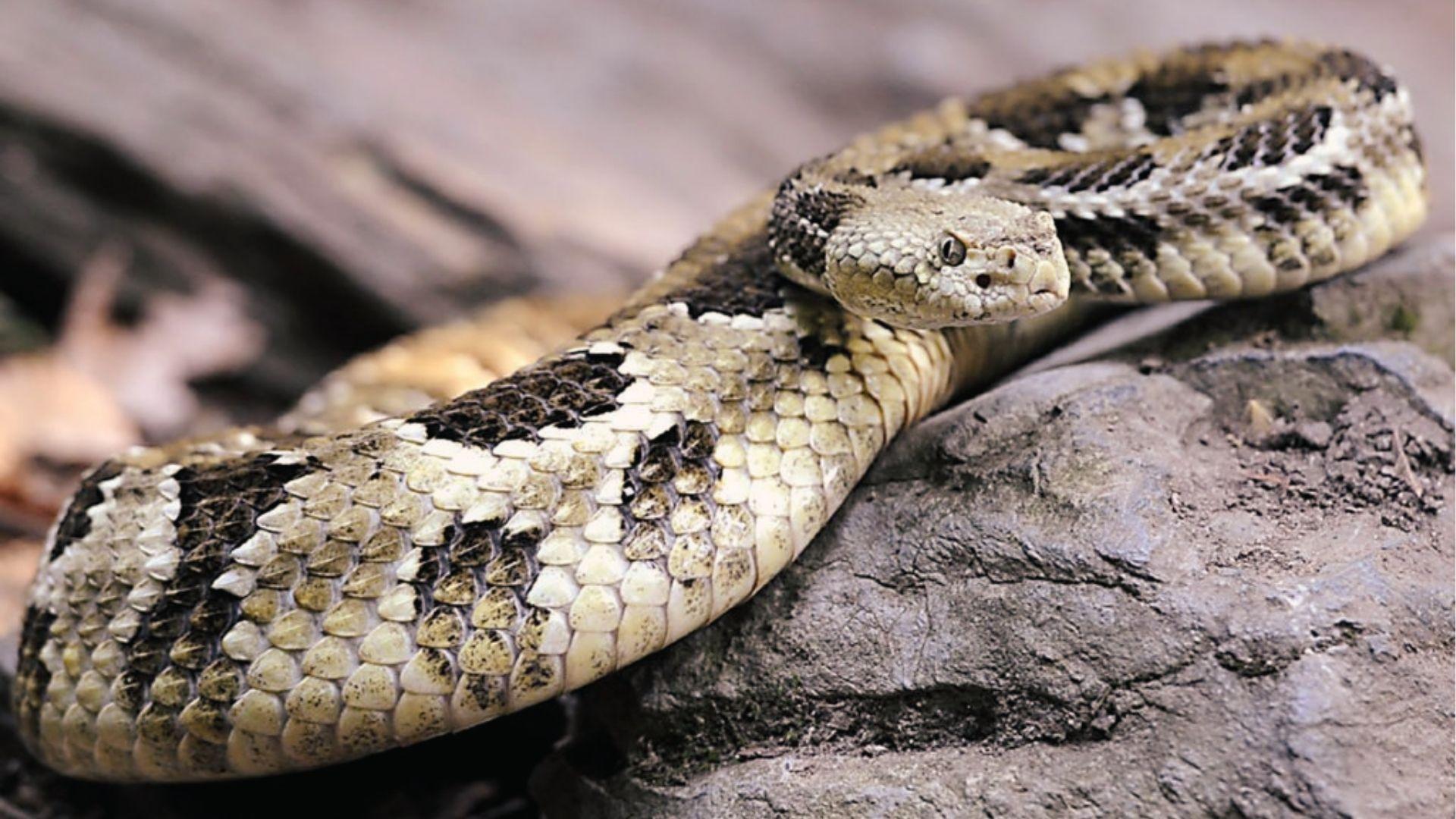
The Timber Rattlesnake is found in northern Georgia's forests and mountains. It has a thick body with dark crossbands.
Its venom is hemotoxic, which means it damages blood and tissue. It is not aggressive but blends into forest floors very well, making it easy to step near by accident.
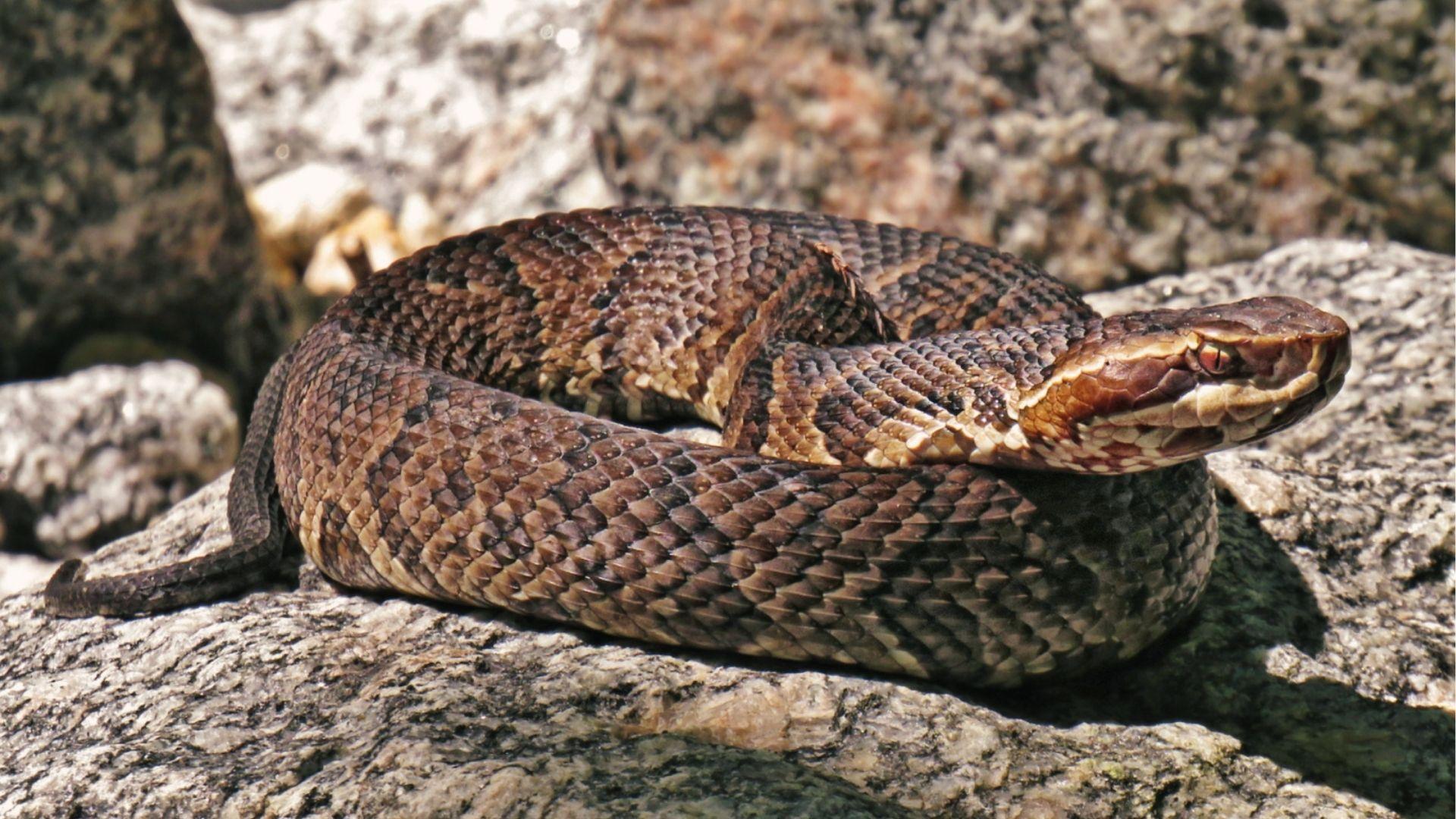
3. Copperhead Snake
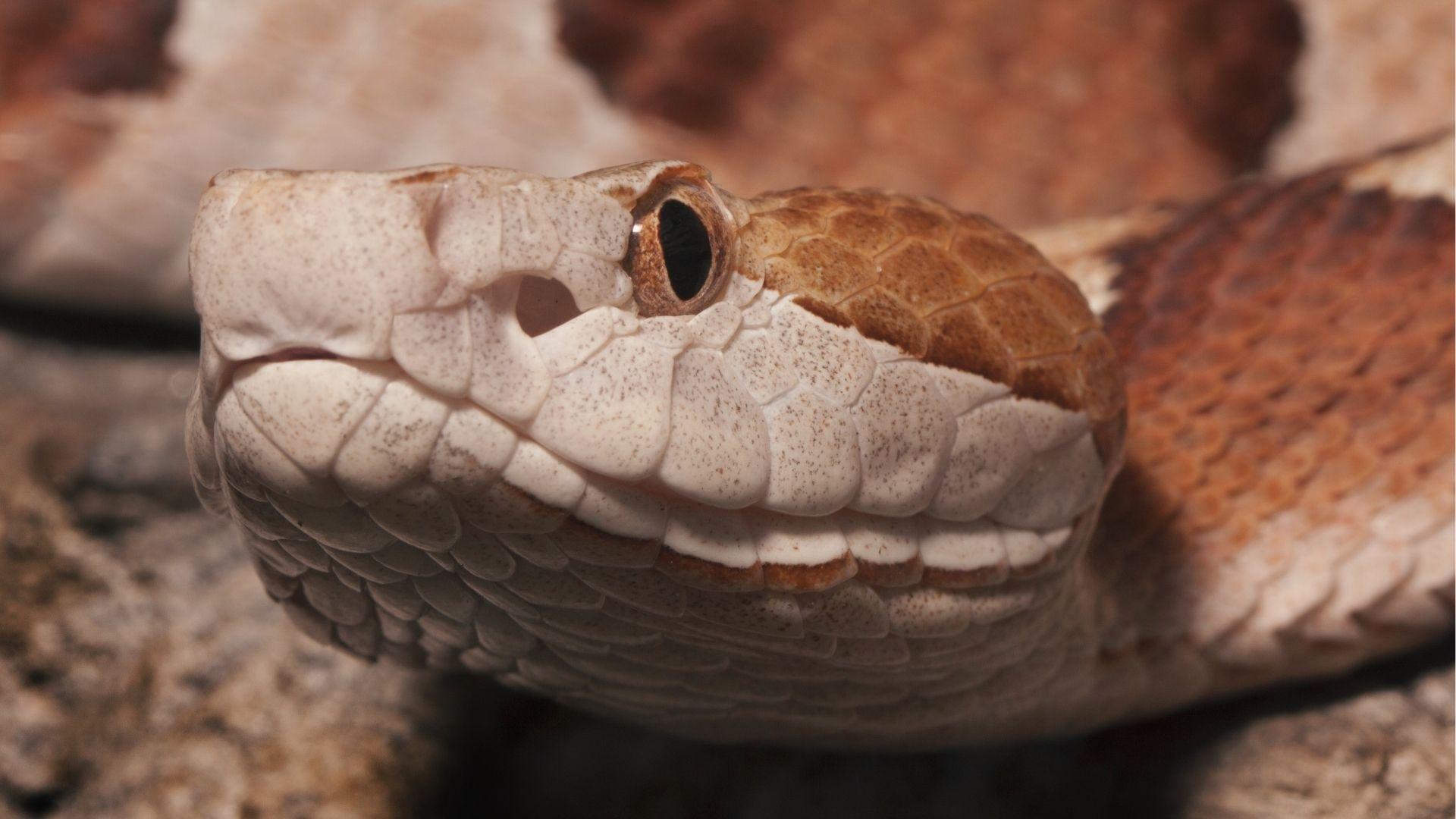
The Copperhead is responsible for more snakebites in Georgia than any other venomous species.
It hides in leaf litter, under rocks, and near woodpiles. Its bite is painful and can cause serious swelling.
Children and pets are especially at risk. It is active during warm months and sometimes at night.
4. Cottonmouth (Water Moccasin)
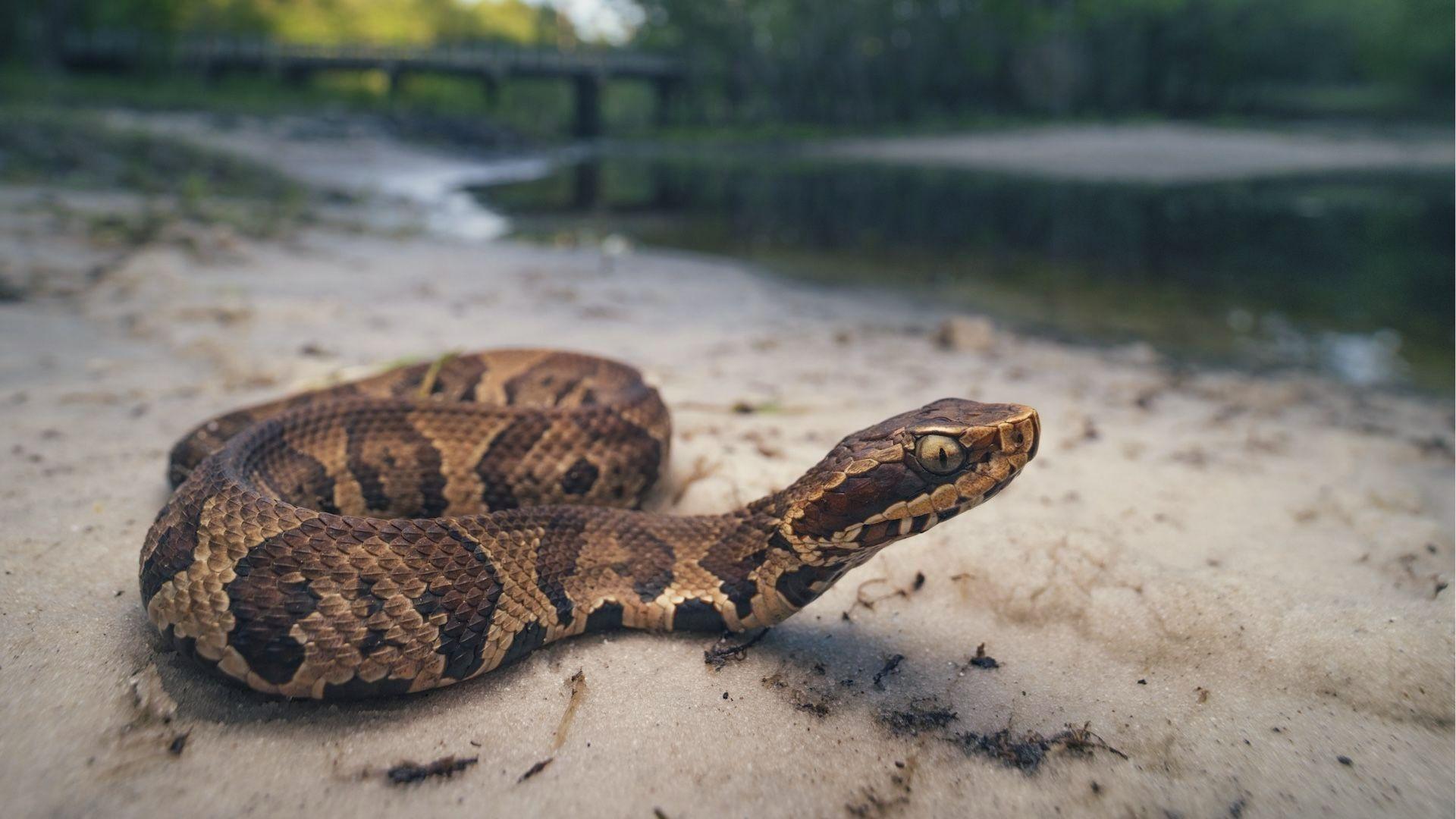
The Cottonmouth lives near water. It is found in swamps, rivers, ponds, and marshes. It is the only venomous water snake in the United States.
When threatened, it opens its mouth wide to show its white interior, which is how it got its name. Its venom causes severe tissue damage.
5. Eastern Coral Snake
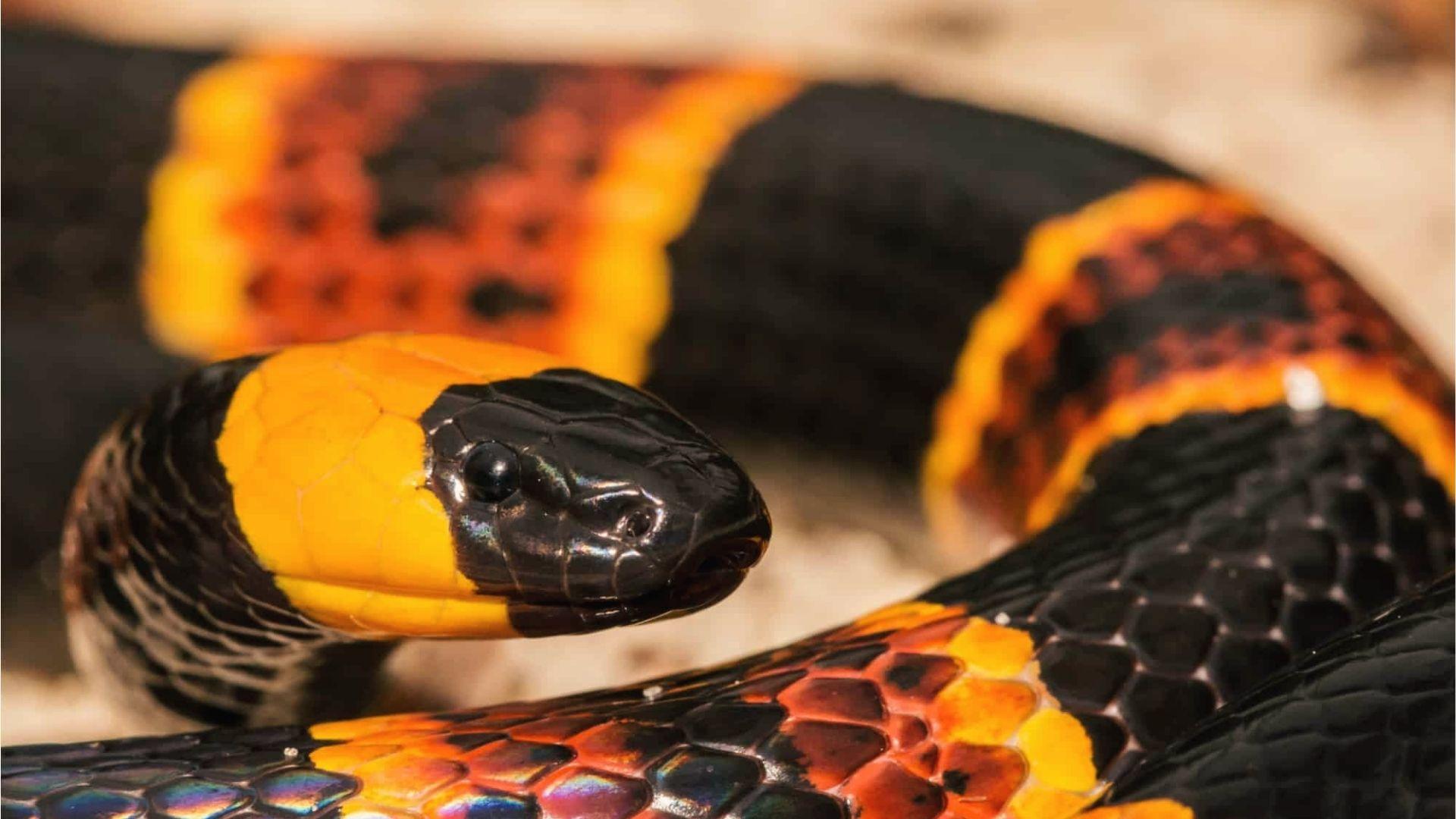
The Coral Snake is small but highly venomous. Its neurotoxic venom affects the nervous system.
It is shy and rarely seen, but bites can cause paralysis. The pattern is red, yellow, and black bands.
Remember the saying:red touching yellow, kill a fellow. It hides in sandy soil and leaf litter.
6. American Alligator
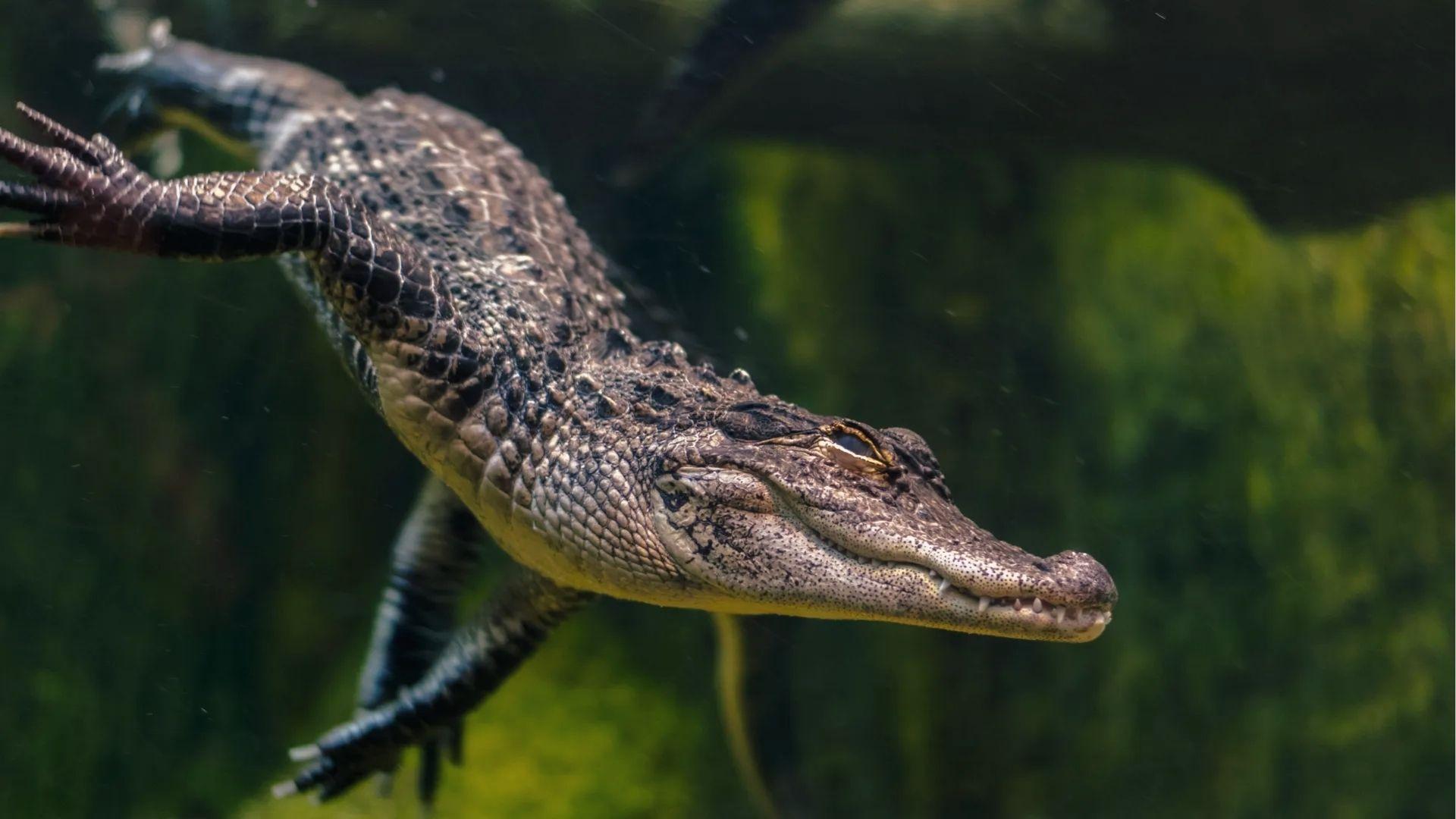
Georgia has a large alligator population, especially in the Okefenokee Swamp and coastal areas.
Alligators can move fast on land and are dangerous near water. They look still and harmless but can lunge without warning.
Never feed or approach one. They become bold and aggressive when people give them food.
7. Brown Recluse Spider

The Brown Recluse is a small spider with a violin-shaped marking on its back. Its bite causes a wound that grows over time and can lead to deep tissue loss.
It hides in quiet, dark spaces like closets, sheds, and under furniture. It is not aggressive but will bite when pressed against the skin.
8. Black Widow Spider
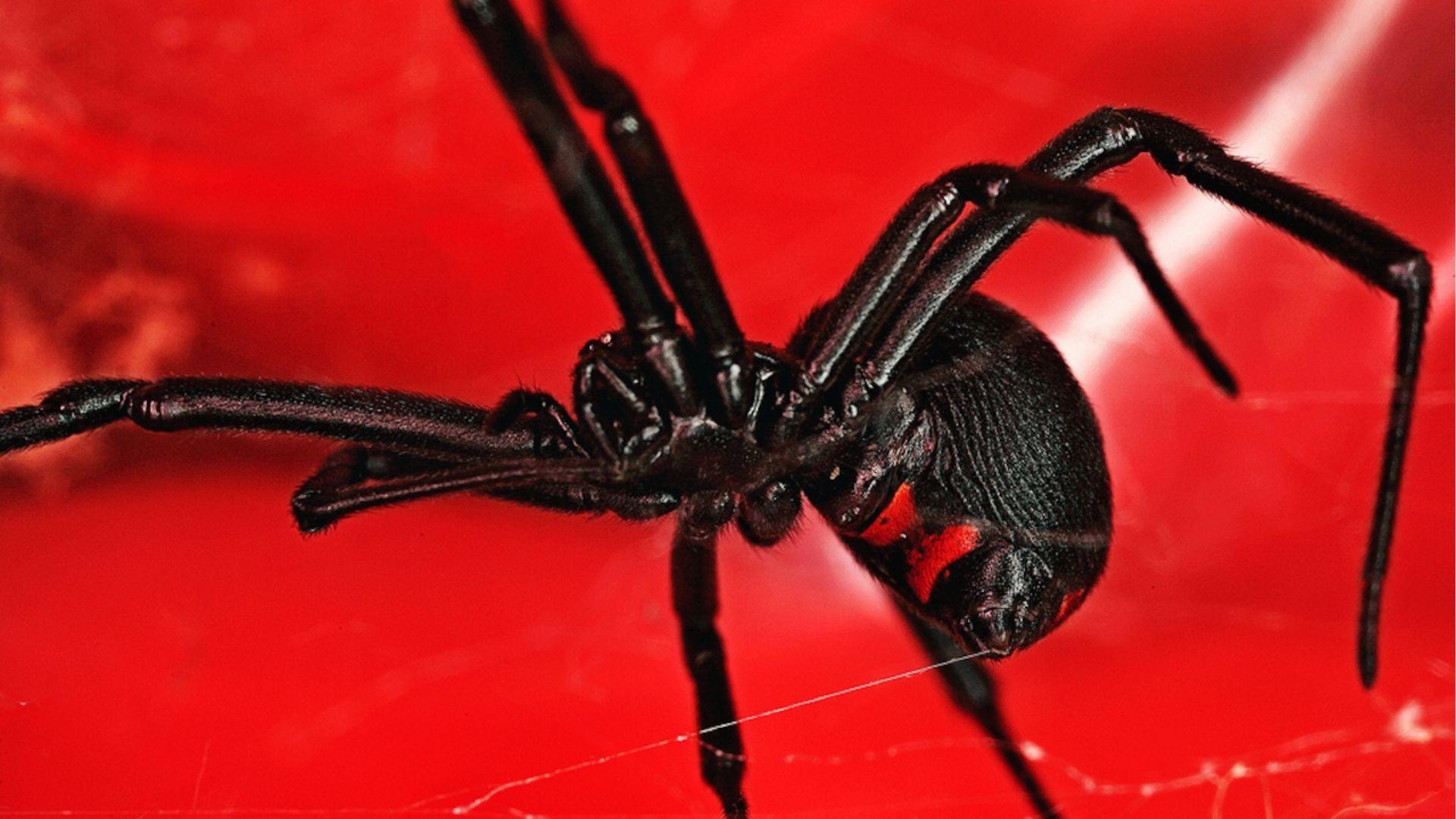
The Black Widow has a red hourglass marking on a shiny black body. Its venom targets the nervous system and causes intense pain, muscle cramps, and sweating.
Bites rarely cause death in adults, but they are serious. Black Widows live in woodpiles, garages, and dark corners of outdoor structures.
9. Mosquitoes

Mosquitoes are more dangerous than most people think. In Georgia, they can carry West Nile Virus, Eastern Equine Encephalitis, and other diseases.
They are active from spring through fall. Standing water around your home creates breeding grounds. Using repellent and removing stagnant water reduces risk.
10. Ticks
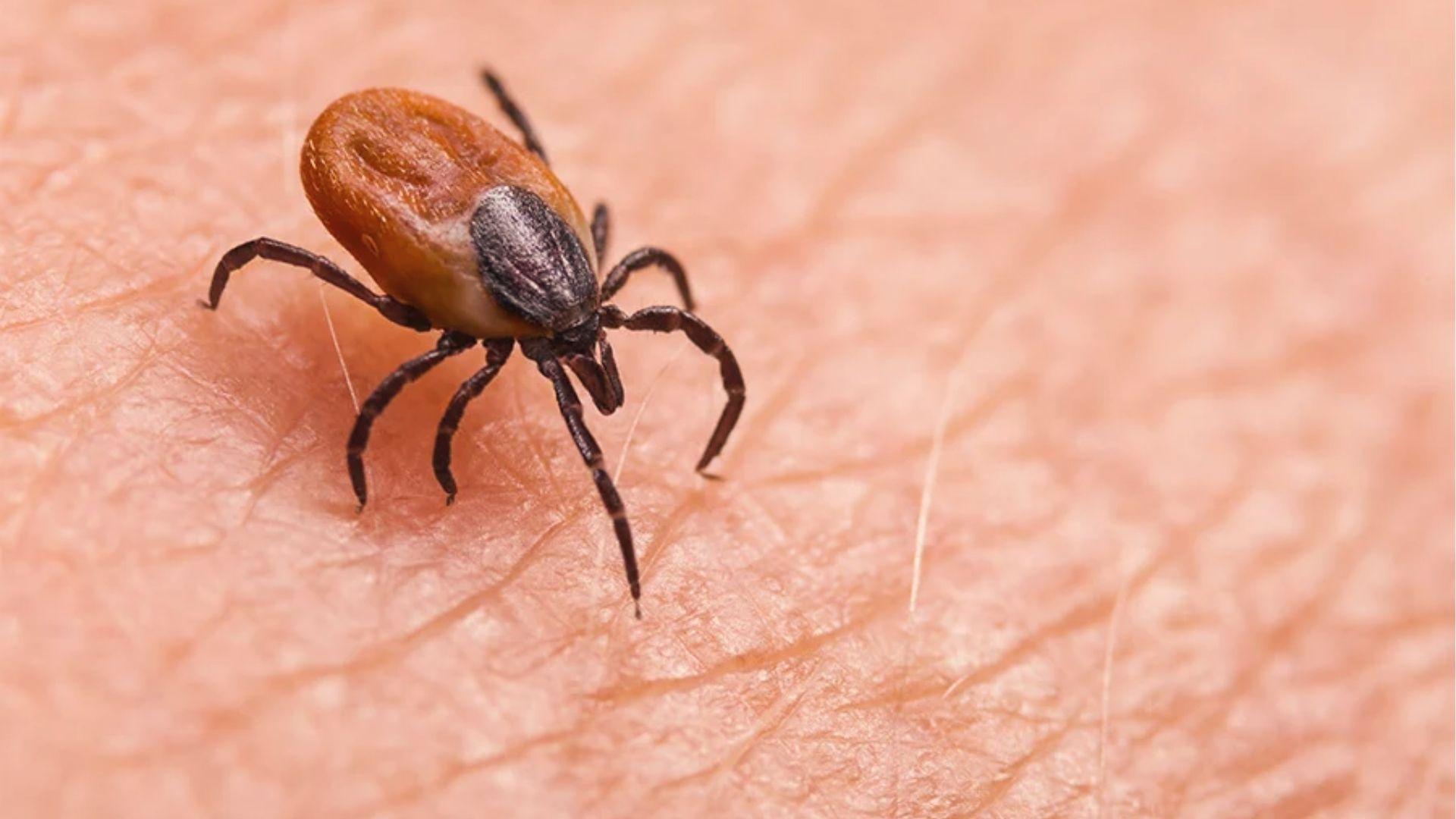
Ticks in Georgia can carry Lyme disease, Rocky Mountain Spotted Fever, and other serious illnesses.
They attach to skin and feed on blood. They are common in tall grass, brushy areas, and forested trails.
Always do a full body check after being outdoors. Remove ticks quickly with fine-tipped tweezers.
11. Fire Ants
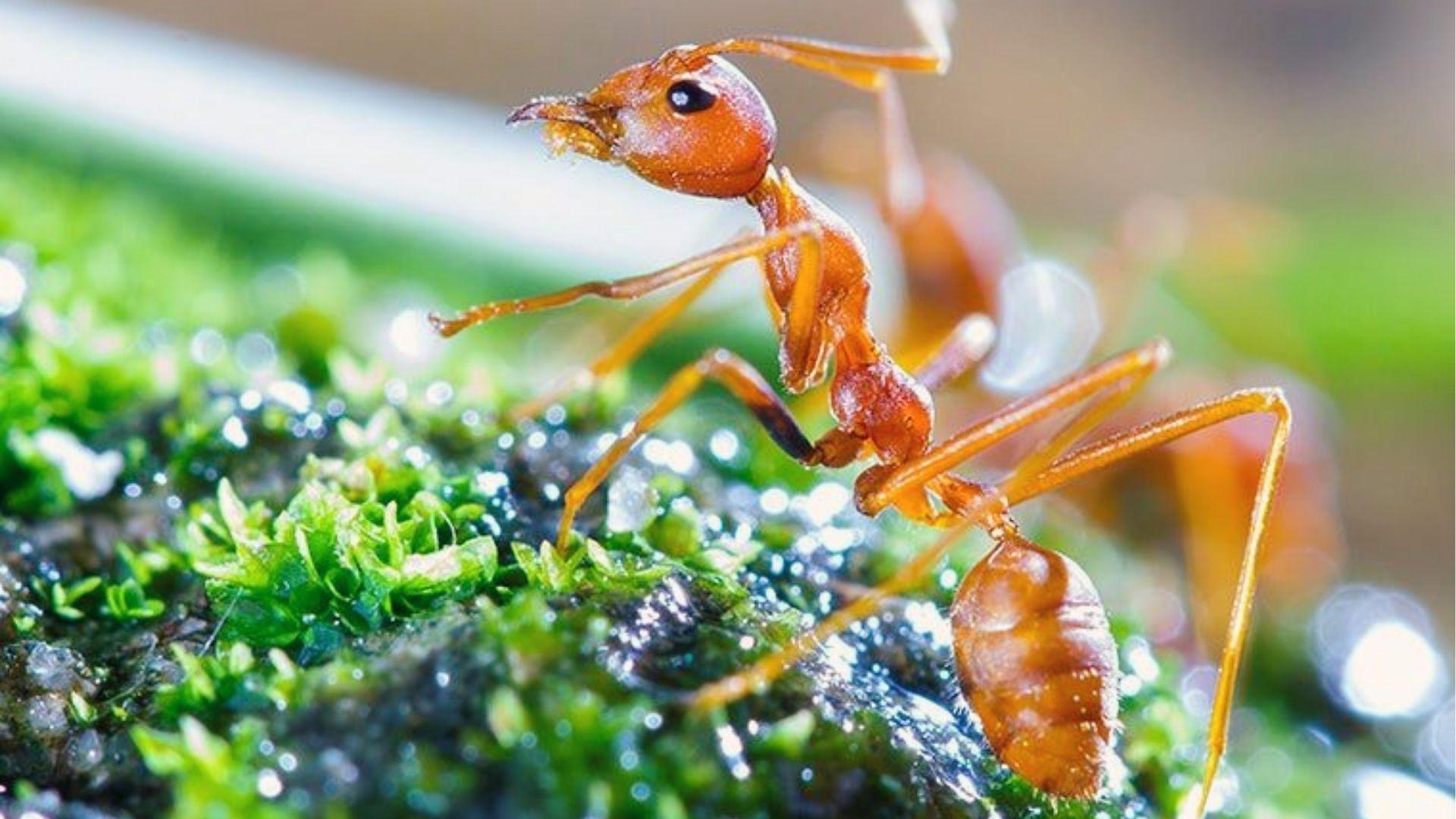
Fire ants build large mounds in open fields, lawns, and roadsides. They attack in swarms and sting repeatedly.
Their venom causes burning pain and raised welts. Some people have severe allergic reactions that require emergency care. Avoid stepping on or disturbing their mounds.
12. Wild Boar (Feral Hog)

Wild boars are found across rural Georgia. They are aggressive, strong, and unpredictable. They have sharp tusks that can cause serious injuries.
They travel in groups and can charge with little warning. They damage crops and lawns too. Never corner or try to approach one.
13. Coyote

Coyotes are now common in both rural and suburban parts of Georgia. They are usually shy around people but can become bold when used to human presence.
They pose a threat to small pets and young children. Do not leave food outside, and keep pets supervised after dark.
Where Dangerous Wildlife Is Most Commonly Found in Georgia

Knowing the hotspots for dangerous animals in Georgia helps you stay alert in the right places.
Swamps, Wetlands, and River Systems
The Okefenokee Swamp, Altamaha River, and Savannah River areas are home to alligators, Cottonmouths, and mosquitoes in large numbers.
Water areas attract many dangerous species. Always stay on marked paths and keep a safe distance from the water's edge.
Forests and Mountain Regions
The Blue Ridge Mountains and Piedmont forests are home to Timber Rattlesnakes, Copperheads, and ticks.
Hikers and campers face the highest exposure. Stick to trails, wear boots, and check your gear and clothes often.
Rural Farmland and Open Fields
Fields and farmland attract fire ants, wild boars, and snakes. Fire ant mounds are easy to miss in tall grass.
Wild boars root around crops and can be found near water sources. Always watch the ground when walking through open areas.
Parks, Backyards, and Residential Areas
You do not have to go deep into the wild to find dangerous wildlife in Georgia.
Black Widows, Brown Recluses, coyotes, and even Copperheads are found near homes. Check under outdoor furniture, inside shoes left outside, and around woodpiles regularly.
Safety Tips for Avoiding Dangerous Wildlife in Georgia
Simple habits and awareness can keep you and your family safe when spending time outdoors in Georgia.
- Always watch your step on trails, especially near rocks, logs, and water edges. Never place your hands where you cannot see.
- Wear closed-toe shoes, tuck pants into socks, and use long sleeves in grassy or wooded areas to block ticks and mosquitoes.
- Never feed, approach, or handle any wild animal. Keep at least 60 feet from alligators and back away slowly from snakes.
- Apply DEET-based repellent before going outdoors. Check your full body after every outing and remove standing water near your home.
- Seek emergency care right away for any snake bite. See a doctor for spider bites that grow or cause pain, and for tick bites followed by rash or fever.
Conclusion
Spending time outside in Georgia is something I truly enjoy, but I have learned to take wildlife seriously.
Knowing about dangerous wildlife in Georgia does not mean you should fear the outdoors. It means you go in prepared.
Start by sharing what you learned today with someone who spends time outside. Leave a comment below about a wildlife encounter you have had.
And if you want to read more about staying safe in nature, check out our other guides. Stay aware, stay safe, and enjoy Georgia's outdoors with confidence.
Frequently Asked Questions
What is the most dangerous animal in Georgia?
The Eastern Diamondback Rattlesnake is widely considered the most dangerous animal in Georgia. Its large size and powerful venom make a bite a serious medical emergency.
Are alligators common in Georgia?
Yes, alligators are common in southern Georgia, especially in swamps and coastal areas. The Okefenokee Swamp has one of the highest alligator populations in the state.
What should I do if I see a venomous snake?
Stay calm and back away slowly without making sudden movements. Never try to pick it up or kill it. Call animal control if it is near your home.
How do I know if a spider bite is dangerous?
If a spider bite causes a growing wound, intense pain, muscle cramps, or fever, seek medical help right away. Brown Recluse and Black Widow bites both require medical attention.
Are coyotes in Georgia dangerous to humans?
Coyotes rarely attack adults, but they can threaten small children and pets. Never feed coyotes, and keep outdoor food sources secured to prevent them from coming close to your home.