
Can a Georgia landlord really change your locks, shut off your utilities, or raise your rent whenever they want?
What a landlord cannot do in Georgia is just as important as knowing what a landlord can legally do.
Tenants can face illegal lockouts, improper evictions, retaliation, discrimination, security deposit disputes, or neglected repairs without knowing where the law draws the line.
The problem is that Georgia landlord-tenant rules can be difficult to understand, especially when a lease and state law overlap.
This guide breaks down the key actions landlords cannot take and explains the legal limits that protect tenants.
You'll also learn what to document and where to look for help when a landlord crosses those boundaries.
What Are Landlords Cannot Do in Georgia?
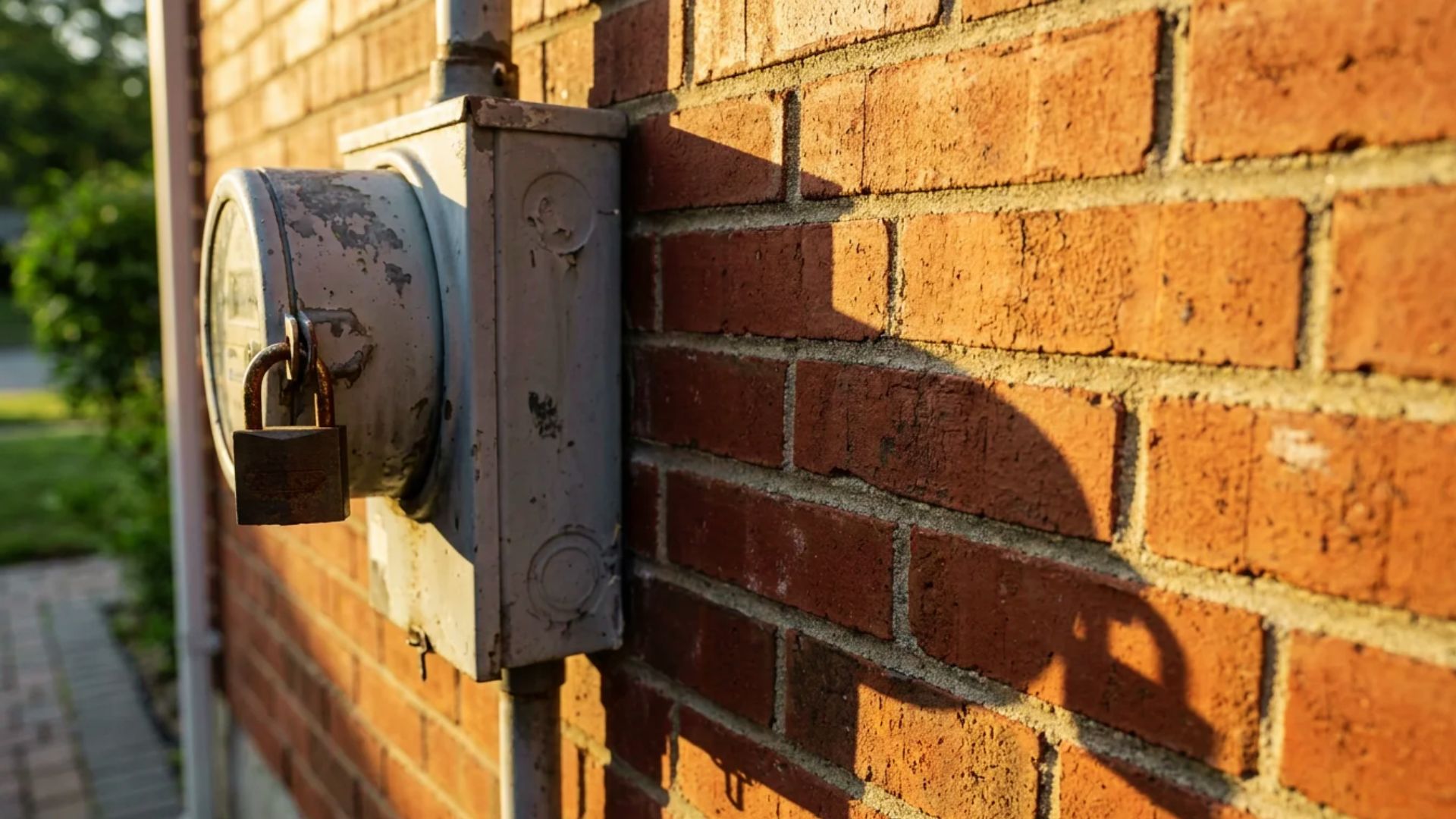
A Georgia landlord cannot bypass the legal eviction process, use a lockout to force a tenant out, shut off utilities to pressure a tenant to leave, retaliate against a tenant for exercising protected rights, discriminate against applicants or tenants, or wrongfully handle a security deposit.
Landlords also have legal duties involving the condition and maintenance of rental housing.
Common prohibited actions include:
- Evicting a tenant without following the required legal process
- Changing locks or blocking a tenant's access to the rental
- Removing a tenant's belongings without legal authority
- Shutting off utilities to force a tenant to move
- Retaliating against a tenant for protected complaints or actions
- Discriminating against applicants or tenants
- Wrongfully withholding or mishandling a security deposit
- Failing to address qualifying health, safety, or habitability problems
Understanding Georgia Landlord-Tenant Laws
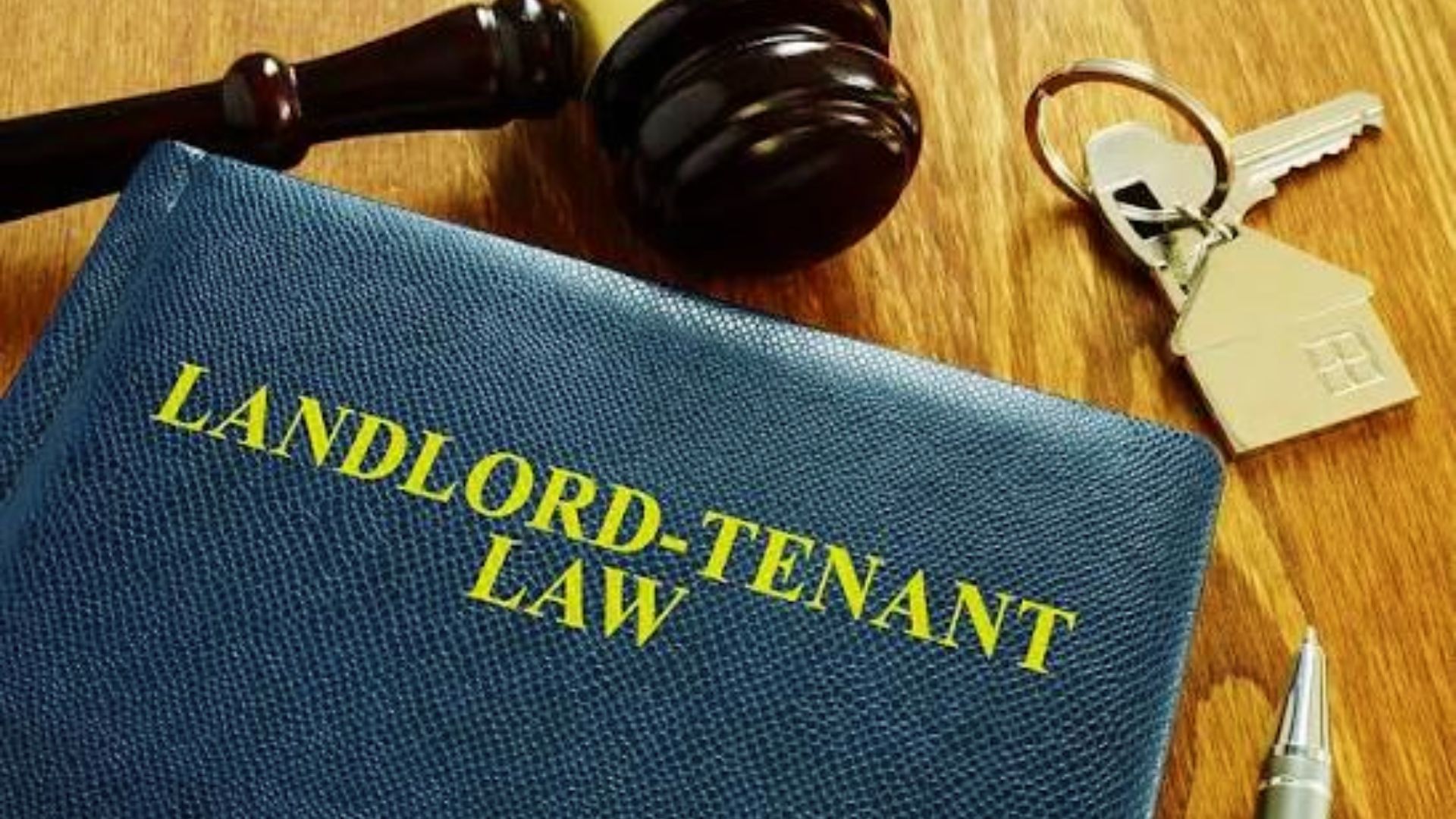
Georgia landlord-tenant rules are primarily found in Title 44, Chapter 7 of the Official Code of Georgia Annotated.
These rules address issues such as rental agreements, security deposits, eviction procedures, repairs, and the rights and responsibilities of landlords and tenants.
Landlords must follow applicable state and federal requirements when managing rental property. Tenants also have responsibilities under their leases, including paying rent and following valid lease terms.
Georgia law does not give landlords unlimited authority to remove tenants or ignore legal protections. When a landlord needs to enforce a lease or recover possession of a rental property, the appropriate legal process must be followed.
What Landlords Can Legally Do in Georgia
Landlords still have plenty of legal tools to manage their property the right way.
- Collect rent on time and enforce late fees outlined in the lease
- Take action against lease violations, including nonpayment or unauthorized pets
- Conduct inspections as long as they follow the lease's entry terms
- Screen new applicants using consistent, fair, and legal criteria
- Start a formal eviction through the courts when necessary
7 Strict Actions Georgia Landlords Cannot Take

These are the specific moves that can get a landlord in legal trouble fast.
1. Evict Tenants Without Following Court Procedures
In Georgia, self-help eviction is illegal. That means a landlord can't just show up and tell a tenant to leave. The only legal path is through the courts.
This starts with a dispossessory affidavit filed at the county magistrate court, followed by a hearing where a judge decides the outcome.
Only after a judge issues an order can a sheriff carry out the eviction using a writ of possession. Landlords who try to remove tenants on their own, without a court order, are breaking the law and can be sued for damages.
Active-duty military tenants have an extra layer of protection under the federal Servicemembers Civil Relief Act, which can delay eviction proceedings even when rent is unpaid.
2. Change Locks or Remove Tenant Belongings
A landlord cannot use a lockout or remove a tenant's belongings as a substitute for the legal eviction process.
Changing the locks, blocking access to the rental, or removing a tenant's property can create serious legal problems.
Even when a tenant owes rent or has violated a lease, the landlord should use the applicable court process rather than attempting to force the tenant out personally.
Tenants who experience a lockout or loss of access should keep records of the incident, including photographs, messages, notices, and other communications.
3. Shut Off Utilities to Force a Tenant Out
A landlord cannot use a utility shutoff as a way to pressure a tenant into leaving the rental. Water, electricity, heating, or cooling should not be deliberately interrupted as a substitute for the lawful eviction process.
Georgia law addresses unlawful utility interruption by landlords, and violations can carry legal consequences.
If a utility is shut off because of a dispute with the tenant, the circumstances and reason for the interruption matter.
Tenants should document the shutoff, keep copies of utility notices and landlord communications, and seek appropriate legal assistance when necessary.
4. Retaliate Against Tenants Exercising Their Rights
Retaliation occurs when a landlord takes adverse action against a tenant because the tenant exercised a right protected by law.
Depending on the circumstances, protected activity can include reporting qualifying housing conditions, requesting required repairs, or making a complaint to an appropriate authority.
Georgia law provides a statutory presumption of retaliation in qualifying circumstances when certain adverse actions occur within the specified period after protected activity. A landlord may still have a lawful, non-retaliatory reason for taking action, but the timing and circumstances can matter.
Tenants should keep copies of repair requests, complaints, notices, rent communications, and other records that show the sequence of events.
5. Discriminate Against Tenants or Applicants
Federal fair housing law prohibits housing discrimination based on protected characteristics, including race, color, religion, sex, national origin, familial status, and disability.
A landlord generally cannot refuse to rent, apply different rental terms, impose different conditions, or take other prohibited housing actions because an applicant or tenant belongs to a protected class.
For example, a landlord cannot refuse to rent to a qualified family simply because the family has children.
Landlords should use consistent, lawful screening and rental policies. Tenants or applicants who believe they experienced housing discrimination can consider filing a complaint with the appropriate government agency or seeking legal advice.
6. Misuse Security Deposits
Georgia law places limits on how residential security deposits are collected, handled, and returned. A landlord cannot simply keep a tenant's deposit without a lawful basis for the deduction.
Depending on the circumstances, deductions may involve unpaid rent, qualifying property damage, or other amounts permitted by the lease and applicable law. Normal wear and tear should not automatically be treated as tenant-caused damage.
Georgia law also establishes requirements concerning inspections, accounting for deductions, and returning the deposit or an itemized statement within the applicable period.
Tenants should keep their move-in and move-out records, photographs, receipts, and communications in case a deposit dispute arises.
7. Ignore Repair and Habitability Requirements
Landlords have legal responsibilities concerning the condition and maintenance of rental property. Serious problems affecting essential services, structural safety, or habitability should not simply be ignored after a tenant provides appropriate notice.
The available remedy can depend on the type and severity of the problem, the lease, the landlord's response, and applicable Georgia law.
In some circumstances, tenants may have remedies involving repairs, deductions, damages, or other legal action.
Tenants should report significant repair problems in writing and keep copies of requests, photographs, inspection records, and the landlord's responses. Good documentation can help establish when the problem was reported and how the landlord responded.
When Can a Landlord Raise Rent in Georgia?
Georgia does not have statewide rent control, but landlords must follow the lease and applicable notice requirements.
- Fixed-term lease: Rent generally cannot be increased during the lease unless the agreement allows it.
- Lease renewal: A landlord can generally propose a new rent amount when the lease expires.
- Month-to-month tenancy: Required notice must be provided before a rent increase takes effect.
- Retaliation or discrimination: A landlord cannot use a rent increase to unlawfully punish or discriminate against a tenant.
If you receive a rent increase, check your lease and keep the written notice and related communications.
Can a Landlord Enter a Rental Property Without Permission in Georgia?
Georgia does not have a statewide statute establishing one fixed notice period that applies to every landlord entry.
The lease may establish when and how a landlord can enter the rental, so tenants should review the entry provisions in their agreement.
Routine reasons for entry can include repairs, inspections, or showing the property when permitted by the lease and applicable law. Emergency situations, such as a fire or serious plumbing emergency, may justify immediate entry.
Repeated or unreasonable entry can raise separate concerns involving the tenant's right to use and enjoy the rental.
If a landlord repeatedly enters in violation of the lease, tenants should keep records of the dates, reasons given, notices, and communications.
How Legal Eviction Works in Georgia
A landlord cannot simply remove a tenant from a rental by changing the locks, removing belongings, or physically forcing the tenant out. When a tenant does not voluntarily leave, the landlord must follow the applicable legal eviction process.
The process generally involves:
- Required notice: The landlord provides the notice required under applicable Georgia law and the circumstances of the tenancy.
- Dispossessory filing: If the tenant does not resolve the issue or leave when legally required, the landlord may file a dispossessory case.
- Court process: The tenant has an opportunity to respond and present a defense.
- Judgment: The court determines whether the landlord is entitled to possession.
- Writ of possession: If the landlord prevails, the legal enforcement process allows the tenant to be removed according to the court's order.
The exact requirements can vary depending on the reason for the eviction and the type of tenancy, so tenants should review the applicable notice and court documents carefully.
What Happens If a Landlord Violates Georgia Law?

The consequences of a landlord's violation depend on the type of conduct and the law that applies.
Depending on the situation, a tenant may be able to seek damages, recover improperly withheld money, challenge an improper eviction, file an administrative complaint, or pursue another legal remedy.
Tenants should preserve evidence such as the lease, rent records, photographs, repair requests, text messages, emails, notices, and court documents. These records can help establish what happened and when.
For discrimination claims, tenants may have the option of contacting the appropriate fair-housing agency. For other disputes, a tenant may need to consider legal advice or an appropriate court remedy.
What Should a Tenant Do If a Landlord Breaks the Rules?
If you believe your landlord has taken an unlawful action, start by documenting what happened. Keep the lease, notices, rent records, photographs, emails, text messages, repair requests, and other relevant evidence.
- Save your lease: Review the terms related to rent, entry, repairs, deposits, and termination.
- Document the problem: Take photographs or videos when appropriate and record important dates.
- Keep communications: Save written complaints and the landlord's responses.
- Request important information in writing: Written communication creates a clearer record of the dispute.
- Seek appropriate help: Depending on the issue, consider contacting a qualified attorney, legal-aid organization, housing agency, or court resource.
Do not assume that every landlord-tenant dispute is automatically an illegal action. The specific facts, lease terms, and applicable Georgia or federal law can affect your rights and available remedies.
Conclusion
Knowing what a landlord cannot do in Georgia can help tenants recognize illegal lockouts, utility shutoffs, retaliation, discrimination, improper security-deposit deductions, and other potential violations.
Landlords can enforce valid lease terms, but they must follow applicable Georgia and federal requirements when taking action against a tenant.
If you believe your landlord has violated your rights, keep your lease, notices, messages, photographs, and other records.
Review the applicable rules and consider speaking with a qualified housing attorney or legal-aid provider about your specific situation.
Frequently Asked Questions
Can a landlord in Georgia keep my security deposit if I break my lease early?
A landlord can only keep what you actually owe in unpaid rent or documented damages, not the full deposit just because you left early.
Does Georgia law require a landlord to give a reason for not renewing a lease?
No, Georgia landlords are not required to give any reason for choosing not to renew a lease when it expires.
Can a landlord charge a cleaning fee in Georgia even if you left the place clean?
No, a landlord cannot charge cleaning fees if the unit was returned in the same condition as when you moved in, minus normal wear and tear.
Can a landlord in Georgia report you to a collection agency before going to court?
Yes, landlords in Georgia can send unpaid rent or damage claims to collections without a court judgment, as long as the debt is real and documented.