Many people assume synthetic marijuana is illegal everywhere, but that is not always true in Georgia.
I have seen how confusing drug laws can be, and I want to clear this up for you.
In this article, I will walk you through what synthetic marijuana actually is, how Georgia law treats it, and why the rules are not as straightforward as most people think.
Some compounds are banned, but manufacturers often tweak the formula to stay legal. With careful research into Georgia state law, I am here to give you honest, clear answers.
You deserve to know the facts before making any decisions about synthetic marijuana in Georgia.
Understanding Georgia’s Alcohol and DUI Laws
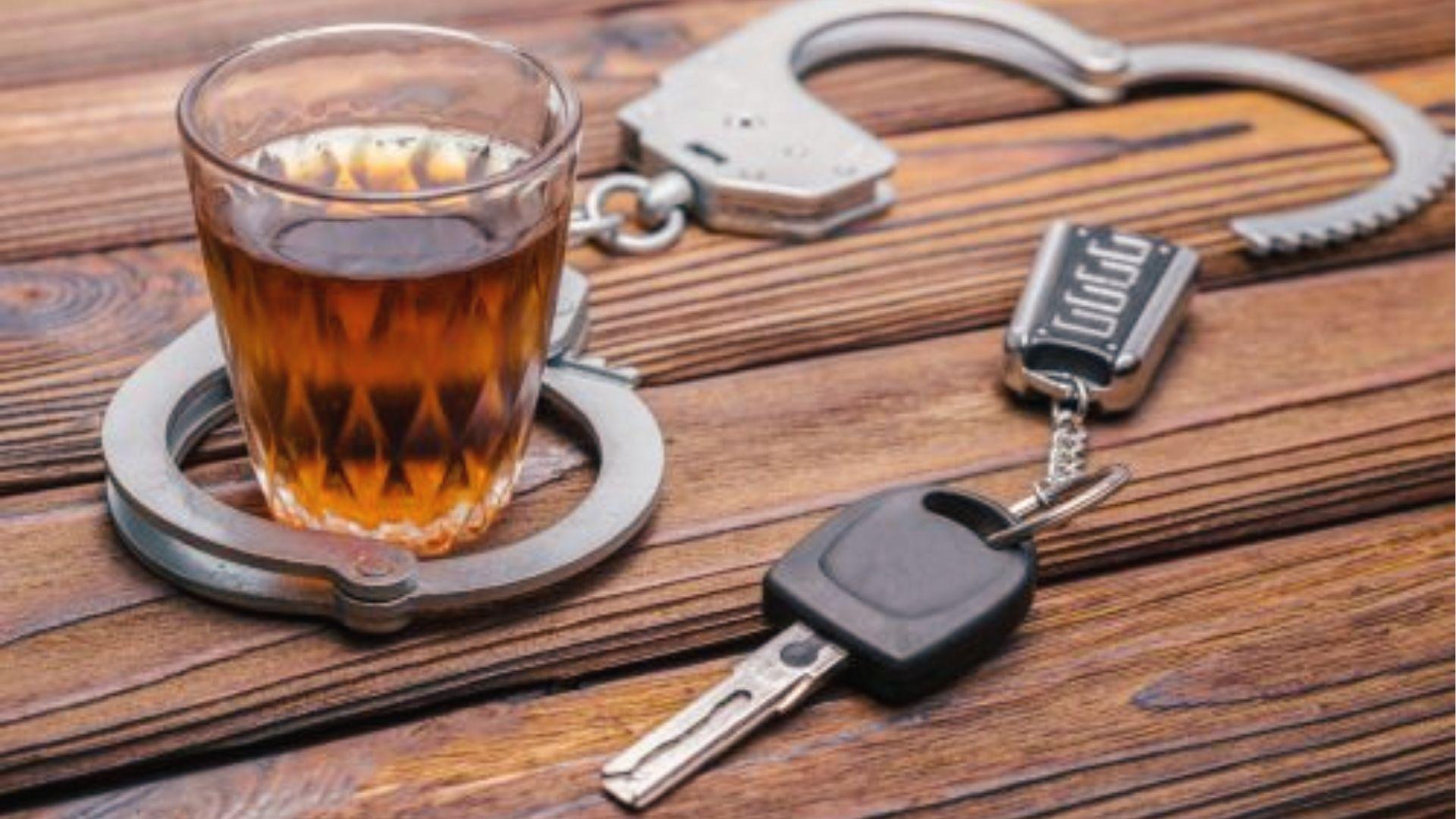
Georgia has strict DUI laws that every driver should understand. BAC stands for Blood Alcohol Concentration, which measures the percentage of alcohol in your blood.
A BAC of 0.08% means 0.08 grams of alcohol per 100 milliliters of blood. For adult drivers aged 21 and older, the legal BAC limit in Georgia is 0.08%.
Going at or above this level means you can be charged with a DUI. Commercial drivers are held to a stricter limit of 0.04% because they operate heavy vehicles.
Drivers under 21 face a zero tolerance policy with a BAC limit of just 0.02%, meaning even a small amount of alcohol can lead to a DUI charge.
What Is the Legal Limit for Alcohol in Georgia?
Understanding the BAC threshold in Georgia helps drivers make smarter choices on the road.
Georgia’s 0.08% BAC Rule Explained
The 0.08% BAC limit has been the legal standard in Georgia for adult drivers for many years. It is set by state law and is in line with federal recommendations across the United States.
If your BAC reaches 0.08% or higher during a traffic stop, the officer can arrest you for DUI. This is true even if you feel fine or believe you are driving well.
Can You Get a DUI Below the Legal Limit?
Yes, you can. Georgia law allows officers to charge you with a DUI even if your BAC is below 0.08%.
This is called a “less safe” DUI. If an officer believes alcohol has made you a less safe driver, that is enough for an arrest.
So even if your BAC reads 0.05%, you could still face DUI charges based on how you were driving or how you appeared during the stop.
How Police Determine Alcohol Impairment
Officers look for several signs of impairment during a traffic stop.
These include:Slurred speech Red or glassy eyes The smell of alcohol Poor balance during a field sobriety test Erratic driving behavior
They may ask you to take a breathalyzer test. If you refuse, Georgia’s implied consent law can lead to license suspension.
How Many Drinks Does It Take to Reach the Legal Limit?
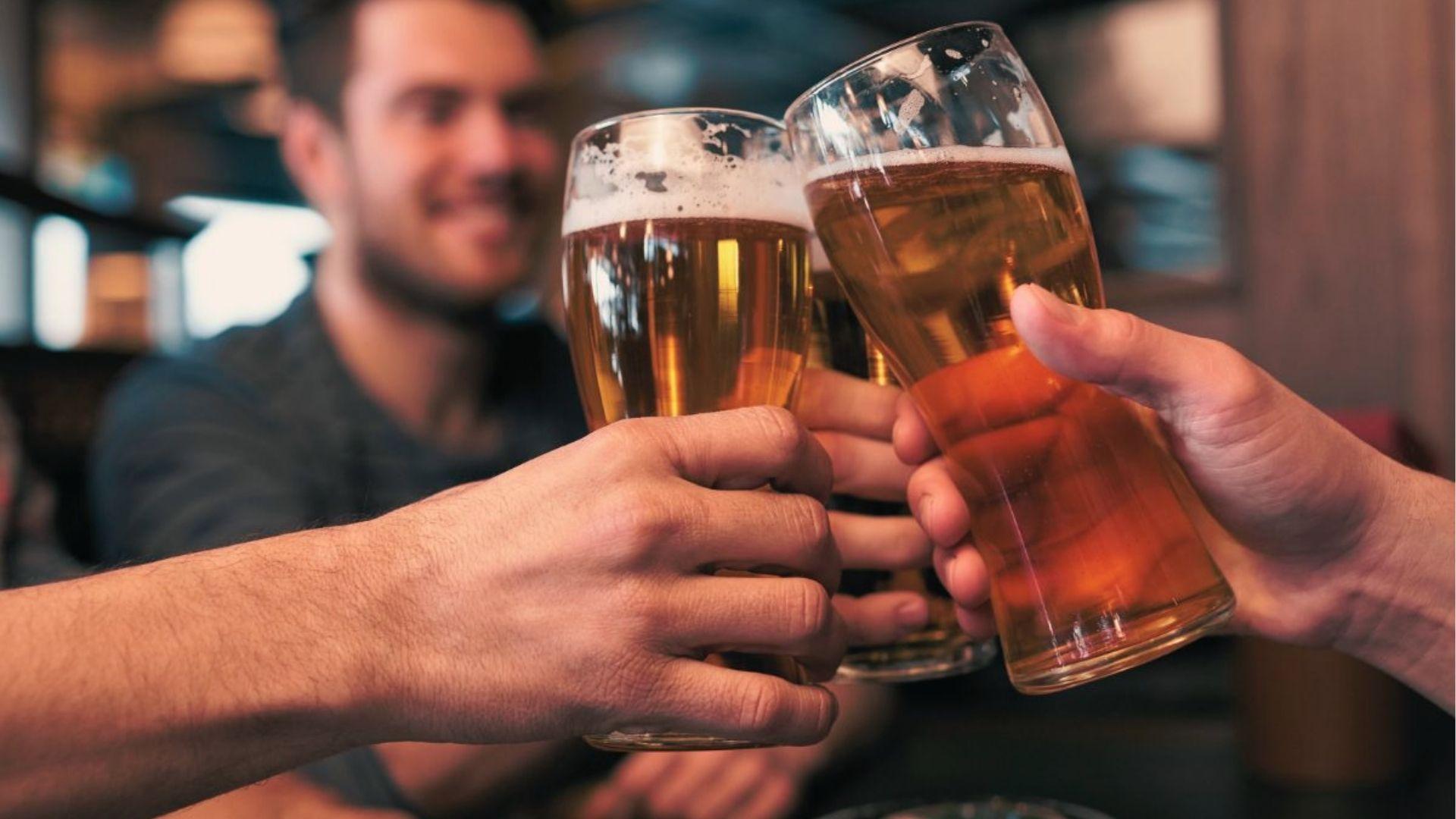
The number of drinks needed to hit 0.08% varies from person to person and depends on several factors.
What Counts as a Standard Drink?
A standard drink in the U.S. contains about 14 grams of pure alcohol.
That equals:12 ounces of regular beer (about 5% alcohol) 5 ounces of wine (about 12% alcohol) 1.5 ounces of distilled spirits like vodka or whiskey (about 40% alcohol)
Knowing what counts as one drink helps you track your intake more accurately.
Average Number of Drinks to Reach 0.08% BAC
For a person weighing around 160 pounds, it usually takes about three to four drinks in one hour to reach a 0.08% BAC.
For lighter individuals, it may take fewer. For heavier individuals, it may take more.
Why There Is No Exact Number for Everyone
There is no fixed number of drinks that applies to everyone. Your BAC depends on many personal factors.
Body weight, gender, how fast you drink, and whether you ate beforehand all play a role.
This is why it is never a good idea to count drinks and assume you are safe to drive.
Factors That Affect Your Blood Alcohol Concentration
Your BAC does not rise and fall the same way it does for someone else, even if you drink the same amount.
Body Weight and Gender

People with lower body weight tend to reach higher BAC levels faster. This is because there is less body mass to absorb the alcohol.
Women generally reach higher BAC levels than men after the same number of drinks. This is due to differences in body composition and how the body processes alcohol.
Food Intake and Drinking Speed
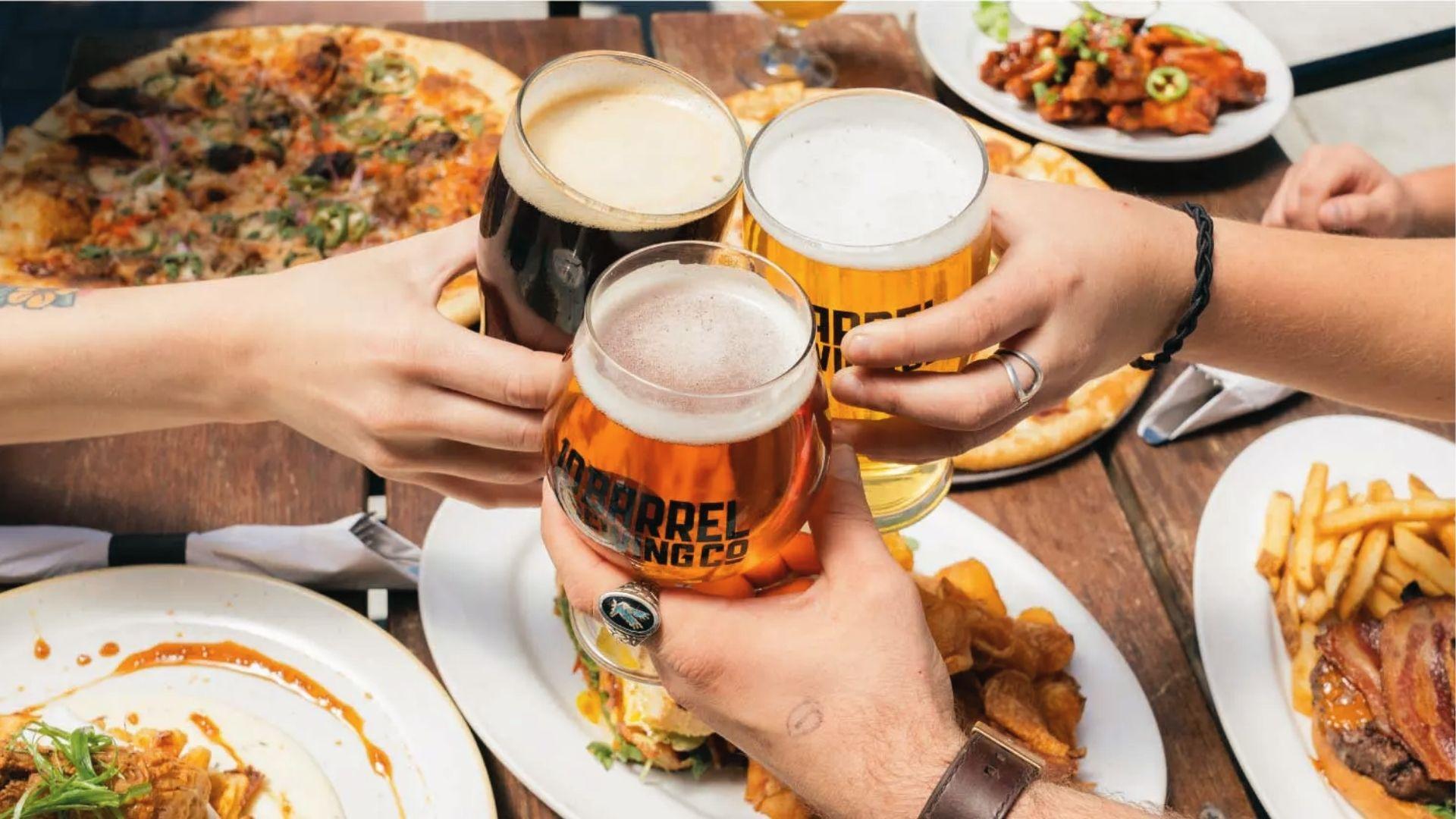
Eating a full meal before or while drinking slows alcohol absorption. Food in your stomach acts as a buffer. Drinking on an empty stomach speeds up absorption significantly.
Drinking faster also raises your BAC more quickly. Spacing out drinks over time gives your body more time to process the alcohol.
Medications and Alcohol Interactions
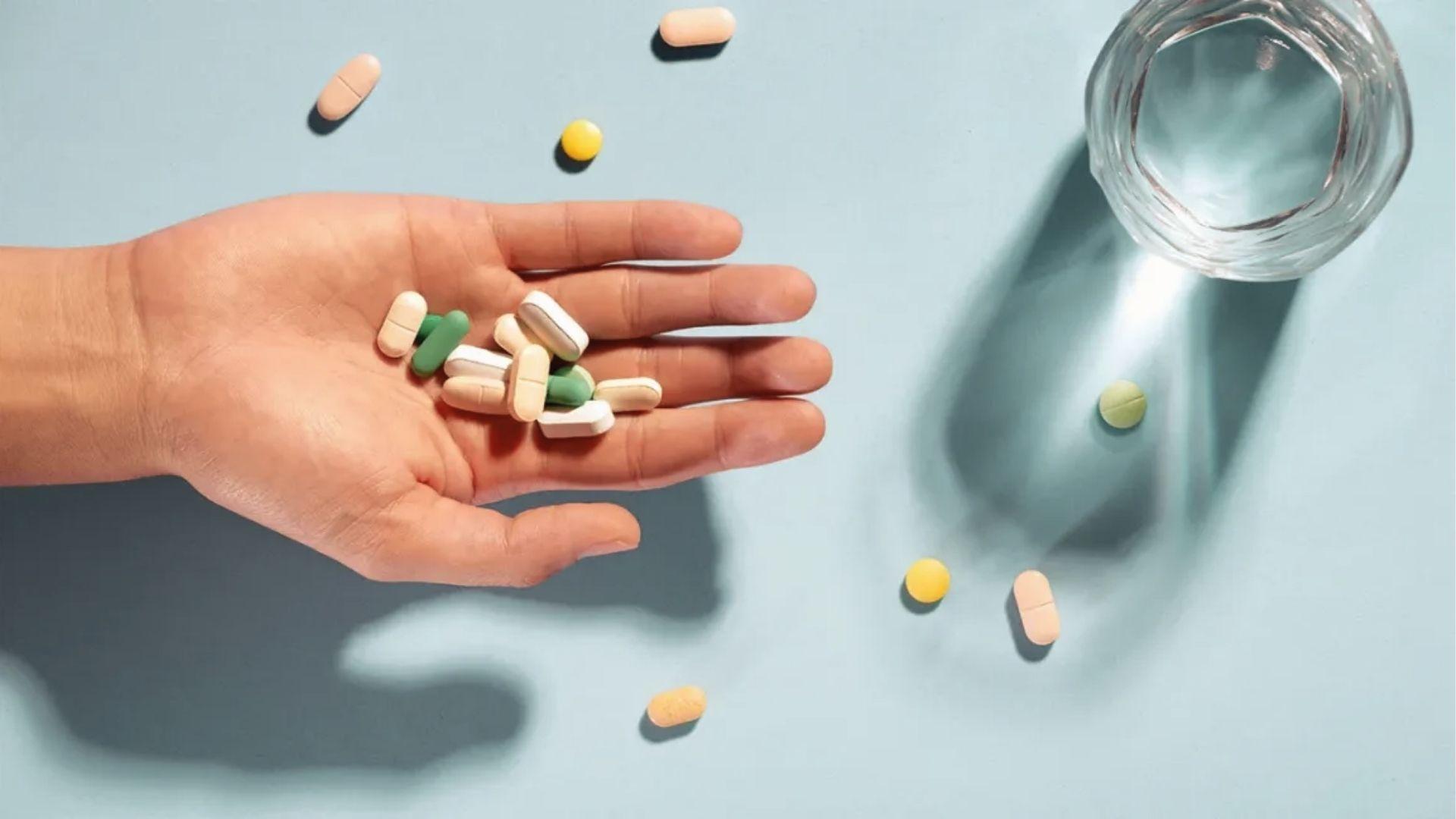
Some medications can make alcohol hit harder and faster. Antihistamines, sleep aids, and certain antidepressants can increase impairment.
Even over-the-counter medications can react with alcohol in unexpected ways.
Always read medication labels and talk to a doctor if you are unsure.
Alcohol Tolerance and Metabolism
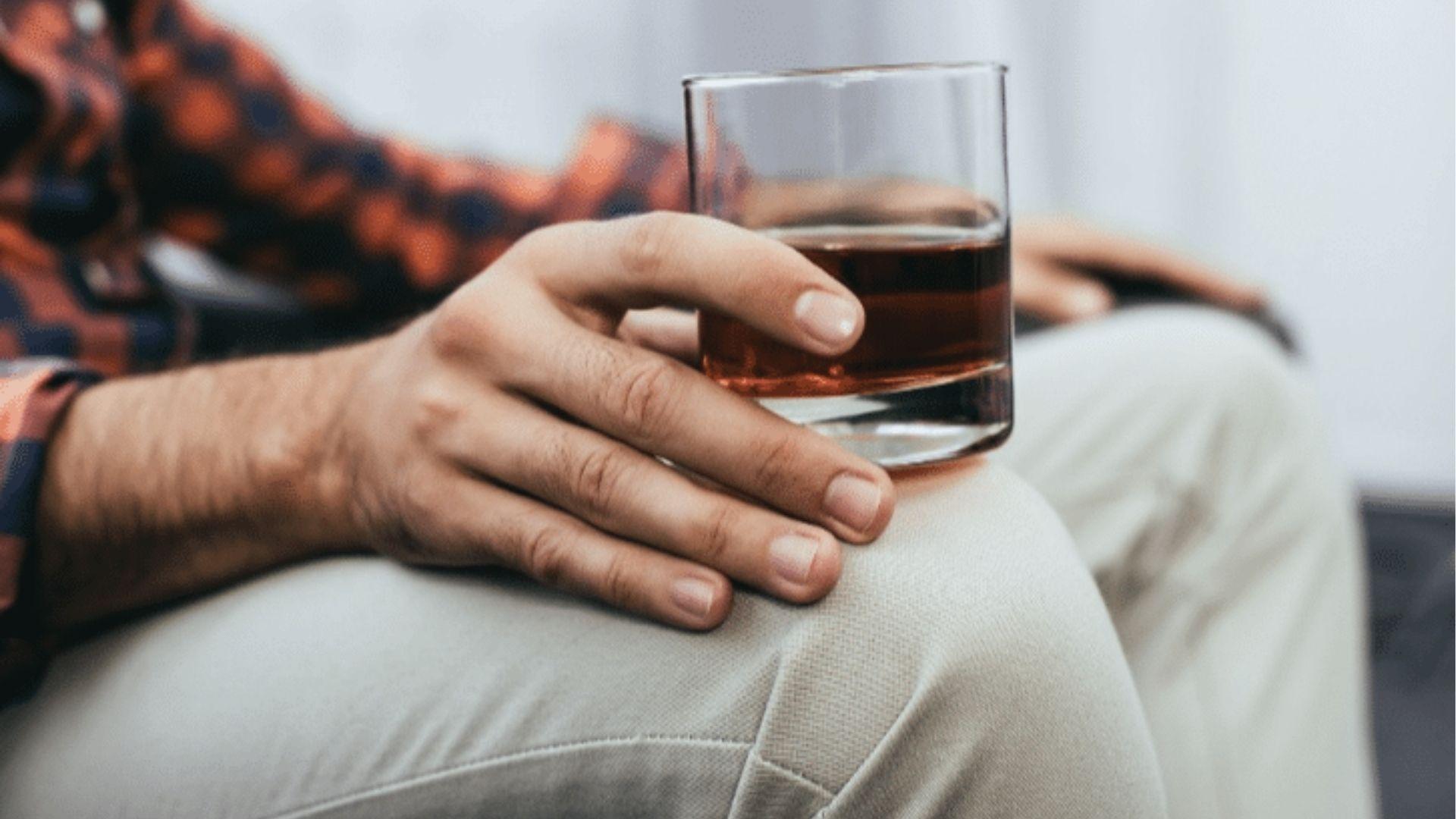
People who drink regularly may feel less impaired at higher BAC levels. But their actual BAC is still the same. Feeling fine does not mean you are legally safe to drive.
Your liver processes alcohol at a fixed rate, about one standard drink per hour. Tolerance does not speed up this process.
How Alcohol Affects Driving Ability
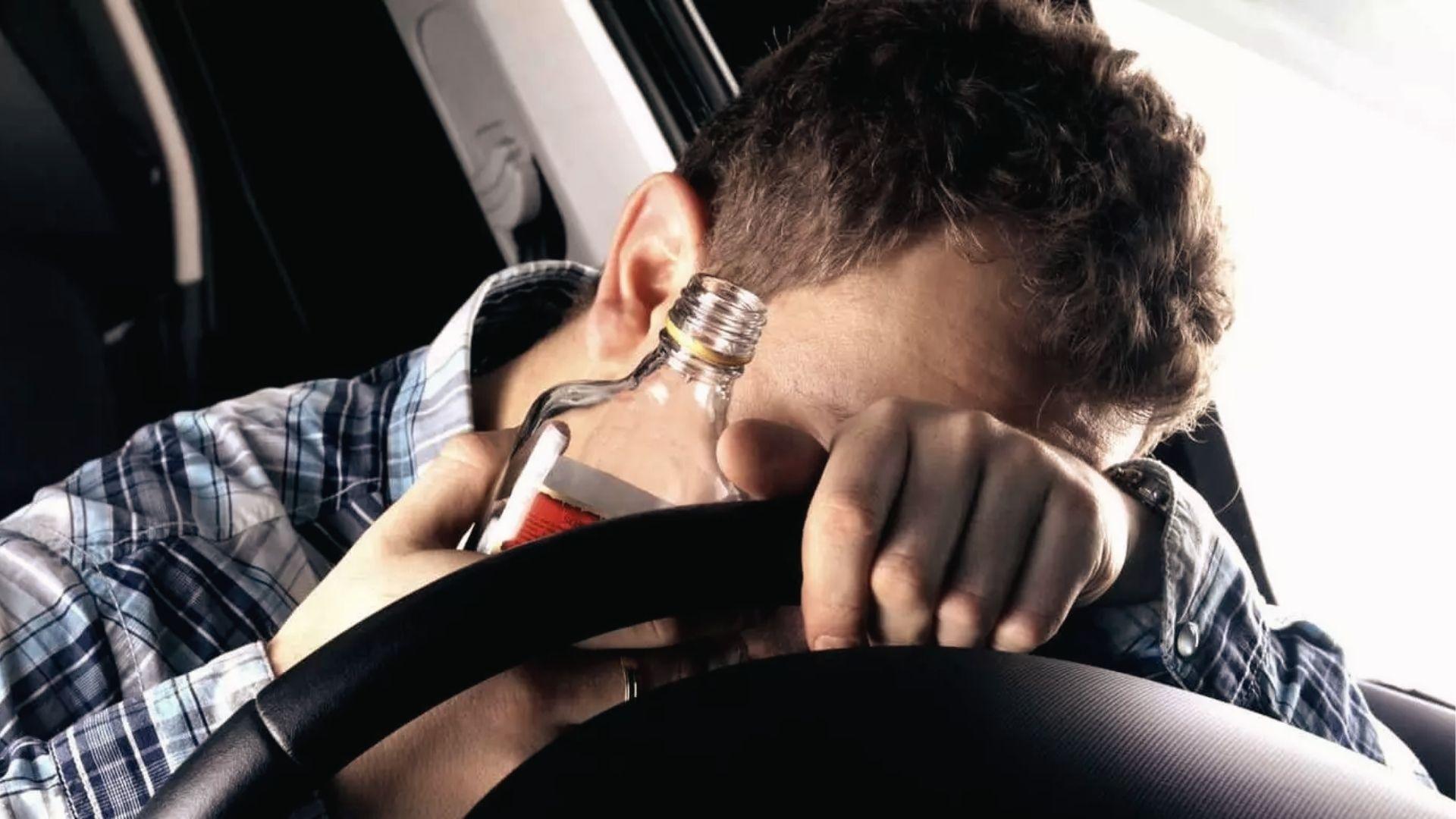
Even small amounts of alcohol can affect the skills you need to drive safely.
Impact on Judgment and Decision-Making
Alcohol affects the part of your brain that controls judgment. You may feel more confident, but your ability to make smart decisions drops. You may take risks you normally would not.
Slower Reaction Times and Reduced Coordination
Your reaction time slows down as BAC rises. A split second can mean the difference between stopping in time or causing an accident.
Hand-eye coordination also suffers, making it harder to control the vehicle properly.
Tips to Stay Below the Legal Alcohol Limit in Georgia
Small, smart choices before and during drinking can help you stay safe and legal.
- Know your body before you drink. Weight, food intake, and medications all affect how fast alcohol hits you.
- Eat a full meal before drinking and snack throughout the night to slow alcohol absorption.
- Plan for a designated driver before the night starts so you are never stuck making a bad decision.
- Save a rideshare app on your phone and use it without hesitation when you have been drinking.
- Check medication labels for alcohol warnings and skip drinking entirely if there is any doubt.
Conclusion
Knowing what the legal limit for alcohol in Georgia is not just about avoiding trouble. It is about keeping yourself and others safe.
I always say:if you are asking whether you are okay to drive, the answer is probably no.
Trust that instinct. Plan ahead, use a rideshare, or hand over your keys. It is always the right call.
If this article helped you, share it with someone who needs it. Got a question? Drop it in the comments below.
Frequently Asked Questions
What Is the Legal Limit for Alcohol in Georgia?
The legal BAC limit for adult drivers in Georgia is 0.08%. If your BAC is at or above this level, you can be arrested for DUI.
What Is the BAC Limit for Drivers Under 21?
Georgia has a zero tolerance policy for underage drivers. The BAC limit for drivers under 21 is just 0.02%.
What Is the BAC Limit for Commercial Drivers?
Commercial drivers in Georgia must stay below a BAC of 0.04%. This stricter limit applies when they are operating commercial vehicles.
Can One Drink Put You Over the Legal Limit?
For most adults, one drink will not push you over 0.08%. But if you are small in size, have not eaten, or are sensitive to alcohol, even one drink can impair your driving.
How Long Does Alcohol Stay in Your System?
Your body processes about one standard drink per hour. A BAC of 0.08% can take several hours to clear. The exact time depends on your weight, metabolism, and how much you drank.