I've spent hours watching birds in Georgia, and I can tell you this state never disappoints.
From bright red cardinals in the backyard to bald eagles soaring over rivers, birds of Georgia show up in all shapes and sizes.
In this guide, you'll find 29 birds worth knowing, along with tips on where and when to spot them.
I'll cover songbirds, woodpeckers, and birds of prey. Water birds and migratory species. The best seasons and habitats for birding.
With over a decade of backyard birding experience, I've put together everything you need to feel confident identifying Georgia's most common and most exciting birds.
Birds of Georgia at a Glance

A quick look at Georgia's bird variety, seasons, and the habitats where you're most likely to spot them.
Georgia is home to over 400 bird species, including year-round residents, seasonal migrants, and rare visitors making it one of the most bird-rich states in the Southeast.
Common birds like the Northern Cardinal and Mourning Dove are seen often, while native species have always lived and bred here.
Some birds are both others, like the European Starling, are common but not originally from the region. Spring and fall bring the best migration activity.
Winter draws waterfowl. Summer keeps breeding birds vocal. Across mountains, forests, wetlands, and coastlines, Georgia offers birders a wide range of spots to look.
29 Birds of Georgia You Should Know
From backyard regulars to wetland specialists, these are the birds most worth knowing across the state.
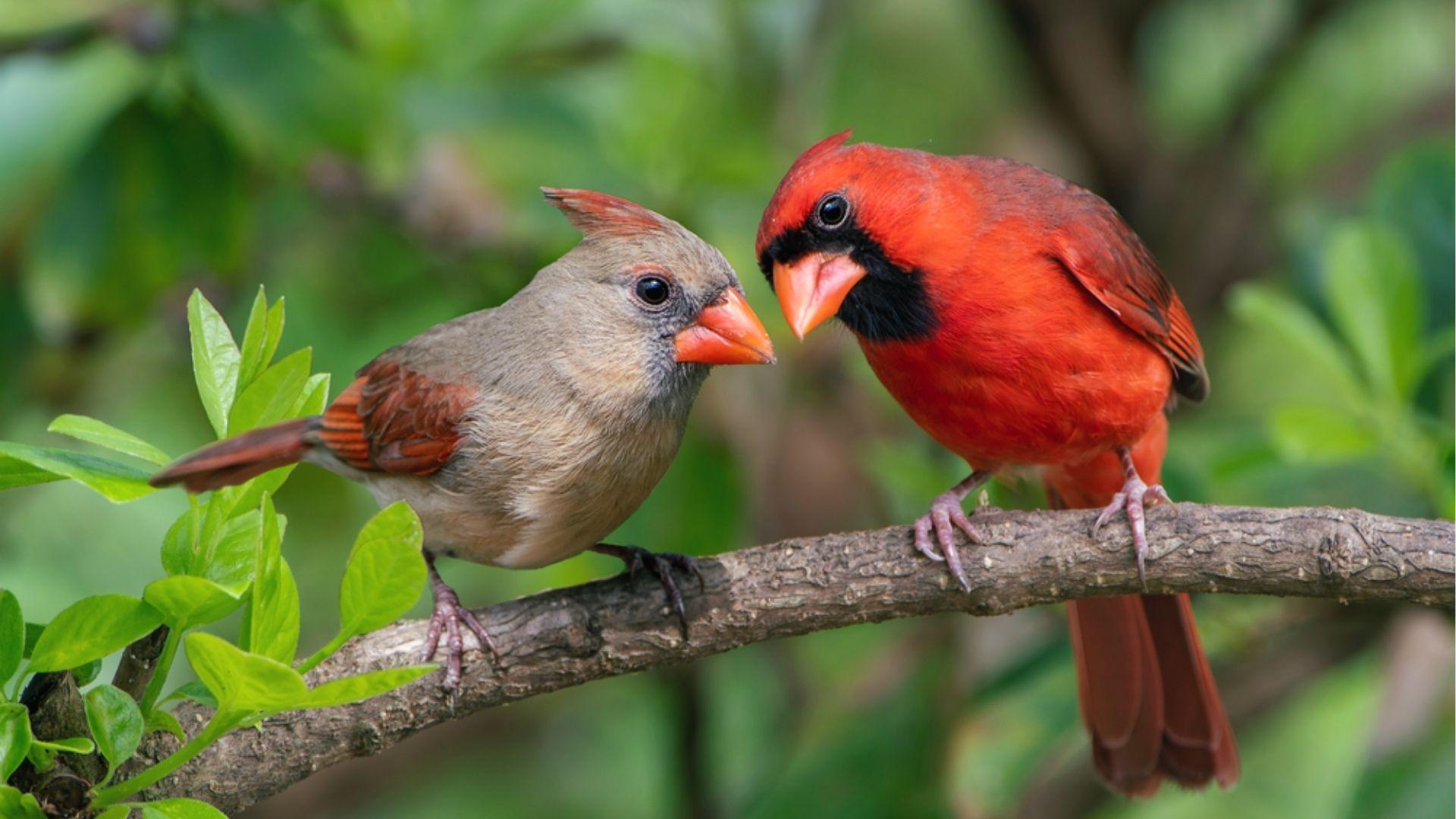
1. Northern Cardinal
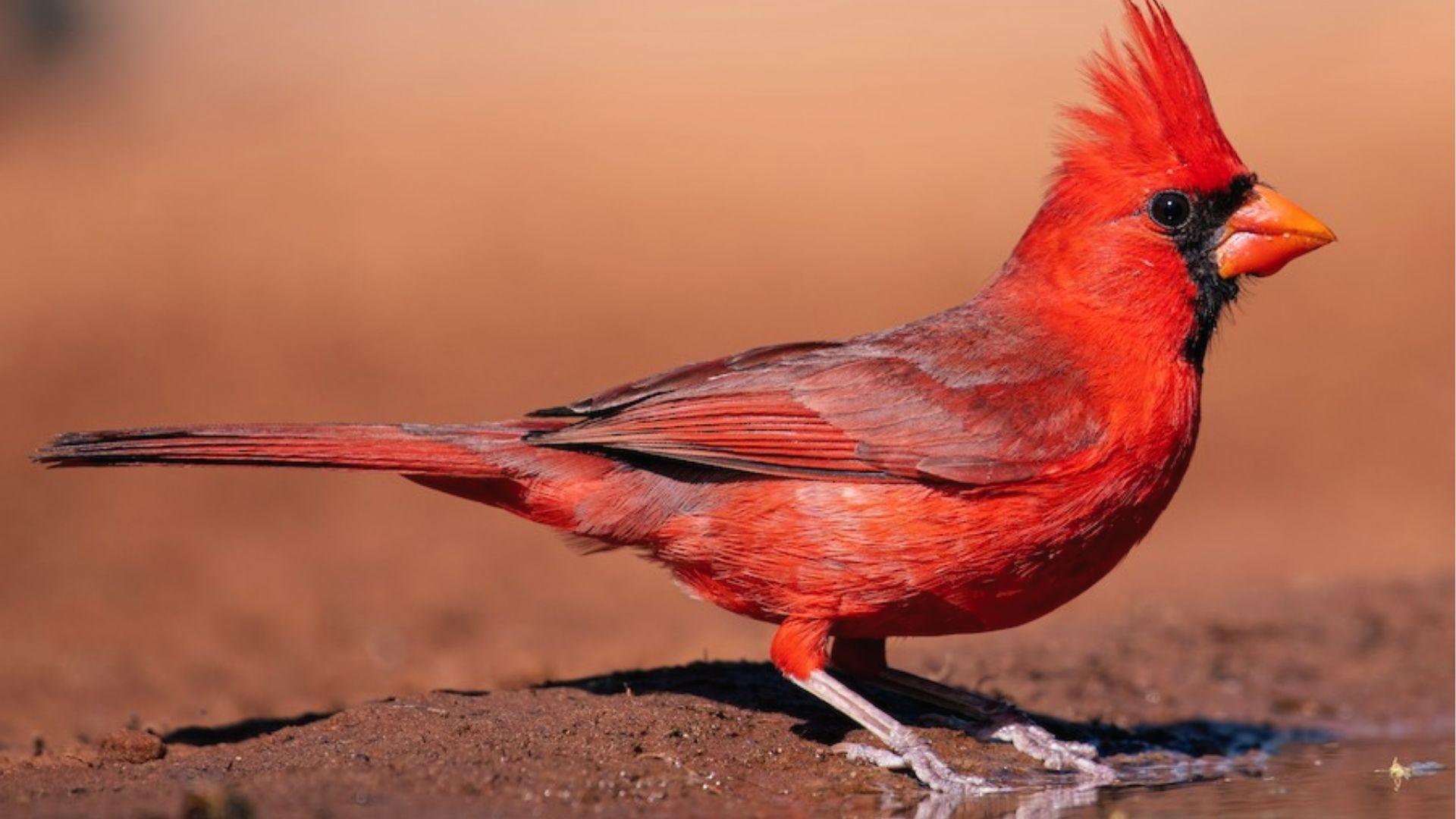
The male is bright red with a bold black mask, while the female shows softer brownish-red tones.
Both sexes visit backyard feeders throughout the year without fail. One of the most recognized birds spotted across Georgia in every season.
2. Brown Thrasher
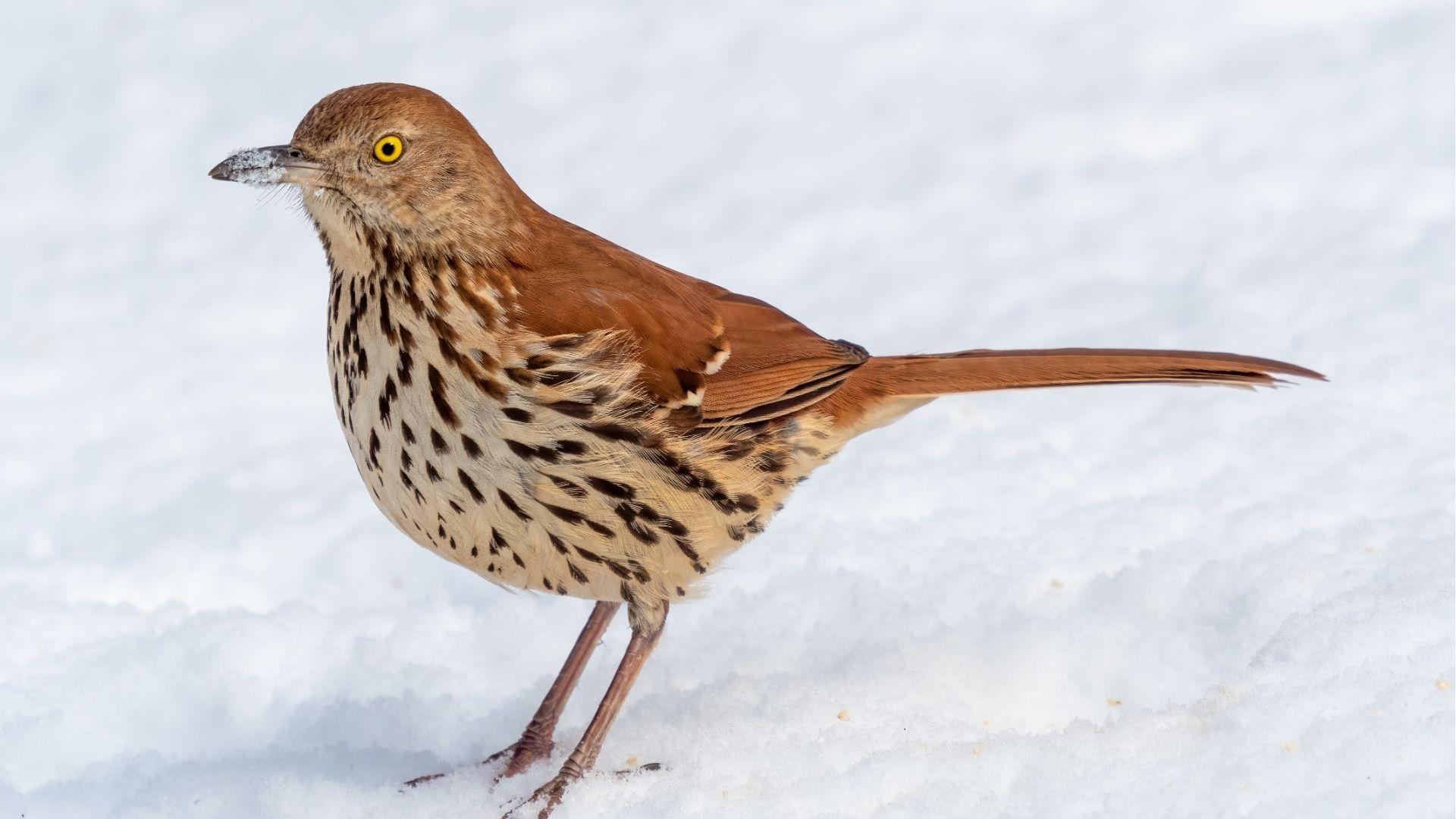
Georgia's state bird, known for its long tail, streaked chest, and confident personality.
Its loud, varied song stands out clearly among the sounds of shrubs and woodland edges.
A bold and expressive bird that makes its presence known wherever it settles.
3. Carolina Wren
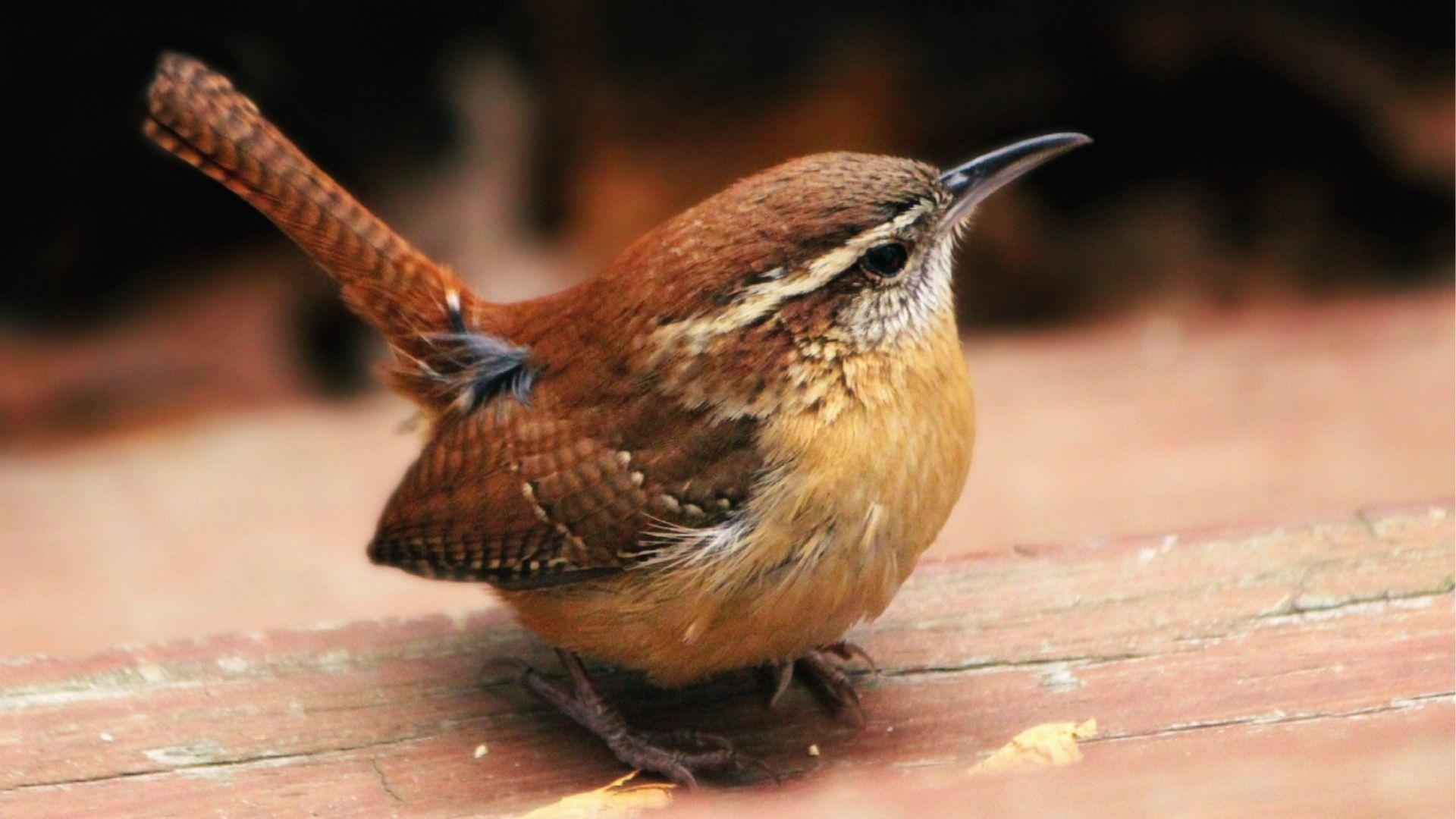
Small in size but surprisingly loud, with warm brown feathers and a bright white eyebrow stripe.
Its strong, repetitive song rings through dense shrubs and wooded areas with great energy. A year-round resident of Georgia that rarely goes unnoticed once it starts calling.
4. Blue Jay

Bright blue with a sharp crest and a bold personality that commands attention in any yard.
Blue Jays are intelligent and vocal, feeding on acorns, seeds, and insects with equal enthusiasm.
Common across Georgia forests and suburbs, they are hard to overlook and easy to hear.
5. American Robin

Recognized by its orange-red chest and habit of pulling worms from freshly watered lawns.
Robins nest in trees and shrubs and are seen across Georgia throughout much of the year. One of the most widespread birds in the state, familiar to both new and seasoned birders.
6. Mourning Dove

A soft gray-brown bird with a gentle cooing call that carries across open fields and quiet yards.
Very common at feeders, Mourning Doves are fast fliers despite their calm and still appearance.
Spotted across Georgia year-round, they are among the most regularly seen backyard birds.
7. Carolina Chickadee

Tiny with a black cap and bib, this bird is always active and quick to investigate its surroundings.
Carolina Chickadees travel in small flocks and visit sunflower seed feeders with consistent regularity.
They stay in Georgia all year and bring steady life to wooded backyards in every season.
8. Tufted Titmouse

Gray with a pointed crest and large dark eyes, this bird carries a bold presence for its small size.
Tufted Titmice take seeds one at a time and fly to a nearby branch before eating each one.
Regular visitors to backyard feeders, they are a familiar and welcome sight across Georgia.
9. Red-Bellied Woodpecker

Mostly black and white with a bright red cap that makes it easy to spot at a distance.
Despite its name, the red belly is rarely visible and not the feature most people notice first.
Common in wooded areas and backyards with large trees, it is a familiar bird across Georgia neighborhoods.
10. Pileated Woodpecker
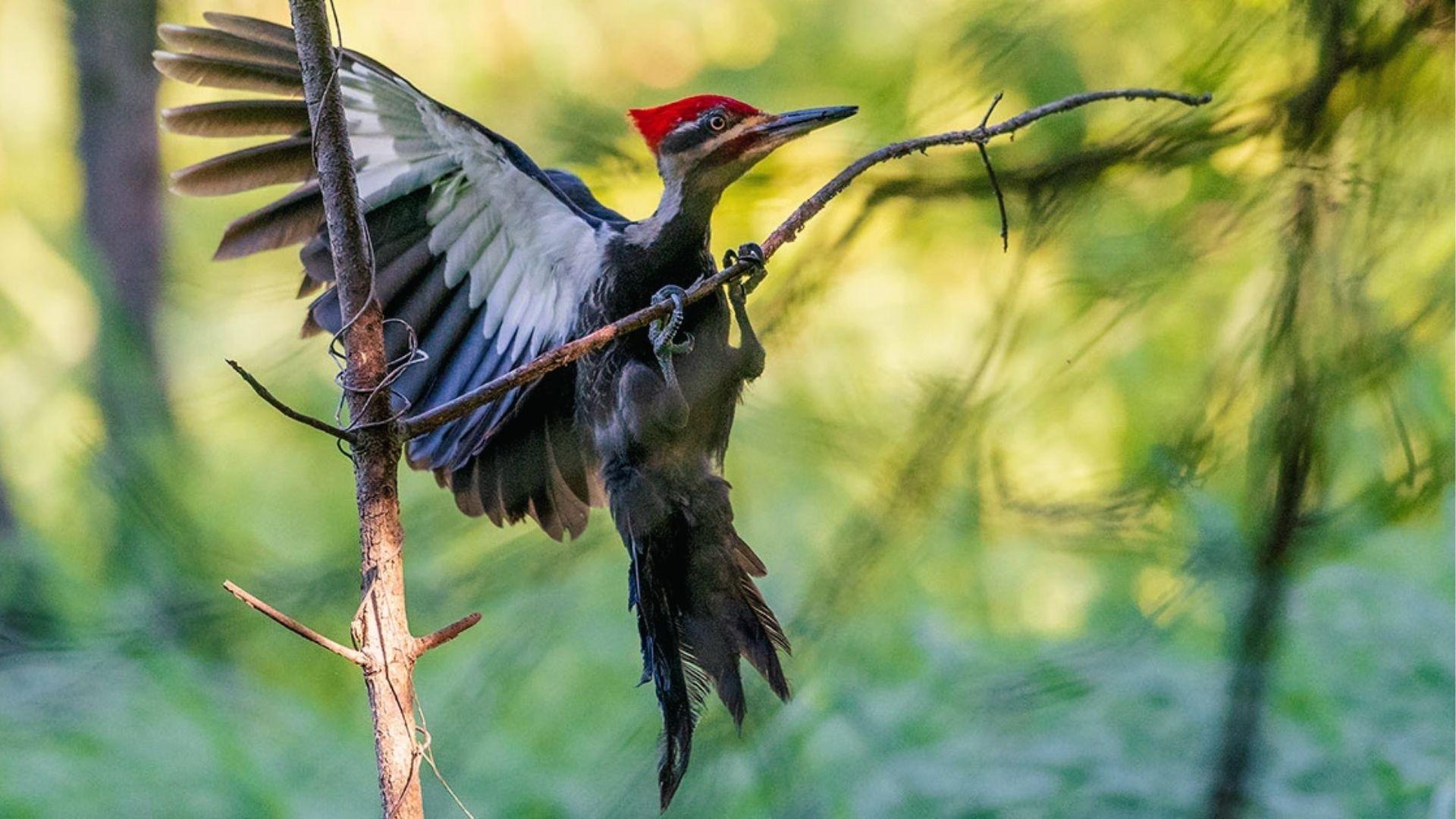
The largest woodpecker in Georgia, crow-sized with a striking bright red crest on its head.
Its loud call carries far through forests and often signals its presence before it comes into view.
It drills large, rectangular holes into dead trees in search of insects hidden deep within the wood.
11. Downy Woodpecker

The smallest woodpecker in North America, black and white with a small red patch on adult males.
It visits suet feeders readily and clings to thin branches with ease and surprising steadiness.
Often seen in Georgia backyards and along woodland edges throughout every month of the year.
12. Eastern Bluebird

Bright blue across the back with a warm orange chest that stands out clearly against green fields.
Eastern Bluebirds favor open meadows and nest in tree cavities or boxes placed in open areas. A favorite among Georgia birders, they can be spotted throughout the year in the right habitat.
13. Cedar Waxwing
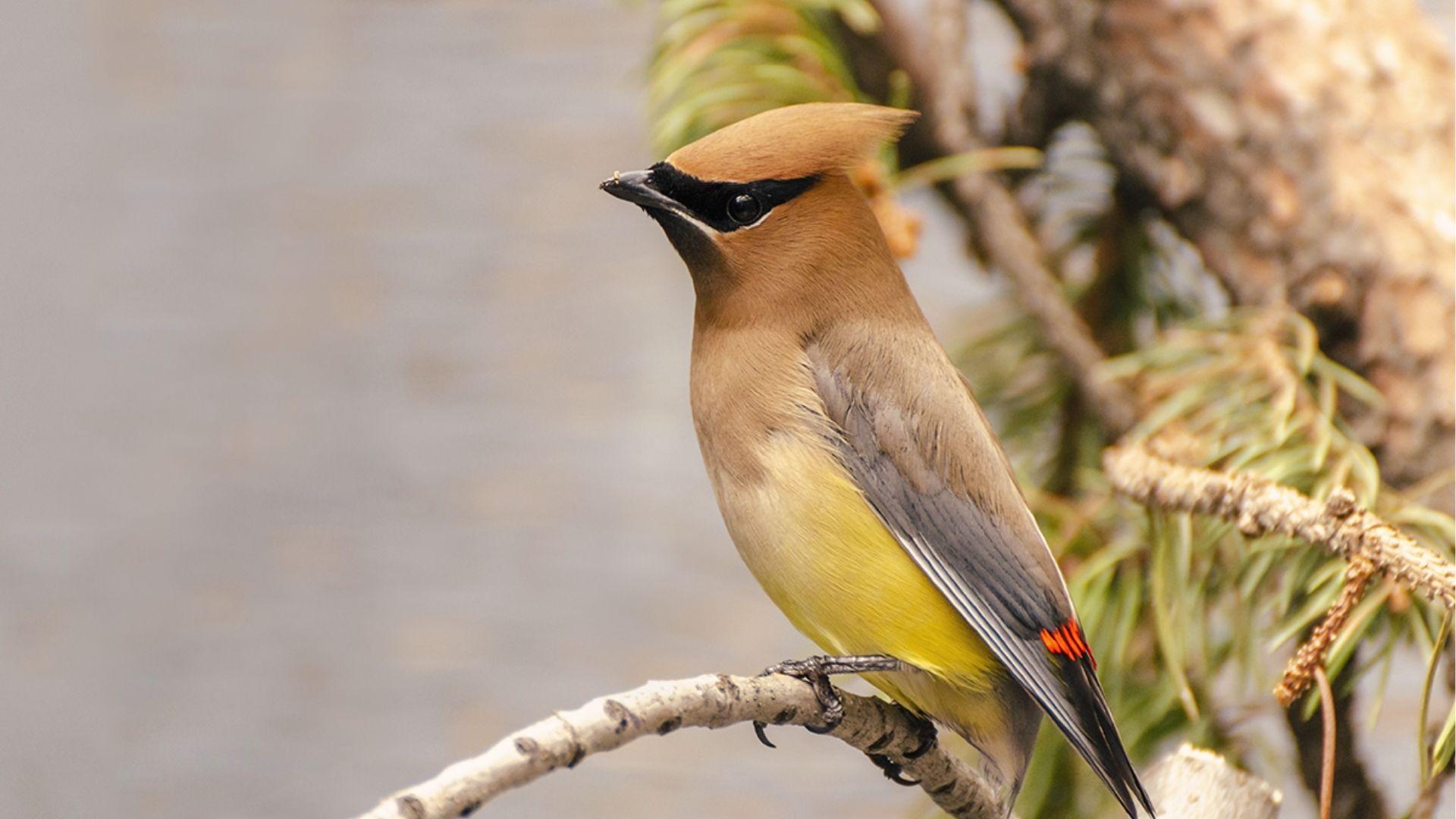
Smooth gray-brown with a sleek crest and red wingtips. Travels in flocks and is rarely seen alone.
Often spotted eating berries from trees in large groups. Visits Georgia mostly in winter and early spring.
14. Ruby-Throated Hummingbird
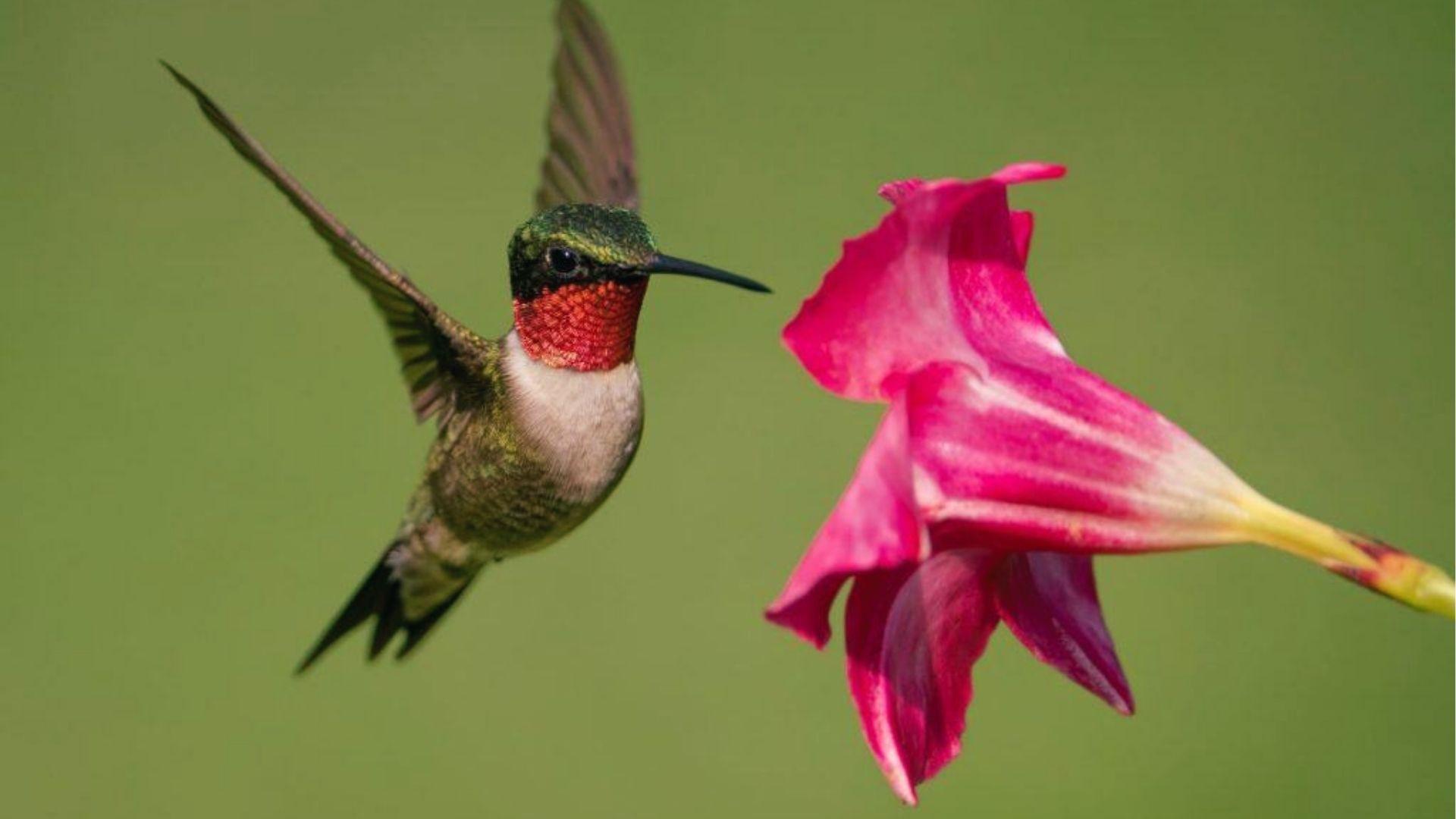
The only hummingbird that breeds in Georgia. Males have a bright red throat that catches the light.
They feed on nectar and small insects to fuel their fast flight. Visit sugar water feeders from spring through summer.
15. Painted Bunting

One of the most colorful birds in North America. Males have blue, green, and red feathers across their body.
Found in coastal Georgia during spring migration and summer. Hard to miss once you know what to look for.
16. Indigo Bunting

Males are vivid blue all over. Females are plain brown and easy to overlook. They pass through
Georgia during migration and breed in some areas. Often seen near forest edges and open brushy fields.
17. American Goldfinch

Males turn bright yellow in spring and summer. Females stay a softer olive-yellow year-round.
They love thistle feeders and visit them regularly. Common across Georgia, though plumage changes noticeably with the season.
18. House Finch
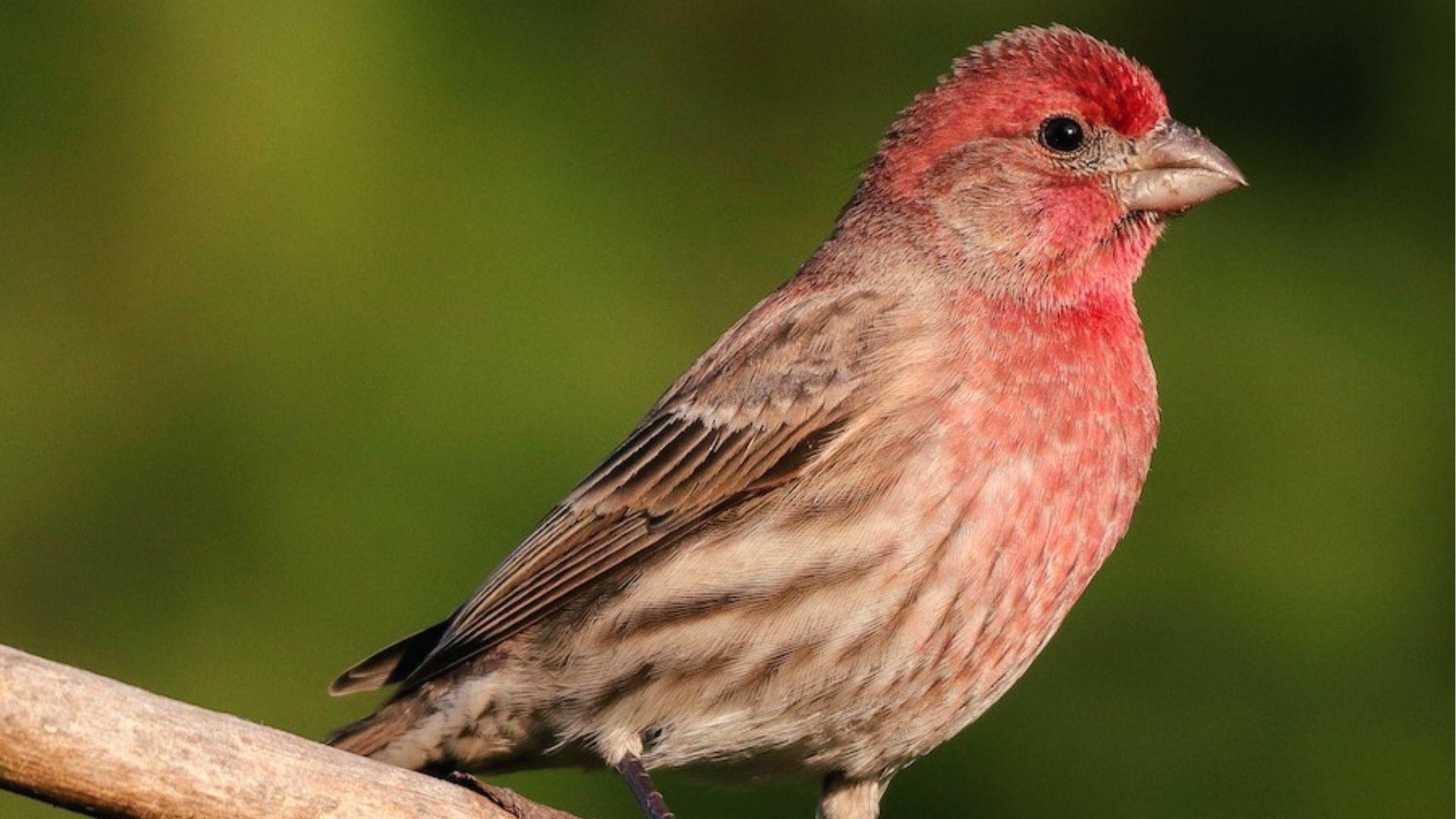
Males have a rosy-red head and chest. Females are streaked brown. They nest near homes and visit feeders often.
Very common across Georgia suburbs and neighborhoods throughout the year.
19. Great Blue Heron

Tall, gray-blue, and slow-moving. Stands still in shallow water to wait for fish. Common near rivers, ponds, and wetlands throughout the state.
Seen year-round across Georgia in both coastal and inland areas.
20. Great Egret

All white with a long neck and yellow bill. Often seen wading slowly in marshes and along lake edges.
One of the most graceful wading birds found in Georgia. Commonly spotted near both coastal and inland waters.
21. Wood Stork
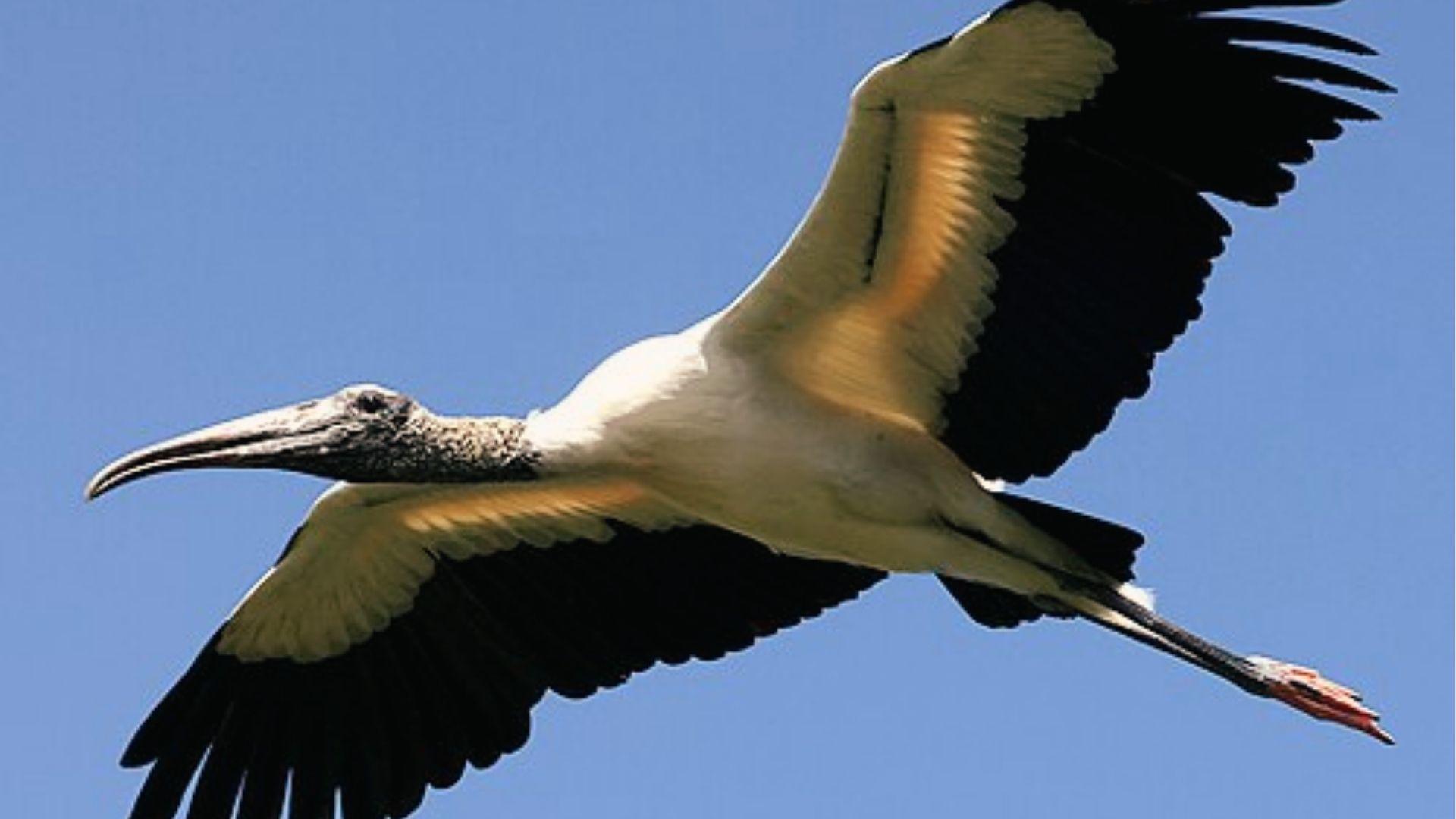
Large white bird with a bald, dark head. Nests in colonies in Georgia's wetlands. Listed as a threatened species but numbers are slowly recovering.
Populations are gradually increasing across the Southeast.
22. Brown Pelican
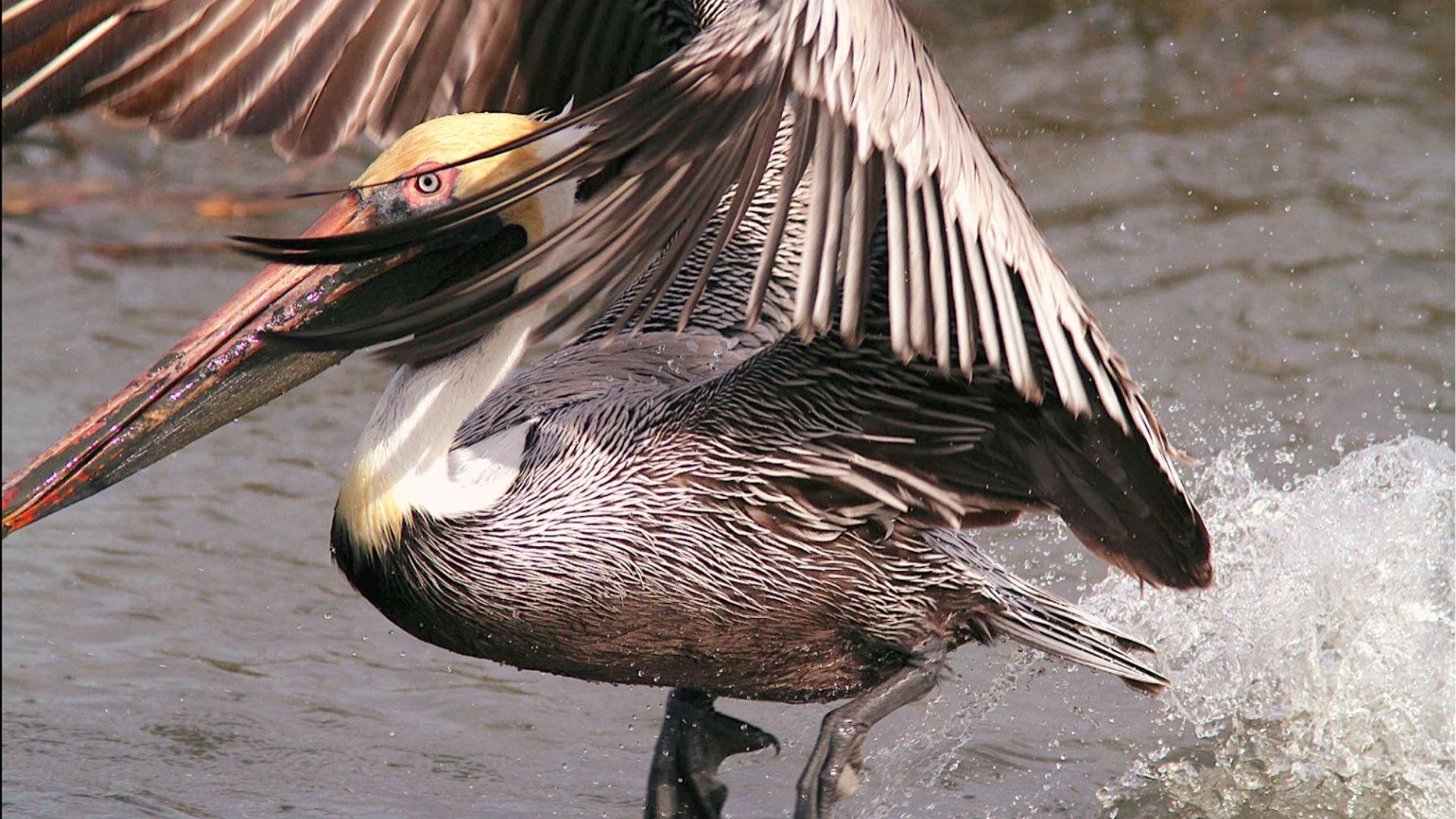
Found along Georgia's coast. Dives headfirst into the water to catch fish. One of the few pelican species that plunges from the air to hunt.
A common sight along Georgia's barrier islands and shorelines.
23. Osprey
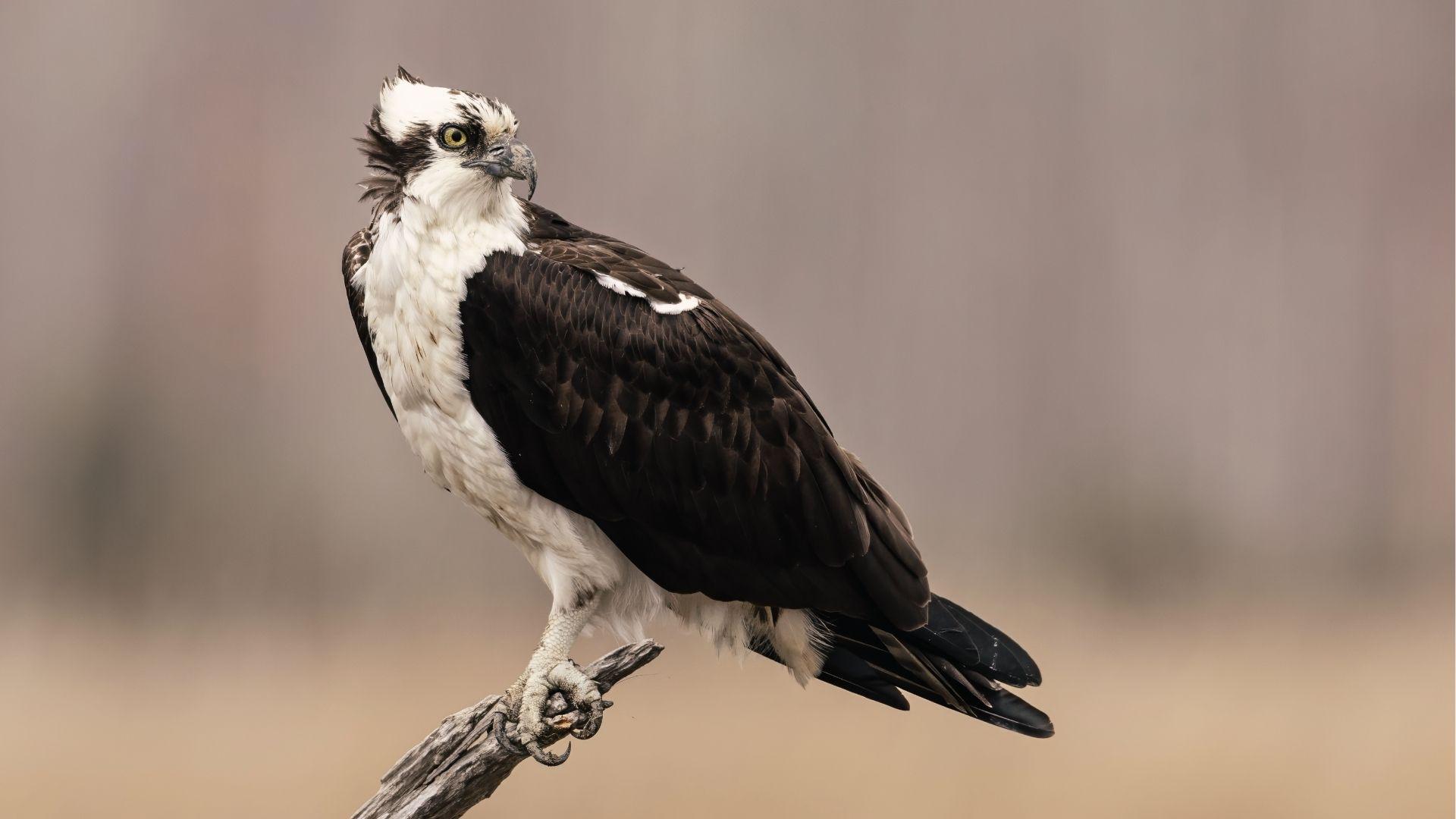
A fish-eating hawk with a white chest, dark eye stripe, and powerful talons built for gripping slippery prey.
It nests near water on tall platforms or poles and is seen across Georgia near lakes and rivers.
Most active during the warmer months, it can be watched hunting over open water with great precision.
24. Bald Eagle

America's national bird, large and powerful with a white head and tail that are unmistakable in flight.
Nesting numbers in Georgia are steadily growing, making sightings more reliable than in past decades.
Found along rivers and large lakes across the state, it is no longer a rare bird to encounter here.
25. Red-Tailed Hawk
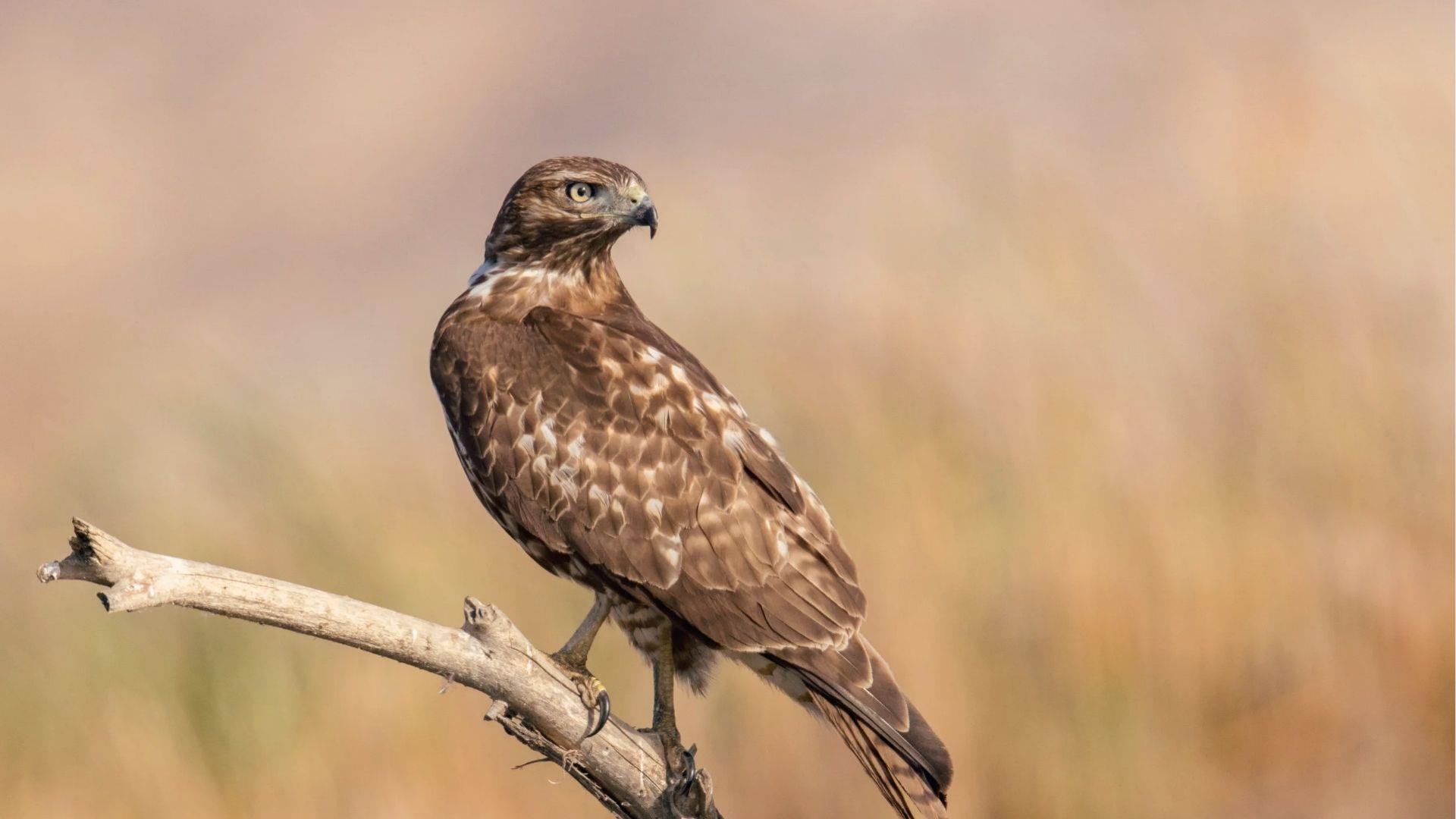
The most common large hawk in Georgia. Named for its brick-red tail visible from below.
Often seen perched on power lines or soaring over open fields. Easy to spot during a drive through rural Georgia.
26. Red-Shouldered Hawk
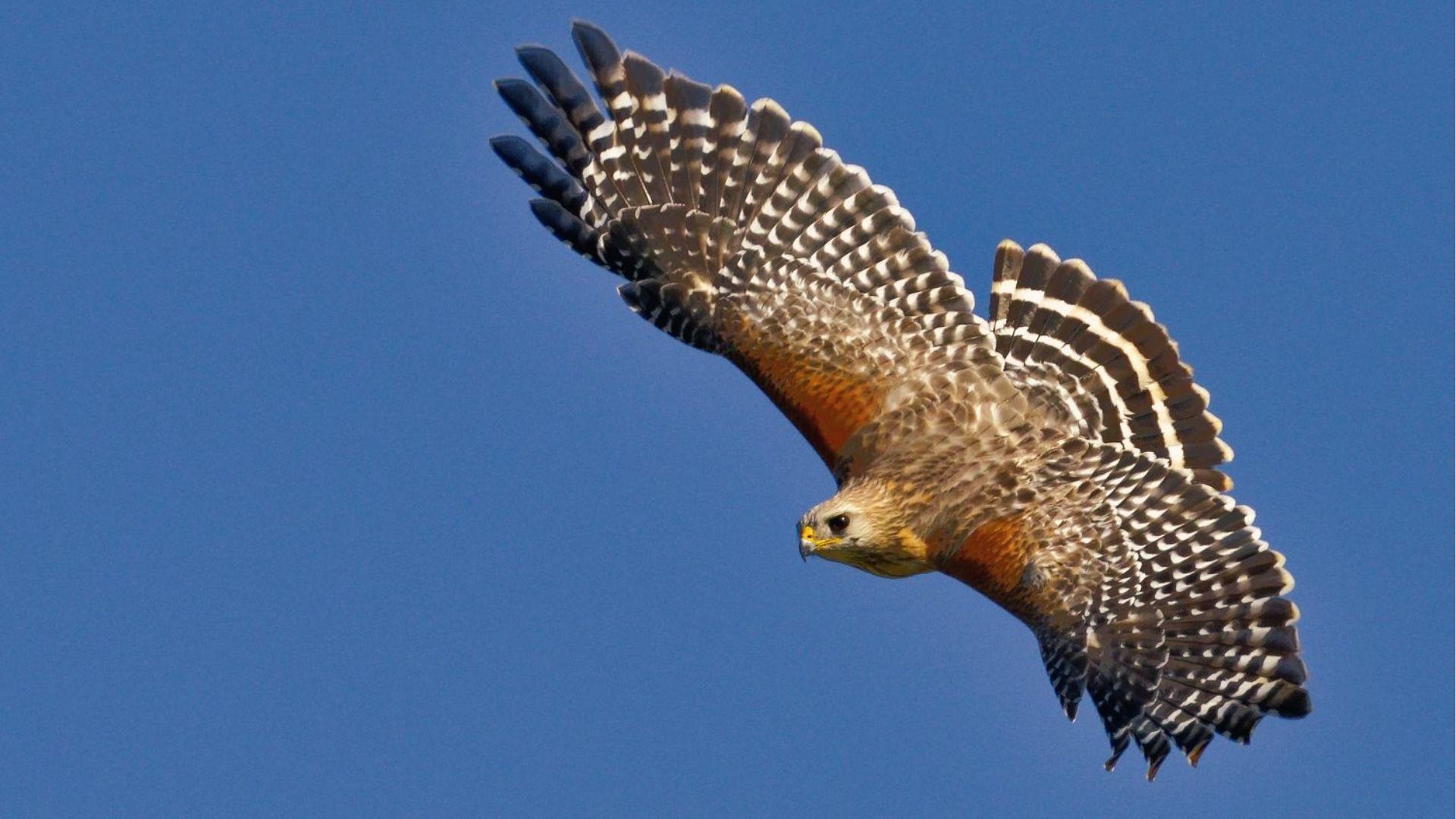
Smaller than the Red-Tailed Hawk, with reddish barring across the chest and a clearly banded tail.
It favors wooded wetlands and bottomland forests, habitat types that are well represented across Georgia.
Often heard before it is seen, its sharp and repeated call gives away its location long before any visual.
27. Barred Owl

A large, round-headed owl with dark brown eyes. Known for its "who cooks for you" call heard in wooded areas.
Lives in dense forests near water across Georgia. Active day and night, making it easier to spot than most owls.
28. Great Horned Owl
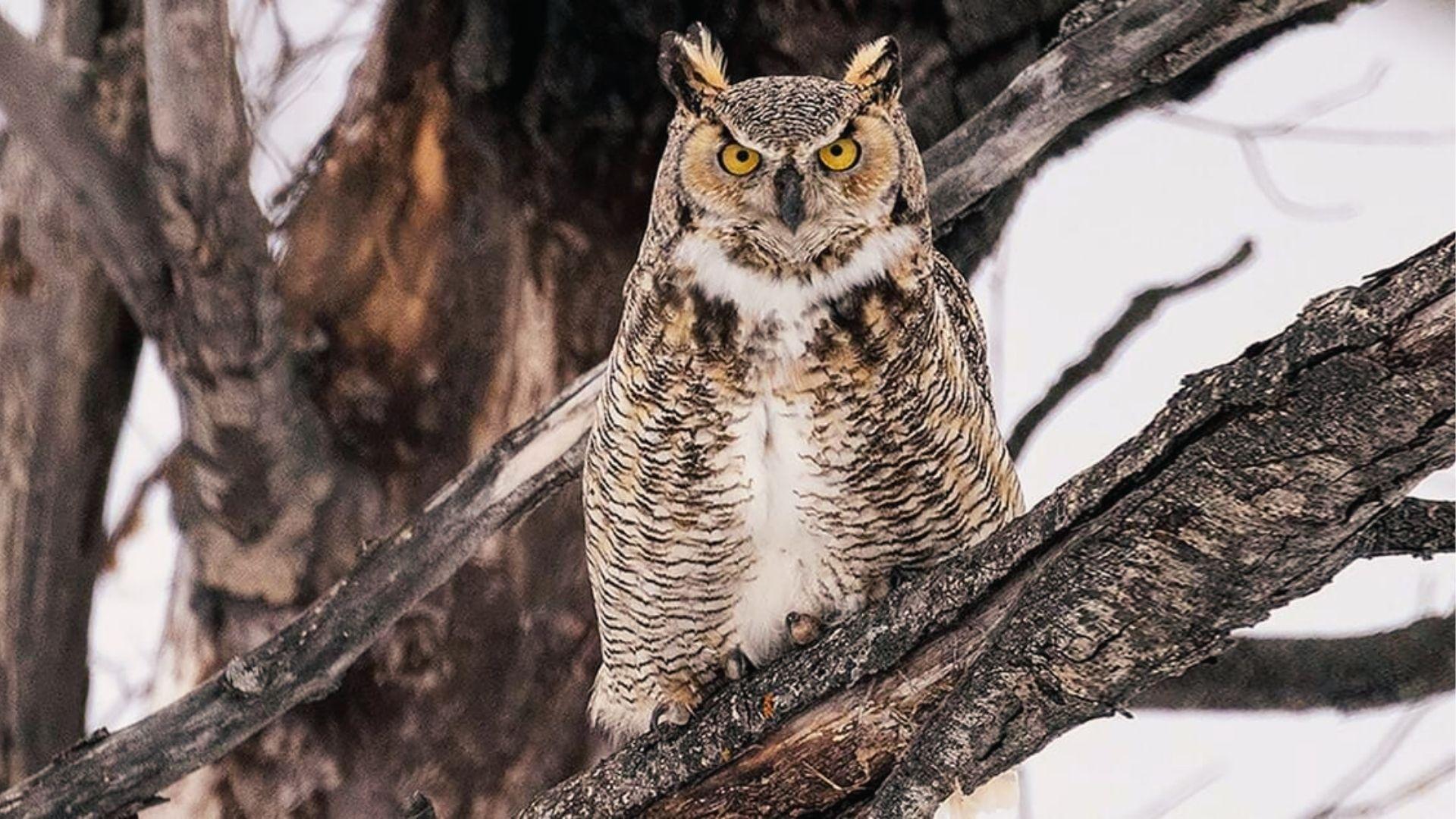
One of the largest owls in Georgia. Has ear tufts and striking yellow eyes. A powerful predator that eats everything from mice to other raptors.
Found in forests, fields, and suburban areas across the state.
29. Turkey Vulture
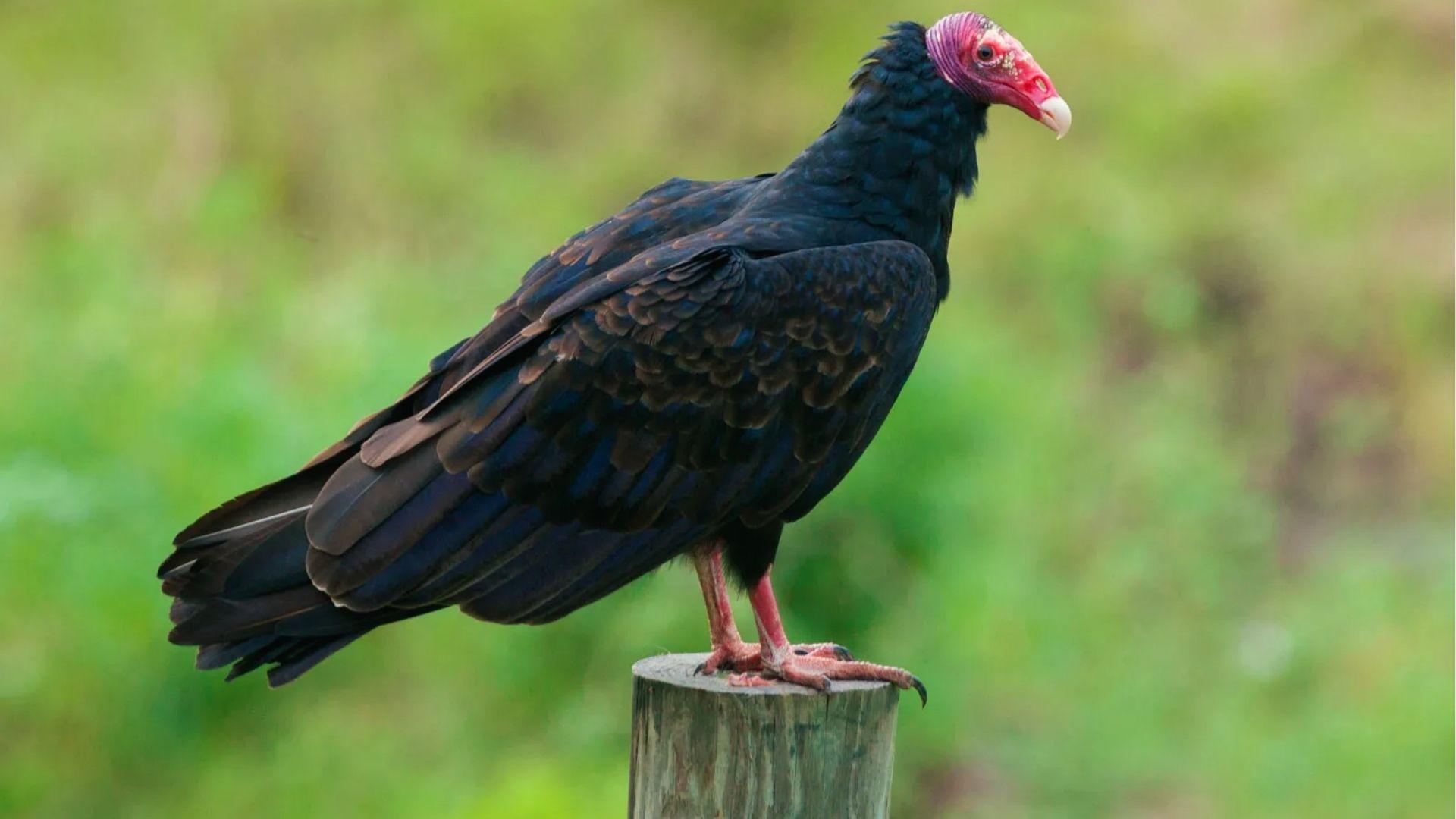
Often mistaken for an eagle from a distance. Has a bald red head and sores on wide, V-shaped wings.
Feeds on carrion and plays an important role in cleaning up the environment. Seen circling high in the sky across Georgia, especially on warm sunny days.
Bird Watching Tips for Spotting Common Birds of Georgia
Simple habits and the right tools can make a big difference when you head out to look for birds.
- Go out early, right after sunrise. Birds are most active in the first two hours of daylight.
- Late afternoon is also a good window, especially in summer months.
- Use 8×42 binoculars and download the Merlin Bird ID app. It's free and you can identify birds by their song.
- Learn a few key calls. Many birds are heard before they are seen.
- Keep a safe distance from nests and stay on marked trails to avoid disturbing ground-nesting species.
Conclusion
I started birding in Georgia on a quiet morning with just a cheap pair of binoculars and I was hooked.
The birds of Georgia are everywhere once you start looking. From singing wrens in your backyard to herons wading in still water, there's always something to see.
I hope this guide helps you feel ready to head outside and start noticing them. If you spotted a bird not listed here, drop it in the comments.
Share this post with a fellow bird lover. They'll thank you for it.
Frequently Asked Questions
What Are the Most Common Birds of Georgia?
The most common birds include the Northern Cardinal, Mourning Dove, Carolina Wren, American Robin, and Blue Jay. These species live year-round in Georgia and are easy to find in backyards and parks.
What Are the Most Popular Native Birds of Georgia?
Native birds that are widely loved include the Eastern Bluebird, Brown Thrasher, Carolina Chickadee, and Painted Bunting. These species breed in Georgia and are strongly tied to the region's habitats.
What Is Georgia's State Bird?
The Brown Thrasher is Georgia's state bird. It was named the official state bird in 1935. It's known for its loud, complex song and is found across the state in brushy areas and forest edges.
Are Bald Eagles Common in Georgia?
Bald Eagles are not rare in Georgia. They nest in the northern part of the state and near large water bodies. Populations have grown steadily since protections were put in place decades ago.
When Is the Best Time for Bird Watching in Georgia?
Spring migration, from March through May, is the most exciting time. Fall migration and winter also bring many species to Georgia. Early morning visits year-round will give you the best results.